

The culture and colour of Chennai
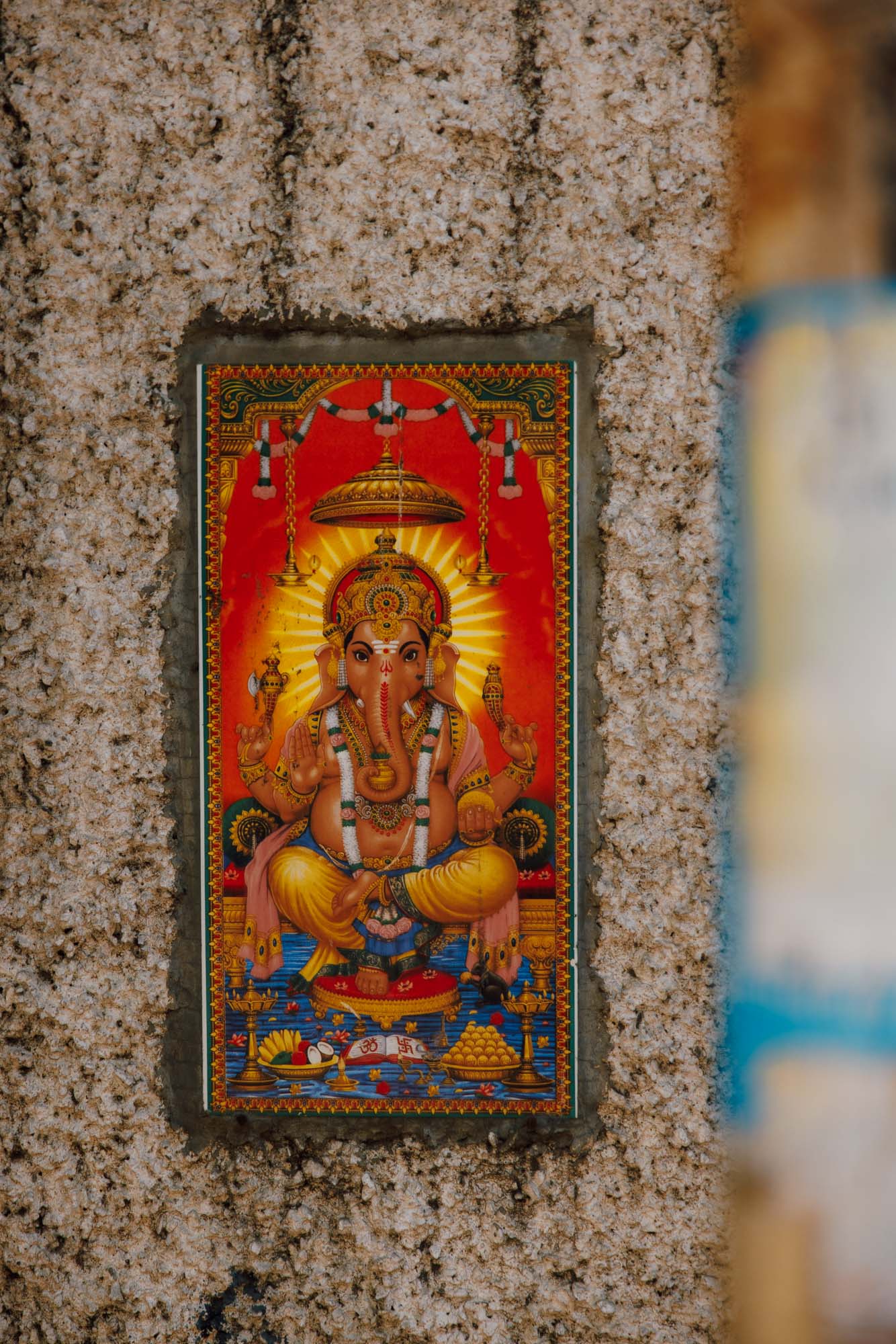
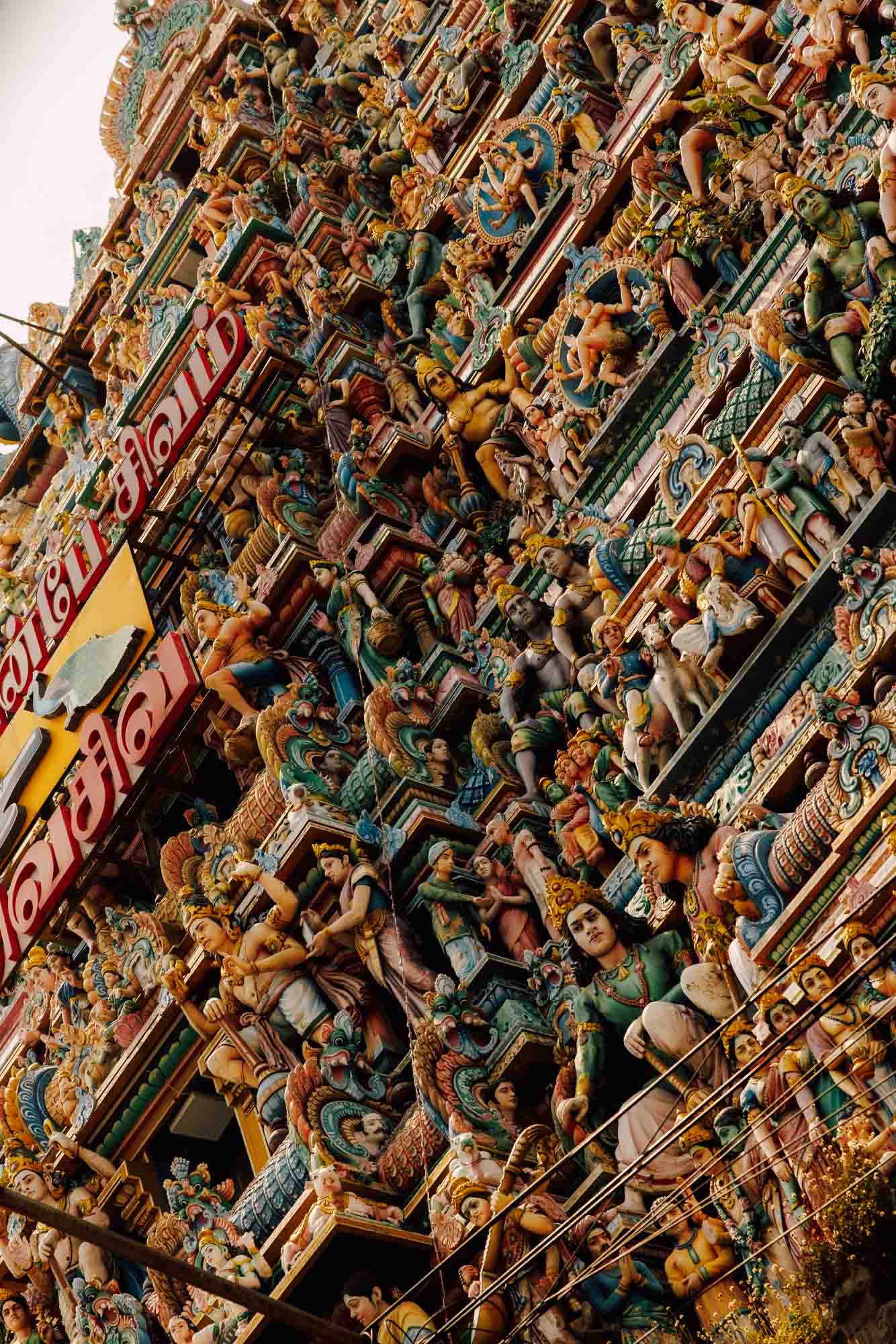
In the old areas of Chennai, you’ll often see a brightly painted deity on the corners of the streets. It’s not primarily an expression of piety, however - its main goal is to stop people pissing there. No matter how desperate or secular you might be, you’re unlikely to urinate on a god.
There are mini shrines at a lot of the T-junctions as well. The thinking here is that the sight of a deity prevents a driver from rushing into the junction without stopping, and perhaps looking both ways.
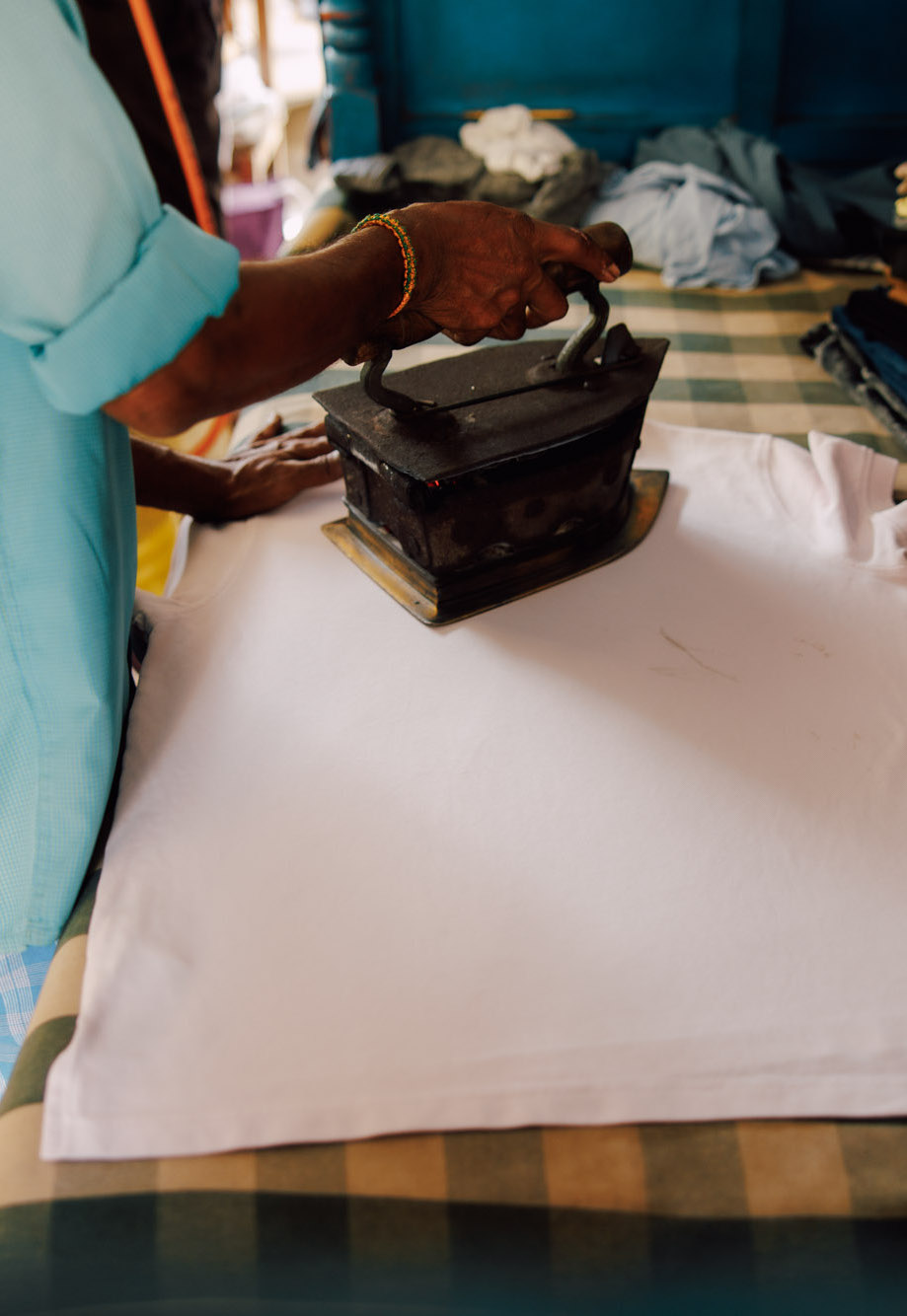
And here’s a tailoring one: each block has a little pressing booth - that’s one below. Every morning these pressers gather bundles of clothes and bedding from the neighbouring houses, and press them during the day, delivering them back in the evening.
A tailor would find the irons themselves fascinating. Not only are they solid iron and heated over hot coals, but some also have coals placed inside them. It looks like a regular iron but stretched and squared off, to create space for the little fireplace inside.

I’ve always adored India. I love its colours and its sprawling culture. I’ve been here as a backpacker, with my family and on business. But there’s nothing to beat travelling with a local, and we made some time when we visited Chennai recently to walk the old neighbourhoods with Mahesh Ramakrishnan, the owner of bespoke tailor Whitcomb & Shaftesbury.
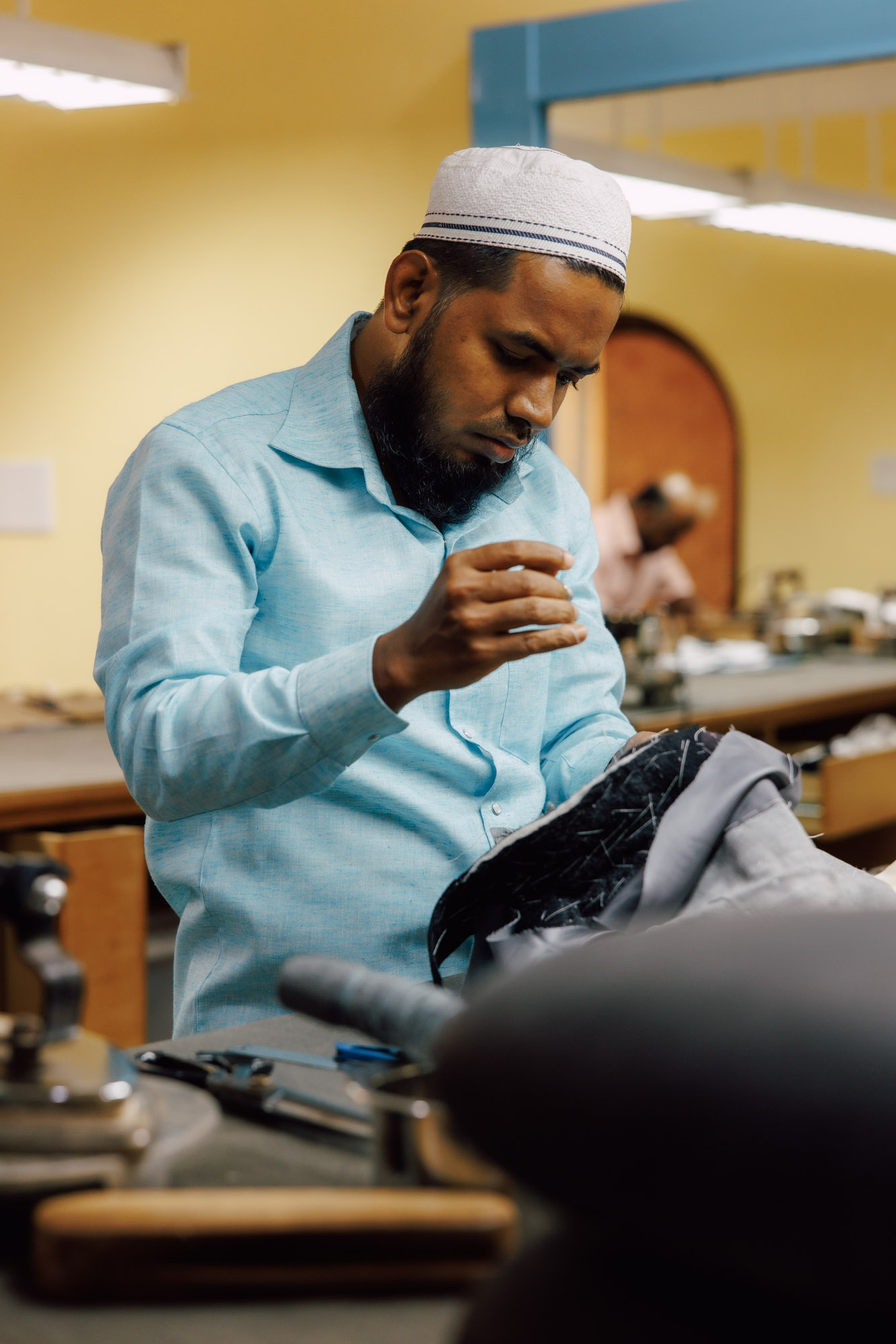
There is a relevance to tailoring here as well, because part of the reason I wanted to visit Whitcomb was to tell the story of the workshop, its people and the locality - to chip away at the idea that work is only offshored because it's cheaper.
Like the 100 Hands workshop we visited a few years ago in northern India, I found the people here incredibly talented, producing work as good as Savile Row and with as much passion and dedication as Paris or Naples.

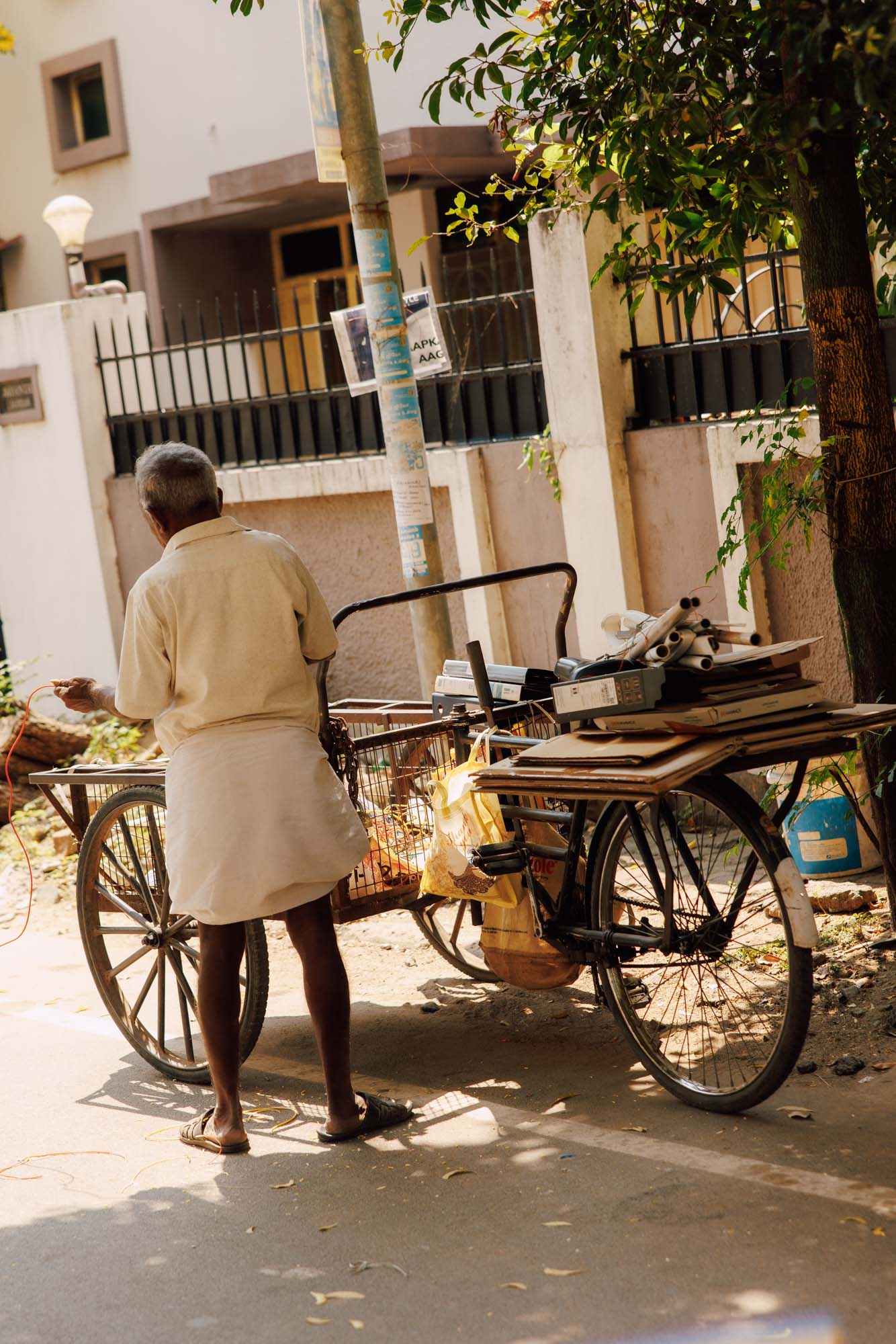
Culturally, the thing I find fascinating about a neighbourhood is the way it reflects wider changes - the undercurrents of politics or economy.
Chennai is growing fast for example, but as often happens, at the expense of some traditional ways of doing things. “You can spot the old houses around here because they’re all on two floors, with lots of space around them,” he says. “Those spaces are usually planted with hibiscus or jasmine, because the residents pick them in the morning to take to temple.”
The new developments, by contrast, are four or five stories tall, and built right up to the edge of the plots. “These are the flats that are popular with the rich right now,” says Mahesh. “Although I bet in a few years time they’ll all want to knock them down and build those big old houses again.”
The local economy is growing fast, and there’s a lot of money washing around. “Our father was a civil servant, and at one point he tried to introduce regulations to control the buildings that could go up. But there was too much money involved - he ended up getting death threats,” says Mahesh.
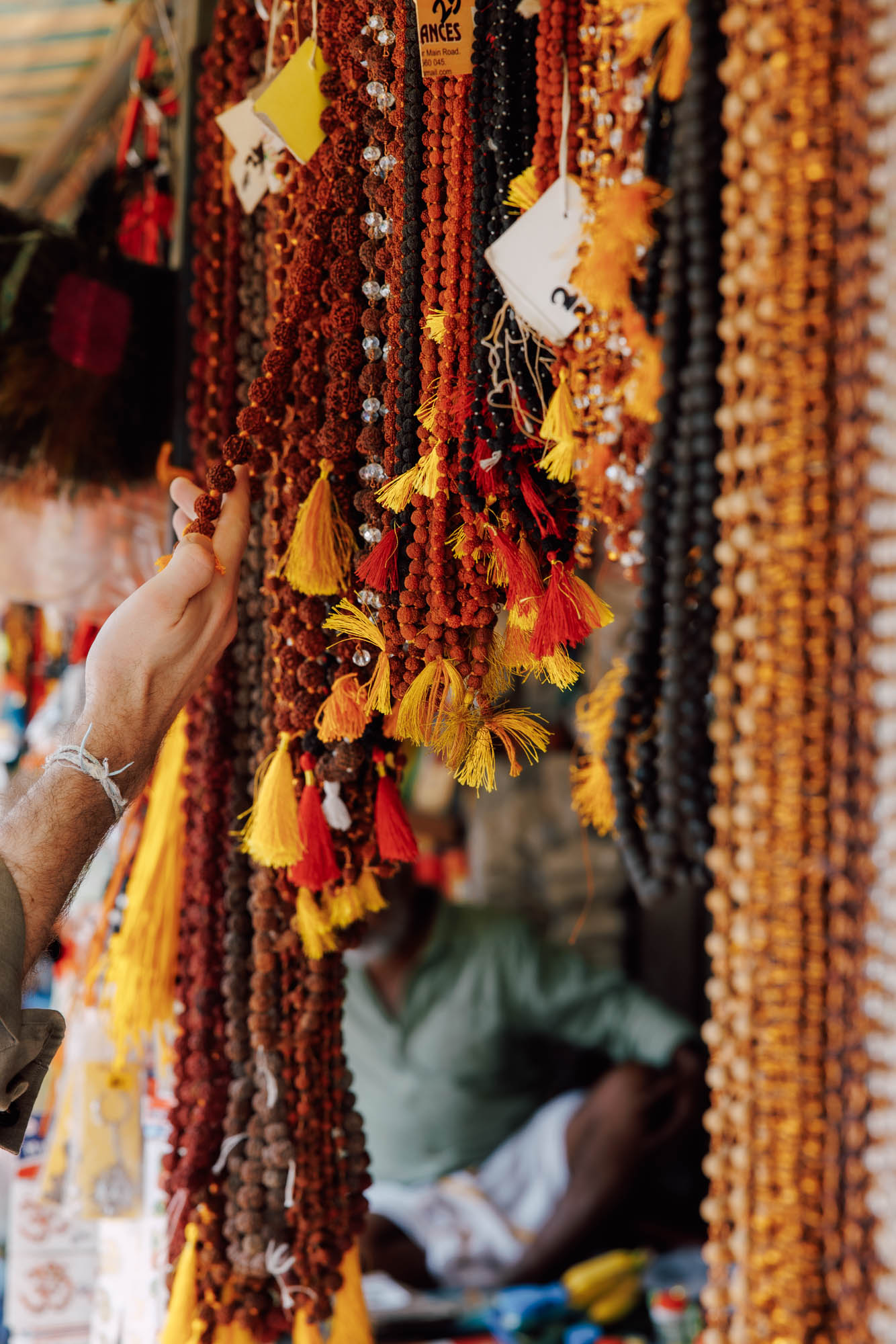
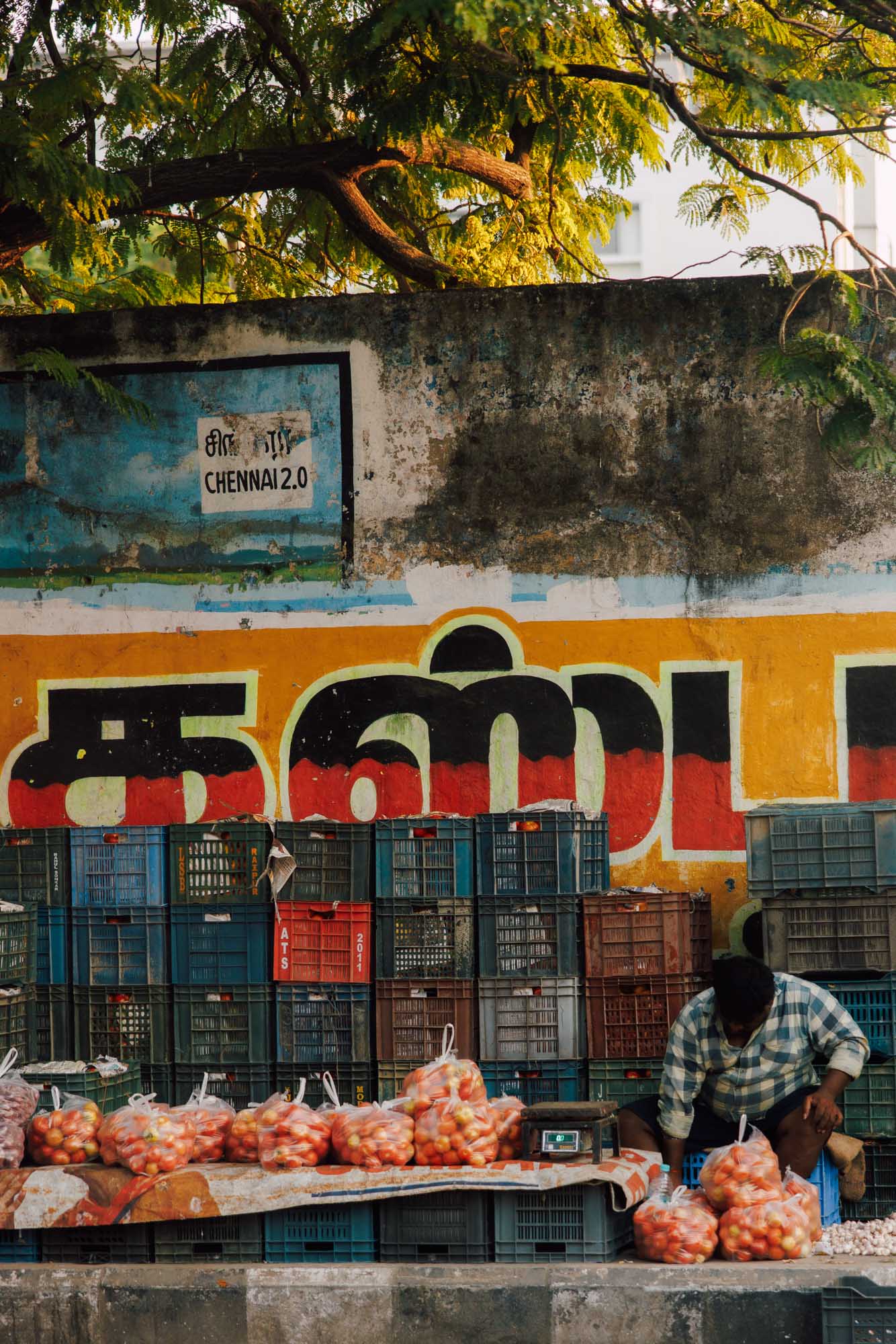
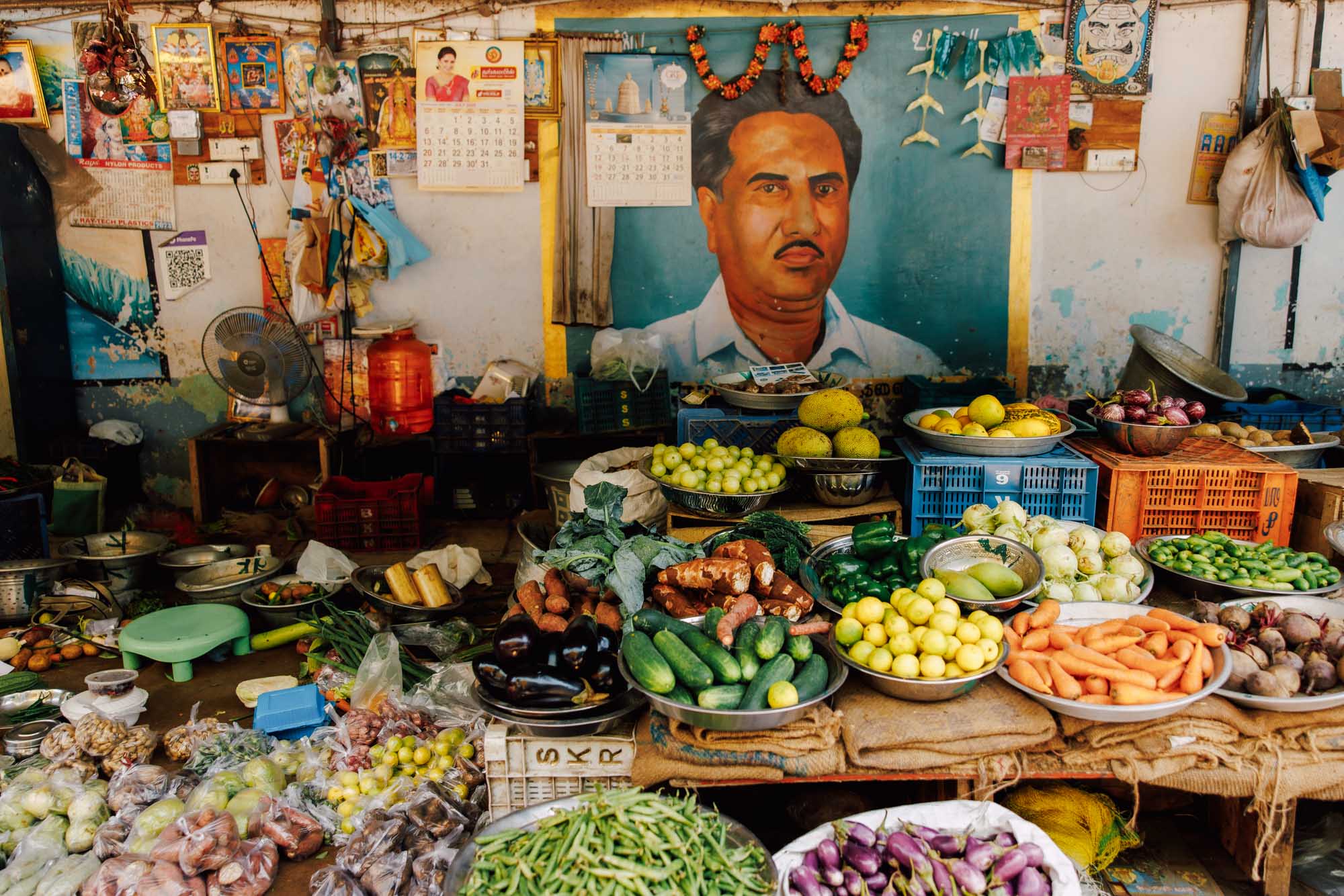
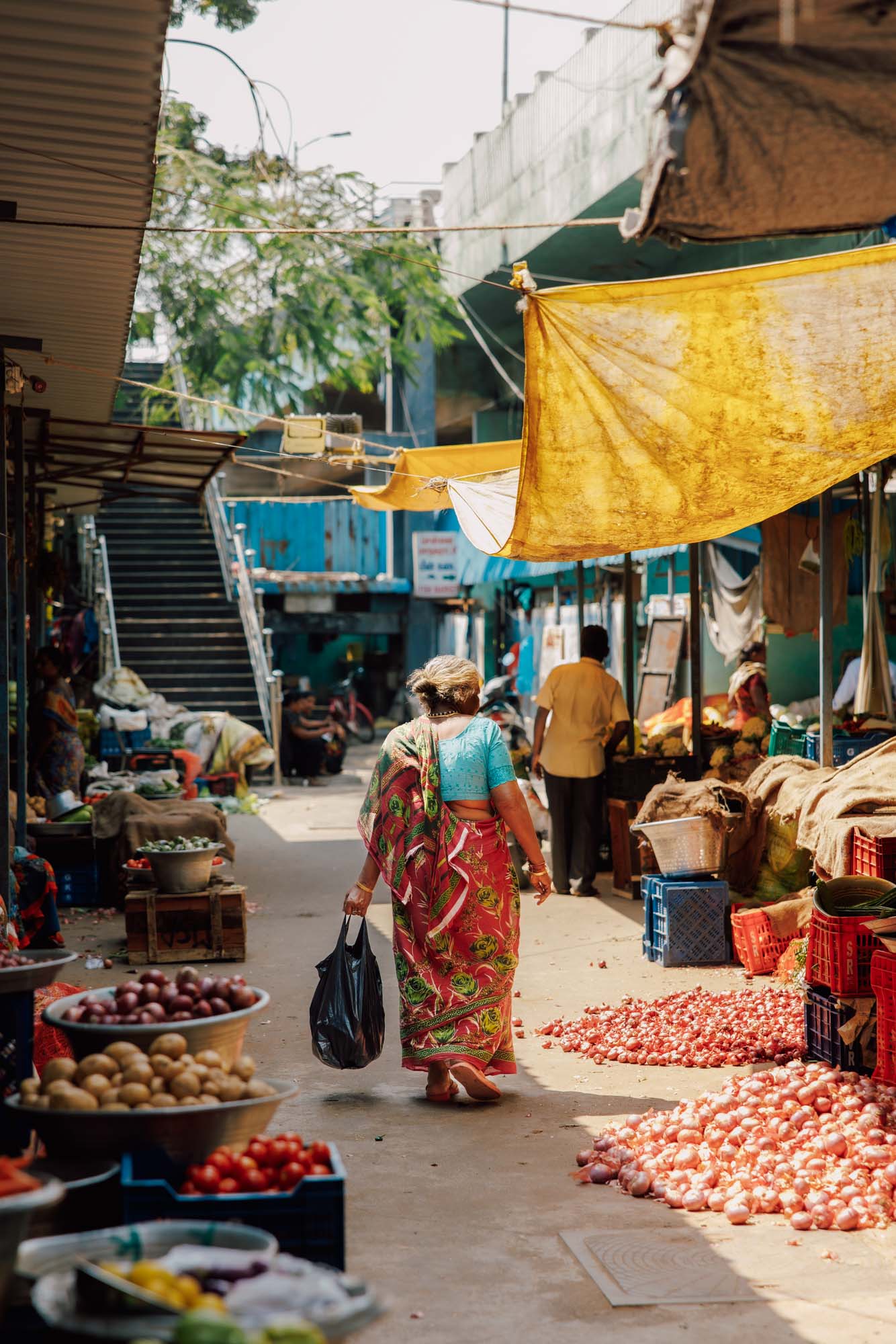
Visually it’s always the colour that hits me first in India. It’s a cliché of course, but like many clichés there’s a reason for it. People wear brighter coloured clothes - shirts, saris, lungis - than I’ve seen in other parts of Asia. Local buildings also often have striking colour schemes, my favourite being a bank that was entirely painted in acidic lemon and lime.
To be fair, the trucks I’ve seen in Pakistan rival India’s for decoration, in fact probably exceed them. But then perhaps its best to see the Indian subcontinent as one culture - or even better, a continent with its own identity and then scores of local ones intertwined, given the variety in languages, practices and even scripts.
I don’t pretend to be an expert on any of this. But I do find it interesting, and it was a frequent topic of conversation between us and the people we met - at Whitcomb, at Original Madras and elsewhere.
A European might suggest the cultural variation across India is akin to that of Europe, for example. But you don’t get different scripts in Europe until you go a long way east. And Mahesh, though he grew up in Chennai, can’t read Tamil because he was largely educated elsewhere. The idea of living in a city where you can’t read all the slogans written on the walls is a strange one.
Anyway, there’s no tailoring link to this cultural meandering - merely an extension of that earlier idea of understanding and so appreciating a place and its people. I feel more connected now to the tailors in Chennai than I do to almost anywhere else. And I’m proud to wear the fruits of their work.
Mahesh and everyone at Whitcomb, thank you for your hospitality. More on their tailoring here.













I also love travelling in India and similarly been there for work and tourism. Had thought the idols at junctions were more for protection/luck so the counter-urination idea made me chuckle.
You say you want to chip away at the idea it’s offshored because its cheaper but dont propose an alternative reason for the offshoring? People anywhere in the world can be trained to Row standards and many places have a history of working with fabrics. To chip away you really need to propose reasons why its better to have it made there rather than say the Row or a northern English town.
For W&S there is clearly a personal connection as why India may have been chosen but were it not for the cost difference there would be many arguments why flying garments and materials over 8,000km isnt the best idea.
Certainly in some areas offshoring isnt just about cost, a “follow the sun” mechanism for true 24/7 operations have clear advantages beyond cost that you have a full IT, for example, function at all times rather than a skeleton out of hours team and people on call so responses are quicker and more robust.
One big reason is you couldn’t build a team from scratch like that in the UK, unfortunately
What I find interesting that W&S does work in England in addition to taking measurements. Wouldn‘t it be more effective to just take the measurements in England and have the whole production in India?
Most of the time, no. You want the person cutting to be taking the measurements or working very closely with them
What do you think is unique in Indian culture that means the team could only exist there?
I’m not knocking them or the place, I’ve just never seen anything from a work perspective that couldn’t be replicated else where if you had the capital to make the initial investment. My experience, seemingly echoed by others, is natively speed is highly valued and the cost of consistency is accepted. In this case they’ve adjusted to make higher quality undoubtedly at the cost of some speed. Given they’ve adjusted why do you think others couldn’t?
It’s not that it’s unique to India necessarily, but it couldn’t work in most western countries today because there isn’t the pool of labour prepared to do that work (and train for that long) anymore.
You can see that in the shortage of tailors in the UK at the top level despite a real revival of interest in it 10 years ago that brought a lot of people in. It’s also the biggest problem in top-end factories, eg for Scottish knitwear, at mills or anywhere else. All of them say their biggest issue is workers. It’s also the reason F Caraceni had to close in Italy as we covered. No lack of demand, and very high prices, but no people at the top level.
In India you have a large number of people around the country with some tailoring experience, and people prepared to train for at least five years before they can really contribute at a good level. That is probably the case in other countries too, I suspect mostly in Asia.
Cracking country, wonderful people, superb food. One observation: culturally, over time, much less emphasis placed there on consistency of delivery and THAT is the true brilliance of both W&S and 100 Hands. They took some insanely talented, skilled people and narrowed the variability of output. Huge hats off to them for that…
Hi Simon, if I may, were there any specific items of clothing that you wanted to pack for your wonderful trip to India..?
Of course it’s hot and possibly humid and the clothes would need to reflect that?
Another lovely article BTW
Thank you. Yes and most of those will feature in posts like the one on Wednesday. There’ll be a couple more like that
interesting to see most local people wearing their shirts untucked (looks for me like using it as a jacket äquivalent). Same on the article on whitcomb 🙂
Nicely done, Simon.
Lovely to see two posts about Madras/Chennai. I grew up in Trivandrum, Kerala, and went to school and university there, but I paid frequent visits to my older cousin in the Mylapore suburb who was working in Madras. There are some amazing things in the city. Two that come to mind: The Armoury of the Kings of Tanjore, now a museum; and St Thomas Mount near Guindy, where the eponymous Apostle, who brought Christianity to Kerala and Tamil Nadu, is supposed to have died. You also posted a picture of my all-time favourite god, Hindu or otherwise: The supernal Ganesh! During NavRaatri which celebrates the God Shiva, Ganesh’s father, the city becomes the Salzburg of India — nine days of incredible Carnatic classical music! Thanks, Simon.
I’m sure the PS team are way ahead of me here, but an extended version of this should be in the magazine! The profiles this week have been amazing and those rich, colorful pictures would really pop in a larger format, printed on good paper. Thanks for sharing these wonderful tidbits.
Bright idea Fletcher – a travel focus would certainly do this so much justice in PS magazine.
Enjoying the beautiful prose and photos under a magnolia tree with sun glowering in the skies.
This is travel writing at its finest. I could read this again and again. Really enjoyed this.
From my experience of being driven in Bombay/Mumbai and Madras/Chennai they don’t half need the dieties at intersections or they would if the traffic moved any quicker – never have I seen driving at intersections like it! That said, my driver ensured that whenever he had the opportunity he placed the car (both for protection and speed of crossing) between two large lorries before he set out across the worst of the intersections.
On a more positive note, on my last trip looking for fabrics by way of presents for my wife and daughters (with the guidance of the wives of two of my colleagues as to the best shops) was an absolute pleasure – such fine work and such choice!
Lovely peaceful peace to read on a Friday, thank you. Lucky enough to be away from the challenges of work this week in the sunshine and have really enjoyed reading the magazine out of doors. Congratulations, I think it’s such a huge achievement and so easy to overlook how much endeavor such a thing takes in the UK.
good afternoon..Simon excellent article…you are a globe trotter and a man of great culture..keep it up and do not stop…peace
Good of you to have visited my Madras (nee Chennai). And very brave of you to have been wearing a jacket (linen or not)! If you’d got any weird looks- attribute it to this 😊.
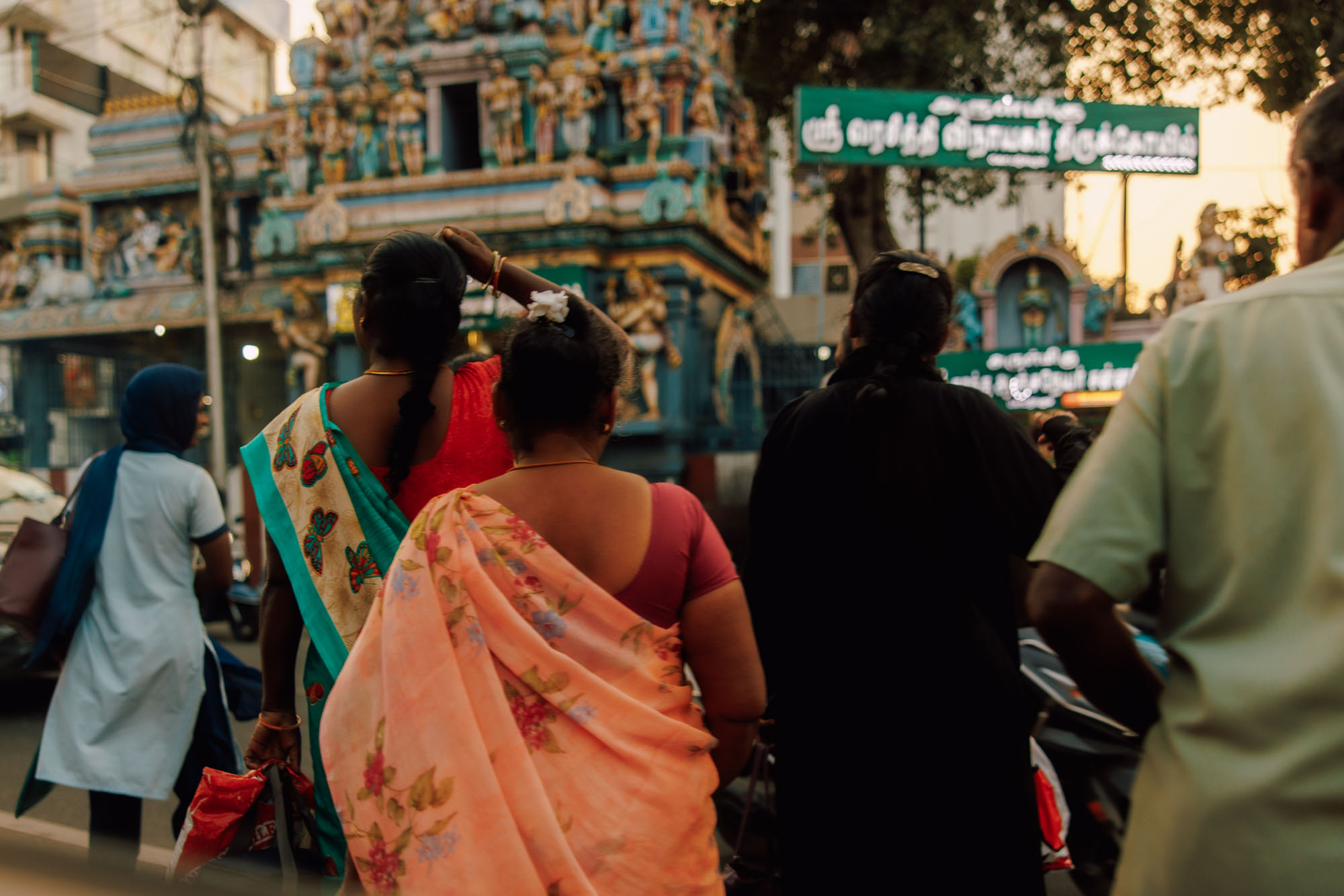
Trip to Mylapore (given the picture of the Kapaleeswarar kovil’s, nee temple, gopuram)?
Great coverage of the grand work done by the team at W&S. The embroidery scene is very spectacular too (personal experience of paying for my wife’s blouses for her sarees, which are hardly worn in London!). Original Madras Trading Company for bleeding madras on the horizon?
Yes, next week!
Good stuff!
As time goes by, I think you write better and better. Simply put ever since that piece on your grandfather I believe PS articles convey the best concise emotional expression in current press.
I get to hope one day you will write your whole work & travel story imbued with tailoring, art and friendship encounters and your own feelings over how things change, how some things are lost and others founded.
Could really become a classic a la Tiziano Terzani.
Let it stem then maybe flourish in a few decades ?
Have a very nice week end
Tristan
That’s very kind, thank you Tristan. A travel writer was always what I wanted to be when I was younger and explored more – in the vein of a Norman Lewis or perhaps a Paul Theoroux. So perhaps one day
Should have suspected all along! You are doing great.
Thank you for this interesting piece. I really enjoy cultural meandering texts like this on PS. Especially in combination with such beautiful photos.
Lovely to hear Felix. Nice to have a change of pace isn’t it?
Very beautiful photos, Simon. I do find it a bit sad that being a tailor is not so respected as a career in many countries these days. I wonder how that could be changed.
Is that the PS overshirt in olive that you’re wearing?
I think it would need quite a big cultural change that valued craft a lot more, and then tailoring to become more universally worn as well probably. Not easy things to change.
It’s actually a new dark olive colour that we’re introducing this year. Launching on Friday this week
Simon – ardent reader and follower of PS. Proud native of Chennai now in London experiencing the best of sartorial from both cities. Growing up in the 80s and 90s we had a very limited RTW range in shops hence pretty much during every family celebration (festivals / weddings et), we were always gifted shirt/trouser cloth, which I have a fond memory of taking to the tailors for stitching – at a very affordable cost. Life has indeed come full circle comparing the past to today’s bespoke / MTM world of tailoring in London. Regardless, very happy to see your coverage of Chennai’s culture as well. Cheers.
Thank you Mani, and thanks for the first-person experiences too
Lovely article Simon. Not to get too political but, while I understand the resistance to higher density housing in beautiful old gardened neighborhoods like these, the trade off with zoning restrictions is ballooning property prices from constrained supply. And with India’s booming middle class, I don’t see much alternative to building up.
Chennai / Madras is also home to India’s Shoe industry. Similar to Northhampton, did you get a chance to visit Bridlen on the trip?
I didn’t Sachin, though Bridlen are a little under the quality level we usually cover so they weren’t a priority
Hi Simon, I think perhaps we(Bridlen) are a a little under the price level usually covered by PS. As for the quality level, I am told we punch well above our weight! So do come by on your next visit to Chennai. I think you will be pleasantly surprised.
Lovely piece by the way. Thoroughly enjoyed reading all three pieces from your trip here.
By the way, as soon as the consignment is in, your local readers can buy the PS magazine in Chennai at the Bridlen Gallery.
Thank you Affan, and yes that’s certainly my impression as well! I continue to be aware of your shoes through Arterton over here
Lovely to hear on the magazines