By Erik Ostling.
Since most of my wardrobe is second hand, Simon recently asked if I wanted to write something about used clothing and buying vintage.
I smiled when he asked because most people who are genuinely good at finding second hand rarely want to explain how they do it. Every time I’ve asked a vintage dealer how they manage to find all their good things, they usually change the subject.
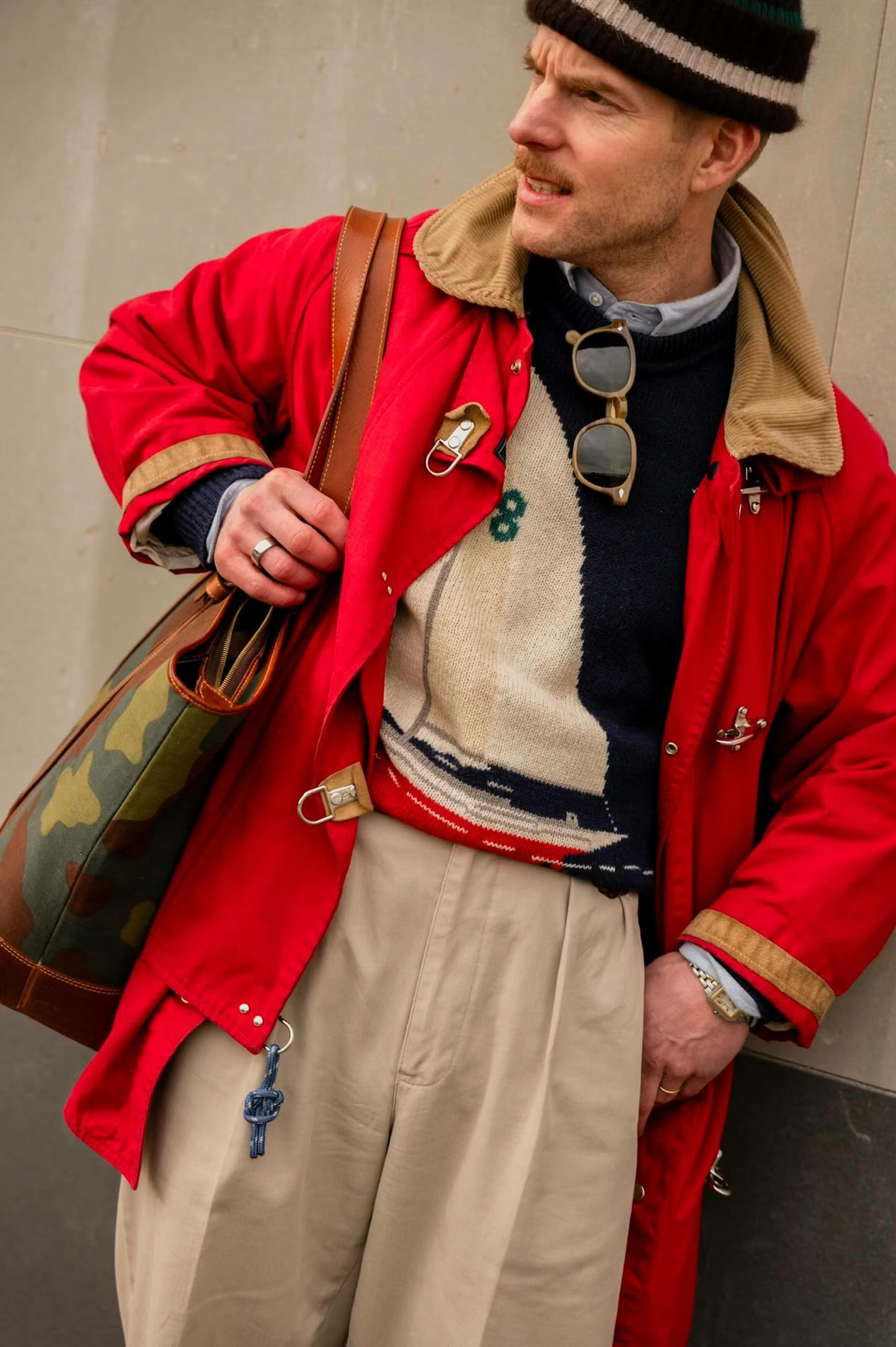
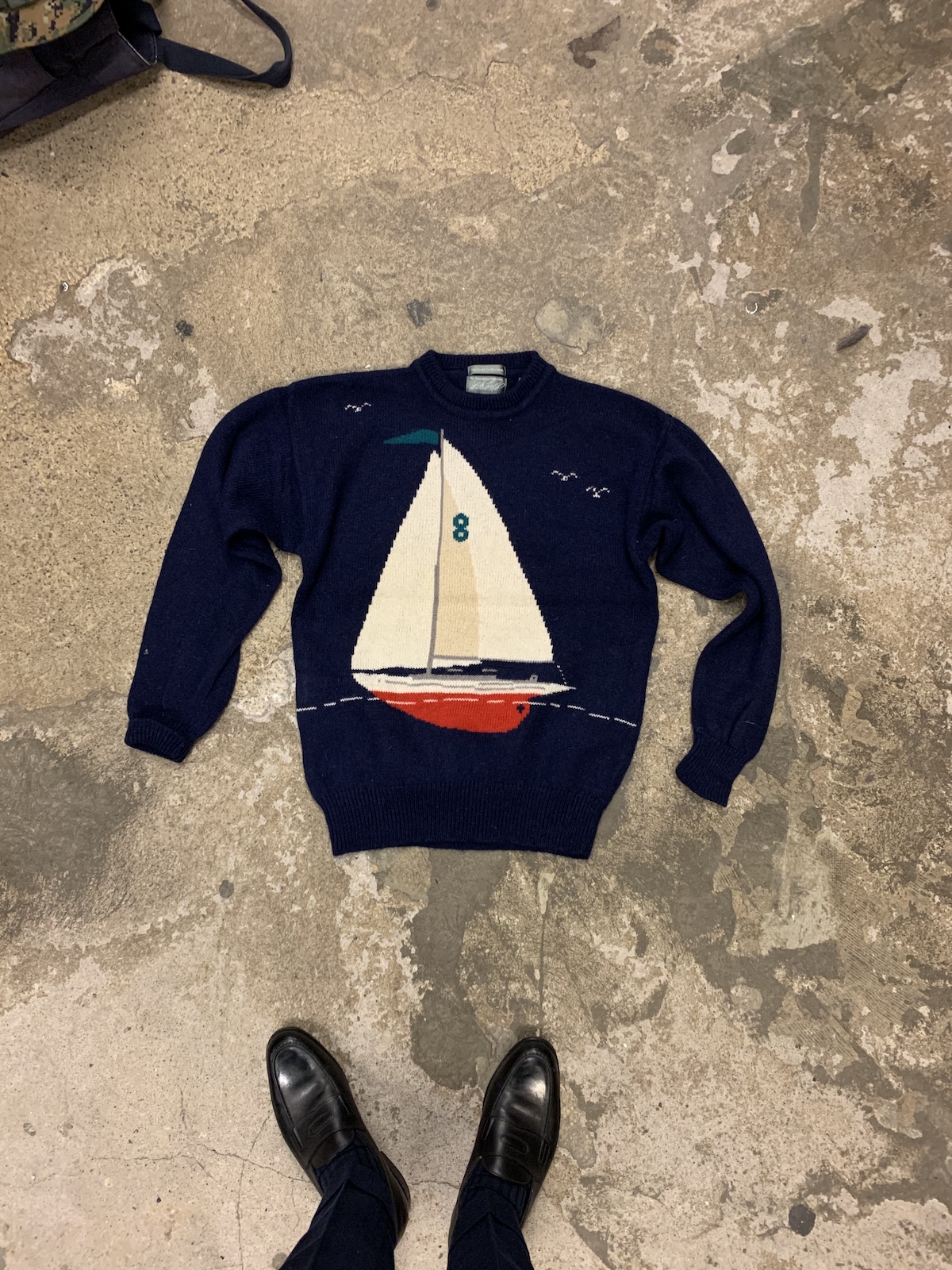
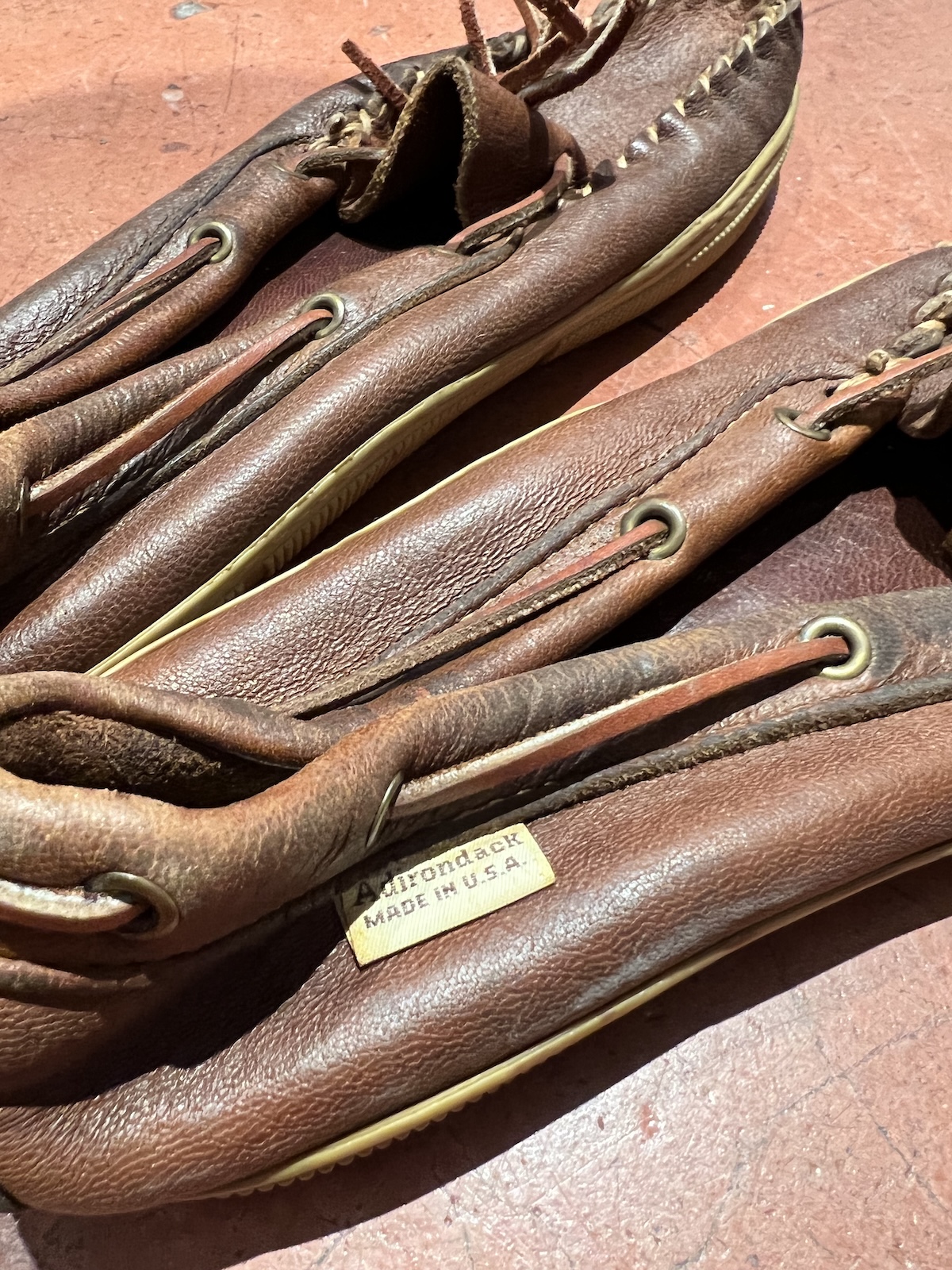
Buying and selling vintage is not my livelihood, which makes me slightly less protective about sharing a few things I’ve learned along the way. But frankly, success is usually less about secret knowledge than persistence. I’ll share my thoughts today on why I buy second hand, where to look and what to look for, and in between some photos of what I’ve found over the years.
The end point of style
I started buying second hand online in the early 2000s. I had little money and wanted cool things that didn’t exist in Stockholm. Being an early adopter of mobile internet unlocked a completely new world, especially when it came to placing bids for Evisu jeans and Arc’teryx jackets on Ebay. That’s probably where the seed was planted.
Once I started earning more money, I spent nearly a decade buying new ready-to-wear pieces and, later, MTO. Then I took a senior role at a luxury online retailer, which came with a £25,000 annual clothing allowance. Oddly enough, that more or less killed my interest in buying new clothes (apart from a few pairs of John Lobb Antibes and Edward Green Dovers…)
I think the reason was that once things that had been difficult to afford became easy, they stopped feeling interesting. What became interesting instead was finding things that only exist once, which I believe is where most people with a deep interest in clothing eventually end up.
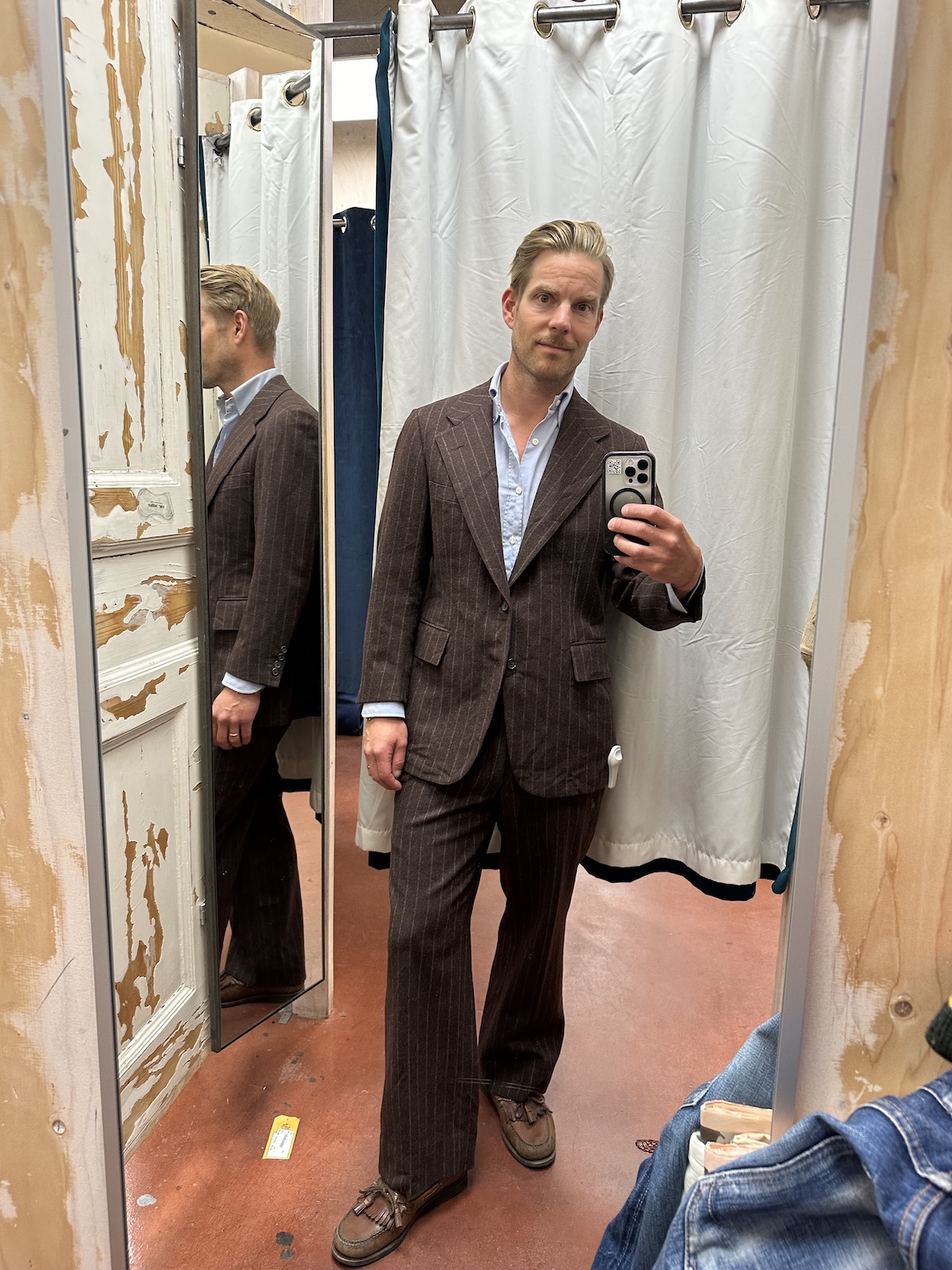
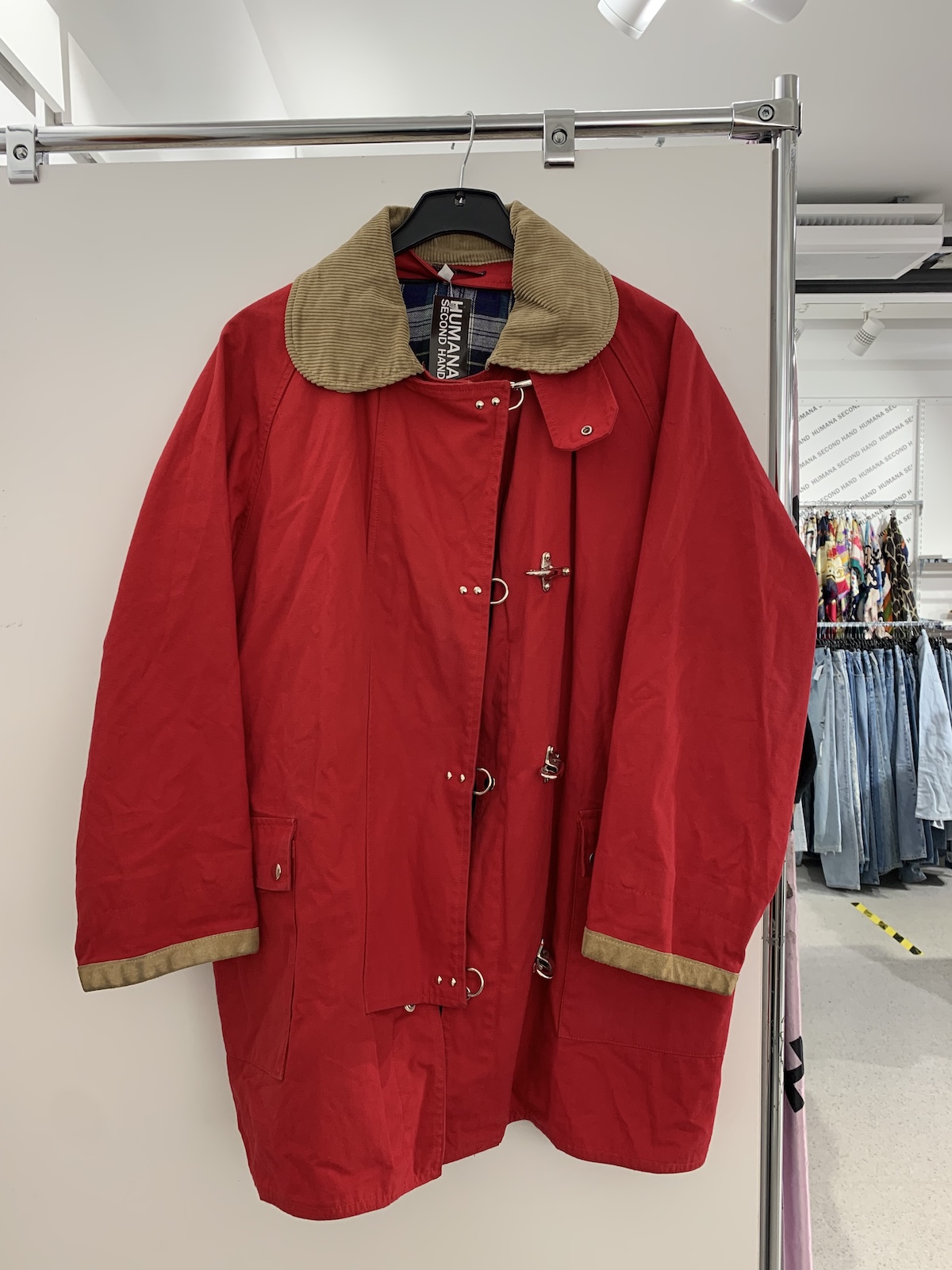
There are really only two ways to do that. One is expensive and one slightly less so. The first is bespoke – asking a tailor to make something completely unique for you. The other is buying things second hand.
The interesting thing is that bespoke and vintage represent two completely different forms of ‘one of a kind’. Bespoke is complete control, while second hand is discovery.
A great vintage garment can surprise you. You find proportions, fabrics, details and patina you would never have imagined yourself. A big part of the pleasure is discovering something you would not have designed on your own.
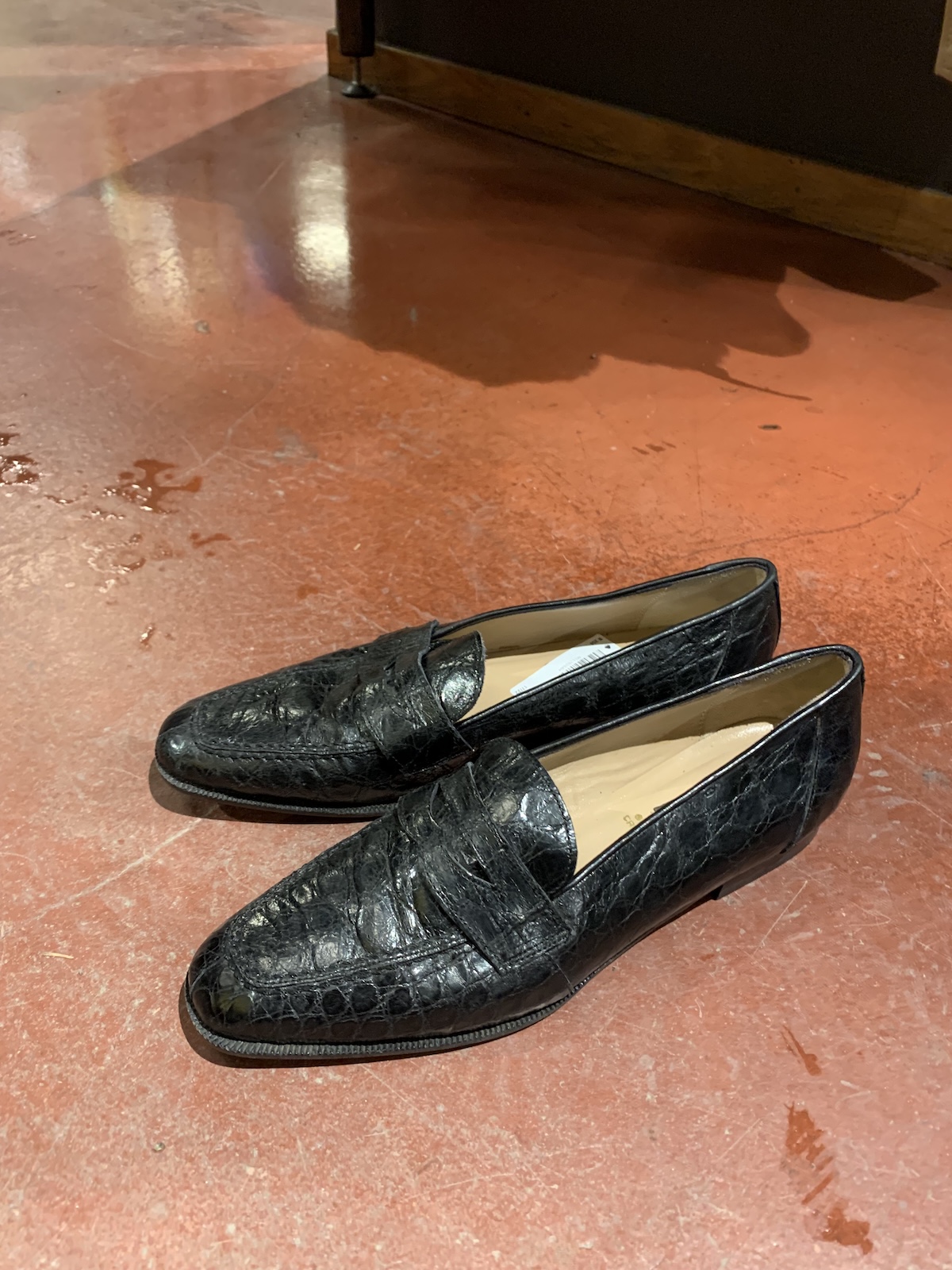
The quality of things made before the explosion of fashion brands is also difficult to ignore. Most of the time the prices of second hand are much lower, the fabrics better (due to less stress on cotton crops and the sheep) and the craftsmanship more careful than most of what is produced today.
Where to look
When it comes to physical second-hand shopping, I tend to think of four categories: markets, charity shops, bulk-stock resale stores, and highly curated boutiques or archives with hand-picked selections. The difference between them is mainly labour and price. The less work you want to do yourself, the more expensive things become.
Personally, I find markets, charity shops and bulk shops the most interesting, because I enjoy the search itself. Hand-picked stores can be particularly expensive because the owner often has a personal relation to every garment. I regularly think I could find most things much cheaper myself if I put the effort in, but I do try to support these stores when I find something truly unique, because they often have a fantastic eye and are a great source of inspiration.
If you also like the hunt, finding the stores with the best selection is not rocket science. If you travel to countries with an old upper class and a strong tailoring tradition, just go to wealthy neighbourhoods, find the weekend markets and local charities, and start digging.
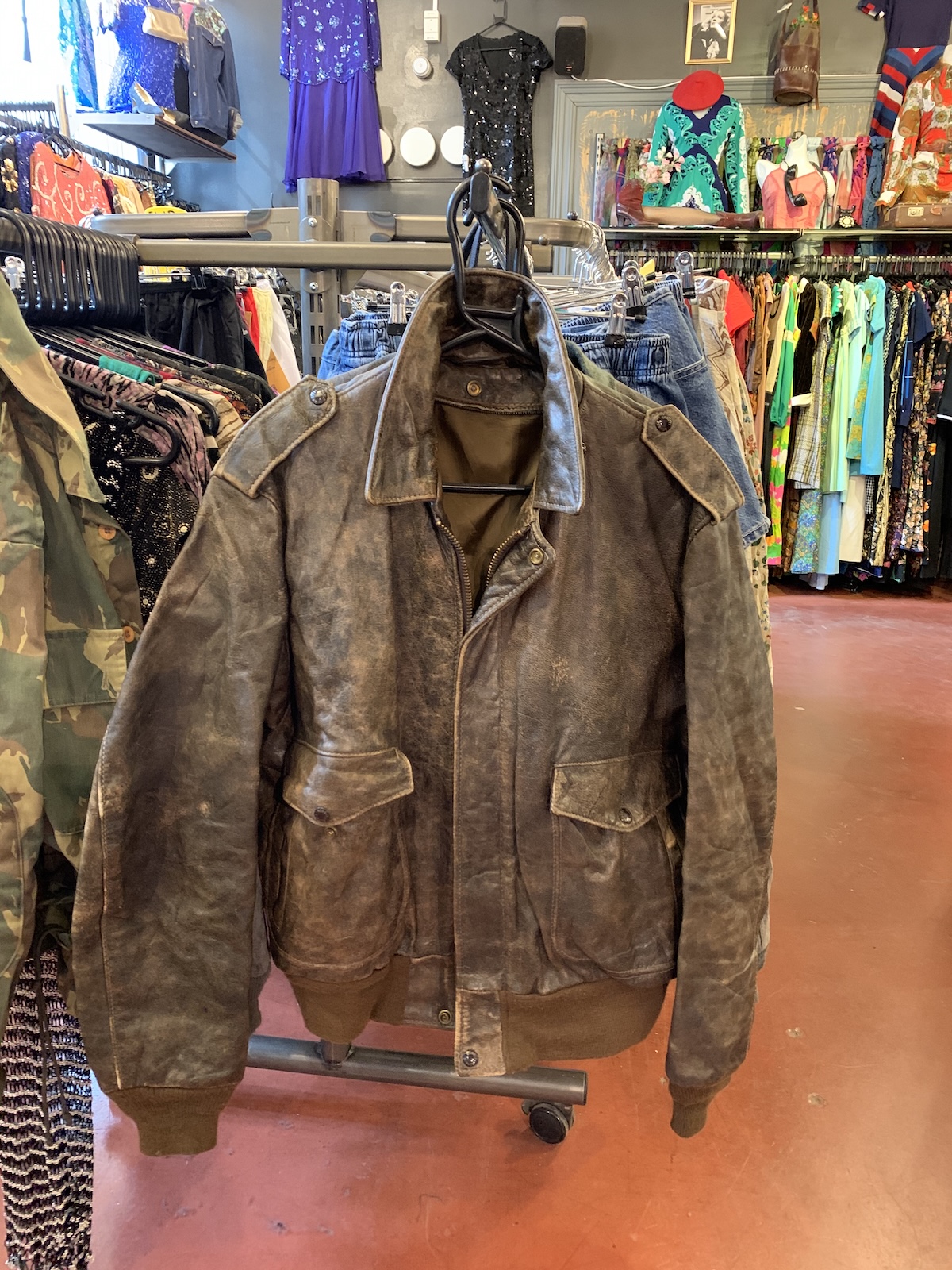
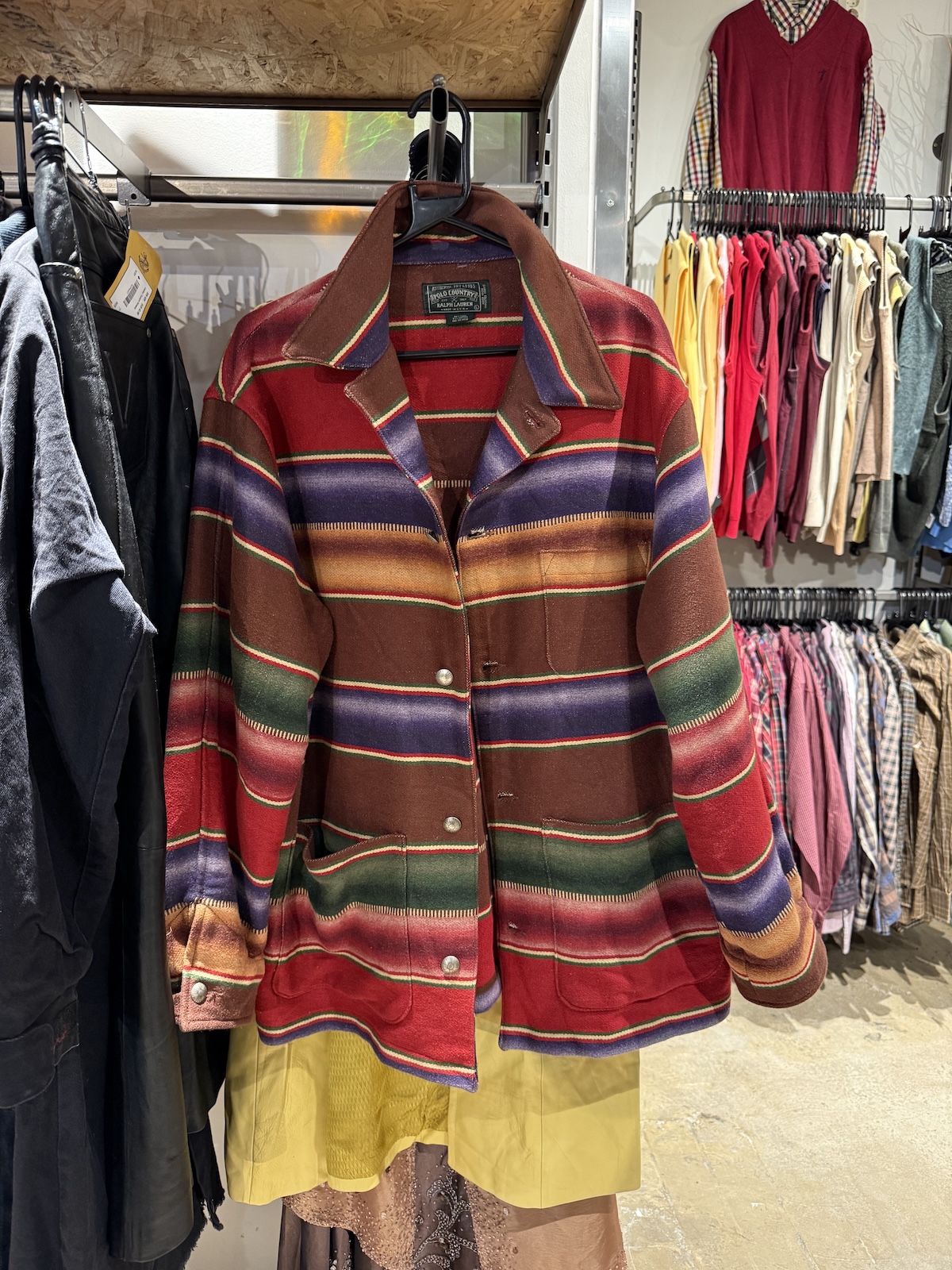
Wealthy people tend to buy better clothes, and donating to charity is common behaviour. I used to find shirts in charity shops in Chelsea and Kensington that still had the dry-cleaning tags attached. To be honest, I think taking the time to clean garments before giving them away to charity is a good metaphor for how to behave in life.
When starting to search in your local city, visit as many of the shops as possible, then narrow them down to those with the greatest potential. Then, visit them often enough to learn the assortment – you will quickly notice the new arrivals, and visits will be quick.
Build relationships, ask how often and when new deliveries arrive. Give them your number and bring them something nice when they help you find something you want. Pastries are always appreciated.
What to look for
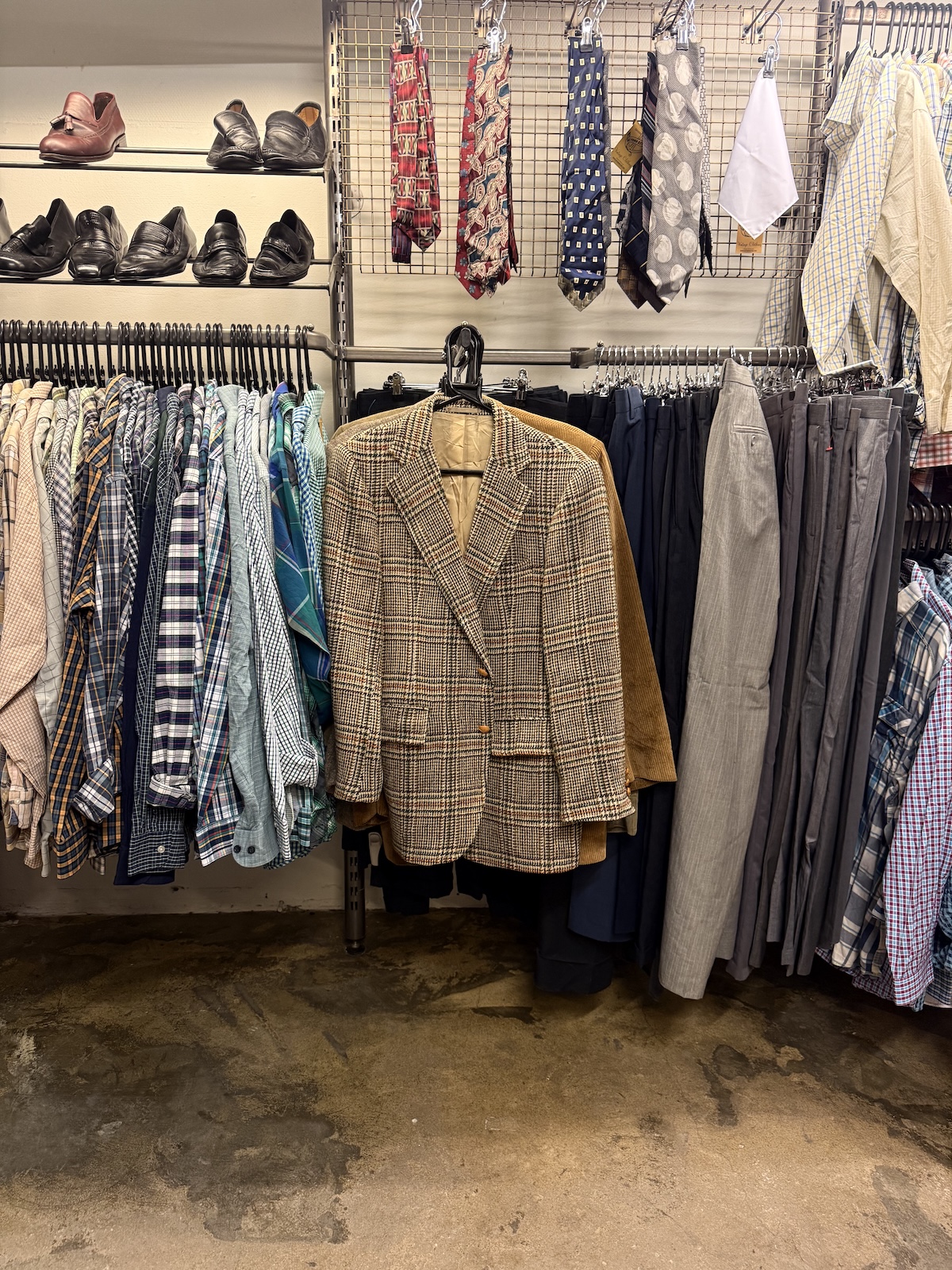
The problem with charity shops is the noise. You have to be comfortable with the cognitive overload of endless bad things. It’s necessary to develop an eye for quickly identifying the exceptional pieces hidden between everything else.
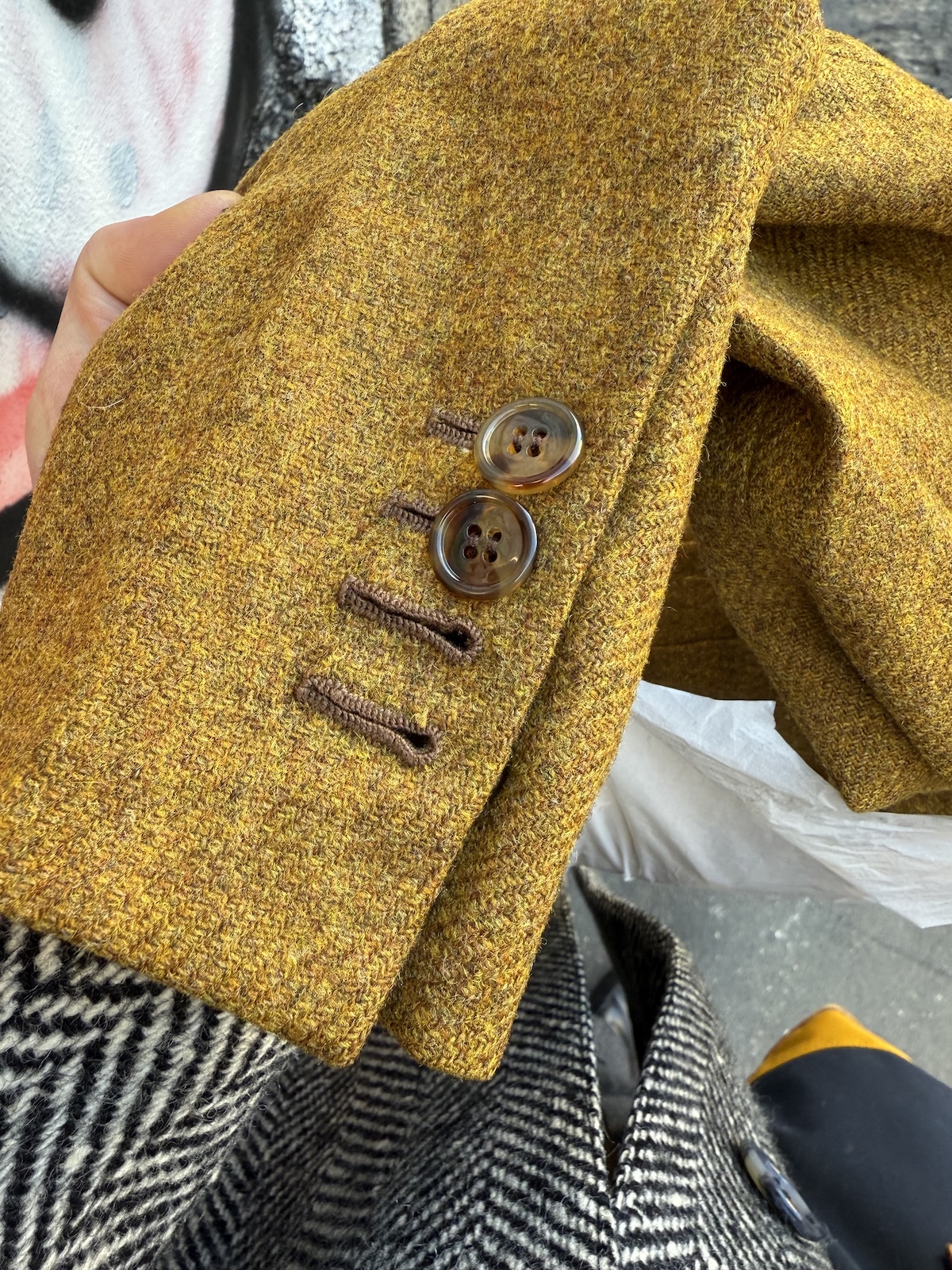
When I search through rails, I’m using my hands a lot. I constantly touch fabrics and look for natural fibres – linen, wool, cotton, cashmere, silk. With jackets, I squeeze the shoulder first to feel the construction. They are usually hung sleeves out, so even just looking at buttons and buttonholes on the sleeves is a good trick. Next is lifting out the jacket to look at the lapel: unfortunately most jackets are ruled out immediately because the lapels are wrong.
Suits are difficult because they are usually separated during sorting. Trousers go with trousers, jackets with jackets. You need to identify the lonely suit jacket pretending to be a sports coat.
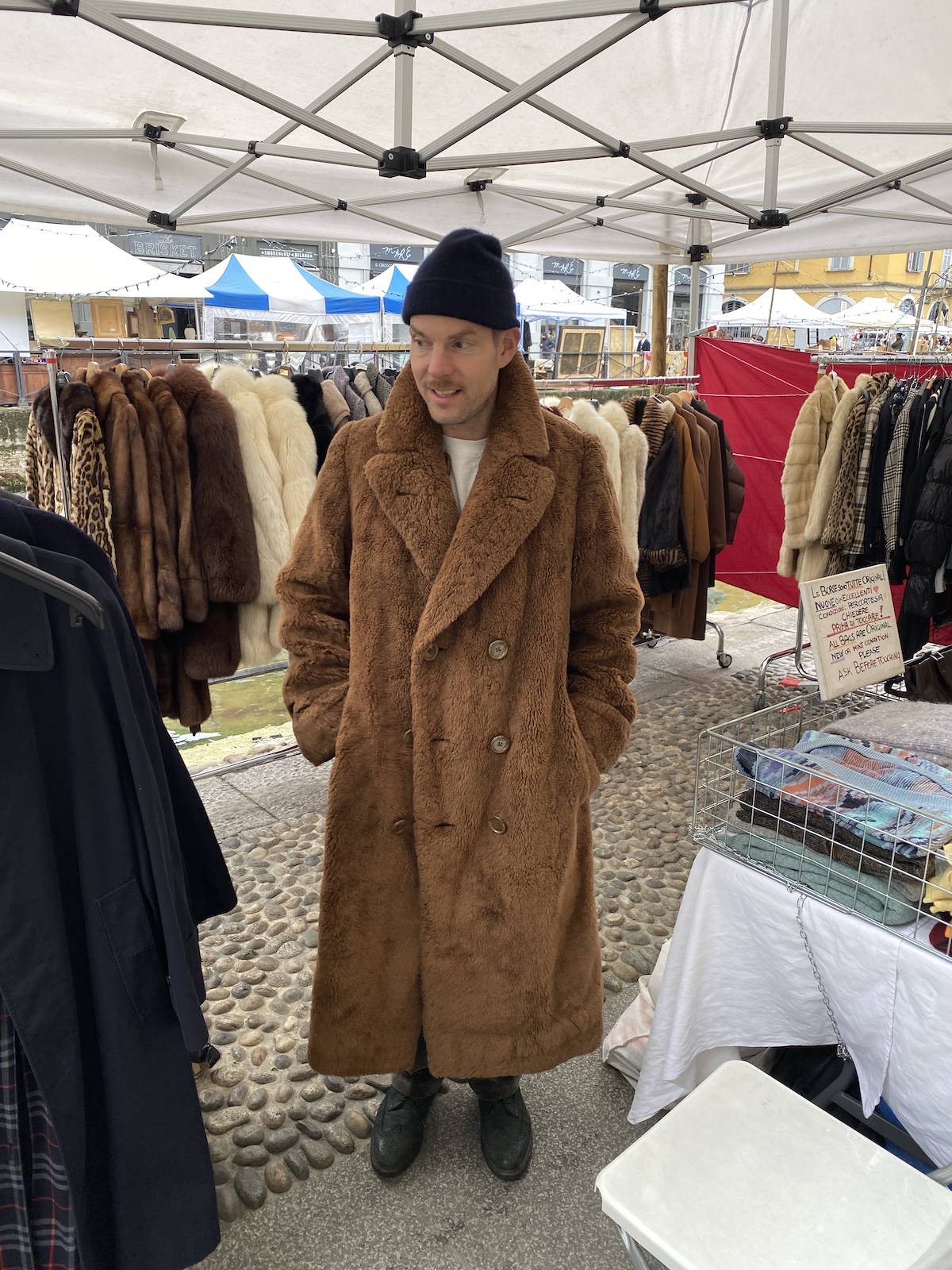
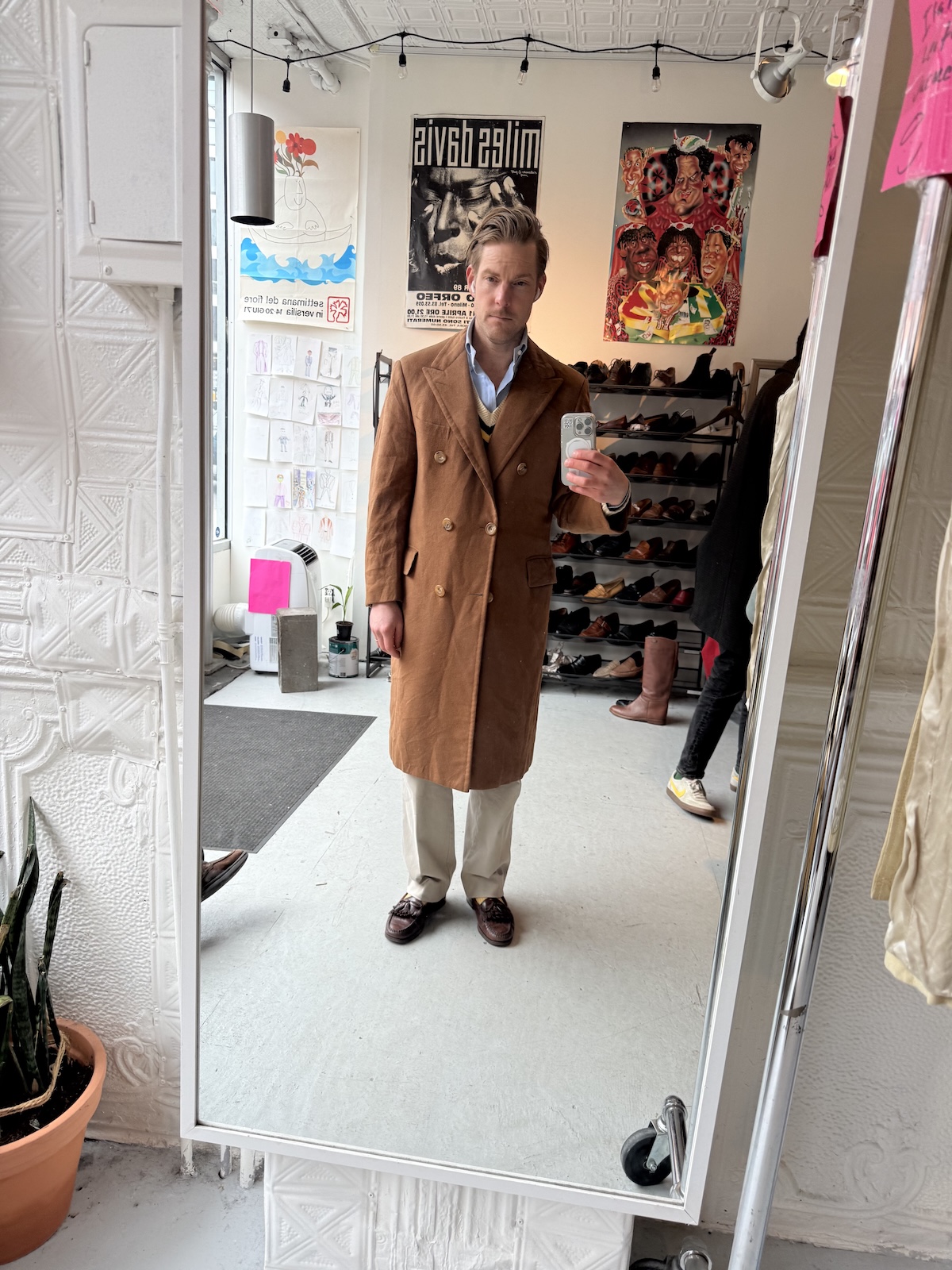
Coats are probably the easiest second-hand purchase of all. There are still lots of beautiful wool coats floating around for very little money. Raglan shoulders are generally more forgiving in fit than tailored jackets. I find five good coats (if not more) for every one sports jacket.
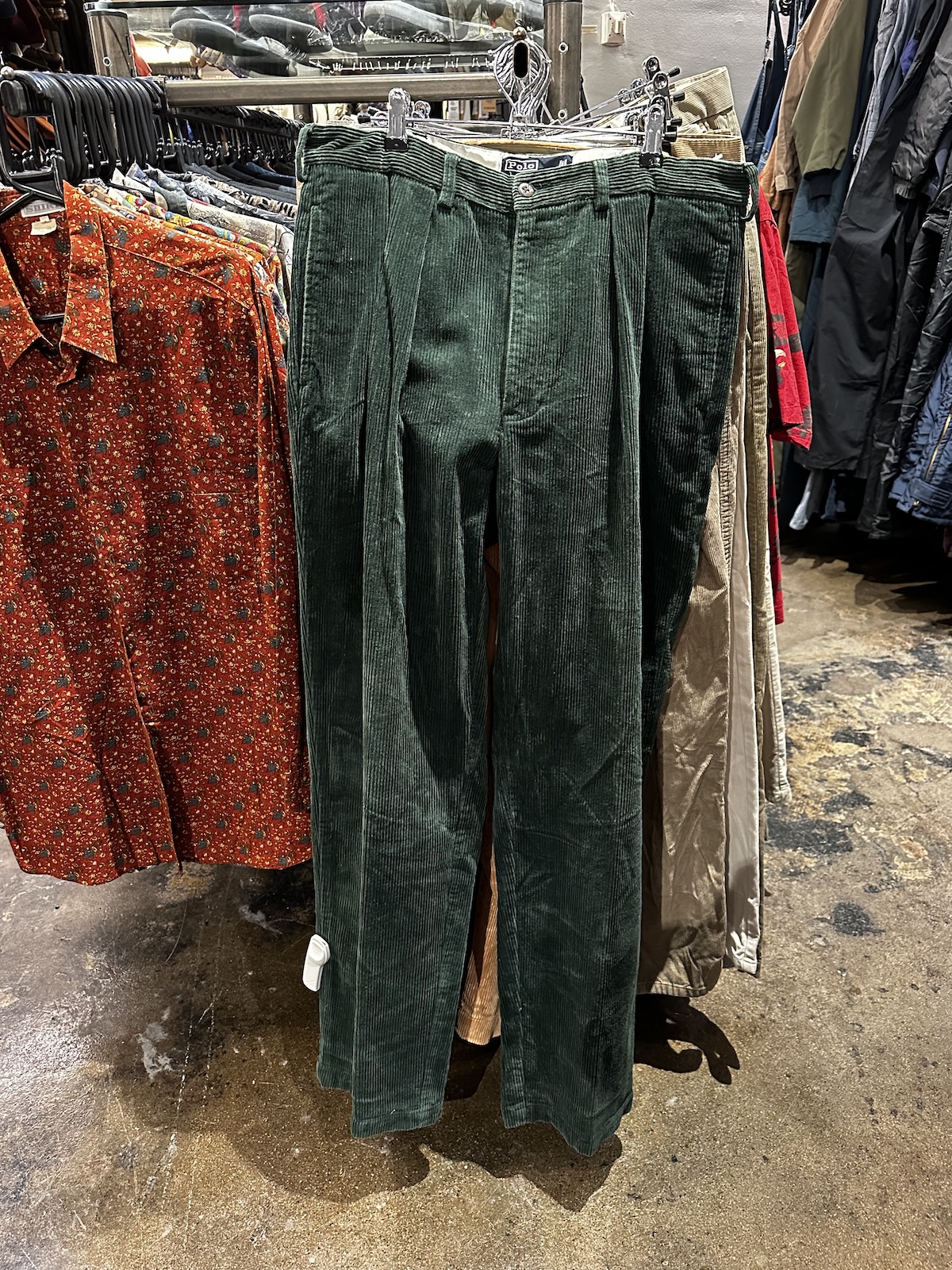
I also buy lots of trousers from the 80’s, as they have great drape and generous fits, which makes them easy to alter – up to one or two sizes.
The greatest thing second hand has taught me is to look for potential rather than perfection. Once I find something interesting, I calculate the cost of alterations in my head – a good relationship with a skilled tailor is essential. If the fabric is good enough it might be worth changing the shoulders, even if the alteration is double the price of the jacket.
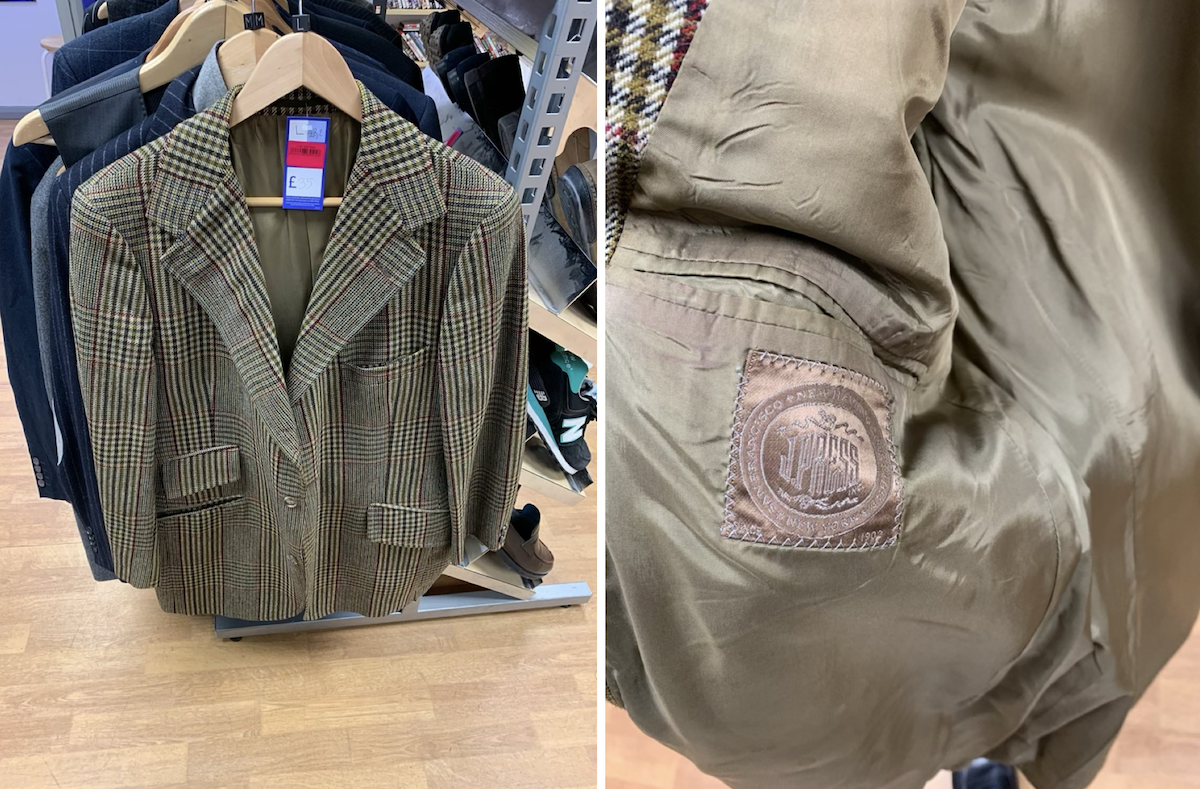
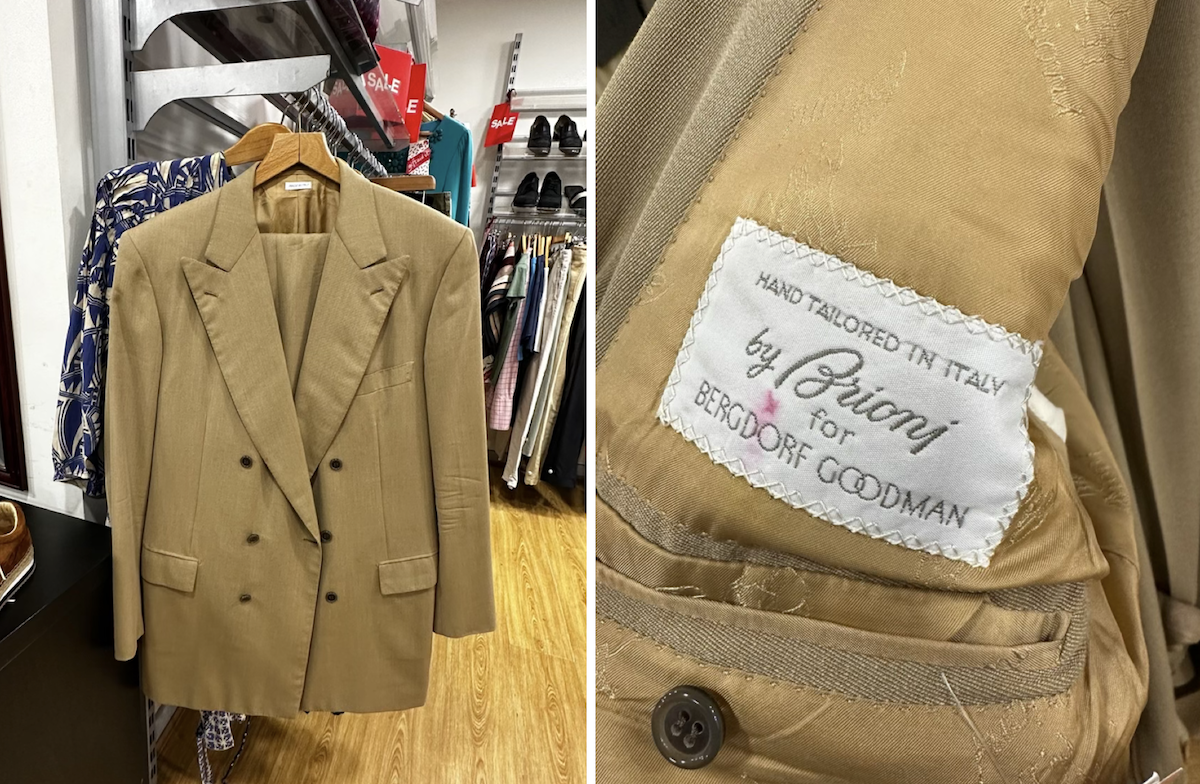
My final advice is to already think about the person who might own the garment after you. I always ask my tailor not to cut away unnecessary fabric, to keep sleeve and trouser length folded inwards when possible, and to preserve seam allowances for future alterations.
Second hand has gradually made me stop thinking of myself as the owner of garments, and more as their temporary caretaker. If you haven’t already, I encourage you to start looking. And eventually, when somebody asks how you manage to find all these nice things, you can simply smile and answer:
“The more I look, the luckier I get.”
A few stores with hand picked curation I like:
- Hornets – London
- Crowley Vintage – New York
- A Marchesan – Stockholm
- Safari 3 – Tokyo
- Rudolf Beaufays – Hamburg
- Tartan Vintage – Florence
- Cavalli e Nastri (mens) – Milan
- Brut Archives – Paris
Areas worth visiting
The areas around Pimlico/Chelsea/South Kensington in London serve a good proxy for wealthy neighborhoods with many charity shops. I use Google maps and visit as many as I can, but as with all of ths it really is hit and miss.
Regularly recurring street markets
- Navigli market – Milano
- Portobello road/ Ladbroke Grove market – London
- Porte Vanves market – Paris