

Canons bespoke: How Foster’s has been reimagined and rewired
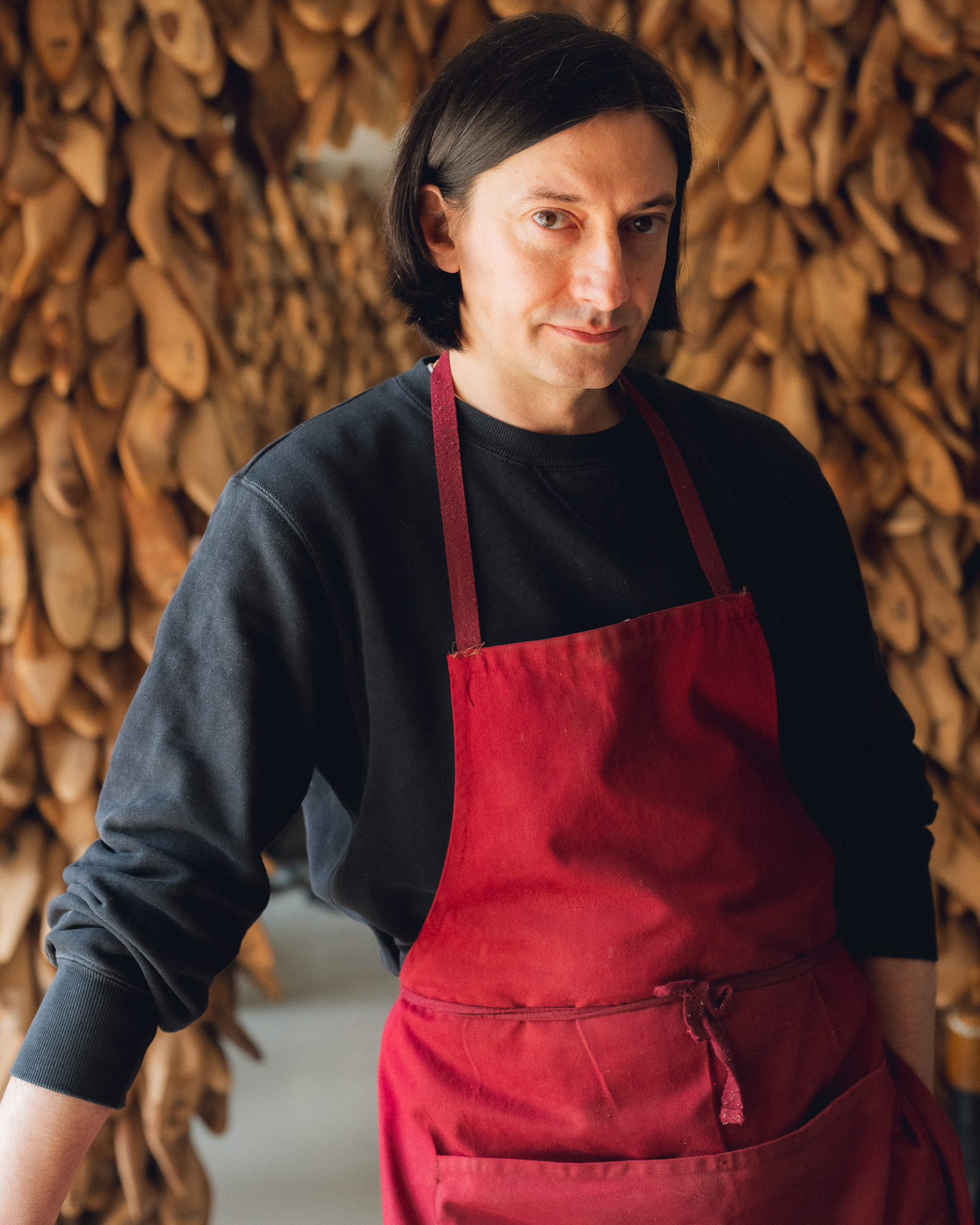
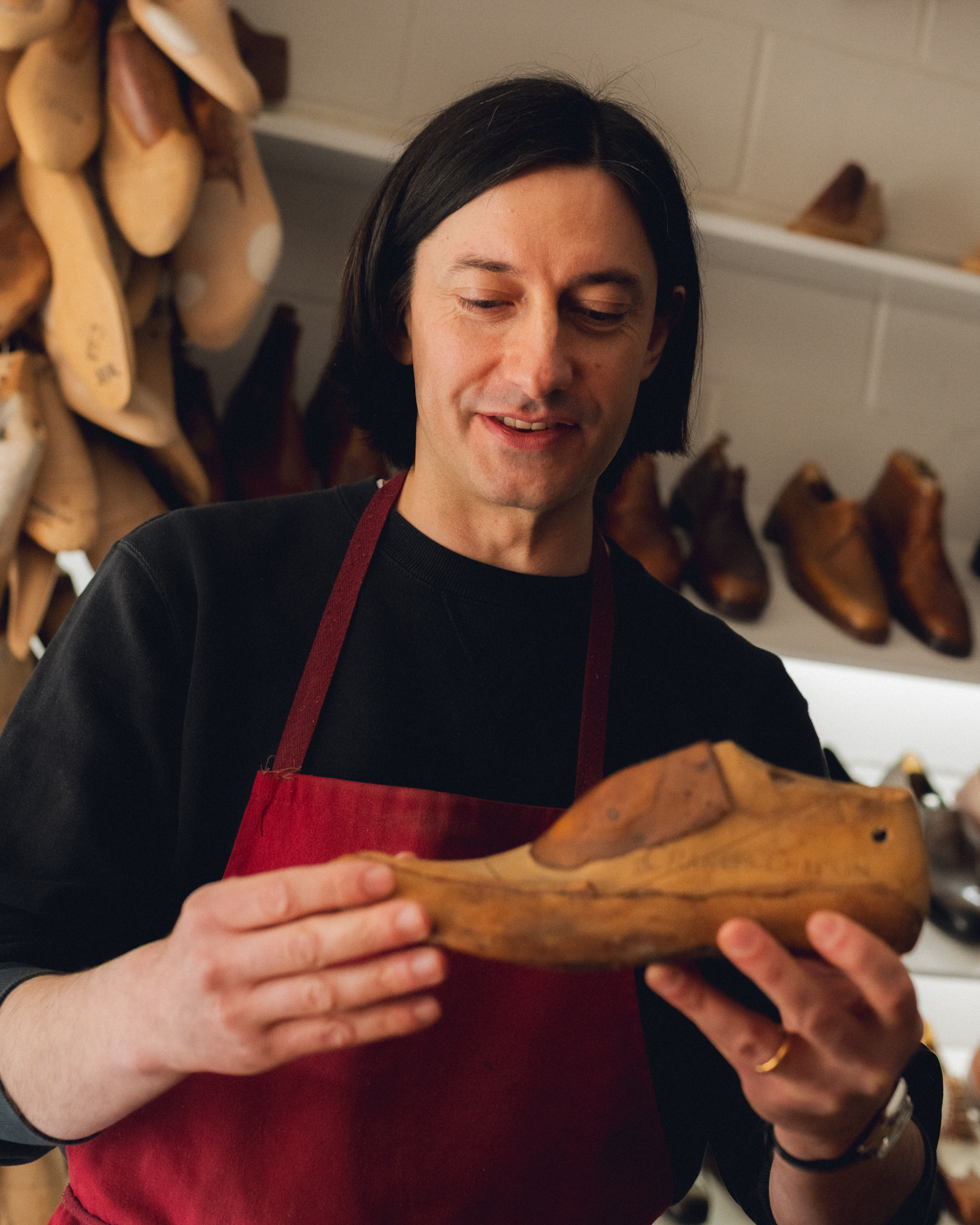
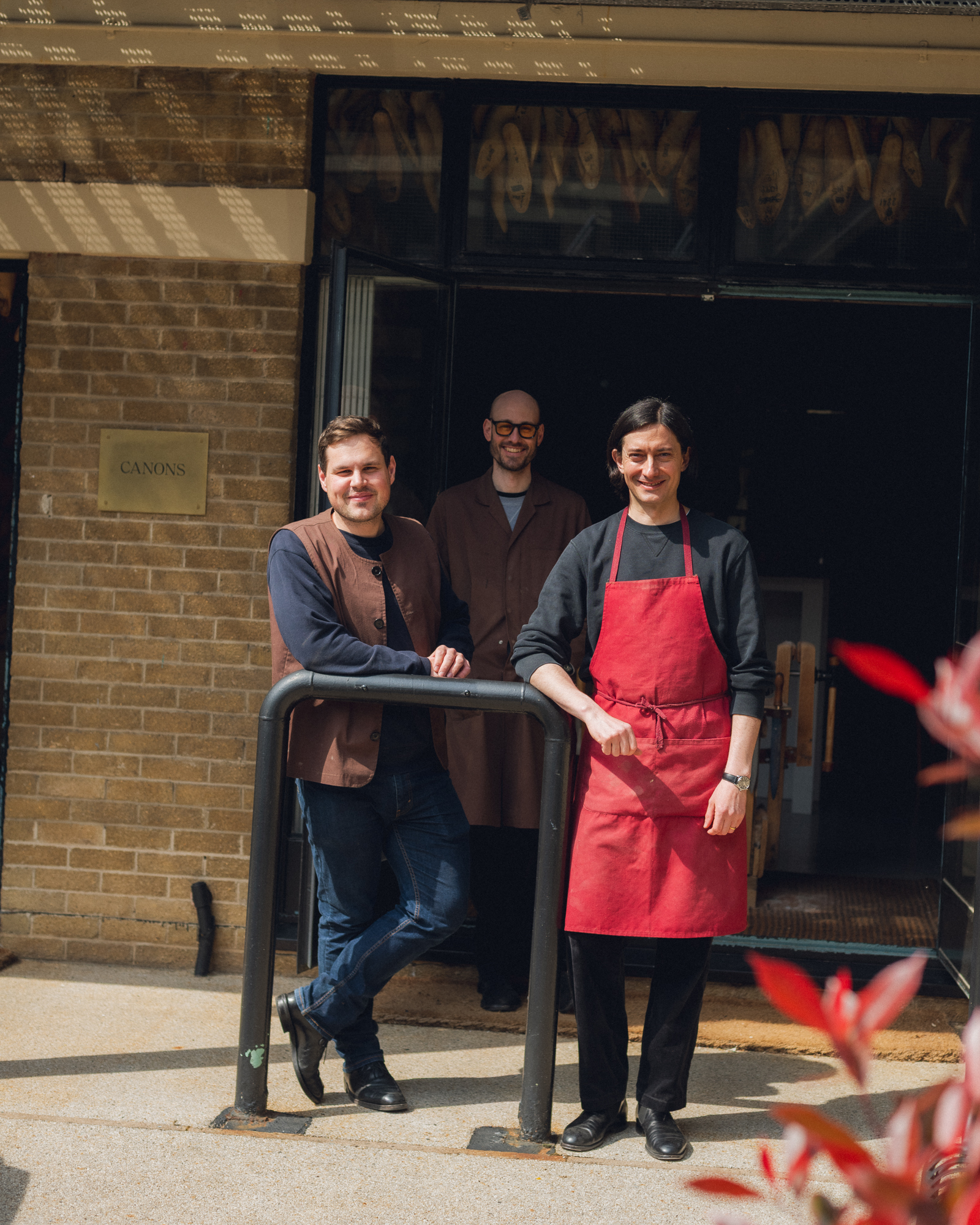
Canons, the bespoke shoemakers in north London, is one of the most exciting recent developments in bespoke menswear. Simon Bolzoni (above) and his team have created a modern, efficient, and also now quite large operation that has grown despite little marketing or eye-catching design.
It’s exciting because bespoke rarely feels like a growth industry. We’re all still basking in the glow of the attention it got after 2008, and that was 17 years ago. Most of the time new names in tailoring or shoemaking are just the result of sole operators splitting off from bigger operations.
Canons has grown consistently since it opened, to the point where it’s now producing twice as many bespoke shoes as its previous incarnation - Foster’s - did on Jermyn Street. The team has shrunk and then been rebuilt, with Simon reimagining what modern bespoke production and product should be like.
The result is bespoke shoes that are more consistent than they were in the past, higher quality (something I can bear personal witness to) and delivered faster as well - the delivery time has come down from around 18 months when the team were on Jermyn Street to nine months today.
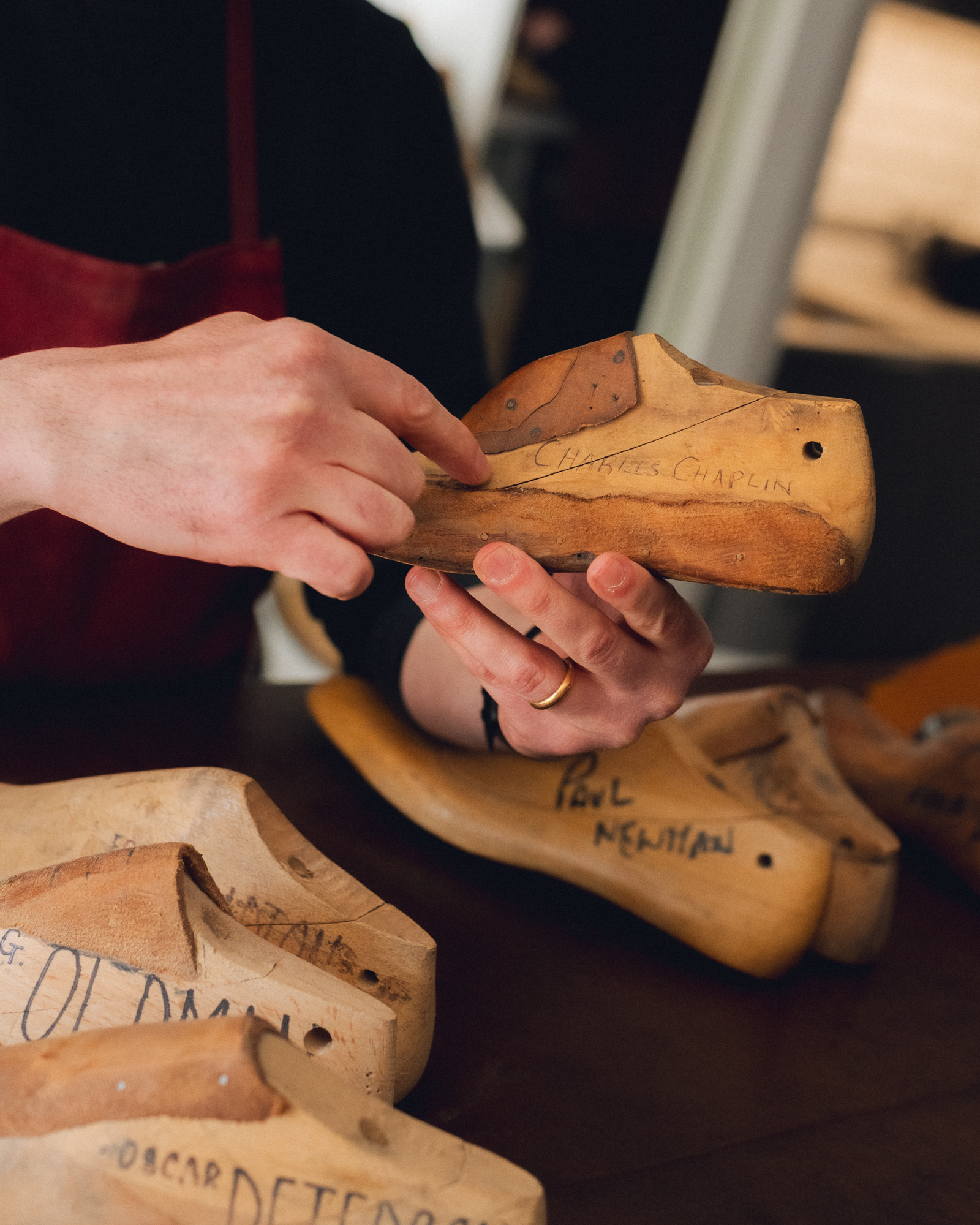
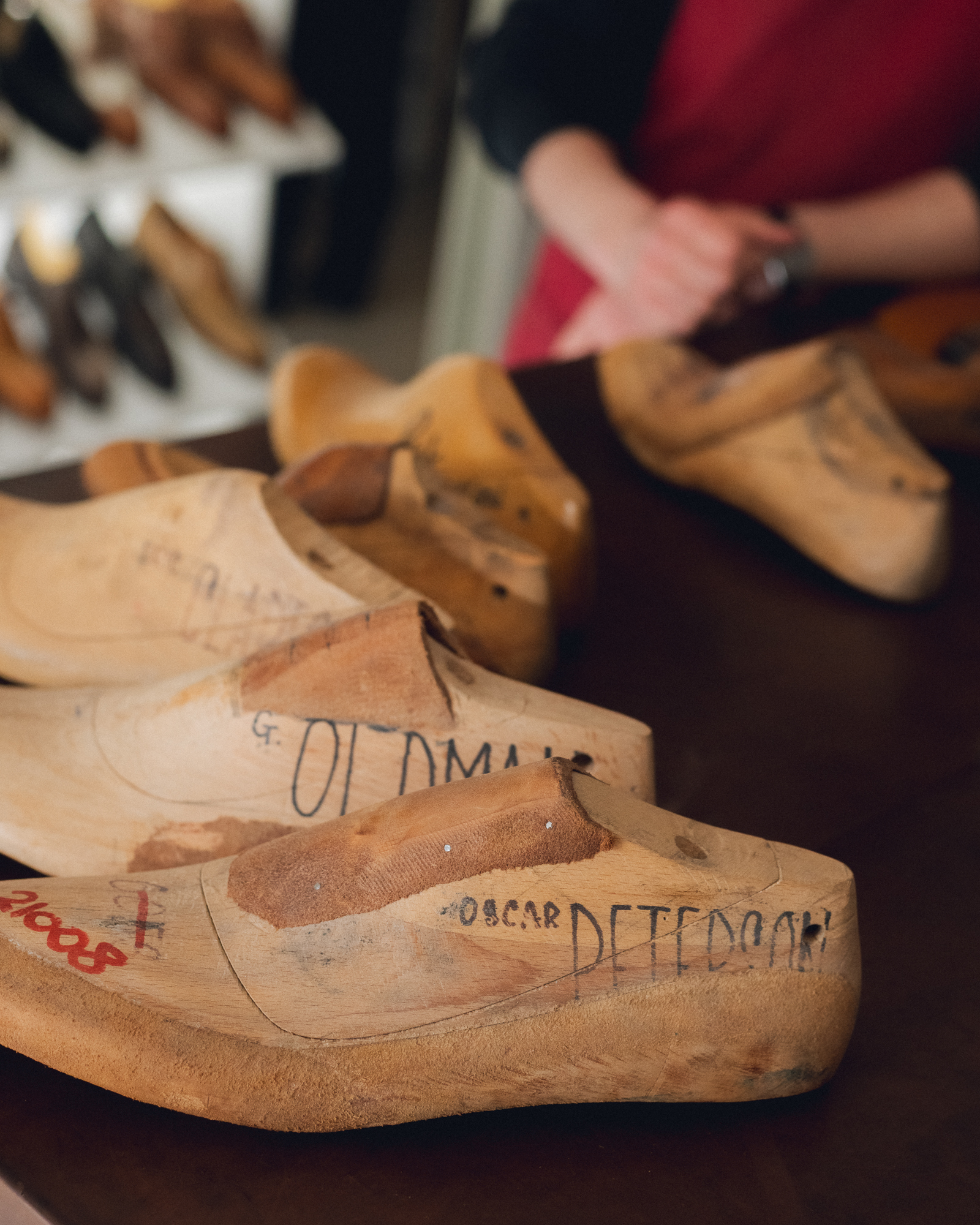
Let’s briefly explain a bit of that history. Foster & Son had been a shoemaker in the West End of London for a long time - since 1840. It made for many famous people, including Charlie Chaplin, Paul Newman and (my personal favourite) Oscar Peterson.
Foster's introduced ready-to-wear shoes in the 1960s, and it sold both on Jermyn Street until 2020. We covered them in 2014 and reviewed bespoke shoes made there in 2016.
In 2018, they began an ill-fated project to open a factory in Northampton, with the help of Japanese investors. This had problems from the start, chief among them the fact they were selling shoes before they knew what their costs were.
“We didn’t even have any samples at the start,” says Simon, who helped develop the lasts for the factory. “It was such a shame because the team in there was great, the quality was fantastic, but really those shoes should have been sold at over £2000 and they were being offered for £800.”
Covid made it all untenable in 2020, as wholesale orders dried up. Shortly after that the 25-year lease on the Jermyn Street shop also ended, and it was decided not to renew. Foster’s started to look for a new home.
Simon was managing director at that point, and in 2022 put his own money up to buy the company. But he decided to change the name of the new operation to Canons, not Foster’s. Why?
“Foster’s was mostly known for ready-to-wear, just because it sold more of those shoes than it did bespoke,” says Simon. “But there was an issue having the same identity for both a £500 shoe in the shop and a £5000 bespoke shoe. It didn’t make sense.”
Using a new name was also an opportunity for a fresh start. “The bespoke shoes in the previous decade had become too inconsistent, and probably not high enough quality overall.” This was something I talked about in my review - the make of my shoes was good, but the fit was not that great and the finishing misjudged.
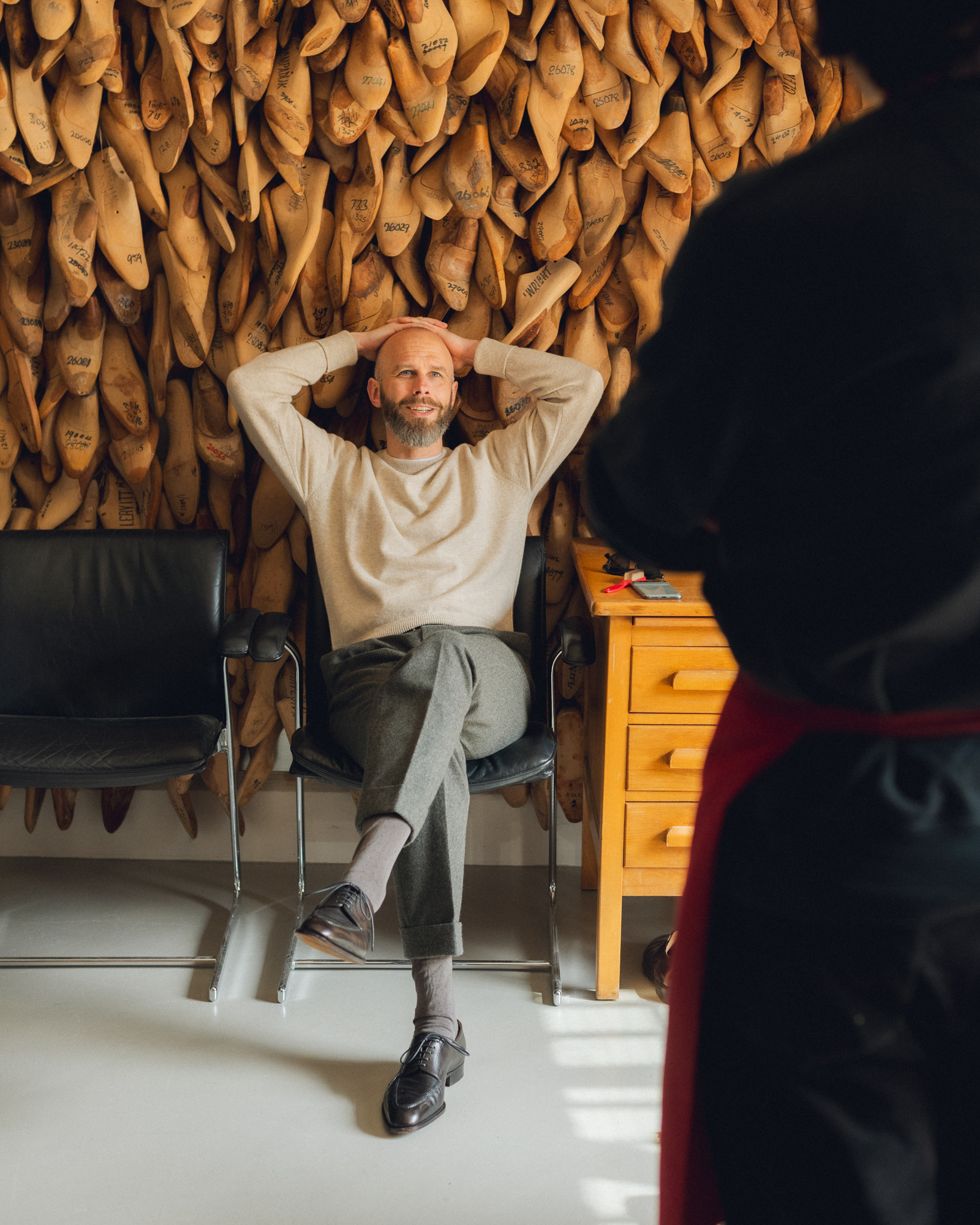
“We had been slowly improving aspects of the bespoke since 2018, changing the patterns and the way we made lasts, switching outworkers as well,” says Simon. “The new name was a way to put a stamp on that, and on the new workshop.”
It is amazing the difference branding can make - even buyers of bespoke shoes that I knew personally saw the operation differently as soon as it had a new name. It would have been much harder to change people’s minds without it.
“Heritage can be a burden,” adds Simon. “I saw that in the process of setting up the factory - it created expectations around the product, and it was something some people liked, others didn’t. Canons gives us the opportunity to redefine everything, even if part of that is weaving in all the designs and the history that Foster’s had.”
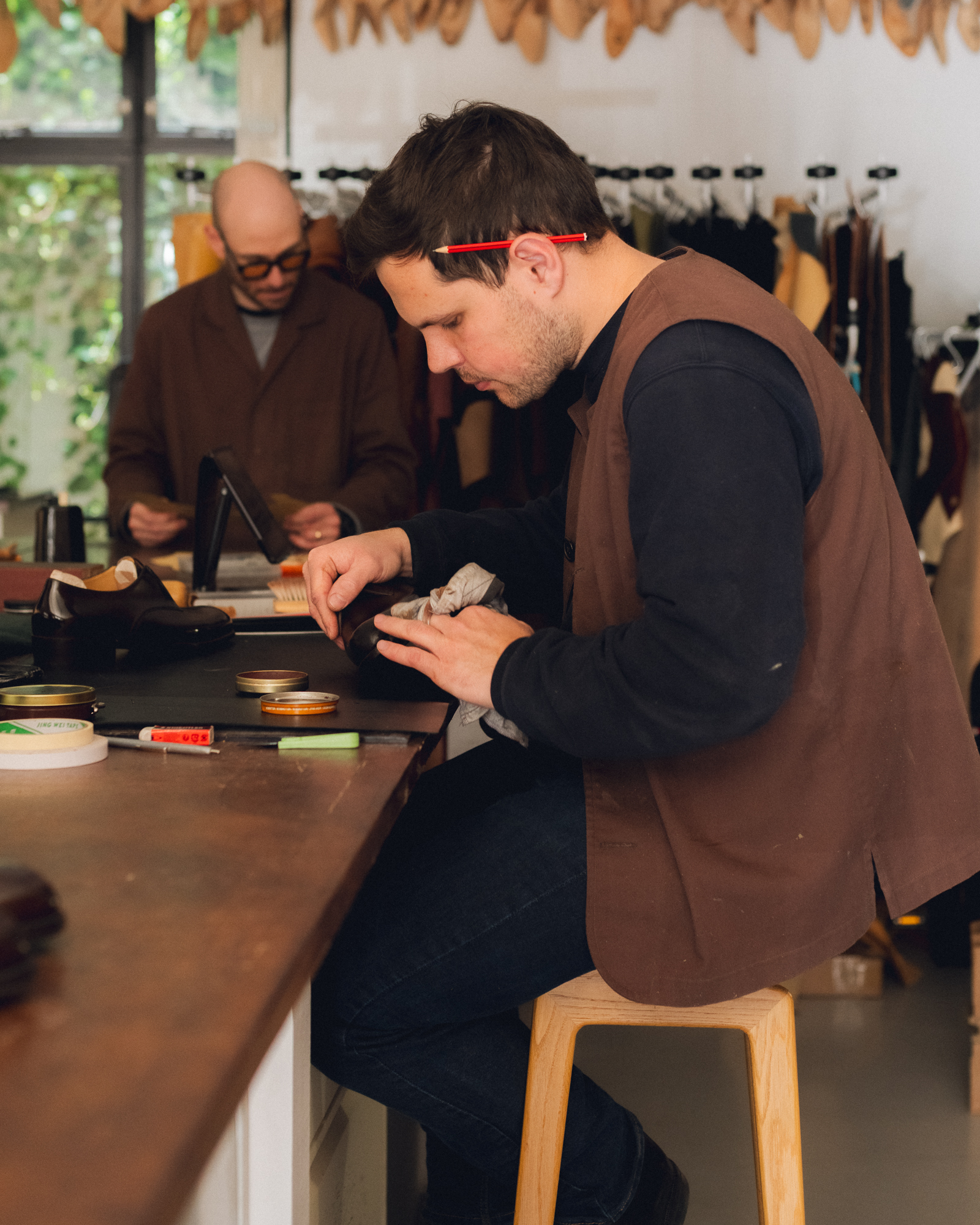
I’ve been visiting Simon and the team at Canons for the past two years.
Back in 2023, when Canons was launched, Conor (above) reached out and said he was contacting all the old customers. When Simon heard about the issues I’d had in the past, he offered to see the shoes in person and work out if they could be improved. When they couldn’t, he said he’d remake them.
This is something he says he did with all customers who had had poor experiences. That will have been costly, but it is also an effective way to re-establish a reputation, and at the moment seems in keeping with Simon’s general attitude to the product.
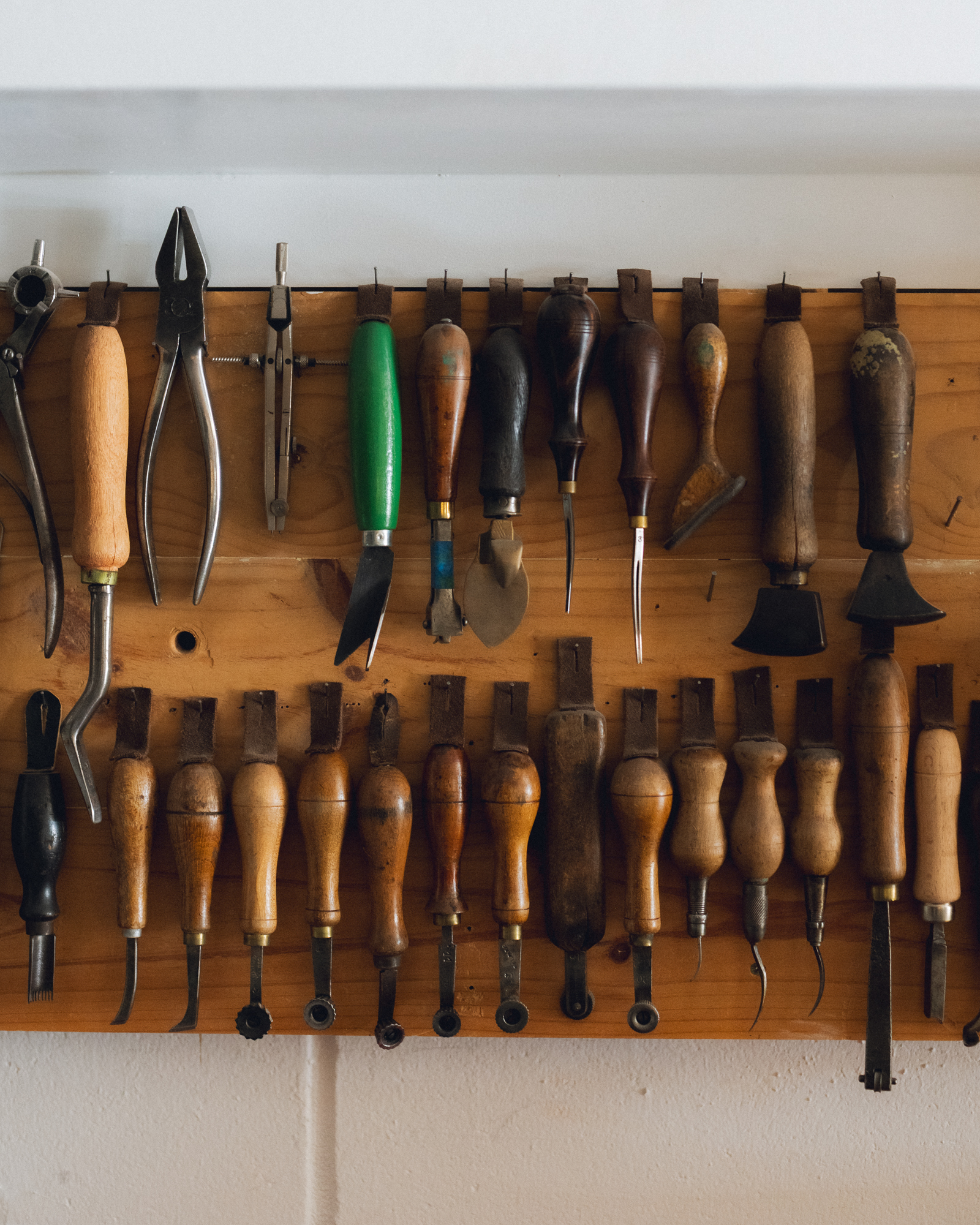
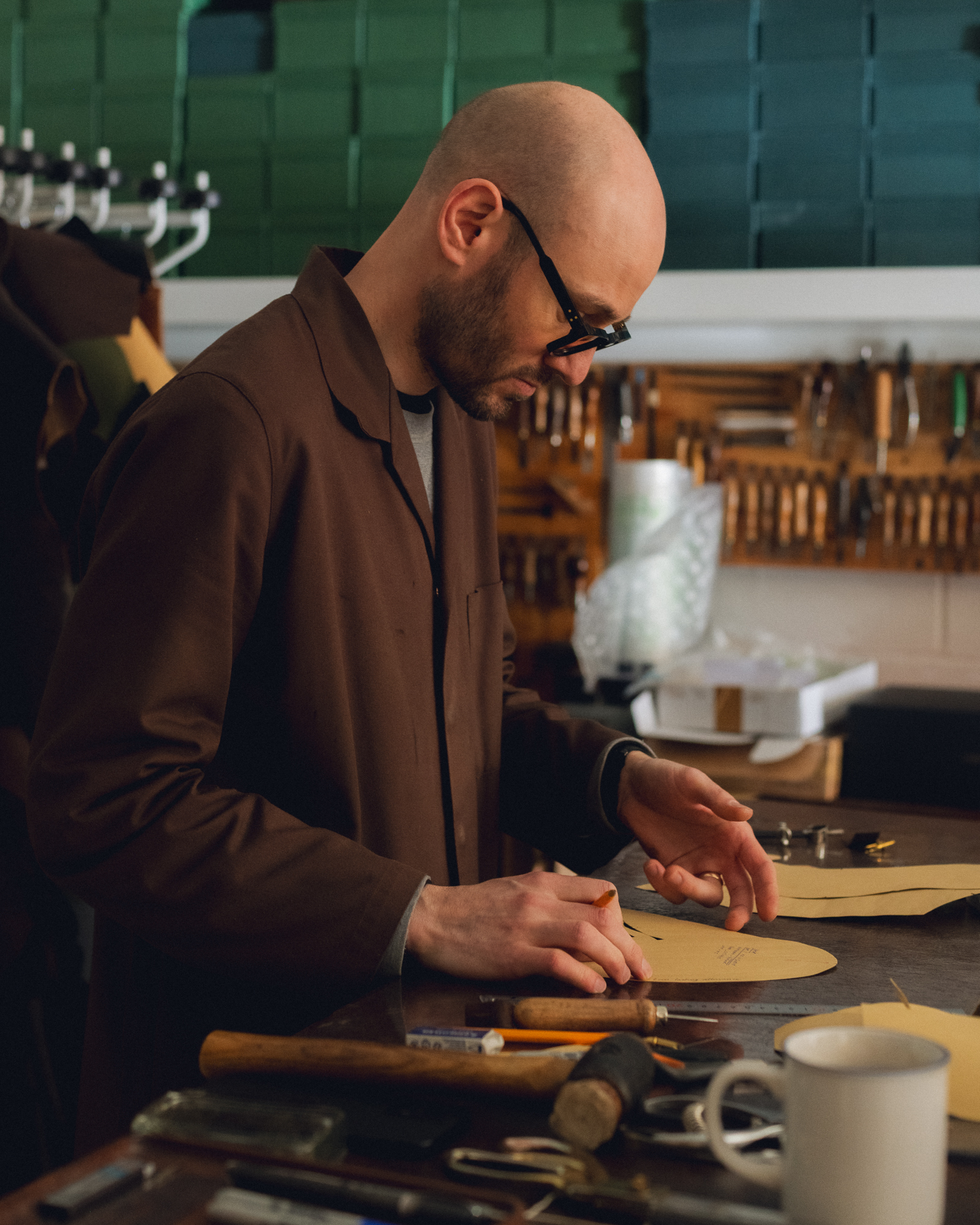
Since that first meeting I’ve been in the process of making a new pair of bespoke shoes with Canons, which I will cover and review later. Throughout I’ve been impressed by the thoroughness exhibited by Simon and Reece (below) when it comes to lastmaking and fitting, however, and by the in-house processes they’ve established - such as the Fosters Fade.
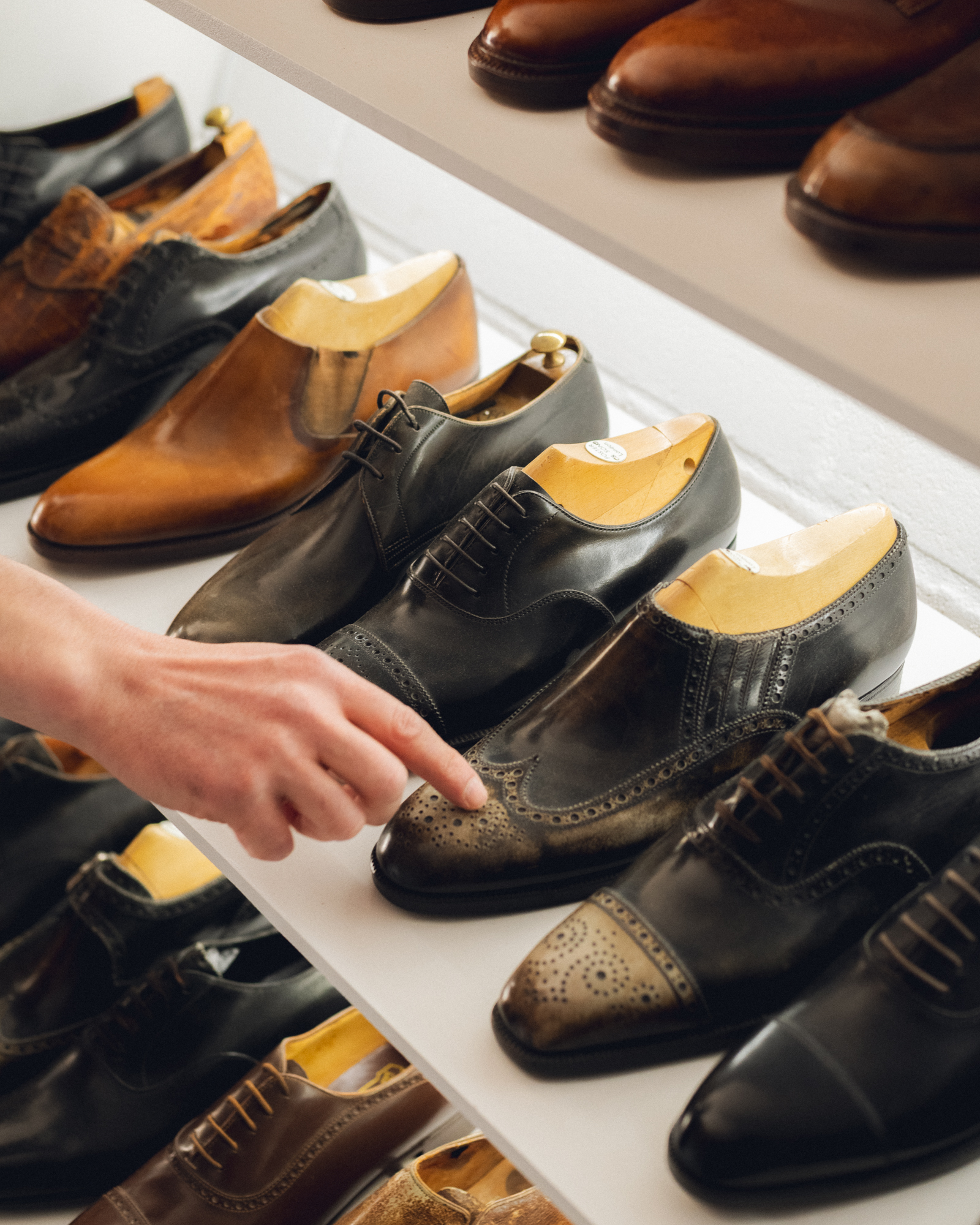
Fosters Fade (above) was an effect that the company became known for when it was on Jermyn Street, something customers could see on shoes in the shop window that had been slowly bleached by the sunlight coming through the plate glass.
It was the kind of thing that was also catnip to bespoke fans in the 2010s, as people discovered chisselled toes, fiddleback waists and hand-painted patinas. Foster’s offered ready-made shoes with it as a finishing option, and it could be done on bespoke too.
“We stopped doing it as soon as I set up Canons,” says Simon. “It was done in quite a cheap way and the effect wasn’t very subtle.” It’s a mark of how Simon has gone about developing things, I think, that he spent a long time working on alternatives, and has now re-introduced it.
“The process takes 2-3 days, because you need to work on the leather for a little while and then let it dry to see the effect. That’s one key to making sure it isn’t too much - another is we now do it on the uppers before the shoes are made, rather than at the end.”
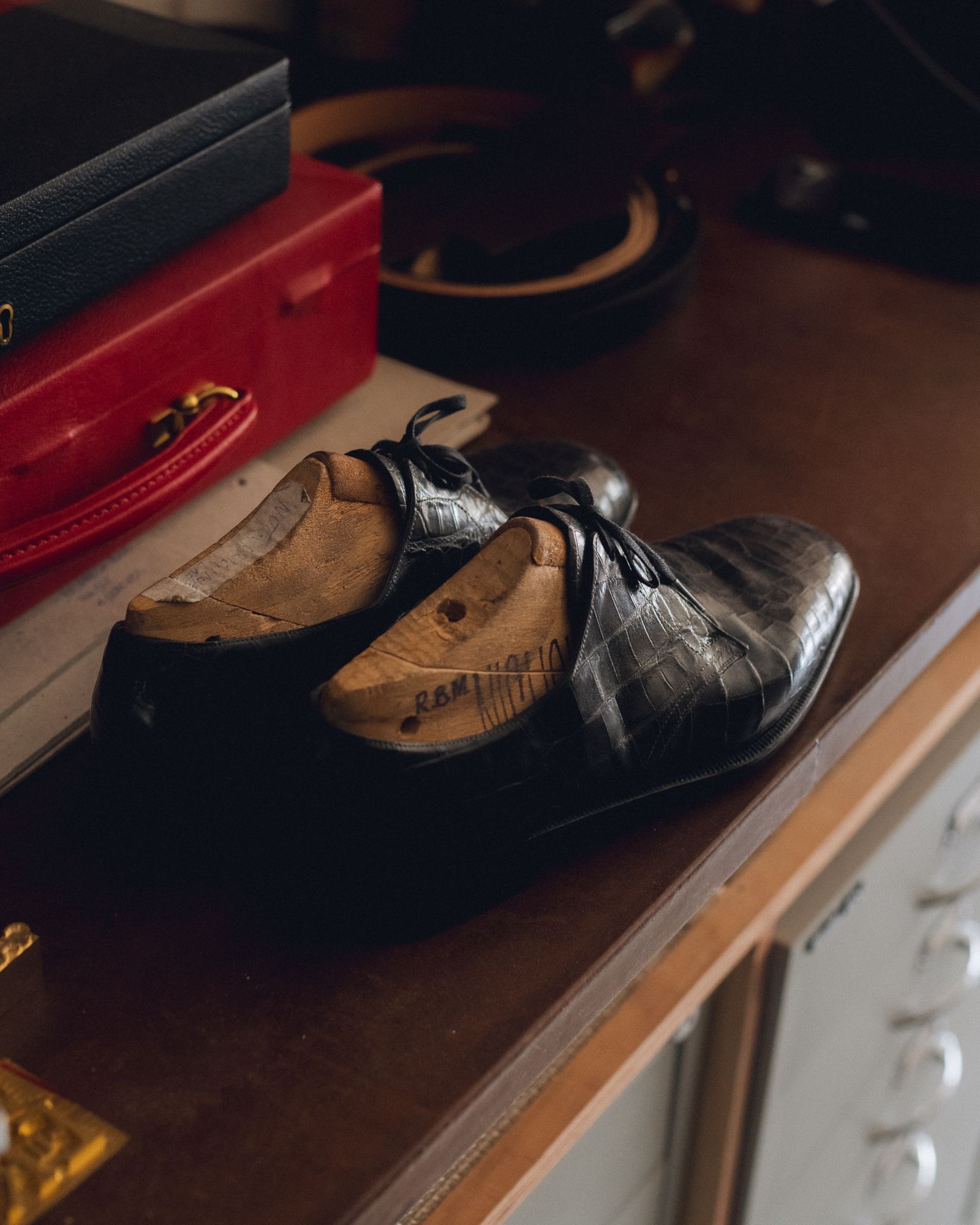
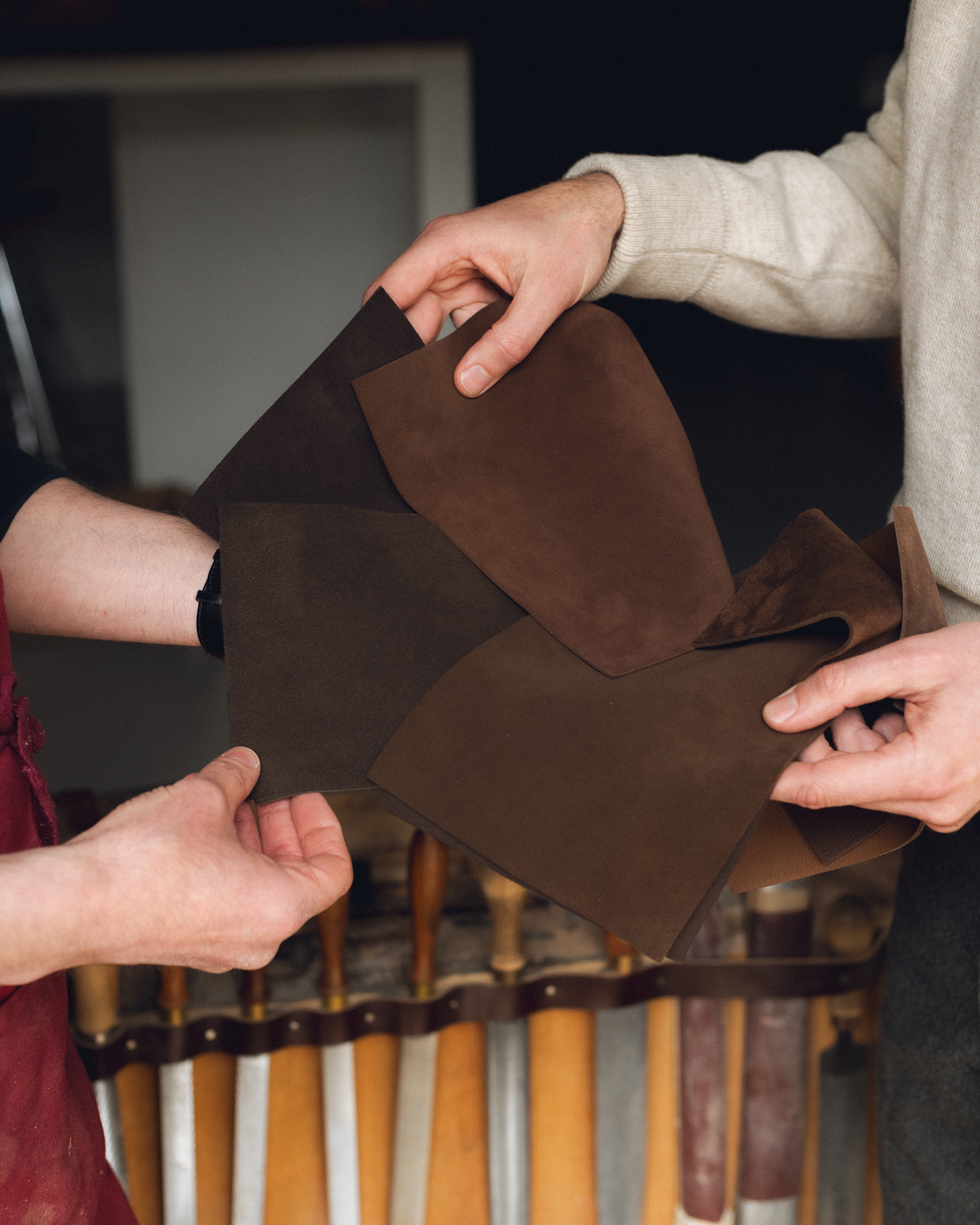
Similar developments Simon has introduced are colouring their own leathers, to offer a greater range of subtle colour variations, and developing their own colours of suede with the tanneries.
When I decided on the material for my shoes, I was offered a bigger range of brown suedes than anywhere else and - more importantly - a better understanding of the shades (colder/warmer, casual/formal) and how they would look.
Canons is also experimenting with different makes of shoes, for example using lightweight rubber soles, or even rubber-soled shoes with no midsole at all, a very comfortable option. A significant difference between here and other brands that have expanded into styles like this, is the emphasis Simon places on keeping everything in-house.
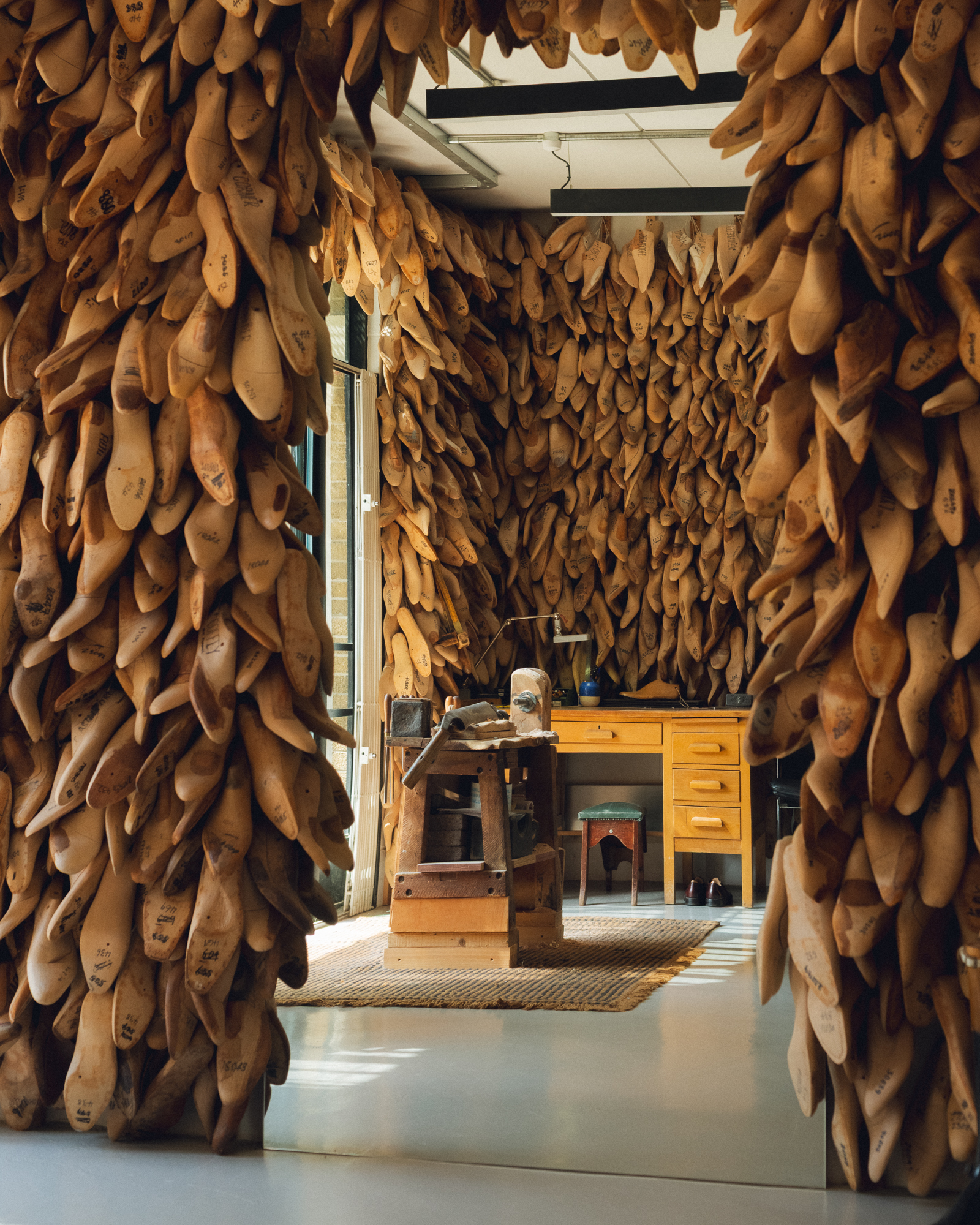
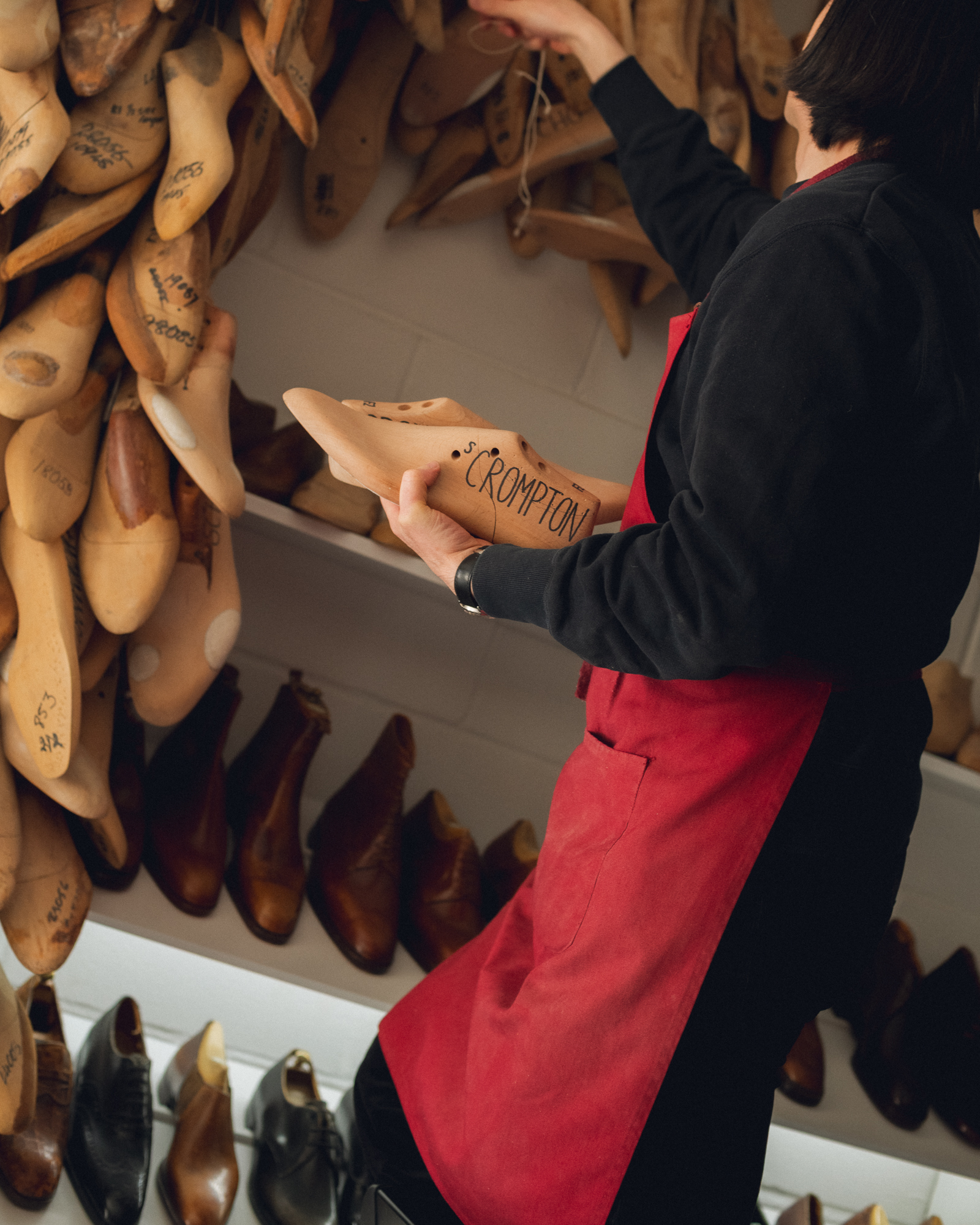
It’s worth a trip to the Canons workshop just to see these various things in person. And I can’t believe it’s taken me this long to mention the workshop itself.
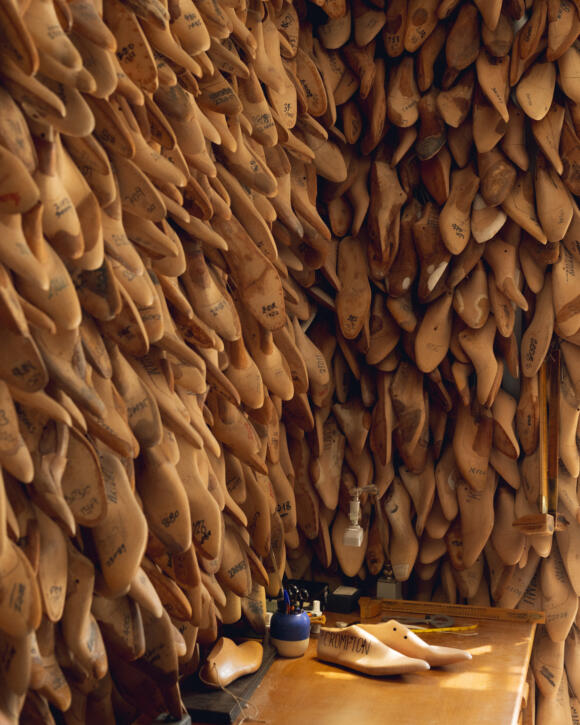
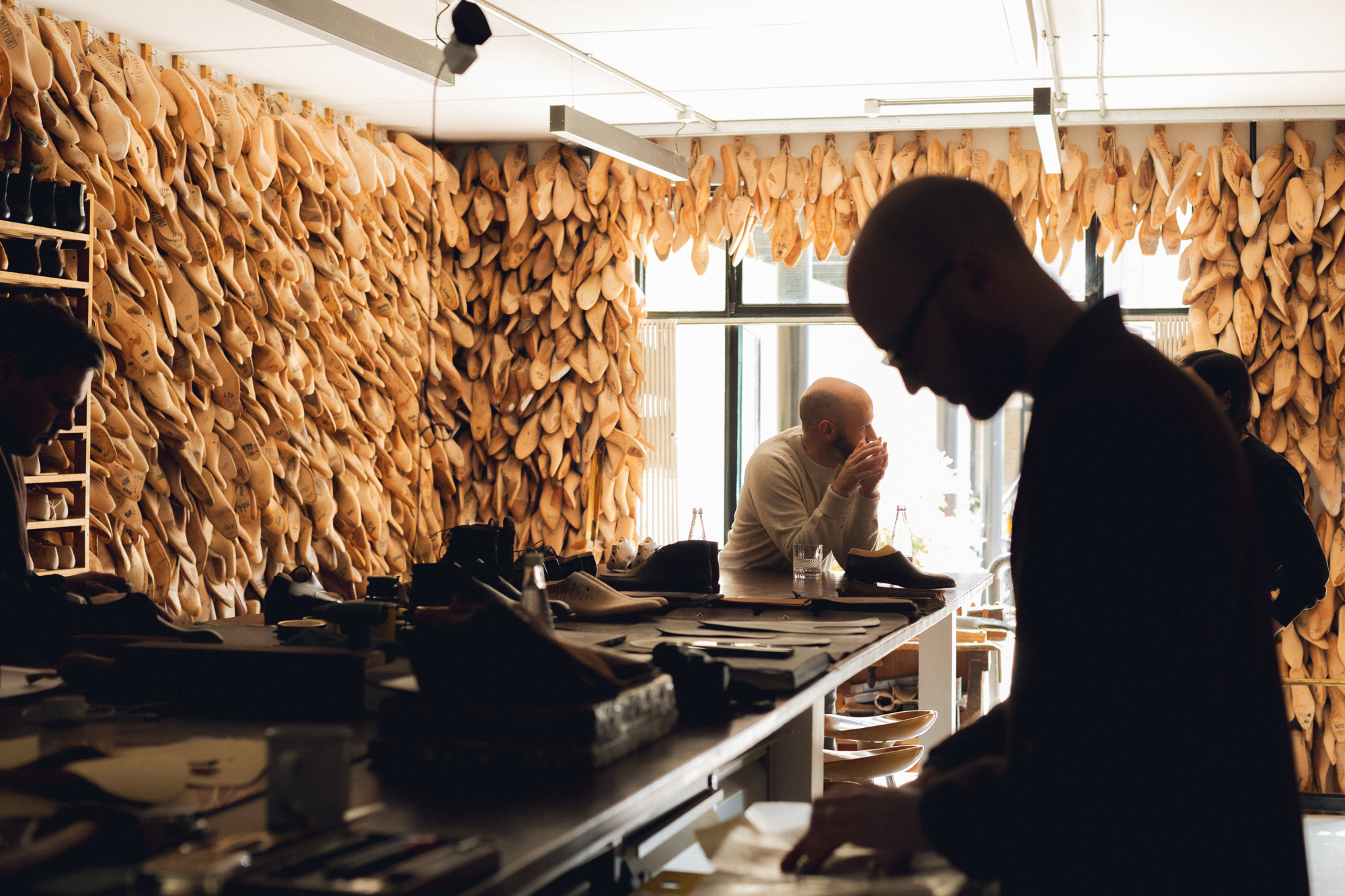
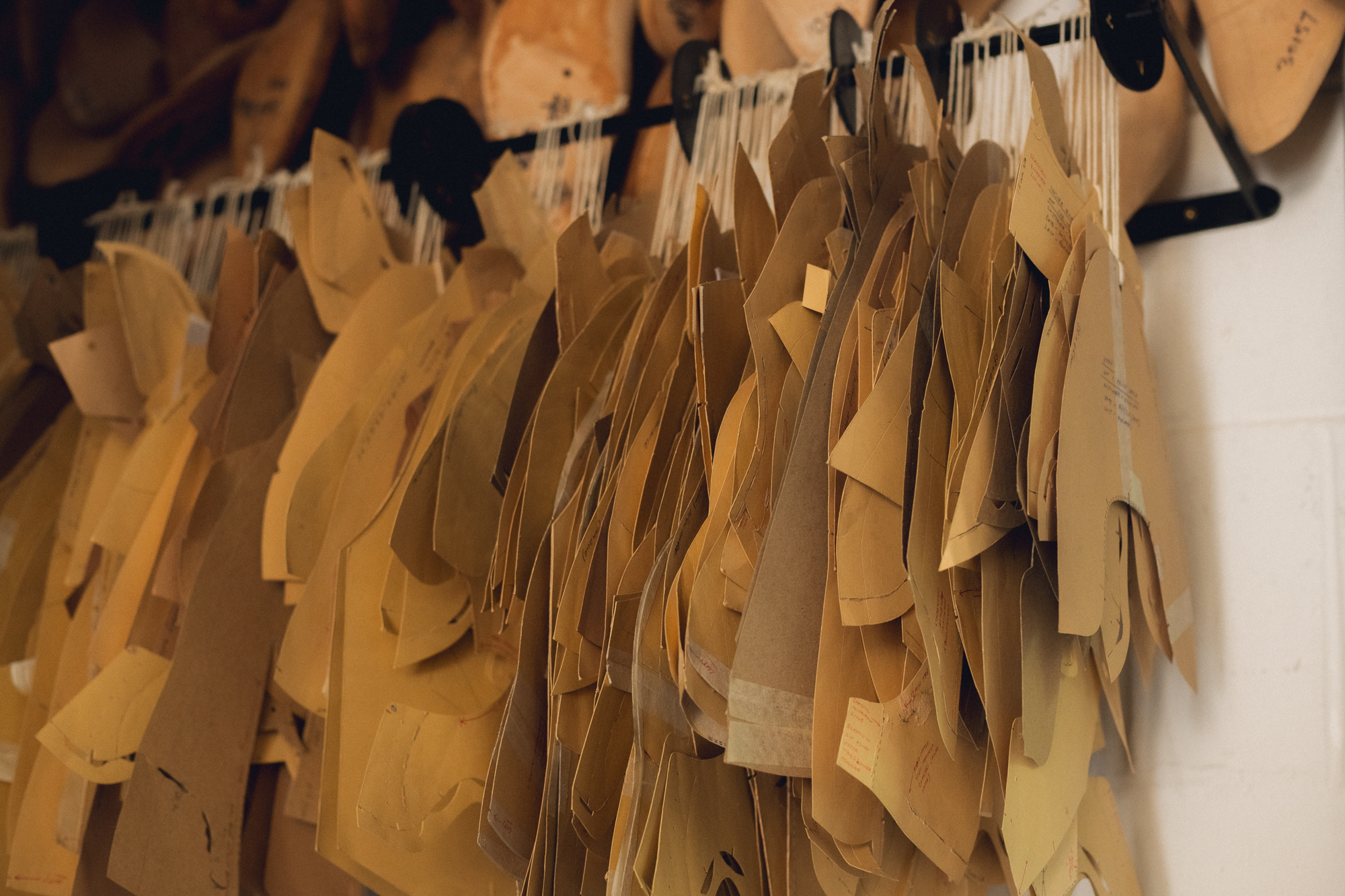
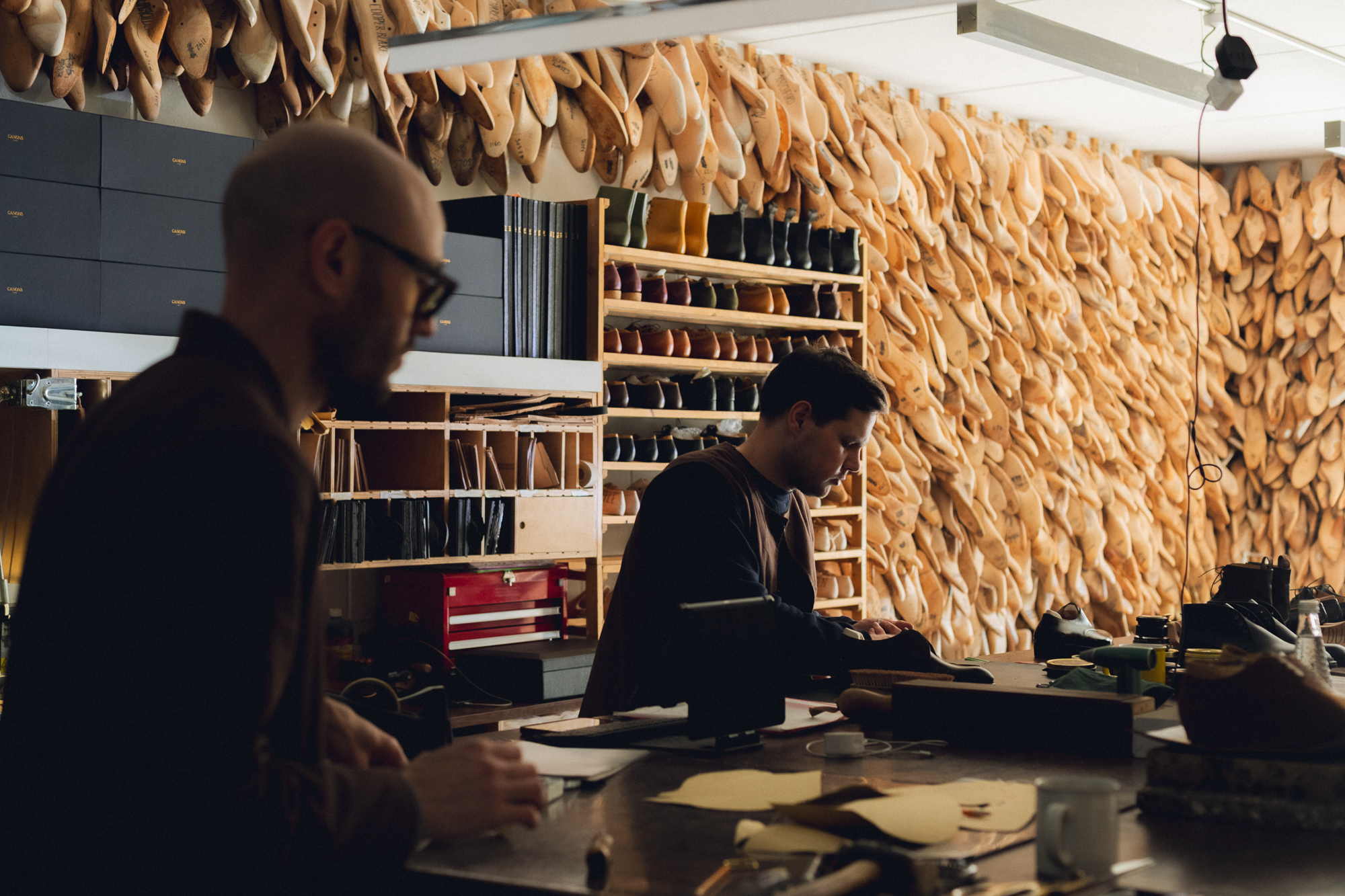
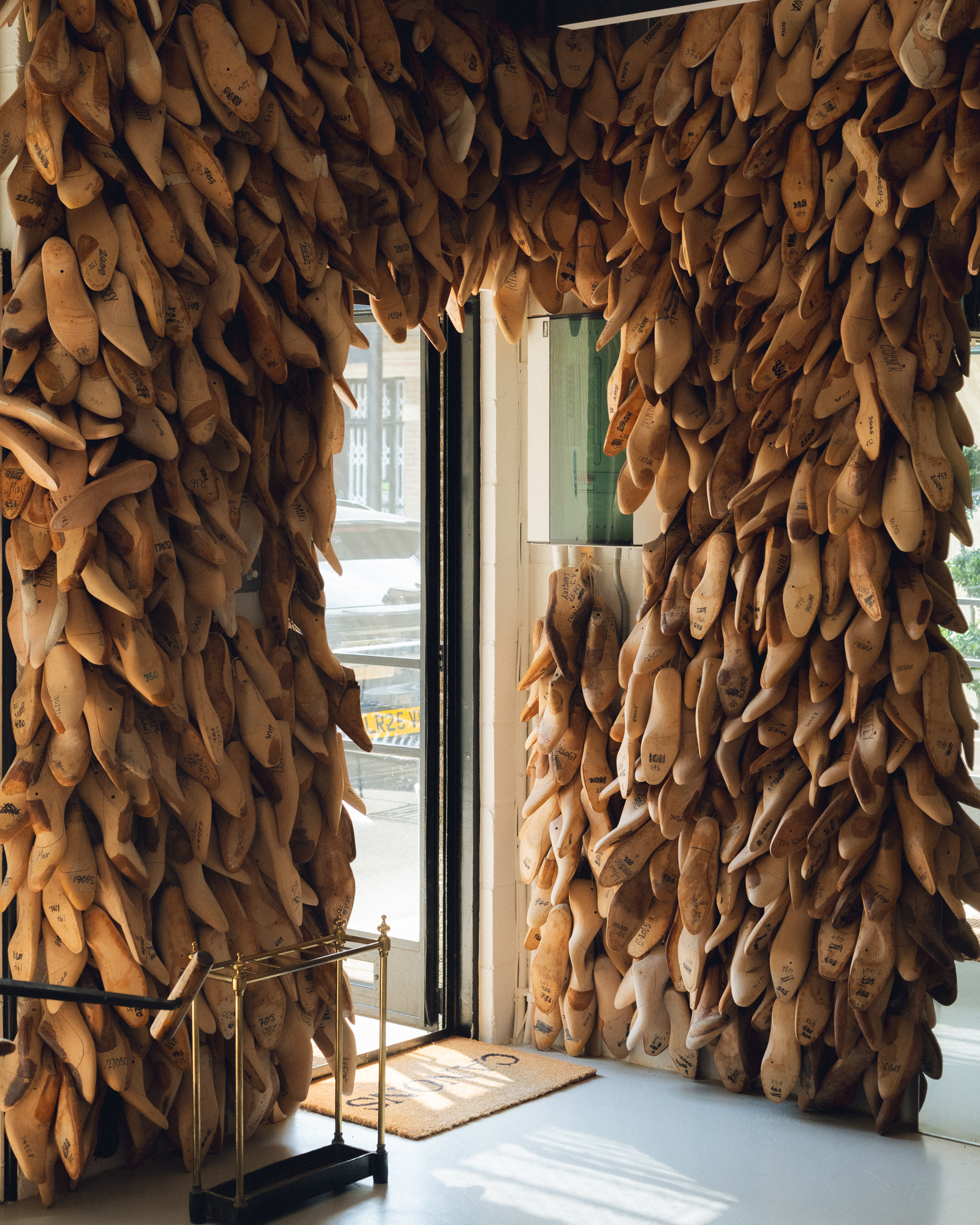
Of course it’s lovely having a shop in a historical area like St James’s. But you couldn’t build a workshop like the one Canons now have in Islington there. The new space is open and communal, the front half covered in customers’ wooden lasts.
In fact, you can see Simon’s eye for design in the way the space has been put together, with a mirror surrounded by a sea of lasts. It’s begging for selfies.
Around the big central table are Reece and Conor, and Simon puts a lot of the efficiency of Canons down to the fact that everyone is there, talking to each other and communicating orders. (The rest of the 20-strong team is outworkers; it’s the norm for English shoemakers to work in this way, and Foster’s always did, though Canons has slightly more overseas in France, Japan and elsewhere.)
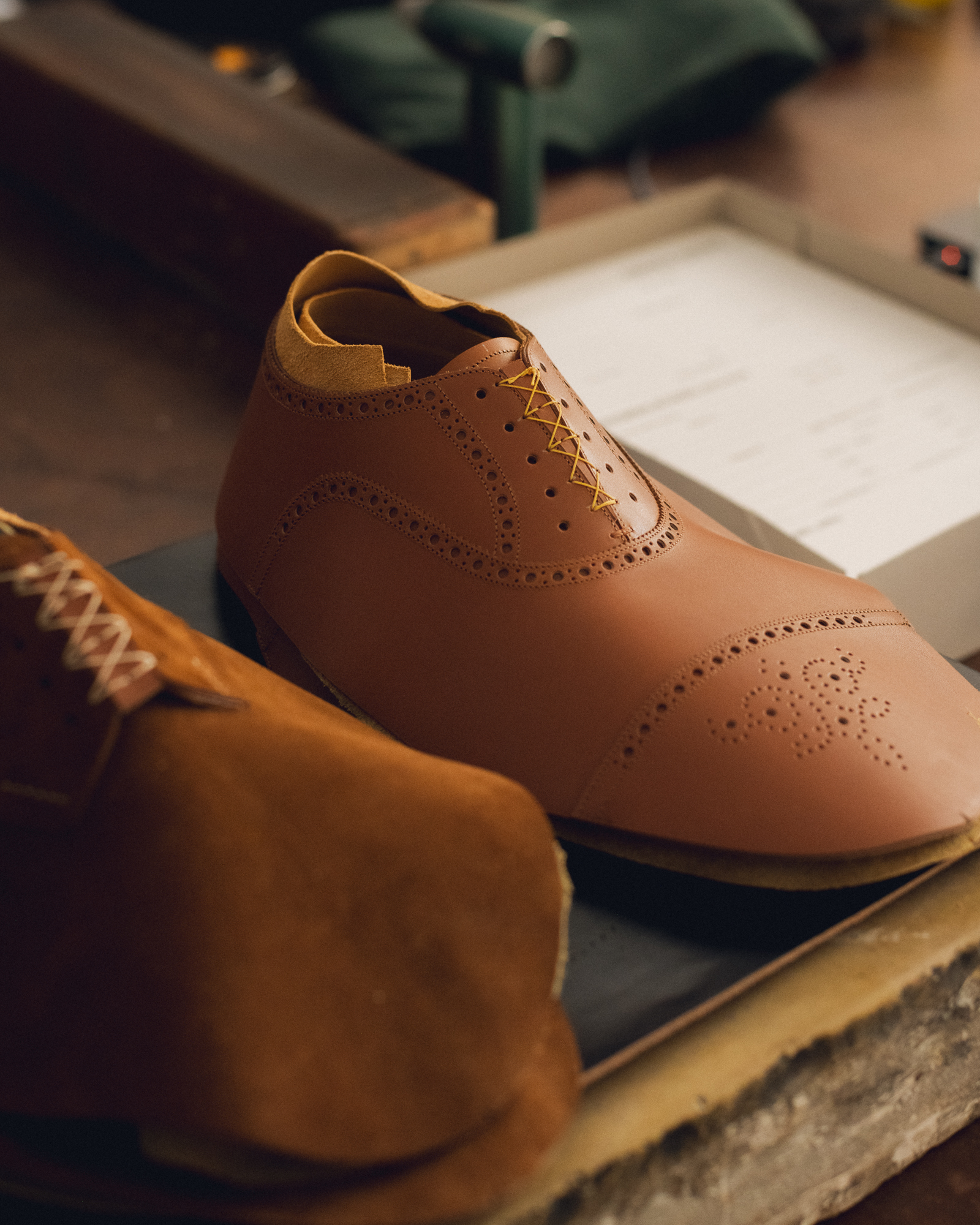
Conor is often looking after the leather goods, which include belts and bags. Foster’s was famous for its despatch boxes, and those are still made the same as they were in the 1960s (Simon brought production in-house in 2018).
The team actually got a fair bit of equipment from Simpson’s, another manufacturing re-imagining that we covered in 2017, but shut during Covid. You start to see why it’s good to see someone like Canons doing so well.
And the next chapter in the story will be the reintroduction of ready-to-wear, which is meant to happen any week now. The launch was planned for earlier in the year, but US tariffs have put things on hold. The new shoes will be sold under the Foster’s name, made in Northampton by another factory, and have the same names and lasts as they did in the past.
Canons is open by appointment at 6 Northampton Street, London. Bespoke shoes start at £4,750 plus VAT. Trunk shows are to the US only, but five different cities. Details here. Canons also plan to start travelling to Hong Kong and Japan soon.










The last three articles: £900 shirts (minimum 5 order), £2500 cashmere overshirts, £5000 shoes. I hope Friday’s article is at a more modest price point Simon or I will have spent a month’s salary in a week!
Glad to hear this business is a roaring success. I would enjoy it if the more luxe stuff was mixed in with other articles in between.
Thanks Christopher. We’ve always been about the best out there I’m afraid, but yes there will be some more affordable things coming up too
I think Christopher raises a very valid point.
I do struggle relating to many of the recent articles .
At times it feels like I’m reading about tailoring I could only access if I win the Euro-lottery or thrift / vintage/ used clothing that personally doesn’t interest me .
Fair dues , Simon , it’s your blog but I’m missing the ‘happy medium’ .
I’m more interested in tailoring that is a goal for me that can be achieved through some ‘sacrifice’ or as a ‘reward’.
A £150-£200 MTM shirt , a sub £1200 suit , a £400 shoe etc .
I appreciate you concentrate on the ‘best’ but maybe if we could see more of what is the best at different price points .
P.S.
I don’t mean this to come across too strongly
Cheers Robin. No problem at all, it’s all good feedback. We do occasionally cover the points you’re talking about, but not much and it’s not the focus of PS. I personally don’t think it’s possible to do the best at all price points and do it well – or not as well, not with the same depth and knowledge, as we do everything else.
That said, the next shoe article will be about MTO rather than bespoke, and there is a piece on my favourite MTM makers coming up as well.
I think you are underselling yourself a bit here, Simon. It seems very narrow to say that you only focus on the very best and by extension, the most expensive products, and that doesn’t reflect the articles I read. I think your focus is in fact craftsmanship, artisanal manufacturing and everyday style. You regularly cover great “value” makers like Simone Abbarchi and he and his team make very reasonably-priced but very good quality shirts. Same with Allevol and their t-shirts, or Crocketts and their shoes.
That’s a good point Bob. Crocketts I’d say is the bottom level of what we cover, and slightly above what was looked for above. Allevol are actually the best out there, it’s just that the price point is lower because of the category. Those two aren’t always aligned. Simone you’re right is definitely an exception, though it too is more than the reader above was looking for
I agree Bob, and would also refer to the extensive coverage of vintage and brands like Buck Mason, RM Williams etc.
Hiya Simon,
I’m curious to know why you clearly believe Allevol to be the best as far as t-shirts are concerned? As I’ve seen plenty of chatter elsewhere about Whitesville or Merz B Schwanen and other Japanese brands being “the best”.
To be clear I’m not here to argue against that belief, as I own the PS x Allevol t-shirts and am very happy with them, but interested to know your reasons.
I love clothes. This is why I enjoy reading Permanent style. For a variety of reasons only a tiny number of the things covered here are things I would buy but I’m still interested in learning about them because I LOVE CLOTHES.
Robin you raise a number of valid points I feel. Simon I think you are perhaps a little ambitious with the “We’ve always been about the best out there” line. As someone who has followed and enjoyed PS since day one this is not the case. The change perhaps occurred when you decided to go full time and that is completely your call, however you have covered what Robin seeks many times over the years and done it admirably I would say.
The real high end stuff is often stunning and examples of it are a welcome read but they are often exercises in perfection rather than reality for many.
Thanks Jon. Which examples would you say from recent years out of interest?
Crockett and Jones Harvard Loafers review.
https://www.permanentstyle.com/2021/11/crockett-jones-harvard-loafers-review.html
Over 350 comments suggests a high level of reader engagement?
Yes absolutely, though as I said Crocketts is a brand I’d consider to be in the range of what we cover – just not a Loake or Barker for example, as the next level down among English brands
Good question, a few that some to mind would be your coverage of Natalino, Anglo-Italian, Lucas’ article on smaller independent retailers. Introducing brands such as August Special, Whythe, Buck Mason.
A wide range of styles covered and still decent quality if not “the very best”
Personally I have found that these articles are the sweet spot in amongst the £900 shirts and £5000 shoes which I read and enjoy just from an interest perspective
Thanks Jon, good point on those brands, thanks. There’s an argument for August Special being among the best for that type of boot (like a work boot from a Viberg for example) but less the others
I agree Jon.
Writing about Uniqlo and Hackett fights a little with “we’ve always been about the best out there”.
Thanks Simon. I wasn’t suggesting dropping the quality, just mixing the order of articles with things like readers questions.
Ah gotcha, yes that makes sense
If I may, just to add my wish for a mix of reviews of varying levels of quality. As much as I appreciate the care and dedication in creating > GBP5,000 shoes, I feel a bit a voyeur as if watching a new Ferrari. A pair of Crocketts at the “bottom level” is something I would actually buy and wear (and, in fact recently did).
Thanks Steven. I should have mentioned higher in this thread the example of Anglo-Italian of course, which we covered recently, all around this price range.
Many thanks, Simon. At the risk of verging off topic: I love the casual yet elegant look of loafers such as the Anglo-Italian ones you reference but alas suffer metatarsalgia. If I insert the most minimalist orthotic in other loafers, the top of my foot pushes painfully against the shoe’s vamp. Suggestions?
I think this is something you’d have to ask a more expert view on, Steven. My initial thought would be that perhaps a size up would work, but I’m afraid I don’t have much experience around orthotics
I do completely agree. When we enter into these ranges of prices purchasing power prevails on style.
Just to give a counterpoint – I absolutely love these articles about the finest craftspeople and most luxurious products, even though I would never spend at this price point. For many years my favourite pieces on PS have been on bespoke items out of my reach, whether the most storied names on Savile Row or aging and craggy craftsmen in Naples. I enjoy these in the same manner I would read about vintage Porsches and modern Ferraris in my youth, while not expecting to rush out and buy these items. I understand that some readers want more directly practical and pieces but I think this is already covered enough, and far more so in more recent years as Simon has broadened the writing group and perhaps run out of high-end bespoke makers to cover!
I also enjoying reading about these stunningly beautiful things. I do draw inspiration from the styling of these lovely garments in the accompanying pictures. I might have to wear clothes of lesser quality but I can still wear them well.
Nice to hear Peter.
I agree with Raj. Well said.
I agree, the highest prices are usually for incredible artisans’ products. Fascinating to read about and see their work
I am here for reading about the best out there. 🙂
Not everybody, but many people can put aside 100 GBP per Month. This could mean a bespoke suit or a pair of bespoke shoes once every 4 to 5 years. More or less this is how I do it.
This is how it used to be 100-150 years ago. Many people were saving for long time and had tiny wardrobes. Later culture shifted towards consuming more and more and more and people started to take it for a given that a wardrobe should be large and that you should be able to afford stuff without saving money for it and that the quality is so low that you throw constantly stuff away without repairing it.
I vote for quality over quantity.
Nice point Hristo. Reminds me we need to talk to an academic I know about the data on this.
It’s often particularly striking with the working class – how much pride they put in dressing up to go out, and on a Sunday. Putting a little aside to buy one suit a year (and looking after it much better than most people would today)
Thanks Hristo. Though I wasn’t sufficiently clear if you felt I was advancing quantity over quality. Merely that the range of products covered over the last 3 articles have been at one end of the range that PS covers.
As a reader such articles do interest me as sometimes they show the pinnacle of design/craftsmanship. On the whole though, they interest me less; with some readers this may interest them more, and ultimately as someone else put so succinctly, it’s Simon’s website and he can write about whatever he feels like, but I’d prefer if they were split up amongst other items – and was merely making that observation in case Simon wished to take it on board.
Personally I’d struggle to square away £900 a shirt with my conscience (though I wouldn’t judge those who do), and so having more of an interest further down the value chain isn’t always an issue of affordability.
Many thanks.
Speaking as an occasional finance professor….it would be quite easy to justify a decent quality Goodyear welted shoe over a “cheaper” one. For instance, the net cost of my 15-year old Crocketts that have been resoled 5 times is lower than that of 5 fast fashion shoes replaced every 3-4 years.
Of course, beyond good quality one can speak of the “law of diminishing marginal returns”.
Including 5x 120-150£ for resoling, considering fast fashion is under 200…
And a bespoke suit, especially the jacket, can last for many years. Its an investment. In fact Ive seen some lifetime guarantees
I’ve been reading Permanent Style for what feels like close to a decade, and it remains one of the few truly aspirational menswear blogs out there. It’s a rare space that focuses on quality, craft, and long-term value.
I’m tired of newcomers showing up and asking to change the focus of the blog to feature cheaper products. If this isn’t for you, that’s fine — there are plenty of other blogs and YouTube channels that cater to different budgets. I’ll gladly recommend some.
But please, don’t try to turn this space into something it’s not. Some of us come here precisely because it’s aspirational — and that’s what makes it worth reading.
Cheers Danny, always nice to hear
Wow, Simon!!!
What can I say about this…long awaited post!
Great, simply great…period.
Here is an astonishing example of, what I can only call “a friendly takeover”. It’s not even a good enough description to use for Canons. What a striking and beautiful name. A sympathetic takeover of the old Fosters, even rescuing the old Simpson equipment for the other leather goods. Reaching out to many old customers and having shoes remade. This vision is impeccable and very thorough.
What I see here is that that there is NO HARD SELL!! IMO, hard sell means there’s something to hide but nothing is hidden here! Like some of the more discreet tailors like Hitchcock, W&S, Joe Morgan… the highest quality product will sell itself!
The highest and id say greatly improved quality of the bespoke shoes being made, the increased variety of leathers and improved colouring and patination technique just says to me… Yes, I’m going to give you guys a shout pretty soon!
I wish Canons tremendous success for the future!
Simon, I wish your commission well and I’m REALLY looking forward to hearing the outcome of that commission soon!!
What a wonderfully optimistic story for a Wednesday morning !
I have a pair of Fosters RTW chukka which is still going strong . So I can attest to the quality.
On the subject of bespoke shoes (and more broadly tailoring ) do you know of any effect AI is due to have ?
I’m following AskOkey who is moving into digital/ AI / computer assisted MTM which sounds very interesting .
The idea of ‘mass customisation’ , CNC type laser cutting , 3-D modelling etc which could bring ‘bespoke’ / MTM at a more reasonable budget would be so welcome.
I know what you mean Robin, I can certainly see how it is interesting and could be exciting.
To be honest, having seen all this from the inside for a while, I think it’s unlikely to replace things like bespoke at this level. Both because it involves so much human interpretation (of the customer’s mind as well as their body) and because it’s unlikely to be a big enough industry for engineering and computing companies to focus on. It’s the same dynamic there that makes things like loopwheel or welted shoes expensive – it’s too small an industry for people to make new machines, and so make them better and cheaper over time.
However, I can see it making a different to lower-end MTM, and I can see some aspects helping bespoke makers – being able to make lasts more cheaply and remotely for example. That might bring some of the costs down.
What a pleasant surprise that Foster & Son are bringing back the rtw line of shoes.
I was sad that they didn’t make it once Covid hit globally as their offerings were indeed very nice, from my personal experience I would compare them to Edward Green and to my regret I never made a purchase of the even better Foster Collection shoes, these were made to a very high standard and were priced accordingly.
Do you happen to know if the Foster Collection line of shoes will be brought back as well?
Perhaps that is not possible right now as they’re presumably made by others and that kind of make is not widely available in rtw, either way splendid turn of events and I wish Simon and his team all the best in their efforts to remain a key player in bespoke as well as rtw shoemaking 🤞🏻🤞🏻
Best regards
CoMC
Thanks. No the plan was not to bring those back I don’t think, but I’ll double check with the team just to make sure
“G Oldman”…are Jackson Lamb’s decrepit shoes in Slow Horses actually bespoke? 😀
My immediate thought was Gary Oldman as Le Carre’s George Smiley..
I’m delighted to see a piece on new approaches to bespoke shoemaking, but at the risk of steering this off topic, I wondered whether anyone had any experience of Newman & Regent? As far as I am aware although they are a newer company, they spun out of an established orthopaedic shoemaker, and they certainly have a fairly innovative approach to both product and manufacture – a limited choice of styles, but made around personalised lasts.
The price point also seems scarily low, so I’m concerned the quality might not be there, and some of the styles also feel a little clunky. But: £800 a pair, so I’m debating giving them a shot.
Does anyone have any experience? Are you aware of them, Simon?
I wouldn’t like to have to clean the last display.
I found this a very interesting article. Like other commenters, the bespoke shoes are beyond my price point but great to read about an entrepreneur taking such a leap.
I wish him luck and it will encourage me to look at the RTW when they come out.
Thank you, Simon.
No worries Sean, pleased to hear it
I should add that I’m the proud owner of a Fosters briefcase, bought in my investment banking days. It’s vast – you could fit 20 Powerpoint presentations in it. Carrying the presentations was the best way to persuade people to invite me to attend client meetings with them.
I think Canons is at the very top of the game right now and your article seems to come to the same conclusion. From what I have read and heard from Simon Bolzoni he really knows how to make a last that truly works for a foot; and not just the standard ones but also the ones where it is hard to find a good fit or with foot problems or deformities. If I had the money I would mostly certainly hit them up. And I am fairly certain your review will tell a similar tale that they are making excellently fitting shoes.
How would you compare canons with someone like yohei fukuda or ex fosters made emiko matsuda? Two other Northampton trained makers who are also highly regarded.
That’s something I’d get into with the review of my shoes, Joon, as I can talk about the quality here but not about fit etc.
To be clear though, Simon and the team weren’t Northampton trained, they were west-end shoemakers at Foster’s, with Simon training under Terry Moore significantly
Oh, that’s a distinction that I missed. I always lump English shoe makers into the Northampton bucket.
Yeah, that’s obviously the bigger industry in terms of people and output, but the bespoke has historically been focused more in the West End, where the customer was
One of your articles on bespoke shoes comes back to me: I believe the conclusion was bespoke footwear generally isn’t worth it for most consumers. This is the article of faith I hold on to so I don’t start commissioning!
Ha! Yes I think that’s broadly still true. The piece is here by the way, in case anyone wants it
Feels like a lot of the readers are shoppers who wait for the music room sample sales for thom sweeney, drakes, etc. “Champagne taste on a beer budget.”
I must say that feels like a rather obnoxious assumption to make about people you haven’t met.
Not really, people asking Cvetkovic for receipts about his lifestyle and dependants on how he can afford his purchases. It’s pretty invasive
Or do such questions not become pertinent when your lifestyle is partly bolstered by a very public parading of it online?
No one is asking you about yours, but that’s probably because you haven’t got tens of thousands of people following you on Instagram?
But yes down with that sort of thing, get back in your box you uppity plebs!
Simon, how many people buy bespoke shoes per year in Britain? Or from an “average” bespoke shoemaker. Is that known? Personally, while I know a few people who buy bespoke tailoring, and I see people walking into places on Savile Row etc, I don’t know anyone who buys bespoke shoes I don’t think.
It’s a good point Rammy, I don’t know, and I agree. It would be interesting to ask some of the big makers how many UK customers they have
Simon,
Have you in the past, or will you in the future touch upon the subject of combining textures? It seems to me that a lot of emphasis is being out on colour and fit, and for good reasons. But it would be interesting to see a deep dive in to how to combine an ensemble that is texturally interesting, especially during fall and winter with all of the heavy cotton and wool qualities that’s available.
Thanks Linus, no I haven’t or not explicitly. It tends to come up in passing while discussing other things. I can work on something
Simon, it was interesting to read about Canon’s evolution. I like these pieces where the reader is given a sense of all sides of the business and craft. It doesn’t feel to me like a piece about expensive clothes, but about people and the context in which they work.
Regarding some of the other reader comments about coverage of expensive, bespoke clothing: speaking as someone who has worked in publishing for many many years, I wonder it’s a question of the rhythm and texture of PS: having more variety in a given week, for instance. I like reading about clothing at all ends of the budget spectrum, even though personally I sit at the more affordable end of the market: but when, say, PS hits a cluster of multiple articles on bespoke in a row, as it has done in the past month, I find I begin to tune out a little, and wish there were more variety. I mean, I like oysters and martinis, but I also like a bag of chips and a pint. Variety keeps life interesting.
Variety doesn’t only mean variety of price points. Take, for instance, your comment about covering “the best”. I think this is an interestingly elastic term. One thing I miss on PS are the “think piece” type articles, or the historical pieces, for example, and I would put these in the category of “the best” too, since they’re opportunities to feature some of the best thinking and analysis about clothing, but which also provide some of the best tools for judging what we might want to wear, why we wear it, what certain fabrics or designs signal, and so forth. You mention in the comments an academic talking about clothing habits as they related historically to class, for example, and that sounds fascinating to me. I know, of course, the egghead stuff might not be for everyone here, but then, neither are pieces on bespoke evening wear.
In any case, thank you for engaging with your readers.
Thanks Dan, really interesting points. I do have another ‘think’ piece scheduled, so hopefully that’s the kind of thing you were missing.
It’s interesting, in terms of scheduling the difficult thing I find is there are so many things to line up. For example, we now roughly work to having two articles a week from me, but one from someone else. I like that rhythm. I also try to always have one piece about tailoring each week, because it’s always been our core. I also try to have a mix of ‘reviews’ or product-led pieces, and ones that are about style or how to wear. I think amongst that I tend to put a balance of pricing lower down, but perhaps I shouldn’t.
Seeing where the economy is going I think it would be worth to consider it more. Having a lot of articles in a row that are priced out of reach for all but the top percentile will act as a red flag to a bull as the economic pressure keeps mounting. Then again the more you cater to price sensitive crowd the higher part of the readership they will become and that will probably start affecting direction of the blog.
While I personally don’t see myself being able to afford Canons I do appreciate the coverage as it helps me better analyse the price segment I do shop in. What is the benchmark and what I win or lose compared to that when I choose between options that I can afford. Being able to learn about these top end makers and their offerings, which I would normally not have access to is one of the key reasons I keep coming back ( as is the critique of the more experienced readers in the comments ).
I do wonder about the reason given for rebranding which was: “But there was an issue having the same identity for both a £500 shoe in the shop and a £5000 bespoke shoe. It didn’t make sense.” Many of the top makers have more affordable rtw and mtm option under their brand name so how does it makes sense for them?
Thanks m. I’m probably not that worried, particularly having gone through Covid when bespoke tailoring seemed like the least relevant thing in the whole world! We’ve also broadened over the years rather than the opposite, to cheaper and more general-appeal things like tees, denim, chores and so on. It used to be just tailoring and pretty much just bespoke
A lot of brands do carry things at different price points, it’s true. I assume Simon felt the difference was too great
Clearly the cost of production, and resulting price is in line with my expectations. And I knew from the start that I am not in the market. So I just enjoyed the business 3 act story – from West end success to Covid tribulations and a business misstep, to a wonderful, focused reinvention.
Also, enjoyed the interaction with Simon; and the detail about how he sought to make good on the previous work. Love the human story here. I am cheering for him. Also, the pictures of the lasts convey the eye for detail that Simon has. Makes me want to visit.
Finally, paying attention to his main men, Conor and Reese brought the article to life. Naming them, showing them, explaining how they contribute to the story is great detail, and engaging.
This type of coverage is bang-on for me. I also responded to the Chennai piece where you gave a lot of colour to the people, including the workers, at the original Madras trading company. And the coverage of a Savile Row company who do some of the work in Asia. They are the stories that resonate with me, that I remember, and that get me thinking/ dreaming.
I hope you continue to follow your instinct Simon. If you are engaged by a story, a product, a process, likely there’s a lot of us will be too.
Cheers Kevin
I’m from San Francisco (footwear desert). If not for their trunk shows in S.F, I would be barefoot. I have six bespoke projects that Simon and his team have done for me at Canons. All excellent. Certainly better than other bespoke projects I have from his competitors in London. Canons is big success story in a stodgy industry not known for innovation. Simon, Conor and Reece are very good guys and easy to work with. Simon is really a blend of design, marketing and production himself. This makes him someone you can have confidence in.
Canons is pricey, but you get what you pay for in this industry. I’m very satisfied.
Nice to have the report, thank you
Great article and I too love the profiling of the whole workforce here, the Canons instagram is amazing for seeing some of the work they’re currently producing, they seem to be head and shoulders above their competitors at present.
Simon:
You mention that Canons has done little in the way of marketing. That statement strikes me as being somewhat misleading and, perhaps, disingenuous. If I am not mistaken, their products have been featured in content produced by Kirby Allison, Mark Cho, and now Permanent Style. In the world of bespoke, those voices carry weight and that seems pretty close to marketing to me, even if that content is presented as “coverage” or “personal interest.”
Yes, that’s a good point, and that certainly is effective marketing. I meant more that they haven’t done any advertising etc, and haven’t pushed for coverage from anyone either as far as I’m aware
This article piques my interest. Fosters was responsible for my first bespoke shoe, and my last was made by the legendary Terry Moore before he retired.
However, the fit – and more importantly the service – wasn’t great and as a result I went to Cleverly for my next pair and haven’t looked back.
The fast turnaround and write up is enticing. I am tempted to give Canons a try as Cleverly haven’t really cracked a loafer fit. However, the price point is significantly higher (Cleverly = £4500 inc. VAT -v- Canons = £5700 inc. VAT). Not much incentive to change.
Man, I love this website.
Before I ever read it, I – over many years, because I had no money – got a suites from a traveling tailor, trousers from Mr. Ned, shirts from Cego, and shoes from Vogel. The last three are all here in NYC, and on varying degrees of the MTM /Bespoke spectrum. Those are all – aside from maybe Cego – affordable, especially as compared to, say, a Bespoke Great coat.
Those traveling tailor suits were maybe $300 – this was 20 years ago – and they were what they were. I’m sure they’re still around, those guys.
What I’m saying is, you can find those makers. They’re in business.
I am SUPER LUCKY to have more recently commissioned some jackets from Davide Taub @ Gieves and Hawkes and the reason I chose him for my first bespoke English Garment was partly Simon’s writing. And His (Simon’s) advice on Sexton’s offshore Bespoke and Drake’s Games jackets is useful.
So yes, this is stuff is unbelievably pricey. But you come here to read about quality. Nobody would really benefit from Simon talking about, uh, Suit Supply. Which is a great store! Walk in, get a whole outfit for under $1,000! Walk out!!
This site is a great repository of knowledge, and I genuinely love reading the comments, because people care so much.
Agree that saving over the long term for an important treat – such as bespoke shoes – is worth the pursuit. The challenge is that there so many aspects of luxury/life enjoyment that one must sacrifice. It may take someone two years to comfortably save for a pair of $5k shoes… during those two years there can be no financial distractions. No vacation, no new suit, no jacket, no wristwatch, no sweaters, no expensive gifts for wife, children, etc. It just depends how important those shoes are to you and what are your priorities.
Best,
Robert
“It was such a shame because the team in there was great, the quality was fantastic, but really those shoes should have been sold at over £2000 and they were being offered for £800.”
Simon, I wonder if this was the wholesale price, because I think they were listed closer to 1500£. I have a black wholecut from this that I have never worn because it feels like a pity to wear it with their high level of finishings and craftsmanship! I definitely paid more than 800£ for it!!!
I don’t think that was wholesale, no. Perhaps the price went up over time after launch, when they realised the costs.
I owned a couple of Foster&Sons rtw shoes and in my opinion, their designs were very similar to Edward Green. Especially their penny loafers and split toe derbies. I wonder if you knew this and who copied it first
Edward Green made Foster’s RTW (and Crocket & Jones their cheaper range) – often on different lasts (88), but since Fosters closed I have continued to buy exactly the same shoes from EG on their old lasts.
How is your commission with Canon’s progressing?
I’m looking forward to your review and breakdown in due course?
Yes, it will be coming soon
Who will making Canons Ready to Wear when they come out eventually?
I do like to know the pedigree behind the shoes or indeed any apparel or accessories that I may buy?
As ever I feel duty bound to say that while that is helpful, it’s often not everything. Factories can make to different levels for different brands (eg adding a bevelled waist, a different type of insole etc etc)