The styles of bow tie – and why they matter
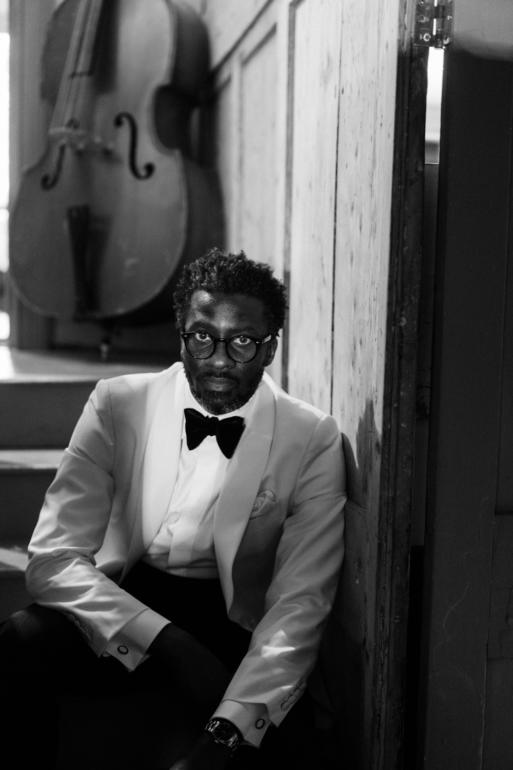
I rarely wear a bow tie. Certainly never casually, and the number of black tie excuses has dwindled since I left my job in legal journalism.
Back then there were several award ceremonies a year - we even threw four ourselves - but those have gone and, perhaps surprisingly, little in menswear has taken its place.
That has started to change a little though, so I thought it was a good opportunity to look more closely at the design and style of bow ties.
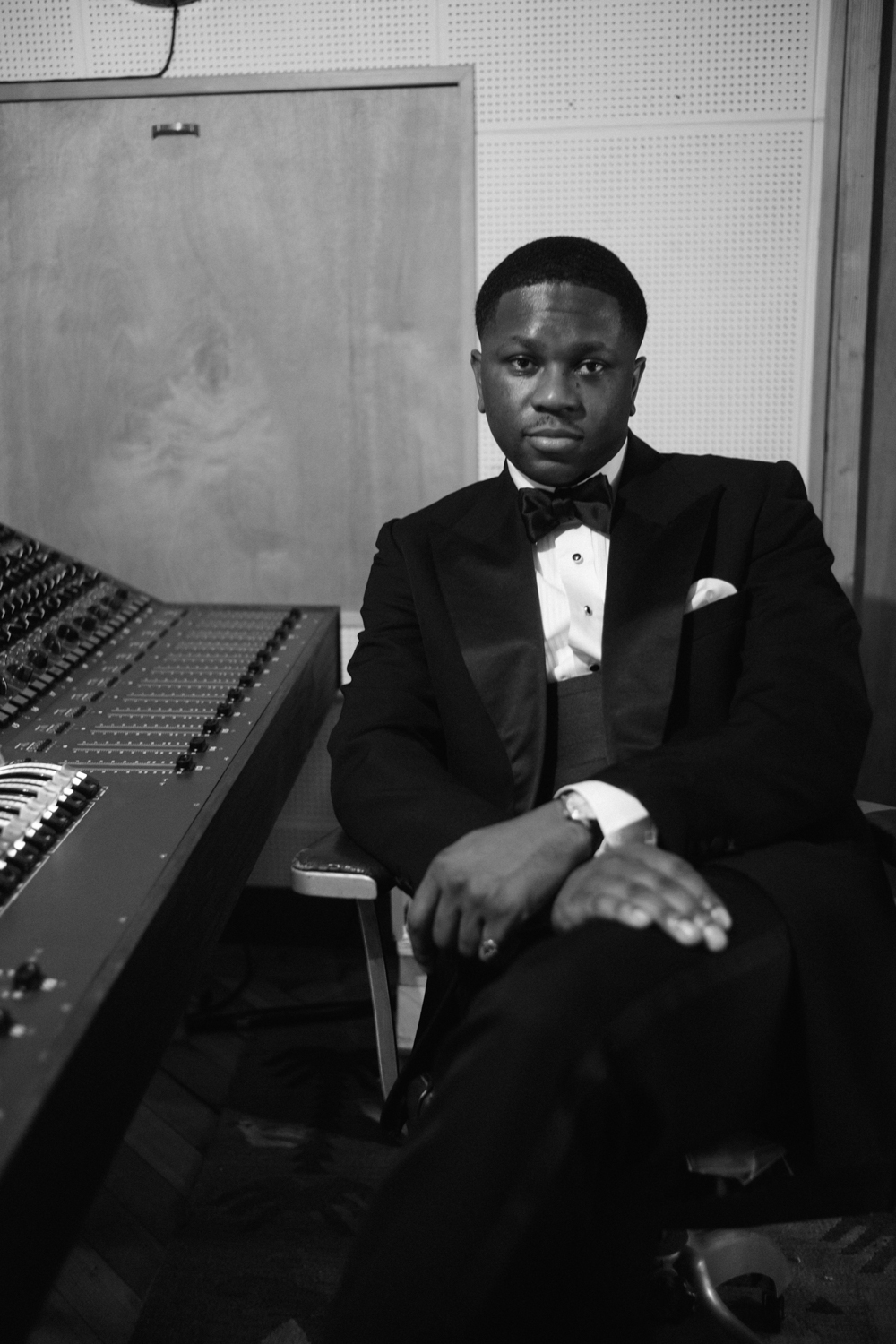
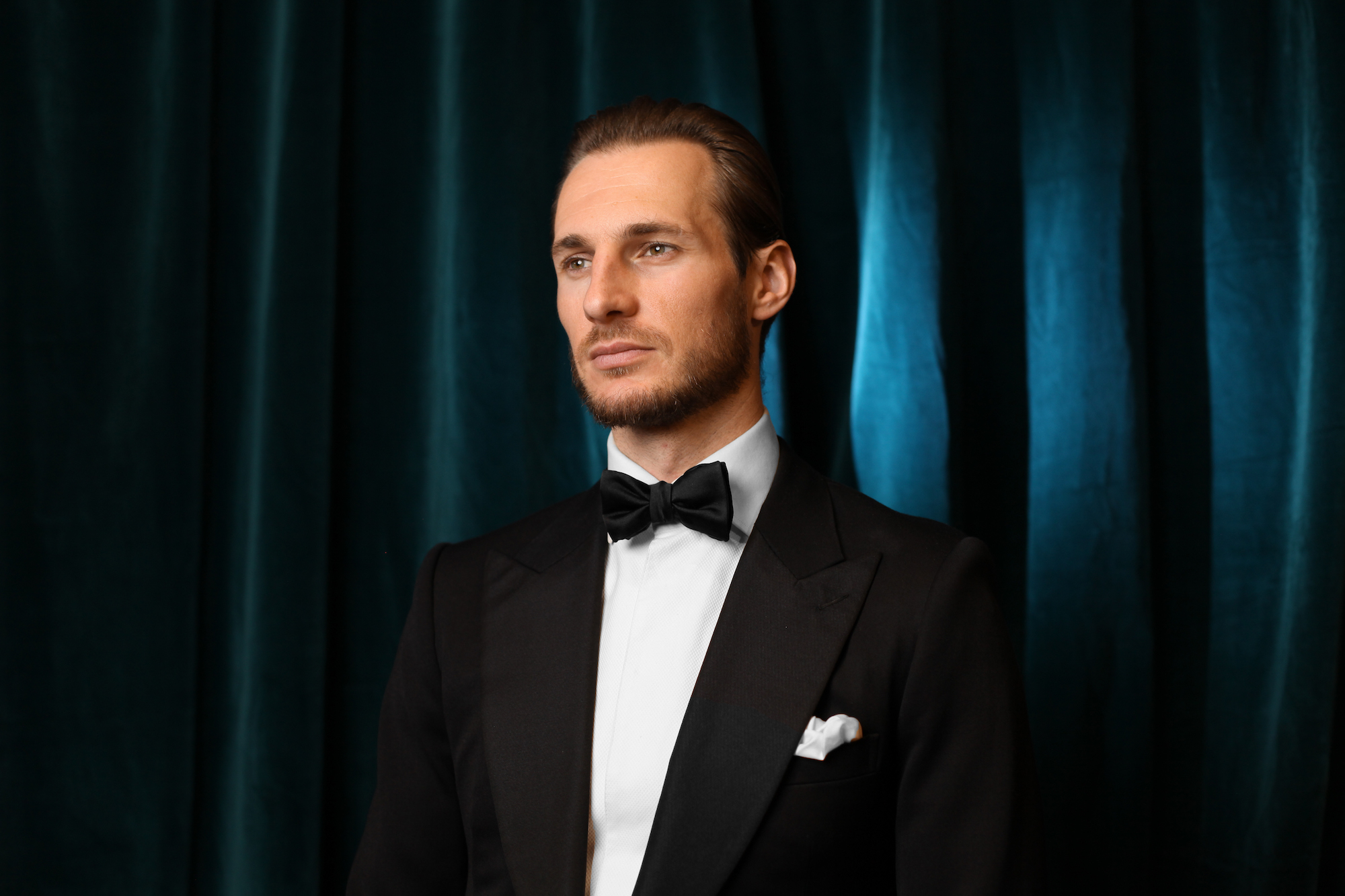
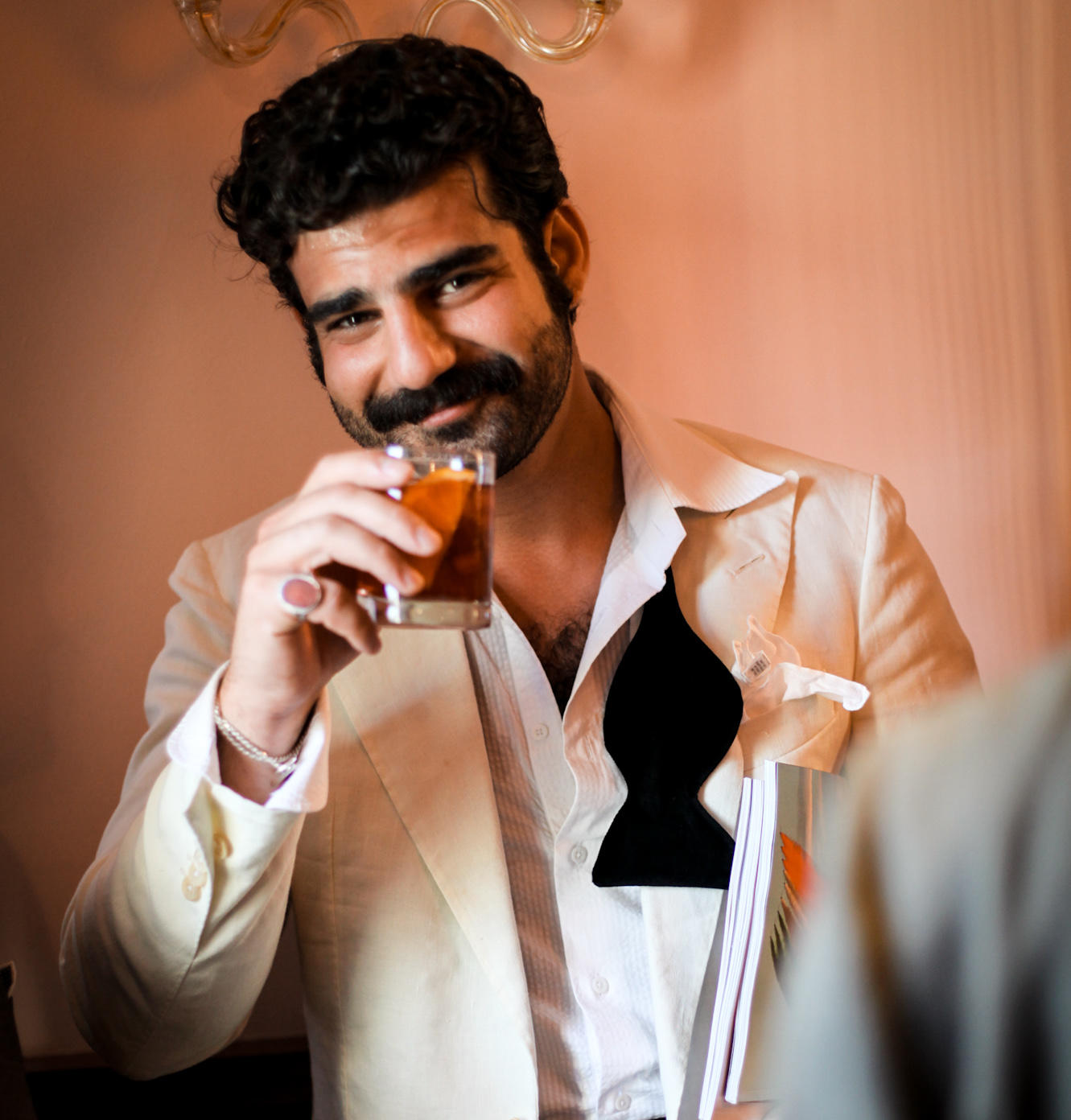
It’s also an excuse to cover Mickael of la Bowtique (below), who certainly deserves it, having done so much to spur interest in bows since he came to London.
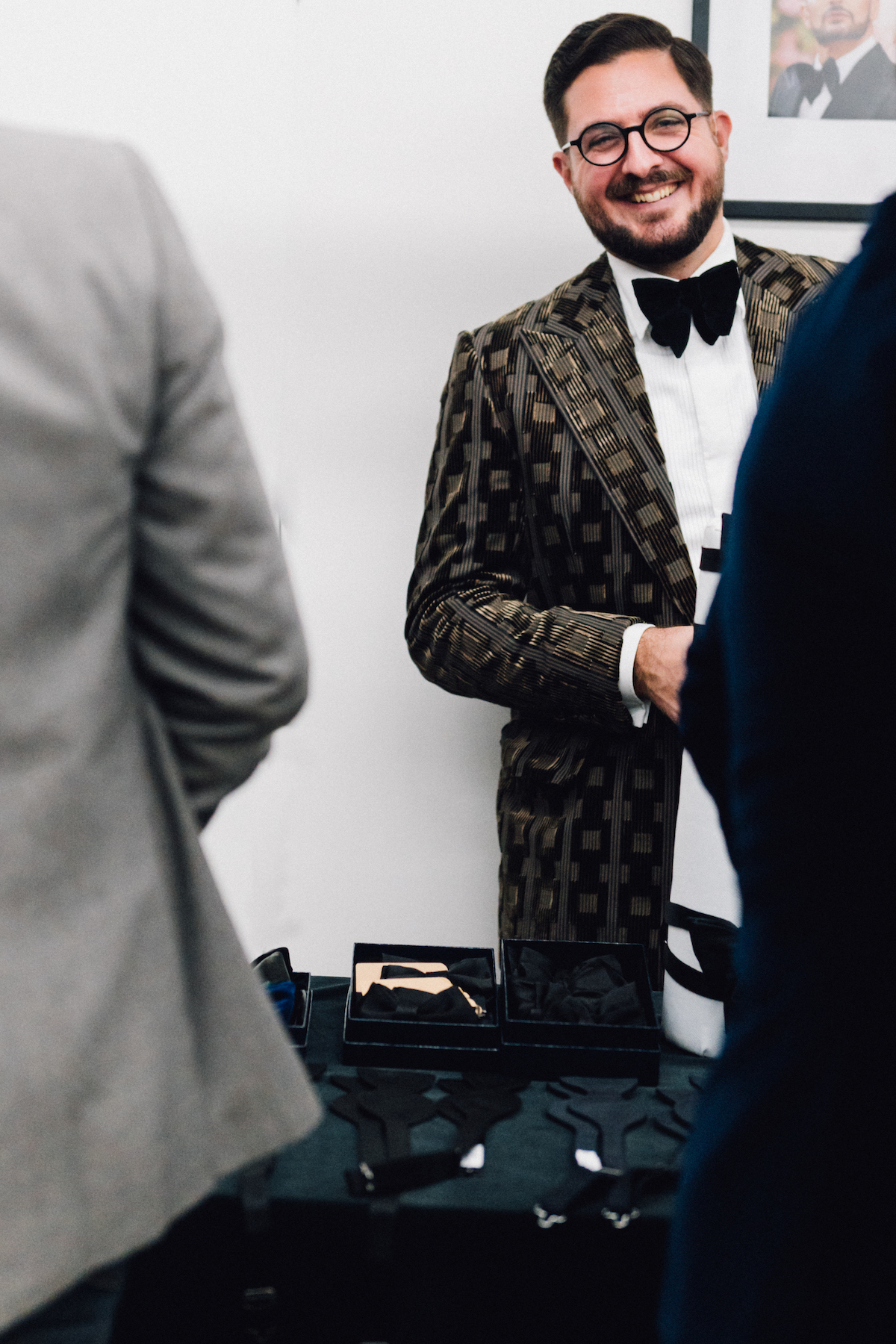
Mickael offers three fundamental designs of bow, and they’re also the most common generally.
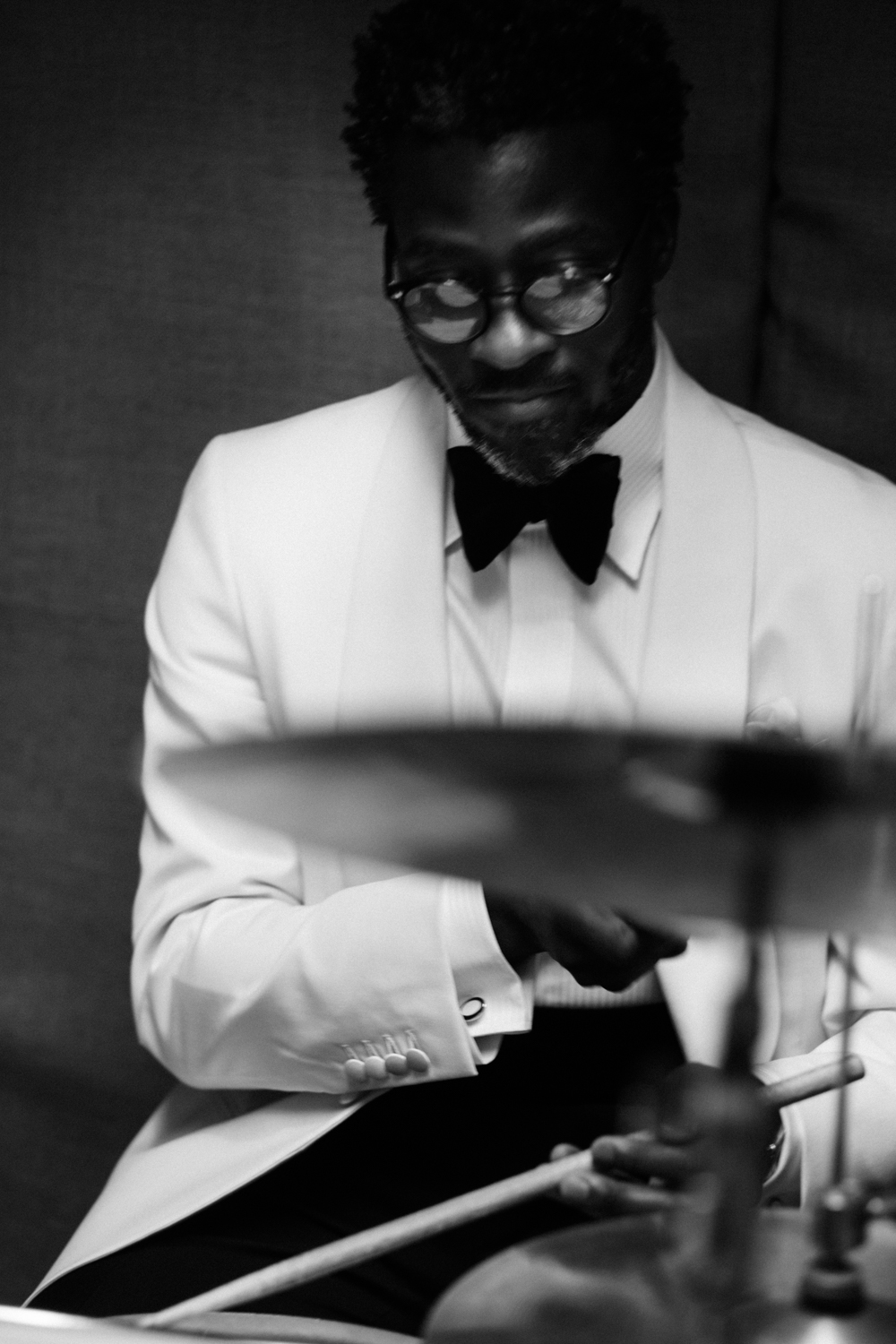
The first is the butterfly shape, where each end of the bow curves outwards from the bottleneck in the middle. This is the most popular and today considered the classic style. Mickael is wearing a butterfly above.
The second is the batwing, where the bow itself is straight - though of course it doesn’t look it when tied. This is the most traditional shape but quite unusual today. This is worn in the top image below.
And the third is the diamond, where the ends of the bow are pointed, so that when tied, each side looks uneven. This is unusual but also perhaps appears more easy and relaxed. The diamond is shown in the second image below, followed by (more usefully) a comparison of the different patterns.
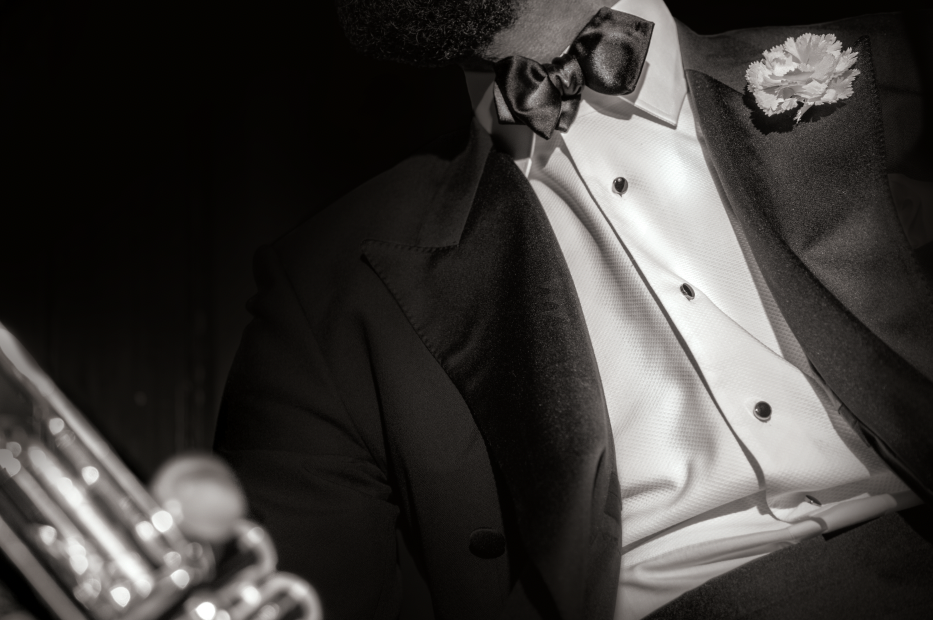
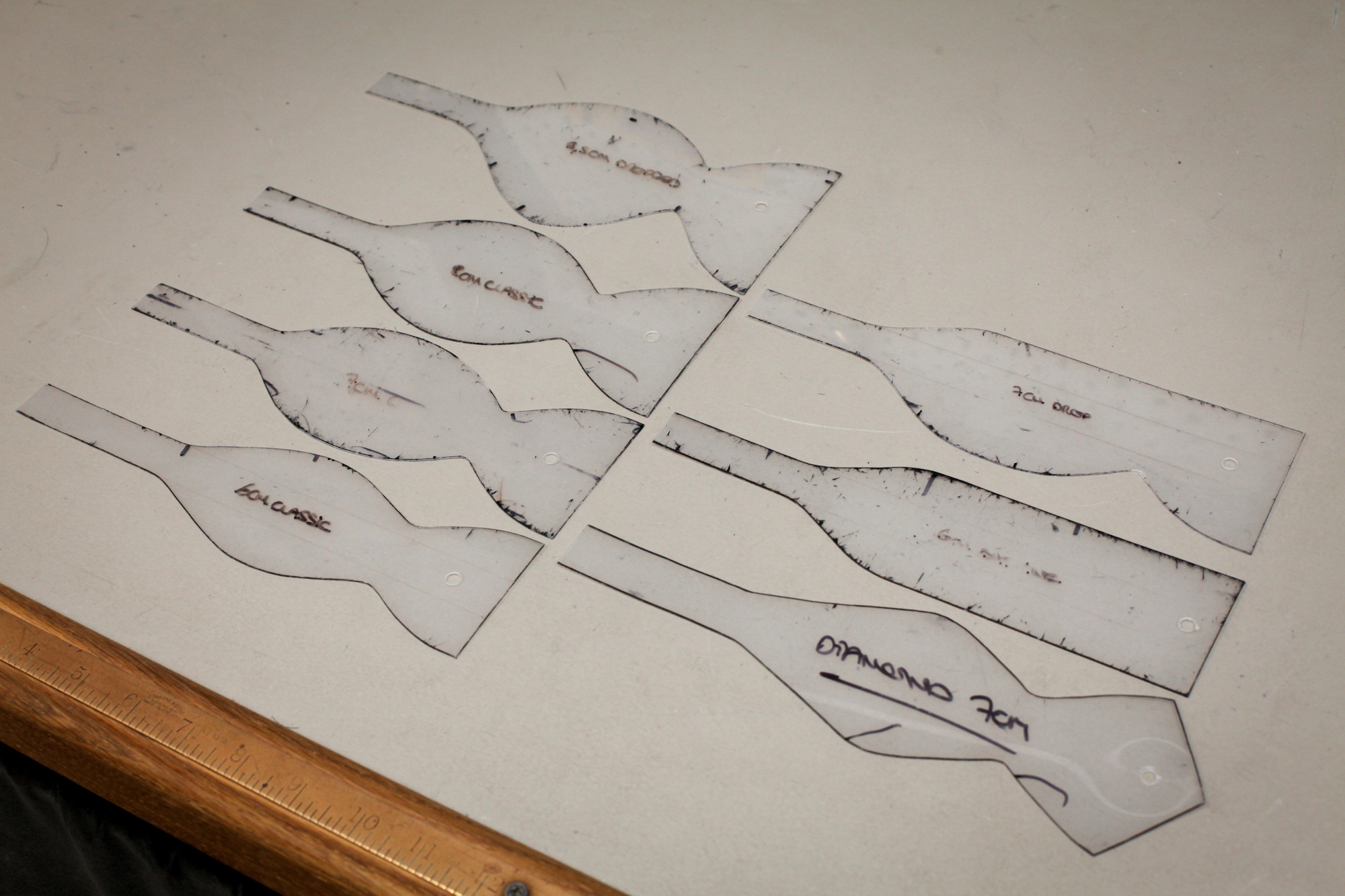
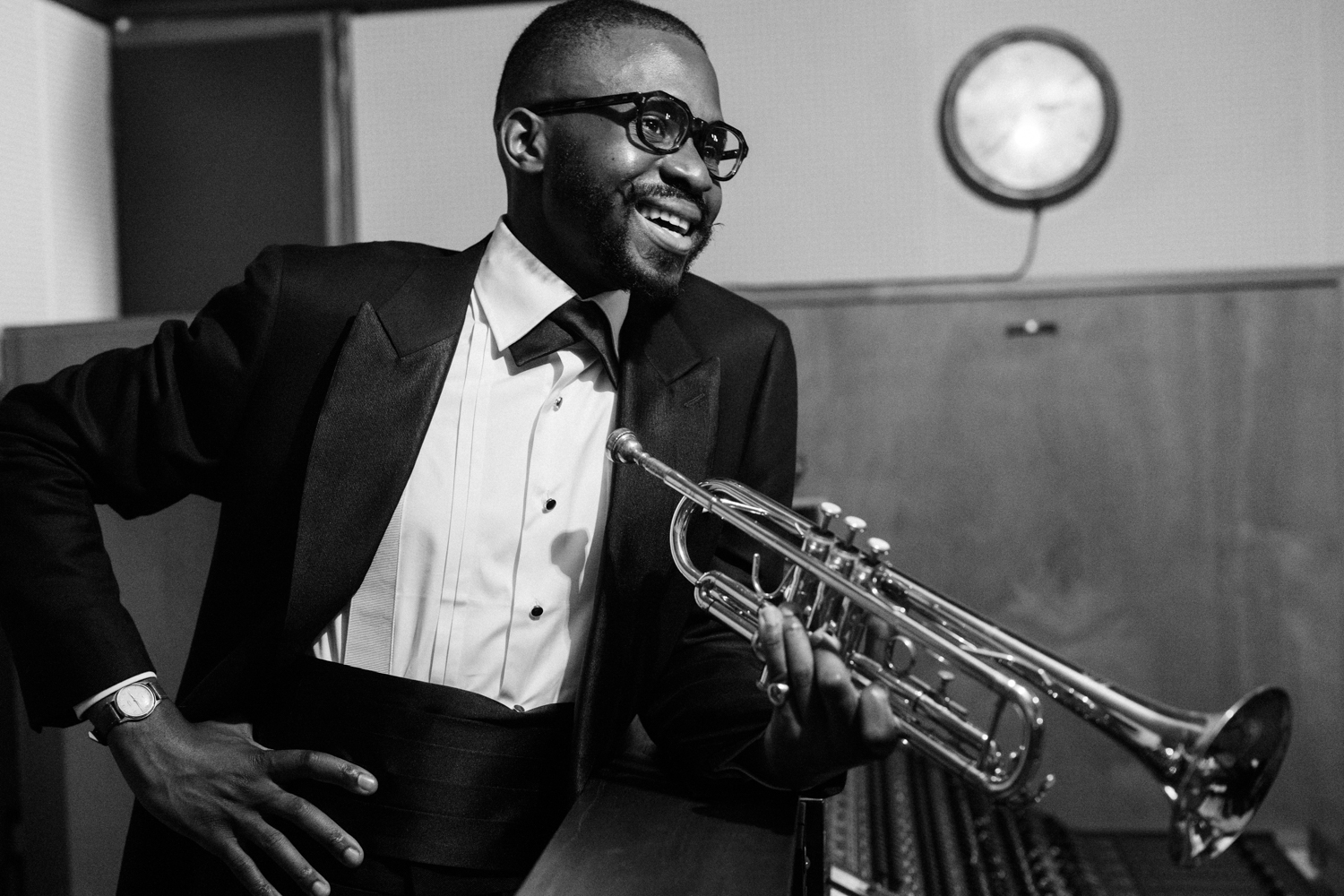
There are many other variants, including bows designed to sit underneath the collar (above), and string bows that hang down from it. Mickael has made many of them at the prompting of clients - usually an email with an image and the subject line ‘Can you make this?’
However, I think the more interesting variations are the tweaks to those three classic styles. Particularly the butterfly.
The most obvious change is in the size of the bow (height, not width). Mickael’s classic bow is 7cm high at the outer edge, which is pretty average. You get one or two smaller than that, and then quite a few larger.
A little bigger, say 8cm, is a subtle change. Once you get beyond that it starts to become more of a statement.
Which is why at the larger sizes, the bottom of the bow is made larger, but not the top. This is usually referred to as a ‘dropped’ style.
You can see this with the bow below. The total height is 9.5cm, but the top half is still 4cm; only the bottom has been enlarged to 5.5cm.

This is a more subtle way of adding size. It stops the bow looking too seventies, and is also more practical, as it stops the top of the bow pointing into the chin.
You can achieve some of this style by simply pulling down the two ends of the bow, so that they point downwards a little. (This has been done to some extent in the top two images of this article.) But it’s much better if the bow itself is dropped.
I think it’s also more stylish to play with the height in this manner, than with the width.
It would be intuitive to buy a longer bow tie - or adjust an adjustable one to be longer - in order to make a bigger bow. But actually, the width is best kept in proportion to the wearer.
The general rule there is that a bow’s width should align with the outer edges of the wearer’s eyes. It’s when this isn’t followed that bow ties can begin to look silly: a clown’s bow tie may be high but it’s also very, very wide.
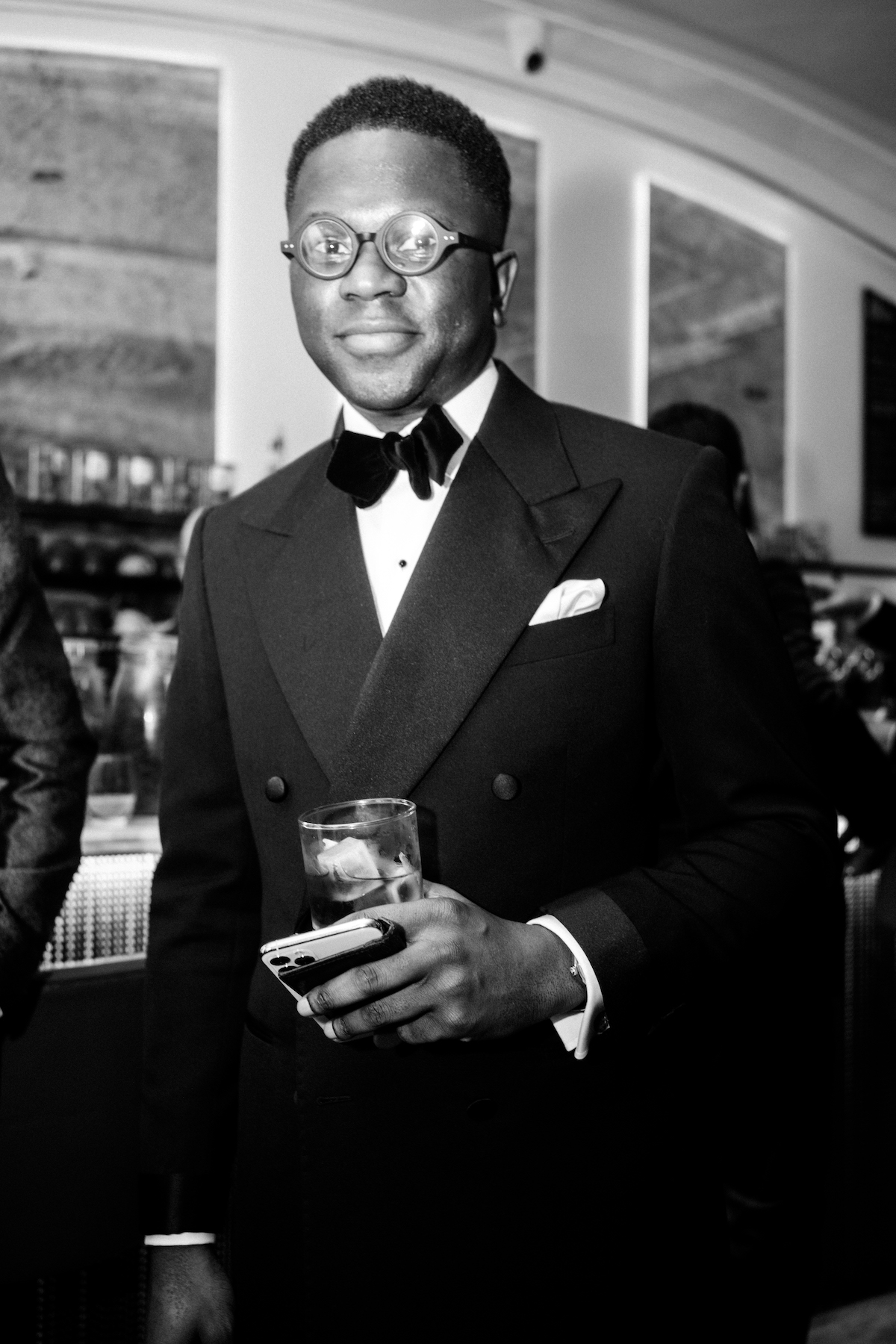
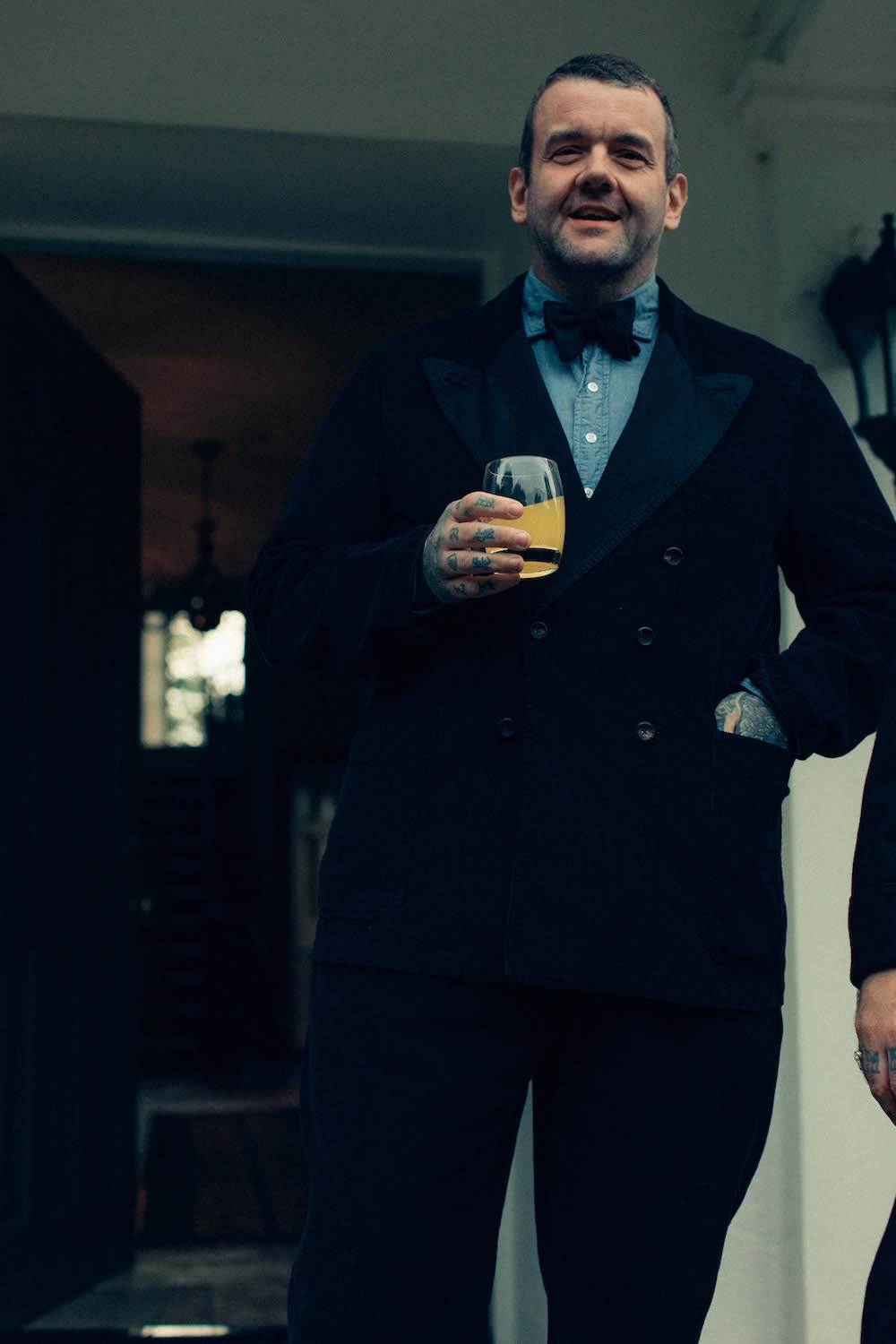
Consider Buzz from The Anthology below, wearing a 9.5cm dropped bow. This is a big size relative to Buzz’s stature, but it doesn’t look big because the width is still proportionate.
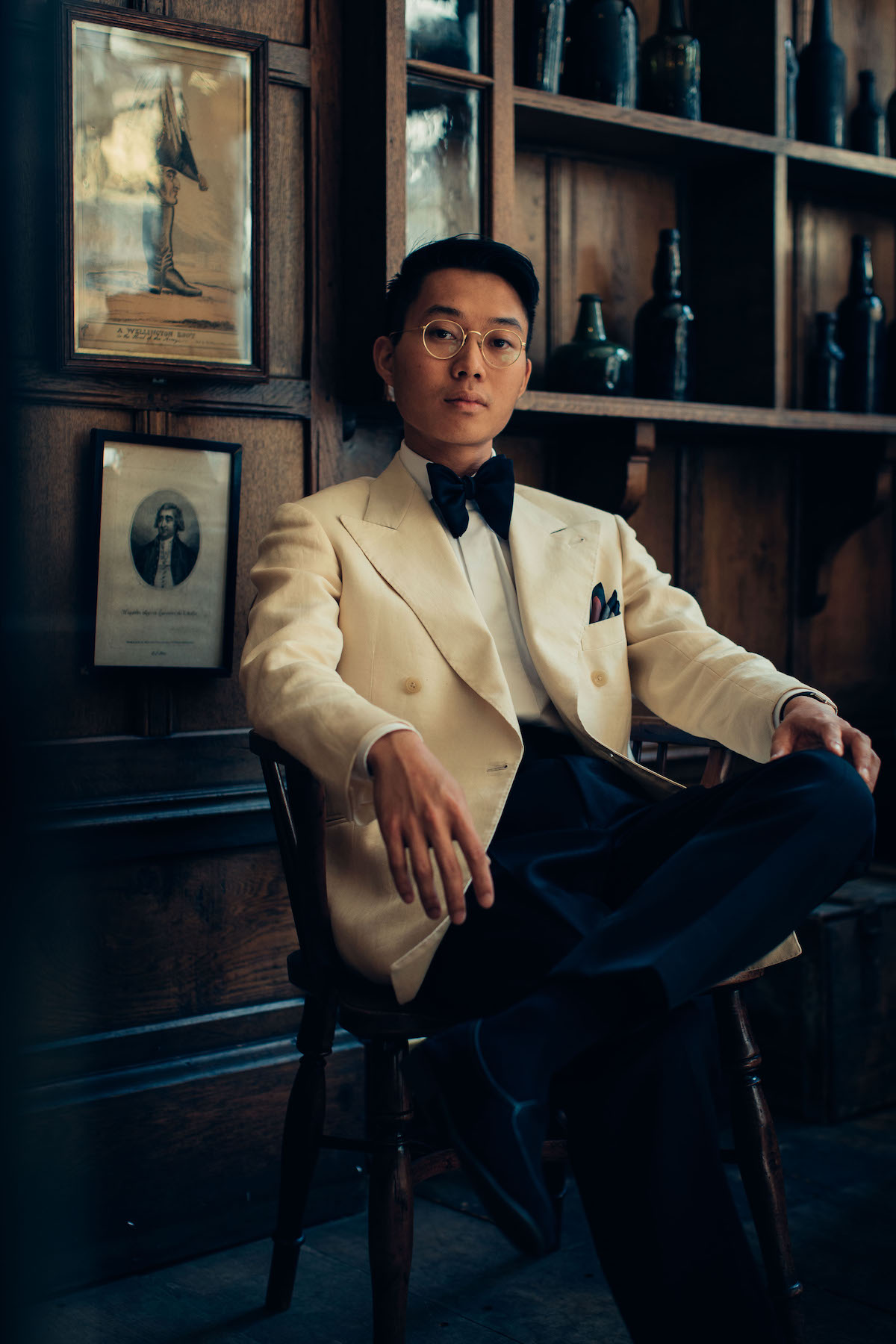
You can start to see how the proportions of a bow tie have something in common with both tailoring and with eyewear.
Just like the lapels and shoulders of the jacket surrounding the bow, the physical proportions of the wearer - not just height, but breadth, neck, features - should be taken into account. Keep them all in balance, and be a laggard when it comes to fashion trends: if you're going to move that way, do it slowly.
The similarity with eyewear is that because a bow tie is close to the face, very small changes make a big difference. It’s not quite as bad as glasses, where 1mm is a normal change and 2mm a big one. But still we’re talking in terms of half centimetres.
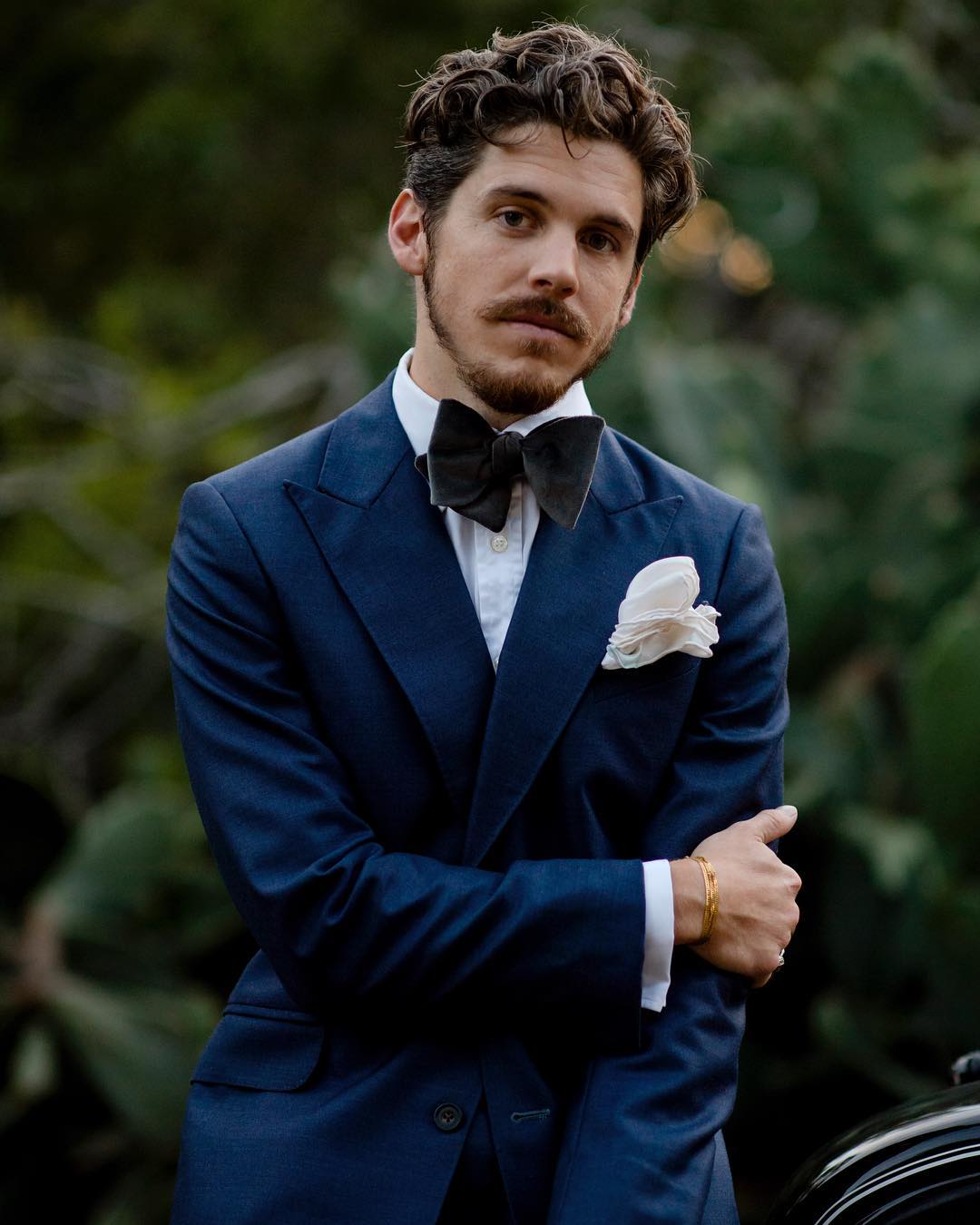
The other obvious variation is the material of the bow.
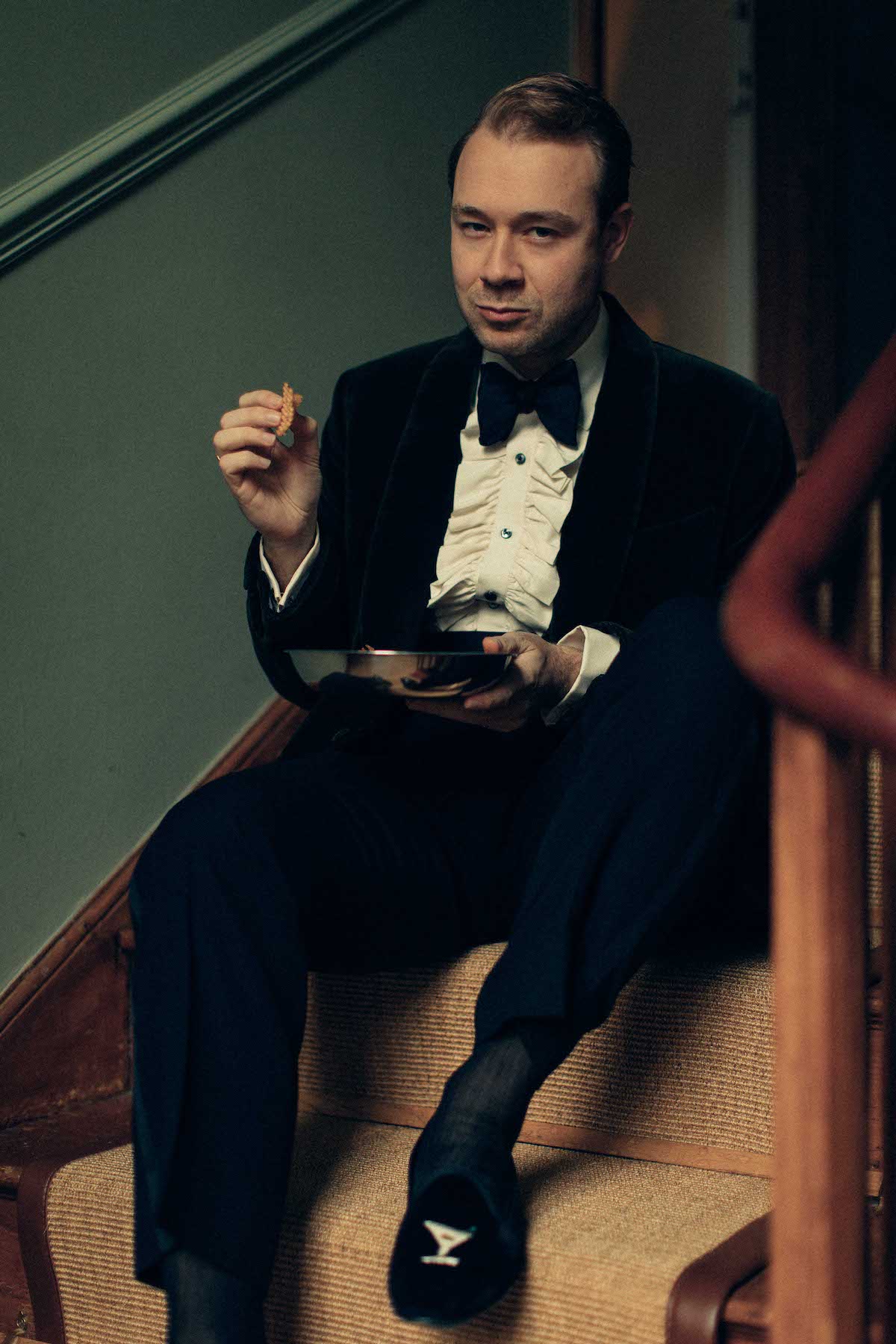
Now in general, the rule with black tie is that the bow should match the facings of the dinner jacket. So satin with satin, grosgrain with grosgrain. That goes for velvet jackets too - unless the facing is in velvet (like mine) and then there’s more room to play.
As ever with rules, this is a good starting point, but there’s also elegance in playing with contrasting textures. It’s certainly a lot better than bright colours: try a black velvet as an alternative to grosgrain, before scarlet or purple.
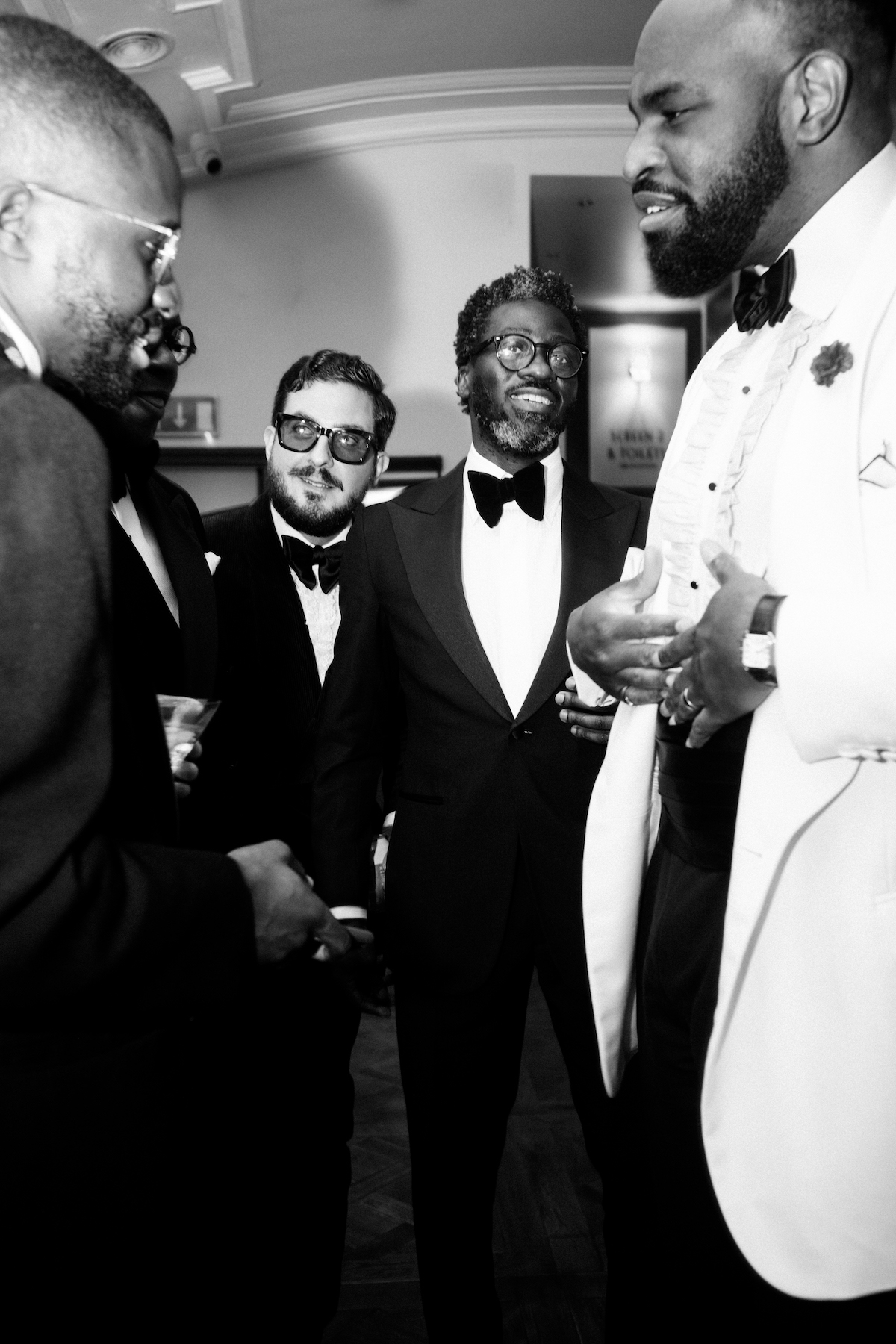
Grey velvet can even be nice, as seen on Robert Spangle above. As with most elements of black tie, it works because it’s a change in tone and texture rather than colour - almost muted black rather than a new hue.
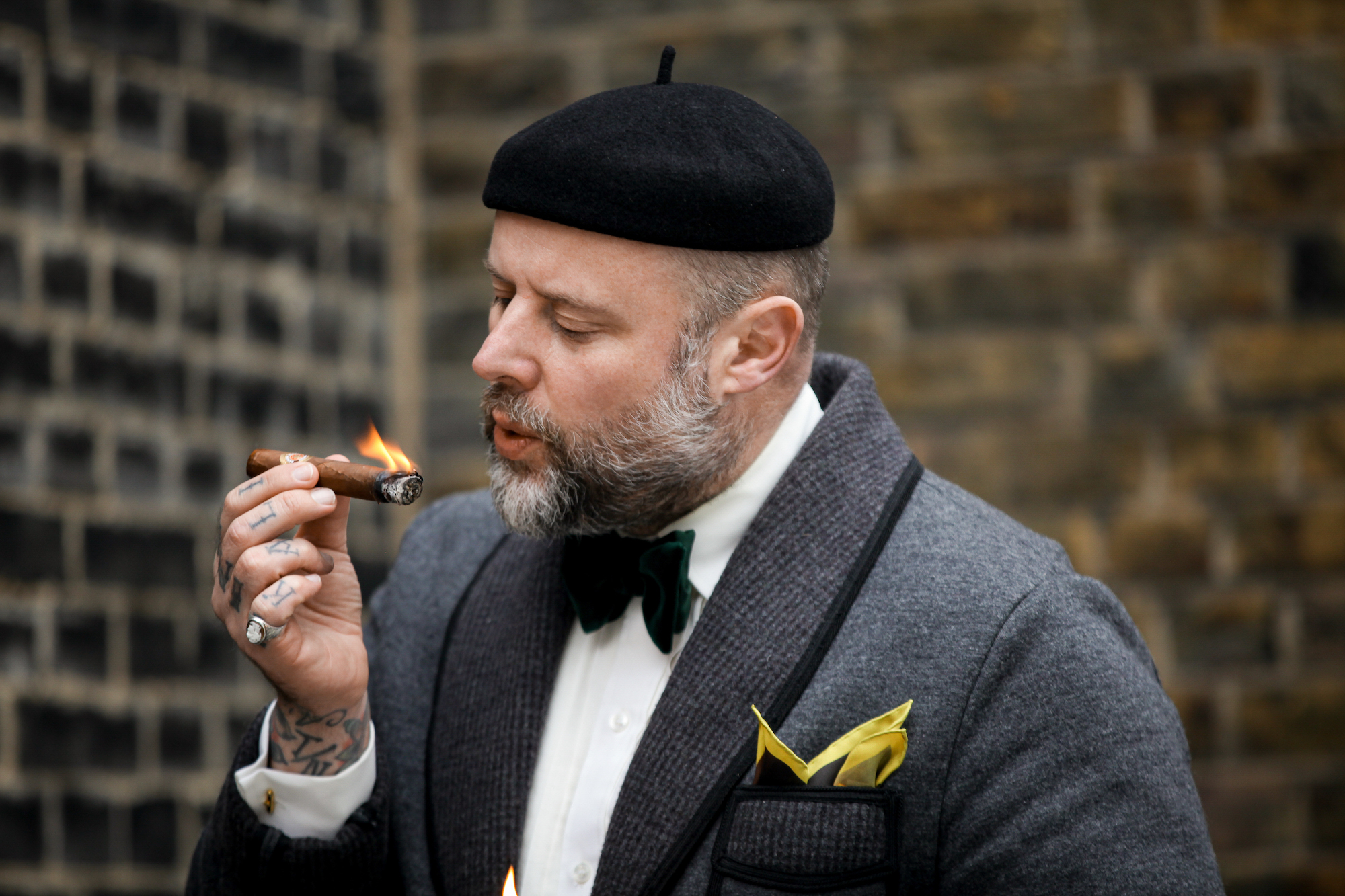
I find green (below) or burgundy velvet is nice when the outfit is no longer strictly black tie, and so there's other colour elsewhere.
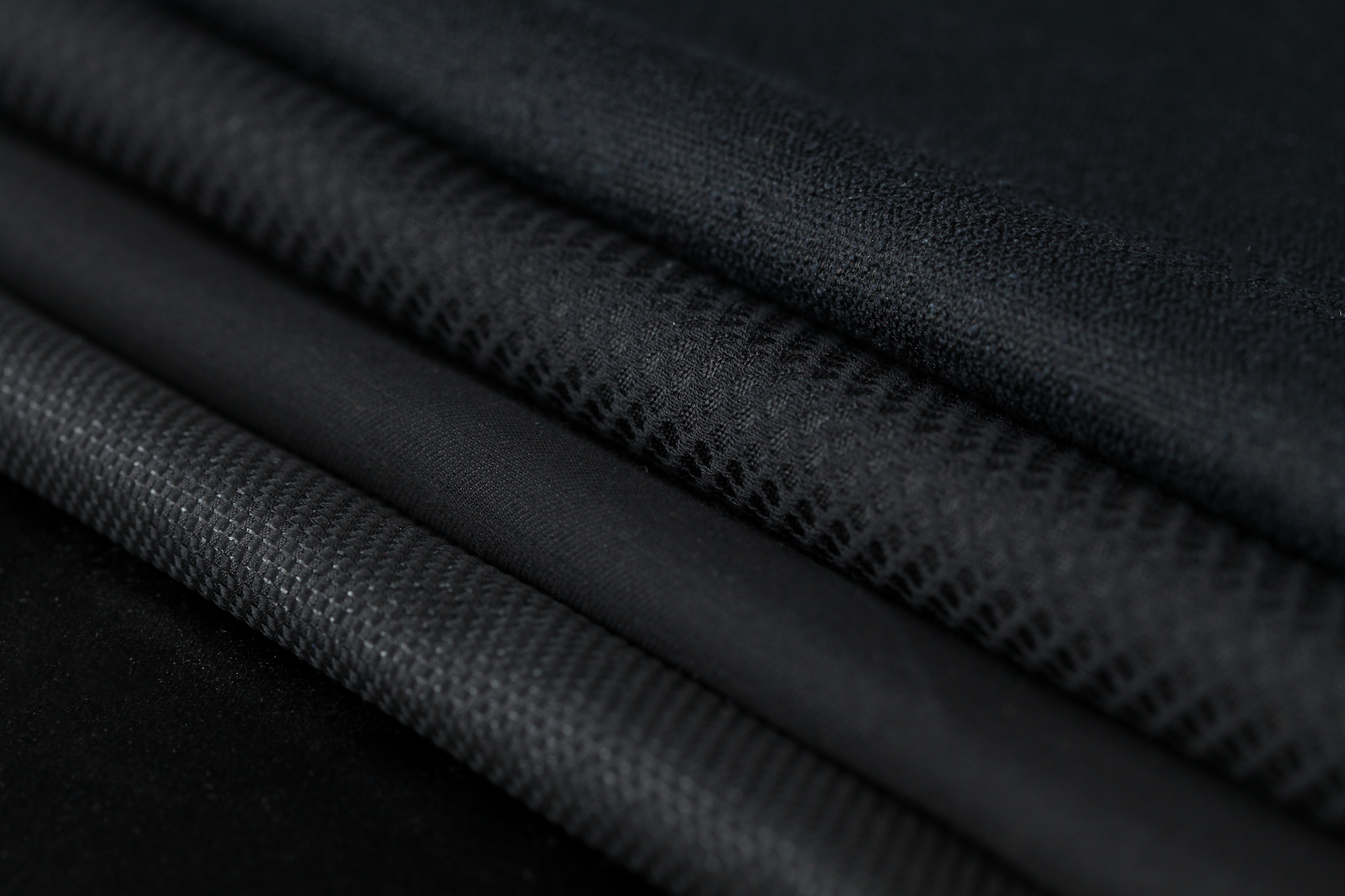
There are also a few different silks other than the basic satin and grosgrain - with some Mickael's shown above. There’s silk barathea, hopsack, and slubby silks. There’s silk mixed with lurex, - which gives it a bit of sparkle - and waffle weaves.
However, other than possibly a slubby silk for something casual, I would stick with grosgrain and satin. And of those two, I’ve always felt grosgrain was the most elegant - both because it's more subtle and because satin is always used on cheap rental tuxes.
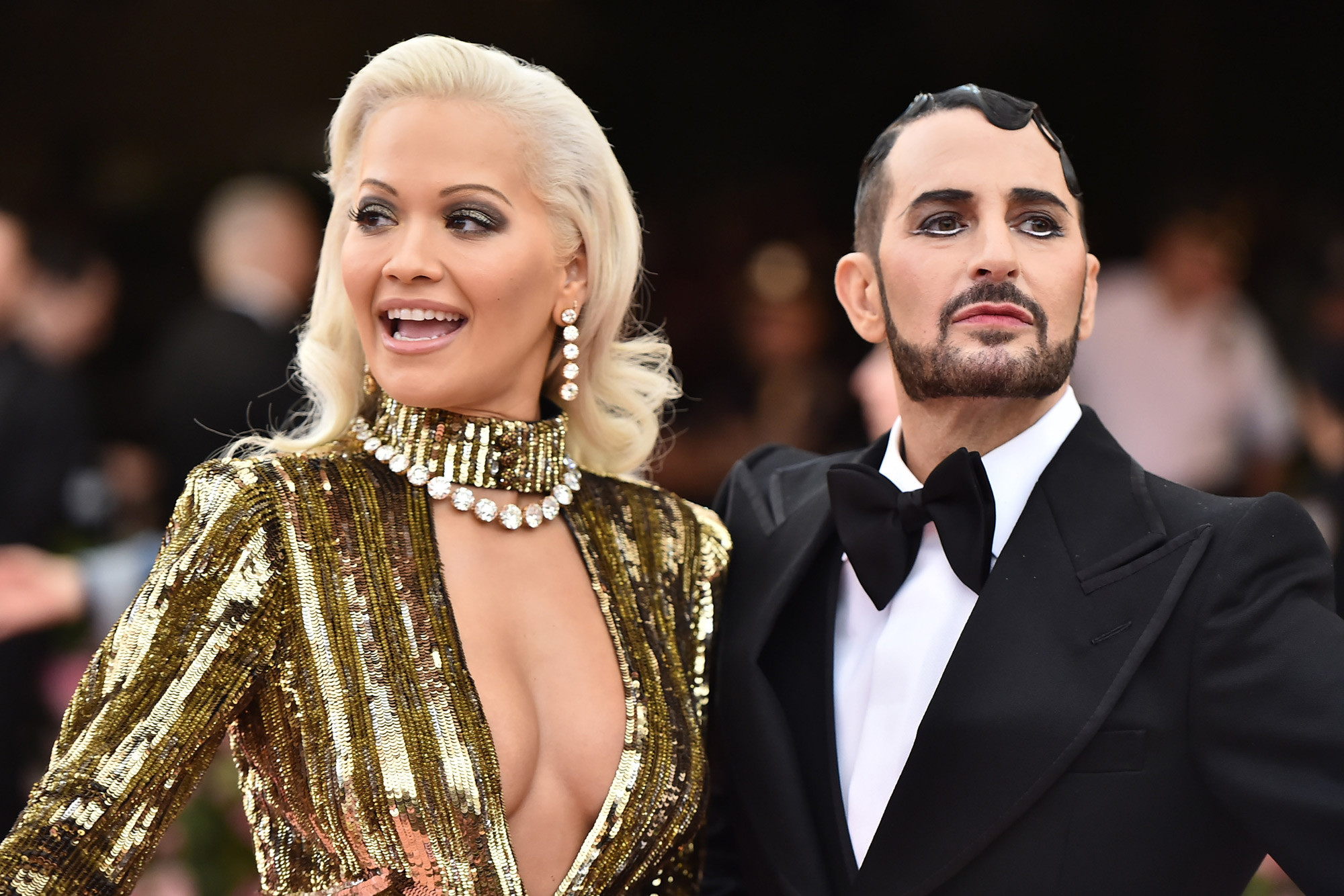
Silks can also be heavier or lighter. Usually heavy silks are too stiff, however, and are only used for really large bows - such as the one Mickael made for Marc Jacobs (below).
And there is variation of the interlining, though as with neckties, it’s usually nicer to have a lighter lining so you’re wearing the silk, rather than the lining.
There should be more emphasis on bow ties, given how central they are to black tie.
It’s not uncommon for a bespoke spoke customer to spend £5k on a tux but then plump for a standard off-the-shelf bow. And to agonise over every aspect of the tux’s design, but hardly consider the shape of the thing closest to his face.
Mickael is doing great work to try and bring back this focus, and I’ll cover more about his work - as well as the bow tie I commissioned - in a second piece.
Below is a further comparison of different styles and shapes - all made by la Bowtique, as are the ones above. More on the la Bowtique website here