Black tie for New Year’s Eve

black tie

 
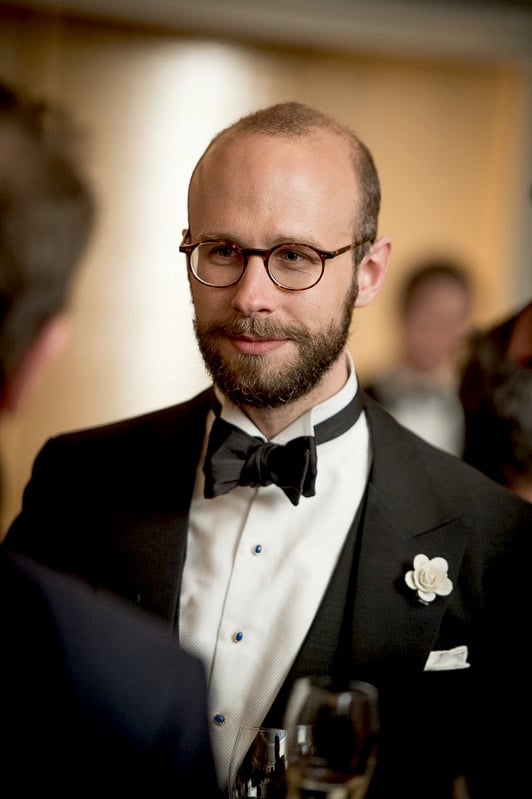
Dress way the hell up, as our American cousins might say. New Year’s Eve is a special event, and it deserves a special effort where our clothes are concerned.

That doesn’t have to be black tie, as above, but wear a jacket at the least. And if you want an alternative evening outfit, try a dark suit with white shirt and navy satin tie. Satin is the most formal form of silk, and particularly suits the lights of evening. Or my favourite formal outfit, silver tie on a blue background.

The tuxedo above was made for me by Richard Anderson, in a black mohair mix (personally, I don’t like midnight blue). It was detailed in The Rake at the time, so there are no posts on Permanent Style – but you can see the making of the dress shirt with detachable collar, cut by Sean O’Flynn

Studs (and cufflinks) from the Hanger Project, in lapis and gold. Bow tie from Le Noued Papillon, and ceramic flower from Boutonniere. The latter produces easily the most beautiful synthetic buttonholes I’ve seen, though I do prefer a real flower where possible. 

Enjoy tonight, and do try not to spill anything down that lovely tailoring.

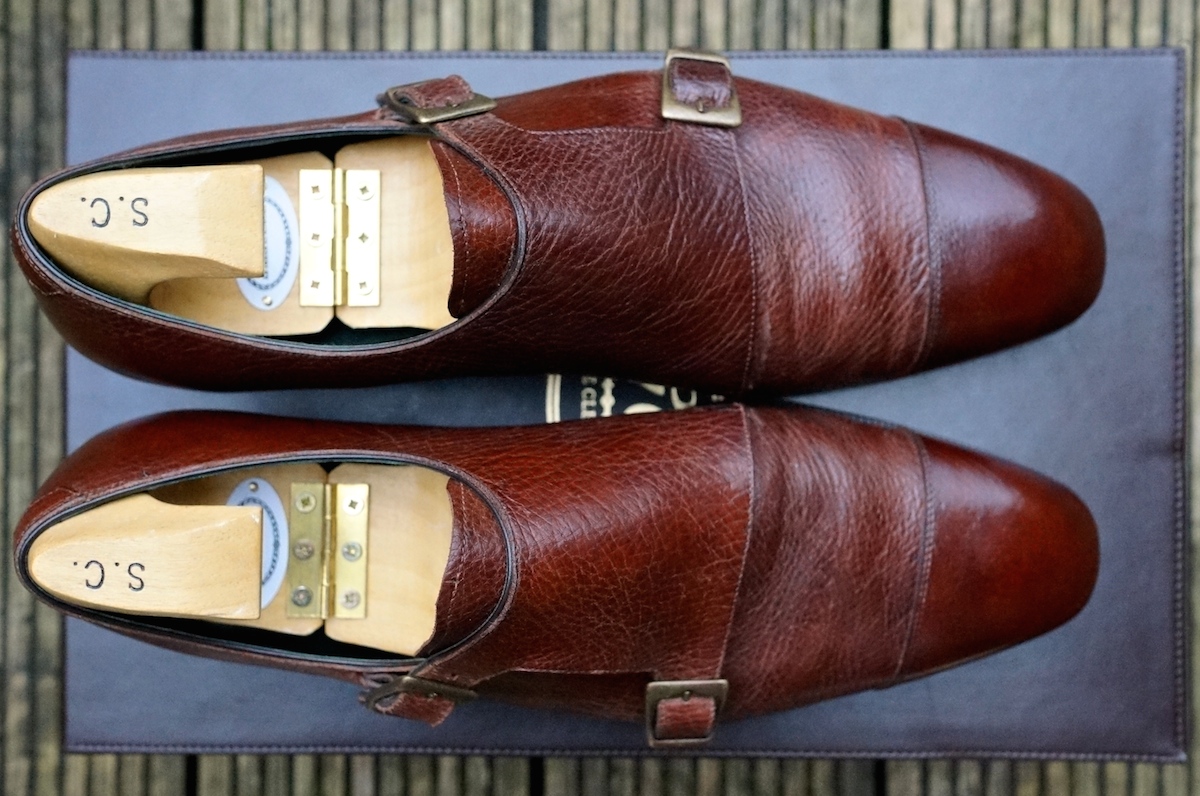
Cleverley Russian-reindeer double monks

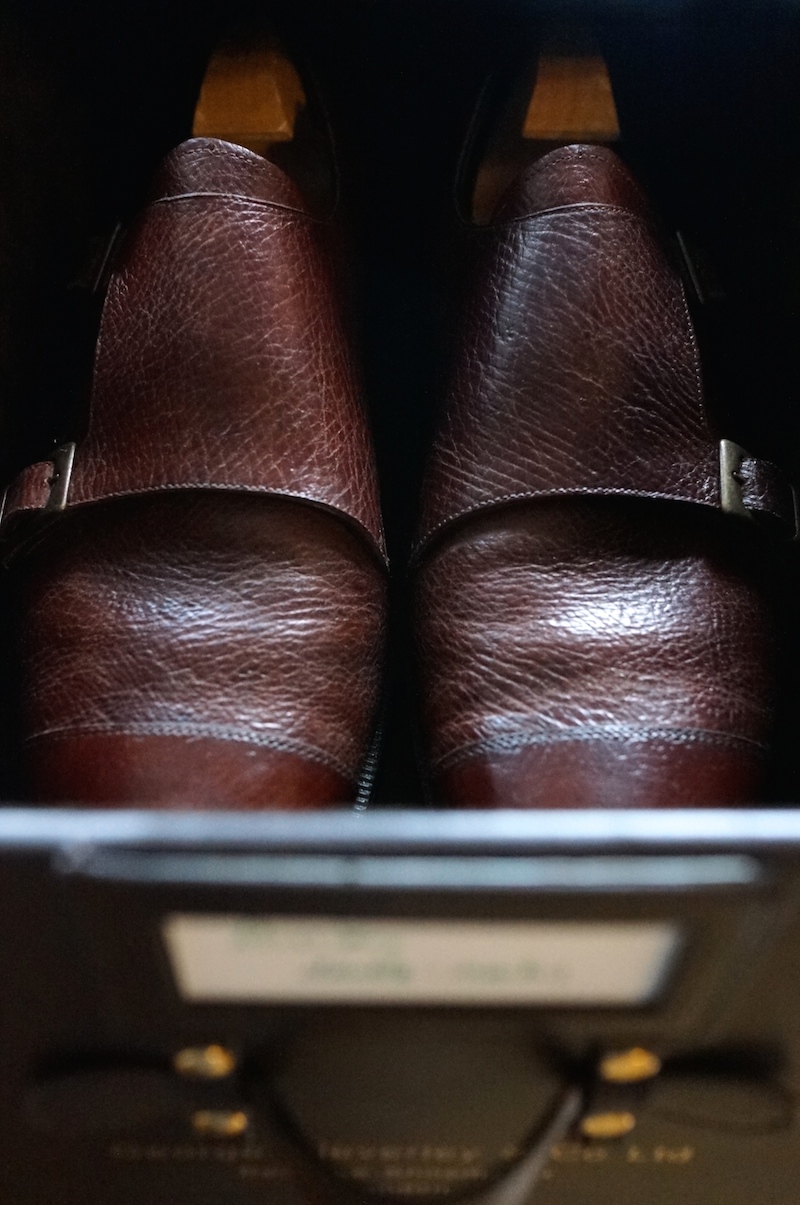
Cleverley bespoke russian reindeer box

 
Projects begun long-ago all seem to be rushing the finishing line at the same time. First it was the pea coat, and now these much-anticipated reindeer monks from Cleverley.

Lovers of bespoke shoes will be familiar with the Russian reindeer story – how a ship ran aground off the south coast of England in 1786, only for it to be rediscovered 200 years later, with bundles of preserved reindeer leather among the cargo.

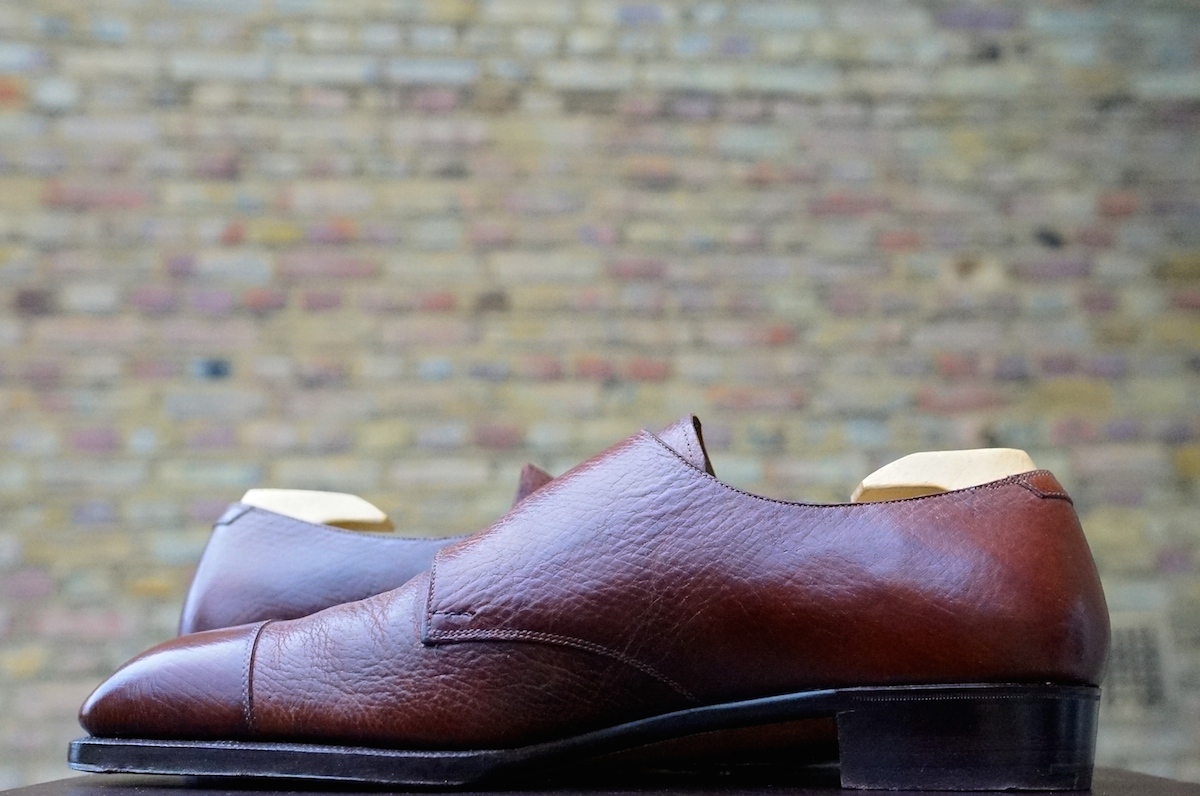
It’s a great story. But what’s unique about the actual leather? Well, it’s a hatchgrain, with the criss-cross pattern on the hide cut by hand rather than machine, which gives it a more natural appearance.
 

Cleverley bespoke russian reindeer

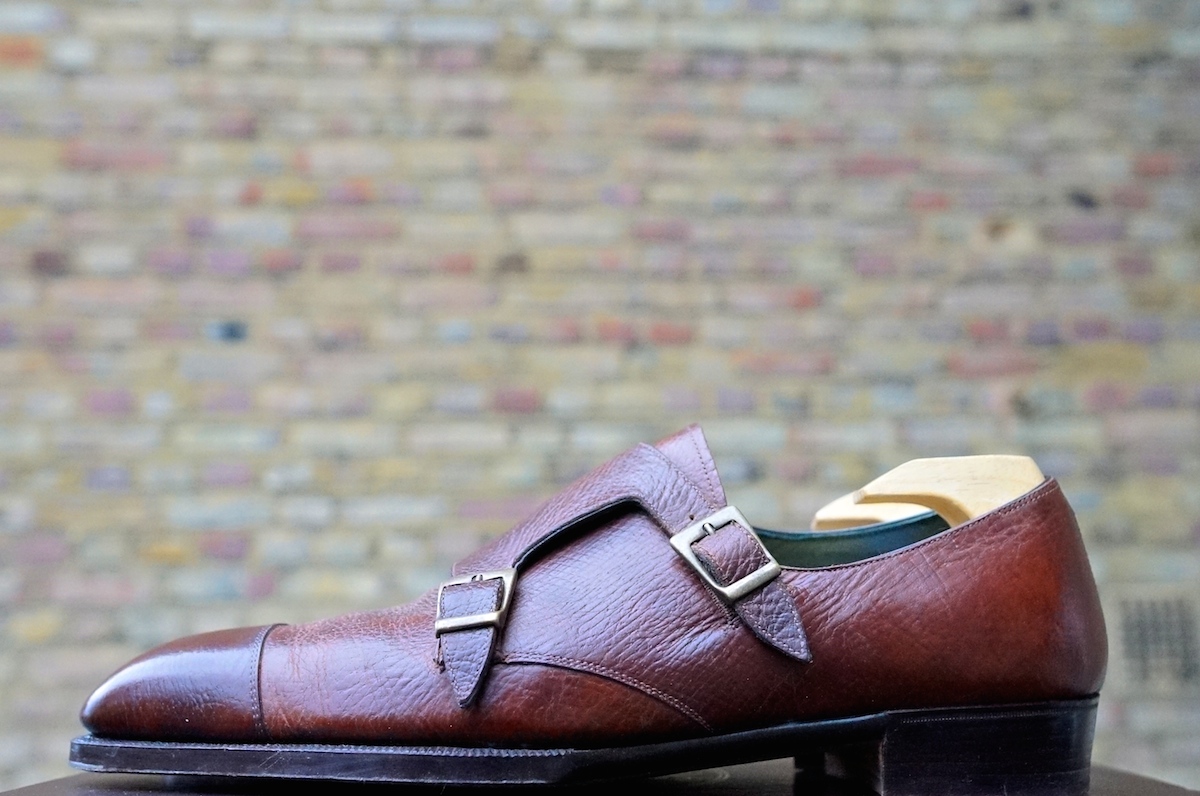
Cleverley bespoke russian reindeer double monk strap

 
It has a strong smell, which is rather attractive (think cigars and whisky) but thankfully only detectable within about a metre of the shoe. (No adult has yet noticed it, although my 4-year-old, who is rather closer to the ground, did pass comment.)

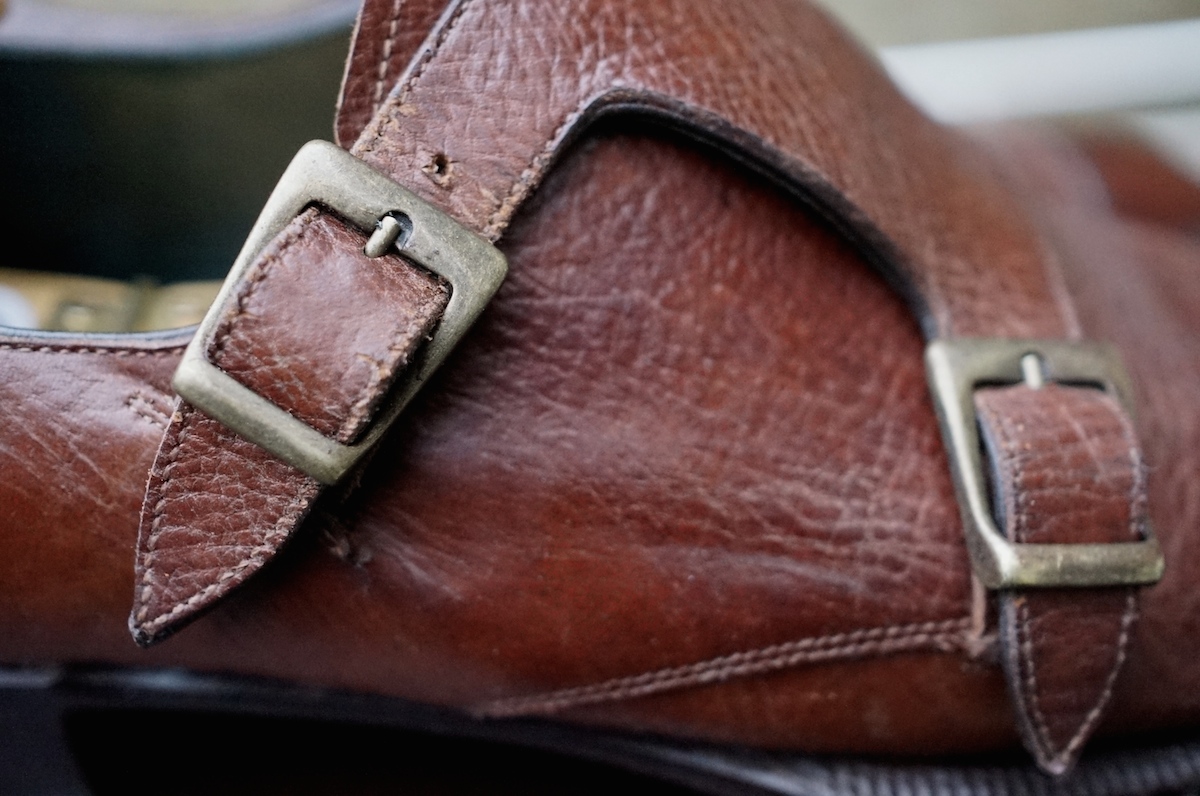
It is also prone to wear and breaking up. You can see that already happening on the strap of the shoe below, where it rubs against the buckle. I’ve seen well-worn pairs, however, and the erosion stops after it has broken the surface. If anything, the effect will hopefully add to their casual appearance.
  

Cleverley bespoke russian reindeer double monk

 
That casual nature was one of the most difficult things about designing these shoes. Obviously any monk strap is more casual than an Oxford shoe, and a double monk particularly. There is also the surface of the leather, and the antiqued buckles we selected (hopefully those will tarnish more naturally with time).

But a Cleverley shoe is nearly always a formal one. The lining and sole is normally thinner than average, as noted previously. The last, even a standard square Cleverley, is elongated and elegant. And the sole and welt are usually very trim. They do make chunkier designs, but I tend to prefer the formal.
  

Cleverley bespoke russian reindeer monk

  
So getting the balance right was tricky. I like to think we’ve achieved it: these shoes will perfectly accompany flannels and a tweed jacket, though not jeans or a suit. But I’ve only had them a few weeks, so time will tell whether the welt should really have been wider, or the sole a little thicker.

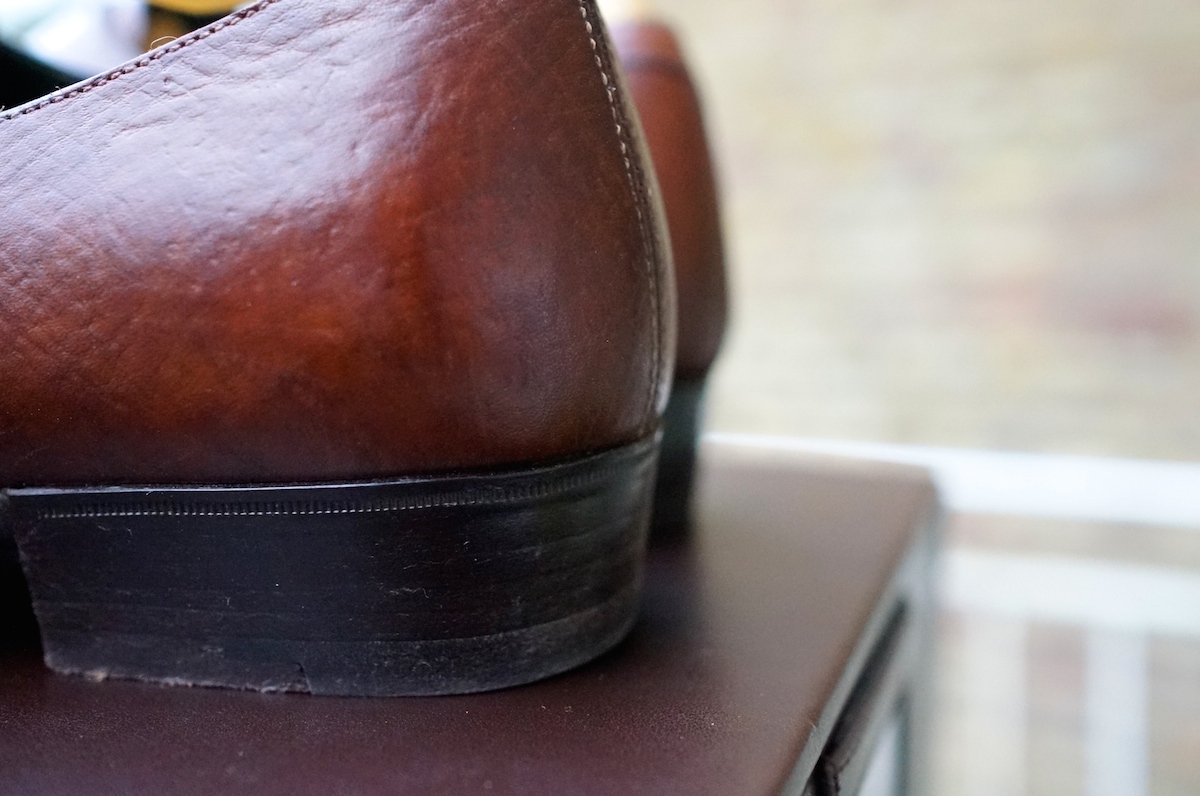
Elsewhere, one of the things I like most about grain leather is the way the texture varies depending on how hard the upper has been stretched. You can see that the toe cap is a lot smoother than the vamp as a result, and the heel is subtly different as well.
  

Cleverley bespoke russian reindeer soles

  
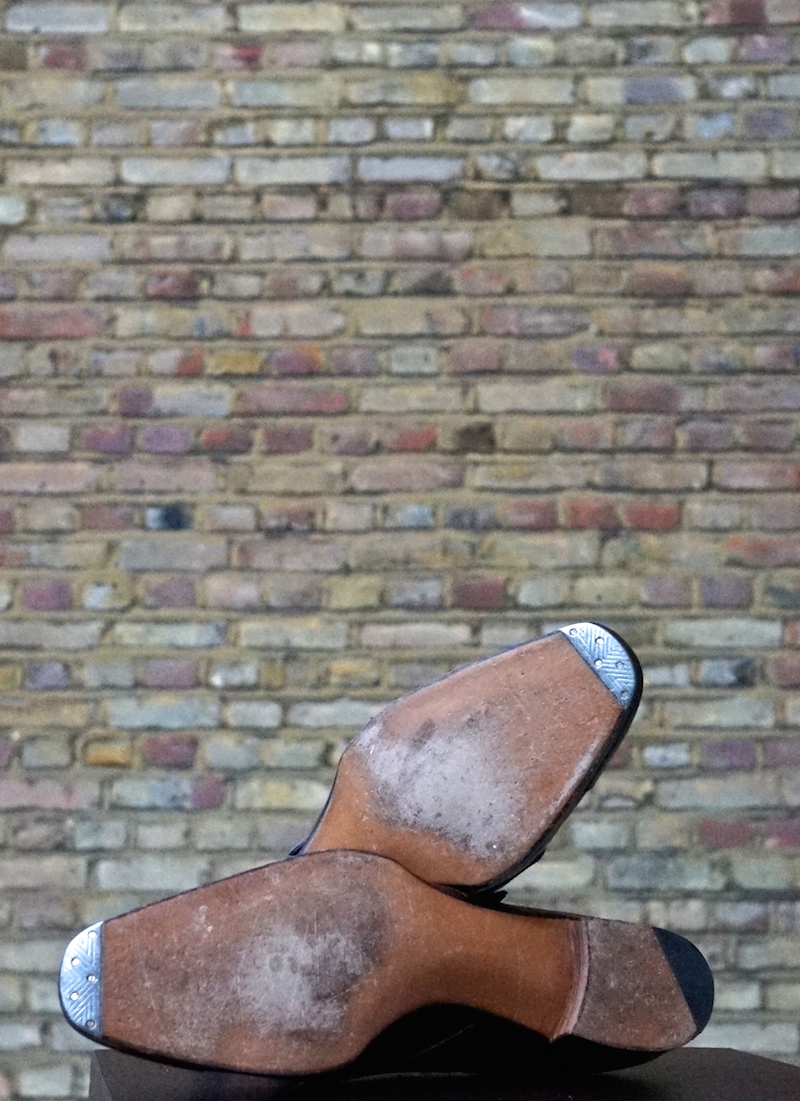
The finish on the sole of the shoe is particularly lovely, with a tightly cut waist accentuated by a very angled, and painted, edge. And the pitch and shape of the heel are noteworthy. The line of the heel cup on the shoe continues beautifully into the pitch of the heel itself, as you can see below, while the bottom of the heel curves inwards nicely, to segue into the waist of the sole. It’s these kind of things that lovers of bespoke shoes live for – and some modern makers don’t bother with.

Finally, Cleverley’s new bespoke shoeboxes deserve a mention all their own. Made as draws, with leather outers and a suede (well, alcantara) lining, they are beautiful objects – and still being refined. As George Jr mentioned to me at the time, the problem now is that everyone wants new boxes for all their old shoes…
 

Cleverley bespoke russian reindeer monks

Luxury profit margins

Slowear

 
Profit margins among clothing retailers don’t vary that much – at the outside, between 5% and 25%. The vast majority are 10%-20%.

I mention this because I’m constantly surprised by consumers’ ideas of how brands are ‘ripping them off’. The fact is, the first 20% of the price you or I pay goes to government (in the UK – VAT), the next 10%-20% goes to the brand as profit, and the remainder is costs. 

There seems to be a strange idea among consumers that brands just charge ‘whatever they can get away with’. That luxury brands in particular charge exorbitant prices and reap huge profits as a result.

Luxury brands certainly have higher margins. One of the reasons the industry is so attractive is that margins of 18%-25% are both achievable and sustainable (the latter being by far the most important, as many new launches have discovered in recent years).   

But 20% isn’t that high. Last week, commenting on a comparison between some £200 boots and a £1000 pair on this site, a friend commented that ‘the latter is probably mostly profit anyway’. No one has 80% profit margins. In fact, given that production costs (including the manufacturer’s profit) are usually in the range of 25%-30%, the £1000 boots could cost £300 just to be made.

The sensible thing to focus on is costs – the bit between the profit and the production. Luxury brands may spend a large chunk of that on advertising and marketing; a chunk more on store design and branding; and another slice on catwalk shows. Paying for that is the only way in which you are being ‘ripped off’.

As we saw in our analysis of Savile Row costs, a lot more is spent on making a bespoke suit than in most clothing production (at least twice as much). But the difference between a tailor and a luxury brand is far more marked in these marketing and advertising costs. A tailor’s may be zero; a brand’s may be more than anything else.

So if you’re shopping in the sales over the next few days, be assured that once you have a 30% discount, the brand is making no money off your purchase (margin plus the reduction in VAT). It’s the catwalk models and full-page ads you’re paying for now.

– 

P.S.

– The brands are of course recovering costs, which is why they have the sales. If they don’t sell the stock (more of a pressure in a seasonal business), they make a bigger loss.

– The profit is more complicated if a brand is not selling through its own retail, but it’s hardly worth getting into that. 

Begg & Co: luxury scarves, Ayr

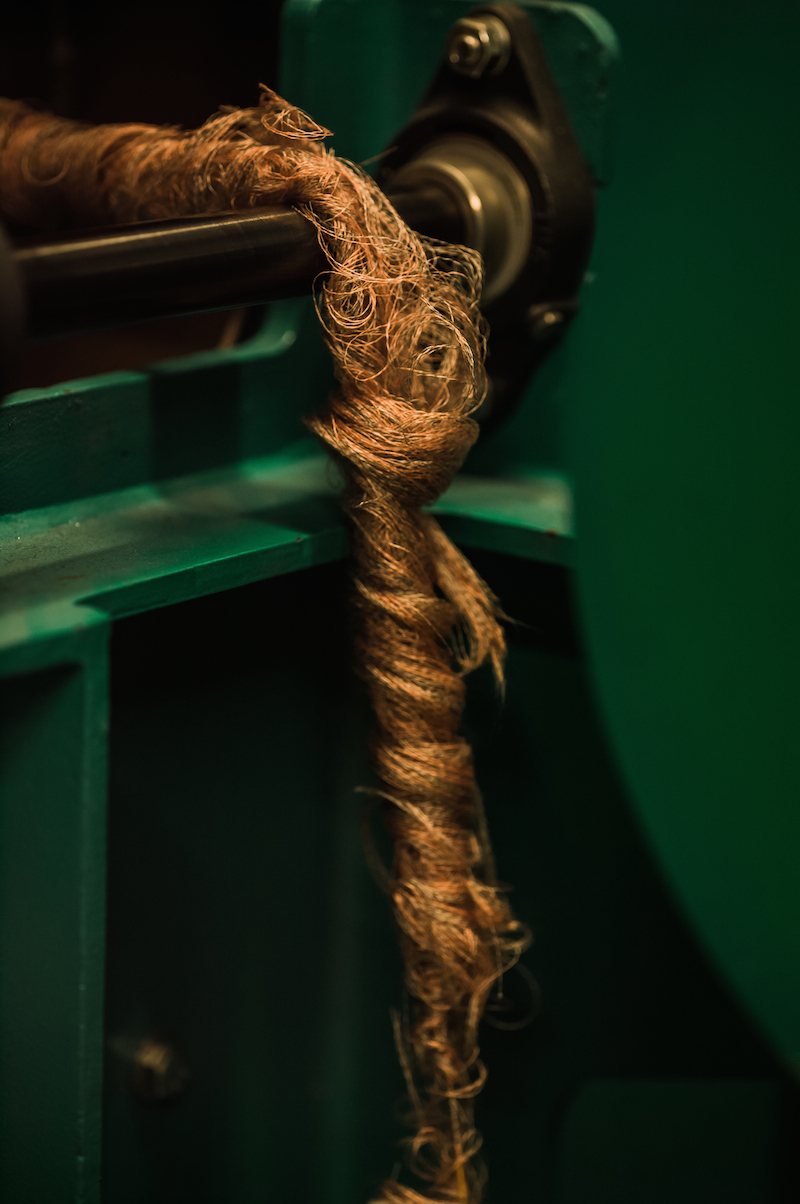
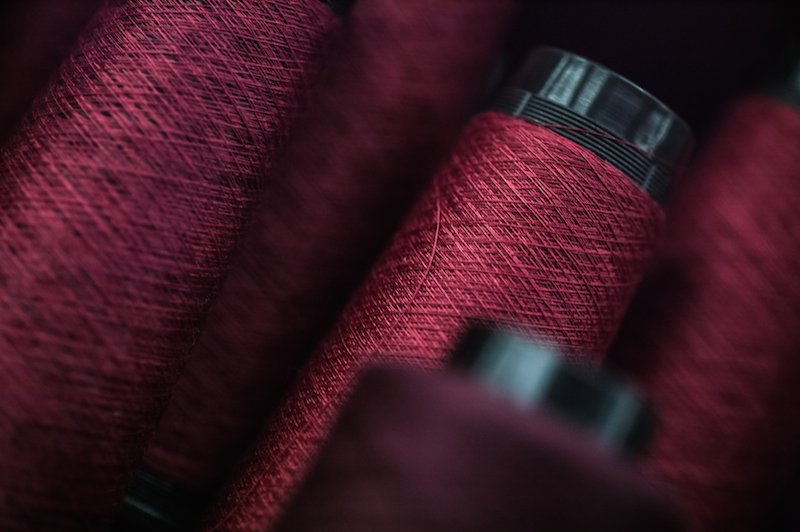
Begg yarn ayr

 
Begg & Co is not in the most prepossessing location. Ayr is far from a glamorous location anyway, but the factory itself is down a side street, opposite several blocks of council flats.

Still, that’s often the way with British factories. Mackintosh is in the middle of an industrial estate, as is Turnbull & Asser. Only the really old outfits (such as Robert Noble) get away with prime locations.

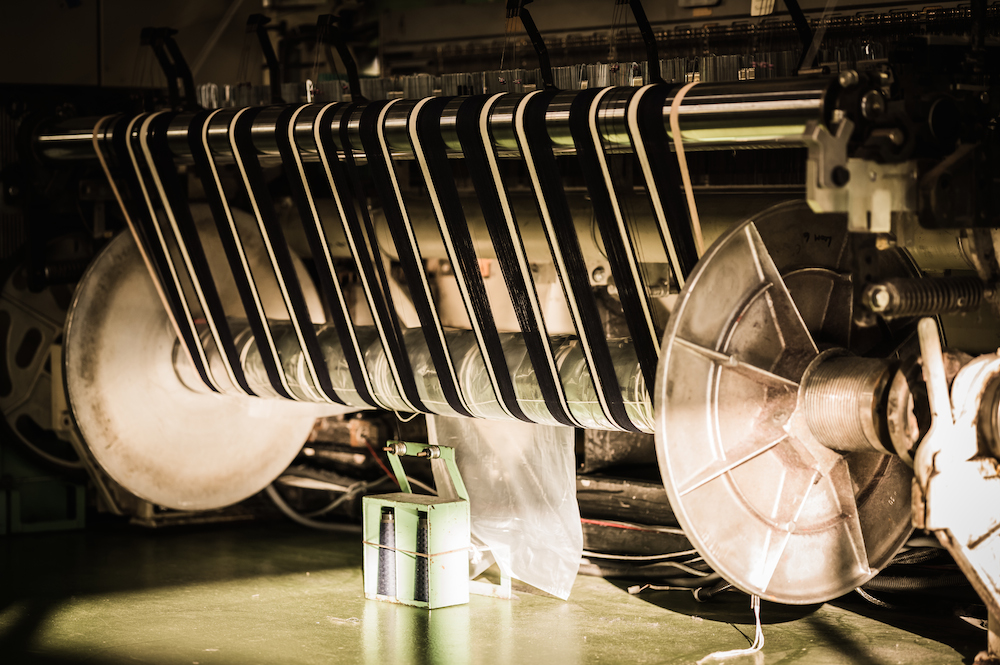
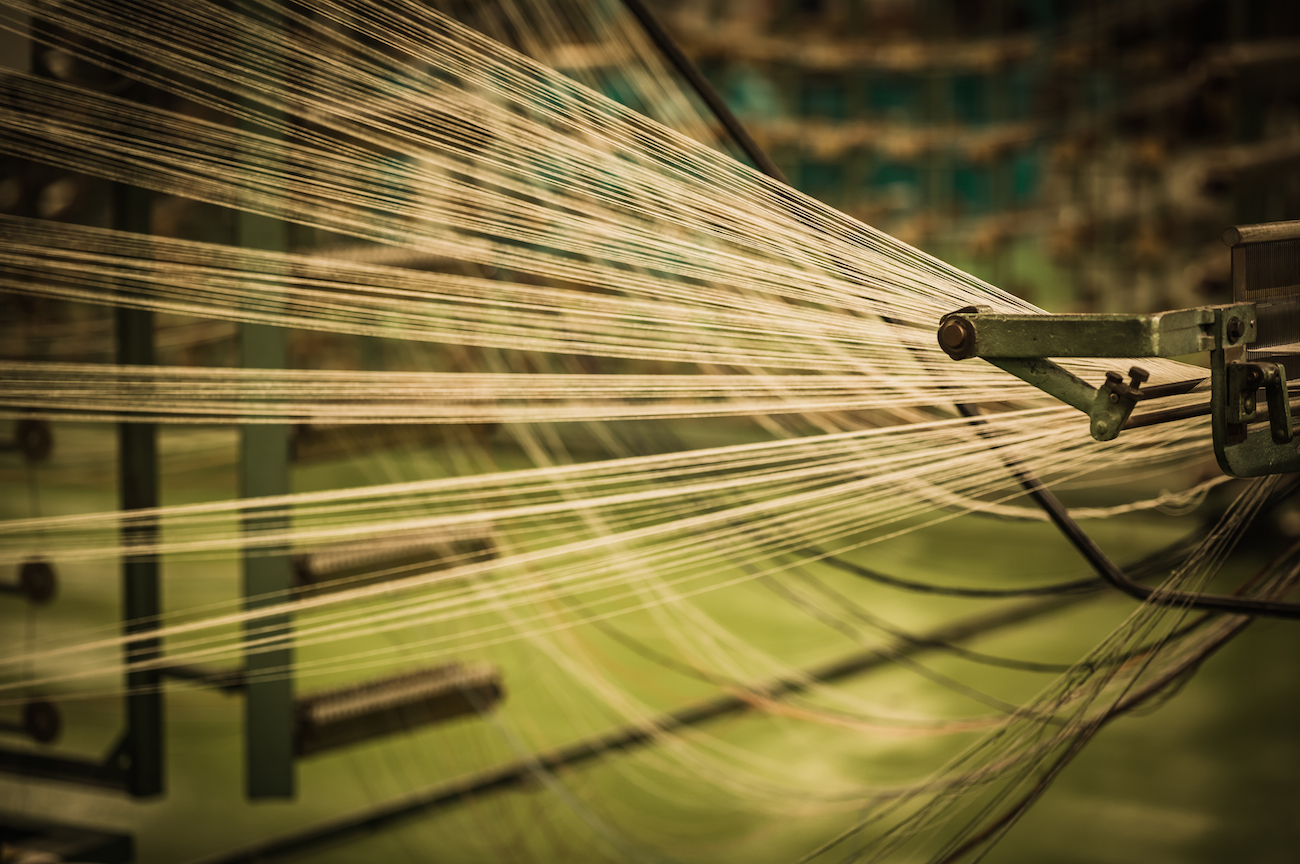
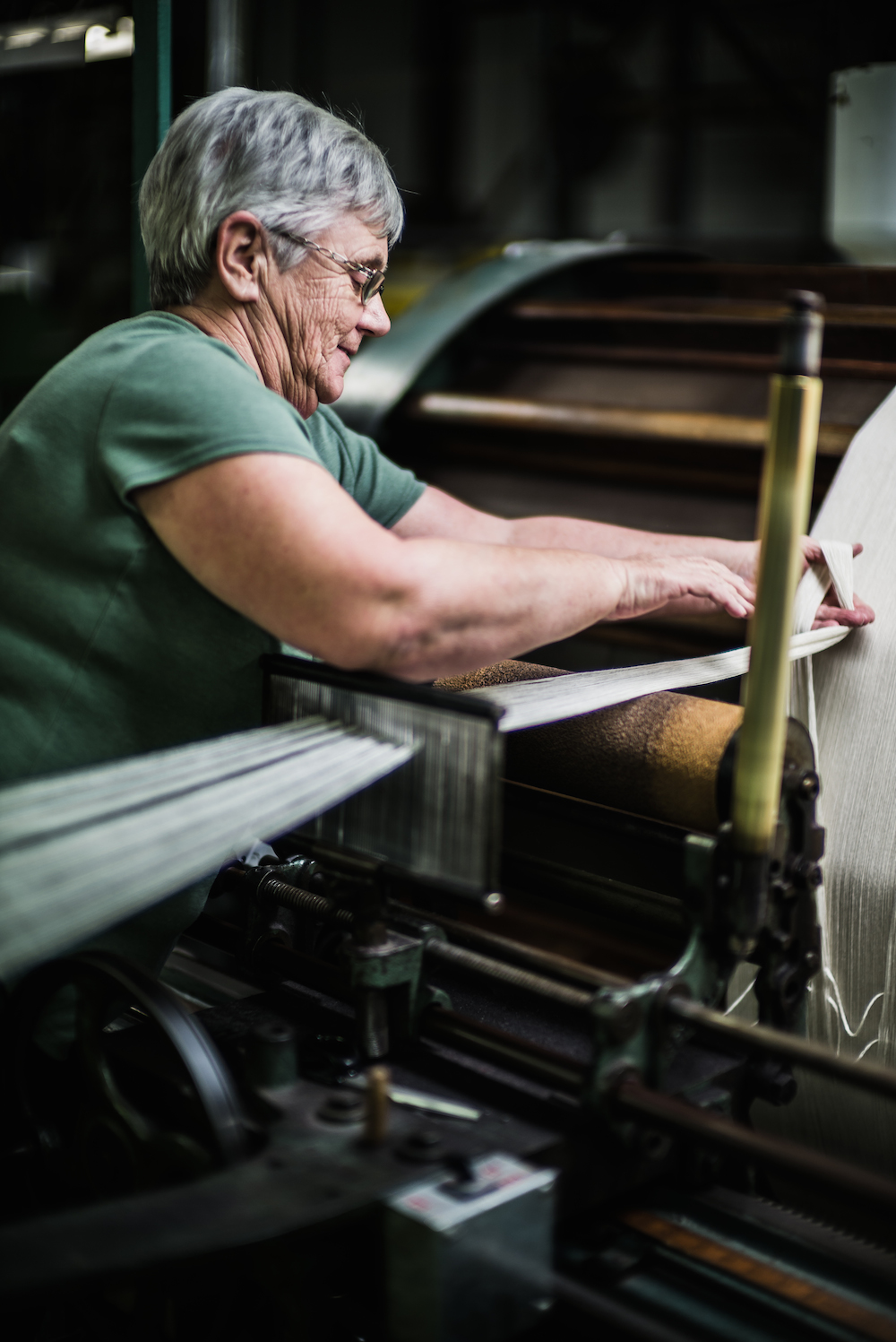
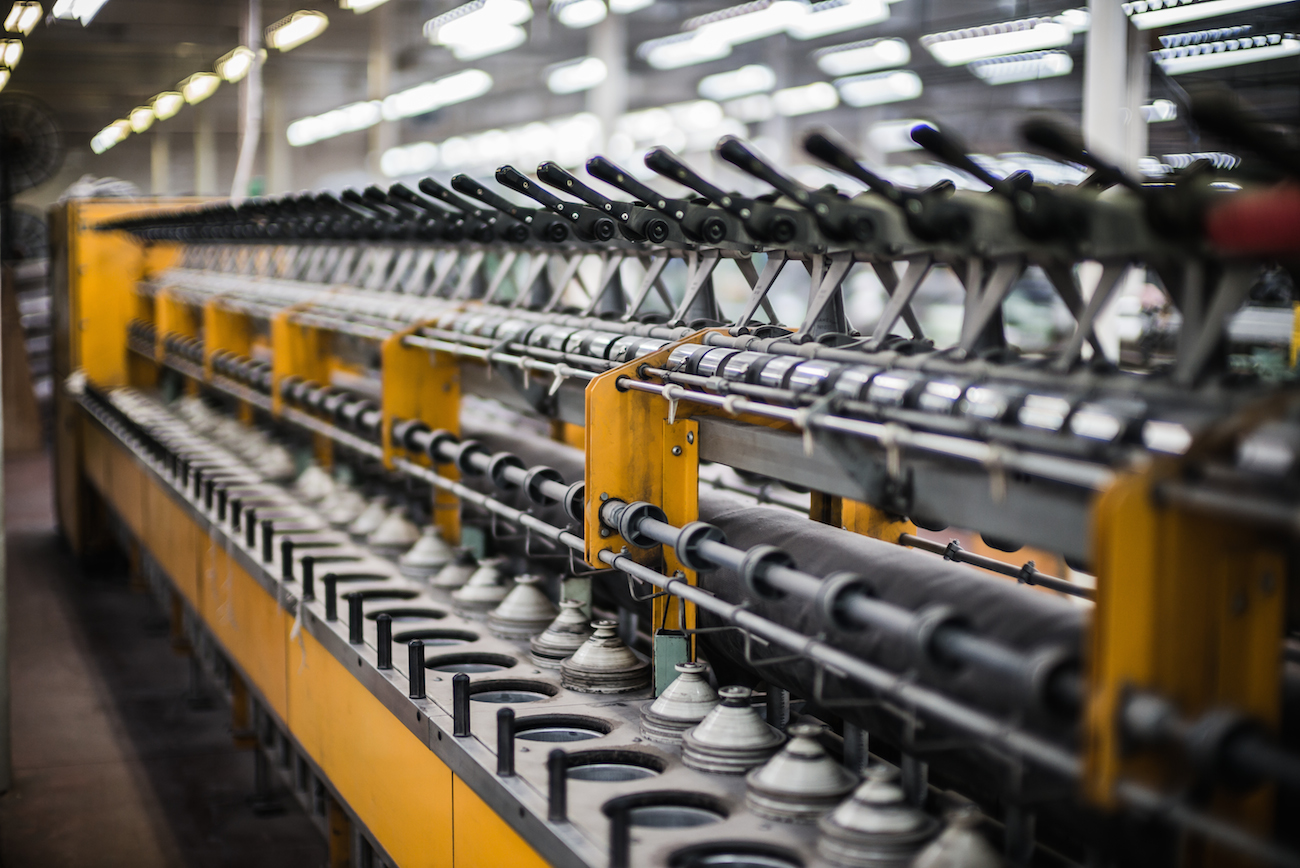
Inside, Begg is also a weaving factory much like the others we have reported here – Loro Piana, Pennine, Vitale Barberis and so on. There are the same, or very similar, spinning machines, warping machines and weaving machines: all large, all fast, all noisy.
 

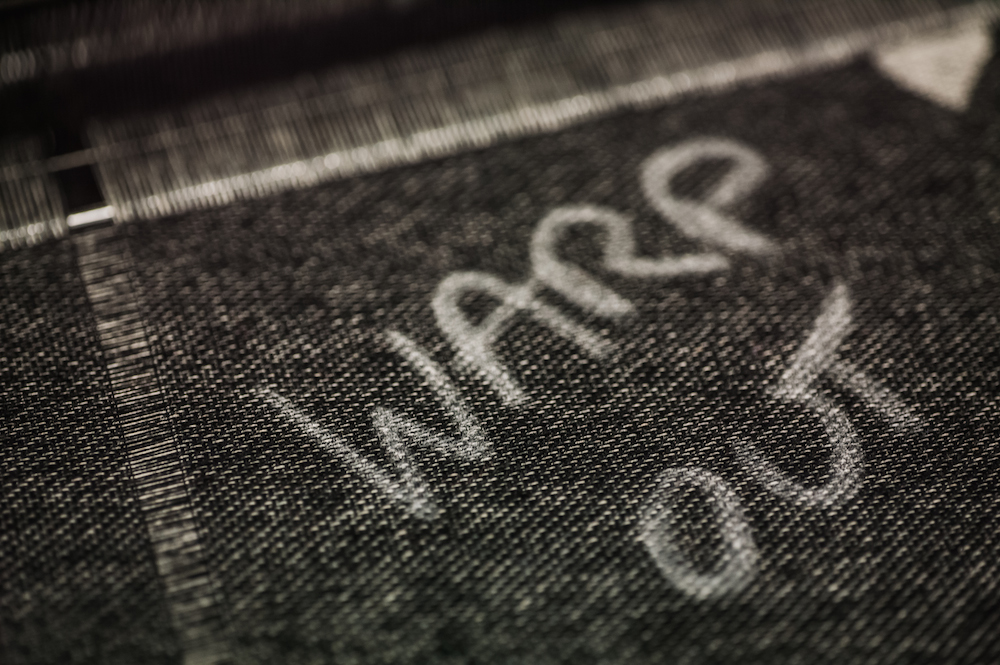
Begg warping Begg scarf factory Ayr2 warping

 
But there are one or two processes that are unique to Begg. And overall, it was interesting to see a weaving facility (the only one at this scale) that focuses solely on scarves.

One of those processes is the milling that we showed in the video last week. It’s one of the stages that goes into the ‘ripple’ finish that is quite distinctive of Begg. It’s a finish that’s often used on luxury scarves, and personally I’ve never liked it, but actually the Begg version is very handsome: subtler and wavier. Worth a look the next time you see a Begg scarf up close.

Another process worth highlighting is the way the ultralight ‘Wispy‘ scarves are woven. The cashmere is so fine (five miles go into every scarf) that it would normally snap in the weaving machines. But Begg use a patented process to combine the yarn with Keralon, a synthetic material that strengthens it, and then dissolves when the cloth is washed.
 

Begg scarf factory Ayr

 
Not many people knew the name Begg five years ago. It was a top-end manufacturer, but virtually all for third parties. It made for some of the top couture houses in the world (those we respect for quality, importantly) but other than that just had a small label called Alex Begg.

Like many of the best makes (Drake’s, Bresciani etc) the company decided it wanted to launch its own brand, and so created Begg & Co, with new branding and new collections – the men’s by Michael Drake.

The first collection was shown here on Permanent Style, and it was interesting the two directions this took. One was to expand the range of male colours available, into some much more interesting, muted tones. It also applied these tones to ranges such as the lightweights and the Nuance, which had just been seen as women’s lines before.
 

Begg warp Begg scarf factory Ayr2

 
The other direction was to create more casual scarves, specifically by washing them after they had been finished. This was the idea of Ann Ryley, who joined four years ago (from Drake’s).

Any woven product goes through rounds of washing (wet finishing) in order to soften it. This leads to a rather bedraggled effect, which is carefully ironed out through several rounds of dry finishing.

Taking that beautifully pressed product and washing it all over again puzzled many in the factory. But the slightly distressed result – particularly the washed Kishorn – has proved extremely popular.

“It was rather contrary to the traditions of the company, which had always been driving towards that perfect, silky finish,” says Ann. “But its success has made people realise the need in the market for a more relaxed, informal product.”

This is exactly how I wear it: a washed Kishorn is ideal for a leather jacket at the weekend, while the regular Kishorn is more formal and suits a cashmere overcoat during the week.

Begg looks like it has a bright future ahead of it, with a lot of support from parent company Lindengruppen and £2.5 million of investment in new machinery last year alone. It’ll be interesting to see what they come up with next.
 
  Begg yarnBegg scarf ends Begg scarf factory Ayr

Photos: Luke Carby

Permanent Style event: BeShoes

Invito_beShoes_fronte

 
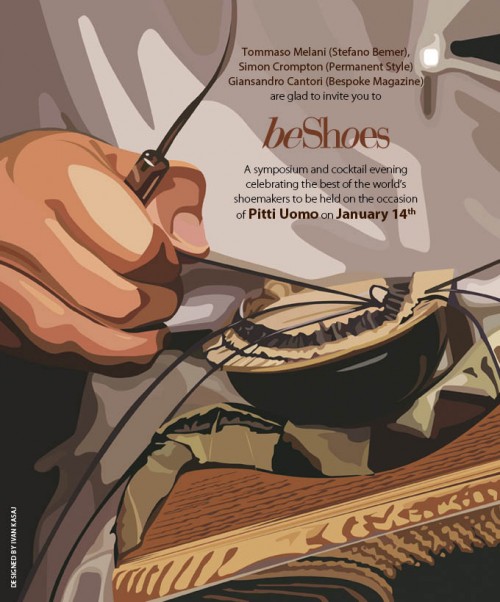
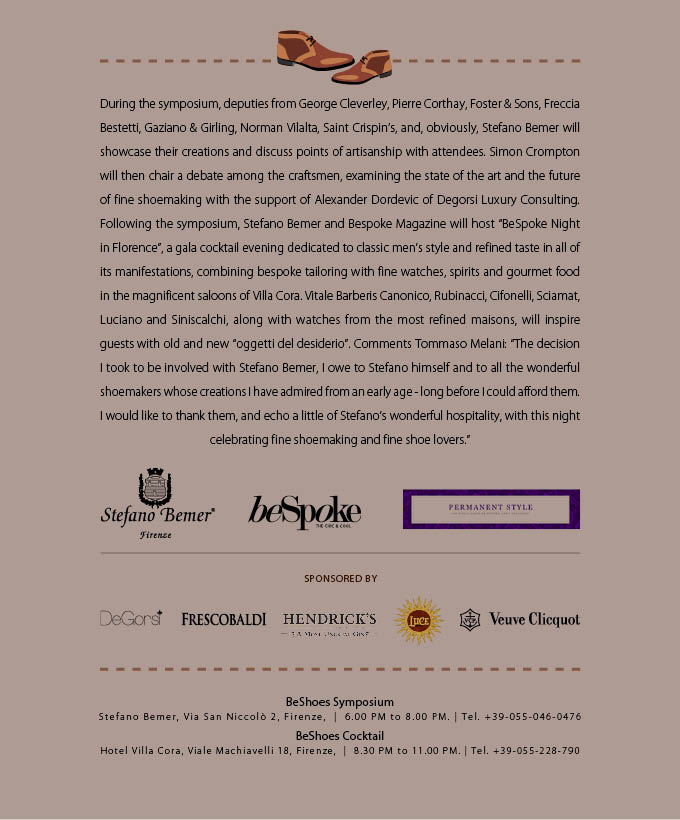
At the next Pitti Uomo in January I am organising a shoe symposium, together with Stefano Bemer and Bespoke magazine, with the intention of showcasing the work of some of the best men’s shoemakers in the world. 

We will have Cleverley, Corthay, Bestetti, Gaziano & Girling, Foster & Son, Norman Vilalta, St Crispin’s and of course Stefano Bemer. I’m pleased to say that Tony and Dean will be there from G&G, as well as George Jr and John Carnera from Cleverley (John does speak Italian, after all). 

There will be an exhibition of bespoke shoes, a roundtable discussion I’m chairing, a photo shoot to go in Bespoke magazine, and a party afterwards at Villa Cora. 

There is very little at Pitti that celebrates artisans any more, unfortunately, so I’m hoping this will be a little different. An opportunity to show the Pitti crowd what real craftsmanship looks like, perhaps.

The event will be fairly restricted, but if any readers will be in Florence on January 14th and would like to come along, I have three tickets available. Let me know at the usual email address. Either way, there will be lots of coverage here on the blog. I do hope it goes well. 
 

Invito_beShoes_retro

Nineteen socks left!

Screen Shot 2014-12-20 at 17.41.48

 
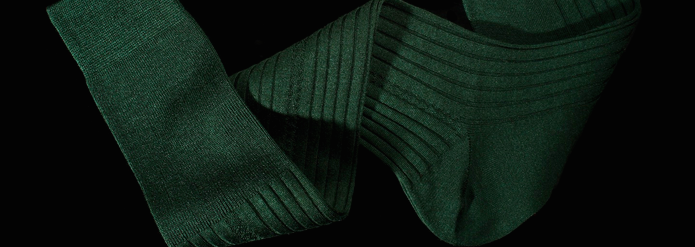
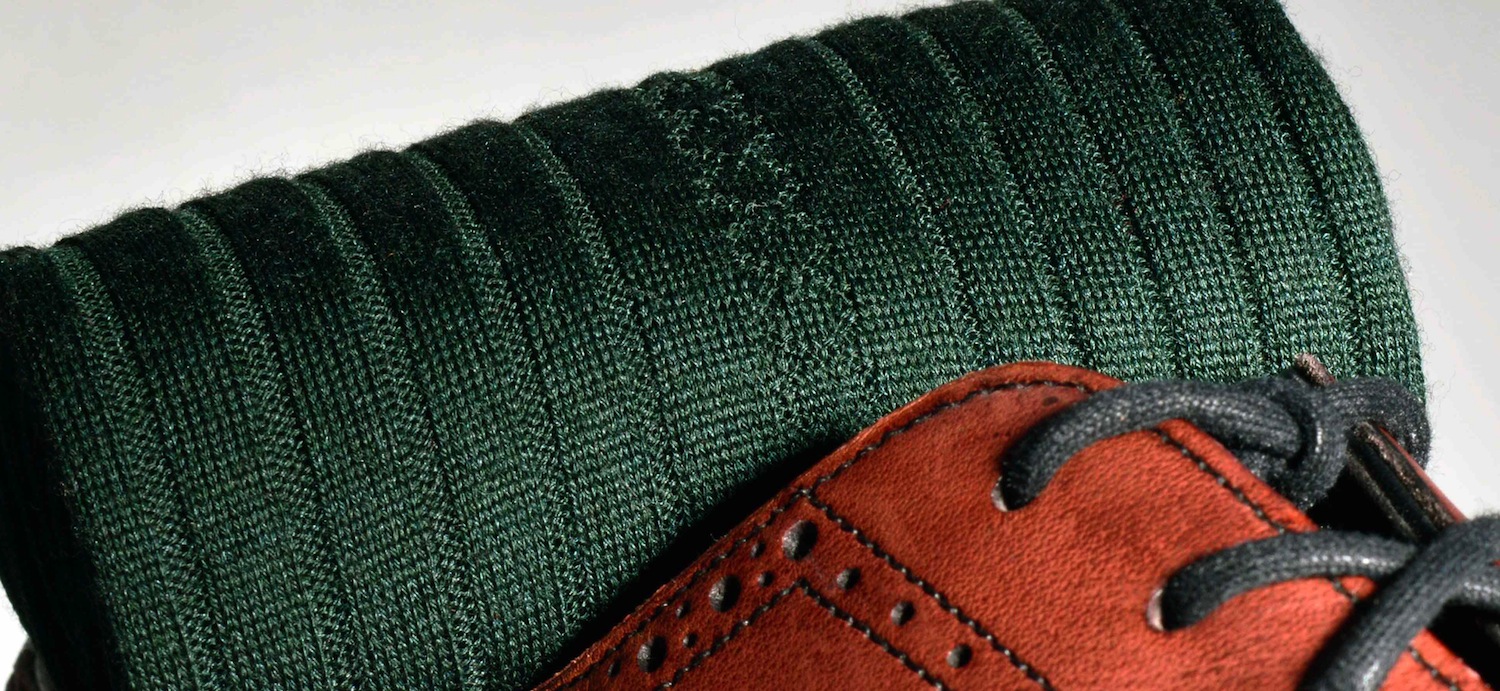
Well, 19 pairs. There are just 19 pairs of our 100 Perfect Socks left – the collaboration with William Abraham that led to the racing-green, silk/merino, unique-fibre lovelies you see above. Very expensive at $88, but then they are perfect. 

More details on the project and the socks themselves, here. Remember that these socks are sized as well, so there are actually only a handful left in every size. 

We’re also offering free, 2-day express shipping up until 4pm EST on Monday. Order by then, and you’ll have them by the 24th.  

Begg’s milling machine

 
This is a milling machine. An old one. 

Part of the finishing process for woven cloth, milling involves pummelling the material in order to break up the fibres and pull them together.

The cloth shrinks slightly, becoming denser and acquiring a spongier handle. It is a mild version of what you do if you accidentally shrink a sweater in the washing machine. It is creative destruction.

Milling is one of the many processes that a weaver can use to control the finish on its cloth – from smooth to hairy, heavy to light. Begg recently refurbished this old, wooden machine because it is one of the ways it achieves its distinctive ripple finish on its scarves.

Unlike many old machines, this one seems to produce a genuinely different effect to modern equivalents, largely because of the room the cloth has to move, and its particular ‘punching’ action.

I love old machines when they have a reason to be. It’s pretty too, right?

More on Begg – perhaps the best maker of scarves in the world – here.

Tim Little: bespoke Chelsea boots

Tim Little bespoke boot chelsea elasticated

 
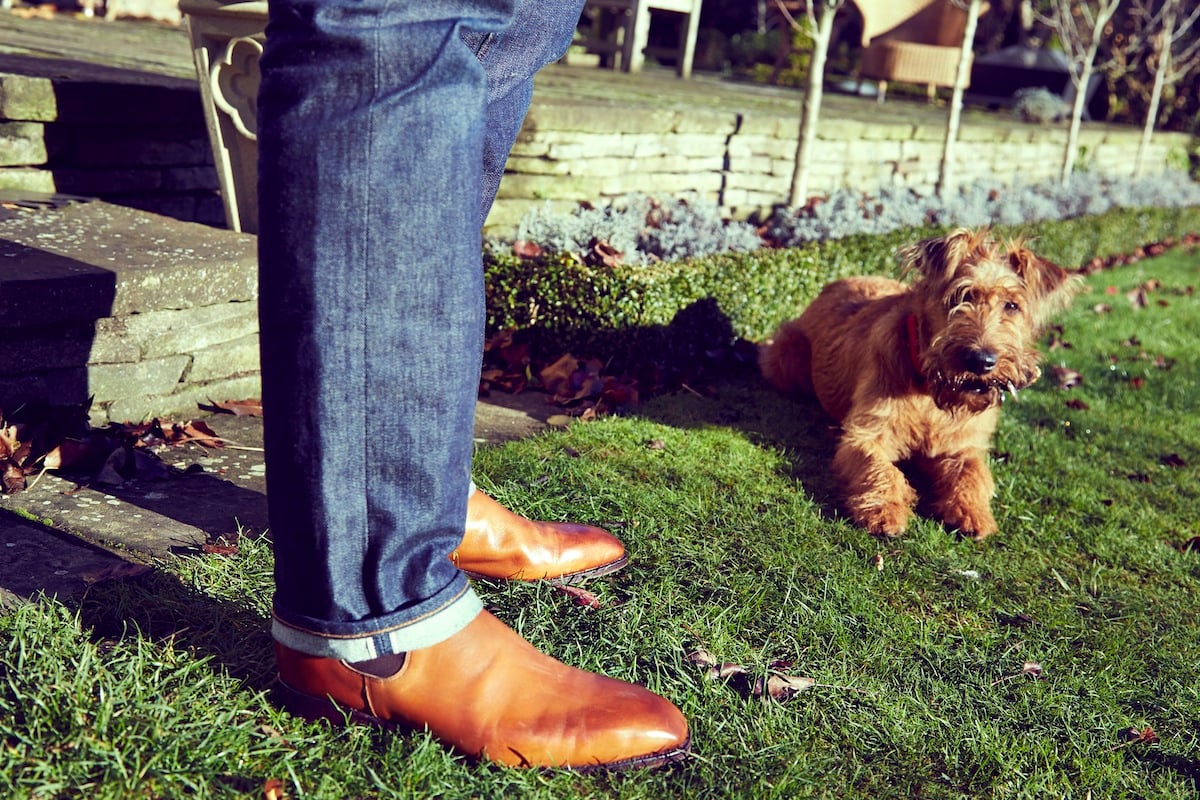
As mentioned back in October, I recently had a pair of bespoke Chelsea boots made by Tim Little – the owner of Grenson shoes, who also runs a smaller label under his own name.

I was interested in Tim’s bespoke offering primarily for the cost. At £1950 (and £900 for every subsequent pair), it is much cheaper than the other, better-known makers in London. This is partly due to the small, occasional nature of the bespoke business, and partly to the quality of the materials and finish.

The hope, therefore, was that this could be a bespoke option for anyone looking for a bespoke fit without all of the aesthetic details.

That hope, I’m pleased to say, has been largely fulfilled.
 

Tim Little bespoke boot chelsea fit  

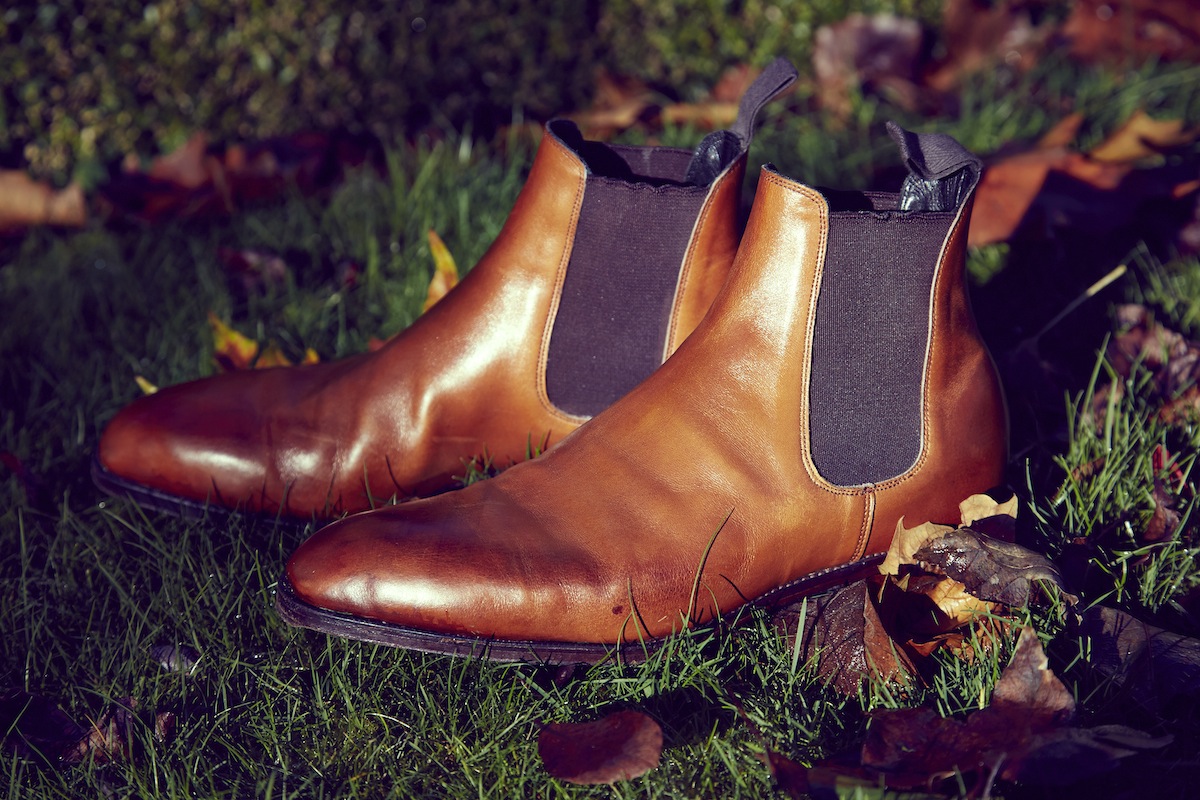
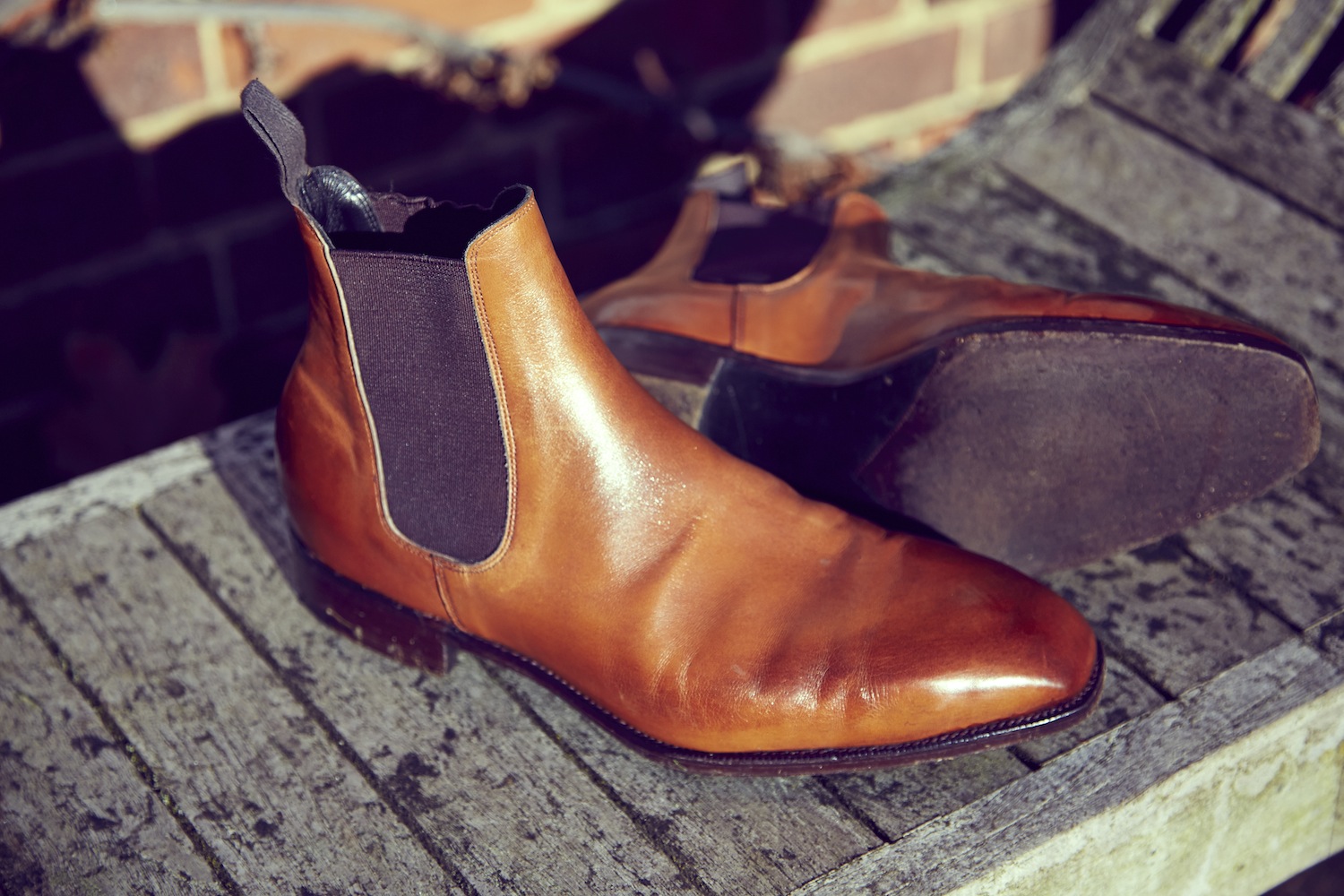
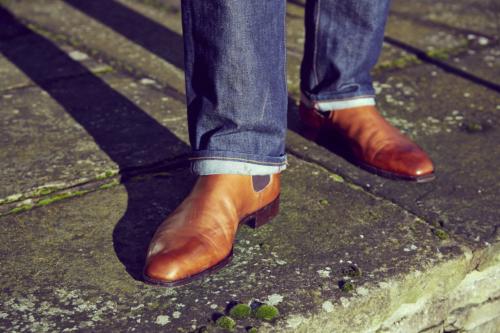
The boots are tan Chelseas with an extra-wide elasticated section. During the fitting process, it became quickly clear that I needed this addition to deal with the proportions of my feet: relatively wide, with narrow ankles.

The fitting (we only needed one, but there can be two) was good in many ways. The front of the shoe was perfect: nice chiselled shape, with just enough room for my toes to move comfortably. The shape through the back seam was beautiful: given my narrow ankle, that line up the heel and into the ankle had an exaggerated curve. And the instep was fine: it needed some excess taking out of the arch, but only a little.

There was one problem though. I couldn’t get them on.

The boot fitted perfectly for the foot and ankle, but didn’t allow enough space to get the former through the space for the latter. 
 

Tim Little bespoke boot chelsea sole

 
We cut the elastic in order to get the boot on and assess the rest of the fit. Then we calculated how much the elastic would have to be enlarged.

When I picked up the boots, it was, frankly, still a struggle getting them on. But in the weeks since the leather has softened up, and they are now perfect. Tight enough to make sure the foot is held and doesn’t slip forward, but loose enough around the joints and toes.

As to the look of the shoes, you can see from the images here the lovely colour of the leather and the solid make, including a nice, trim welt. While both the welt and sole are hand sewn, however, the waist is simple and square. There is no bevelling or tight cut to the upper as you would get with Cleverley, Gaziano and so on (although not with John Lobb).
 

Tim Little bespoke boot chelsea

 
The fit through the ankle has already been mentioned, but it is also nice how the fit through the arch was improved after the first fitting. You can see that attractive curve along the inside of the shoe in the image above. This level of fit was particularly interesting given that Tony Botteril (the measurer) uses Springline to make the bespoke last, rather than an internal lastmaker.

Elsewhere on the quality, the leather of the upper is good, but not quite as fine as other bespoke makers or high-end RTW such as Edward Green. (This is most obvious in how it polishes.) And the three-piece shoe trees that we made were rather too big; but we can correct that later.

Overall, the boots were great value and I’d highly recommend to someone looking for a bespoke fit at a more affordable price.
 

Tim Little bespoke boot chelsea3

Photos: Jack Lawson

Kingsman: British and bespoke

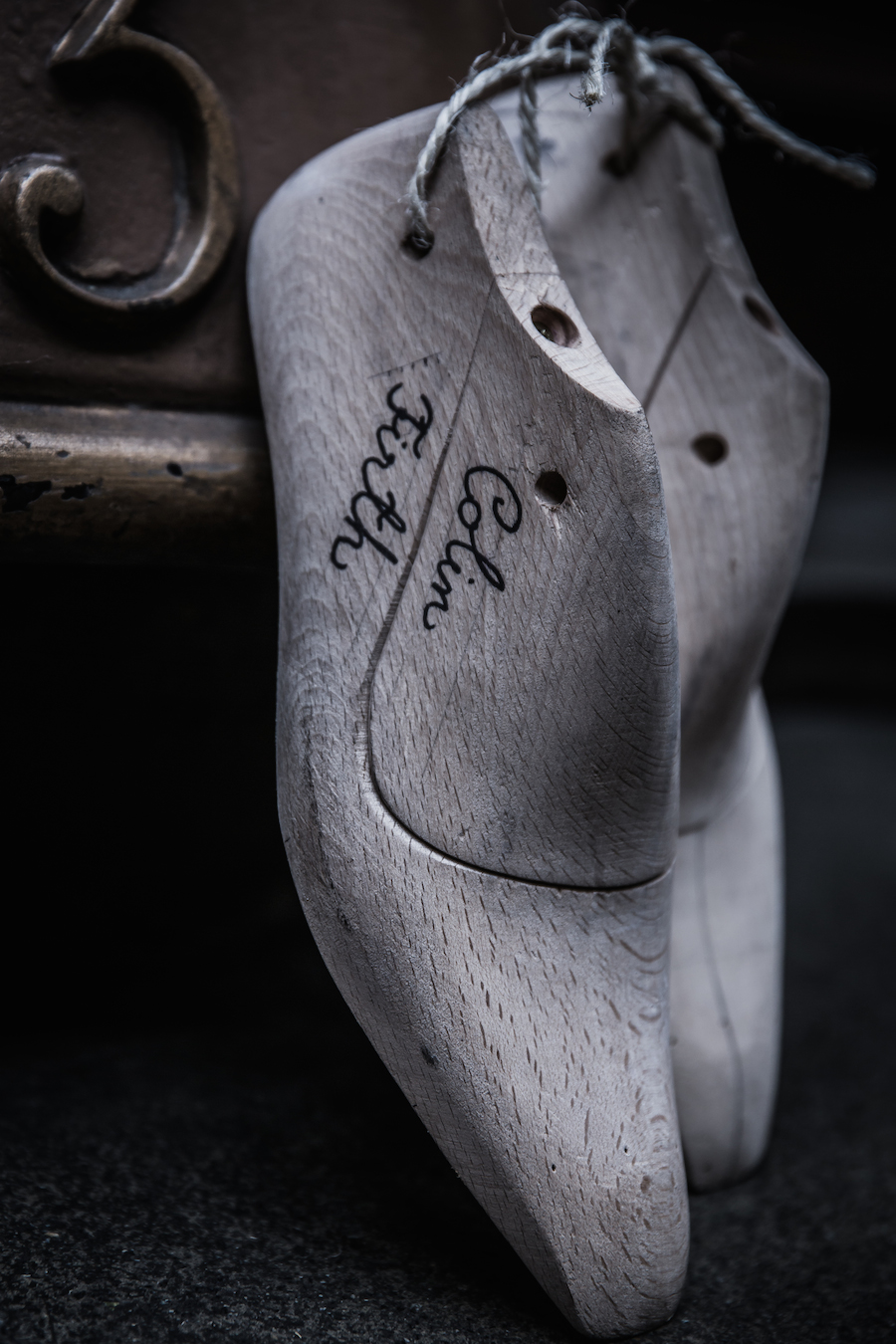
Colin Firth bespoke shoe trees

 
Kingsman: The Secret Service launches in the UK in February. There are several nice things about this. Sections of it are set in Huntsman, on Savile Row. The clothing is all supplied by British brands (and nearly all made in the UK): George Cleverley shoes, Turnbull & Asser shirts, Drake’s ties, Swaine Adeney cases, Cutler & Gross glasses.

And it brings spy thrillers back to the kind of sharp, serious clothing we love. In fact, if there’s one thing I like about it most, it is that the lead actors all had bespoke shoes (and largely suits) made. Film doesn’t normally work to the timescales or budgets of bespoke clothing, but this time it did. 
 

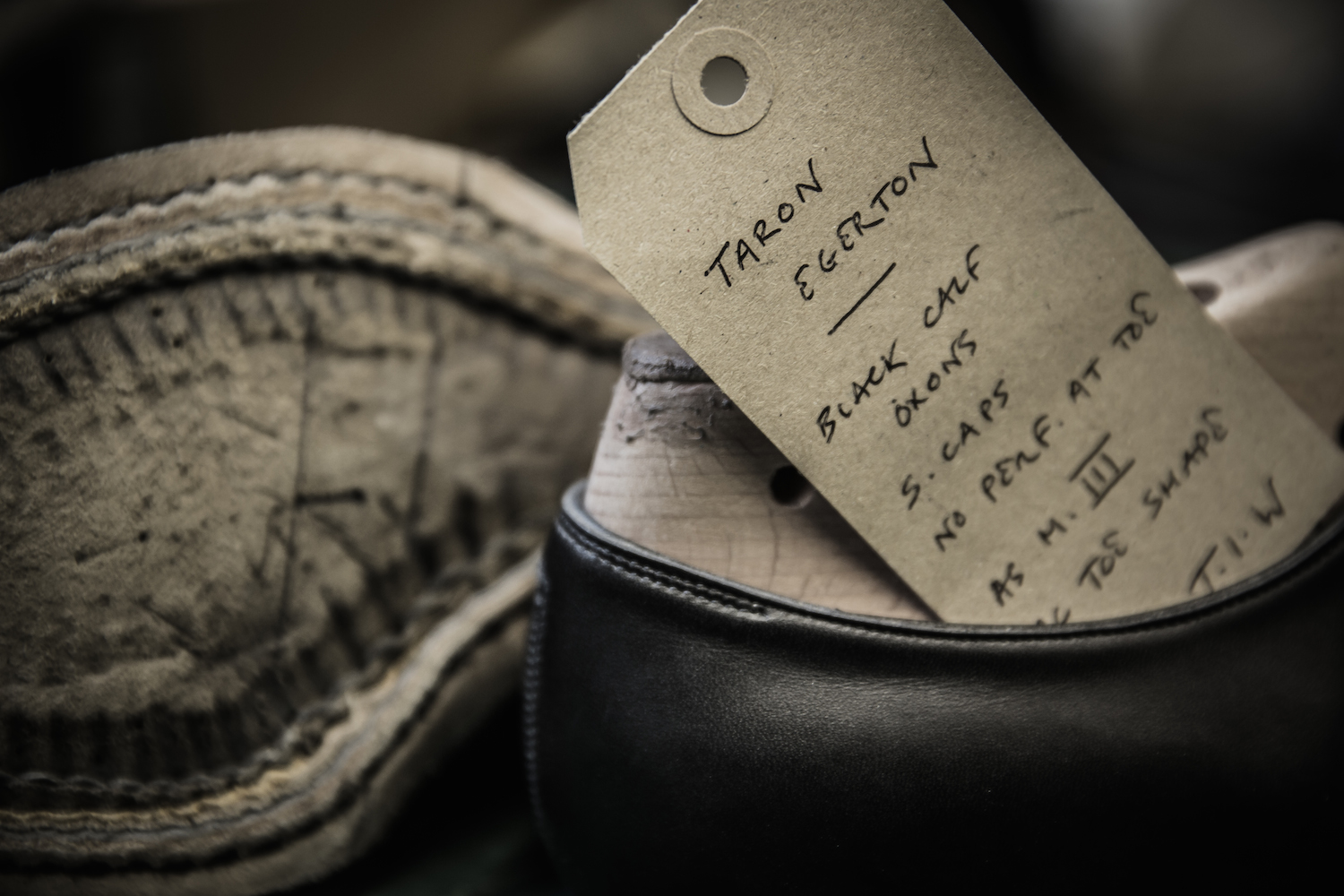
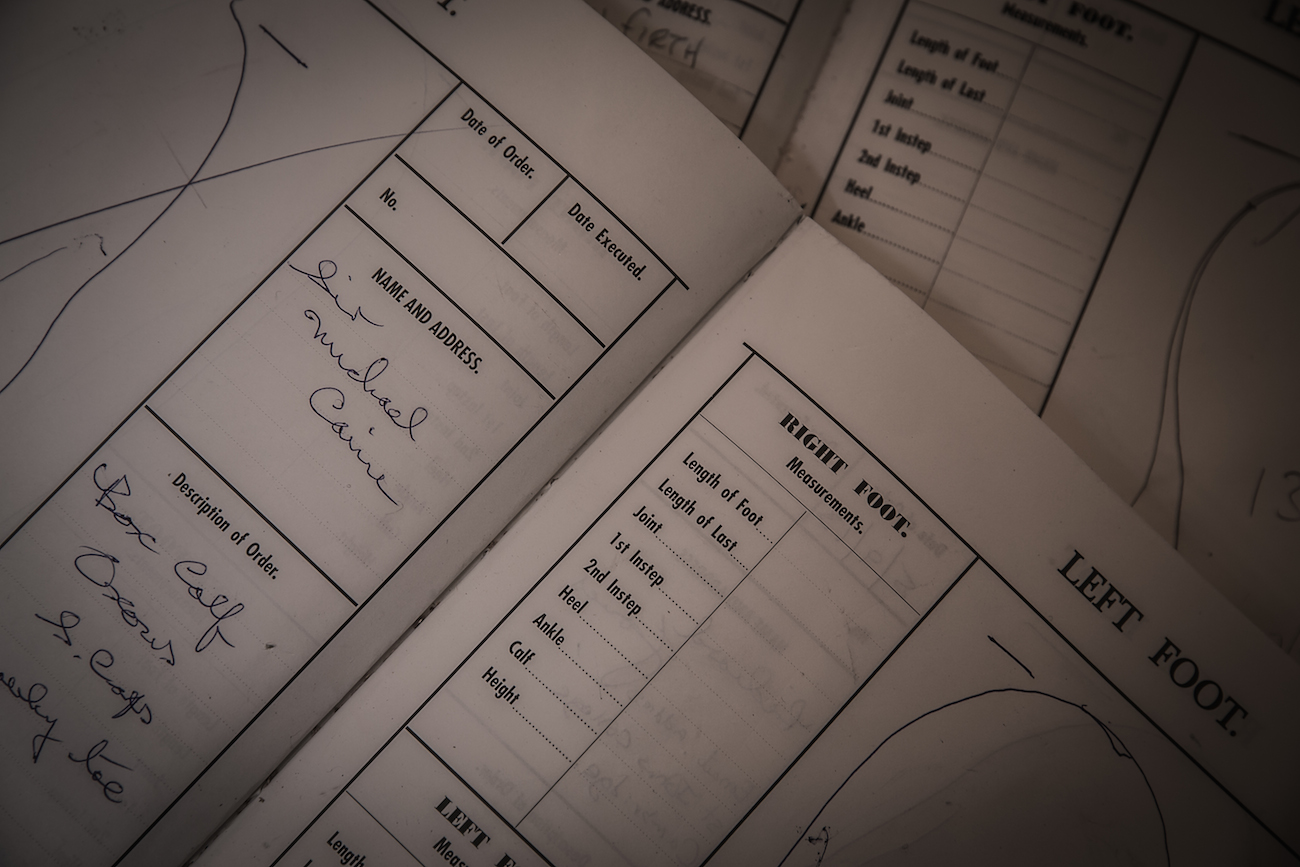
Taron Egerton bespoke shoes2 Michael Caine bespoke shoes

 
Pictured, some of the shoes made by Cleverley for the stars. And in the trailer below, you can see Colin Firth’s in a moment a knife pops out of the toe. Apparently it is ‘sick’.  [If the trailer doesn’t appear, try refreshing this page.]


There will be a branded ‘Kingsman’ range of clothing on Mr Porter from January, including designs from all those makers mentioned above. Look out for a Cleverley competition on its instagram account (@gjcleverley) that month too, to win tickets to the premier.

Dunhill bespoke

Dunhill bespoke velvet blazer

 
Martin Nicholls
, the cutter at Dunhill in London, has had a fascinating career. Trained at Huntsman under Hammick and Hall, he worked at Gieves and Norton’s, headed up the bespoke department at Harrod’s, and launched Hackett’s bespoke offering on the Row. 

It’s hard today to imagine either of the last two having a bespoke department. Indeed, Martin’s career demonstrates what short memories we often have, and yet how quick we are to jump to conclusions about the death of the industry. 

Dunhill are investing a good deal more in bespoke tailoring – they’ve had an offering for a long time, but Martin only moved on site at Bourdon House a few months ago. It also follows the introduction of bespoke leather goods with our friend Tomasz, of course. 

You can read more about Martin and Dunhill in my most recent column for How to Spend It, which gave a little depth to the magazine’s charity auction of bespoke and made-to-measure suits. 

Above: model wearing Dunhill’s entry for the auction

How a Mackintosh is made

Mackintosh drawing patterns

 
How is a Mackintosh made? With an odd, perhaps appealingly simple process: cut out pieces of bonded cotton and stick them together with blobs of glue, using your fingers.

A few weeks ago Luke and I visited one of the two Mackintosh factories. This one, in Cumbernauld, makes the classic Macs in bonded cotton; the other, in Nelson, makes regular coats, usually in wool.
 

Mackintosh bonded rubber

 
The classic Macs use a bonding process originally created by Charles Mackintosh in the nineteenth century. That process uses vulcanised rubber to join two pieces of cotton together – you can see the rubber in between the layers in the image above.

This material isn’t made by Mackintosh, but by a supplier in Oldham. Rather like Globe-Trotter the core material isn’t part of the in-house manufacturing (in Globe-Trotter’s case, its vulcanised board).

There would likely be little of interest in the mass manufacturing of bonded cotton, however. Far more striking is the way it is glued together.
 

Mackintosh factory cumbernauld

 
There are 56 workers in the factory. There are some cutters and some sewers, but most of them work at waist-high workbenches, dipping their fingers into buckets of rubbery glue and smearing it across the edges.

The blobs of glue are tight and rubbery. They can be wiped across a surface, leave sufficient deposit and remain stuck to the workers’ fingers. They can even be used to clean the table afterwards, collecting stray bits of glue in the same way you use Blu-Tack to collect other bits of Blu-Tack.

It is an absorbing and bizarrely manual process. 
 

Mackintosh gluing seams

 
One place you can see its advantage, though, is dealing with curves – around the armhole and the elbow patches, for example. 

Once the pieces are glued together, the insides are taped to make them waterproof, and then pressed. Tape is being applied to the inside of an armhole in the second image below.

The cuffs and bottom hem are the only places that are sewn (apart from the buttonholes of course). They are still glued, and pressed, but a line of stitching provides an extra level of security.
 

Mackintosh taping seams

 
Mackintosh have been in this factory since 1964, and plan to move soon. You can see it’s creaking at the edges, even with the new ventilation funnels on every board, which draw the glue fumes away from the workers and pump them out of the back of the factory.

Although the Mackintosh line doesn’t stray far from its classics, the company does do regular collaborations. Even when the Mac label is not used, you can easily identify the end product by that distinctive material and glued seams. This keeps the factory on its toes, as production director Willie Ross (below) puts it. 
 

Willie Ross Mackintosh

 
When we visited, some of the collaborations involved camouflage materials, bright colours and (oddly, for a waterproof) eyelet holes all over the body.

Finally, as some readers requested video coverage of the factory visits, here is a short clip showing the gluing process. There will be a couple more in the post on Begg scarves.
 

Biggest month ever

Corthay shoe polishing

 
Last month was our biggest ever on Permanent Style, with just over 330,000 pageviews on the site. Of course, numbers only mean so much – it is the quality of the readers that counts. So I’d like to say thank you to every last, beautiful one of you. Everyone that reads, shares, stops me in the street, and writes delightful messages of their own. You make it all worthwhile.  

Image: boot polishing at Corthay, London

Photograph: Luke Carby

The bespoke pea coat – Part 5

Gieves pea coat side

 
A few more details on the bespoke pea coat from Gieves & Hawkes, as promised. (By the way, isn’t the pitch of the sleeve above gorgeous? Easier with a heavy cloth of course, but it is a uniquely pleasurable sight.)

So, the last post showed the coat buttoned all the way to the chin. Great that it can do that, and personally I think all coats should be able to, but it also works well with one or two of the top buttons undone. Davide and I were careful to get this shape right at every fitting, and it causes the lapel to flop nicely. Indeed, it flops in stages as the buttons are undone, while staying up at the back. The collars of most RTW coats can’t do this, largely because they don’t have the internal structure used in bespoke.
  

Gieves pea coat front

 
The cloth, by the way, is a Loden – the same as my green Vergallo top coat. This didn’t click (despite the alpaca content) until Davide mentioned that a Loden agent had spotted it. Apparently they supply the cloth to Smith’s.

It makes perfect sense though: I was looking for a cloth with plenty of body, a tight, stiff material without being too heavy, and that’s exactly what Loden achieves. It’s why the Loden hunting coats can get away with that long A-line and not lose their shape. 

Next detail: the pockets. I know from experience how frustrating it can be when pockets don’t function well on an overcoat. You’re likely to use them (internal and external) a lot more than on a jacket, so they have to be right. The welted hip pockets, as you can see above, are both at the right height and the right angle to plunge my hands into. 

The same goes for the internal pockets. These are cut with a vertical opening close to the front edge, so that I can slip my right hand in between the second and third buttons and retrieve something.

More subtly, there is also a external pocket hidden under the lapel flap. You can just see it in the image above, and more clearly on last week’s post. This little welted pocket is the perfect size for my phone, and that is what it will usually contain.
  

Gieves and Hawkes pea coat

 
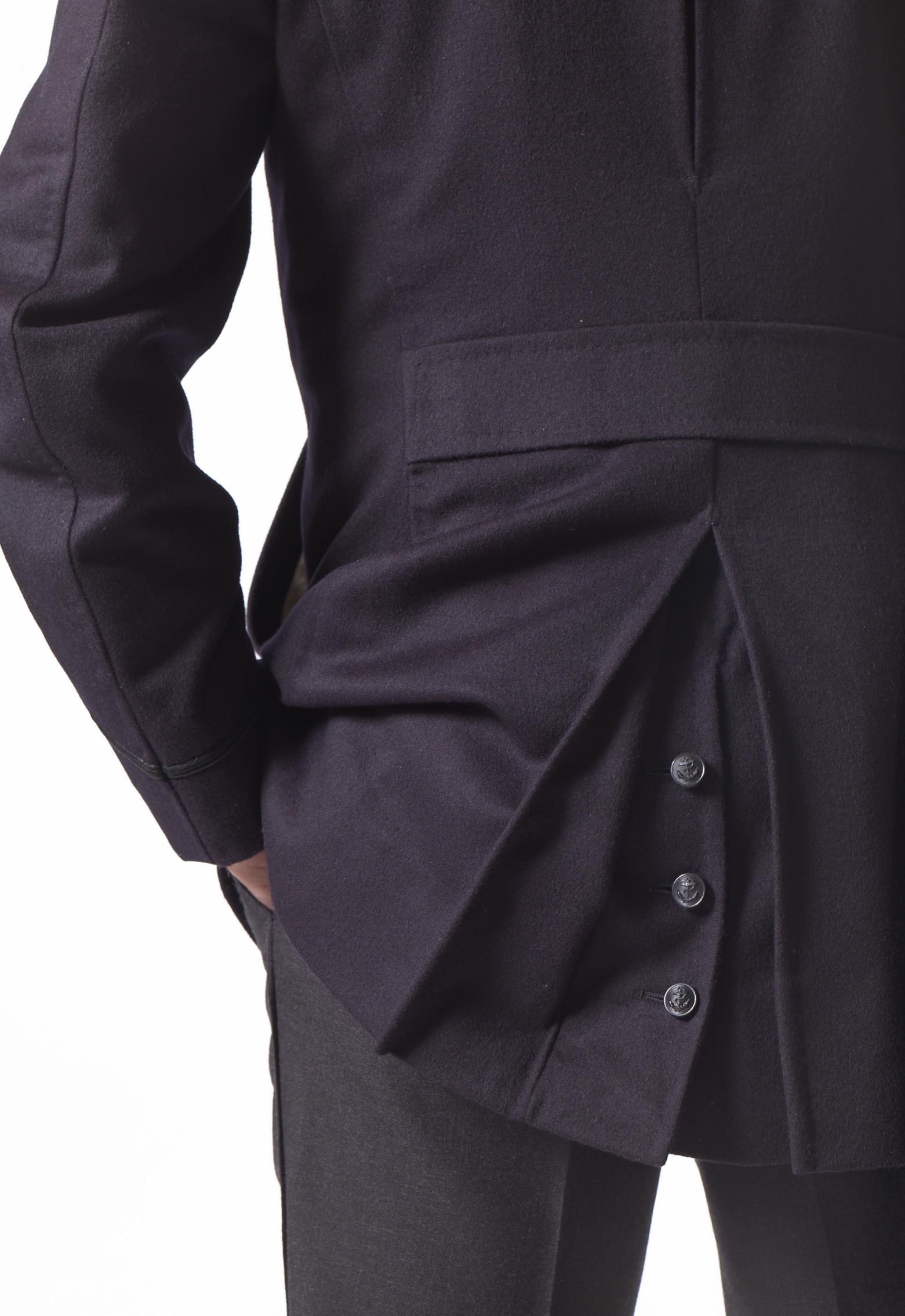
On the back there is an inverted box pleat, a laid-on belt, and then a centre vent with black buttons. The centre vent is folded out of a single piece of cloth, rather than cut. It’s unlikely they’ll be undone, but it’s a nice detail.

By contrast, we decided to keep the belt simple, without any buttons or other simulation of function. It’s also nice how the swelled edge of the belt echoes the felled seams down the back of the sleeve. All the seams are felled in this way, for no other reason than pea coats usually are. The effect is particularly noticeable on the shoulder seams.
 

Gieves and Hawkes embroidery hawthorne and heaney

 
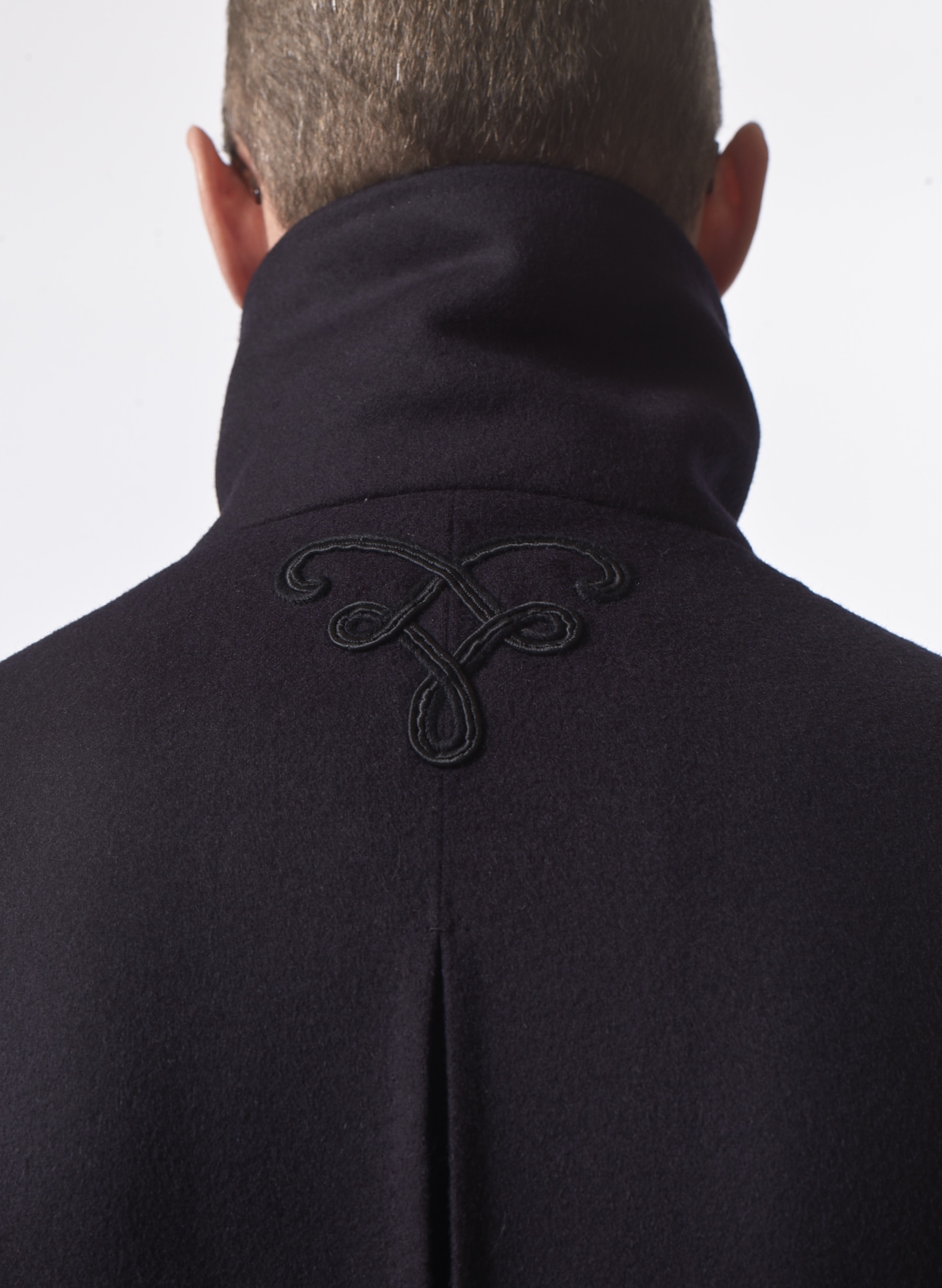
Above, you can see the top of the box pleat and Claire (Barratt, Hawthorne & Heaney)’s lovely frogging. I think this image also gives the best sense of the cloth itself – the richness and handle of it, as well as the beautifully smooth fit across the back.

The collar is folding slightly as my head tips back, but even when forward the collar only just stays perfectly upright. In a pea coat, I think this is how it should be. The maximum effort is made to shield the wearer from the elements. 

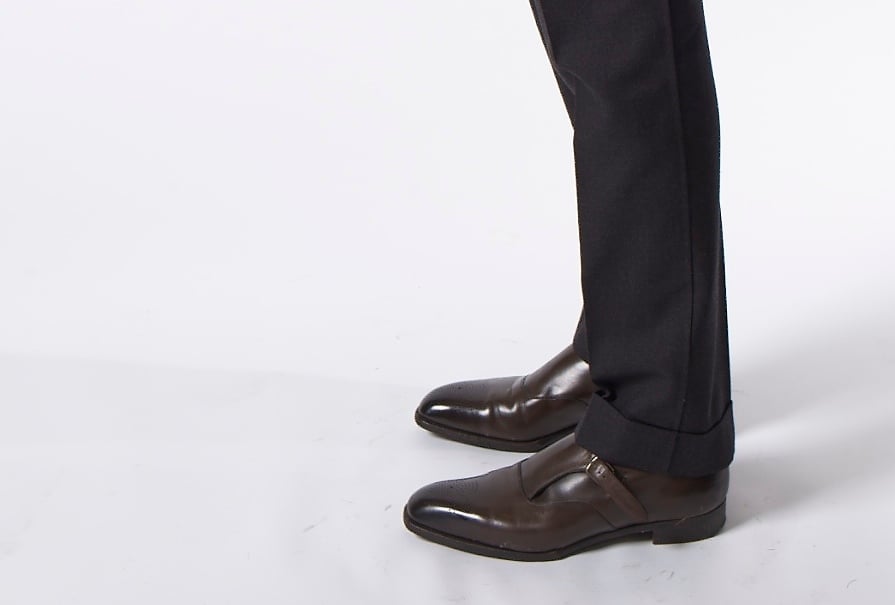
Finally, the trousers from Chittleborough & Morgan (in heavy Dugdale’s charcoal twill) and shoes  from Edward Green Top Drawer (Oundles in bronze). Joe and I had a few problems with these trousers around getting the flat fronts to lay correctly, and they are on reflection too narrow, but overall they behaved themselves during this shoot. 
 

Edward Green Top Drawer shoes  
Photography: Julian Anderson

The Perfect Socks – opening up Monday

For-Web-790K_DSC1497

 
A reminder that the beautiful merino/silk socks we created with William Abraham will be available for the general public to view as of Monday. Until then, Permanent Style readers can order at this link, which is hidden on the main site. 

The socks have been selling well – thank you all for your support, as always. There’s been some wonderful feedback too, with positive responses and suggestions for future iterations. As of now, there are no plans for more socks, but ideas are always appreciated. 

For more information on the socks, which combine a unique fibre with a unique weave pattern with absolutely the best colour, see the original post on our collaboration here

When we write about… E Tautz

E Tautz high rise chino

In our last post in this series on new London shops, we looked at how readers – with a natural affinity for fit and materials – could analyse the casual wear offered by Private White VC. In this post we shall do the same for E Tautz, but look at the overlap with fashion rather than workwear.

E Tautz is a fashion brand. I define this not by the fact that it has collections and catwalk shows, but rather that many of its clothes are unusual, attempting a more radical re-think of line, proportion and material than any regular retailer. It also attempts to repeat that feat every six months.

But it is also a ‘heritage brand’. Not because the name is old, for that is irrelevant (the original Tautz was so different and, besides, it makes no real difference to any brand how old it is). It is a heritage brand because it is directly and obviously inspired by traditional menswear. It often attempts to recreate traditional designs, and favours traditional materials.
 

e tautz shetland sweater

E Tautz chinos

 
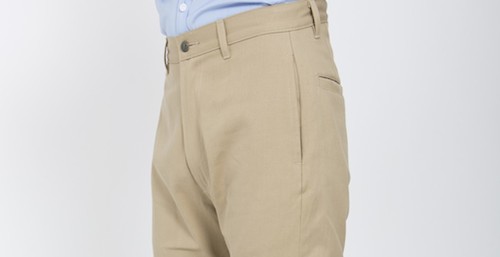
Take, as an example, the Tautz chinos. These were inspired by several vintage pieces that Patrick (Grant, owner and creative director) found in the Tautz archive. They have a very high rise at the back – almost three inches higher than the front. This echoes those old pieces, as does the use of 8.7oz selvedge cotton, and an unfussy, unwashed aesthetic.

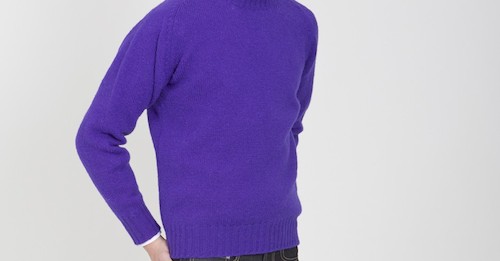
The rise on the trousers isn’t a very bold move, but few standard retailers would attempt it. The Shetland sweaters are similar – although identical in make and quality to those at Anderson & Sheppard or Drake’s, they are offered in acidic yellow and violent violet. When in more sober tones, they are printed with a big ‘Tetris’ design. 

There is a sliding scale of this tradition/fashion crossover. A second line of the chinos, for example, has big, Oxford-bag-style legs; they would be ridiculous, were they not drawn directly from archive field trousers. The suits and shirts are more conservative (and good value, at £795 for a two-piece), while the overcoats are more ‘fashion forward’: oversized, multi-layered and often boldly patterned.
 

E Tautz quilted parka

 
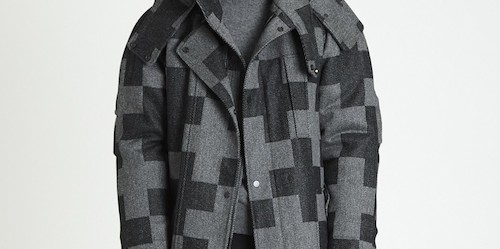
But even with the most eye-catching of these – the cross parka – there are elements a Permanent Style reader would respond to. Great, heavyweight wool; pattern matching; functional details like a structured hood and thoughtfully positioned pockets. The black model is almost conservative; and it’s quilted.

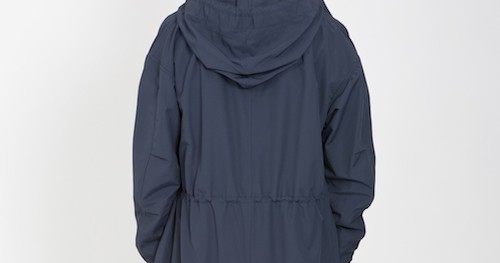
Elsewhere, the Chanel-tweed coat is reversible, with one side waterproof. The plain parka, which achieves shape through drawstrings at waist and hem, has a detachable hood and a zipped, fly front. Everywhere, innovative shape with practical details.  
 

E Tautz parka

Postscript:

Interesting follow-up from Patrick on why the chinos feel the way they do:

“The chinos come unwashed with the natural veg starch still in them. Most other brands wash them then reapply a stiffening enzyme in the rinse to restiffen them (this usually lasts about 10 washes) but the chemicals used are unnecessary and a bit bad so i don’t do it.  You’ll find that when you wash them they’ll soften a lot, which some people like, others don’t. If you want to keep them stiff then some spray starch when you iron is the thing. As your batman would do.”

The bespoke pea coat – Part 4

Gieves pea coat bespoke

 
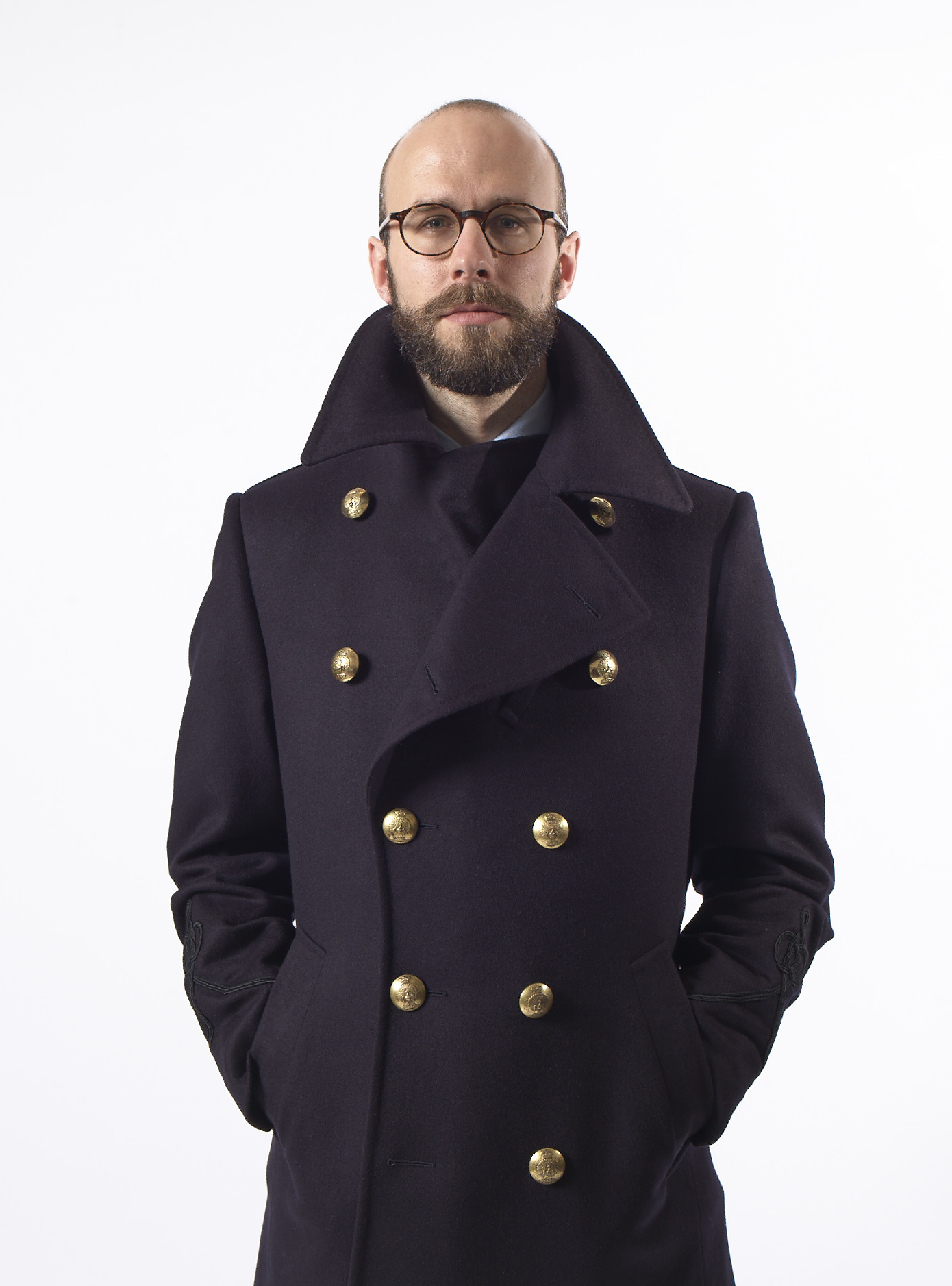
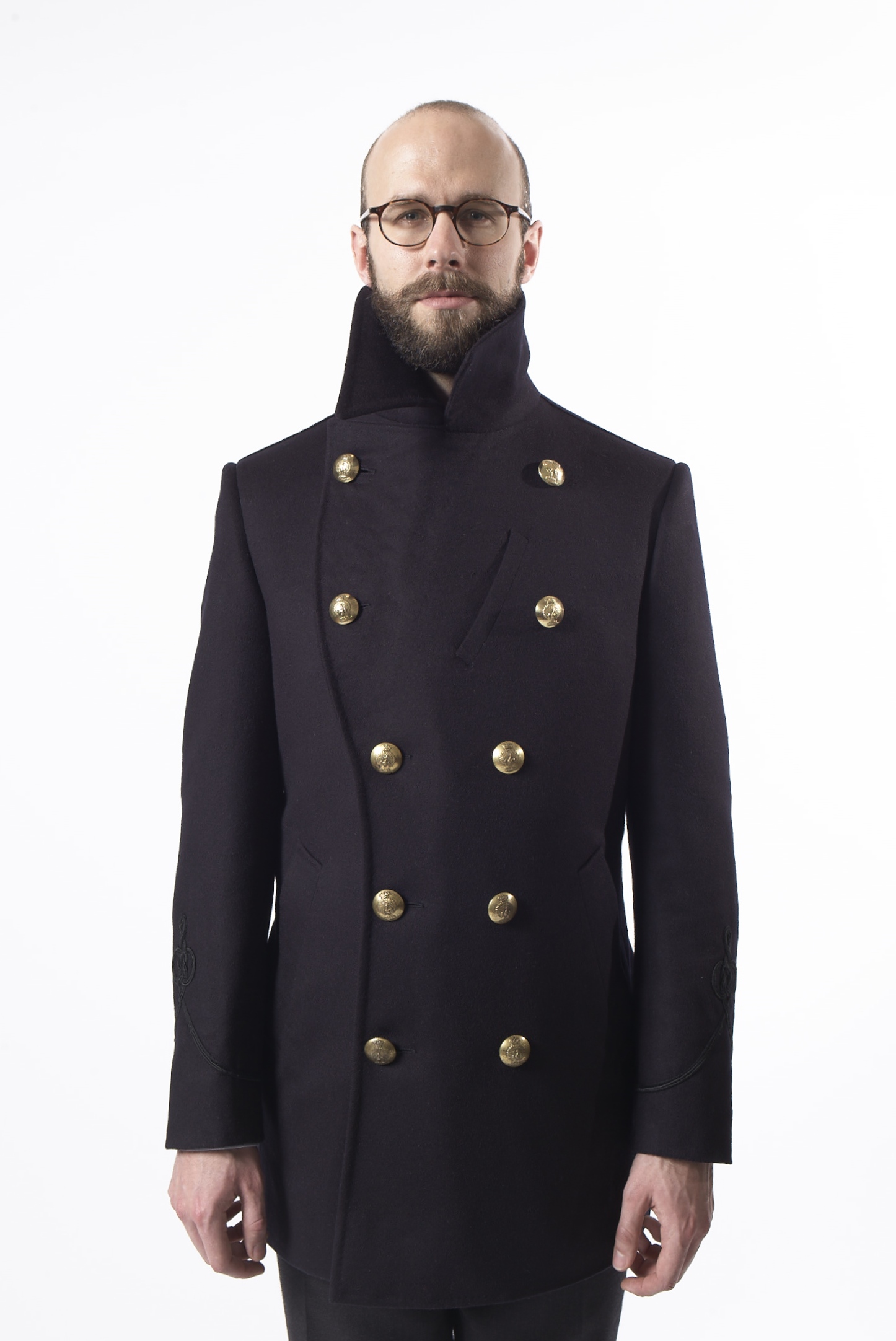
Two weeks ago I finally received the pea coat that Davide (Taub, Gieves & Hawkes) and I have been working on for just over a year. There are a few pieces of clothing that make me literally dance for joy when I get them (such as the Stefano Bemer shoes) and this goes into that category. I don’t think I stopped smiling for the first 10 minutes. 

Of course, it is more of a bridge coat than a pea coat, given its length. But we’ve called it a pea coat ever since the initial designs back in 2013, so I’m sticking with it. The important thing is that it is just long enough to cover the longest of suit jackets (Chittleborough & Morgan) and can therefore work as well with tailoring as a jumper and jeans. 

Indeed, one of the reasons I love it is that it sits so well between formal and informal clothing. I wouldn’t wear it with evening attire, but otherwise it will suit any suit. On the other side, I wouldn’t wear it with trainers, but otherwise it will go with anything casual.

The navy colour helps, as does the fact that pea coats are quite popular at the moment. A double-breasted overcoat stands out and looks more formal partly because there so few around. Everyone has an overcoat, but almost no one has a DB. 

That conservative design and colour helped Davide and I express ourselves in the details. The strong shoulder, the black frogging, the vintage brass buttons: all of them set this coat apart from anything you would see ready-to-wear, but you don’t notice them until you’re up close.

For me, this is exactly what bespoke should be. From a distance, all you should notice is the fit. Someone that knows nothing about bespoke should simply think it looks good – striking, sharp, flattering – without knowing why. 

In a similar way, the thing I love most about this coat is probably the shape of its front edge. It starts pointing in at the shoulder, bulges slightly at the chest, then sweeps long through the waist, before kicking out ever-so-slightly over the hips. It is beautiful, it is subtle, it conjures the ideal physique in just as powerful way as the side seam. And you rarely see it outside vintage and bespoke. 

I’ll post more photos of the details when I have them next week. 

Photography: Julian Anderson

My Christmas list

Budd dressing gown

 
At this time of year I normally do a list of Christmas gift suggestions. Apparently last year a reader took the initiative and left a print-out of the list sitting on a coffee table at home. It did the trick – a couple of the items turned up under the tree come Christmas day.

I am also told that today is Black Friday, and in three days’ time it will be Cyber Monday. These things don’t mean much to a UK resident, but one up-shot is that a lot of the Permanent Style advertisers (whom we love) are doing special offers. Here, therefore, are some of my favourite items from them. Feel free to print out and leave around the house.  

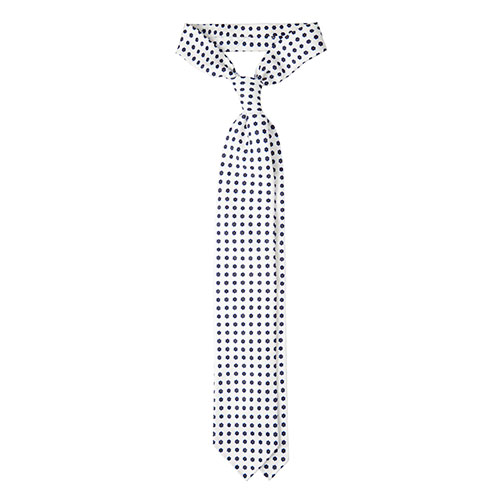
white floral tieDrake’s is doing more and more ties in an untippend, hand-rolled style. This is catching up with other brands to an extent, but I love the style, consistency and quality of Drake’s. I suggest the 50oz untipped navy tie. Michael Drake gave me a plain navy 50oz years ago and it is still probably my favourite piece of neckwear. Among other ties, the white floral design from Viola Milano (left) is nice – white works well with a blue shirt and conservative jacket.

shoeshine valetThe Hanger Project is one of the sites with some big discounts coming up. My favourite item on the site, though a little expensive for Christmas, is the walnut shoeshine valet (right). Nice that it’s made in Dallas where Kirby is based. 

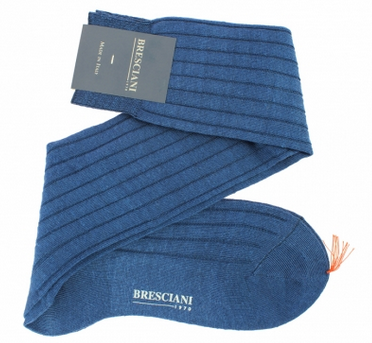
linen socksOther than Permanent Style’s perfect-sock collaboration, my hosiery recommendations take in the linen stocked by Mes Chausettes Rouges (left). They soften up pleasingly over time and are great with more casual trousers, even jeans. While we’re on underwear, I’ve recently taken to wearing the Merz d Schwanen undershirts offered by Trunk in the winter. It’s an instantly recognisable lumberjack look, but again works well with denim.

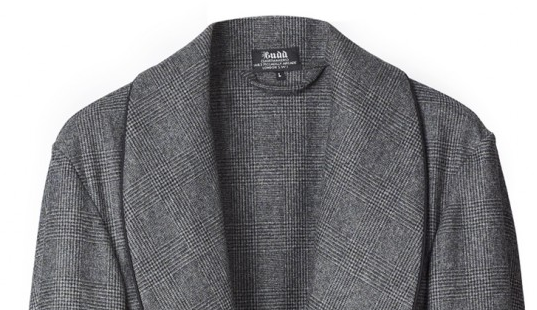
For lounging around the home this time of year, my favourite dressing gown from Fox Brothers (top, made by Budd in PoW Fox flannel). Indulgent yet not showy. And of course some leather slippers from La Portegna – Jose now puts a half leather sole on the front and back, which works well. 

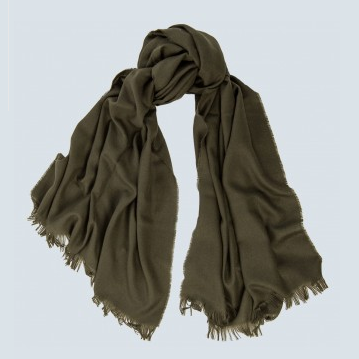
begg kishorn scarfMerola gloves remain my favourite brand – both for their quality and fantastic fit (on me). They actually fit better than the bespoke ones I had made a while ago. Try the unlined peccary from Exquisite Trimmings. Or if find Dent’s fit you better, their yellow peccary. Top it off with one of Begg’s Kishorn lightweight scarves. Unsurprisingly, my favourite colour is ‘dark olive’ (right).

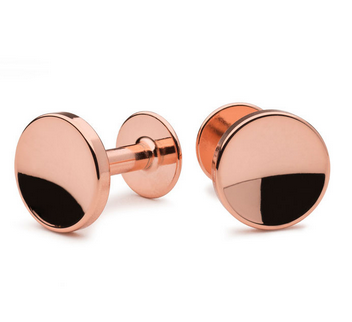
copper cufflinksWhat else? I’m a fan of the naturally dyed T-shirts from Sunspel, such as the woad, although the Riviera cut fits me best. Pelikamo does some nice cotton sweaters with patched elbows. And for jewellery, Alice Made This have made me a convert to the beauty of industrial processes and materials. Have a look at the copper ‘Elliot’ models (left): clean, simple and highly functional.collar pin

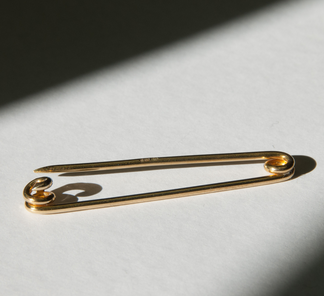
And lastly, the Edward Sexton gold collar pins (right) are beautiful. It’s often hard to find collar pins outside of vintage stores, and these are usefully split into two different qualities. 

Phew. I think that’s it. Happy shopping everyone.

The Perfect Socks – Permanent Style x William Abraham

Perfect Sock Permanent Style x William Abraham

 
About 50% of Permanent Style collaborations never come to fruition. The quality’s not right, or the cut, or some other aspect just can’t be perfected. Often the lead time proves to be too long. It makes you realise how difficult (and expensive) even the smallest product innovations can be. 

I’m glad to say that our latest project – the Perfect Socks – suffered none of these problems. In fact in some ways it exceeded my expectations. 

When the sock company William Abraham launched earlier in the year, I very quickly became an advocate of their approach to design and material. They dramatically upped the game for hosiery, producing a complete collection of socks made from the finest merino, silk and cashmere. The mixes were innovative, as were the designs. Here, finally, was a sock you could drape across an exquisite piece of bespoke footwear and feel they were both in good company.

But they didn’t have any green: the dark, racing green that I wear more than any other colour for its sheer versatility. It goes with navy and grey equally well, which no other colour can claim, as well as tan, brown and almost everything on the trouser spectrum. It’s not too formal or informal, and offers a touch of very subtle colour in an outfit. When guys are wearing silly stripes or primary colours, this is what they’re really looking for. 
 

Perfect Sock with Edward Green shoe

 
Bram (the founder of William Abraham) and I decided to create that sock together. He went off on a trip to his various producers in Italy, and came back with something a bit unexpected: the perfect merino/silk mix we were looking for, but in a fibre that was sitting in storage, having never been spun. They spun it for us and it turned out to be perfect. No failures here, no need for further iterations. 

To top it off, Bram added my perfect design to the sock: a standard rib, but with a subtle diamond weave running up the centre, replacing the middle rib. A very modern sock, but with a subtle nod to the ‘clocks’ that were often used as embroidered decoration on hosiery during the 1930s and 1940s.  

How to buy

These are very expensive socks. Available now on this special page of the William Abraham website for $88 a pair, they are the kind of purchase that will raise similar eyebrows to those that rose when you mentioned £4000 suits and £2000 shoes. But then they are the finest socks in the world.
 

For-Web-790K_DSC1497

 
We are only making 100 pairs of the Perfect Socks, across all the sizes. So while there is no time limit on buying, they are a limited edition. You can buy them now, to get in before everyone else, but we expect them to arrive and be shipped out on December 8th. As we had hoped, certainly in time for Christmas. 

Permanent Style readers get the first chance to order. The page is not visible on the William Abraham site, so only those using the link can see it. The page will become open to other visitors on December 8 when the stock arrives.

The merino is super fine (16.5 microns) and the blended yarn (merino + silk) is a 2/80 title. What does this mean? Well, they feel substantial and luxurious on, but are light enough to wear through the summer and into the beginnings of (a British) winter. They have a touch of lustre – just enough to be noticeable but not enough to get you noticed. And they are certainly not sheer (unlike the lightest cottons and silks). 

These socks are certainly an indulgence – no matter how much money you have. I shall only be acquiring one or two pairs to start with, and will likely keep them for special occasions. But that’s how the best wardrobe-building begins, and is exactly what I said to myself 8 years ago when I started down the road of bespoke tailoring.

If you have any questions please have a look at the special William Abraham page, or let me know. I’m very proud of these socks, as I have been of all my collaborations, and I hope they bring as much pleasure to you as they will me. 

Robert Noble mill, Peebles

Alistair Mcdade Robert Noble

 
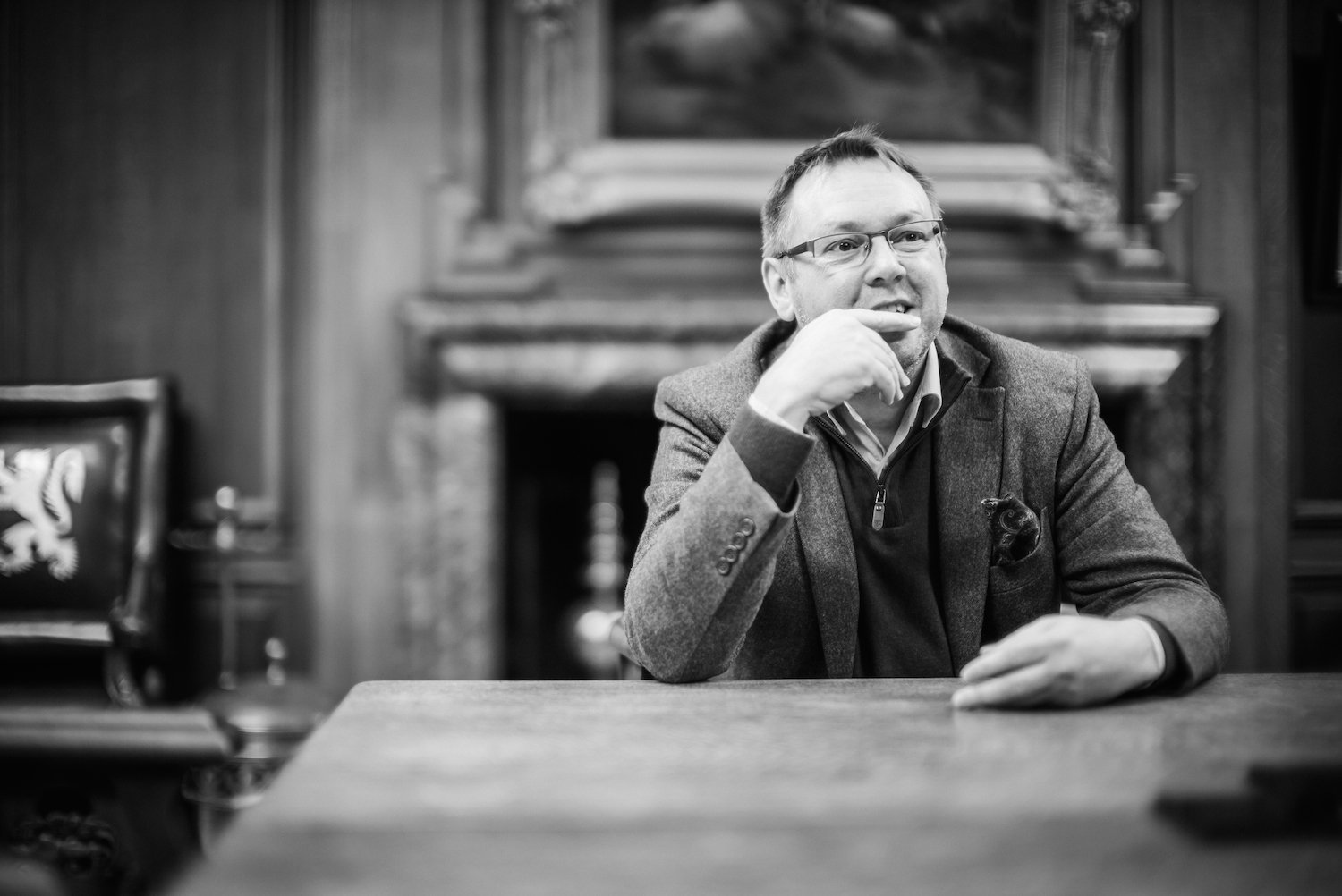
We visited Robert Noble in Scotland last month on the strength of its archive. But while that was impressive, perhaps more interesting was the company’s history and perspective as a mill weaving almost exclusively for RTW brands.

Robert Noble goes back a long way. Originally founded in 1666, it has been on the current site in Peebles since 1884. Peebles was the centre of the weaving industry in the area (indeed, all industry – it was the only one going) and it’s a lovely town of dark-stone buildings surrounded by pine-covered hills.

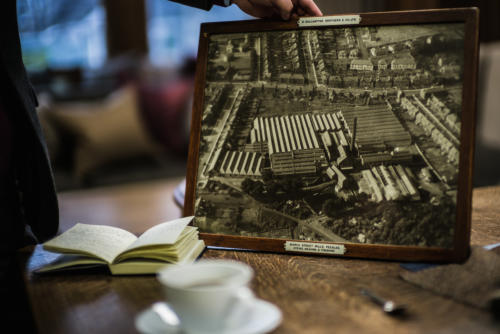
The Robert Noble facility is not as big as it once was – that’s the original bird’s eye view in the photo above – but it is still significant. It sits in the middle of town, the big weaving sheds taking up most of a block. Charmingly, the employees still have allotments in part of that block, where they grow their own plants and vegetables.
 
 Robert Noble mill

Robert Noble boardroom

 
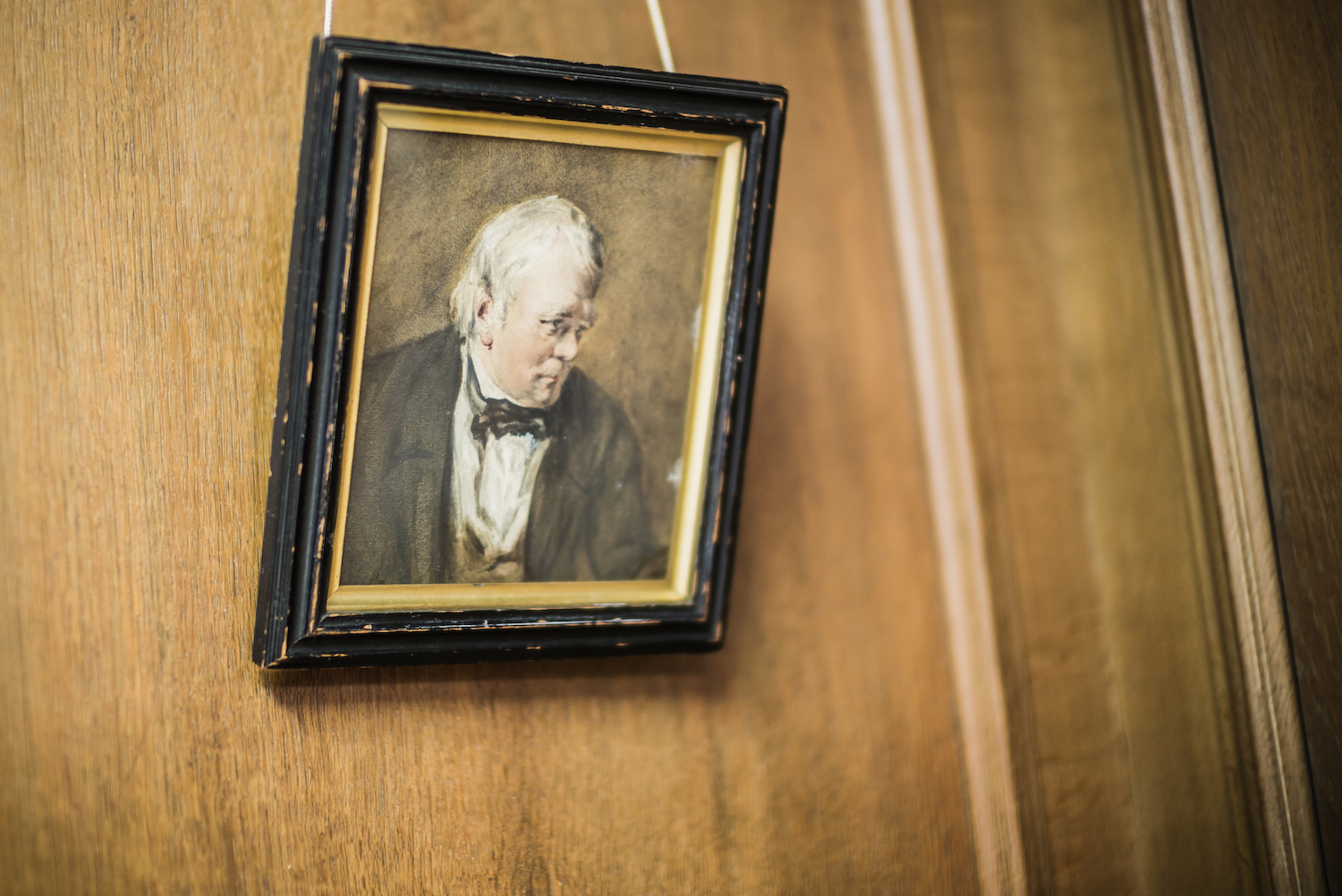
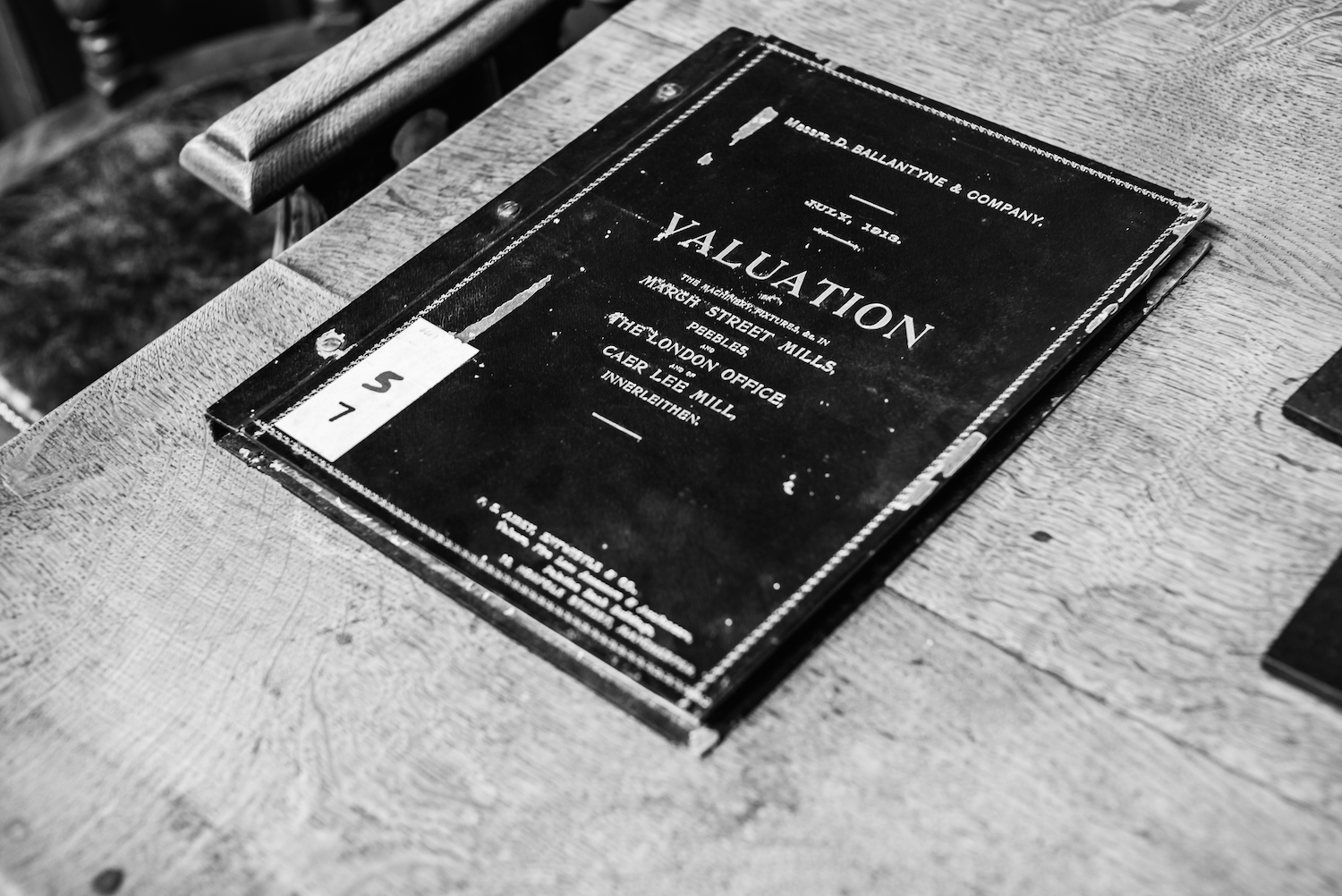
The mill’s history is most obvious in the boardroom, which is panelled in boards taken from an old ship. Around the walls are pictures of members of the Ballantyne family, which owned it until the 1960s (it is currently owned by the Swedish group Lindengruppen, which also owns Begg). Add in a few armchairs and a view out onto the stone houses of March Street, and it makes for a lovely place to peruse woollen bunches.

Robert Noble is best known for woollen cloths, with little cashmere in the mixes and most weighing 260g and up. It also has a reputation for melanges and multi-coloured designs – not quite on the same level as Harris tweed or Hunters of Brora used to, but always with some variation in the texture and often three or four colours.
 

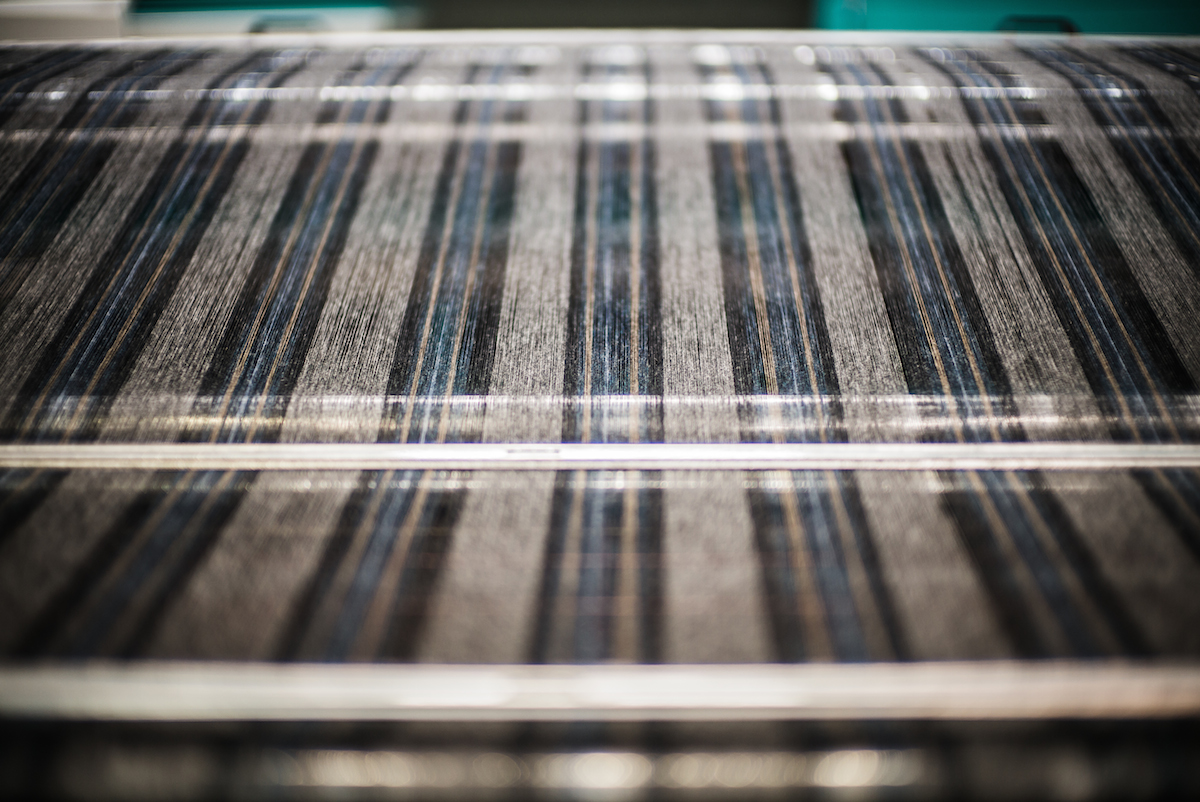
Robert Noble weaving

Robert Noble yarn
  
Interestingly, Alistair McDade (design and sales director, pictured top) noted that fewer and fewer mills are doing multi-coloured plains, because they are so much more expensive to produce – four, five or six yarn colours rather than one or two. He was interested in my Caliendo Harris tweed as a result, which has six colours by our count.

Robert Noble is one of the few mills that sells cut pieces of cloth on its website – robert-noble.co.uk. However, I would warn readers that cloth is a very difficult thing to buy without seeing and feeling it in person. The lighting and colour is tricky enough to get right, even without weight, body and finish to assess. Proceed with caution.
 

Robert Noble adverts

 
Although the mill does supply Draper’s and Holland & Sherry (which also has a site in Peebles), the vast majority of its work is for the ready-to-wear brands, such as Brooks Brothers, Ralph Lauren and Hackett. The minimum order for such bespoke designs is usually 100 metres, which makes it obvious why tailors rarely go down this route.  

Elsewhere around the mill, it was interesting to see how the processes have been modernised in recent years. There are more flow-diagrams, post-it boards and ‘just-in-time’ plans than at any other mill I’ve been too (including such goliaths as Loro Piana and Vitale Barberis). The use of such Lean methodologies was particularly interesting to me given my day job as a product manager. In Robert Noble’s case, they have been specifically applied by managers coming from the automobile industry.

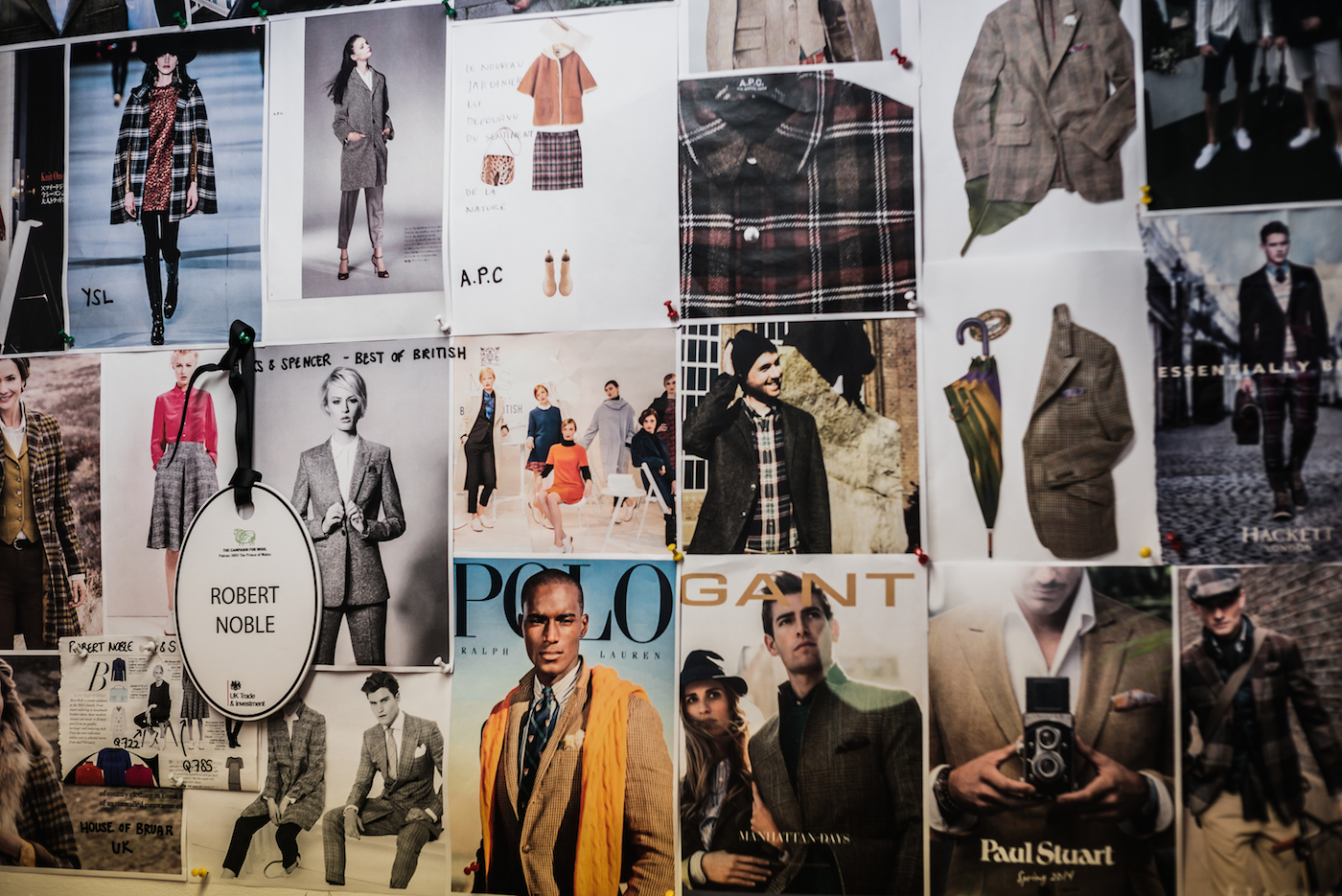
Archive details coming in a separate post.
 

Robert Noble

Harris tweed jacket and jeans

Tweed jacket by the tweed

 
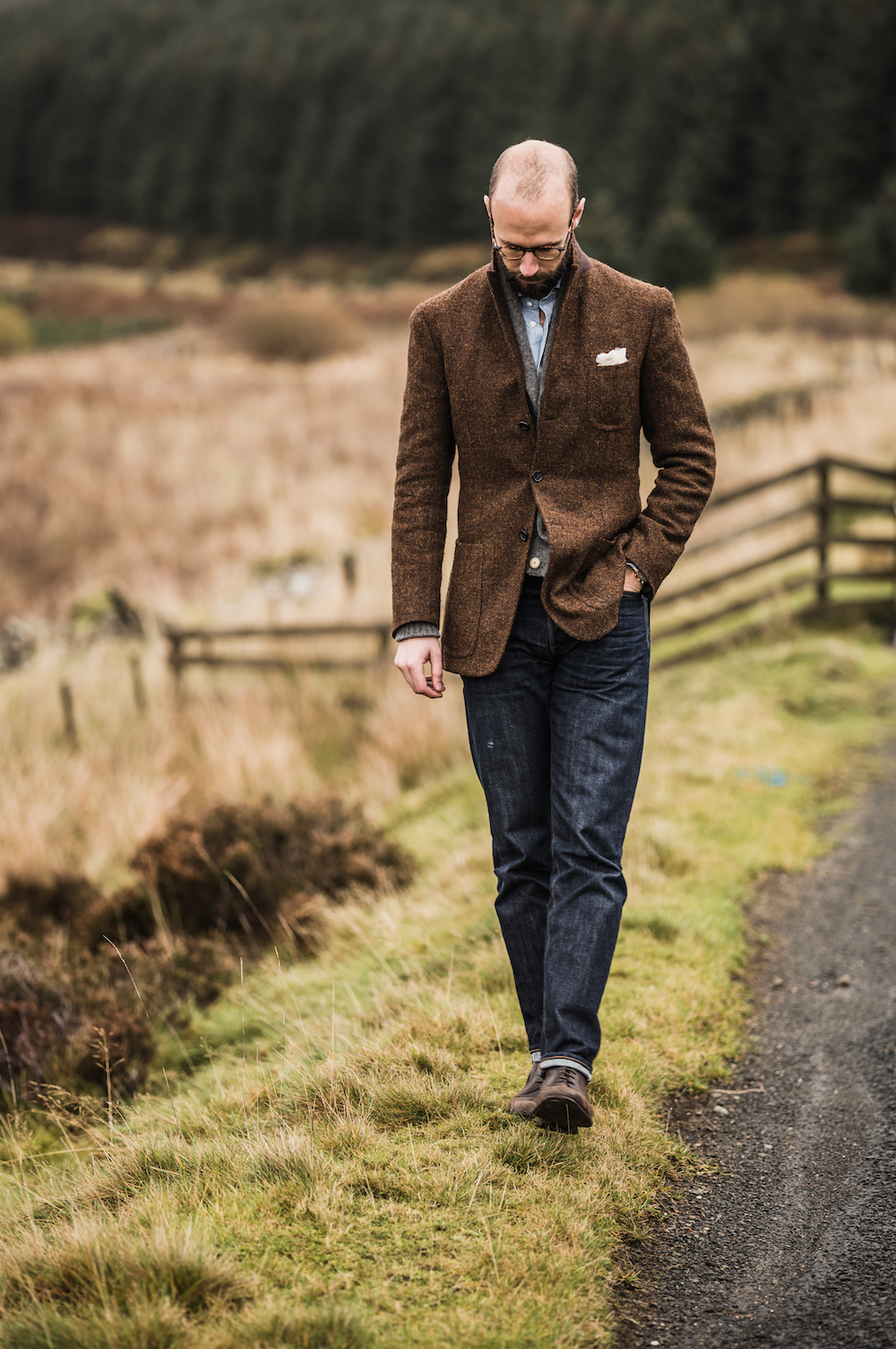
Walking along the River Tweed, wearing tweed that (is it just me?) is rather reminiscent of the colours of the landscape. Of course, it’s Harris tweed and we’re in the Borders, but it seems fitting nonetheless. Cloth suited to its country. 

This was one of the more evocative experiences from being in Scotland a couple of weeks ago. Factories are great – you can’t hide in a factory, there is no PR – but the landscape was beautiful. You don’t expect that outside the Highlands, but it really was. 

Funny what a small world this menswear industry is. I think everyone I’ve met this week has some connection to those three factories we saw in Scotland – whether manufacturer, buyer or designer. And they all had a link to each other too. It’s something that has only become more obvious in the past 30 years, as the British menswear industry has shrunk and lines have become blurred – makers becoming retailers, most obviously.

Screen Shot 2014-11-17 at 22.07.24


But back to the clothes. Regular readers will be able to identify almost everything, but to confirm: tweed jacket from Elia Caliendo, shawl-collar cardigan and cream cashmere handkerchief from Anderson & Sheppard, bespoke high-waisted jeans from Levi’s, and waxed boots from the now long-gone Lodger. 

The A&S cardigan does the job it was designed for admirably: cut slim and short to be able to go under a jacket. It provides insulation for the neck and body, is a versatile mid-layer, and creates that attractive ‘V’ of extra colour that all cardigans are so good for.

For those readers that regularly ask for workplace alternatives to the suit: this is the kind of jacket to wear with jeans, and the cardigan is a great jacket-alternative around the office. Wear it with a wool or silk-knit tie to make it more formal. 
 

t heather

Photos: Luke Carby

When we write about… Private White VC

Private White VC

 
As part of the series on new shop openings in London, today we’re focusing on Private White VC – the British factory and brand founded by James Eden in 2007, but with a new shop on Duke Street and a much-expanded offering.

First though, given the discussion around the first piece on Hardy Amies, let’s walk through what we’re analysing here. Unlike tailoring, shoemaking or most of the areas covered on Permanent Style, there is little craft to examine with casual RTW clothing. Seams can be neater, buttons can be more secure, but there is nothing so fundamental as floating canvases or bevelled waists. Quality is mostly about materials. That is why we will make mention such things as Ventile cotton, horn buttons or Harris tweed.

After that, it’s all aesthetics: design, shape, fit. This admits of less analysis, of course, and is more subjective. But we can still ask very similar questions, even if the answers are more vague.

For example, those interested in tailoring are more likely to be interested in fit – what it is, how it looks, what impression it gives. They are more likely to appreciate the longevity of materials, and the way they age. Style-wise, they are likely to favour more traditional cuts, and items which have a real provenance. This may be style-related, or it may reflect a desire to find more ‘permanent’ items of casual clothing – those that won’t look dated in 3-5 years’ time.
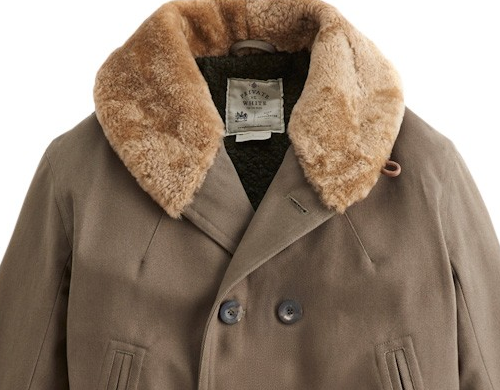
  

Private White VC jeep jacket

 
With that settled, let’s talk about Private White. Key message: great for coats and jackets. Very appropriate at the moment, and the range is big – from wool-lined DBs (the Jeep jacket above, £845) to shorter bombers and Harringtons.

As you’d expect given the Private White inspiration, and Nick Ashley’s predilections, all are drawn from traditional (largely military) designs, with bombers closely following the G1 flight jacket (£495) and the Jeep jacket based on the WWII design.

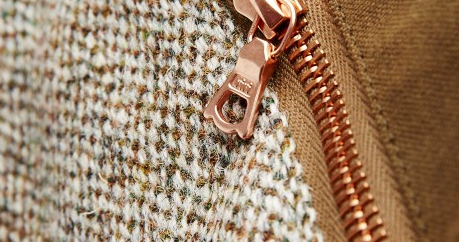
The materials are top notch: waterproof Ventile, great waxed cottons and Harris tweed linings (indeed, one lined in the same tweed as my Cifonelli jacket – below). And for the trimmings, horn buttons and copper RiRi zips.

I’m a particular fan of copper – it elevates a garment like this without being as showy as yellow metals, is redolent of work and function, and will gradually, naturally tarnish.
 

Private White VC harris lining

 
(Interestingly, a lot of the new shop fits make use of copper too – Private White, E Tautz, Troubadour. There’s an article there on metal trends. There was a time when brass was standard on leather goods, then nickel (to go with the cars of the day), then gold for the top end, before yellows fell out of fashion. I think we’re witnessing of a swing in menswear back from silvers like Palladium back to yellow. High time.)
 

Private White VC mechanic shirt

 
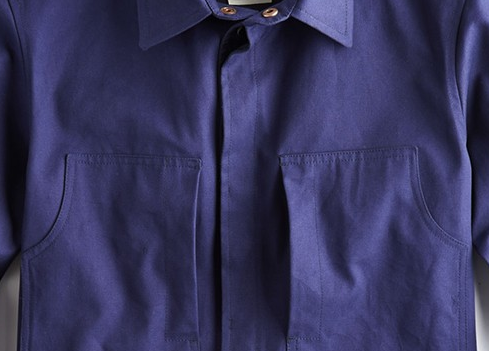
The biggest point on quality, however, is probably the attention to detail. The configuration of the pockets on the mechanic shirt (above, £250), for example, or the delightfully functional way the belt is shortened on the Twin Track (hidden, and importantly front-side, poppers).

In fact, there are many functional elements that appeal in the Twin Track (£595), most of all the Track itself – which zips out for a slimmer fit, or for wear without chunky knitwear. 

The cut of most jackets is on the boxy side. This reflects their traditional roots, but you can size down without too many problems. I can wear a small in styles like the moleskin Harrington, though the arms and body will be noticeably shorter.

Private White also does collaborations with some of our favourite brands, such as Inis Meain (much better, slim fit than on most of that Irish knitter’s output), Cherchbi and Sunspel. Perhaps we’ll leave it to coats for the moment though. If you’re a typical reader and in need of casual winter clothing, that will be enough to convince you of the need for a visit.
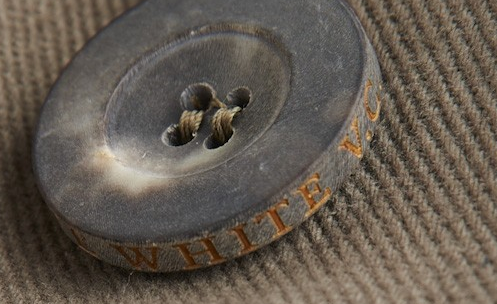
Private White VC horn button

Norman Vilalta: conjuring a boot

norman vilalta

 
Norman Vilalta
 is one of my favourite bespoke artisans. Enthusiastic, talented and down-to-earth. His creations can often be fantastical, but he also does a nice line in conservative shoes with little touches of personality. 

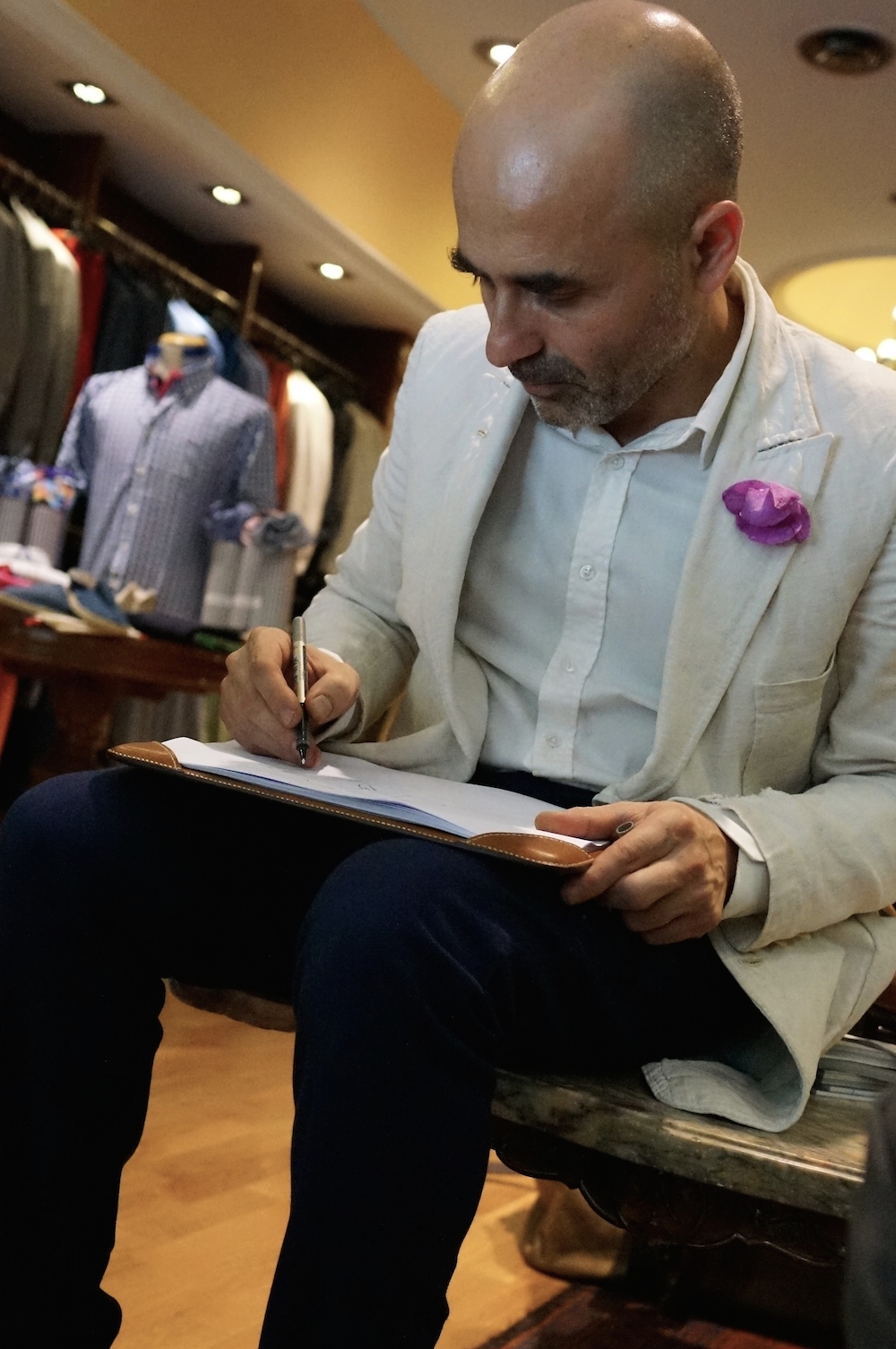
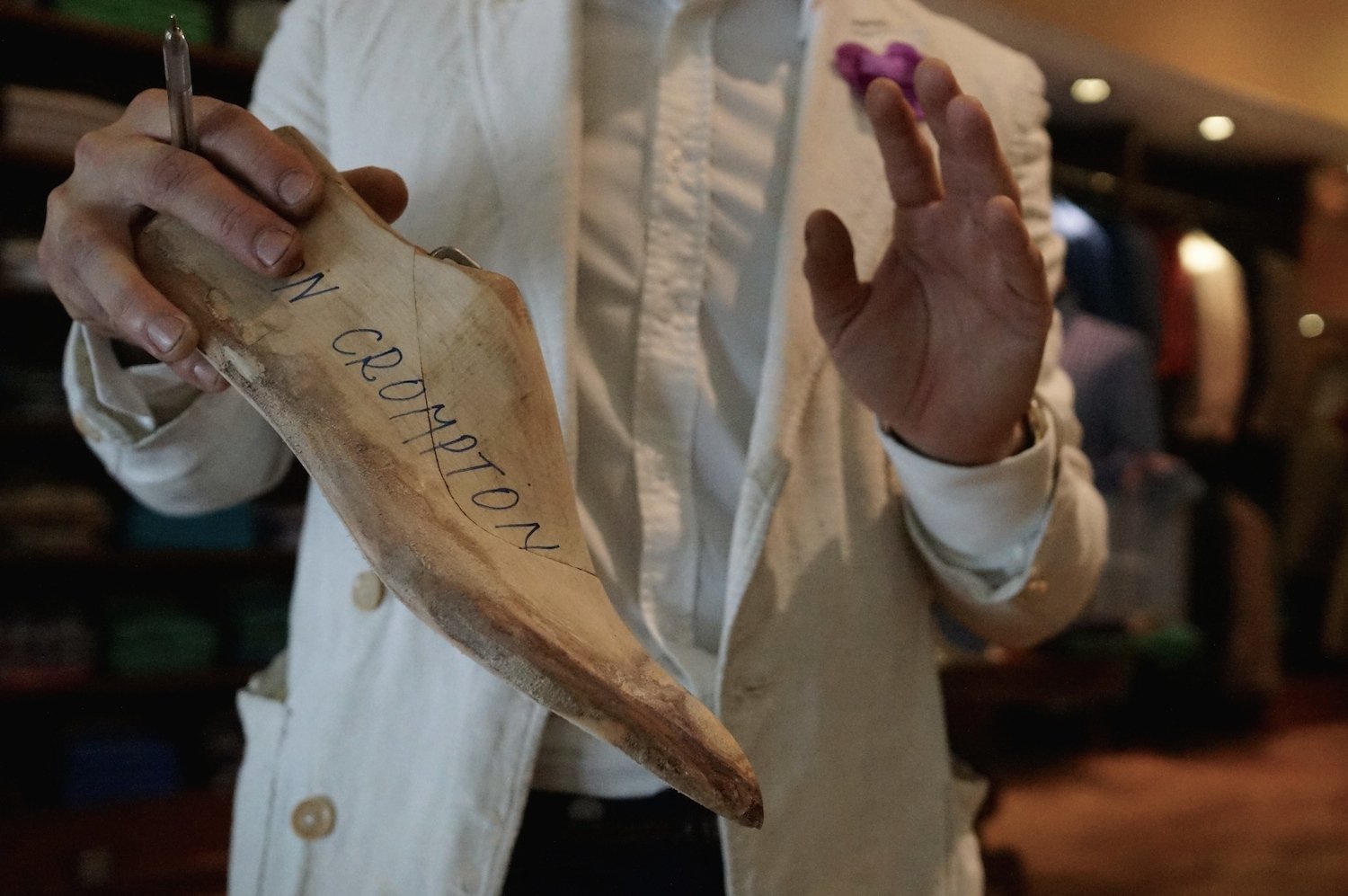
Earlier this year we had a fitting on a pair of bespoke boots he is making me. The fitting was fine – a little big in the heel, but nothing we can’t easily fix, particularly given that Norman usually does two fittings. The rest of the hour, however, was spent in a very entertaining design session. 
 

norman vilalta bespoke last norman vilalta  trial bespoke shoes

 
I had originally suggested an ankle boot with both laces and a strap element. To an extent, the strap was supposed to be practical – in a hurry, it could do as a fastening to the boot rather than lacing it all the way up. Whether due to airport security, or simply trying to get the kids out of the door, such short-cuts often seem to come in useful. 

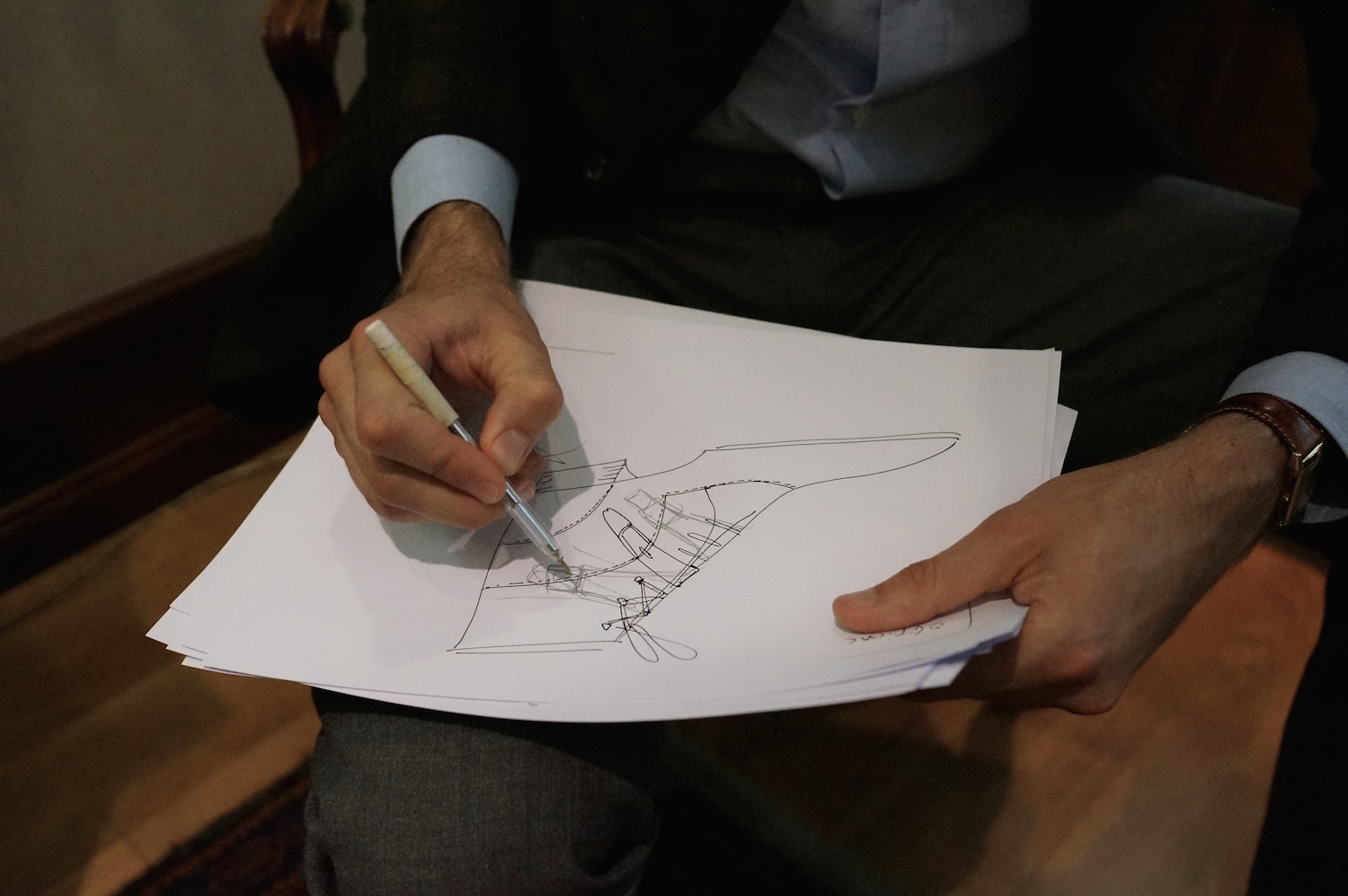
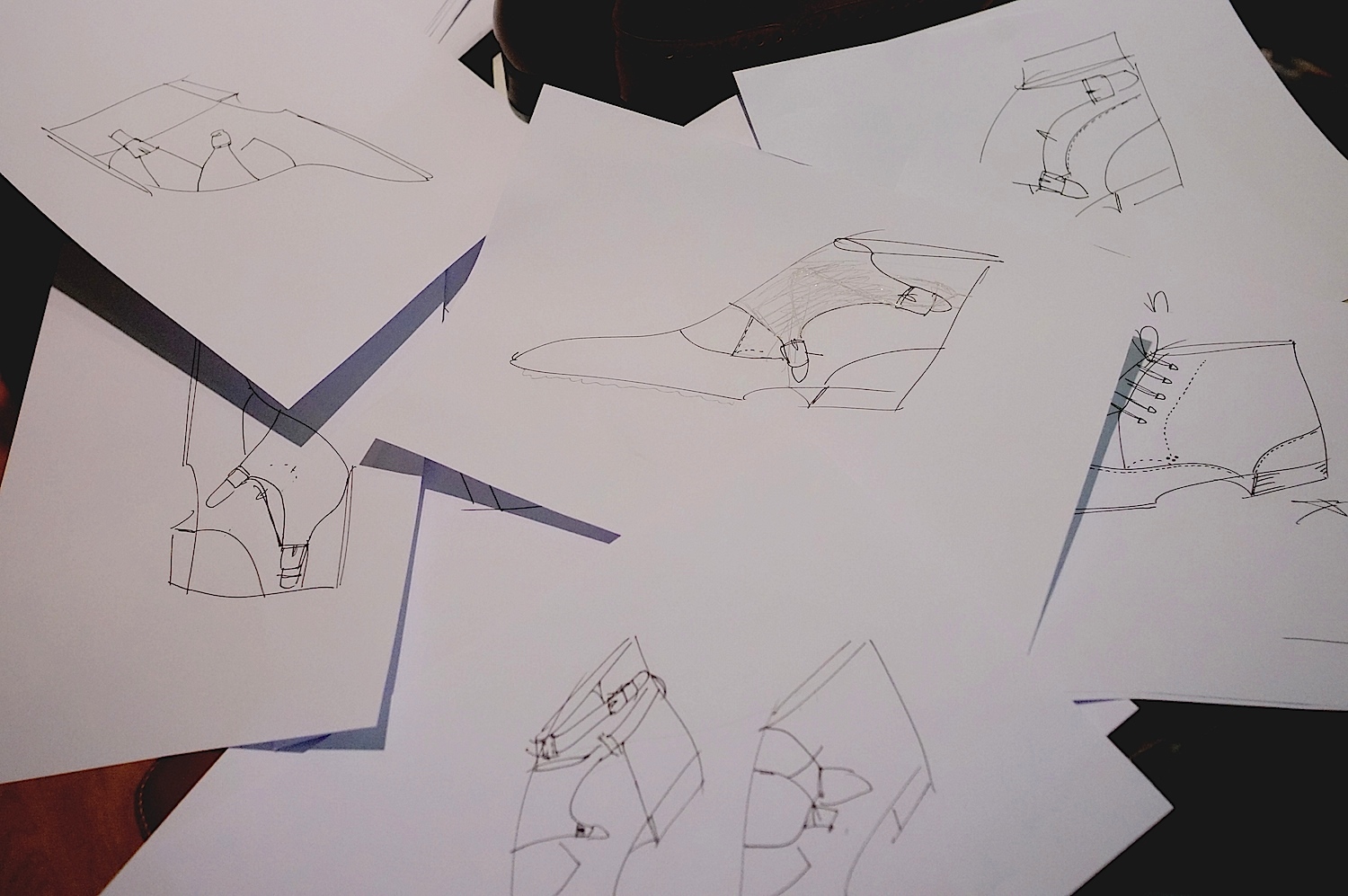
As I talked, Norman drew. Two quick flicks for the sole and waist; a sleek toe and curve up the ankle; the suggestion of a heel with three more lines. With that shape in place, he would begin adding buckles in various arrays. Sometimes they were simple, others ludicrously complicated. A few were pretty conservative, one or two completely impractical.
 

norman vilalta designs norman vilalta  designing

 
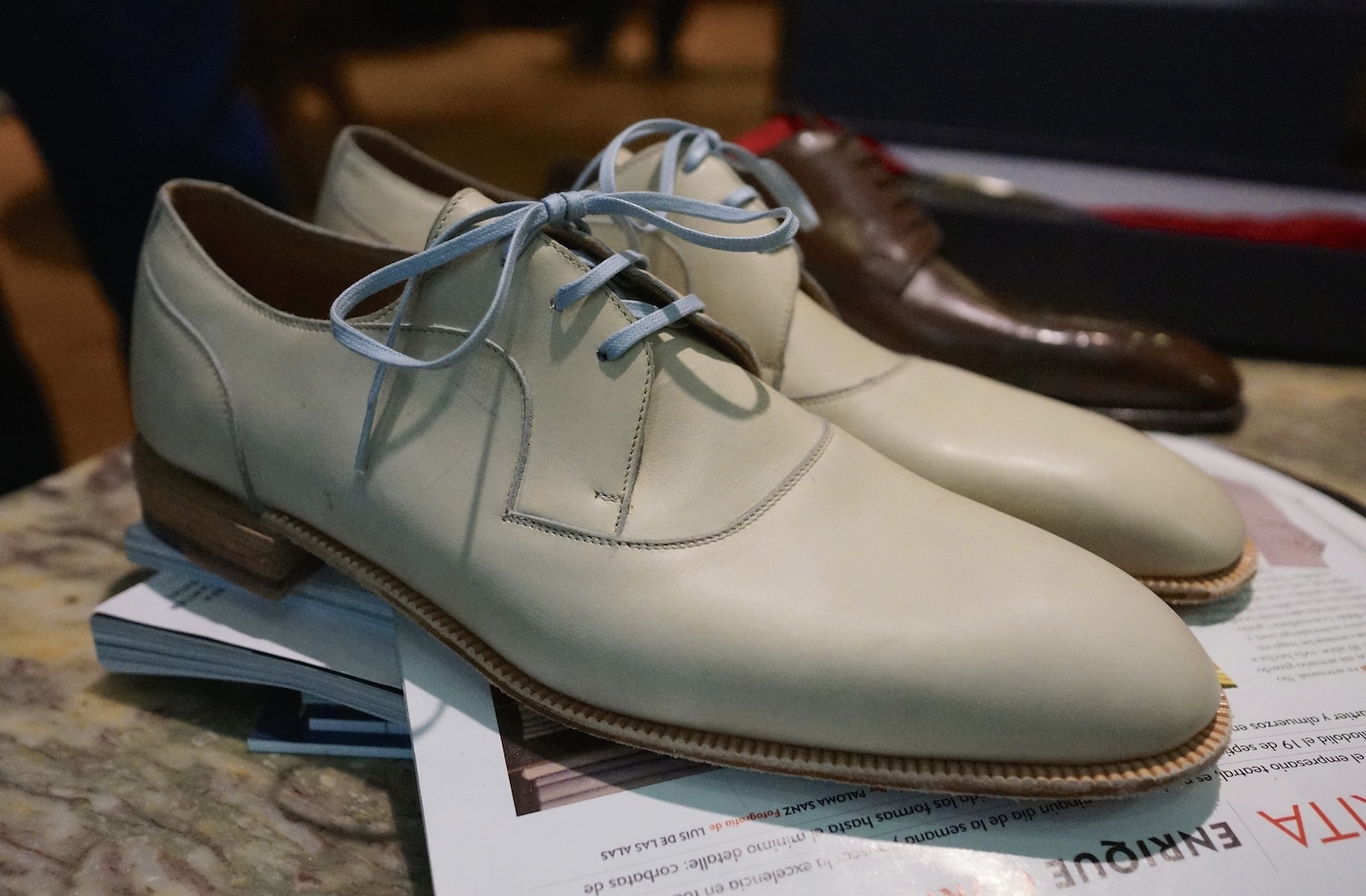
Looking back now at the pile of sketches we accumulated, I’m surprised that none of them come close to the design we settled on. That was a laced derby, with a single wide strap across it that mimicked that of a riding boot.

The next fitting should resemble something akin to that design, so I’ll post it then.

Norman launched a small RTW collection in the Barcelona store Santa Eulalia earlier this year, by the way. You can see the designs here.  

norman vilalta bespoke shoe

Russian reindeer box by Cleverley/Balvenie

 
Readers will be familiar with the points about Cleverley and Russian reindeer in the above, but there is some nice footage of the closing on Cleverleys, and the technique of making a wood-framed box. 

The Robert Simpson factory is one of only a handful of leather workshops left in London – you can see my coverage of it back in 2011 here (it makes for Tanner Krolle amongst others, though is now owned by William & Son since the passing of Robert Simpson). 

Iffley Road pique running kit

iffley road running kit

 
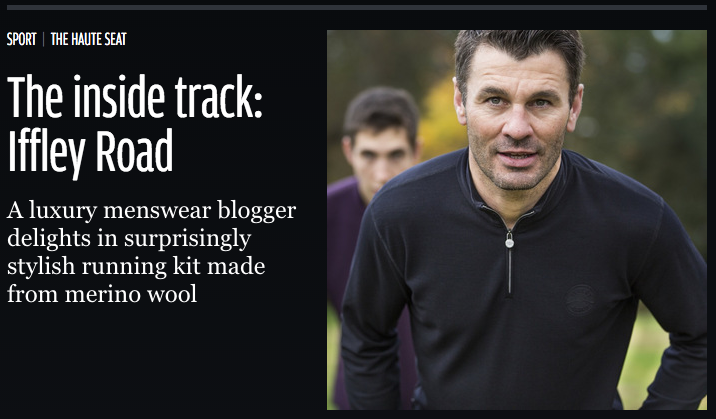
Few things give me more pleasure in this line of work than meeting lovely people making genuinely innovative, stylish product. When I do meet such people, I inevitably end up covering them in the How To Spend It column, and finding an excuse for the narrative structure it requires. 

In this case, Bill Byrne and I went running in Richmond Park, all the while discussing what we liked and didn’t like about running clothing. You can read the latest column here, and as I hope is obvious from it, I rather recommend Iffley Road.

How to dress for winter

Welcome to winter

 
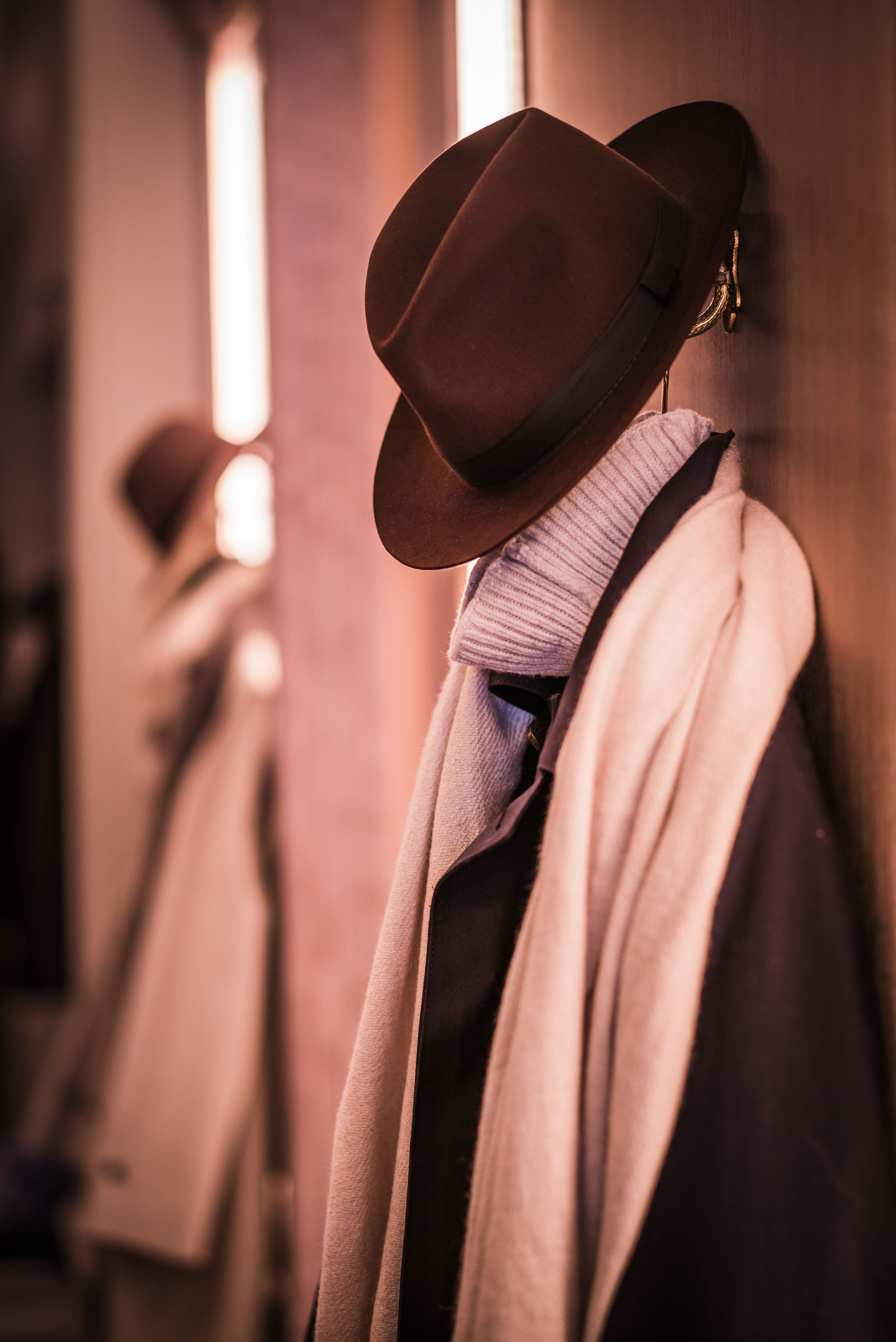
I’m so excited the weather in London has finally turned cold. Summer clothing is great, but there’s just so much more of it in winter: hats, scarves, gloves, overcoats, plus heavy-gauge knitwear and serious boots.

The key to dressing well in winter is investing in 1-3 quality items in most of these categories. A great overcoat, for example, can be one of the most rewarding investments you’ll ever make. You’ll wear it every day, and appreciate it every day. You can make do with one this year, and invest in another the year after next – perhaps a raincoat, or a top coat rather than an overcoat.

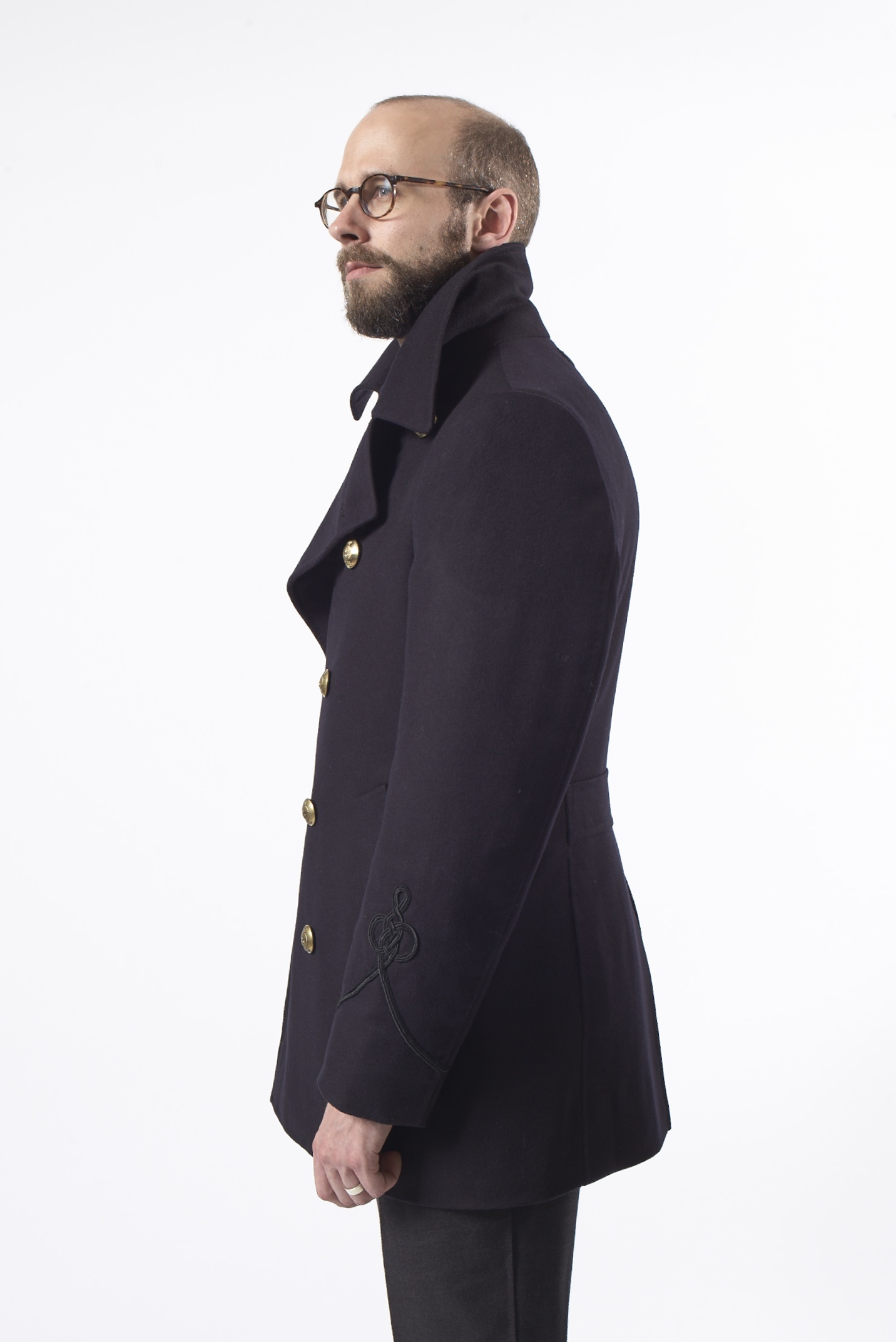
I should be receiving my pea coat from Davide at Gieves next week, and I’m very excited about it. The key, for me, is that its versatility: formal enough for a suit, but also short and casual enough to wear with jeans and knitwear. I don’t personally like rugged coats with tailoring (eg Barbour jackets), but I can see the appeal: when casual and formal wear are coming closer together, why have an especially formal overcoat?
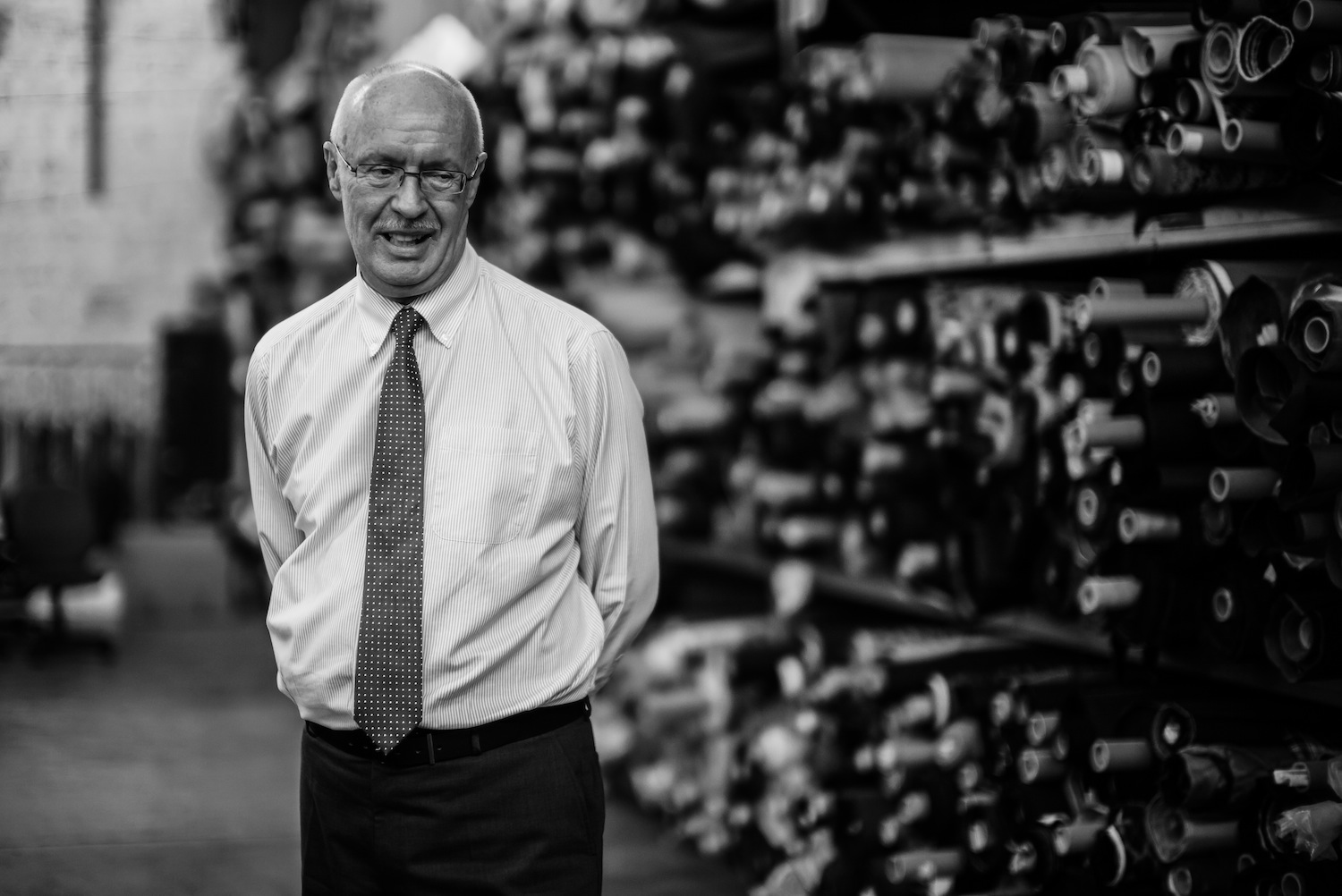
So consider your actual needs and buy accordingly. A pea coat, for example, is also practical for commuting – you don’t have to tuck it under your legs when you sit down, and it can even be worn on a (Boris or Brompton) bike. I’ve tried and like the Harry Stedman and E Tautz versions.

Below are some more quick tips on dressing for winter – as requested by readers over the past few weeks (apologies for the delay, I must get better at writing for the seasons…). But as always, please ask any questions in the comment section and I’ll try to help.

1  Invest in an overcoat

As above. Worth stretching the budget for. Also worth having it altered in the same way as a suit, if you can. You don’t want it as slim as a suit, but a well-fitted overcoat is a beautiful thing and no one else will bother.

2  Raincoats are RTW

I know about a dozen tailors that have tried making bespoke raincoats. It’s not easy, it’s expensive, and importantly the end result doesn’t justify the effort. Buy them ready-to-wear and try to find one with a belt, to cinch some shape. Classic Burberrys are fine, but overpriced and usually not long enough. Look for a similar style elsewhere. For the rubberised alternative, try Mackintosh or the Seal-Up ones at Anderson & Sheppard (nice quilted linings – always get a lining if you can).
3  Wear a hat

Nothing is more striking while actually being quite conservative. Stylish and incredibly practical. Wear with an overcoat or raincoat, and always tilt slightly to one side.

4  More than one pair of gloves

Gloves are probably the most attractive way to add variety to a winter outfit. More interesting and unusual than a scarf. Buy one versatile colour (brown leather/suede most likely), one more interesting (peccary perhaps) and one outright pop (yellow is my favourite). When not in use, stuff into the overcoat’s outbreast pocket. 

5  Layering

Layer knitwear – a thin crewneck under a chunky shawl-collar, for example. Layer outfits –T-shirt/shirt/V-neck/scarf/jacket/overcoat. Layer anything, in fact, and have fun with the playing of colour and texture. It’s like figuring out shirt/tie/jacket/handkerchief combinations, but more fun. 

And as ever, that’s the most important thing – have fun.

Photo: Luke Carby