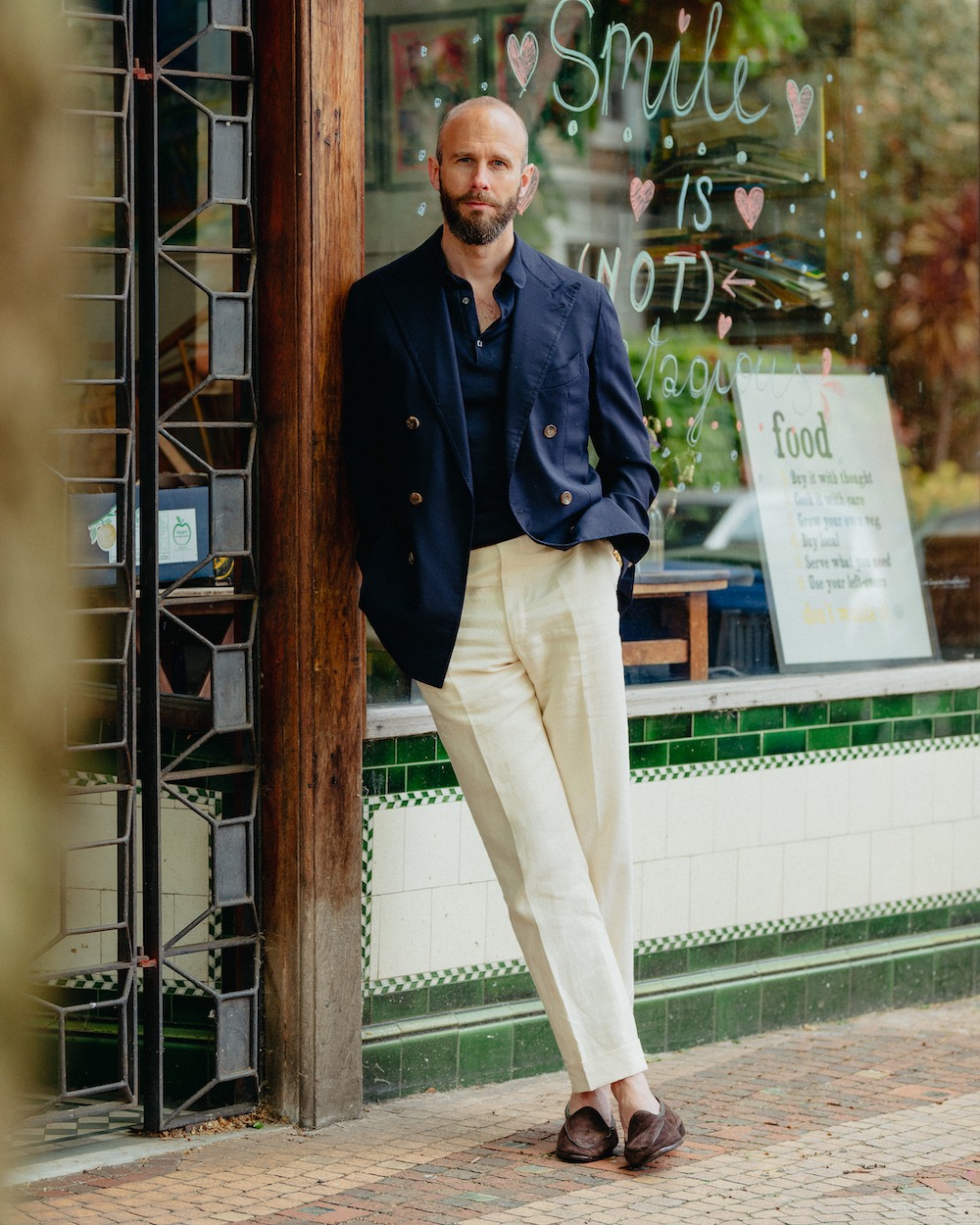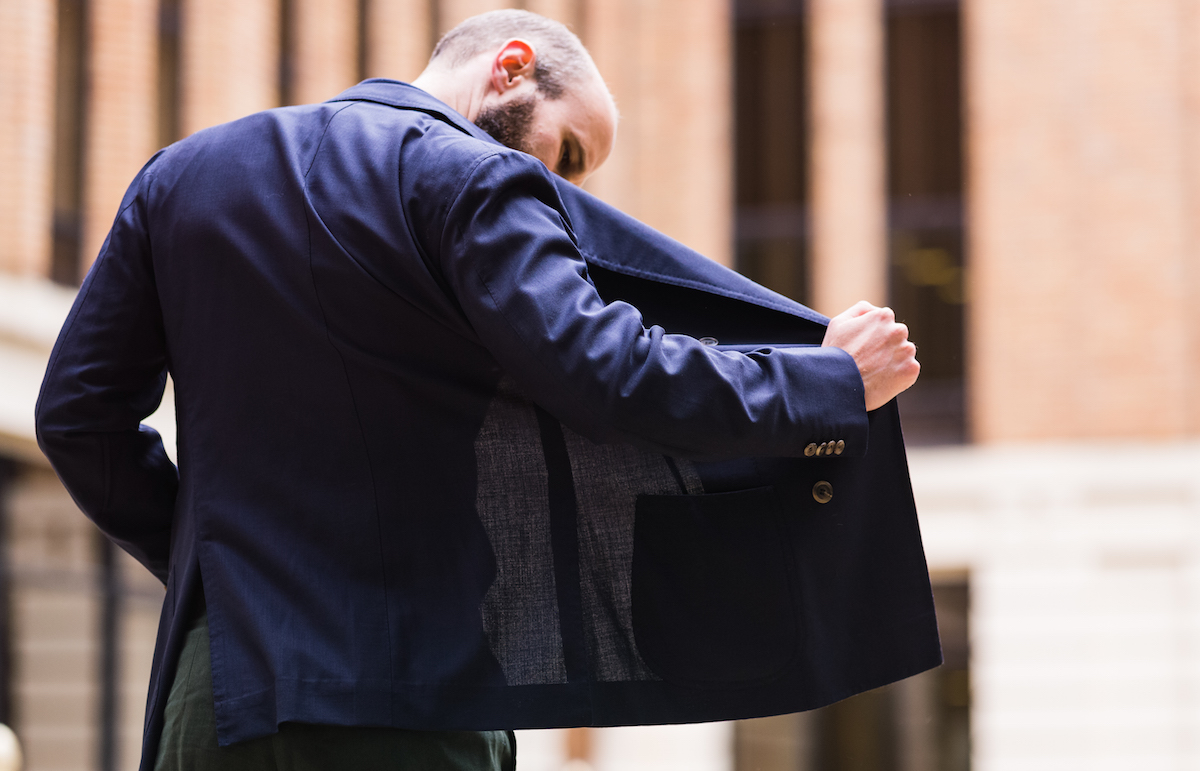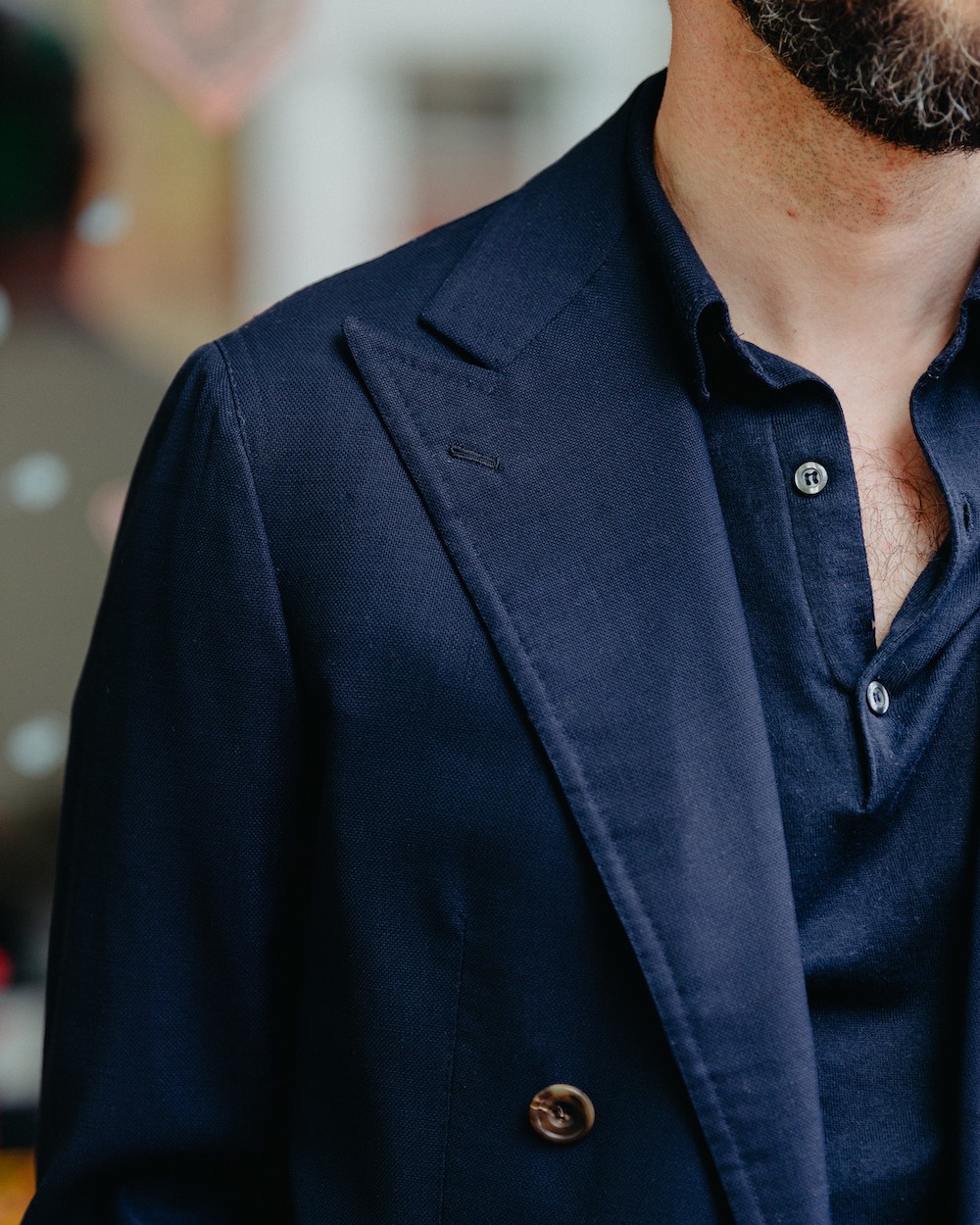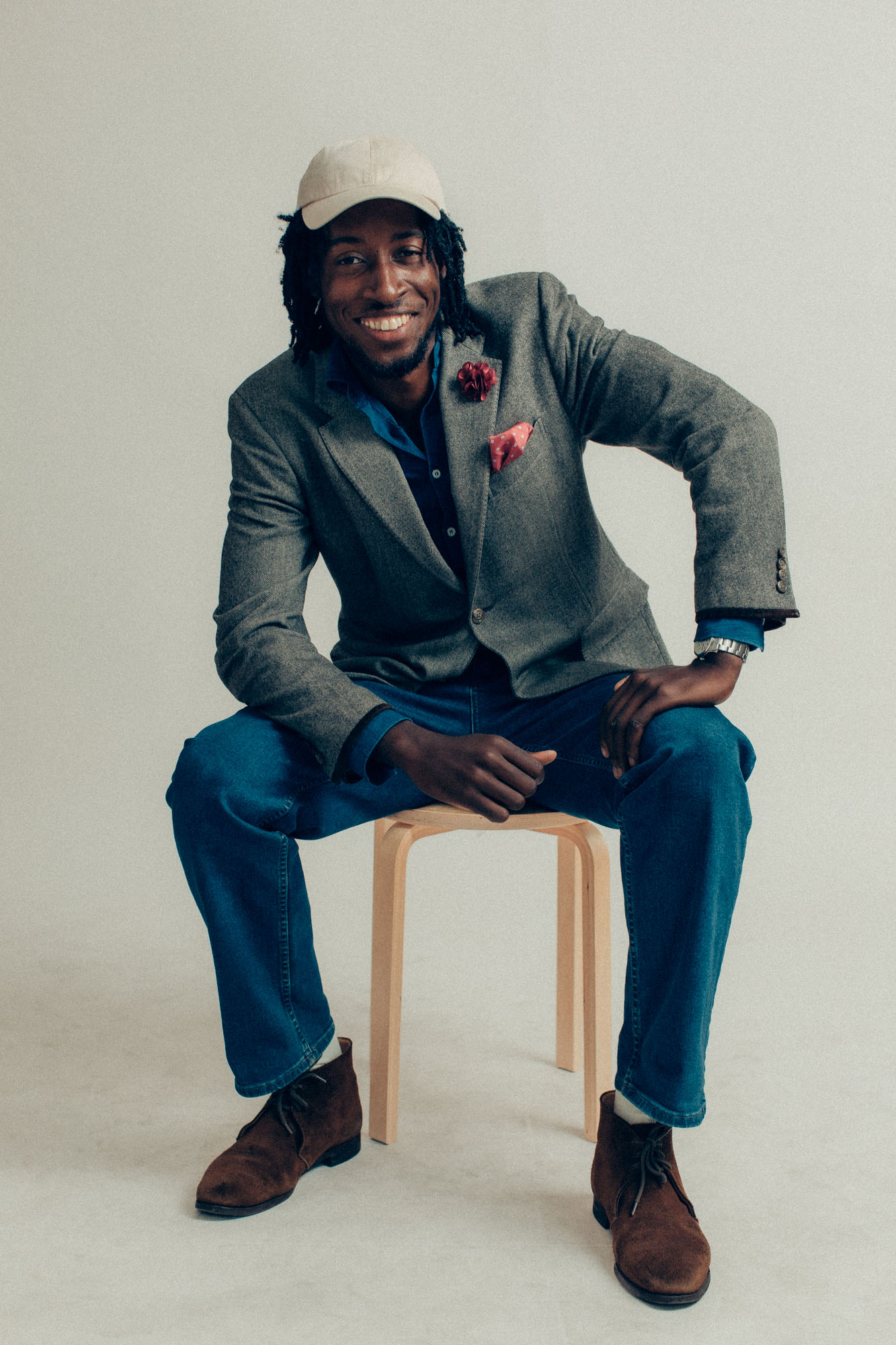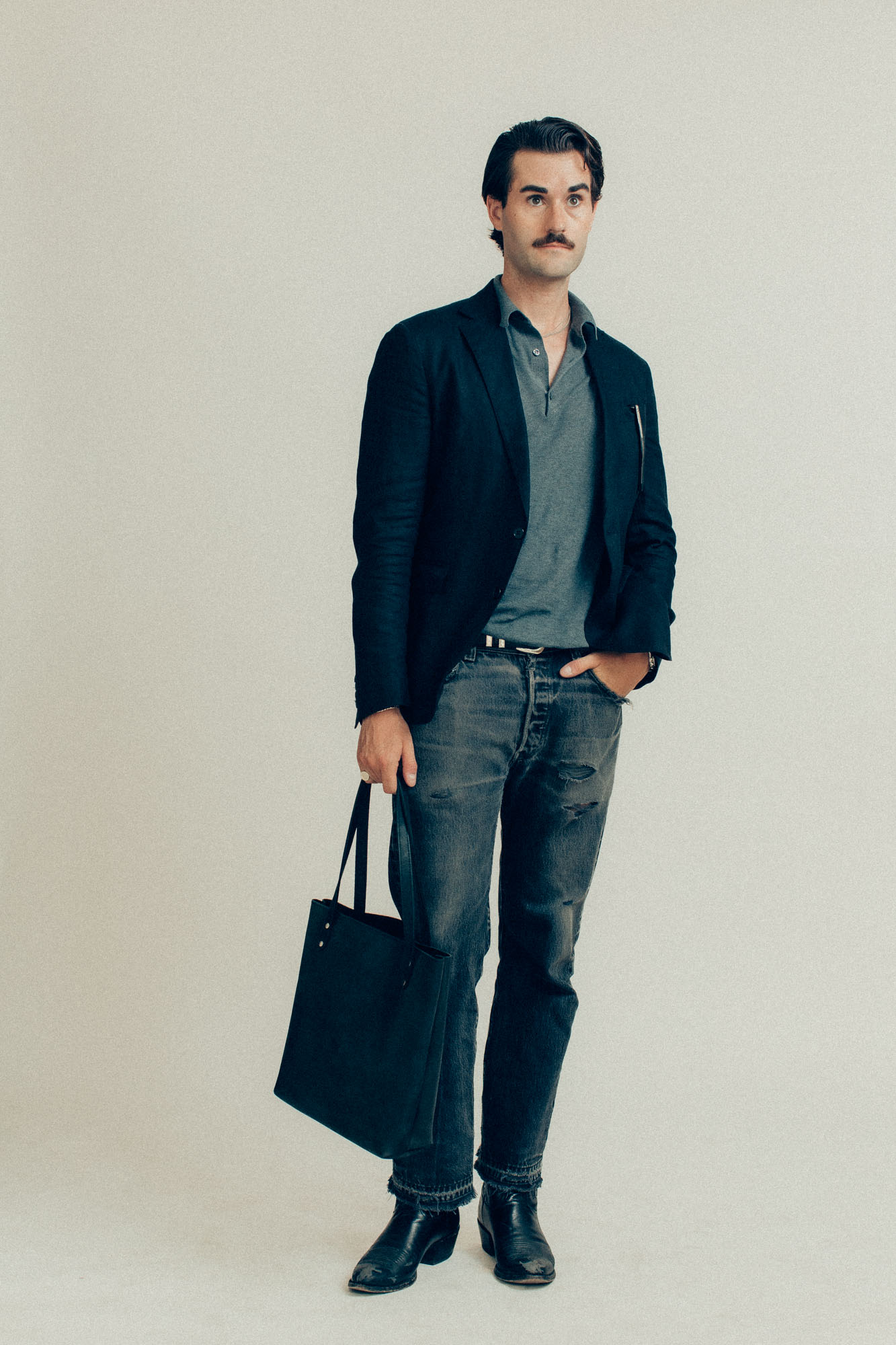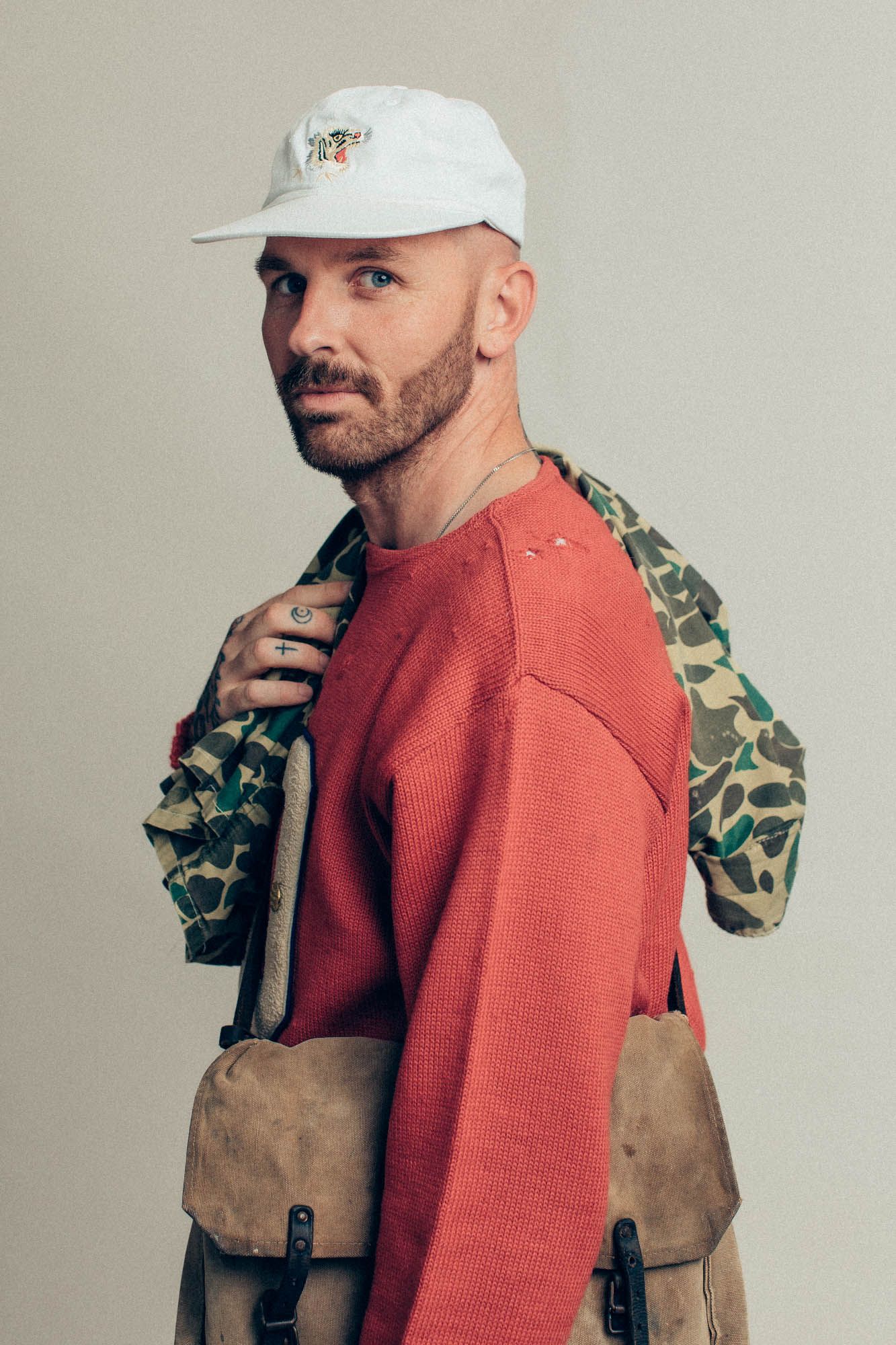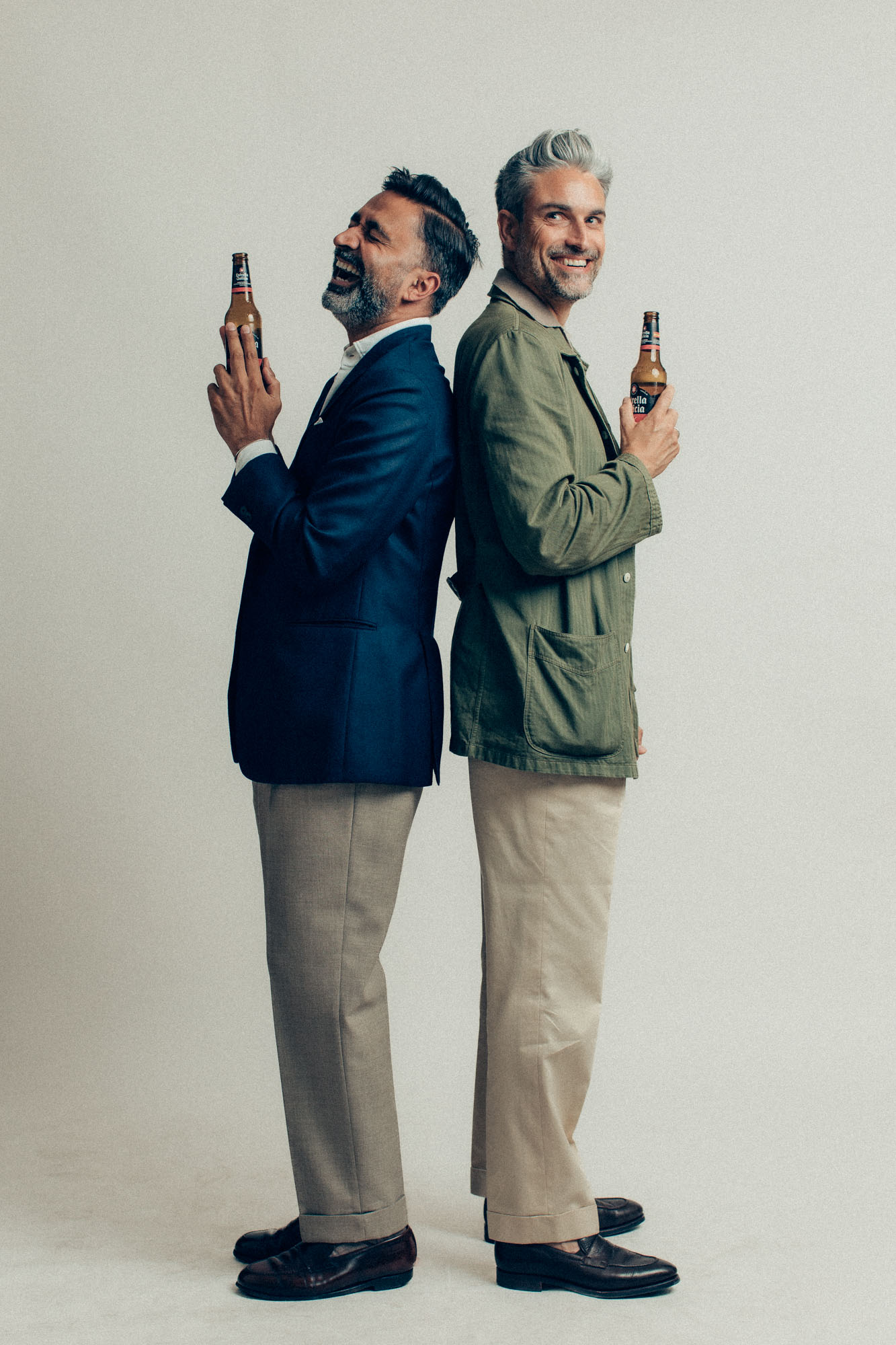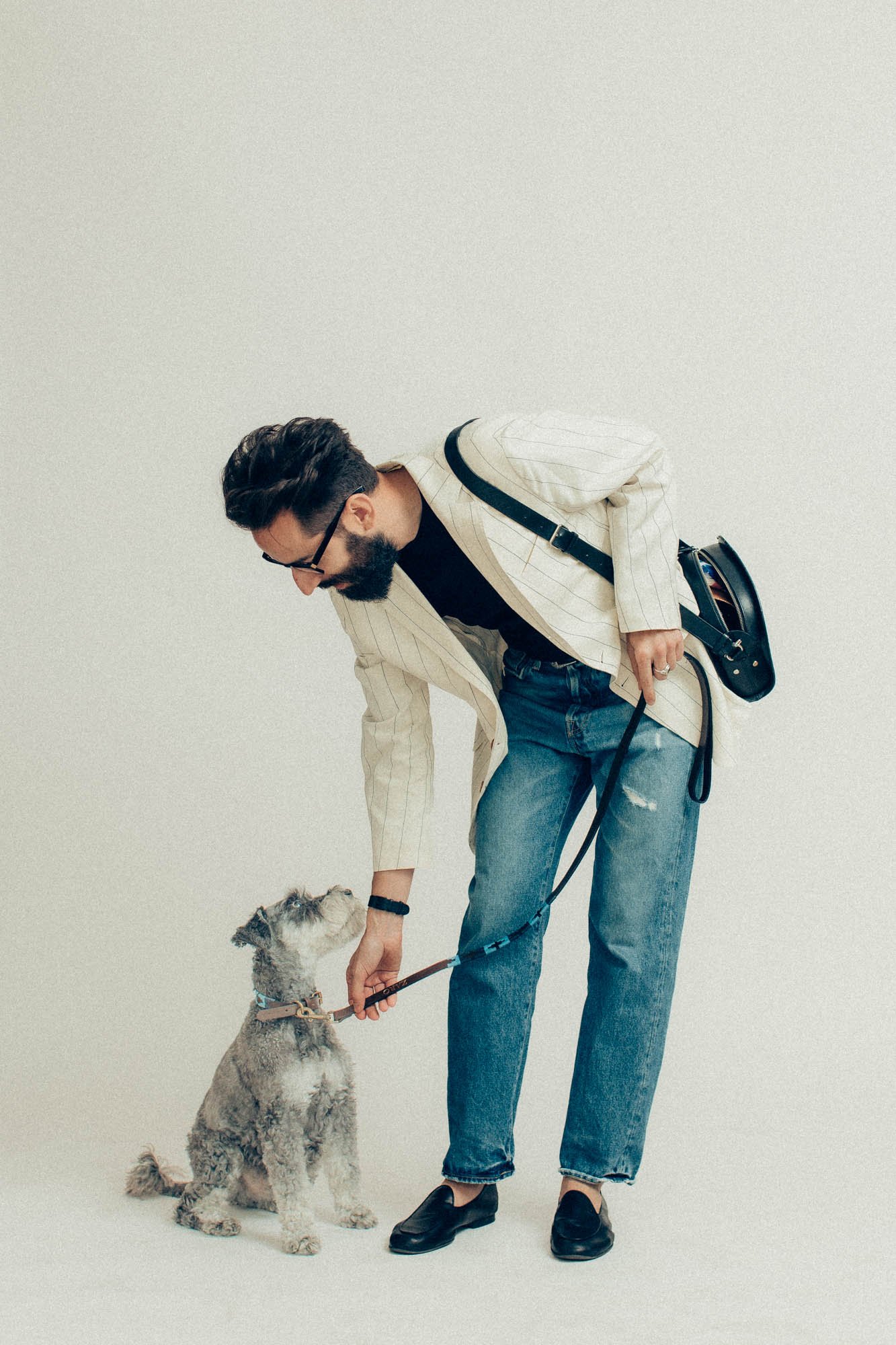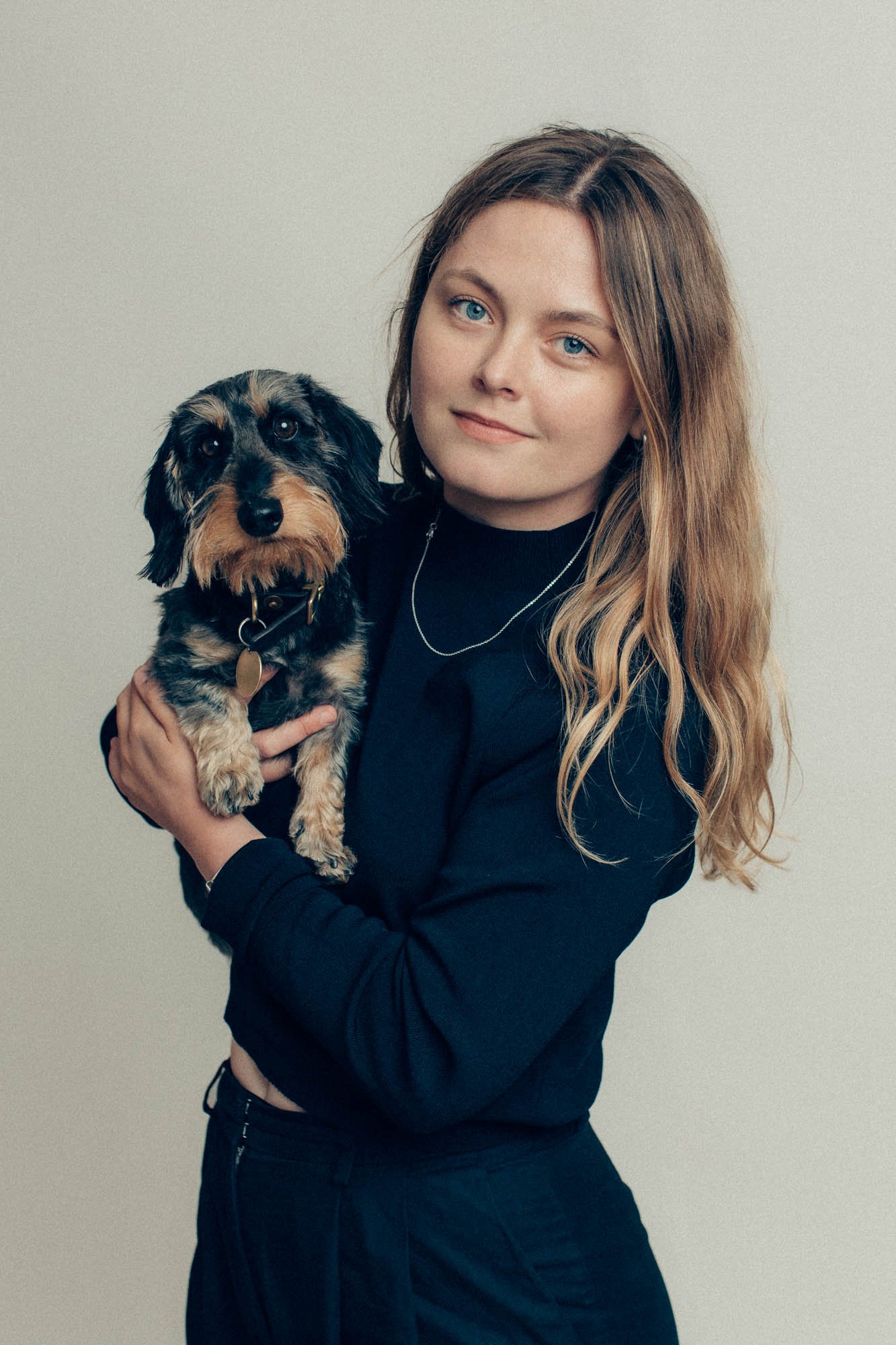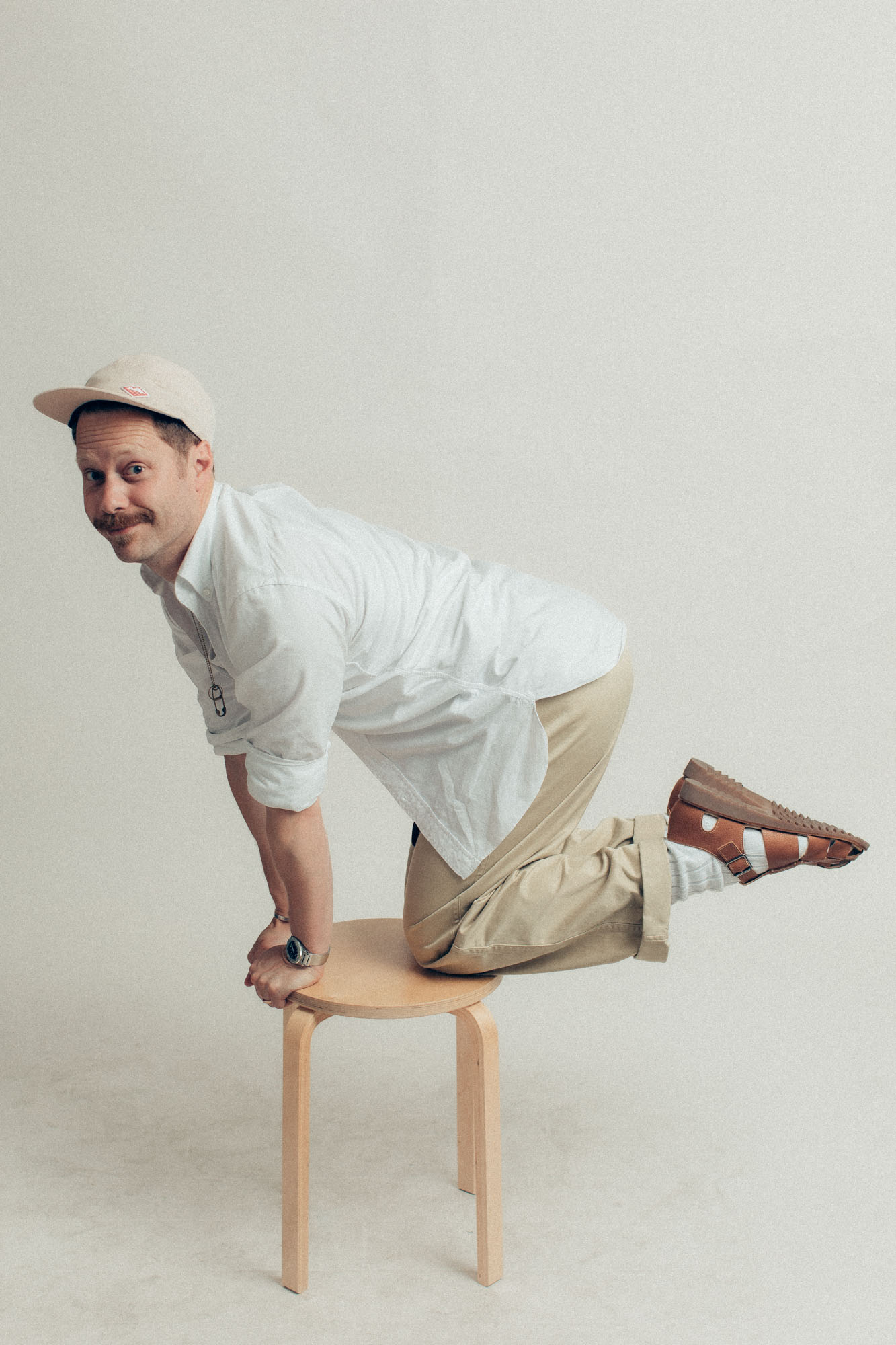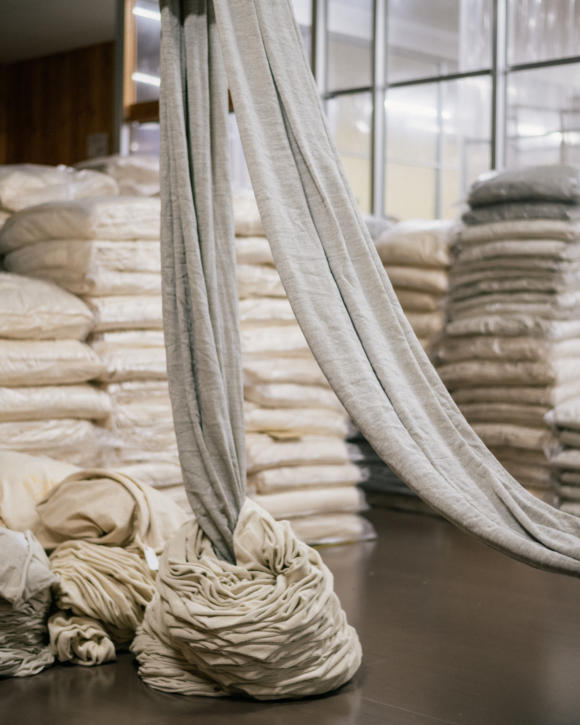
The guide to hopsack (and mesh, mock leno and basket weave)

The guide to hopsack (and mesh, mock leno and basket weave)

||- Begin Content -||

Hopsack and similar materials are a good choice for summer blazers - sharp jackets usually made in smart colours, such as navy. 

The materials don’t vary that much, even if the weaves themselves are different. A mesh in a classic menswear dark-navy won’t look that different from a hopsack in the same colour. 

But there are quite a few subtleties that can trip people up. They can lead to someone getting a material really designed as a suit material rather than a jacket, for example. Or focusing too much on weaves at the expense of things like two-tone colour. 

This article explains the different types of material in a simple and accessible way (there will be no weave diagrams) and then gives advice that should enable any reader to pick a good summer blazer material. 

Overall, the most important thing is to concentrate on how the material looks and feels, rather than these technical details that can often pull in the nerds among us. 

The dangers of hopsack

Probably the biggest issue with understanding materials is that terms with narrow meanings come to mean something bigger. 

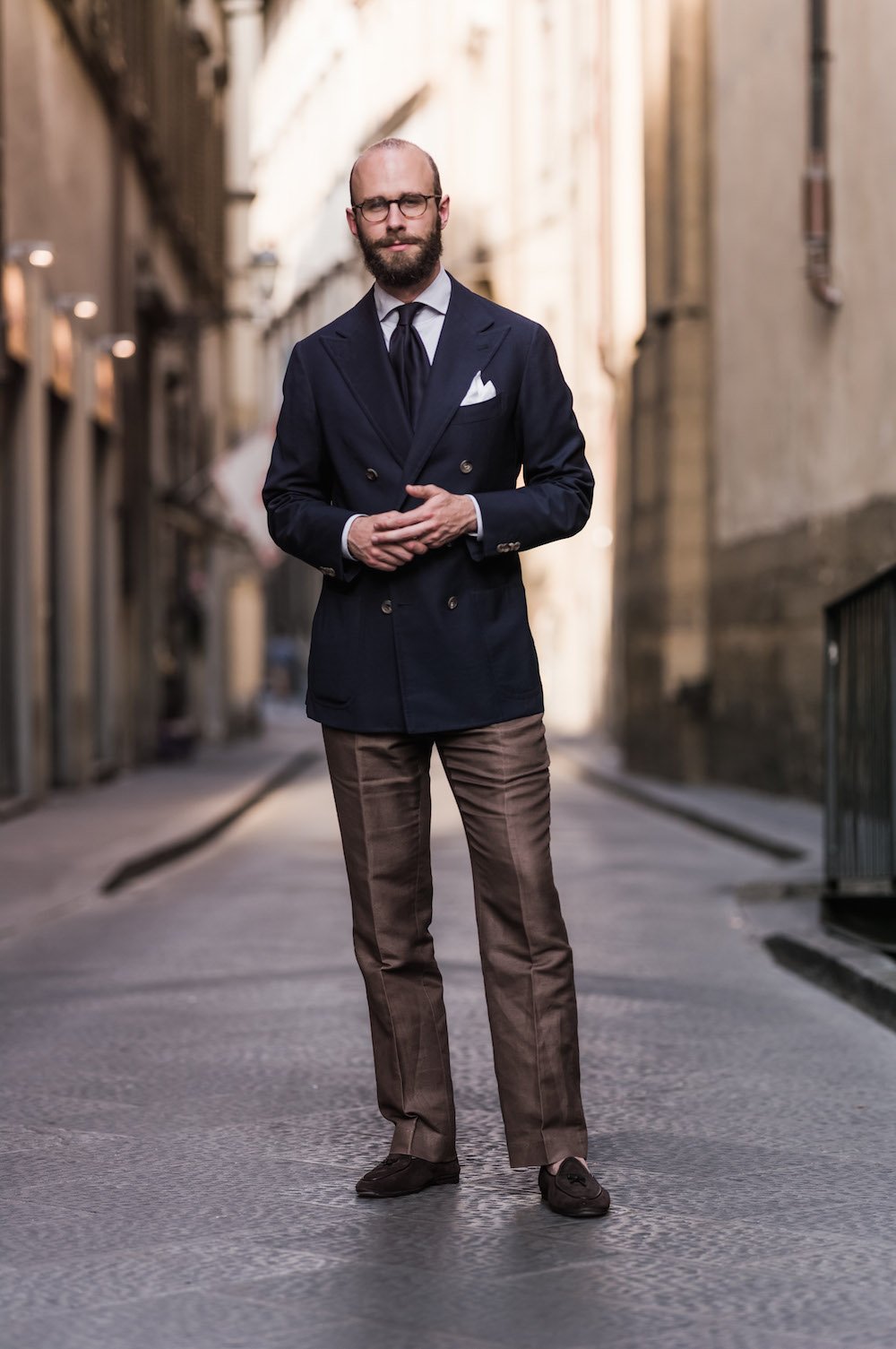
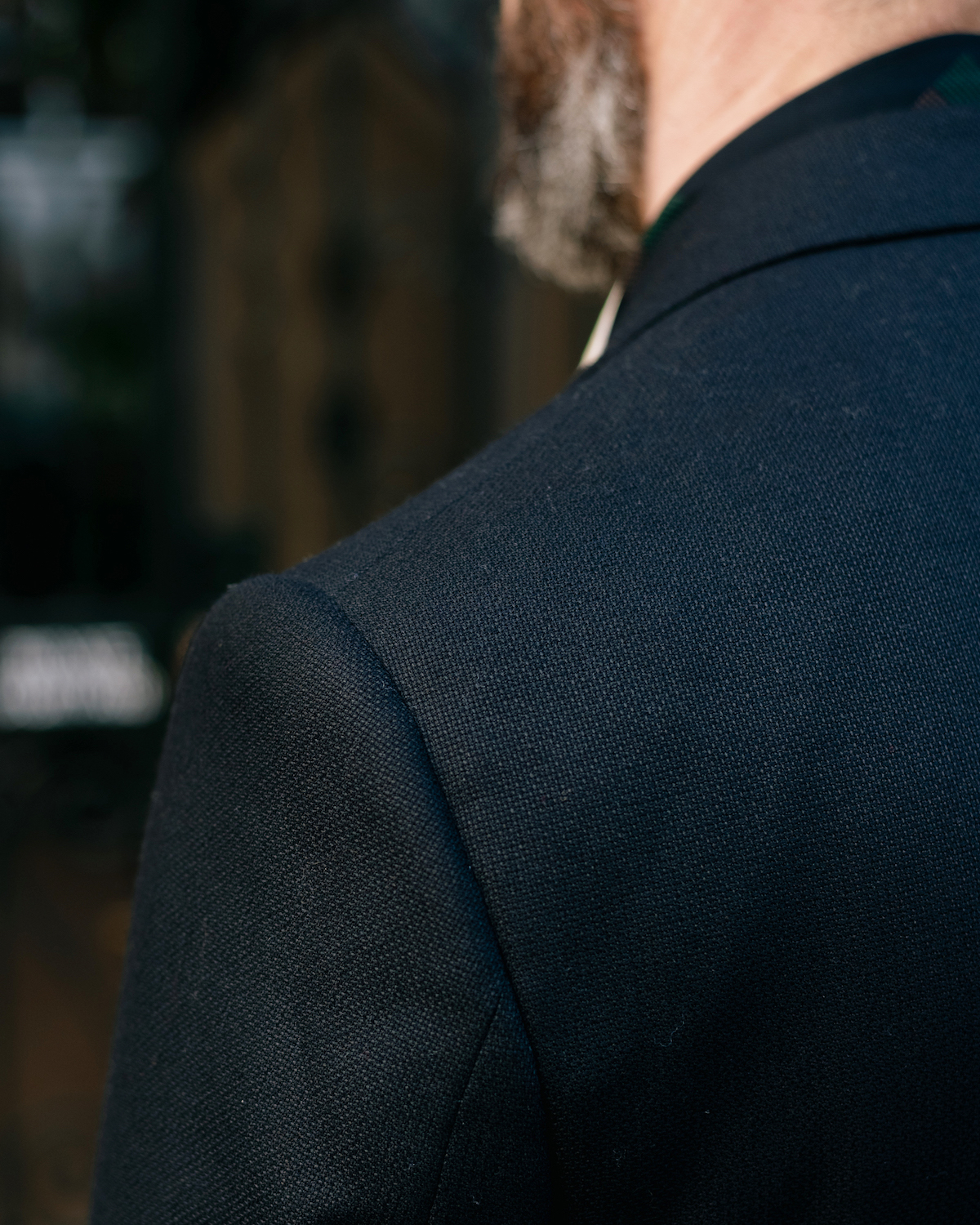
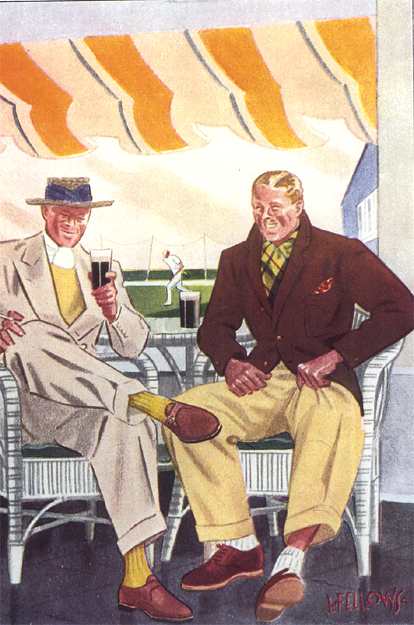
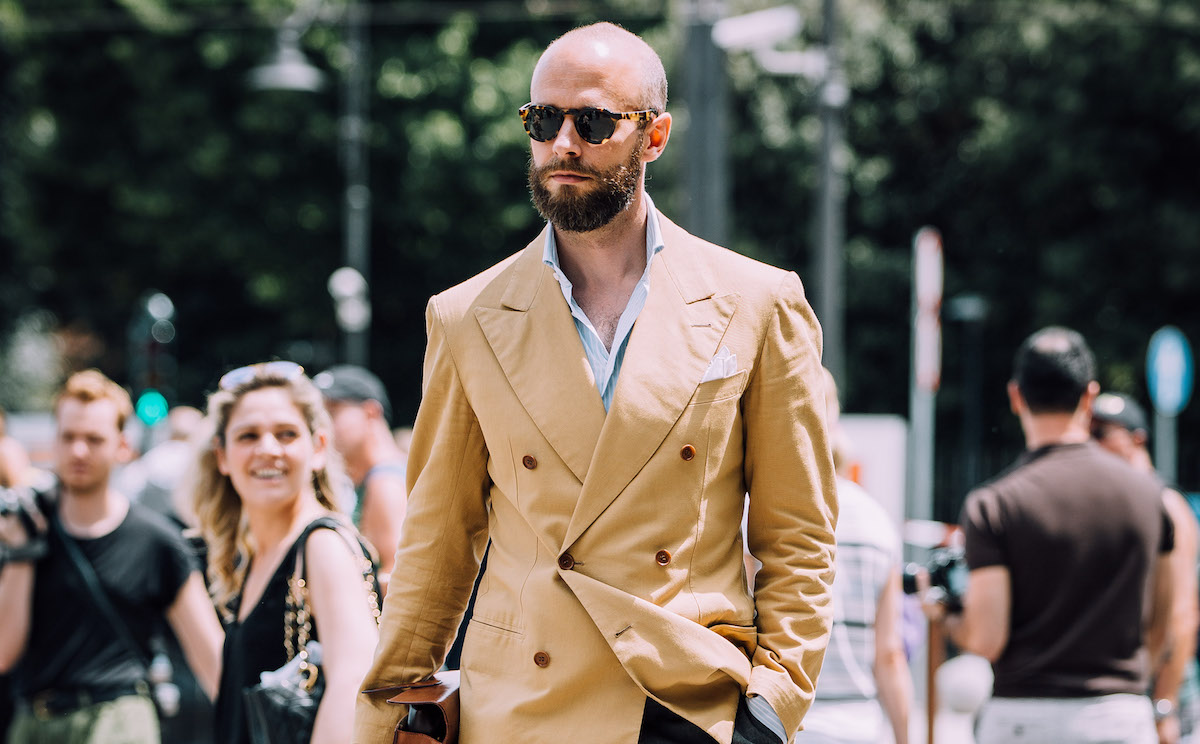
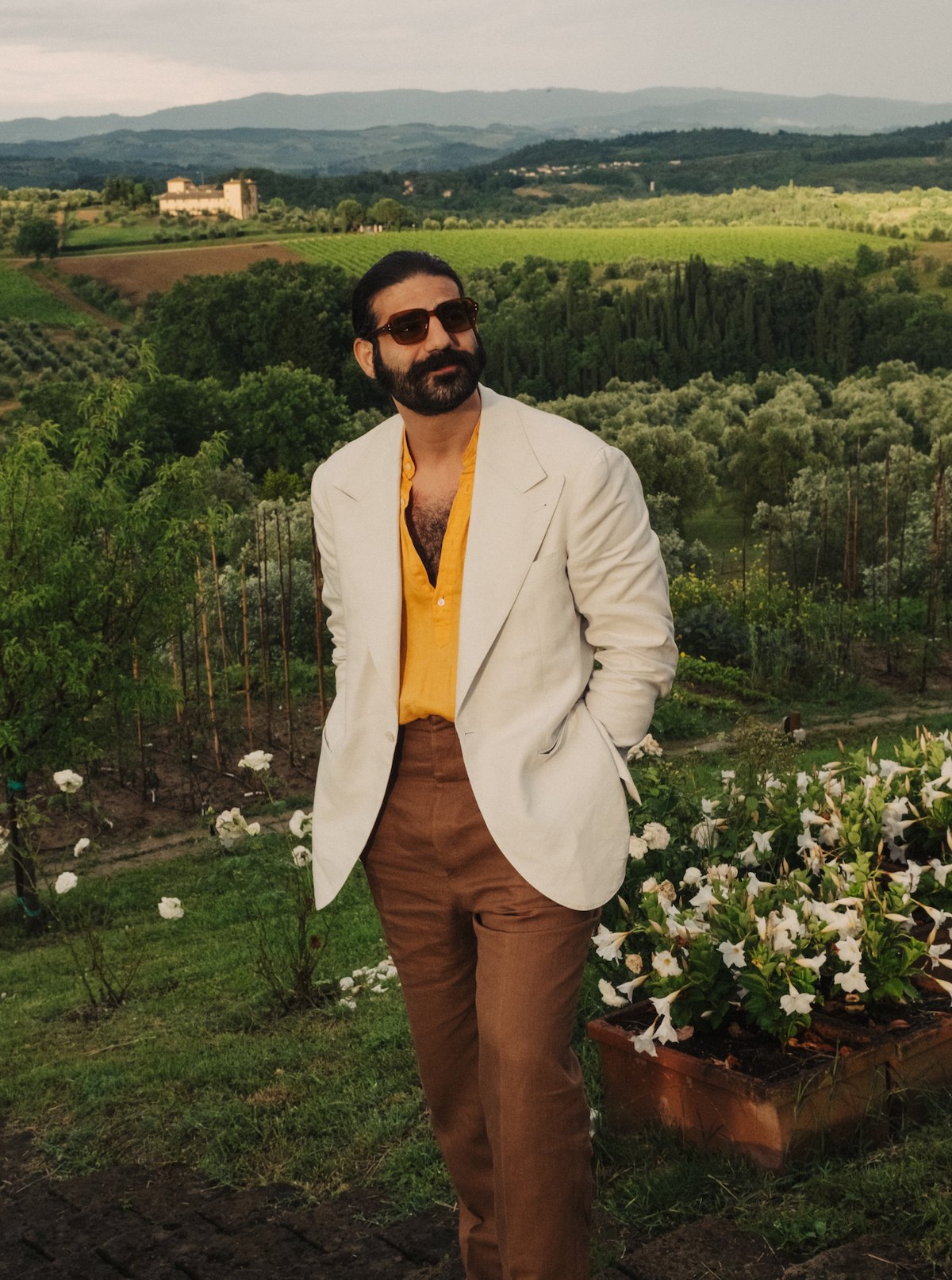
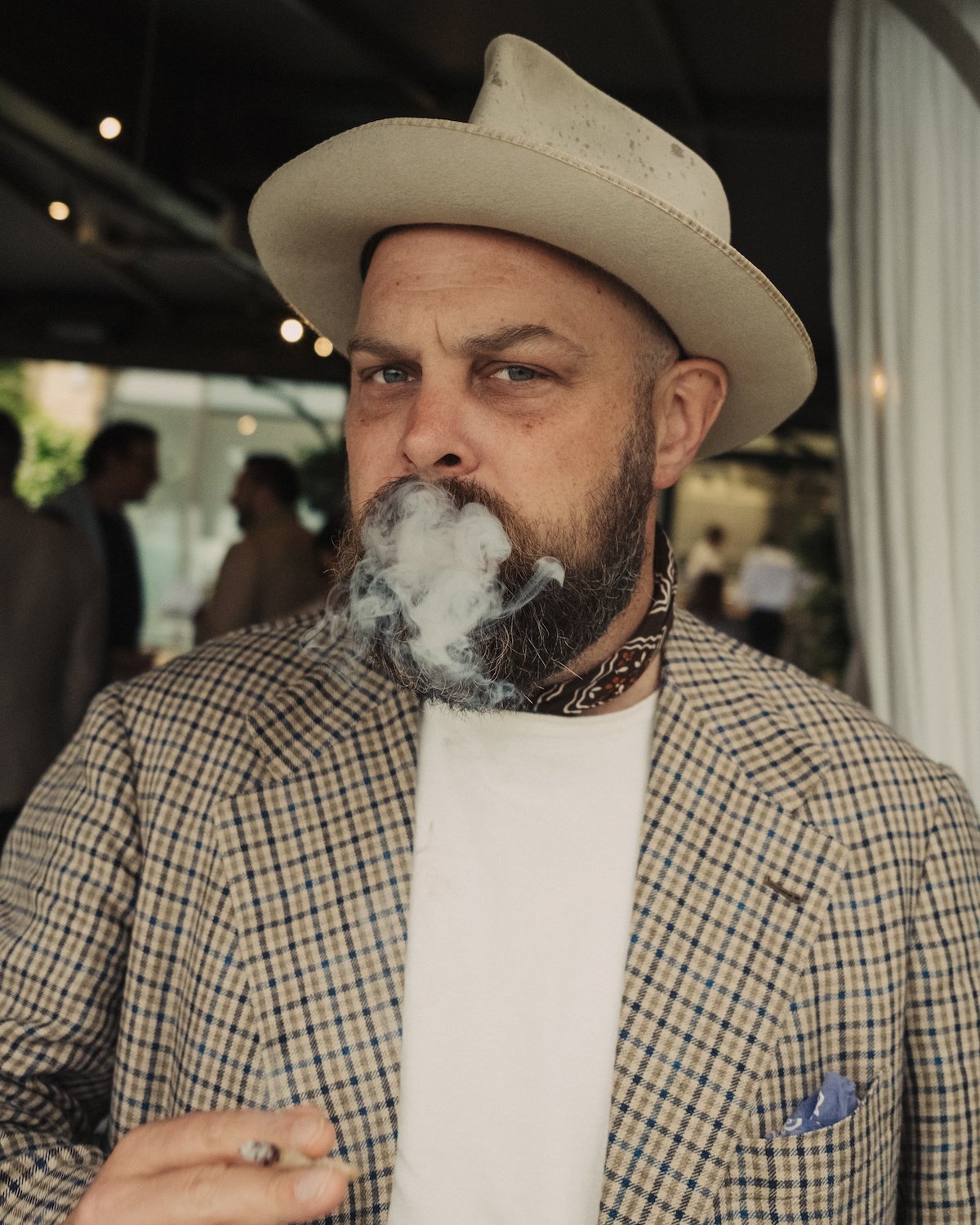
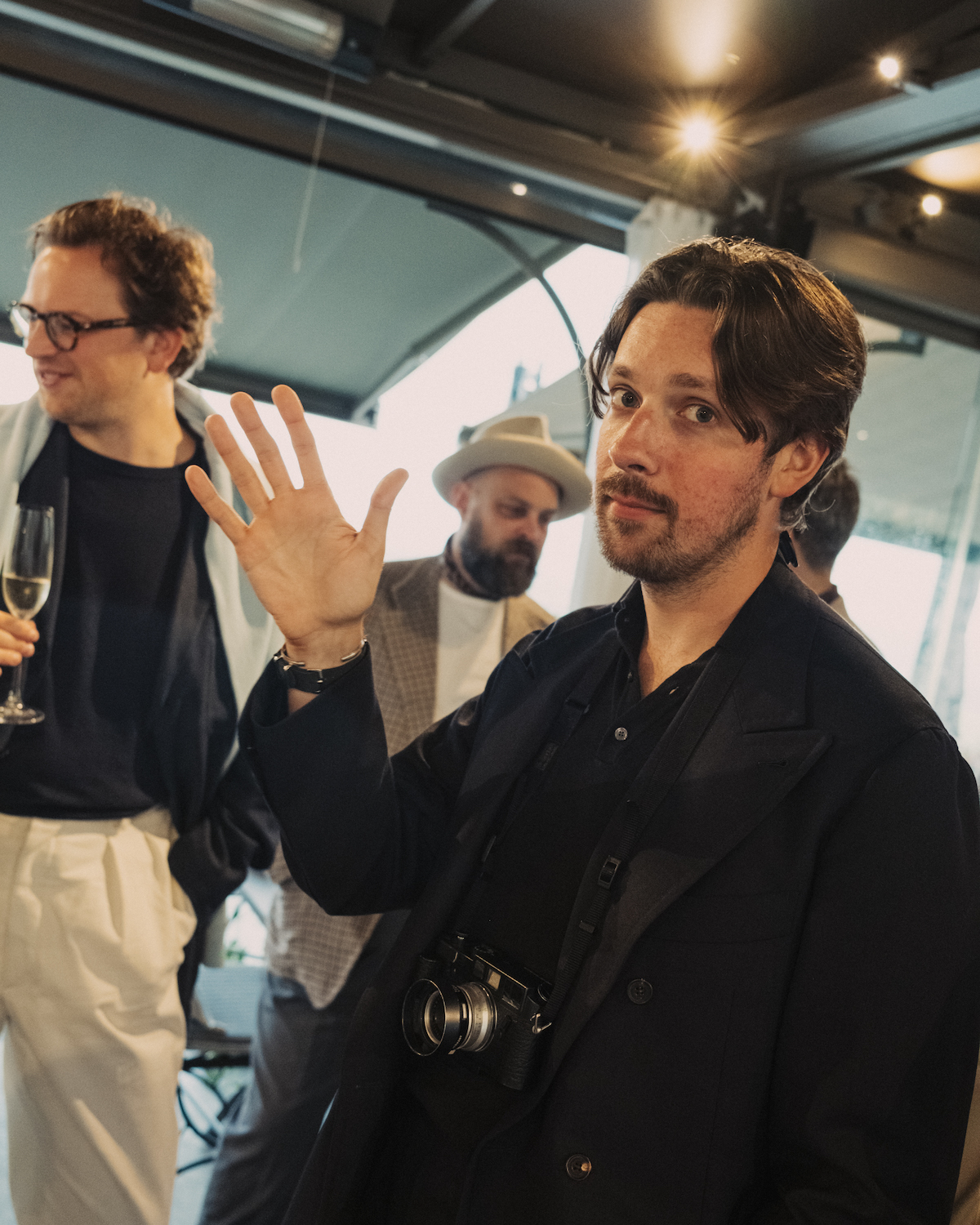
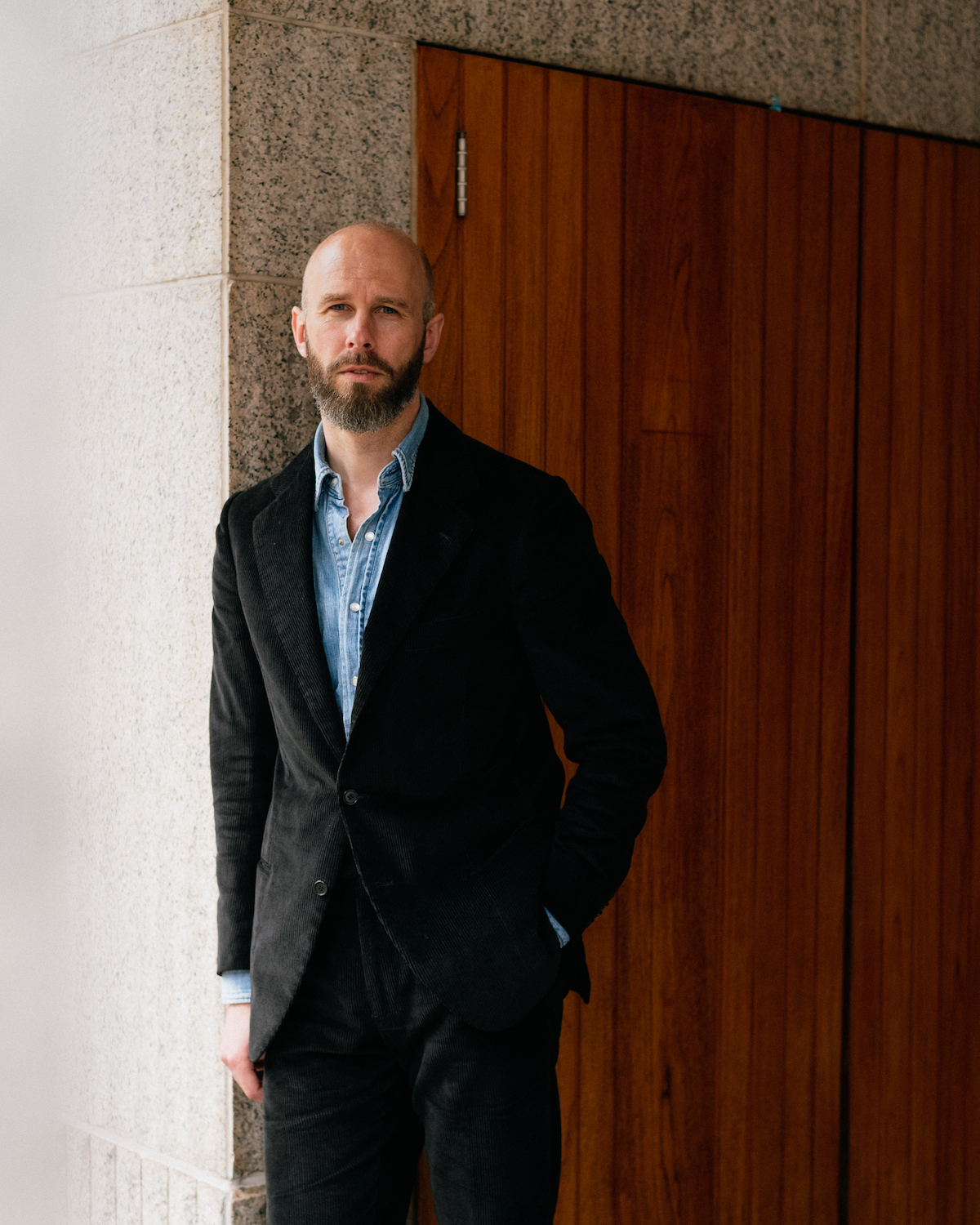
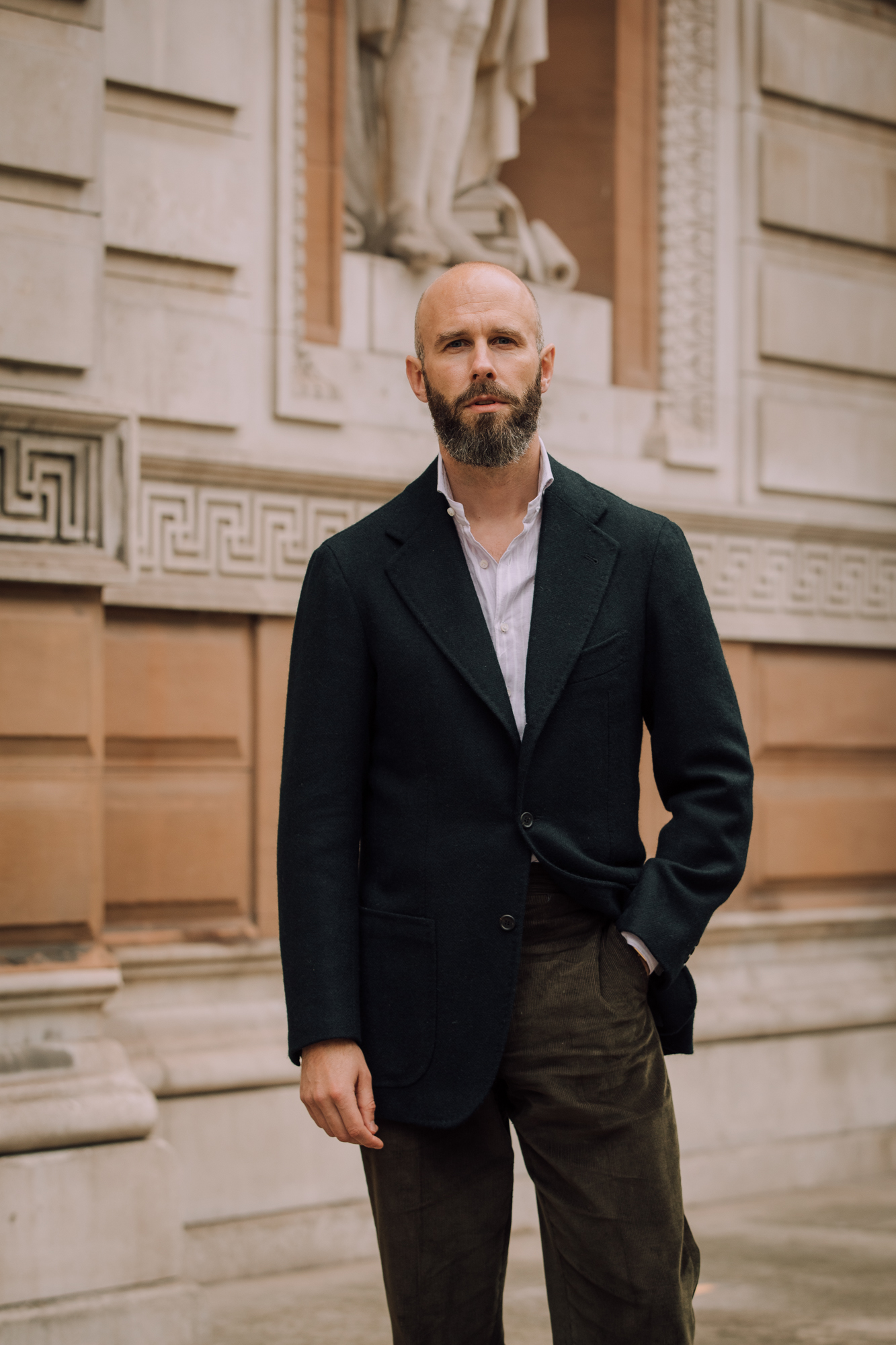
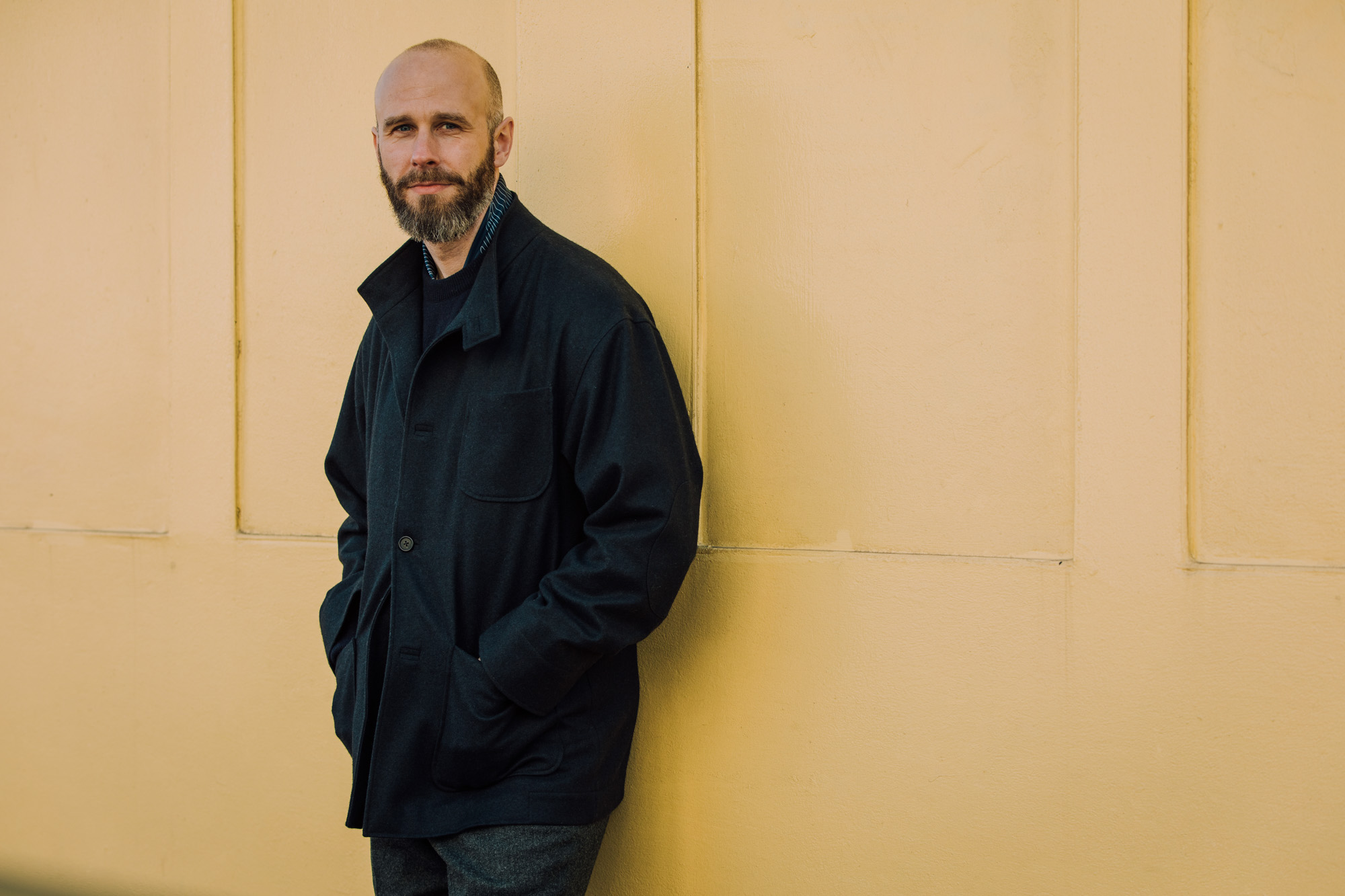
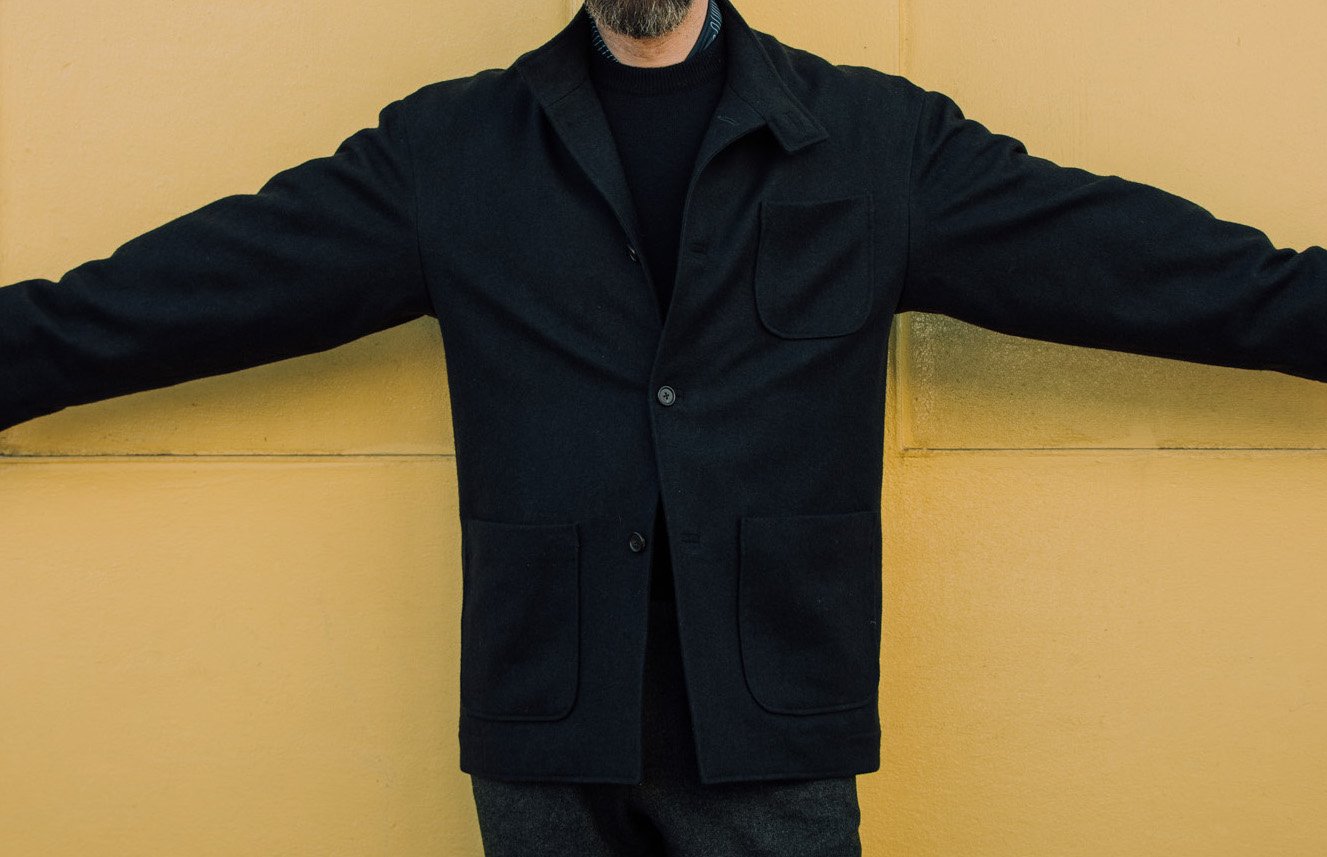
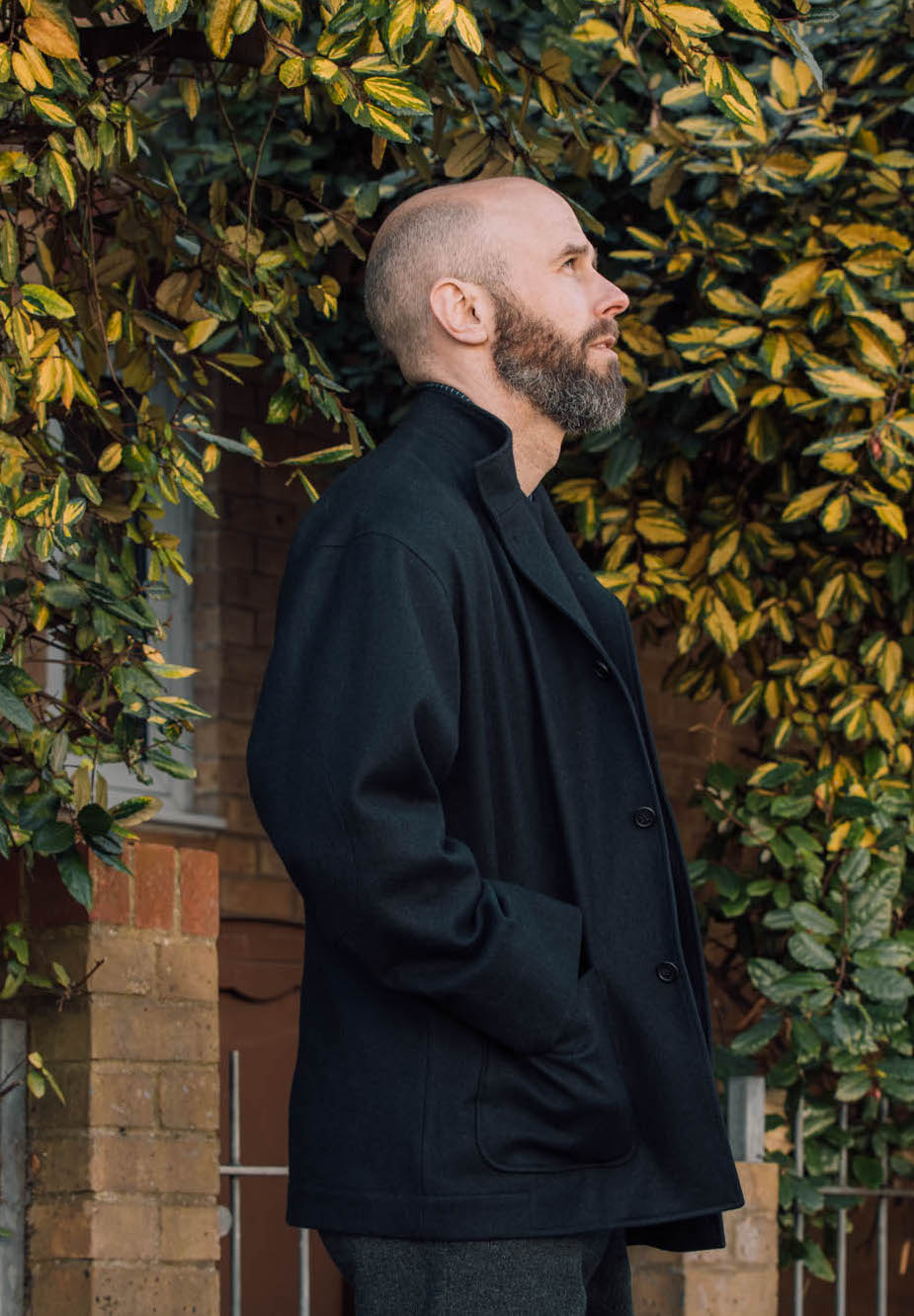
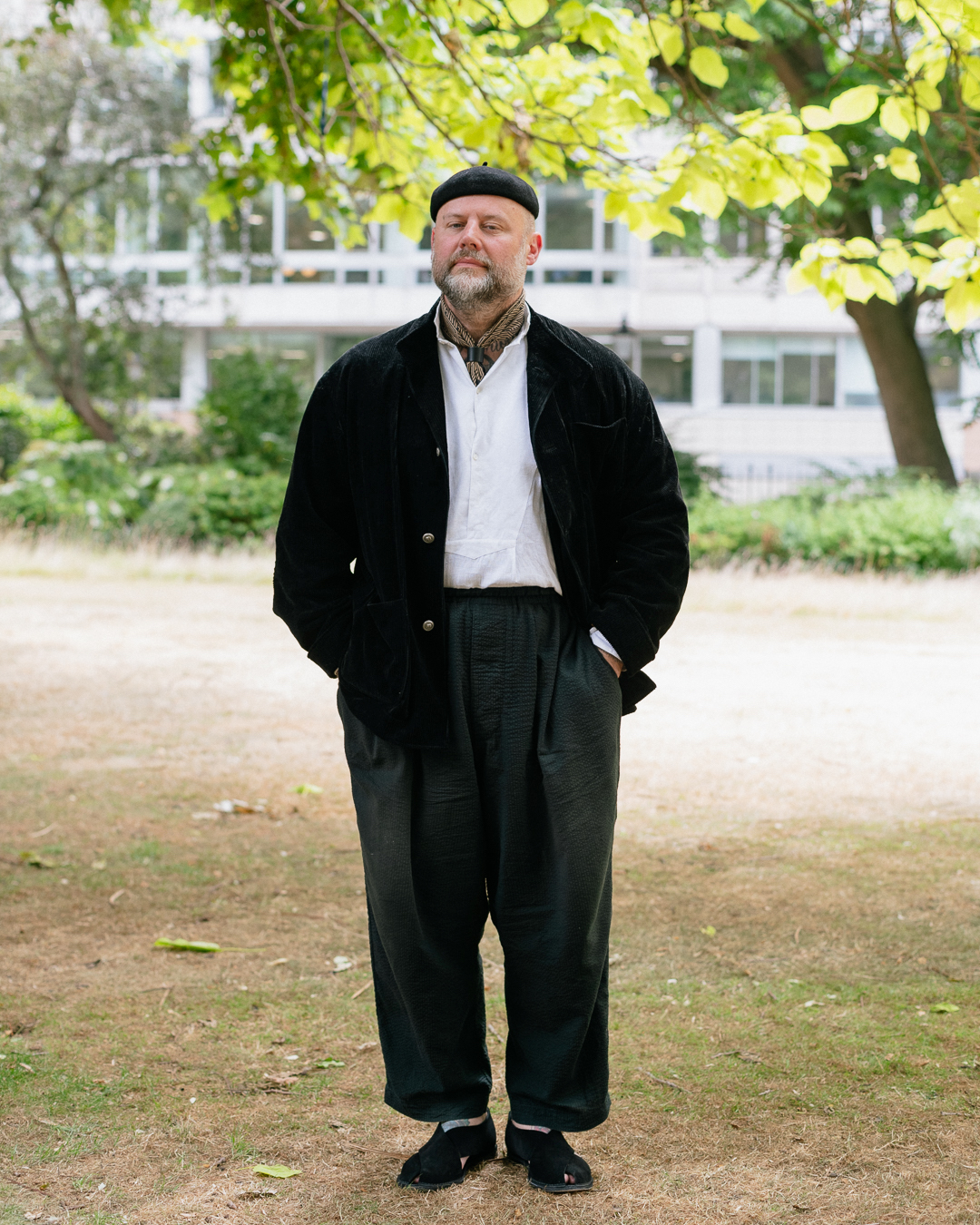
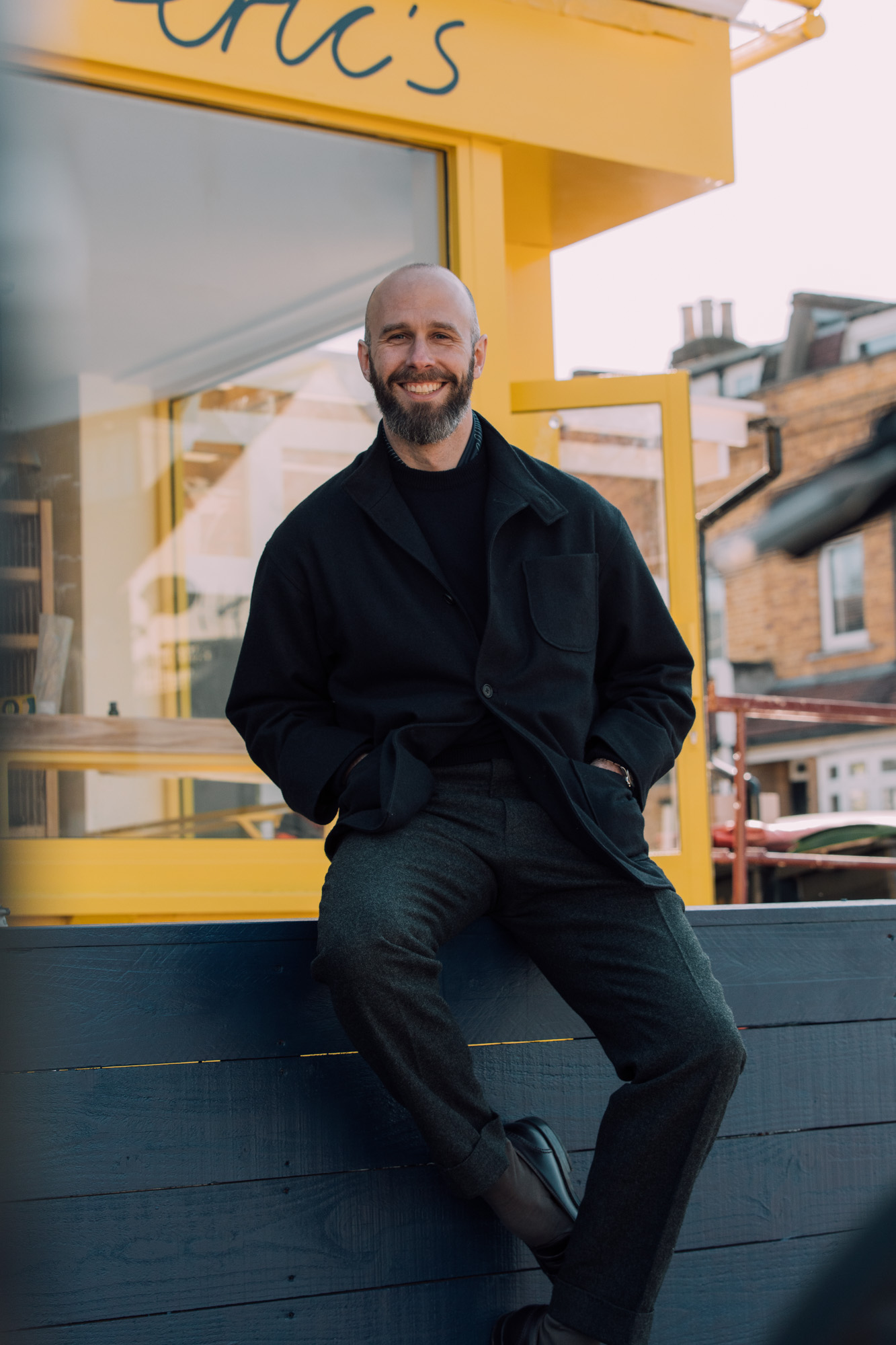
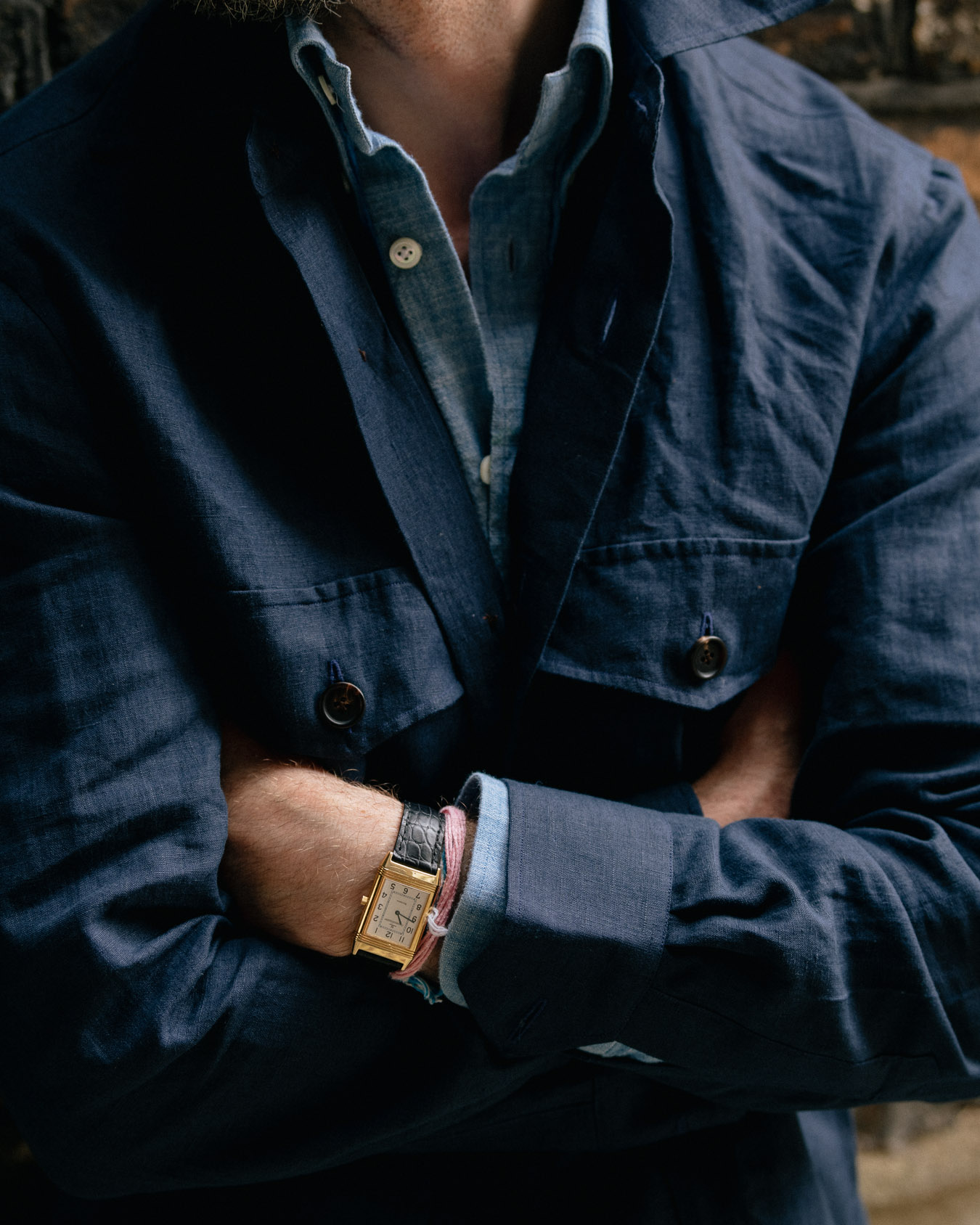
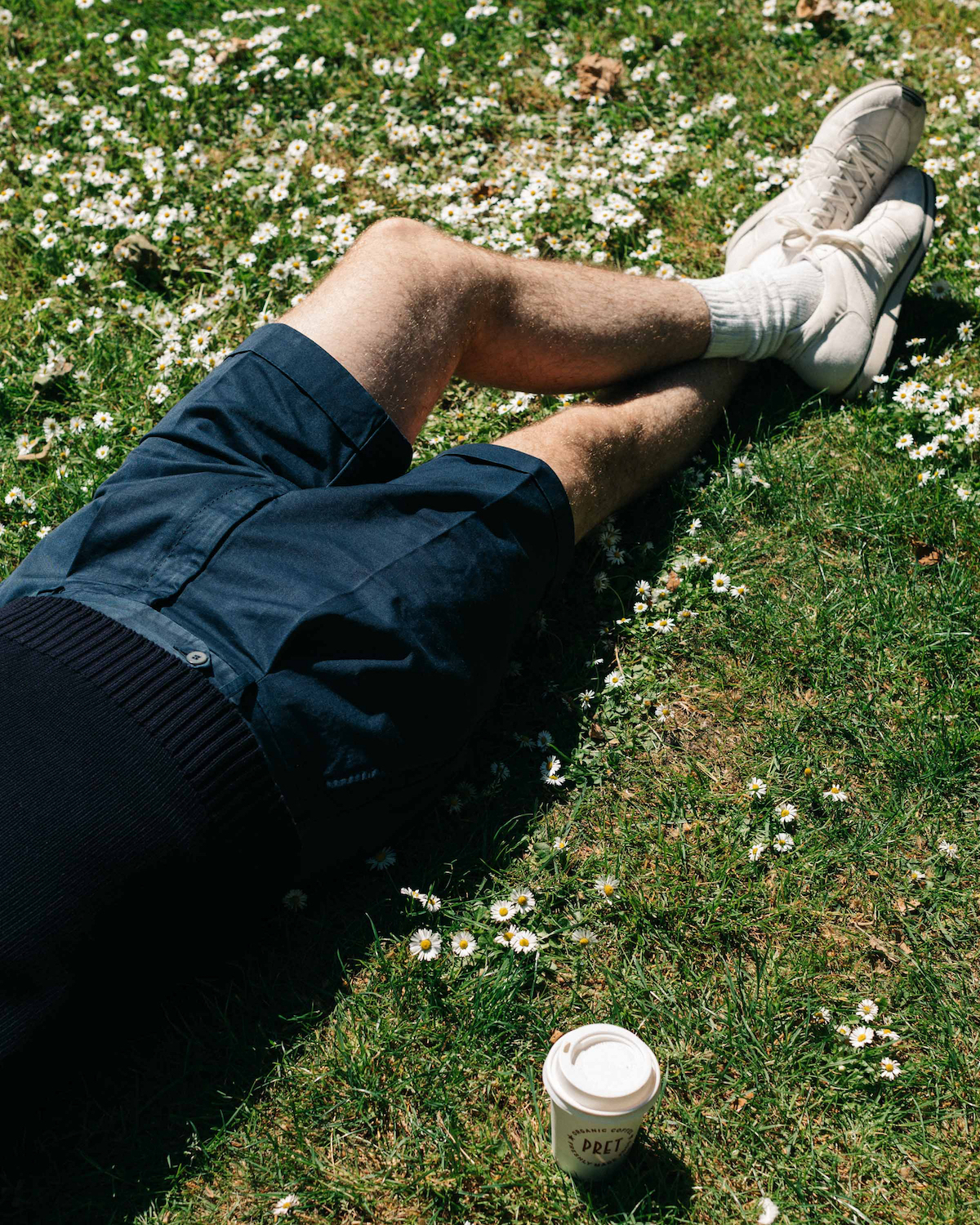
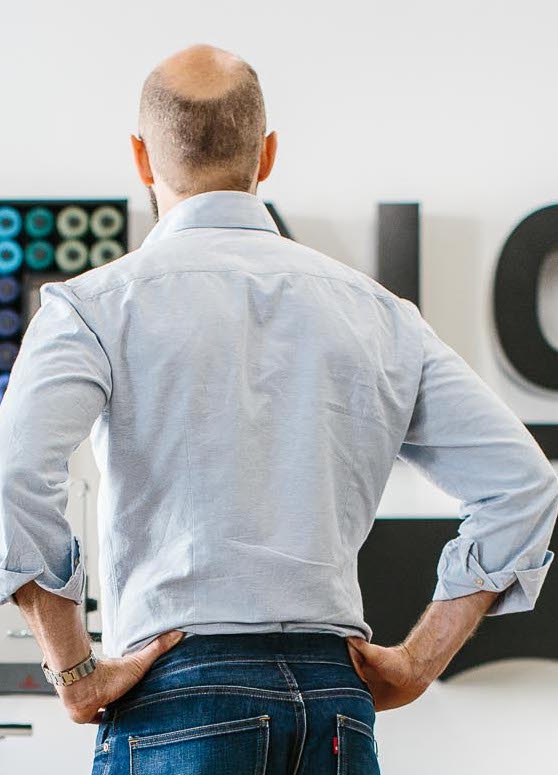
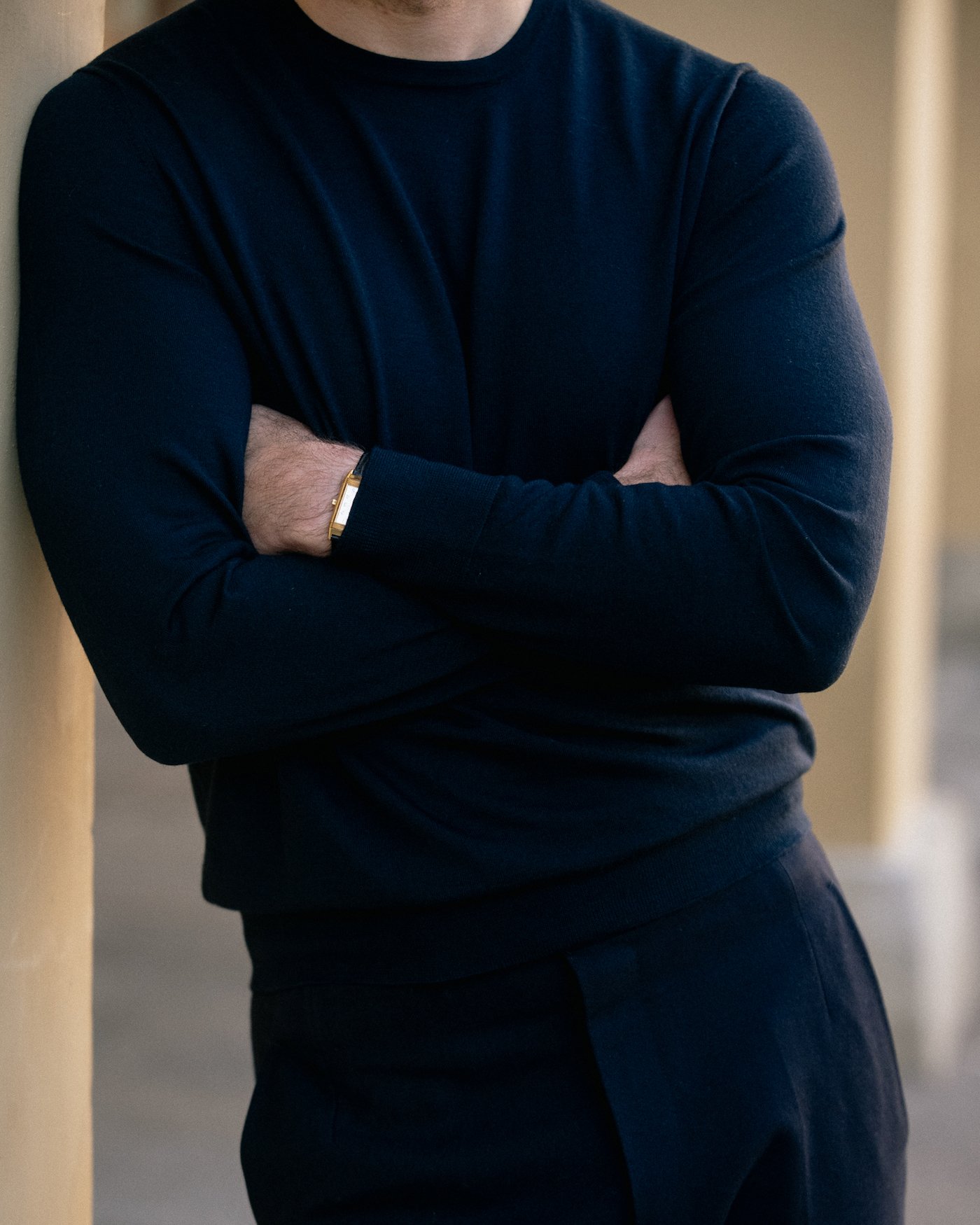
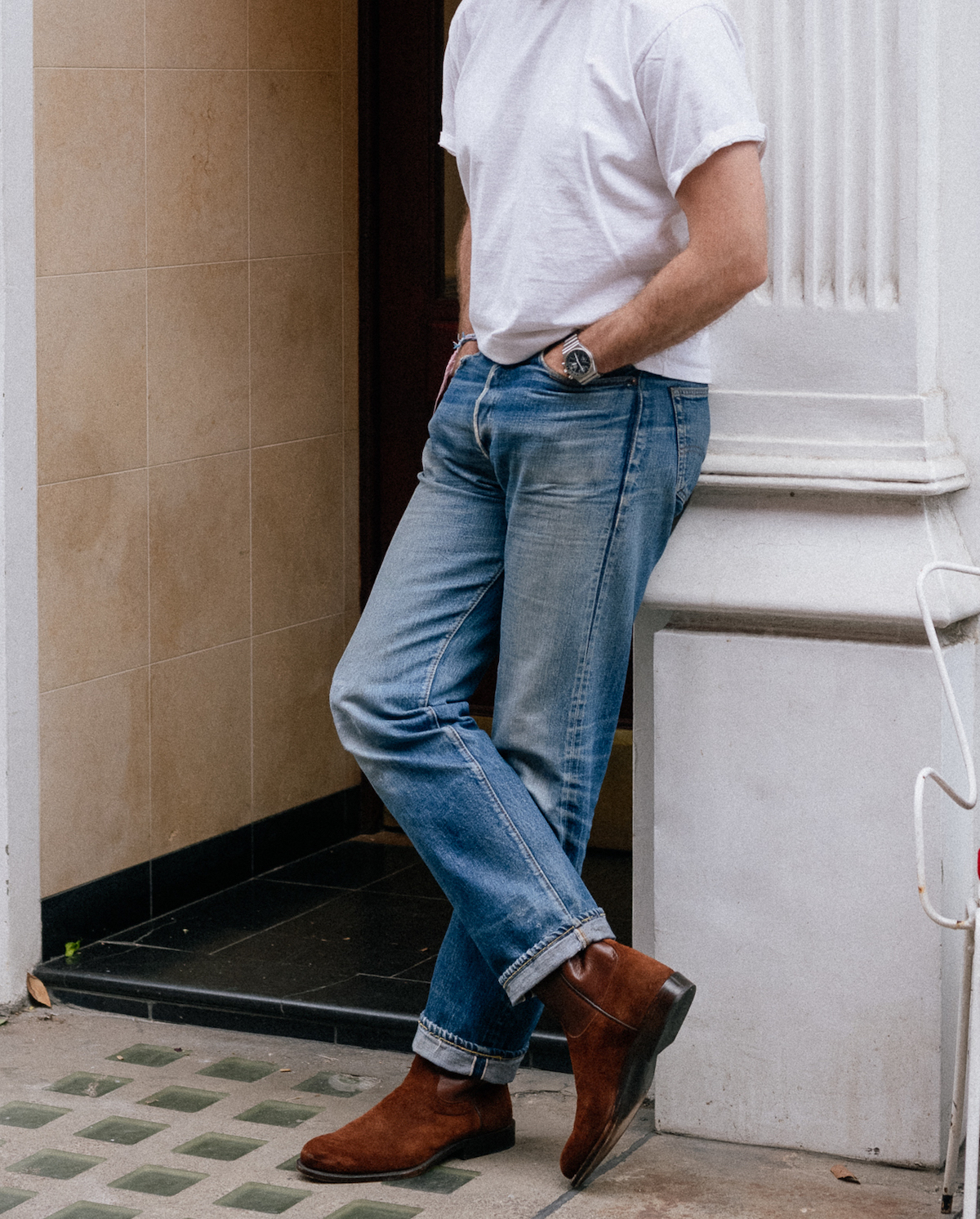
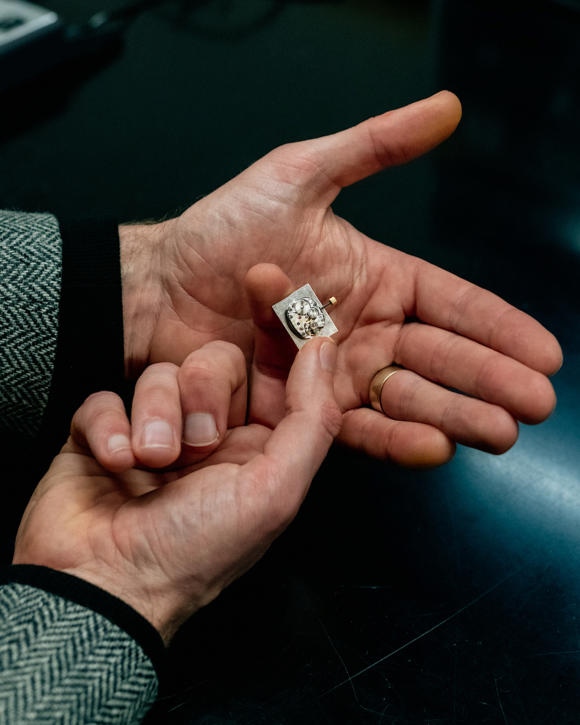
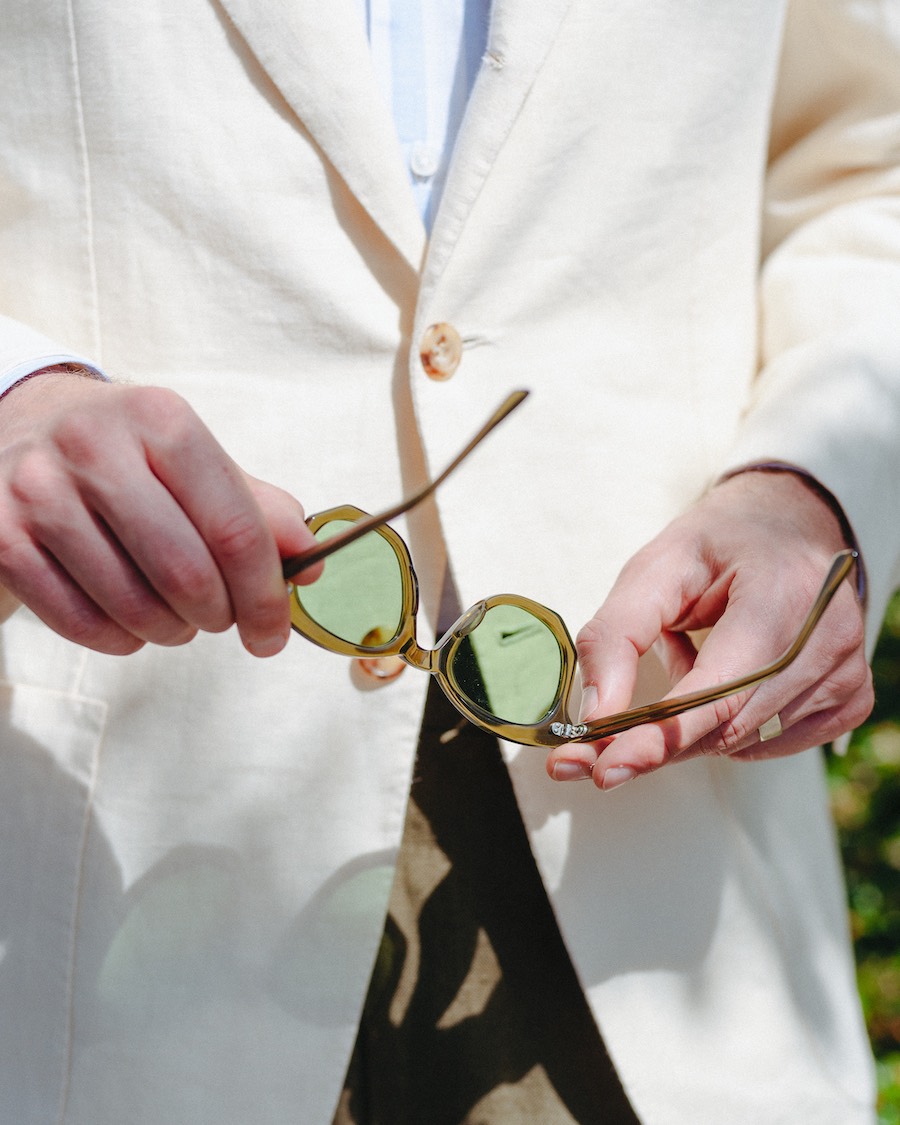
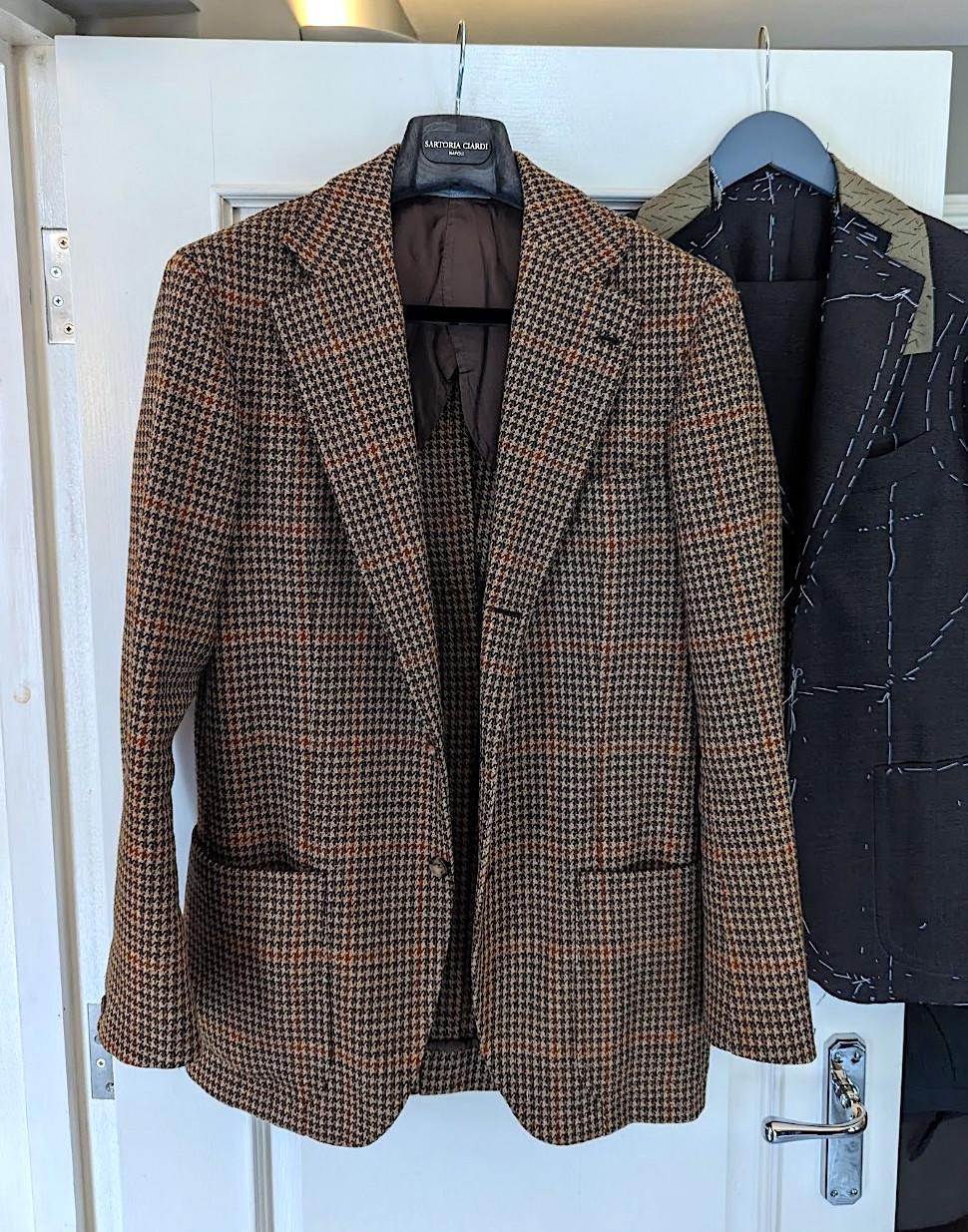
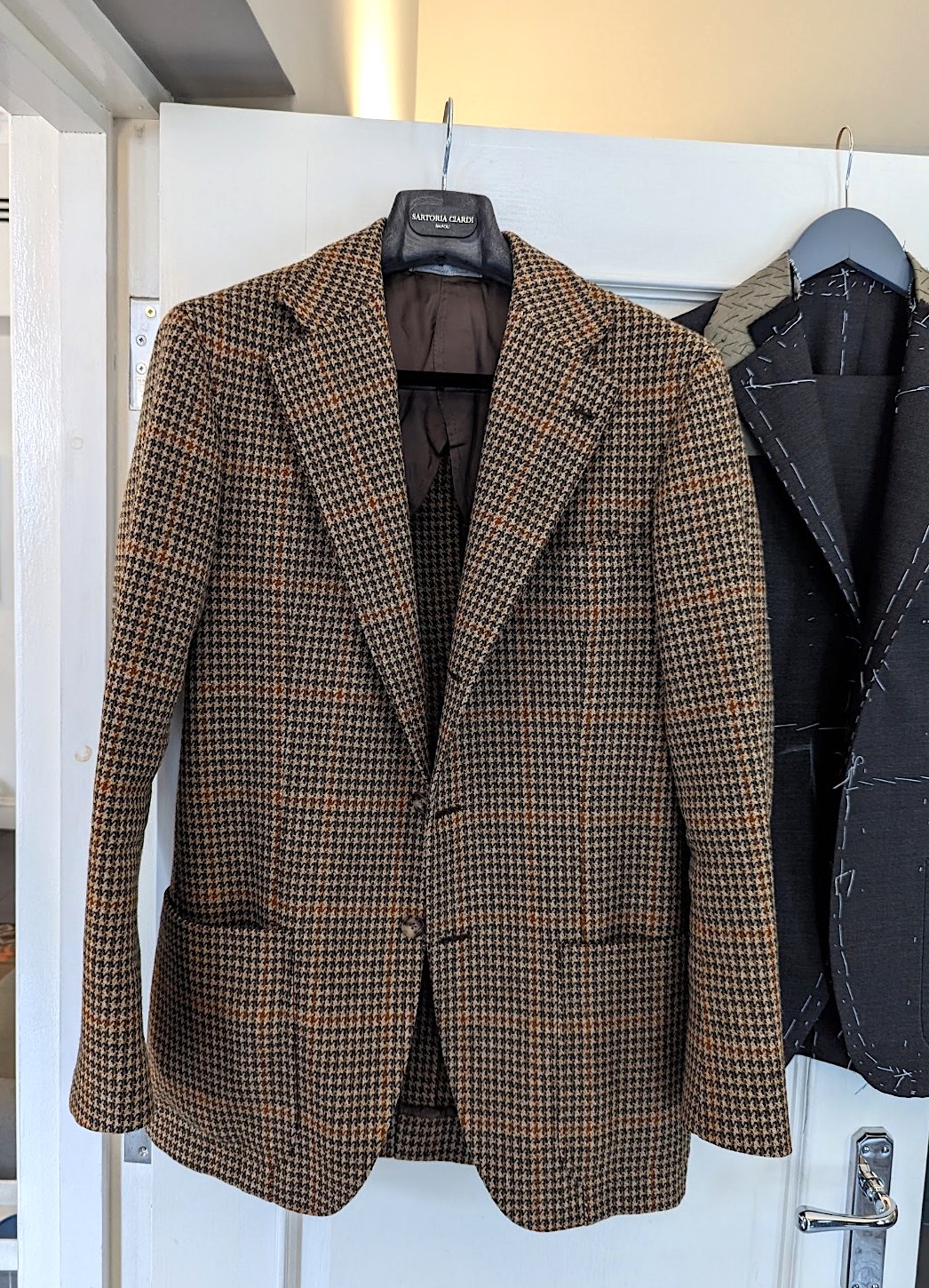
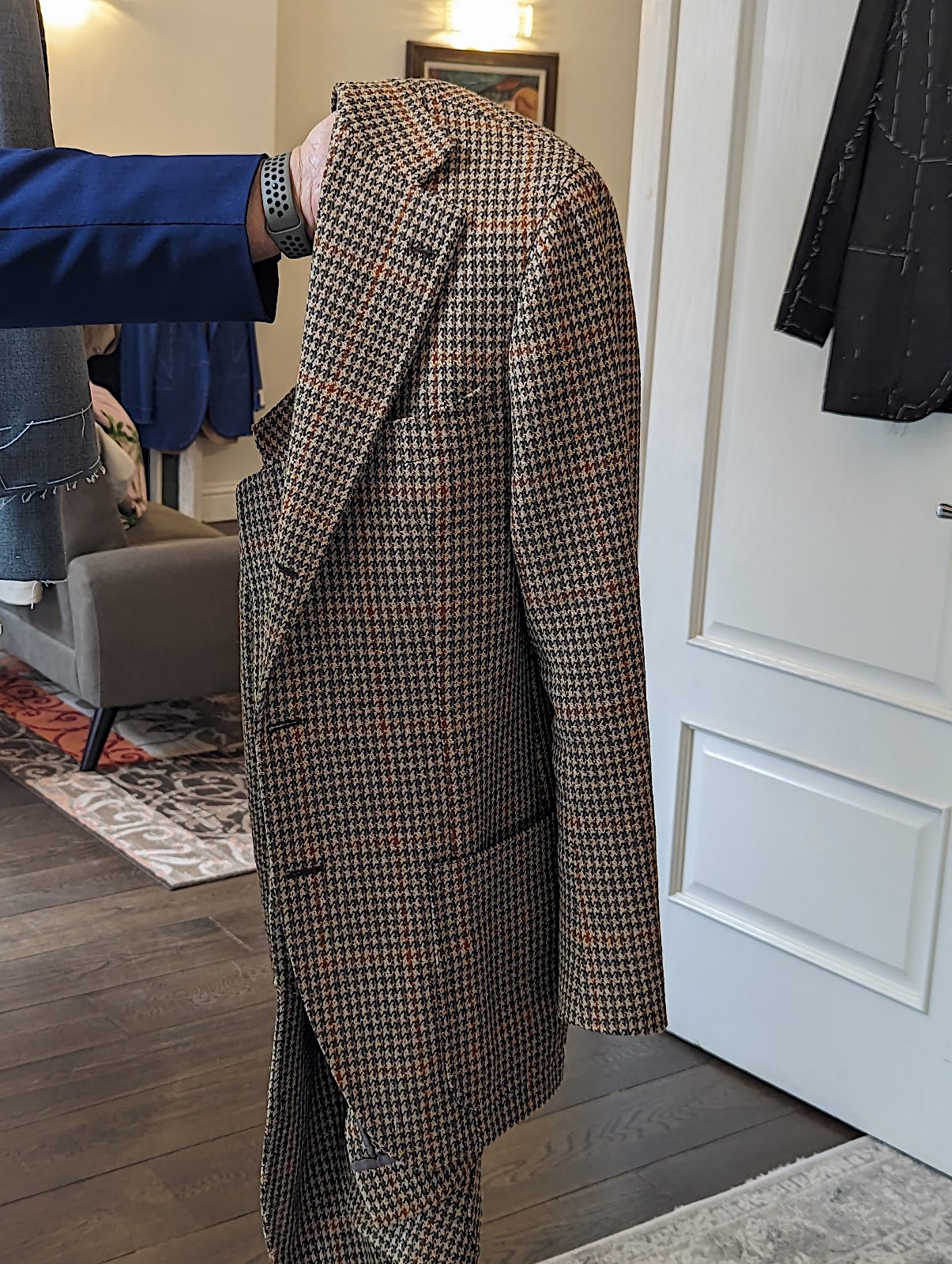
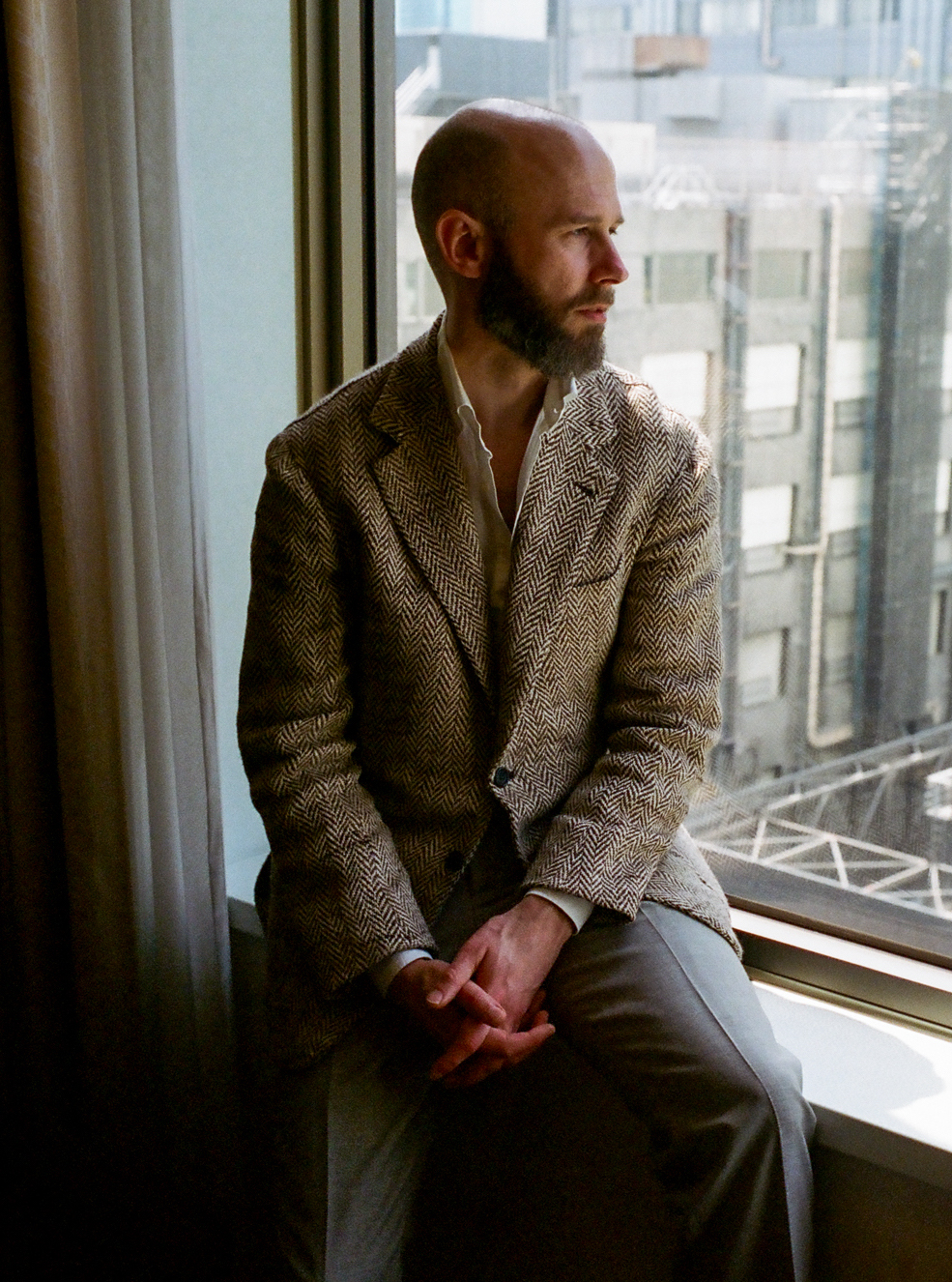
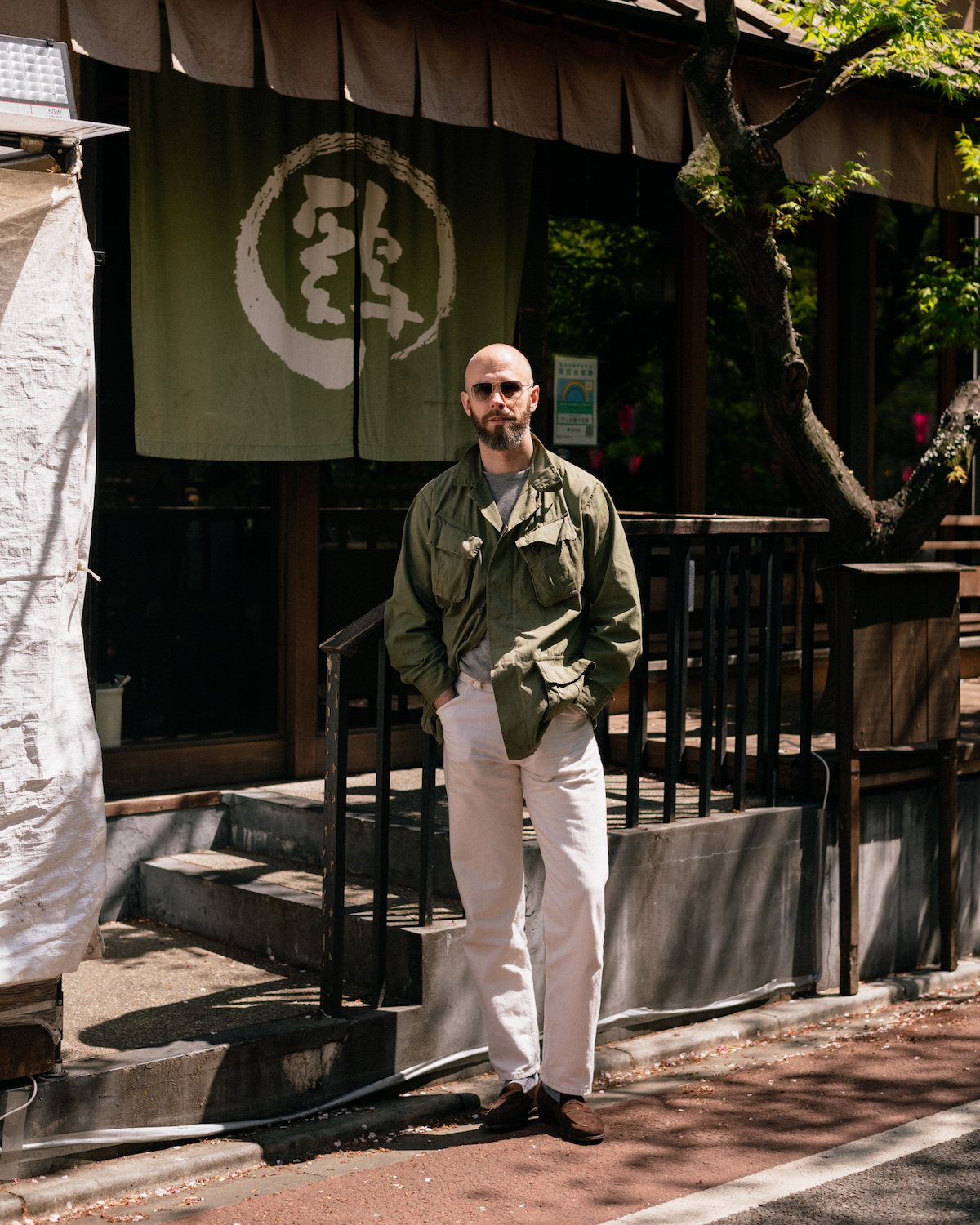
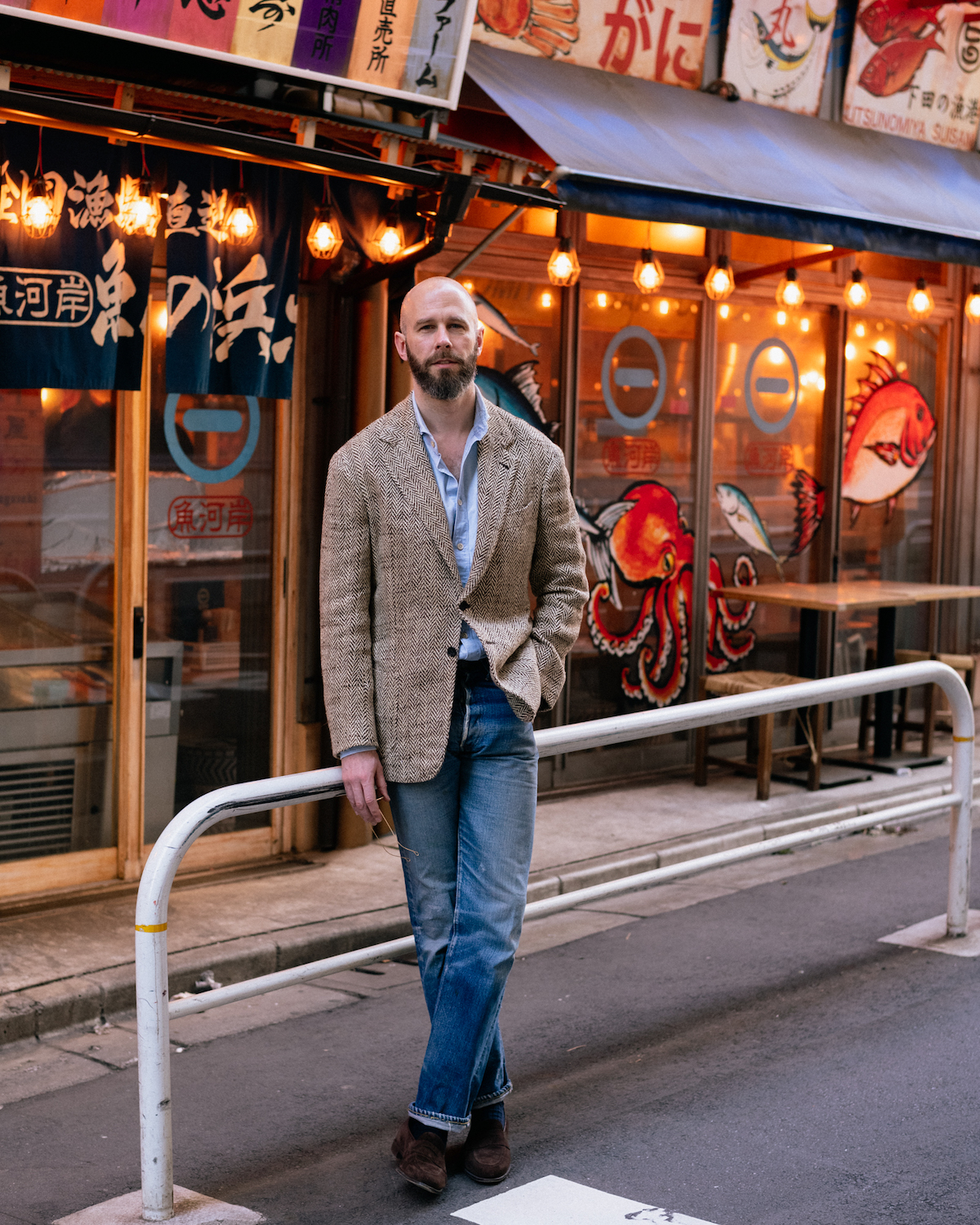
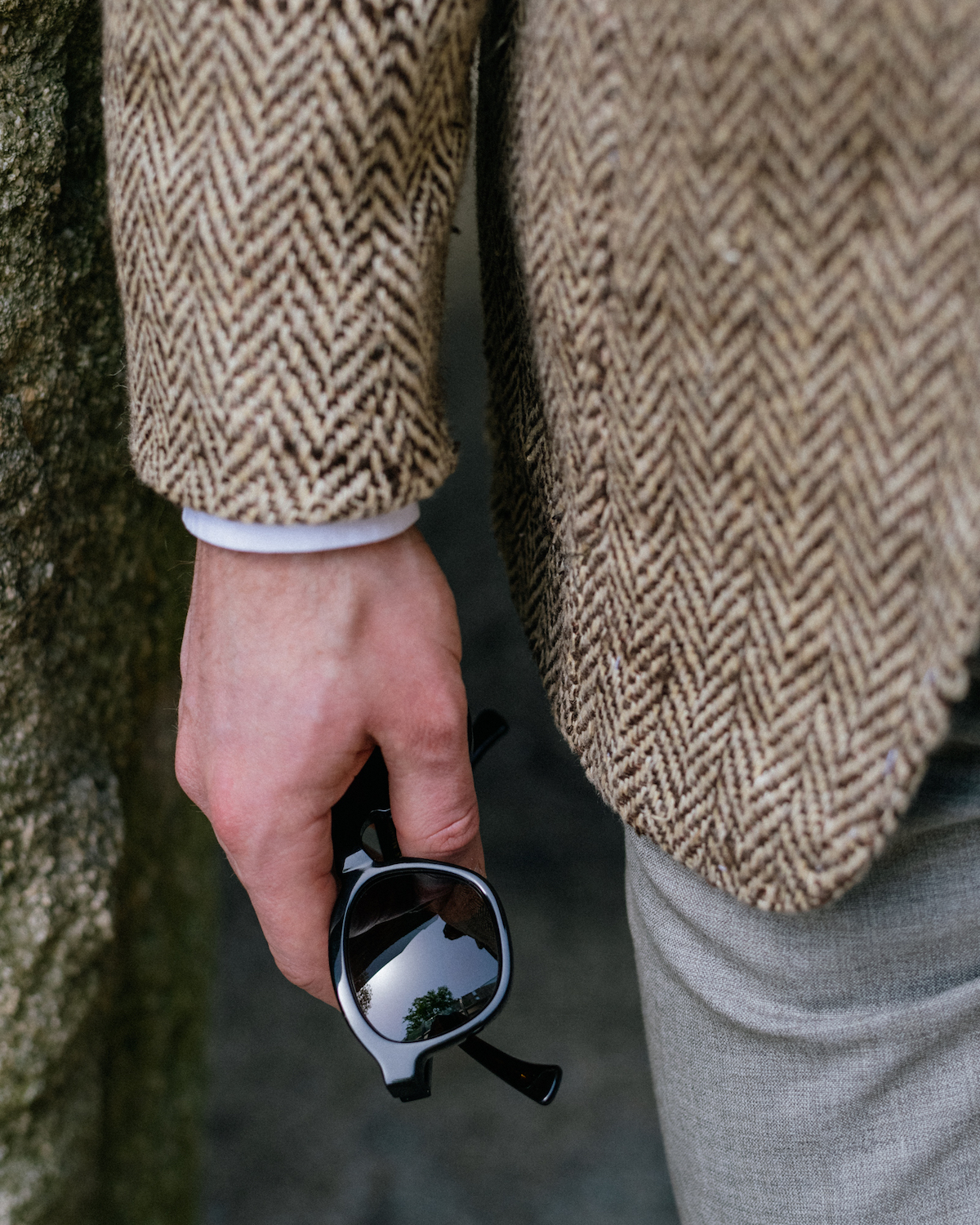
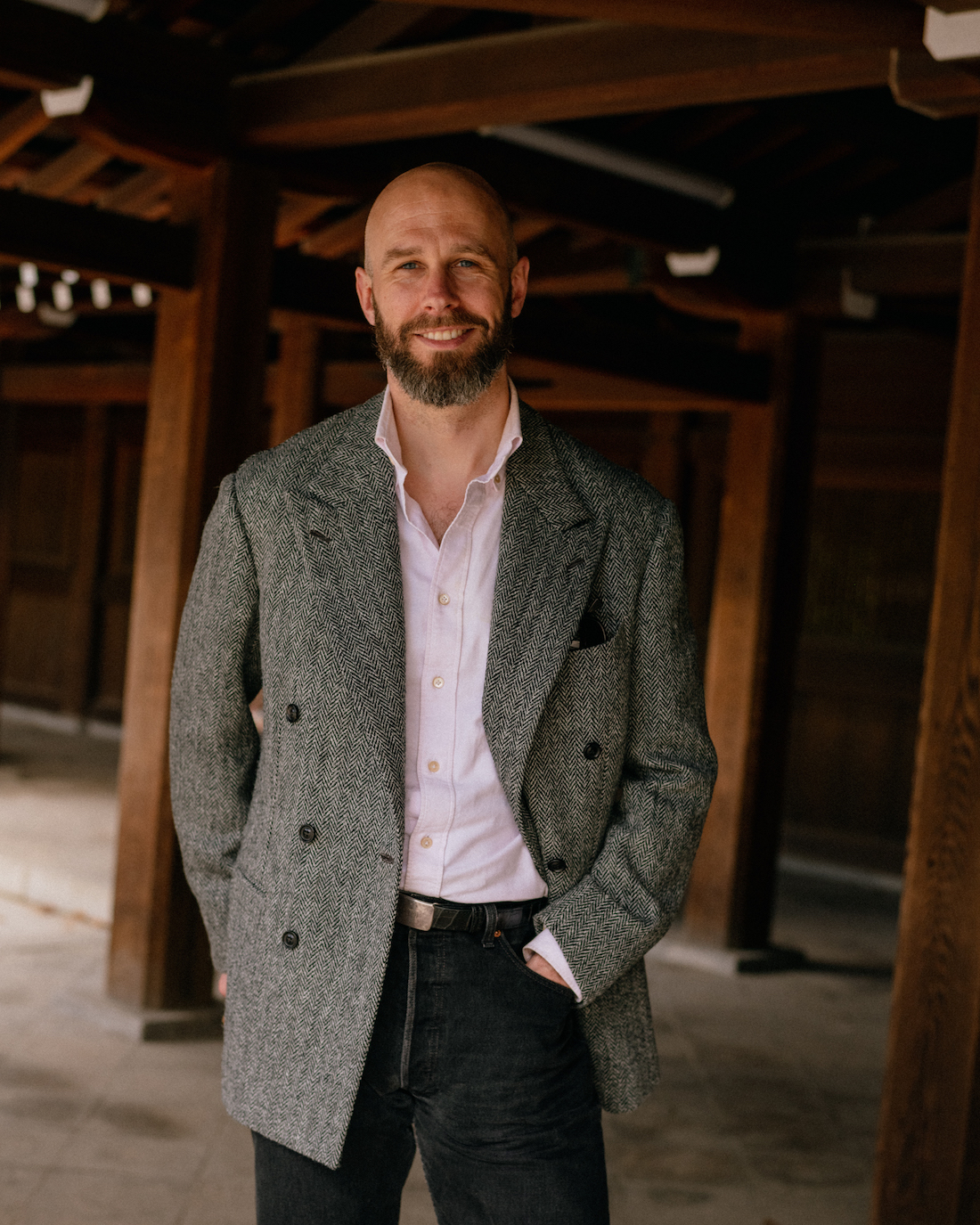
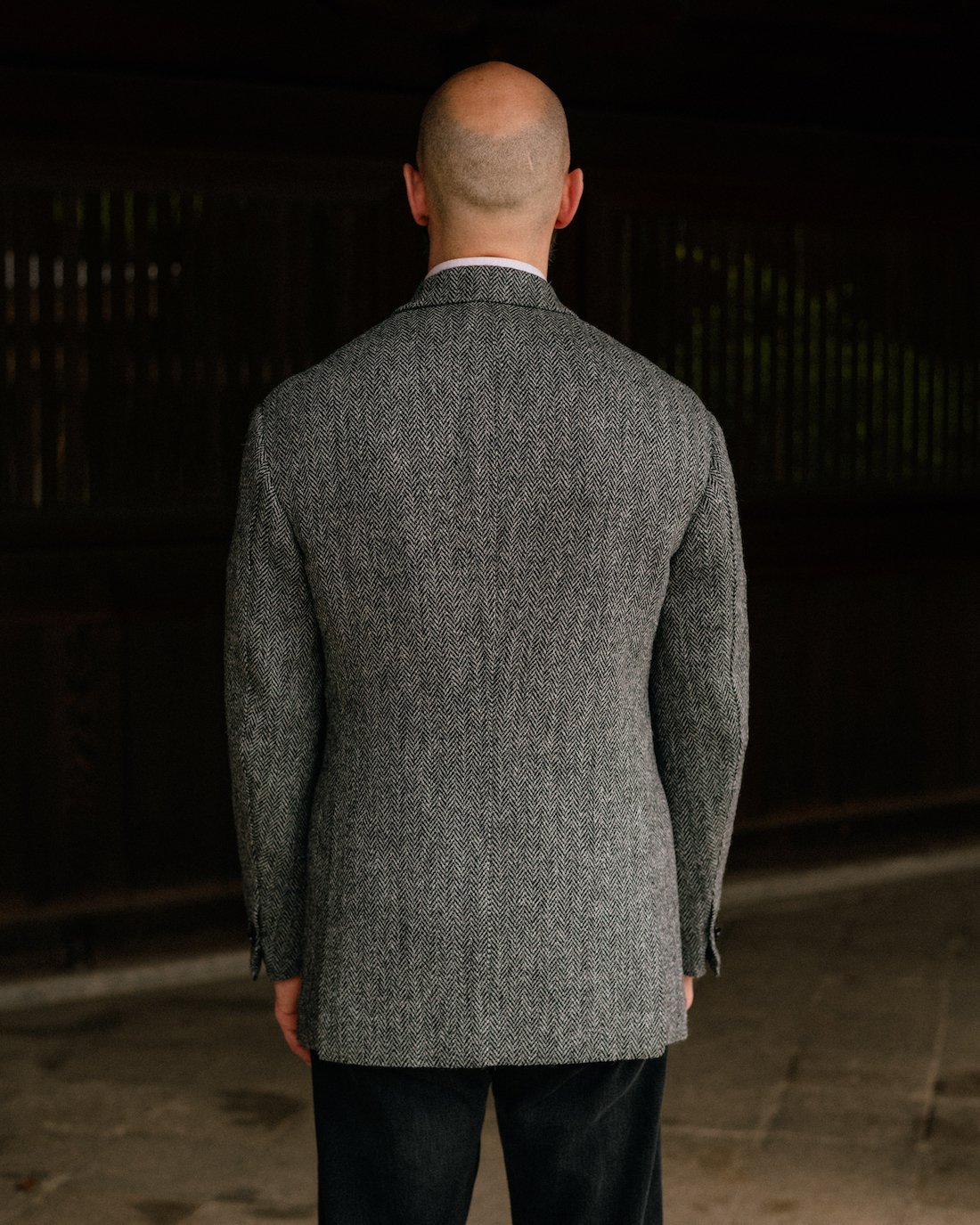
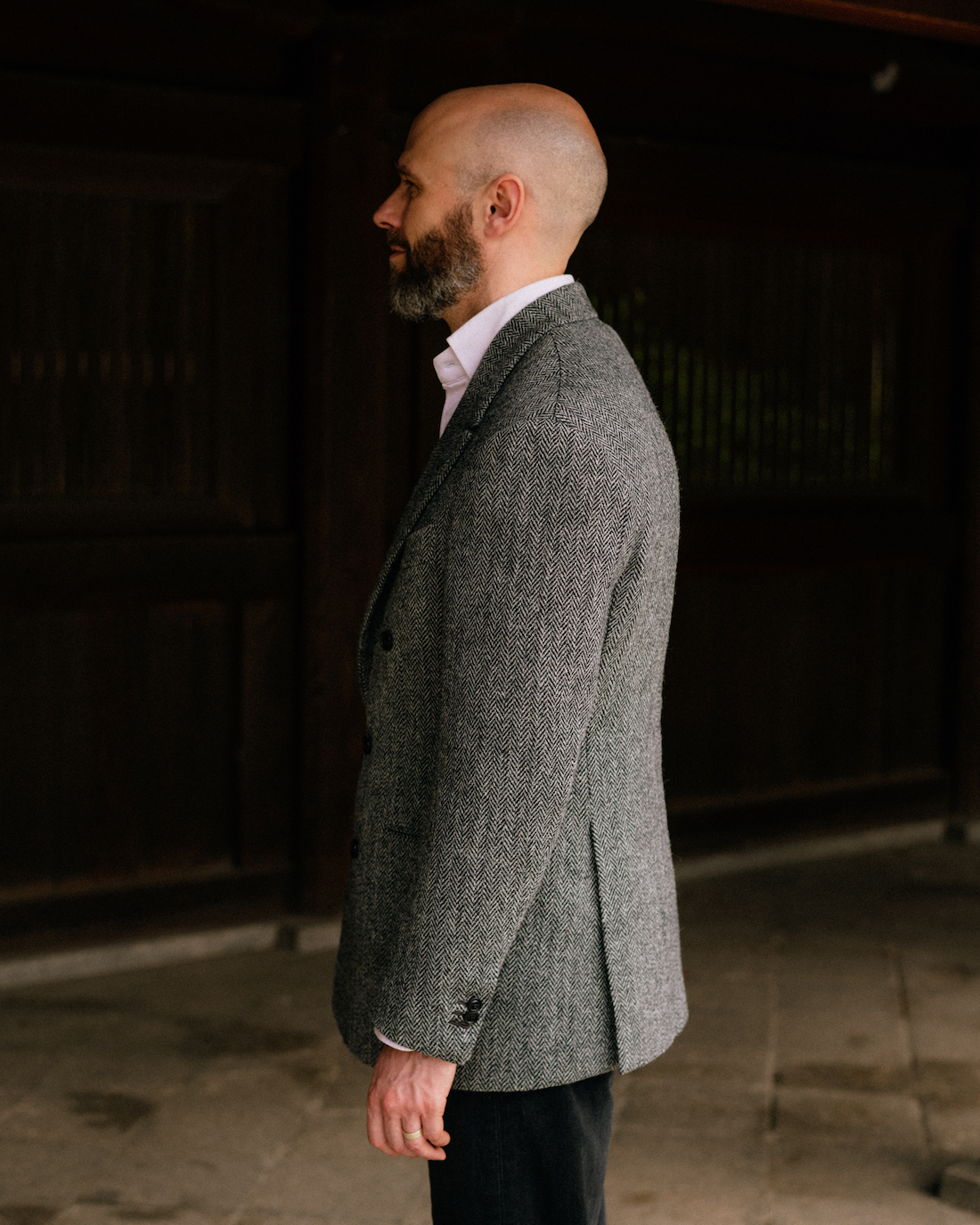
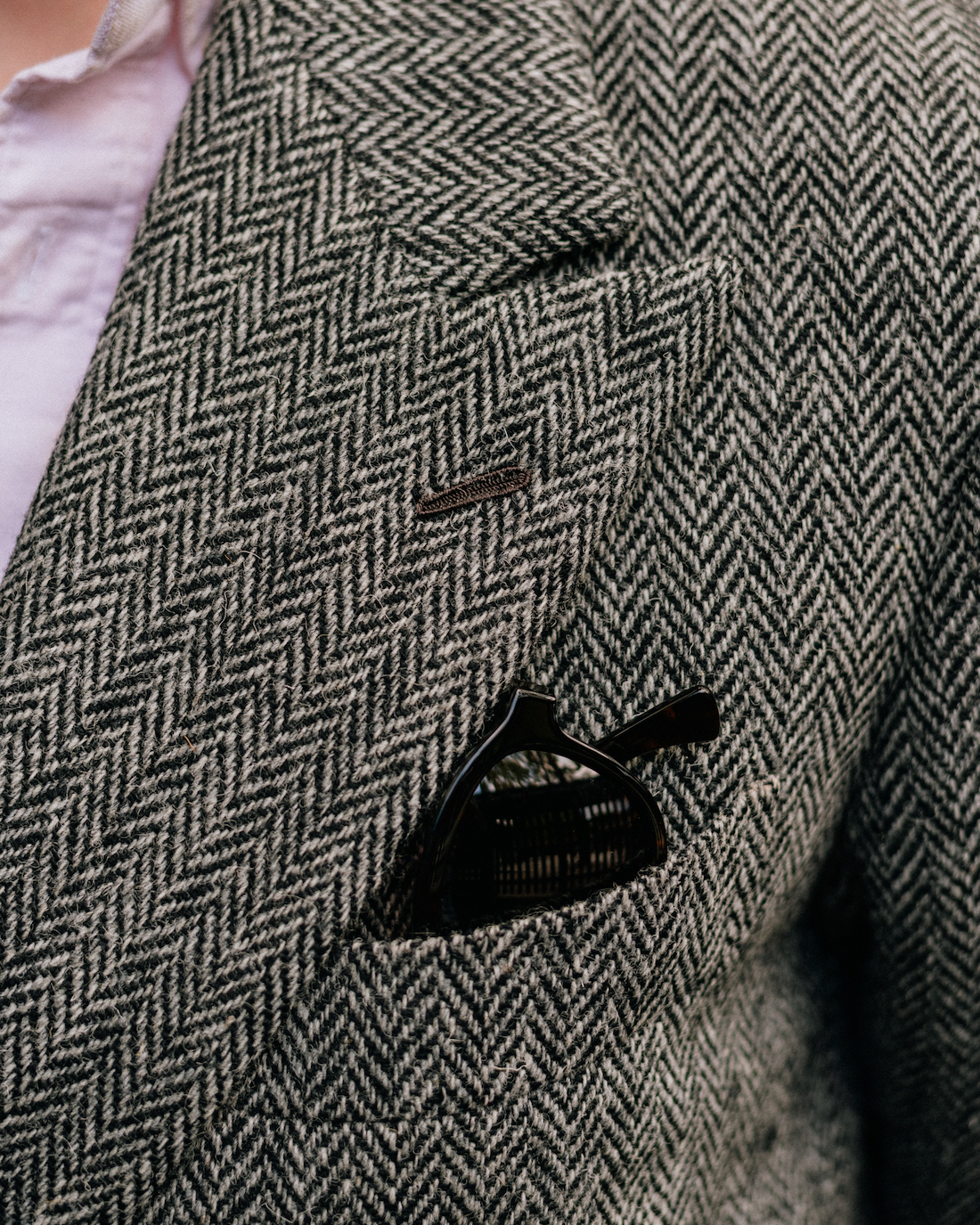
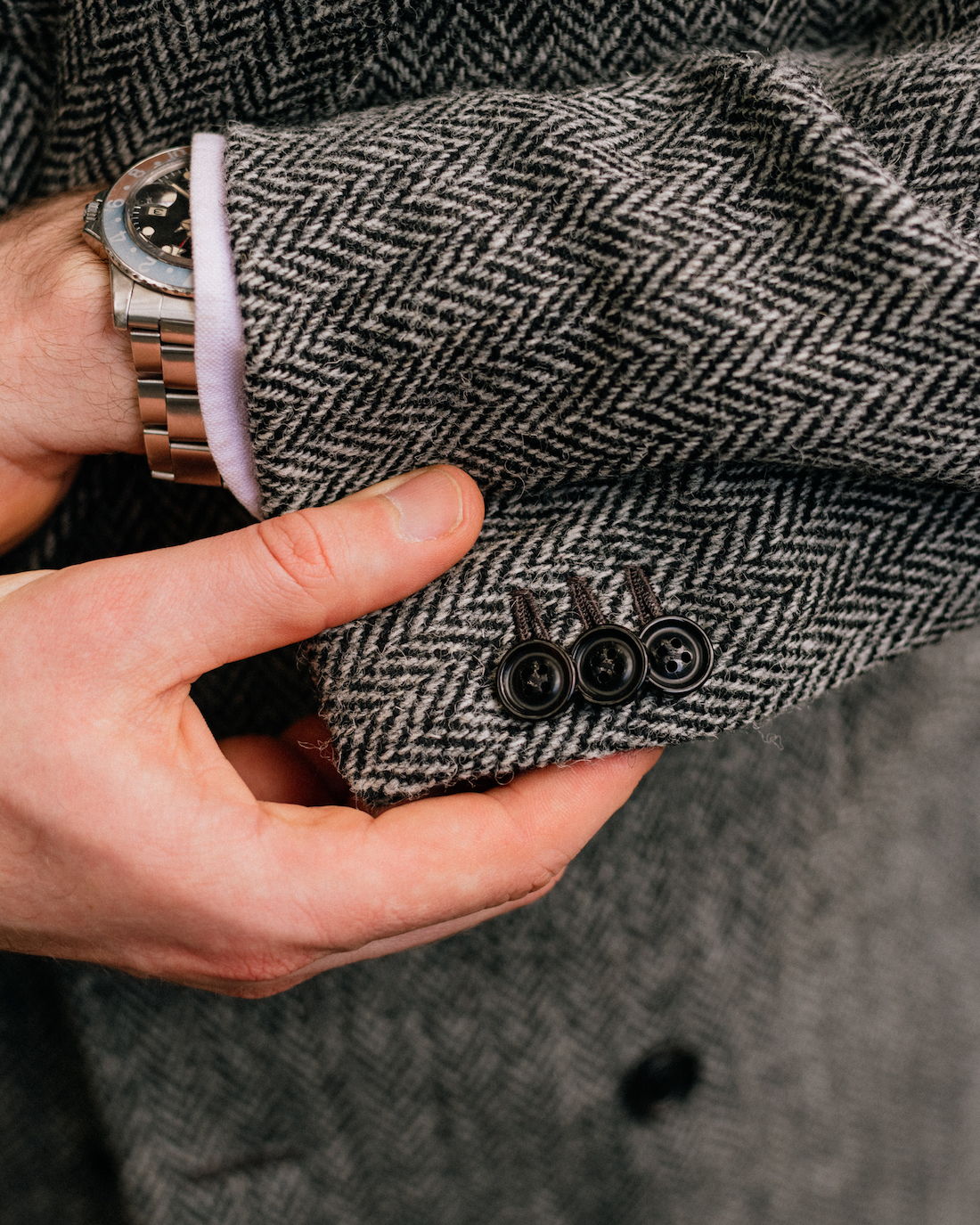
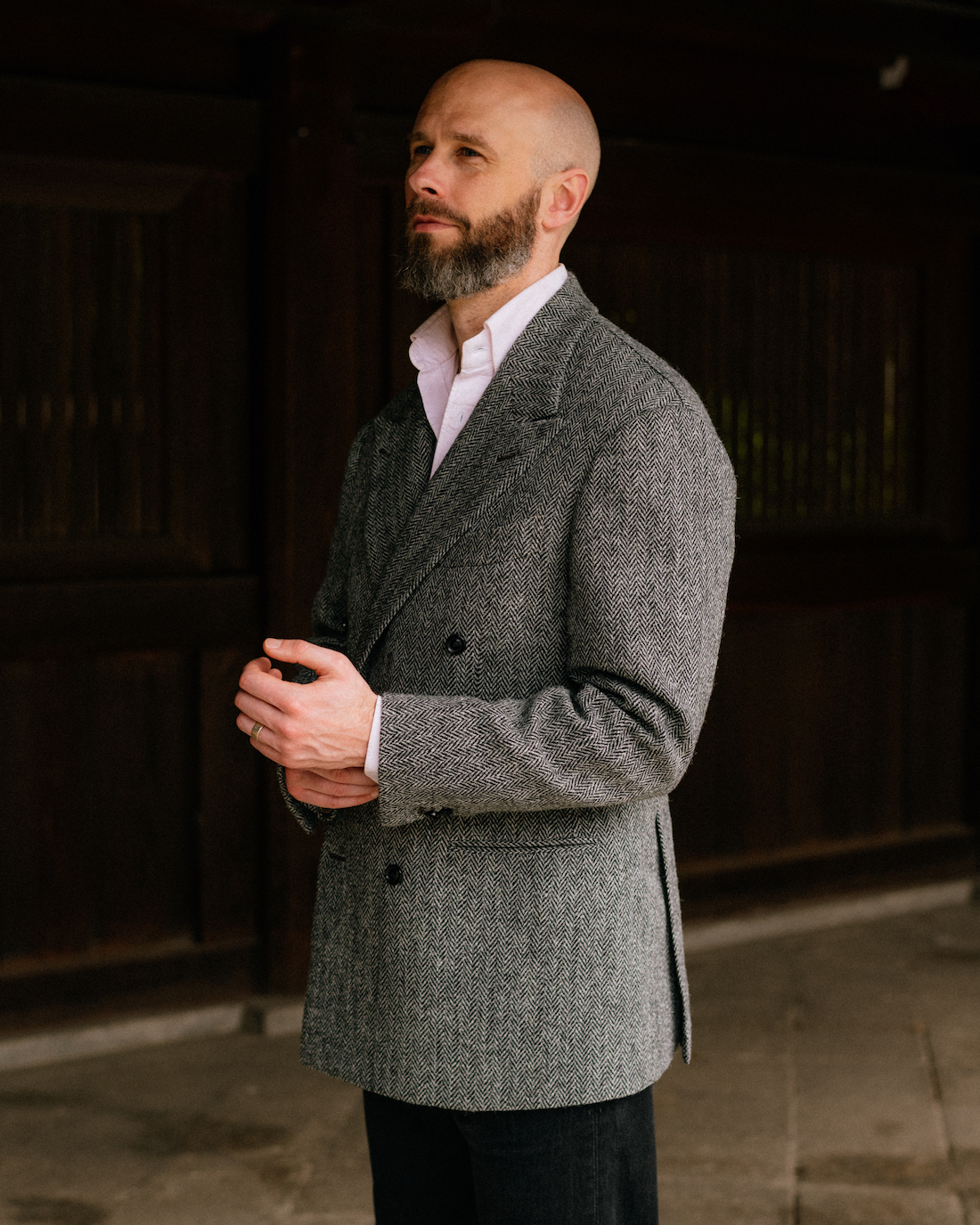
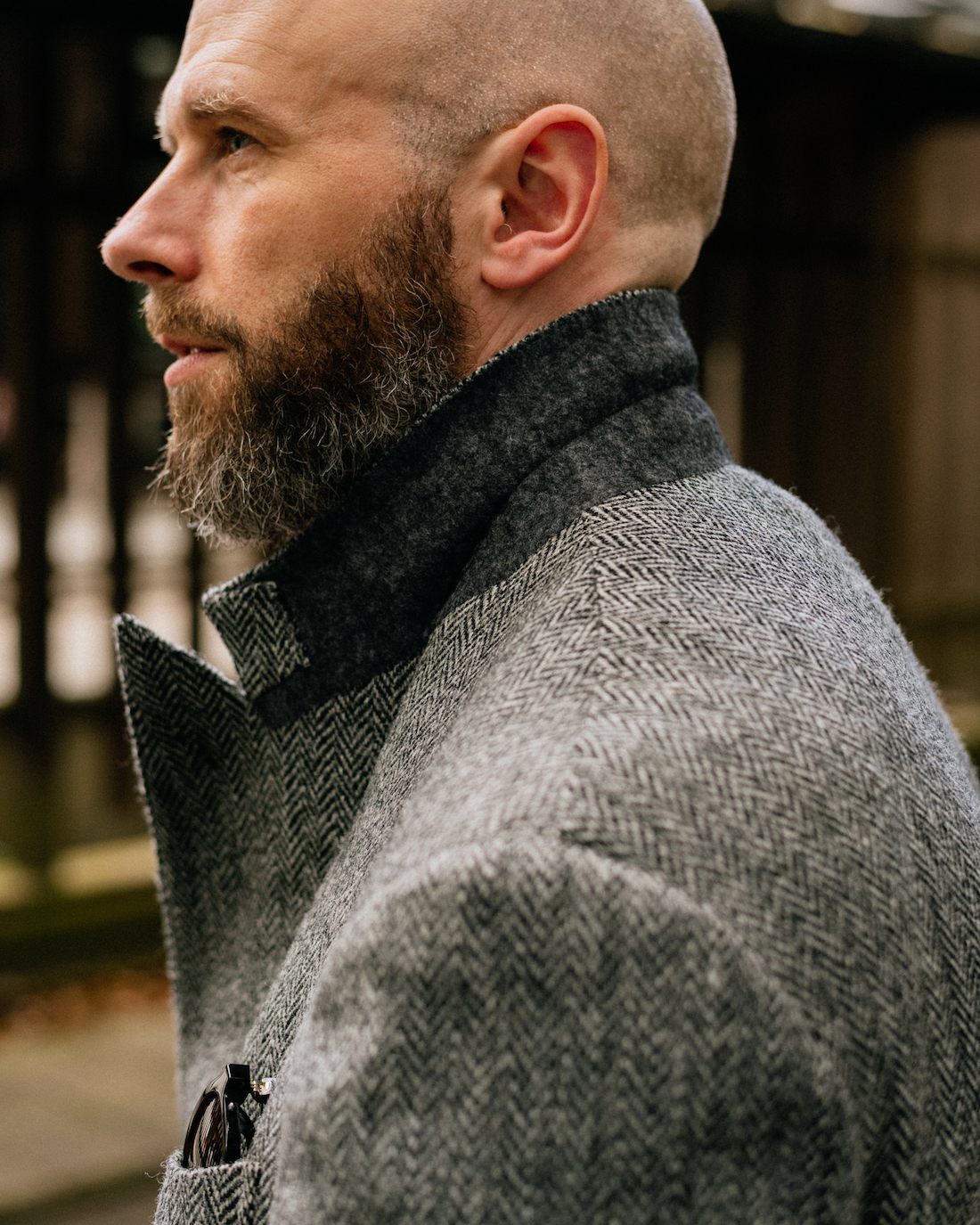
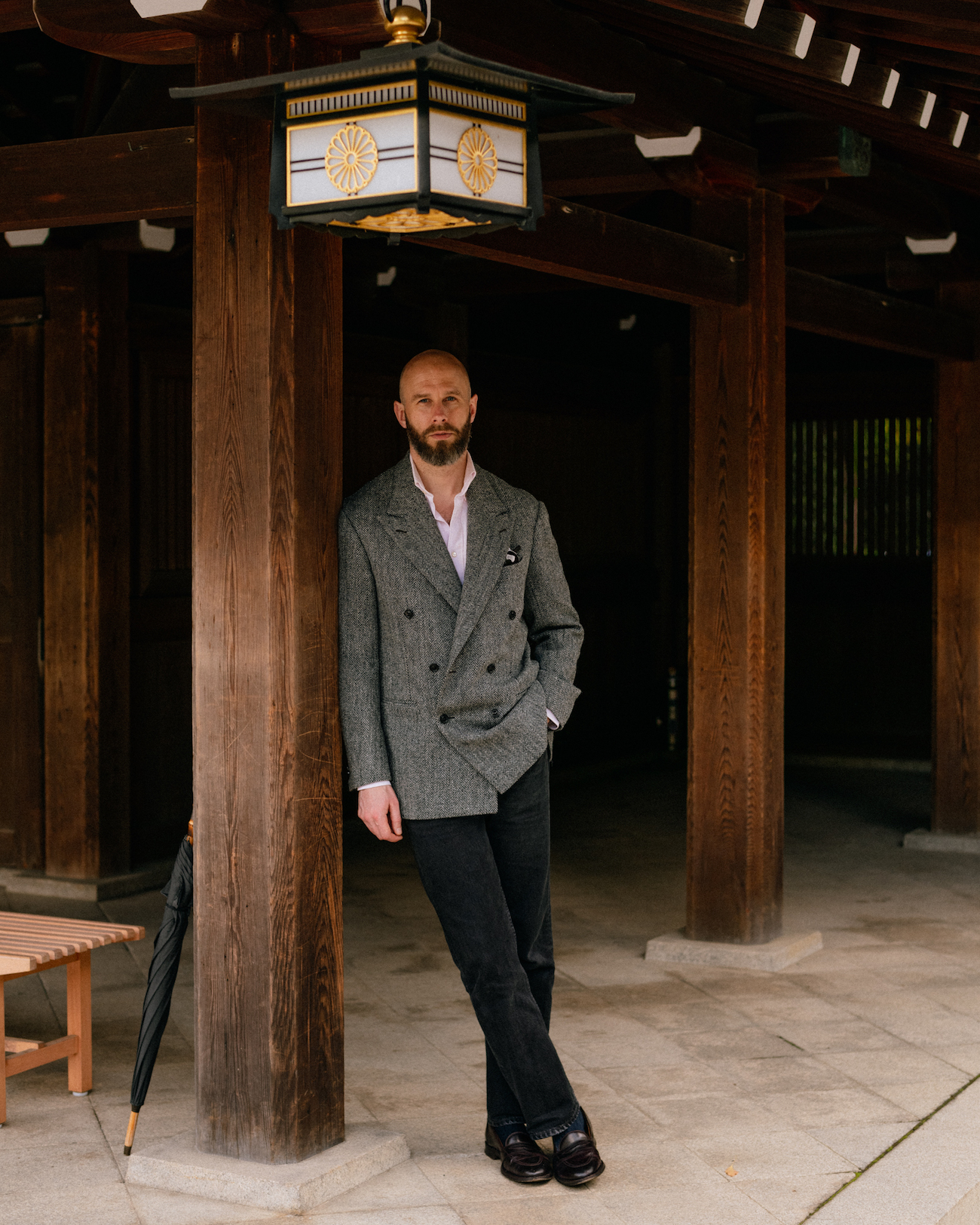
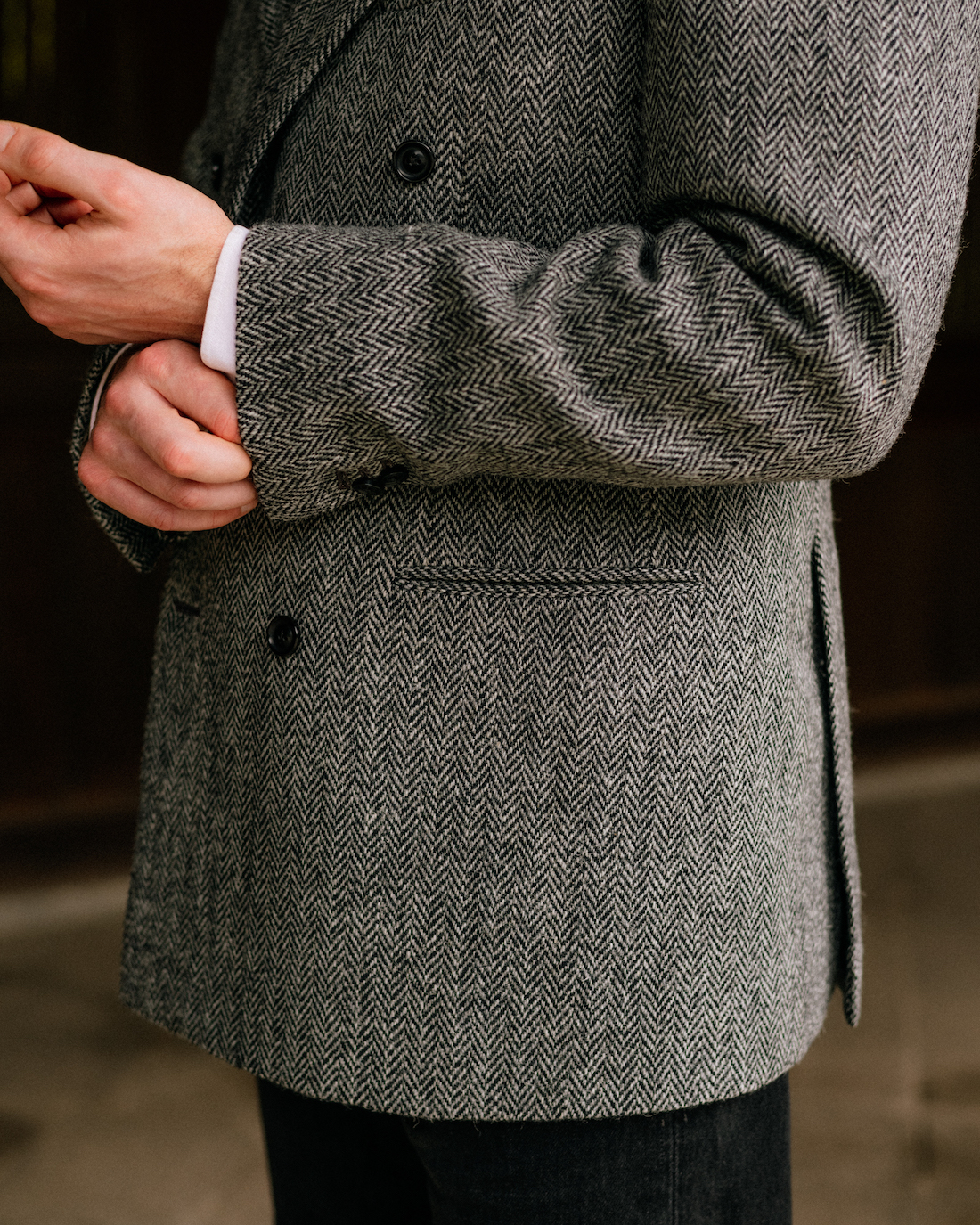
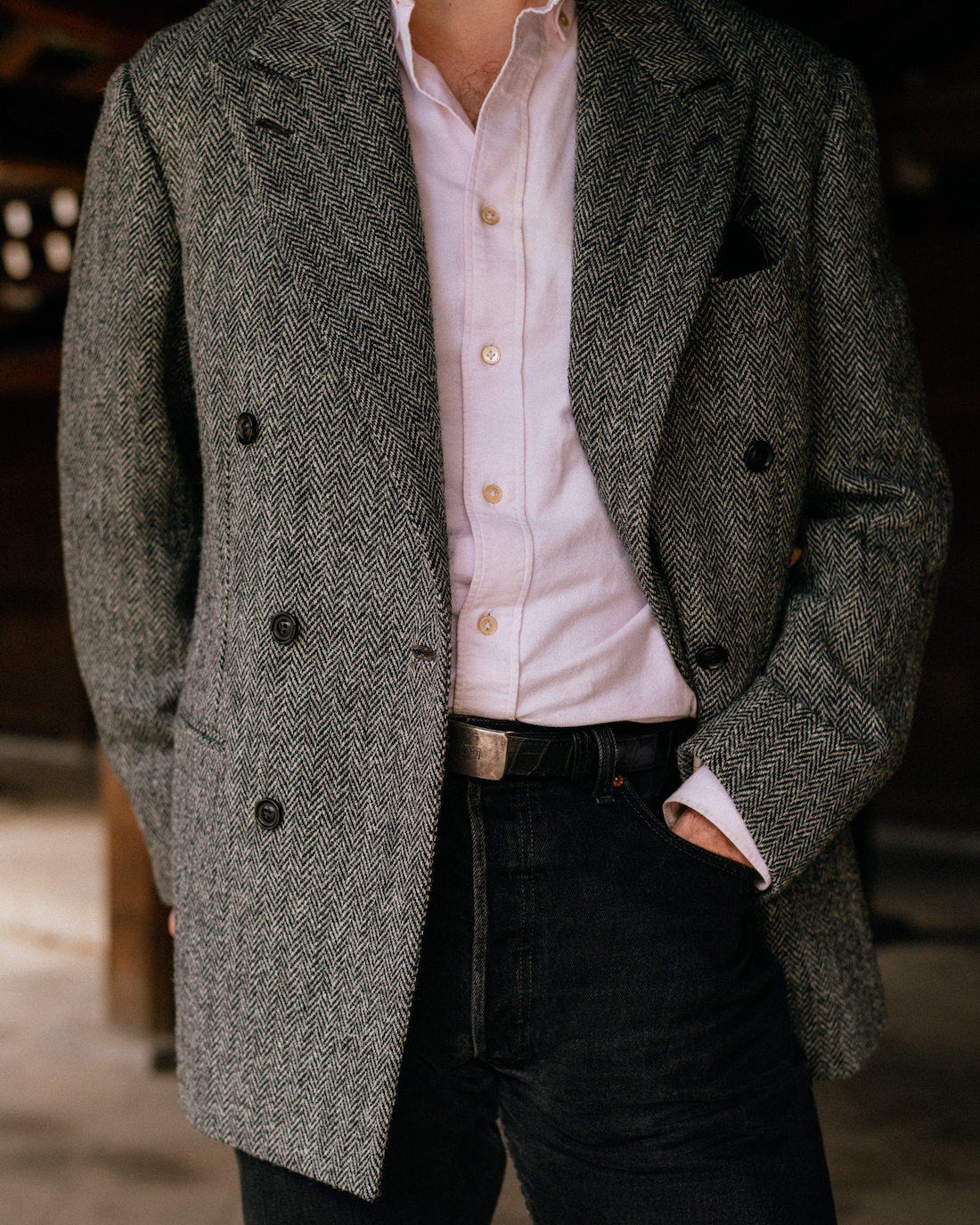
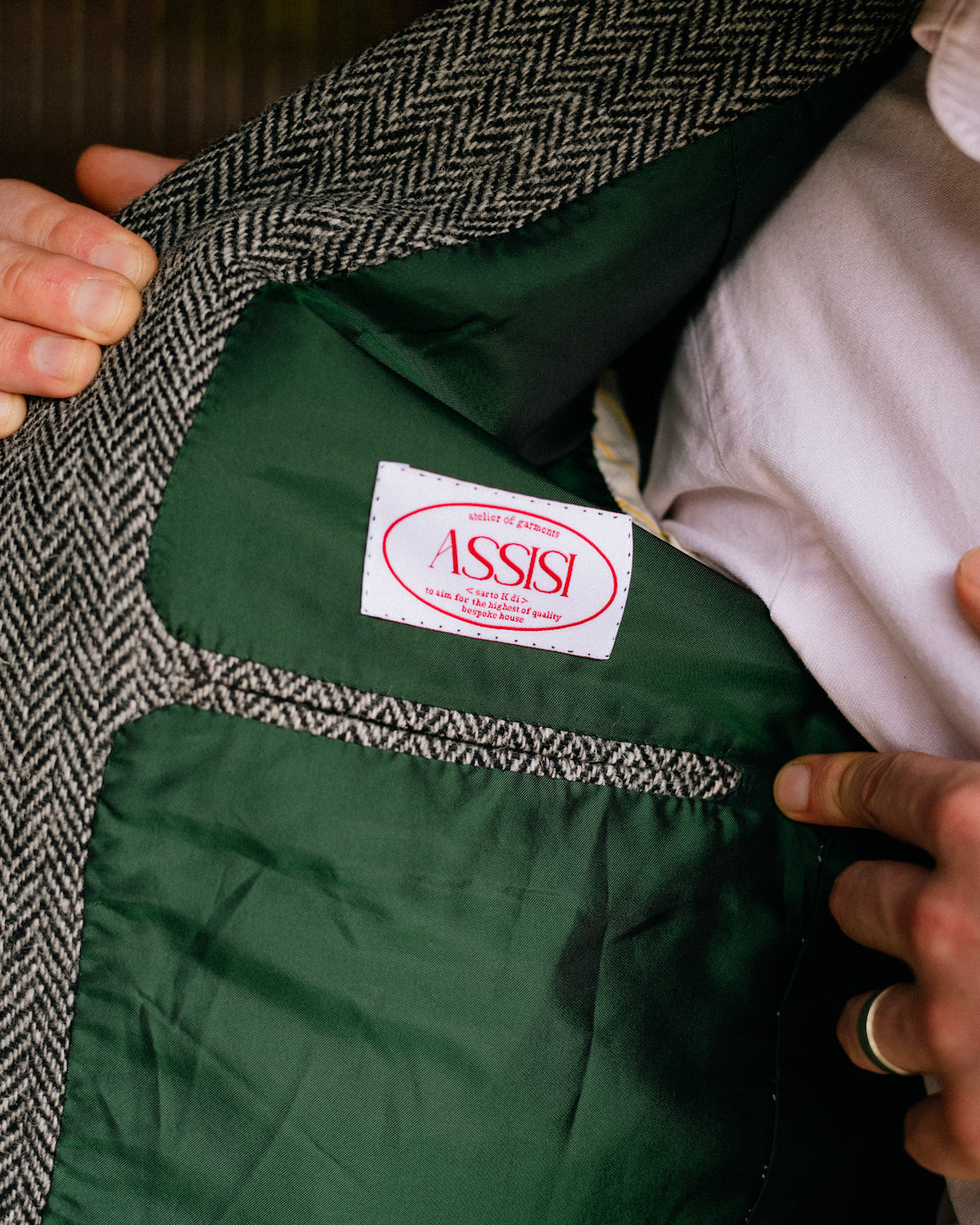
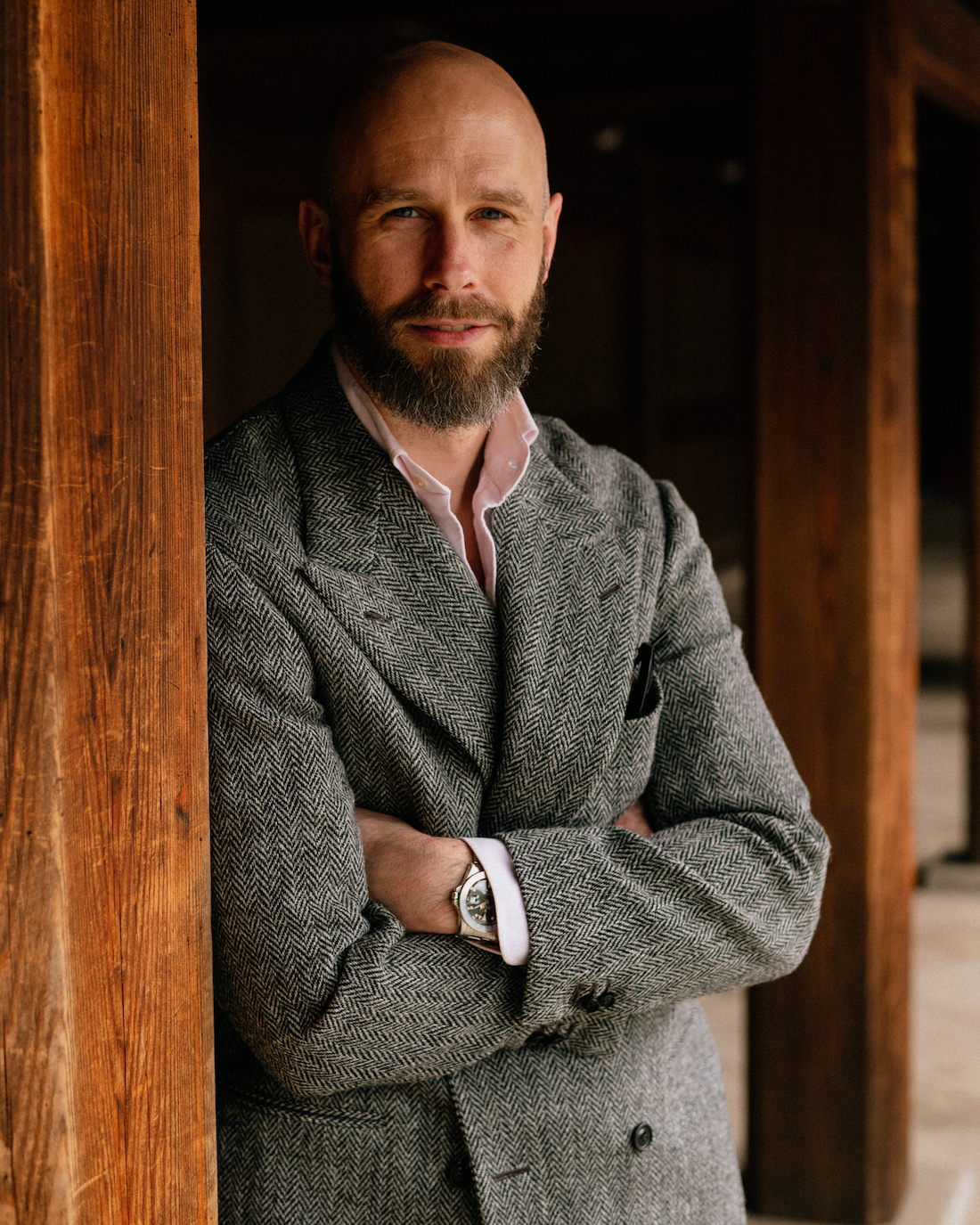
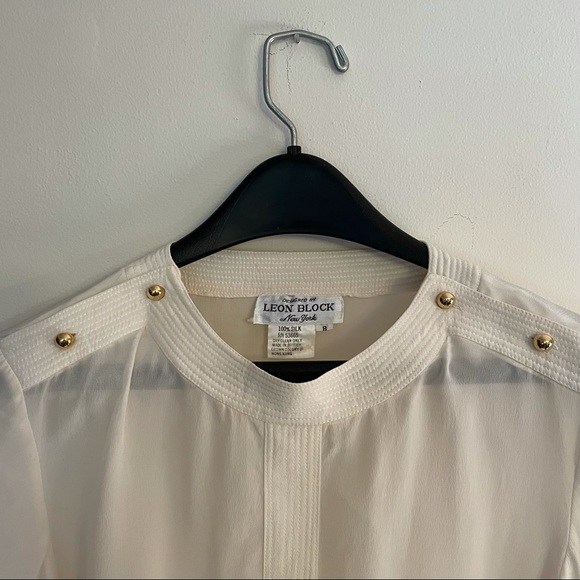
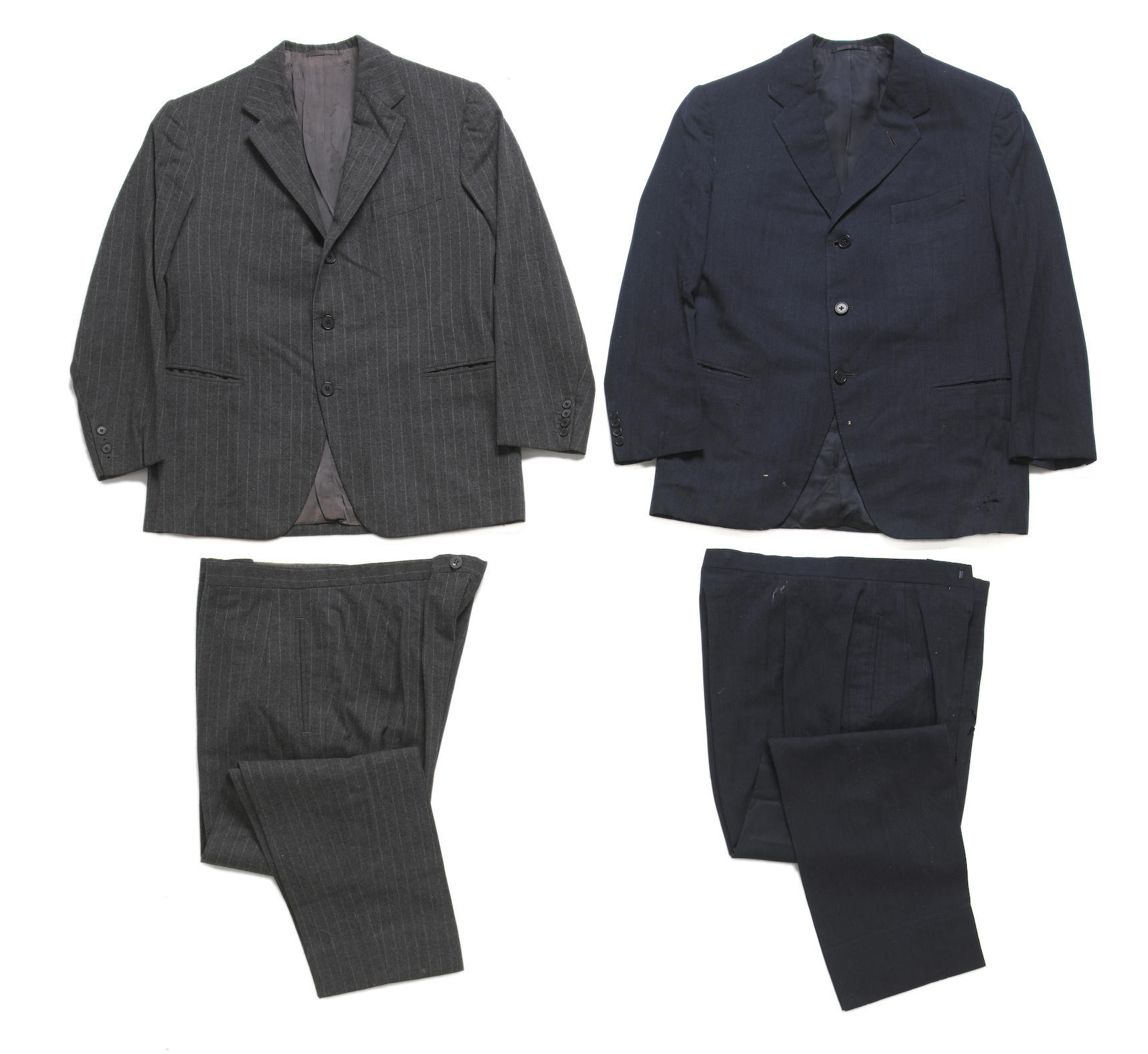
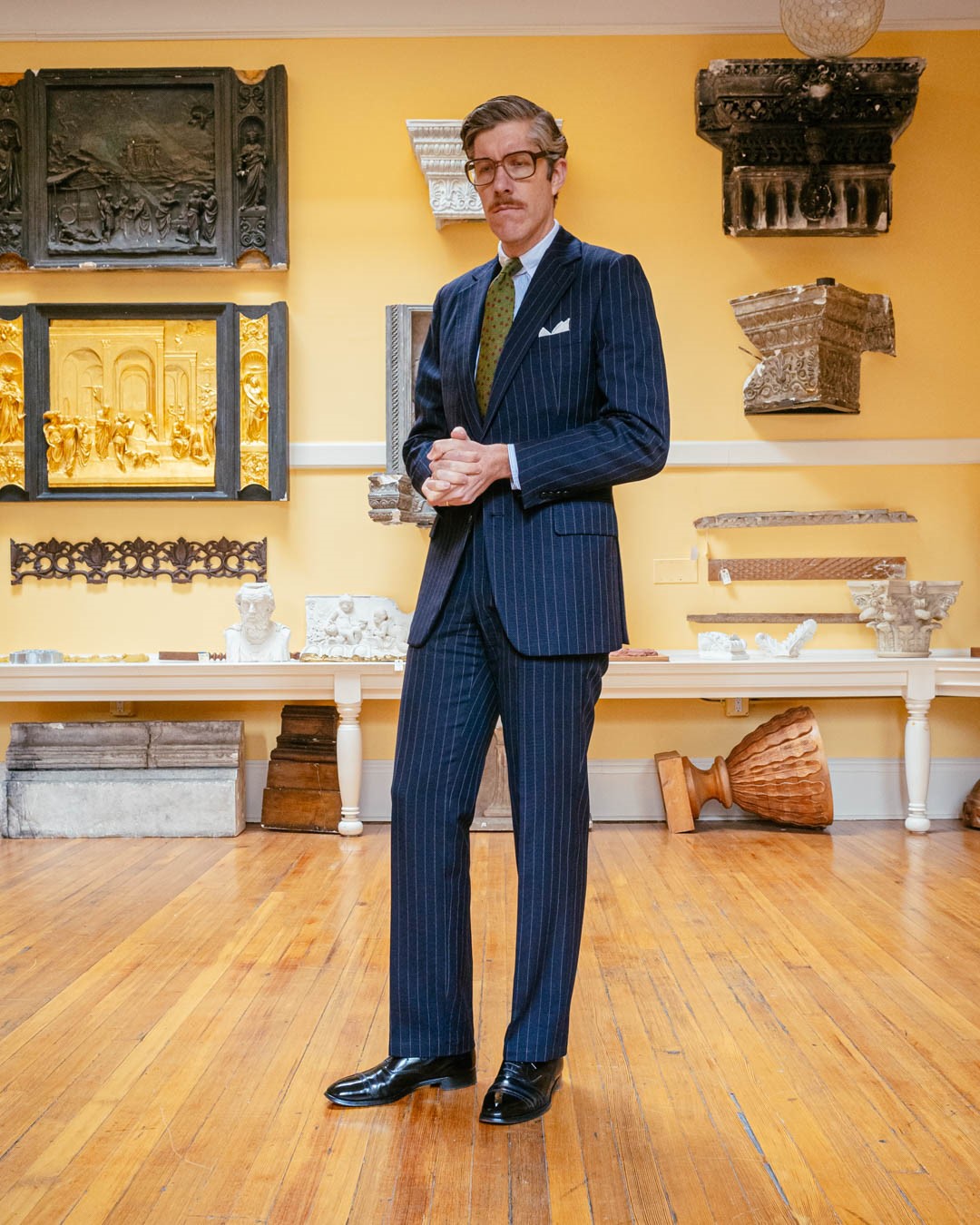
Hopsack (above two images) is a good example. It's just a name of a weave, one defined in the Weaves and Designs chapter of our Guide to Cloth. It can be woven with any yarn, worsted or woollen, in any weight and any finish. 

But it has come to mean something specific: a lightweight, breathable material using a worsted merino with a fairly dry finish. To be made into an unlined or half lined jacket for warmer seasons. 

This could seem academic, but it has one important effect, which is that heavier, denser hopsacks intended for suiting are sometimes used for jackets. The Oyster bunch from Harrison’s and Worsted Classics from Fox for example: both contain really beautiful hopsacks, but they’re dense and heavy (13oz and 14/15oz respectively) and are largely designed for suits. 

They could be worn as jackets, as they have a little more texture than smooth twills, but for me they’re not ideal given their density and sharpness. And they’re not what most men want when they’re looking for a summer blazer. 

(A side point here: these hopsacks are often what confuse conversations about ‘three-way suits’ that can be broken up - they do work as a suit, which is not what most expect, but then not so much as a jacket.)

Basket weave, mock leno and mesh

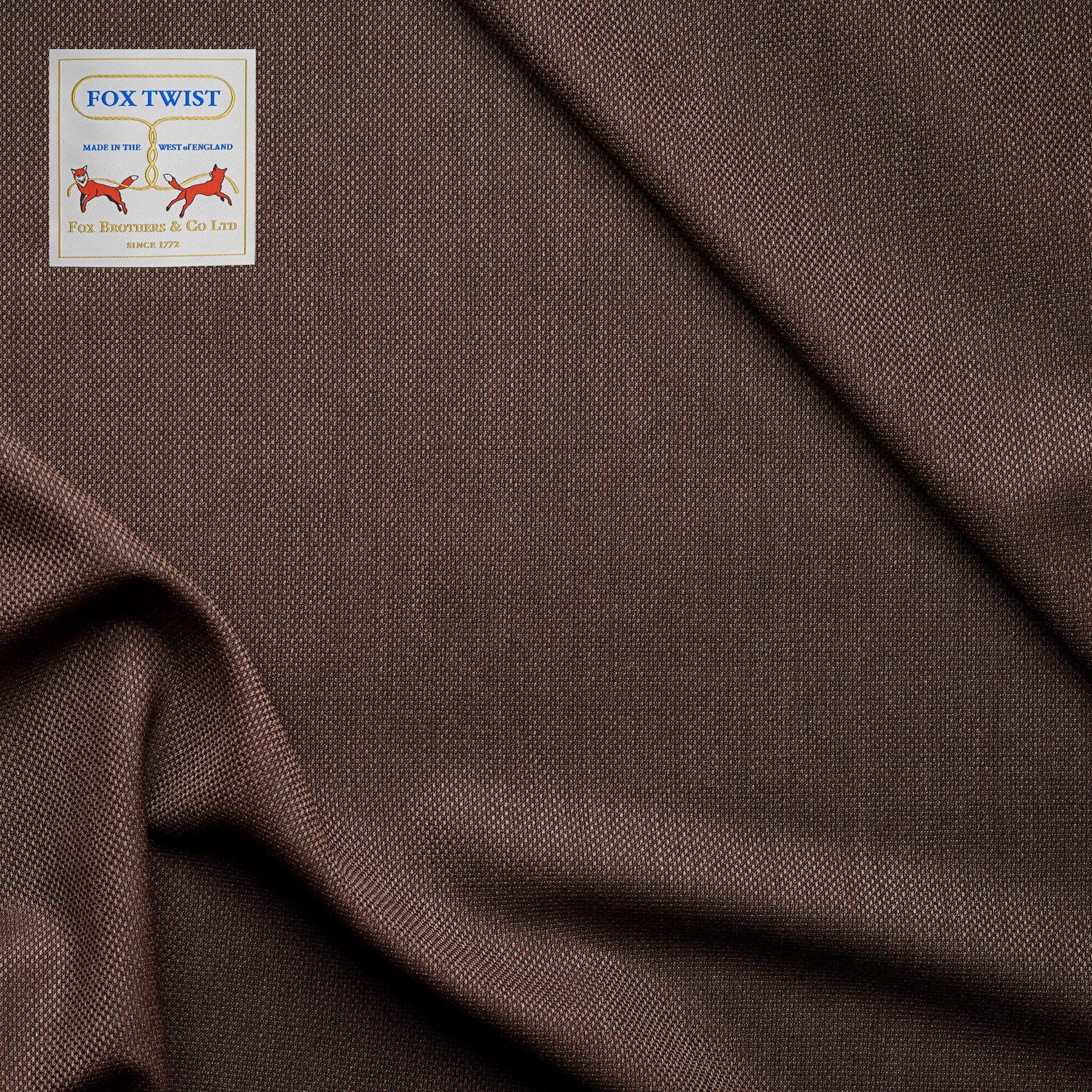
Three alternatives to hopsack are mesh (above), basket weave and mock leno. All are quite similar from a technical point of view, and indeed can overlap; they are all characterised by having two tight yarns that hold the structure together, and two that float on top. 

This means they’re necessarily open and breathable, where hopsack isn’t necessarily. They also all have more depth to the structure, which can give them greater texture. But as with hopsack, this is heavily dependent on the other factors: yarn thickness, density (‘set’) and colours. 

Basket weave, for example, is often made with a thicker yarn to create that basket-like texture many would expect from it. Meshes are often made with two different colours of yarn (eg a darker and a lighter blue) because the weave highlights the contrast between the two. But neither has to. 

Fox Brothers has just released a meck leno that’s a dark brown with ‘rose beige’ coming through. The contrast would be more obvious in a mesh, but it’s the colour that’s the most important thing there, not the weave. Plus the ‘up twist’ on the yarn, which makes it crisper and pushes more towards suits and trousers. 

How to select

Having demonstrated how complicated it can be, how do you go about picking a material for a good, simple summer blazer?

  1. Concentrate on weight - you want light if it’s for summer, 8-10oz
  2. Then on colour. For a smart navy jacket, probably the darkest navy there is
  3. Then two-tone: Is there more than one colour? Do you want that? If you’re unsure, avoid it
  4. Next texture. Is there more or less, is the yarn thicker or thinner? They’ll be small differences, but the best way to think about the weave and yarn together
  5. Look at density. Hold it up to the light, can you see through it? It’s a decent rule of thumb on how cool it will be
  6. Only then consider weave. It will help contextualise the points above, though chances are it won’t inform the decision. Whatever you do, just don’t go in saying you want only one or another (as most people do with hopsack)

What to select from

And what specific bunches should you consider? Here are the ones I’ve tried or have seen made up and can recommend directly. 

  • Holland & Sherry, Mesh & Hopsack Blazers
    • I had a jacket in the mesh from Ettore de Cesare, and it was very good. Nine ounce, a little more texture than hopsacks. I’d go for 003 (navy) or 004 (midnight, above)
  • Drapers, Montecarlo
    • Very similar to the Holland & Sherry. They may indeed all be woven by VBC for different merchants - Scabal has a similar one. The weight and weave that’s closest to my vintage black-cashmere hopsack
  • Loro Piana, Jackets
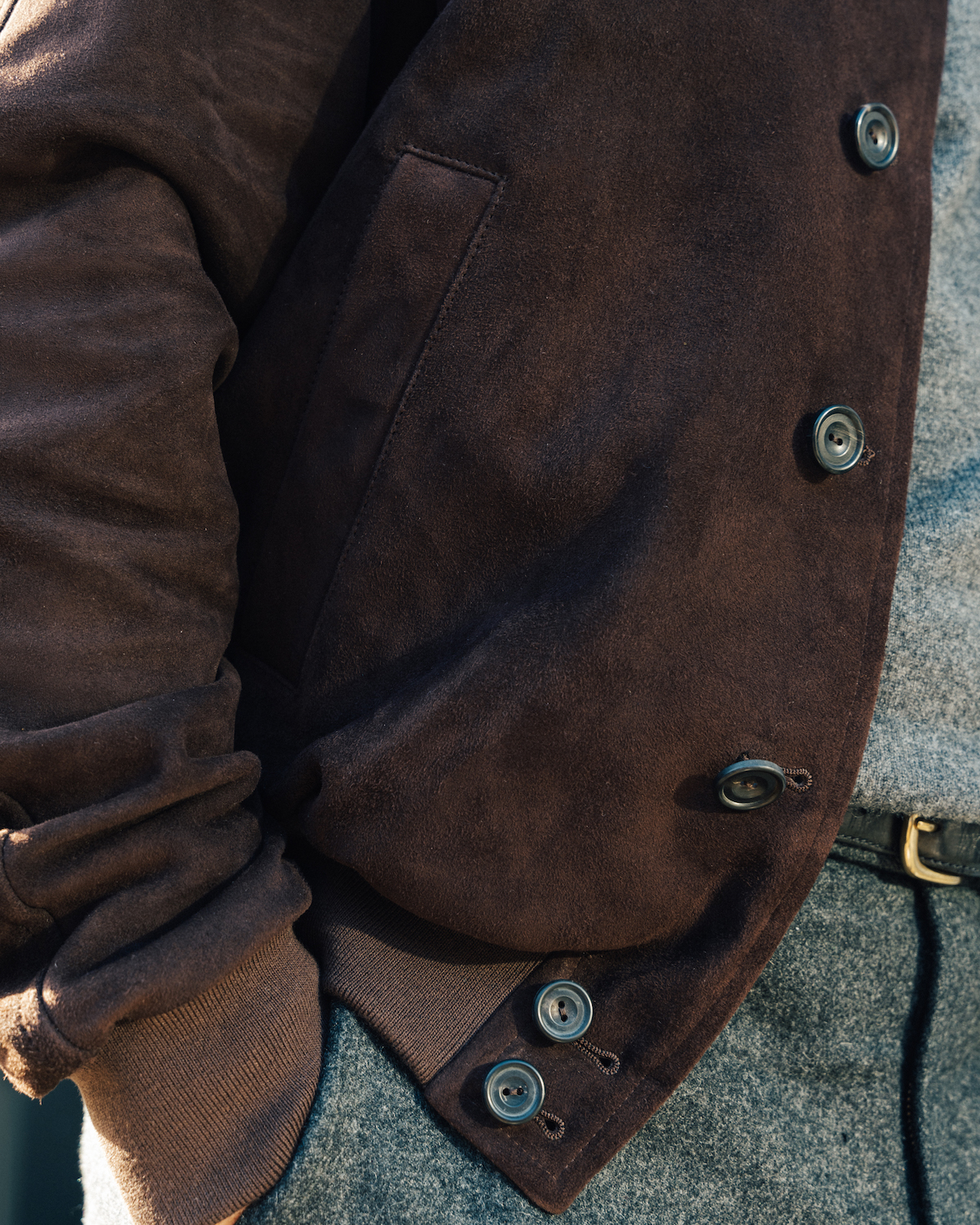
    • A little finer and so sleeker than the English bunches. Touch more shine, touch more luxe, but still tailors well. Also a little bit lighter (8oz) and more open. My first hopsack jacket from Elia Caliendo (below).
  • Fox Brothers, Fox Sport
    • A little heavier (11/12oz) and tighter than the others, perhaps more for an English summer than an Italian one, but makes up really nicely. I’d go for that over the Worsted Classics, which I’d use for a suit
  • Smith’s, Finmeresco (mock leno)
    • The bunch Finmeresco, not the material. Most high-twist bunches designed for suits/trousers, like Finmeresco, have a jacketing section too, which here is indicated as mock leno. Again heavier (12/13oz)

If others have tried particular hopsacks, meshes or similar, please do let us know and add your experiences below in the comments. Particularly useful if you’ve tried more than one and can compare. 

As to colours of jackets, I would always start with navy. If that’s too smart for you, then you might not want this category of cloth anyway as it’s a smart material. A wool/silk/linen, lightweight woollen or pure linen might be better. 

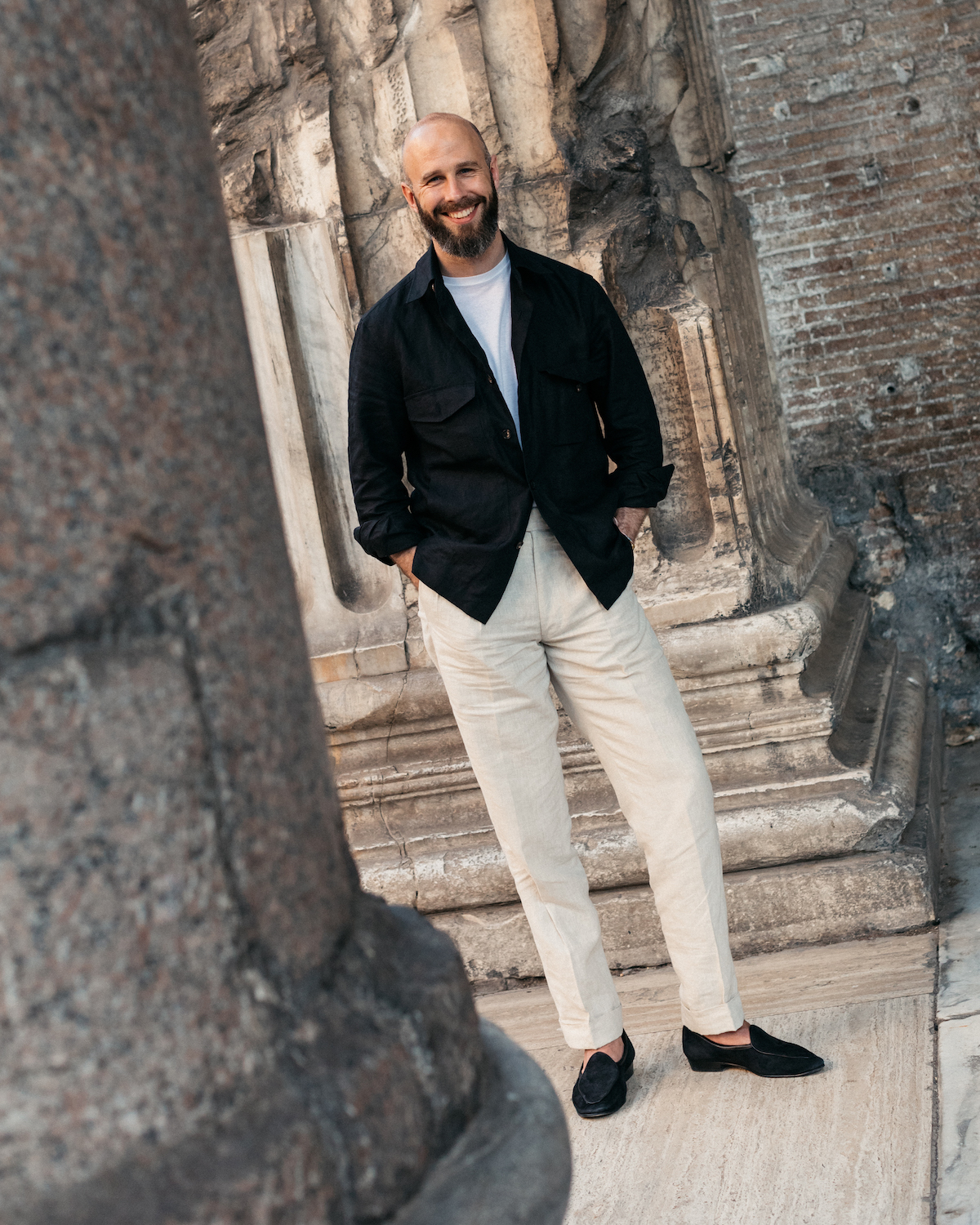
I recently had a black hopsack made by Paolo Martorano (below) and while it is great, it’s not that versatile. I might well get a navy one with him soon, to replace the Ettore one that’s too small. 

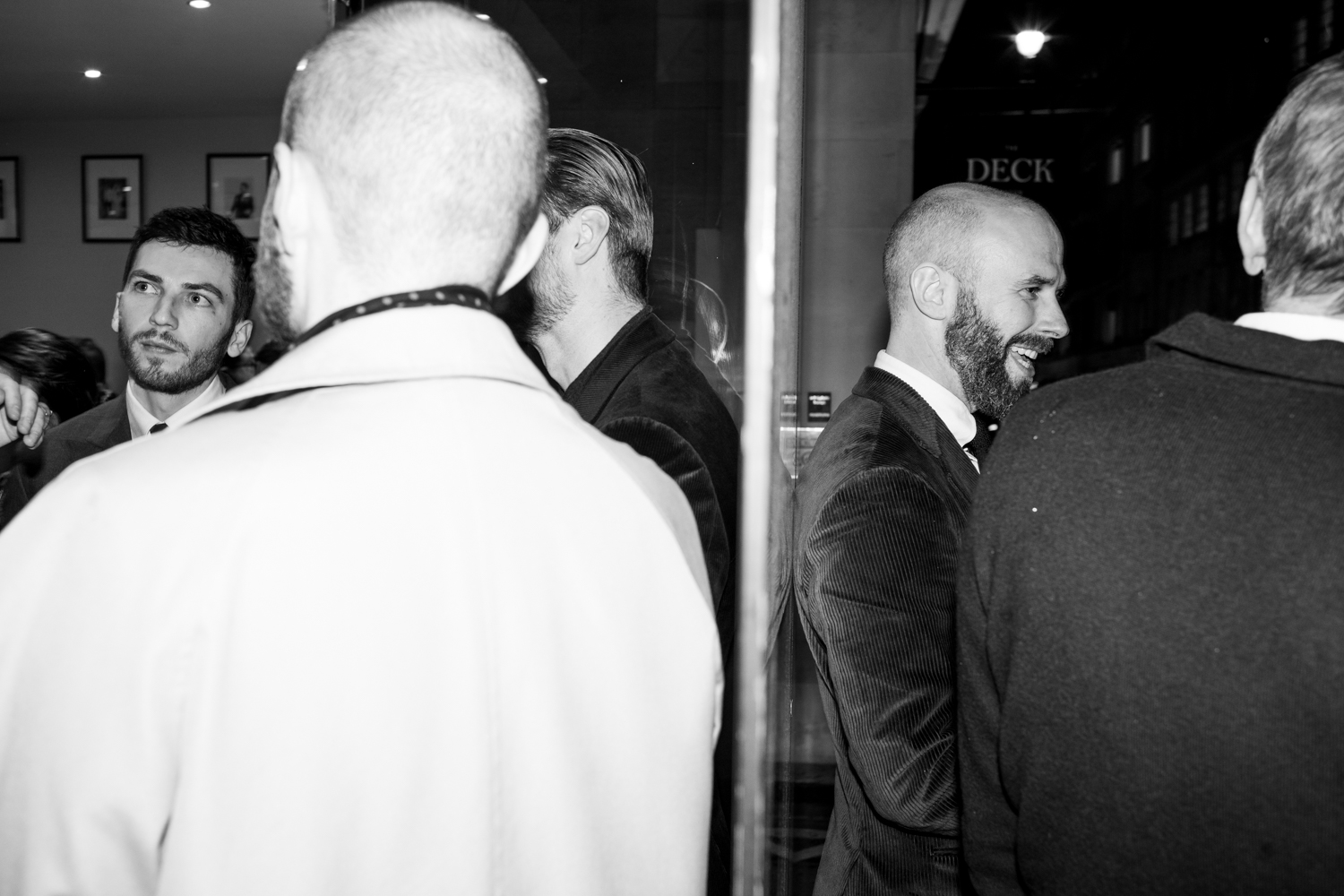
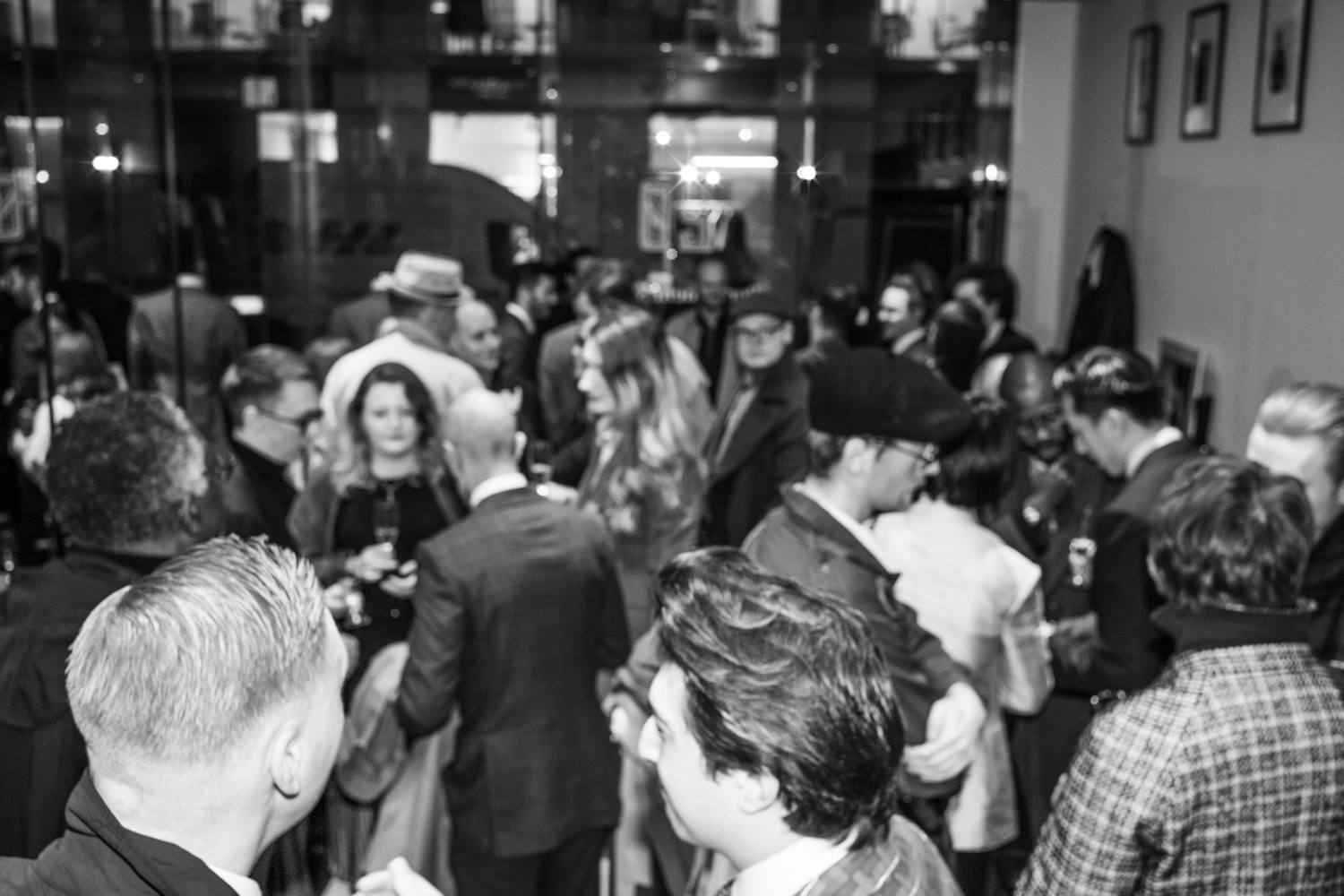
Friends and fun at the PS anniversary Open Day

Friends and fun at the PS anniversary Open Day

Wednesday, July 5th 2023
||- Begin Content -||

For the first hour-and-a-half of our Open Day last week, no one turned up. I sat there on a bench outside the shop, considering that maybe the ‘I am 15’ badge and the birthday banner weren’t so funny after all. Maybe they were just stupid. 

Then Chris from Drake’s turned up, and had a coffee, and chatted and had a photo. Then Ryan from Bennett Winch, Jake from Niwaki, Mike from Red Rabbit, and two readers in rather nice combinations. 

By 11am it was humming, and stayed that way all day. It had been an unusual idea to have an all-day party, rather than an evening one, but the format seemed to work. People just hung out, creating a rather easy atmosphere - always 30 or 40 inside and outside, always a pleasant chatter, always a queue for Jamie’s photo studio. 

I have to say, although Lucas and I worked our socks off - and were dead on our feet by the end of the day - Jamie was the real star. 

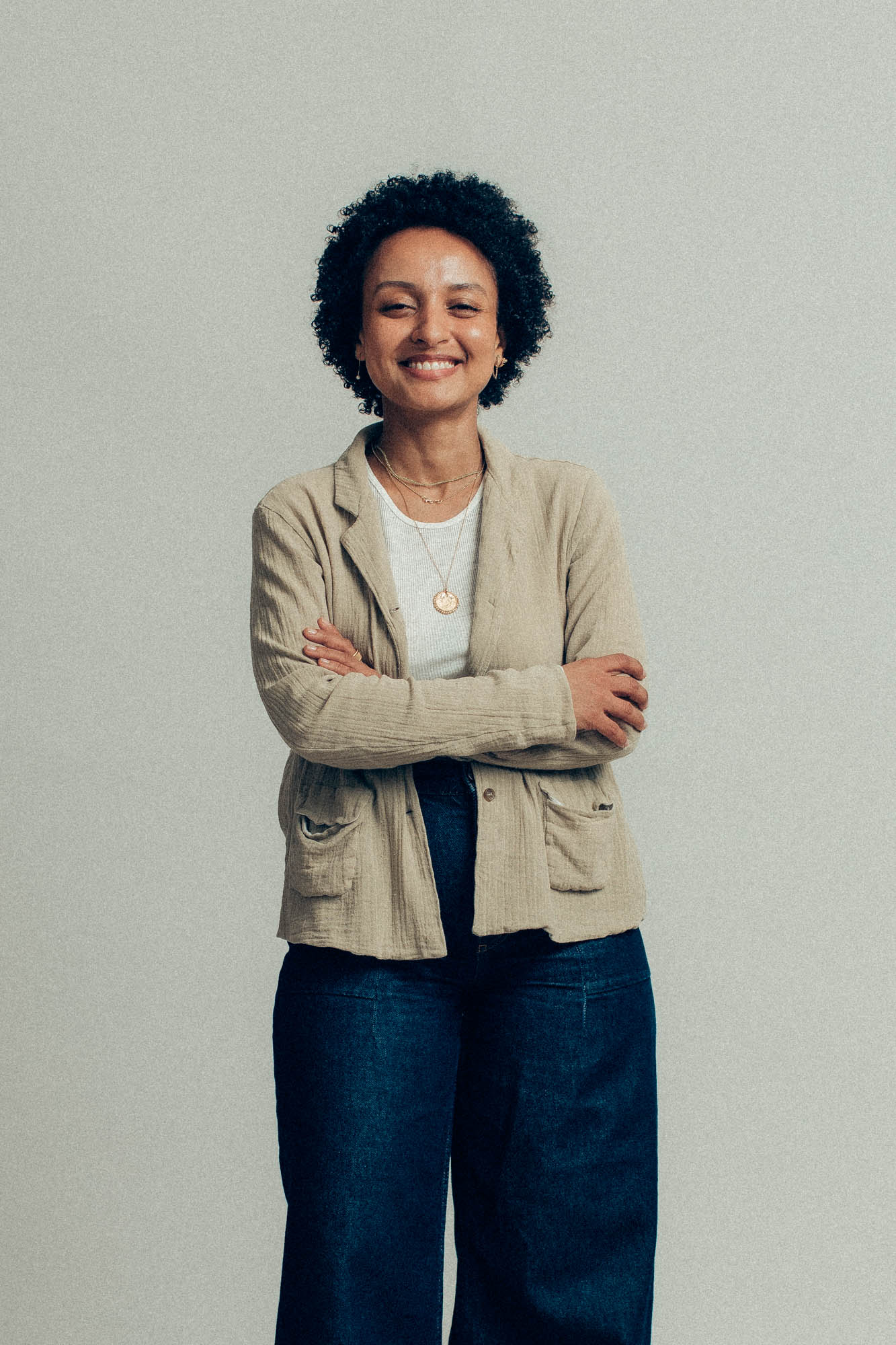
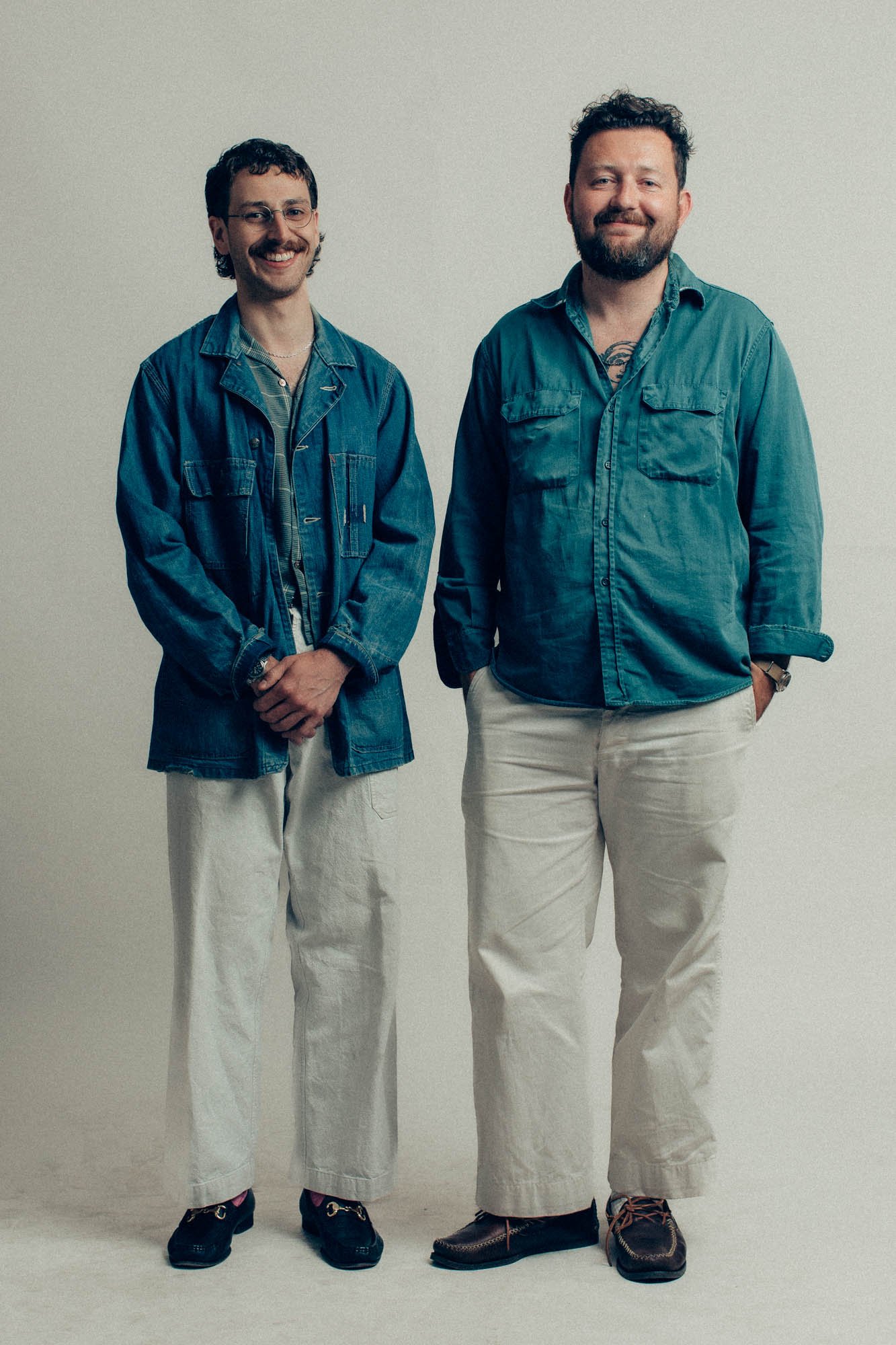
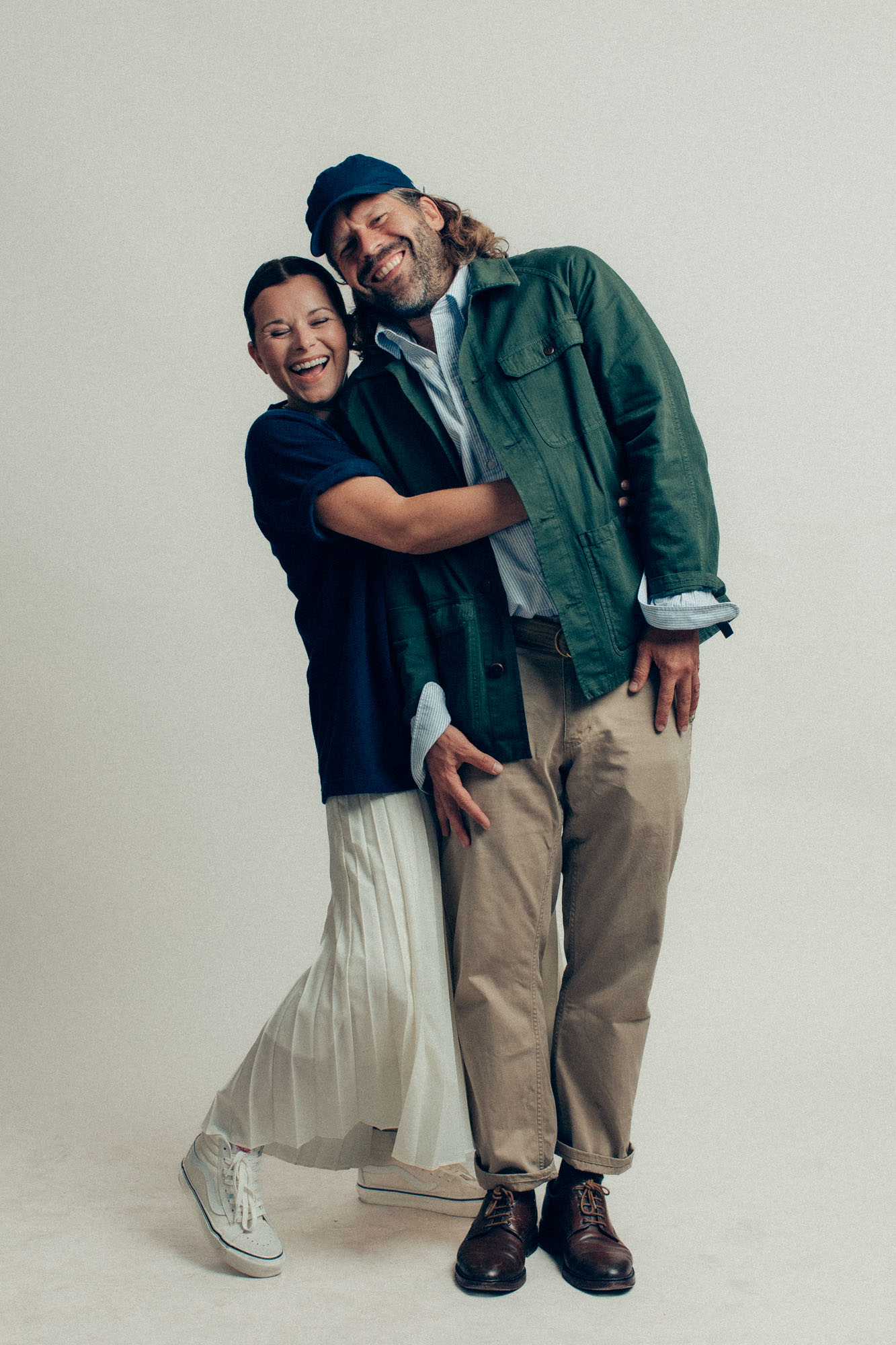
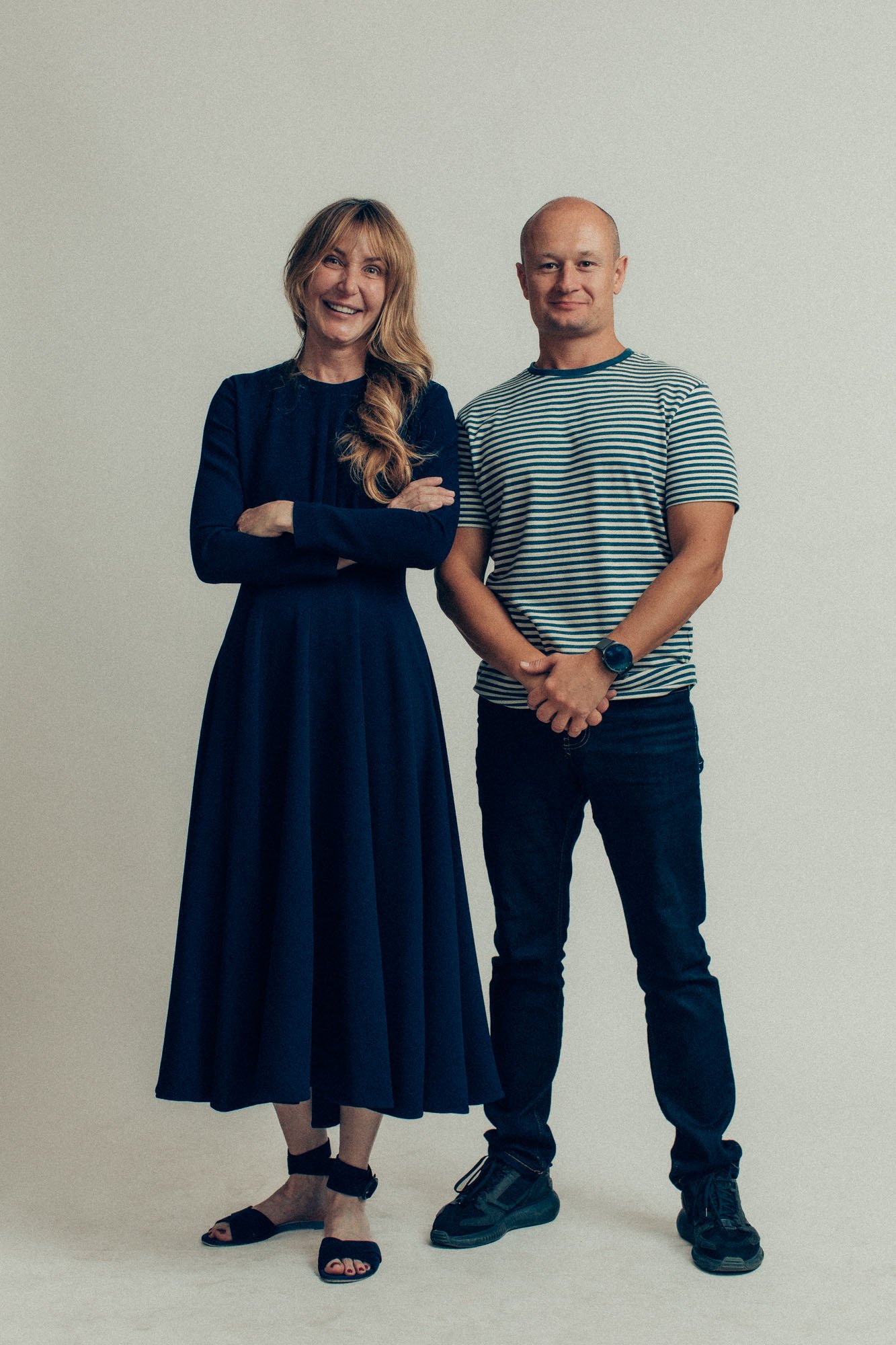
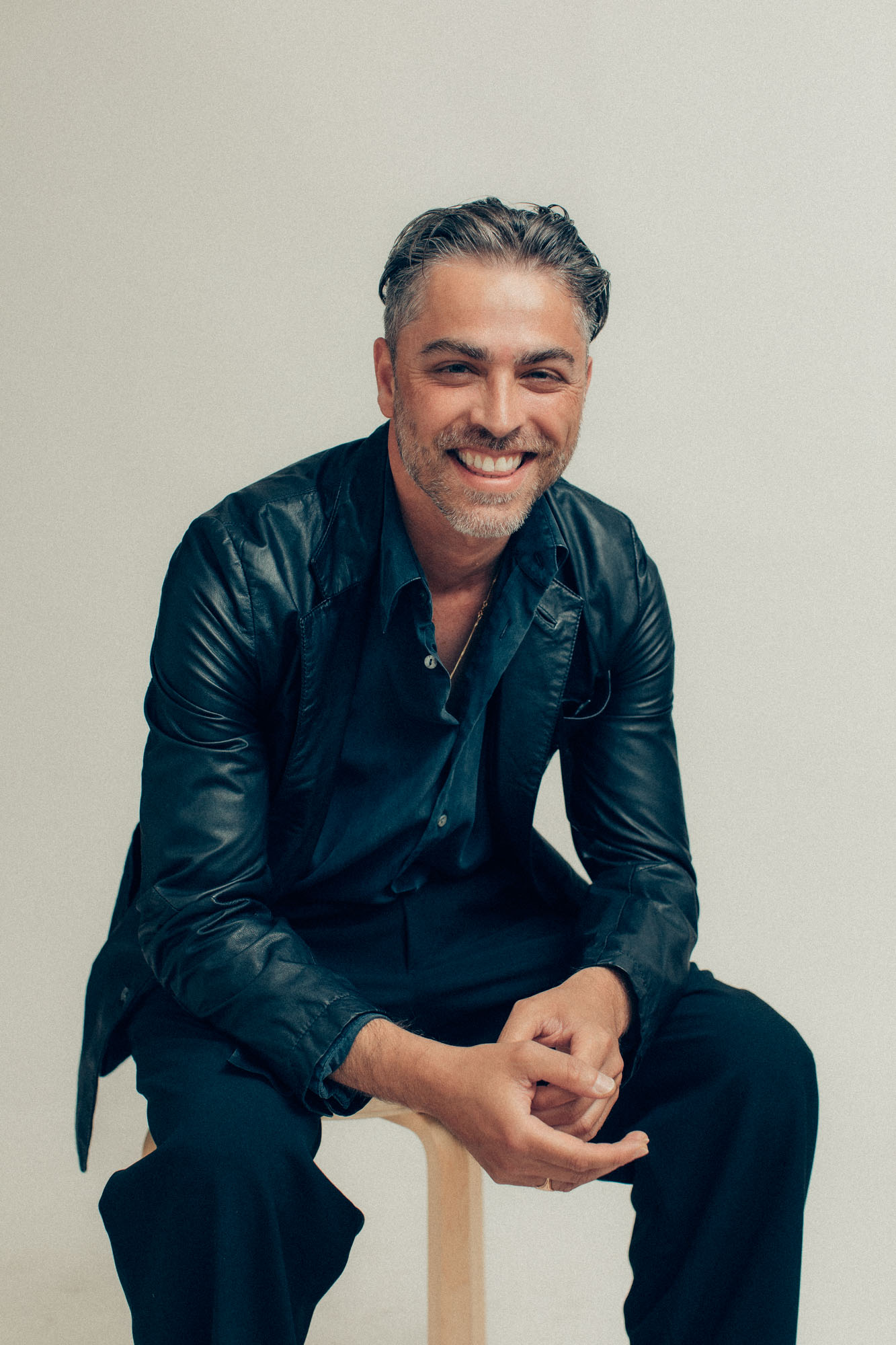
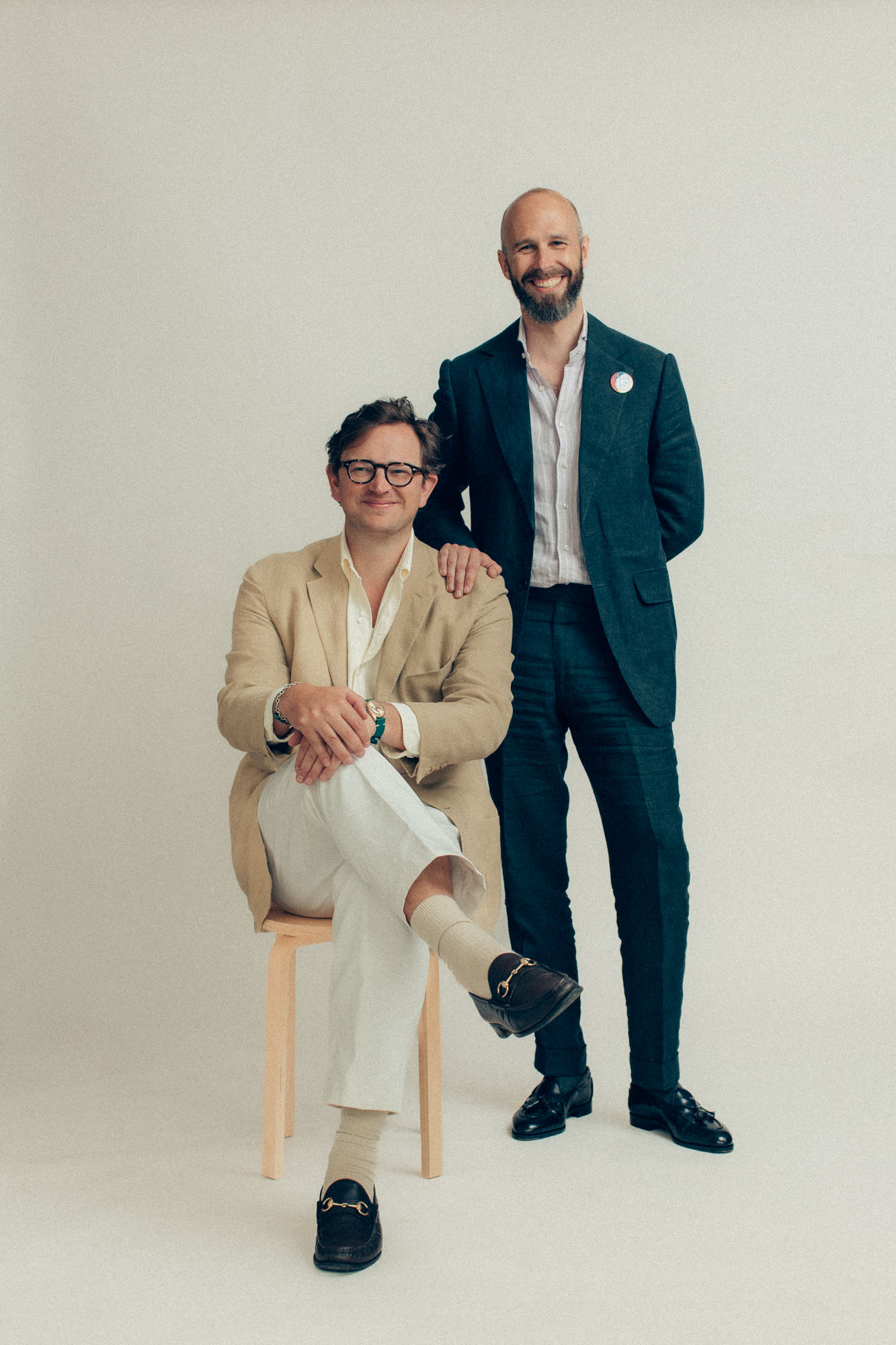
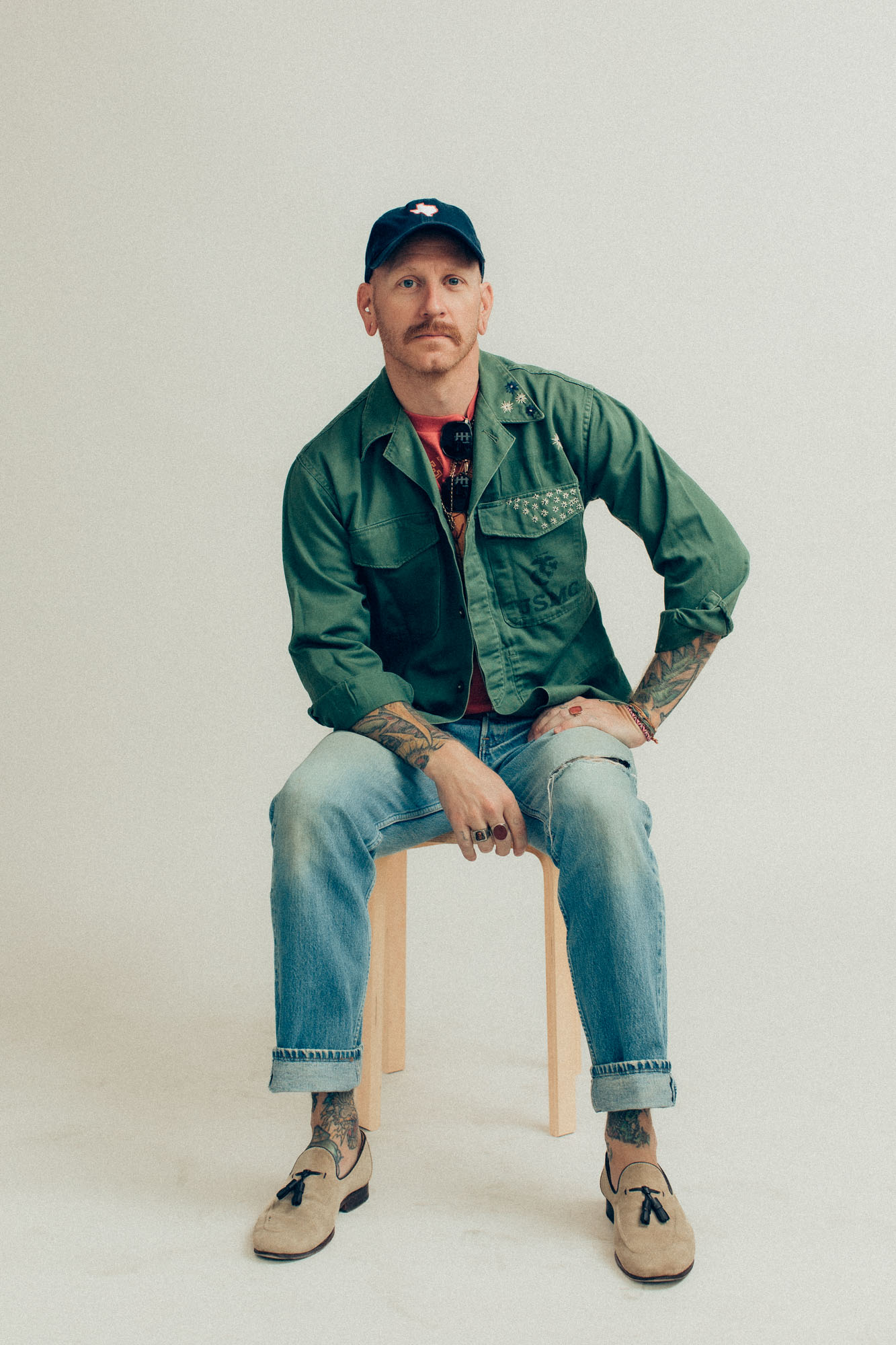
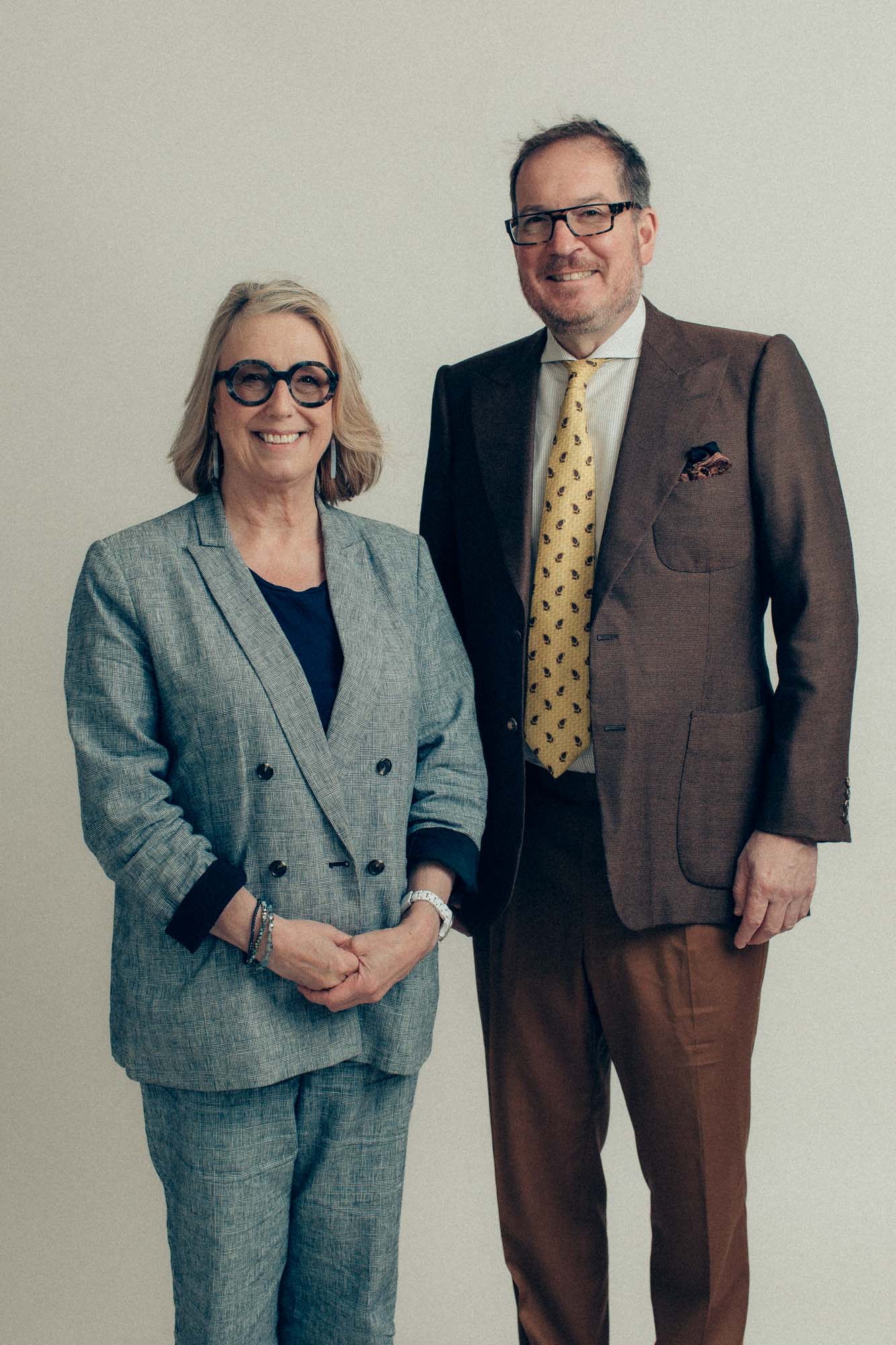
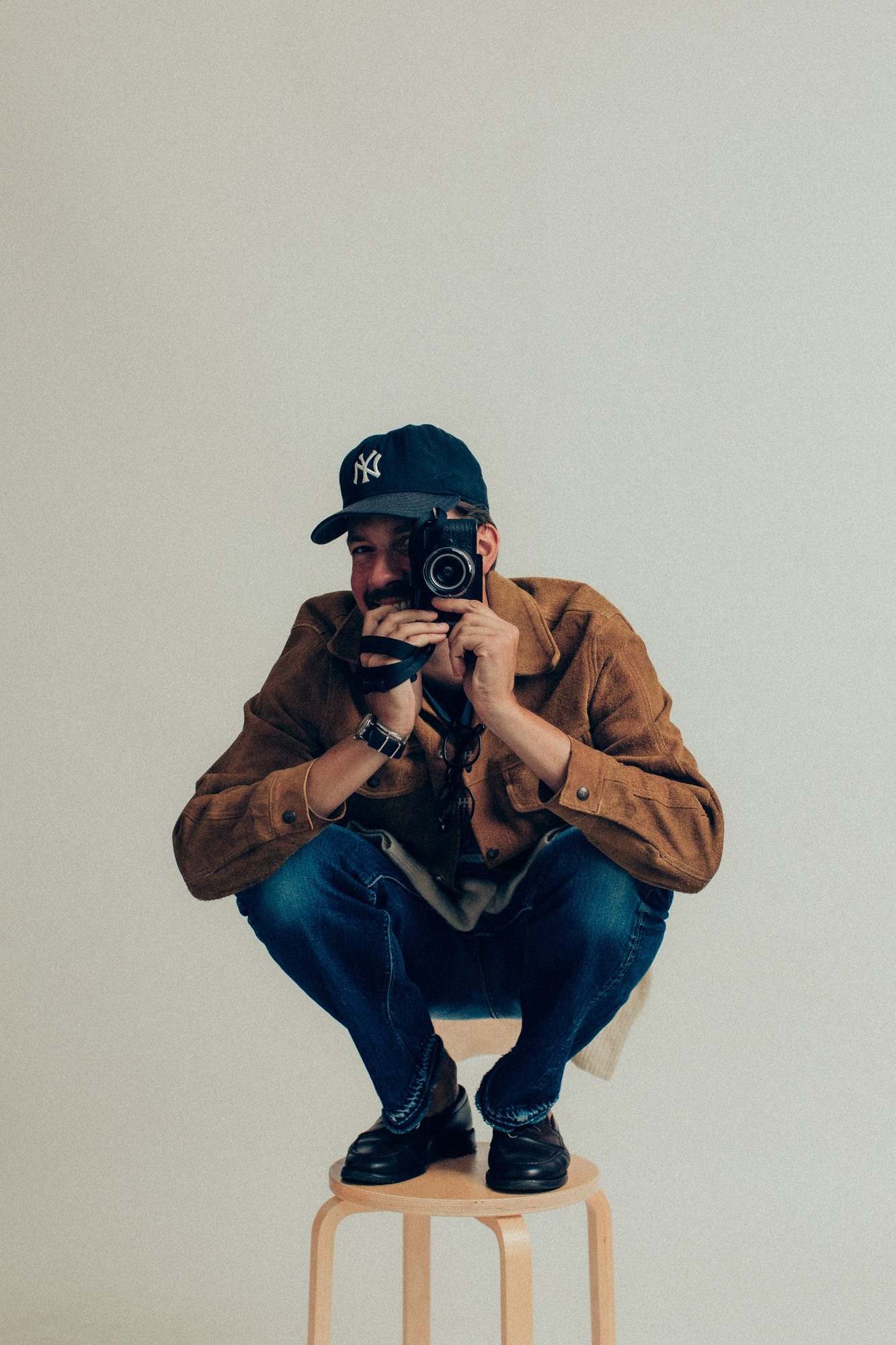
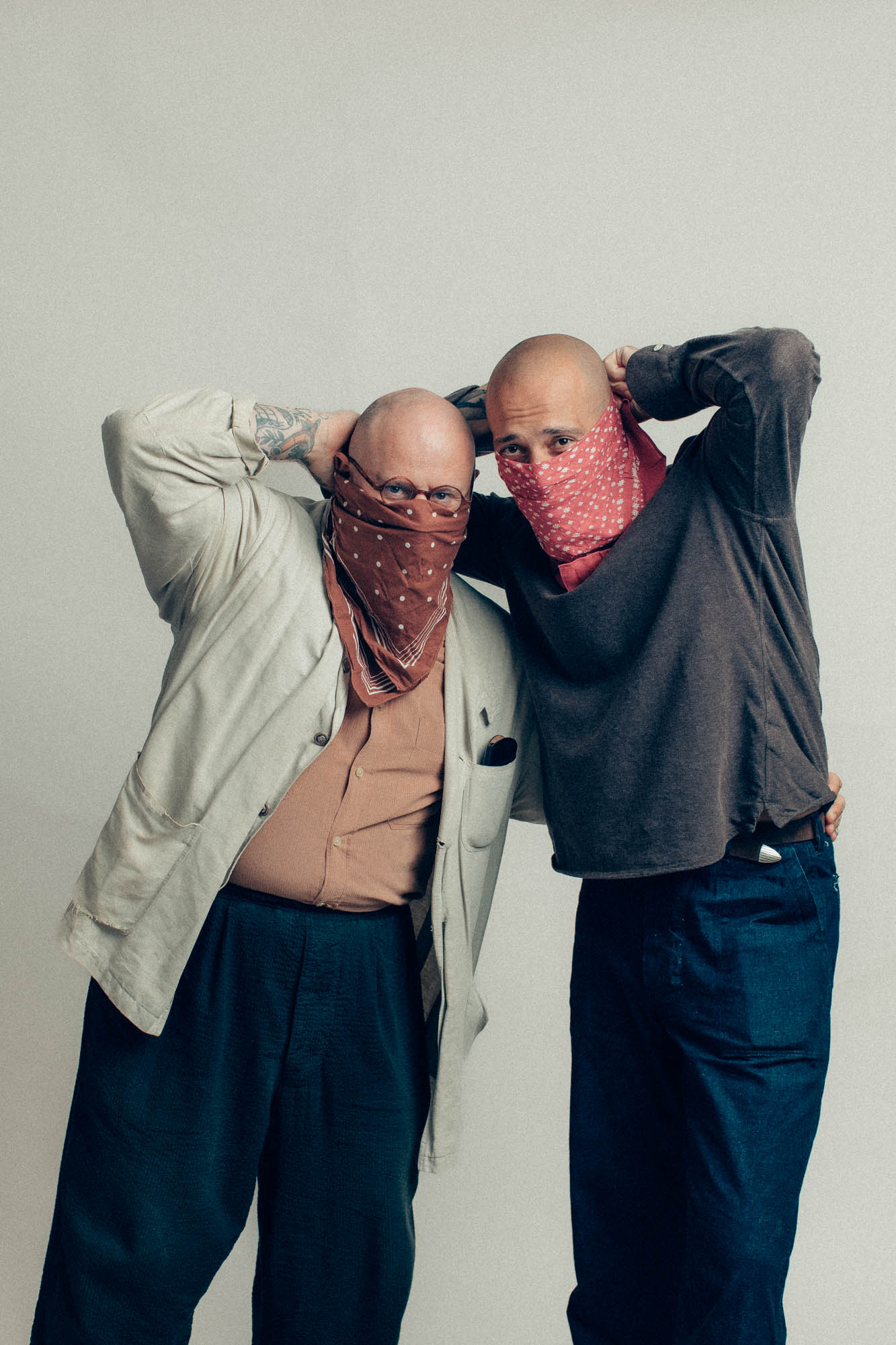
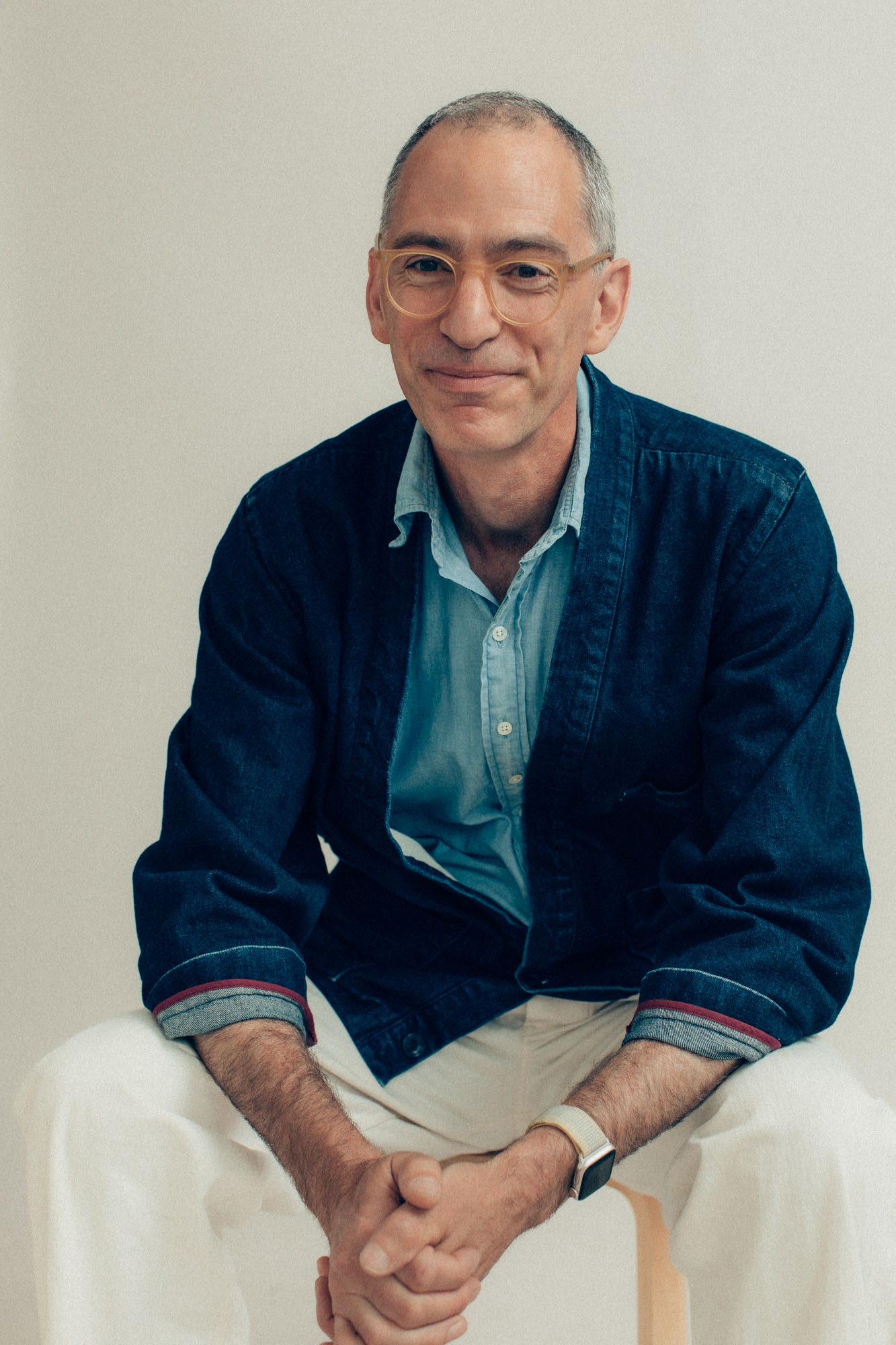
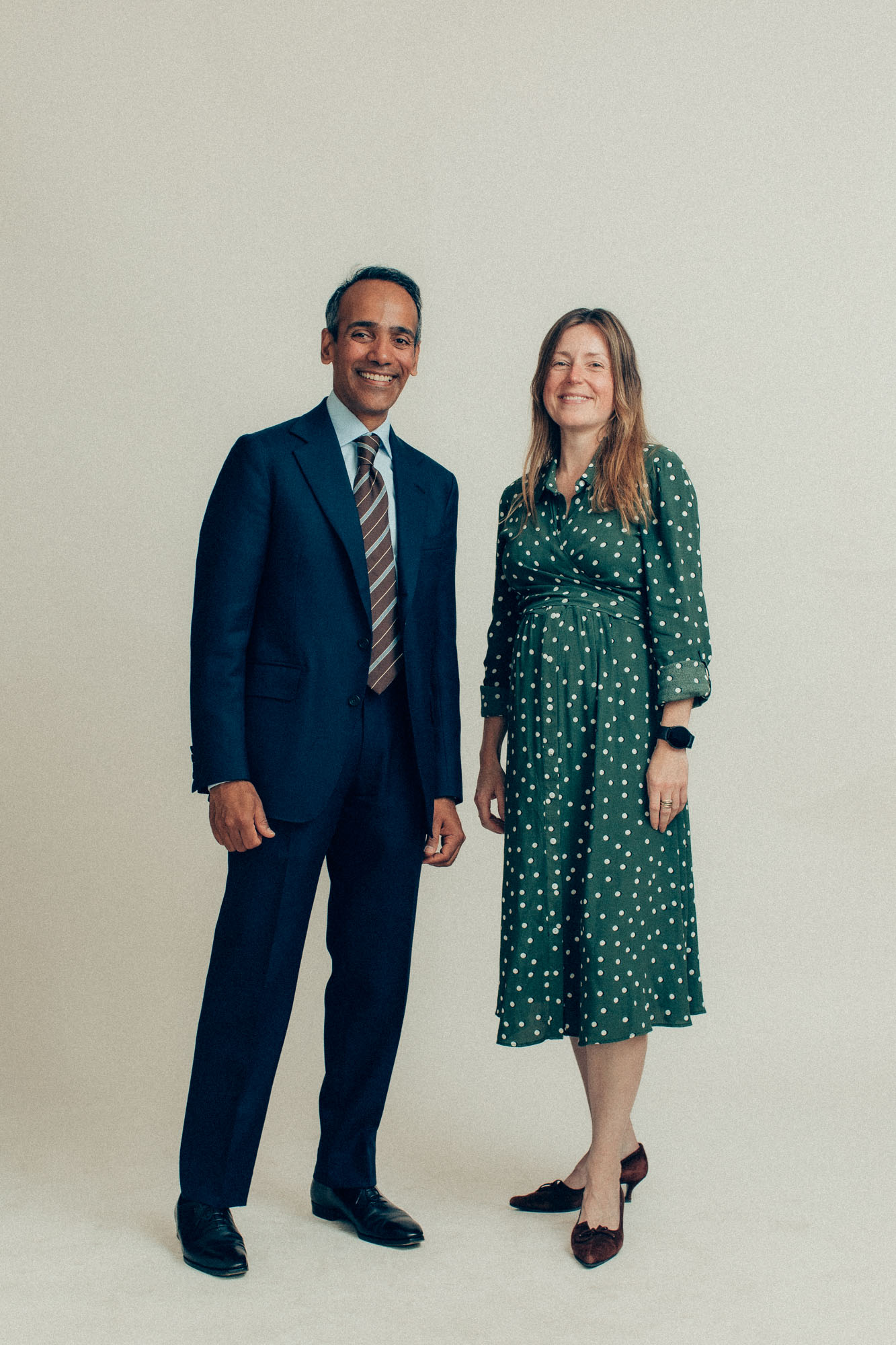
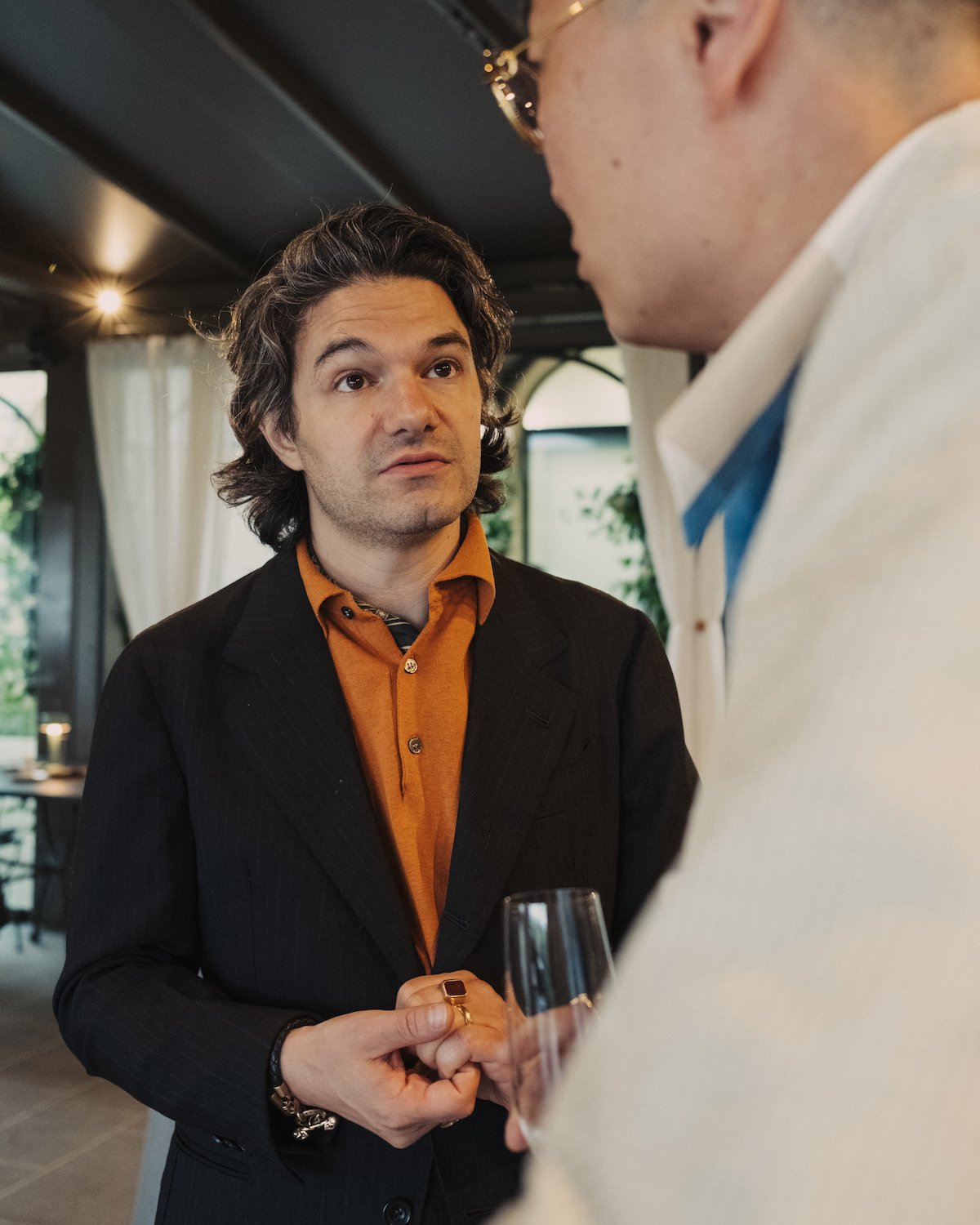
During those eight hours from 11am to 7pm he shot over 120 portraits, of readers and industry friends, designers and visitors. Some that have their photo taken all the time (Manish, Paul) were easy; others that were being shot for the first time were a little harder. 

But Jamie made them all feel at ease. He joked, he laughed, and directed in a way that felt like the suggestion of a friend rather than the order of a photographer. It was as much part of the atmosphere as the pastries and pastéis de nata

We had a few surprise guests: I spotted reader Simon - featured here in his reader profile - on the other side of the street, over from the US. I hailed him, we caught up, and he had his photo. 

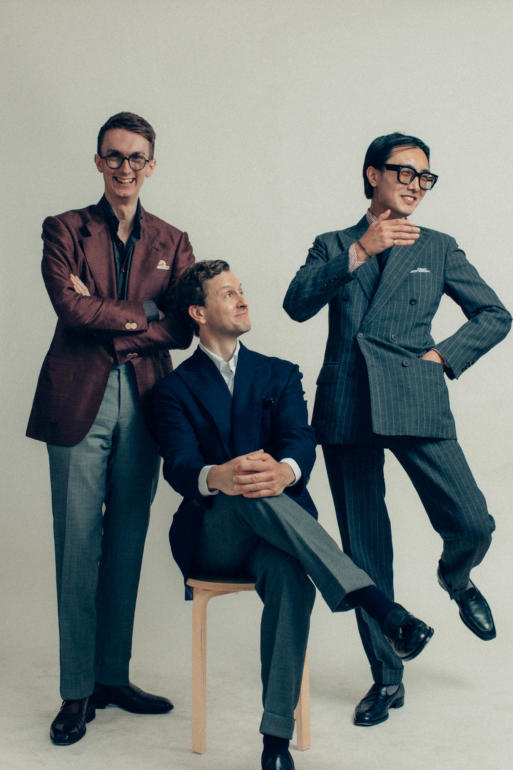
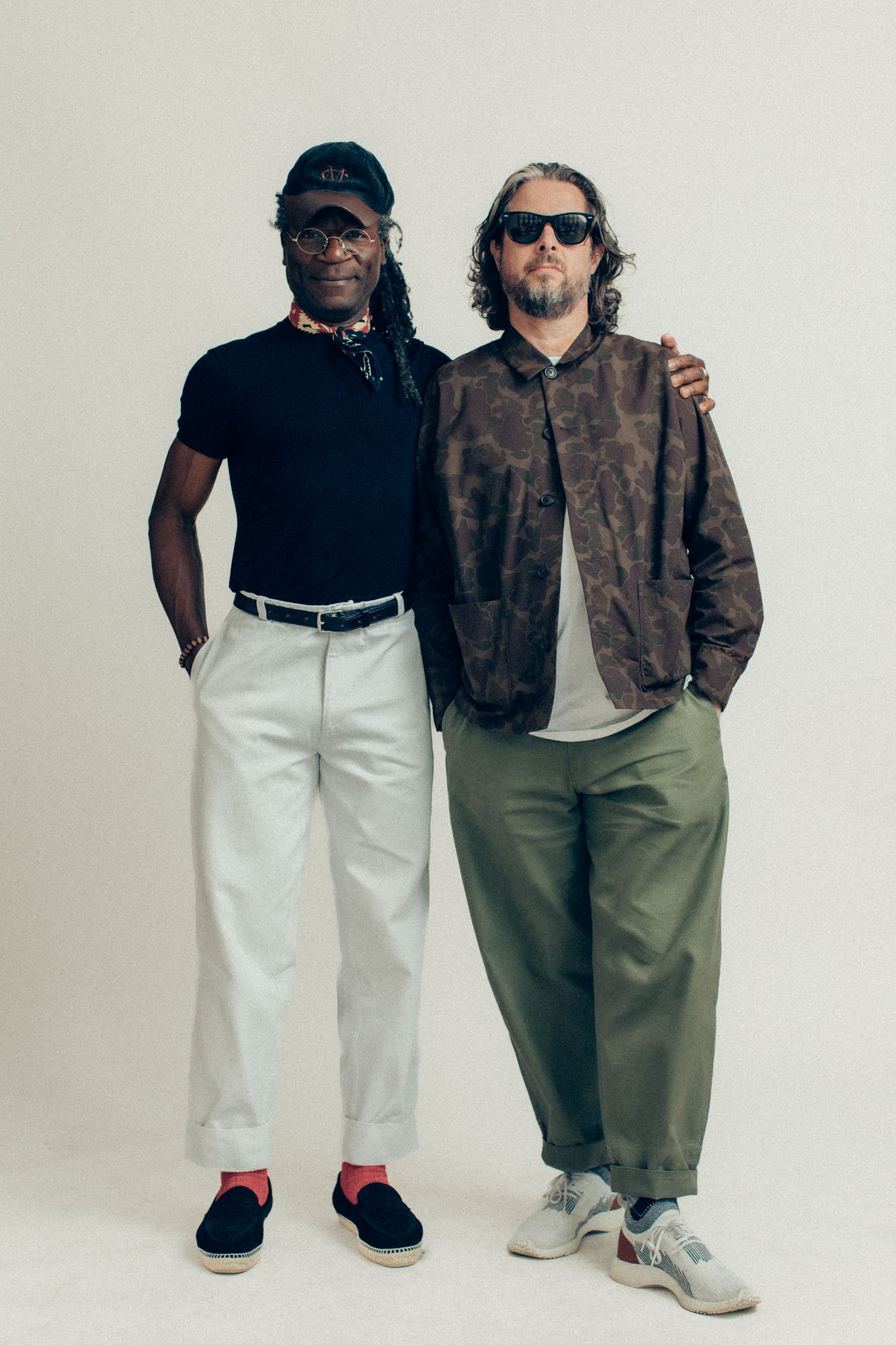
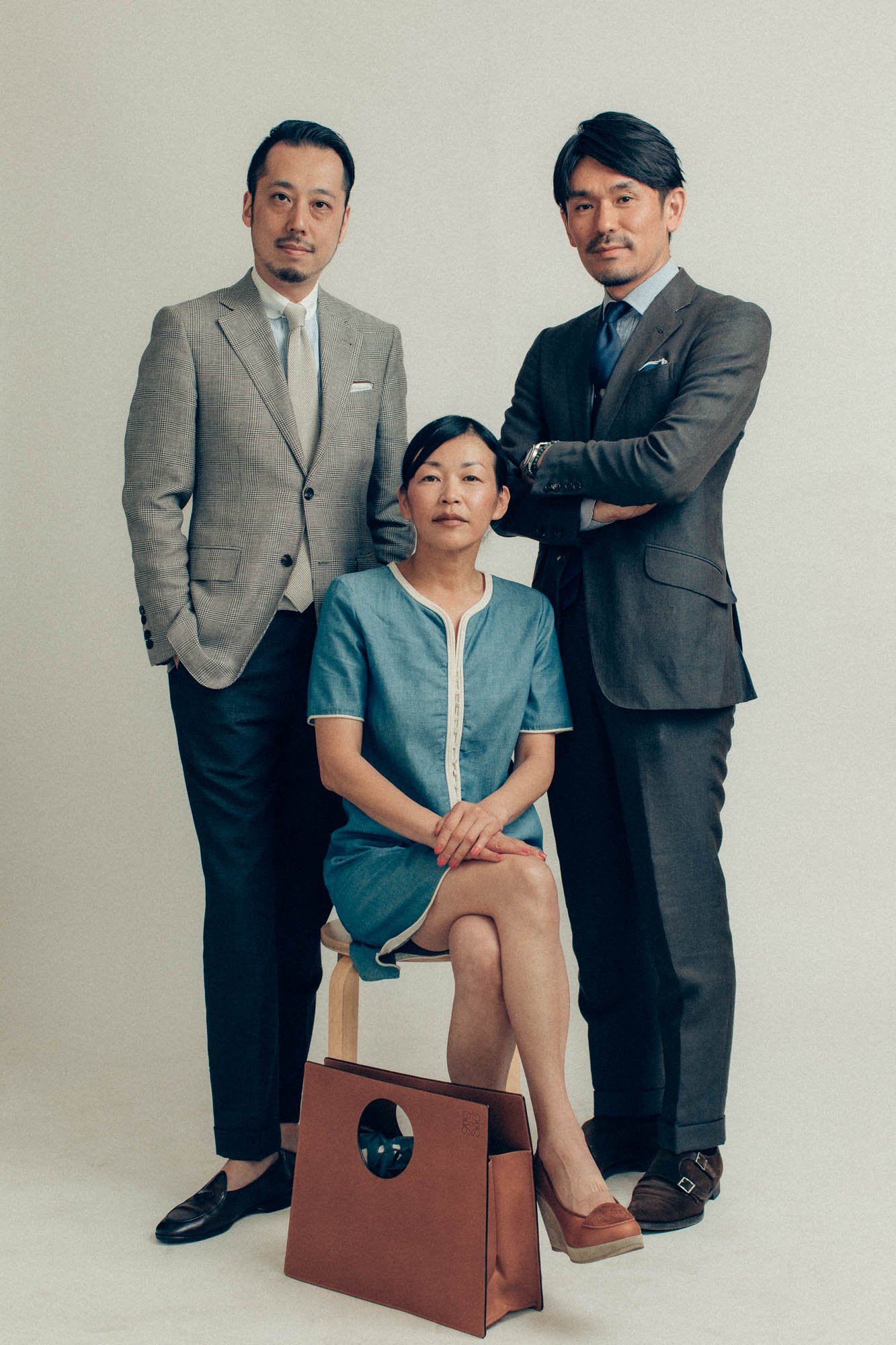
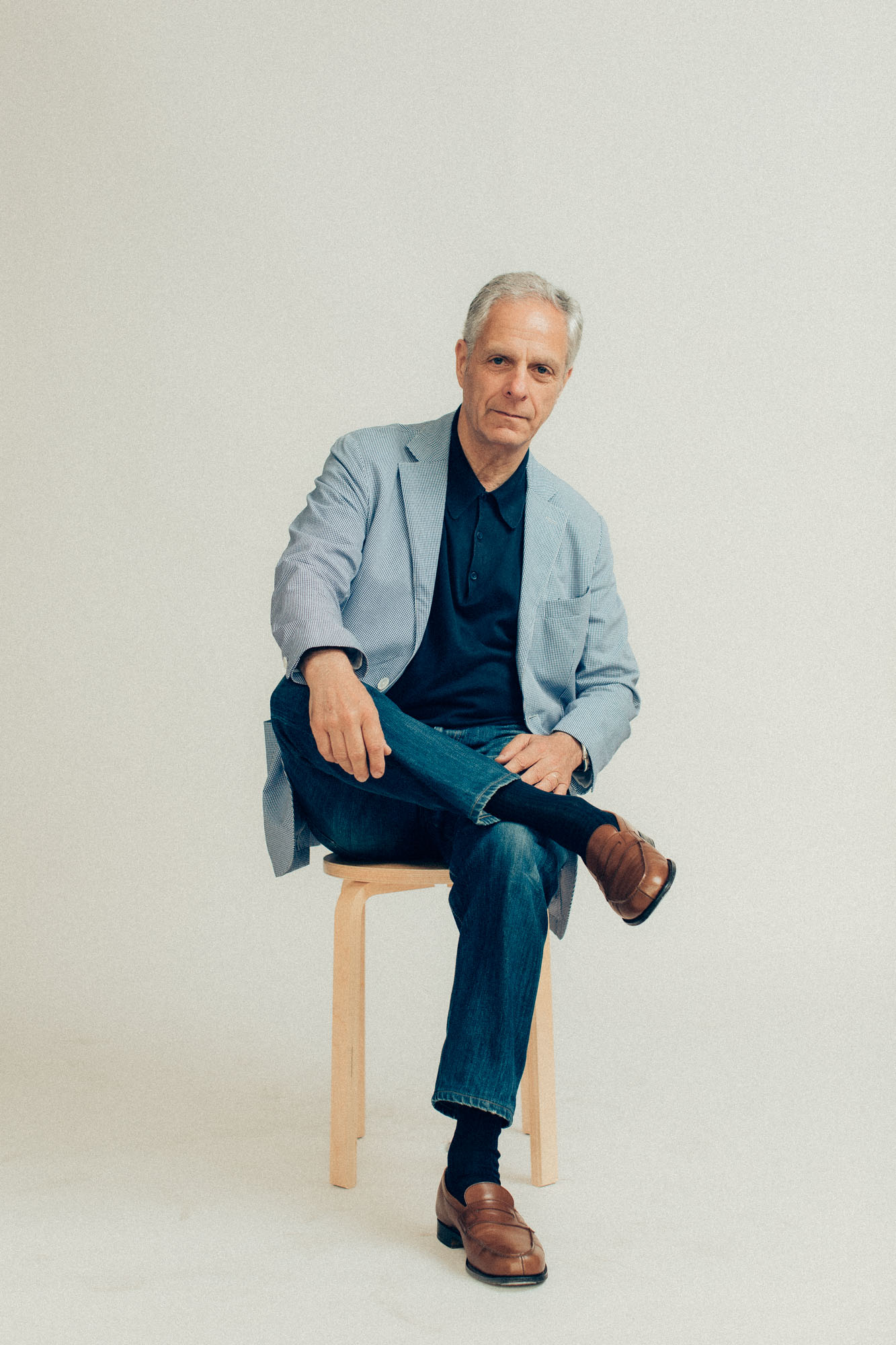
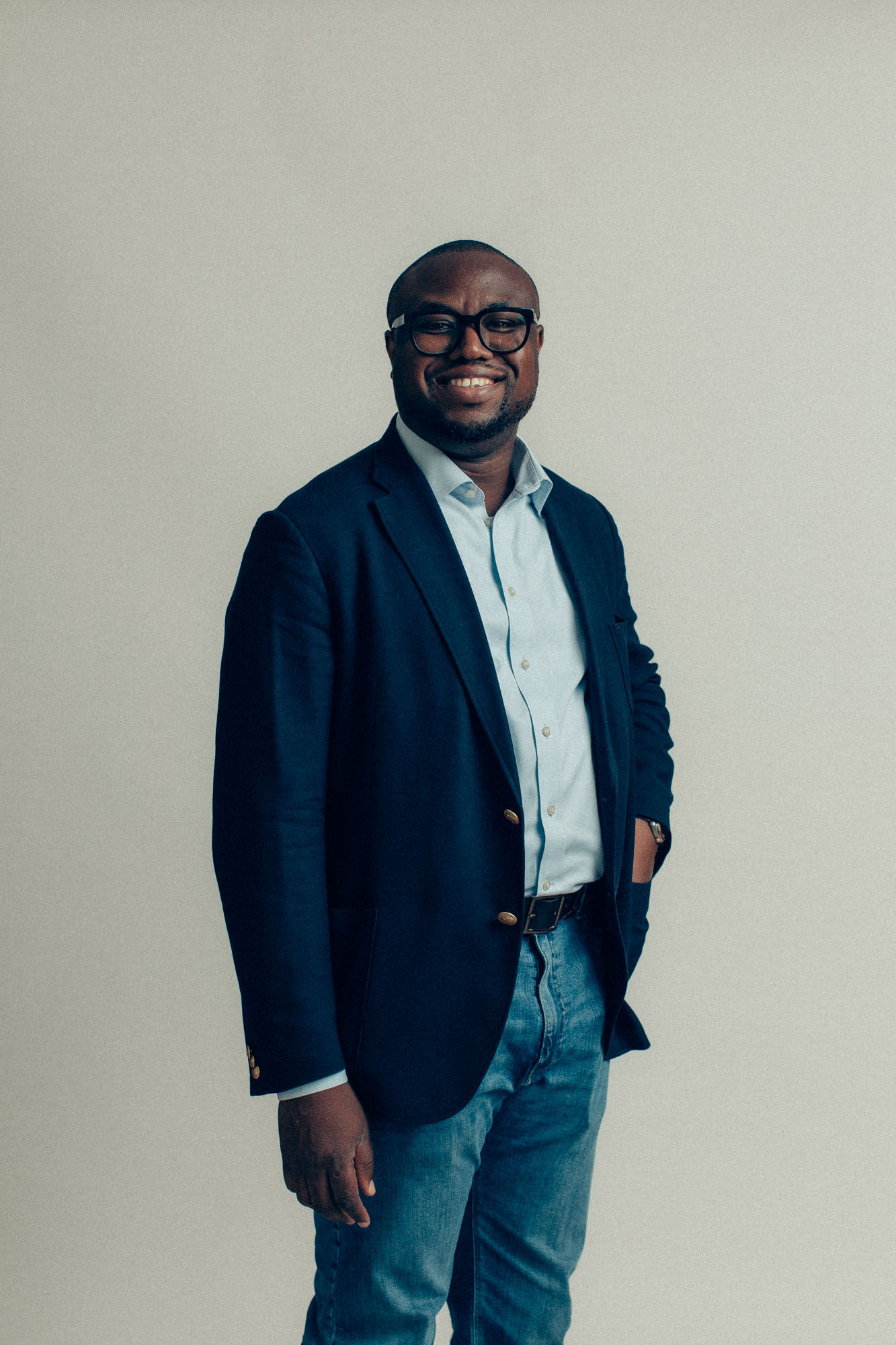
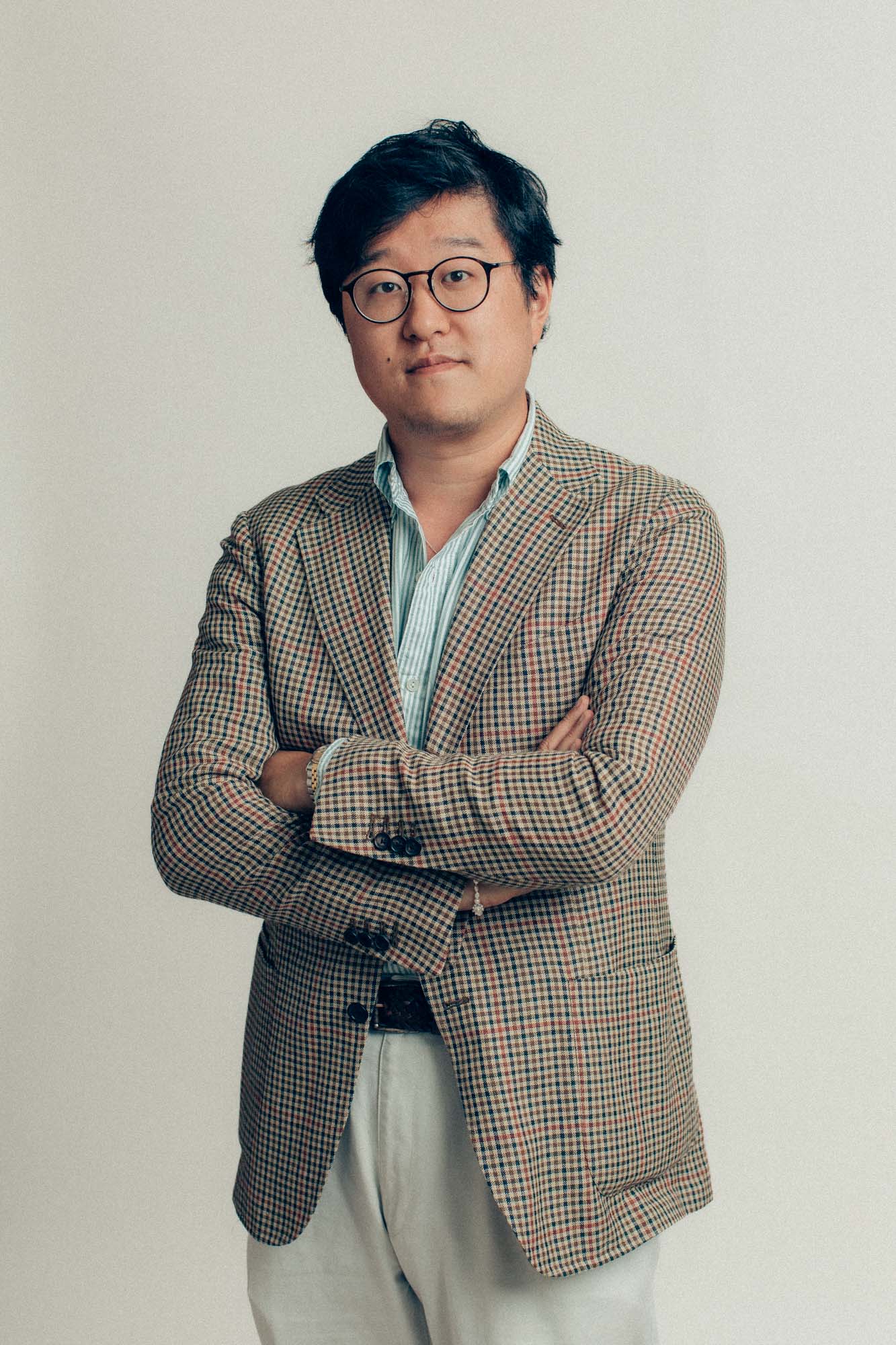
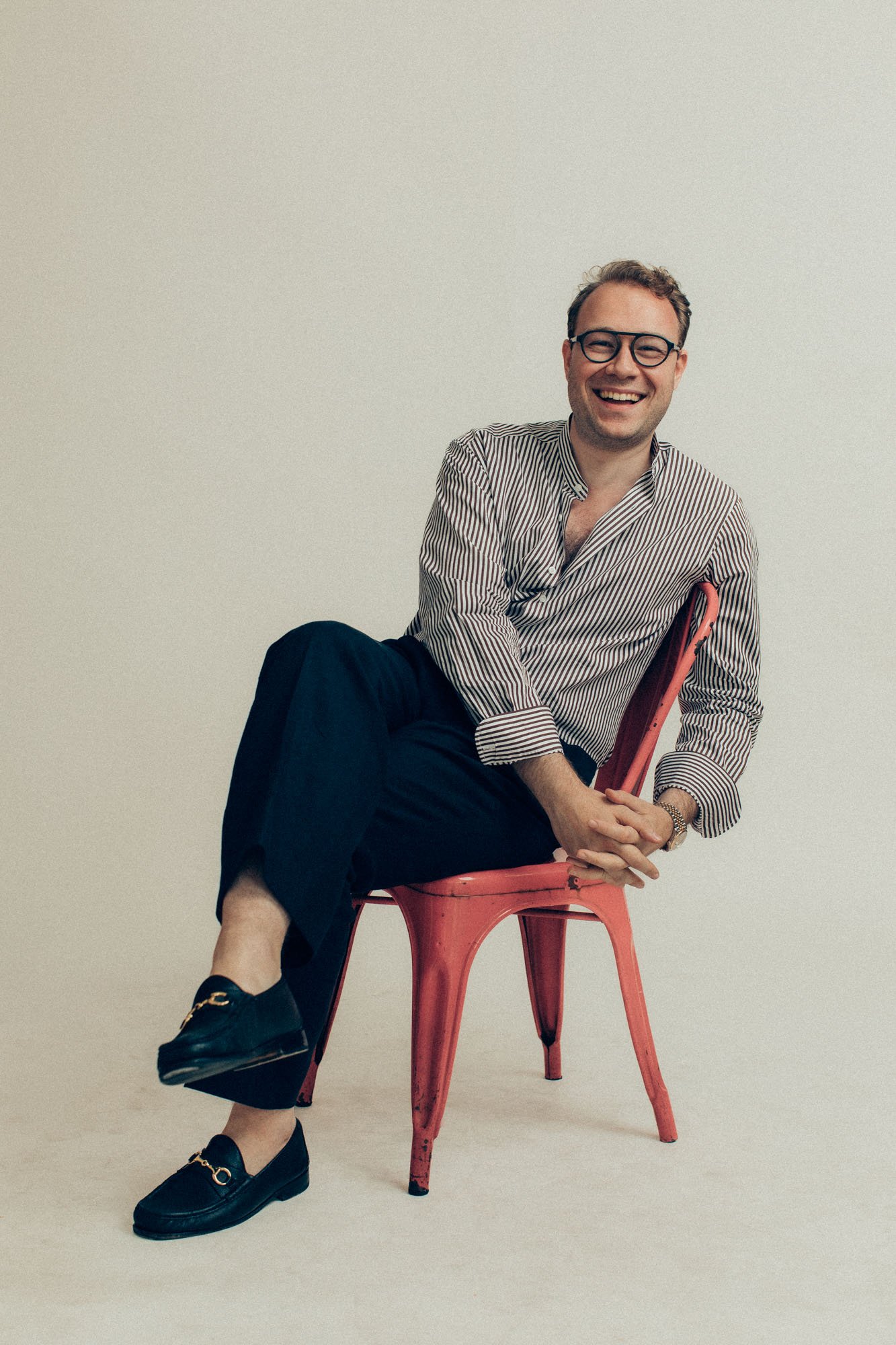
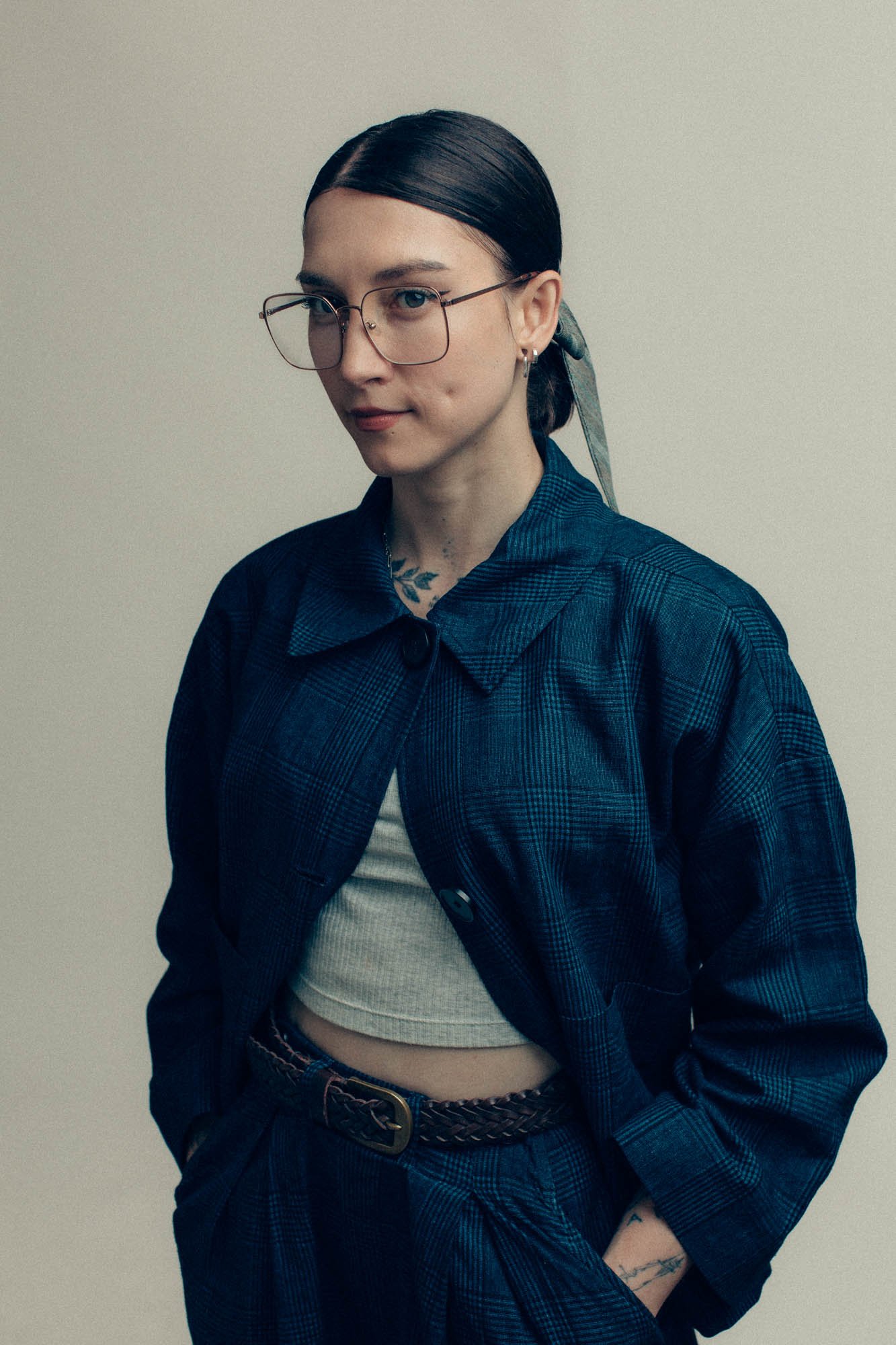
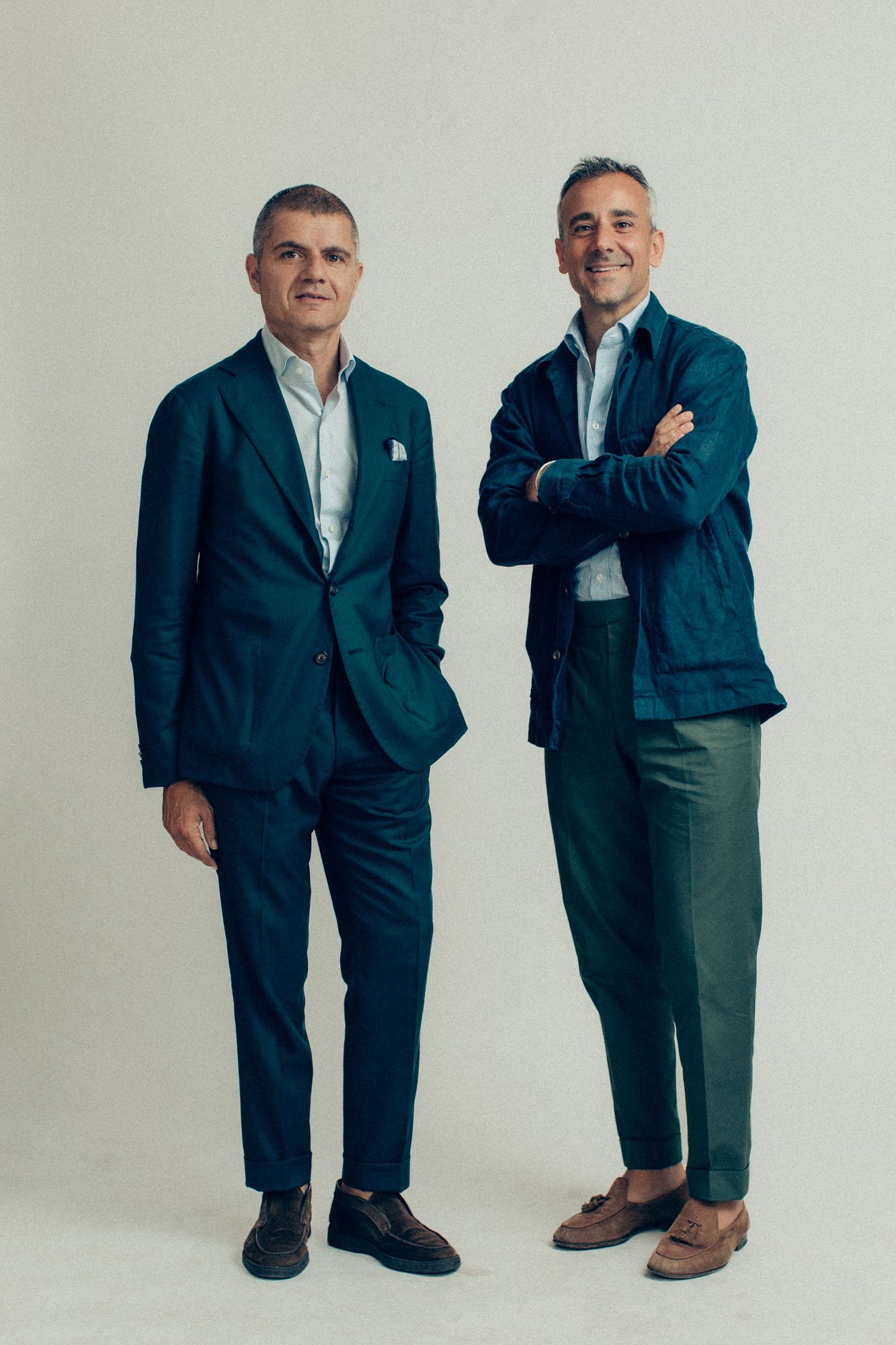
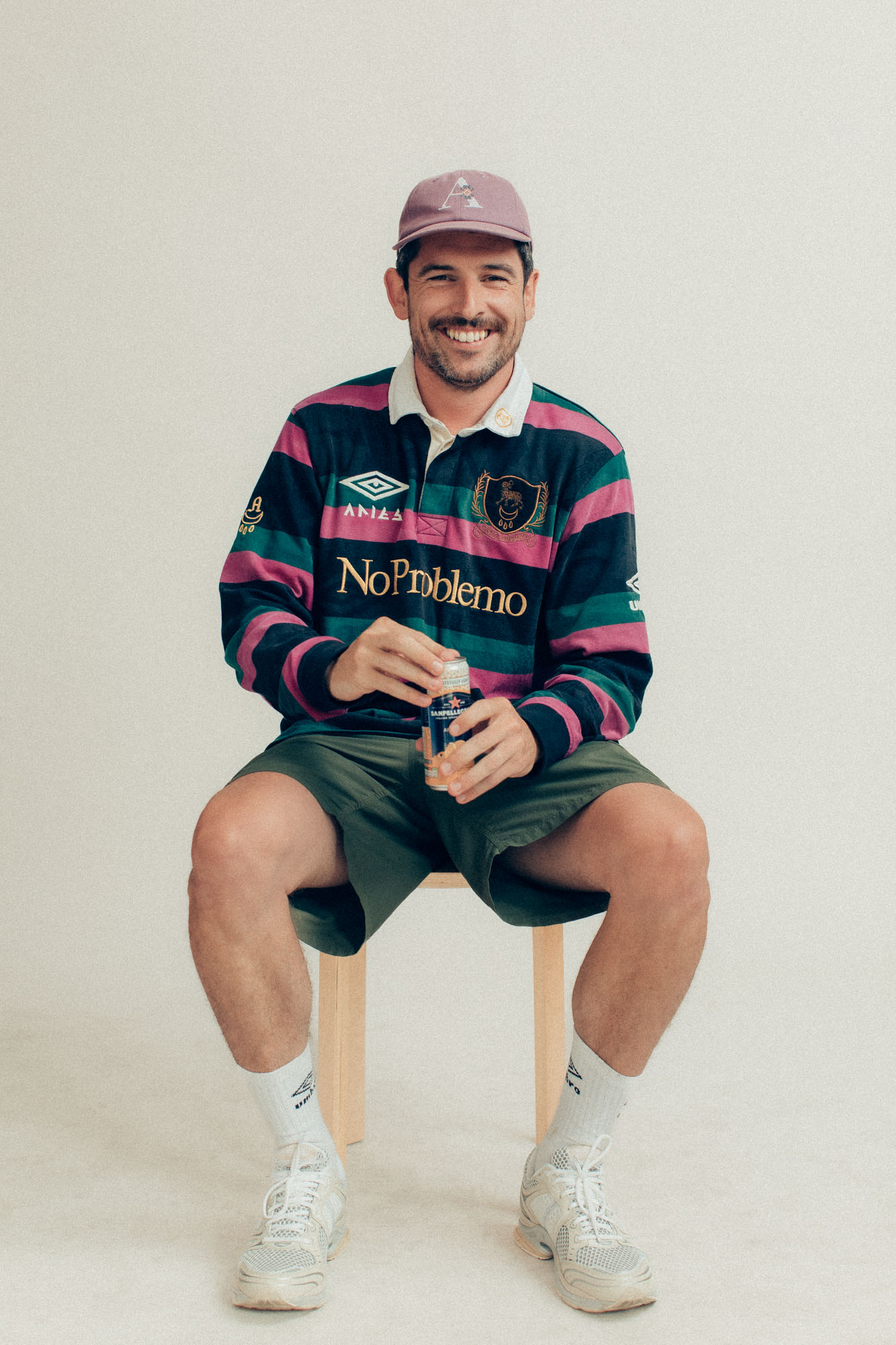
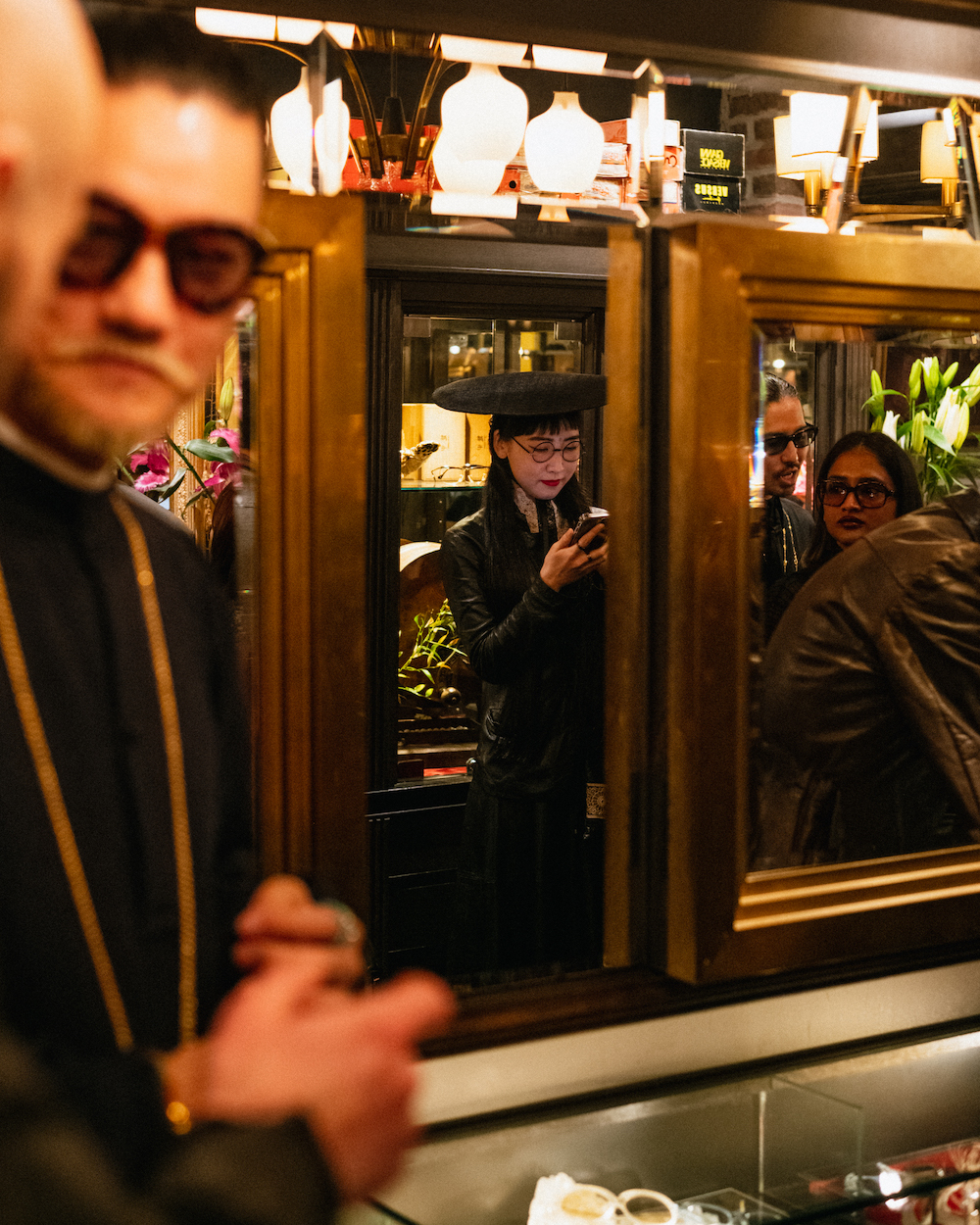
Then there was the team from Vulcanize in Japan, who were brought over by Lindsay and Nicolas at Holland & Sherry. They graciously agreed to be photographed, and frankly put us all to shame with their poise (first image below).

Perhaps the thing that pleased me most was the variety, of styles and of everything else.

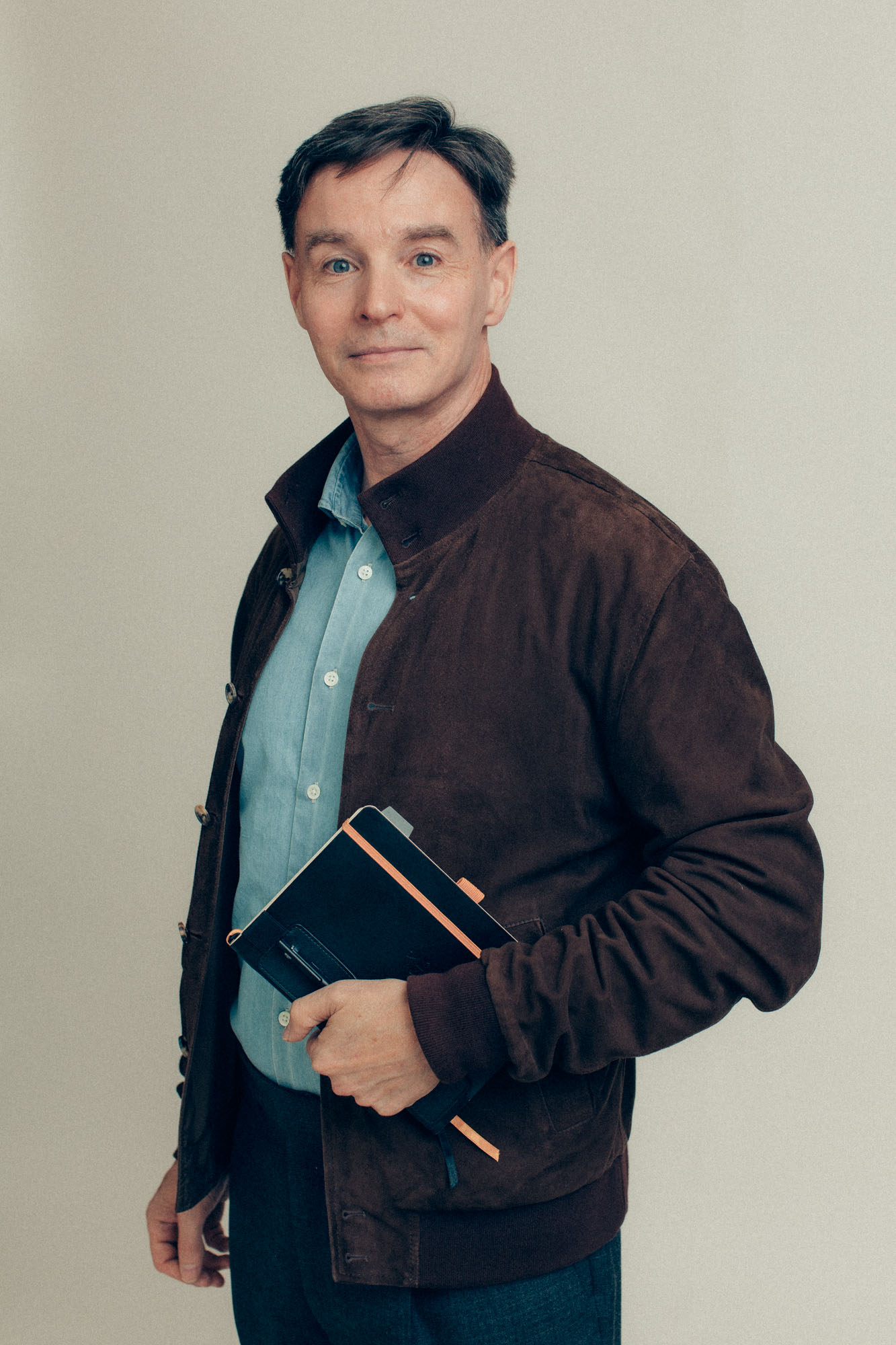
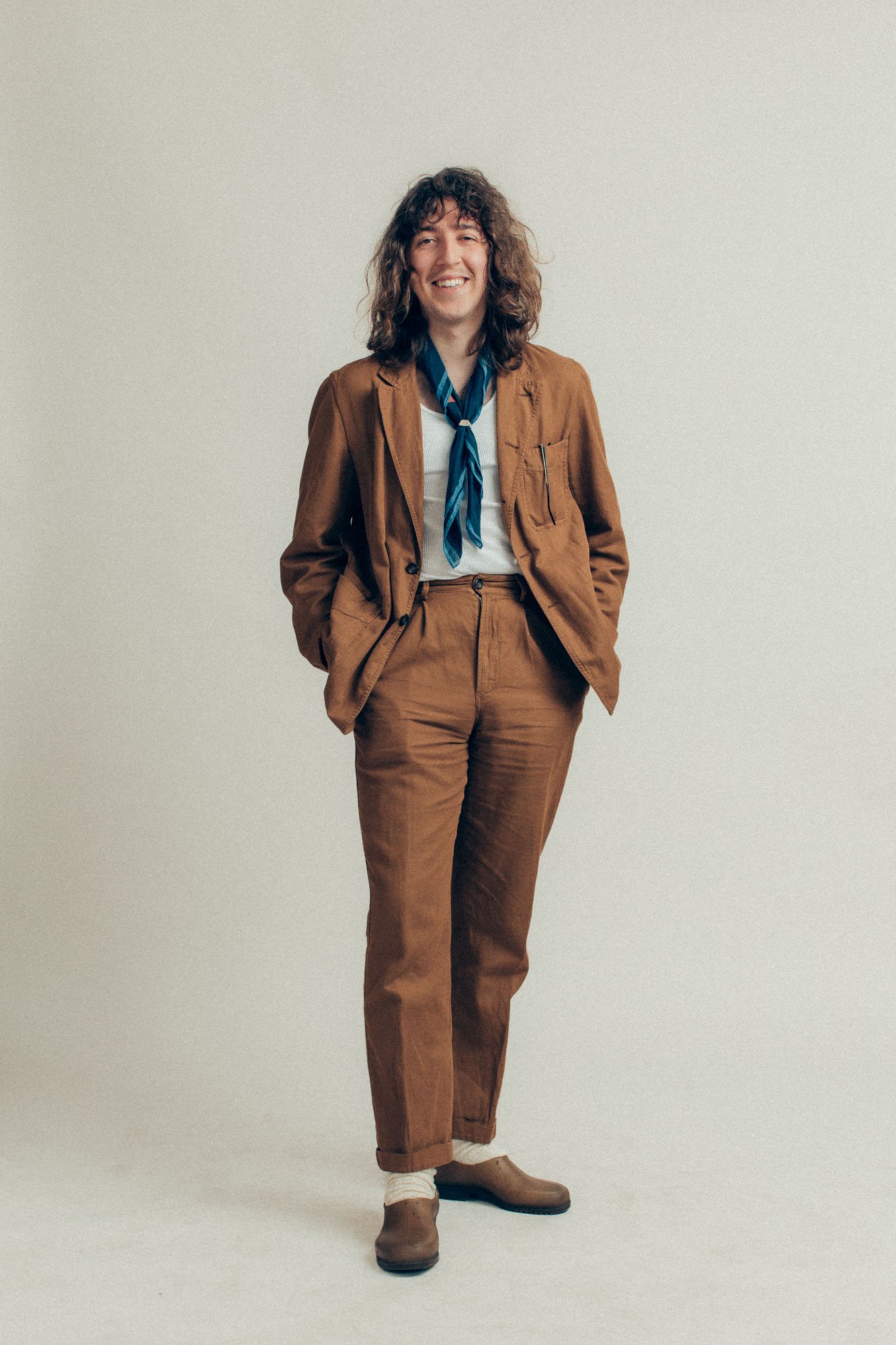
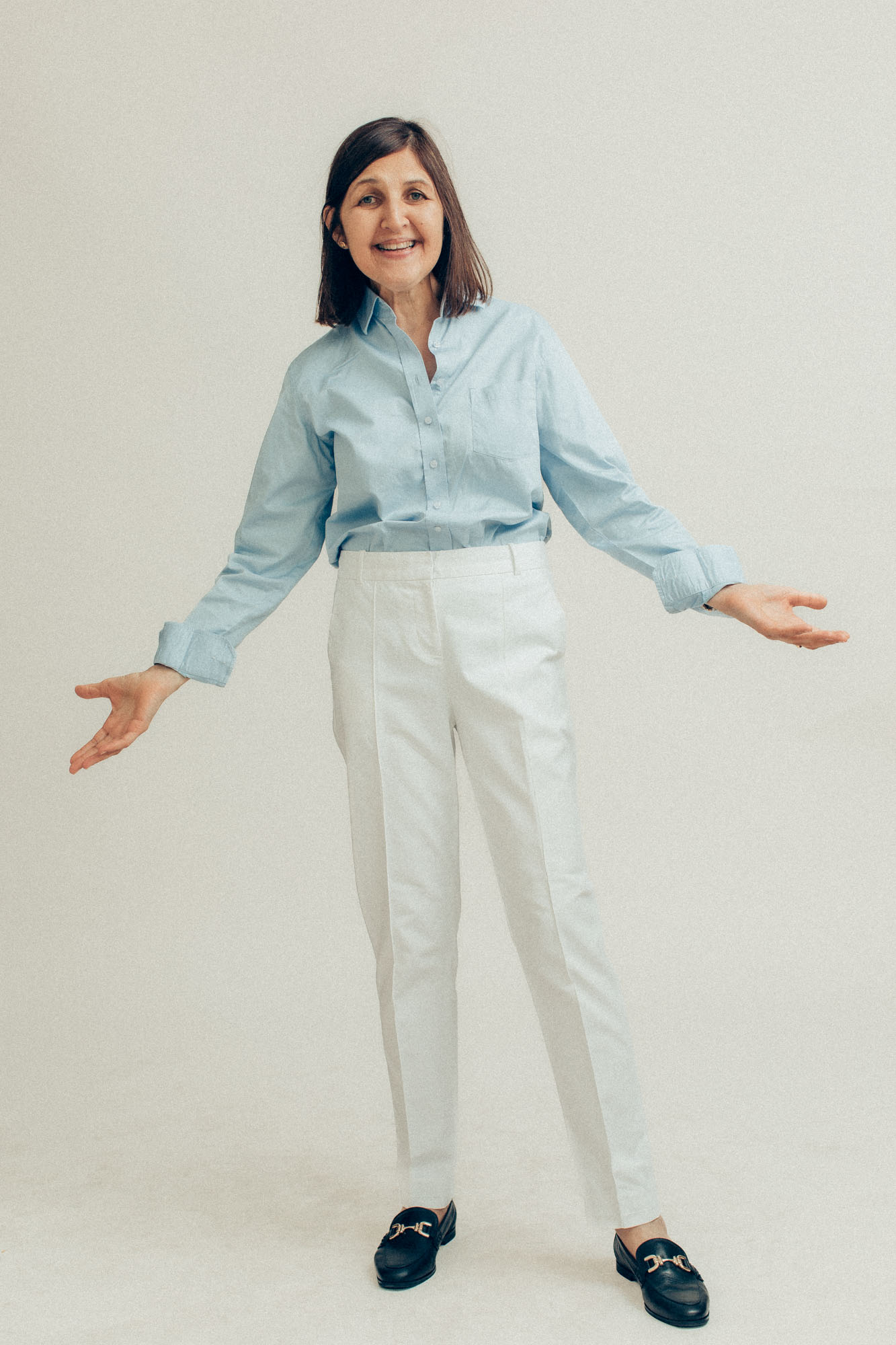
It was an international crowd, with quite a few women, a mix of ages, and clothing that varied from suits to T-shirts, and every shining facet of menswear in between: polos, chores, milsurp, chukkas, good trainers and elegant knits, suede bombers and cropped jackets. I was proud to have such a stylish variety of people celebrate the anniversary. 

On that, very briefly, thanks beyond measure to everyone that congratulated us on 15 years of Permanent Style. I received it with as much good grace as I could, given I’m that typical Englishman who’s never comfortable with praise - who has to constantly fight the urge to make a joke or otherwise undermine the sentiment. 

Sitting here, now, safe in my office and away from actual people, I can say thank you once more genuinely and wholeheartedly, for all your well wishes and your hopes for 15 more great years. It meant the world, and nothing could be better motivation for going on to being bigger and better. 

Thank you. 

These photos are some of our favourites but a small minority of the total - including them all in this article would have been too much. The full set is available on this page. Please have a look for your portrait there: you should be able to open it at full size and download it if you wish. 

Feel free to re-use and tag any images, just please tag @permanentstylelondon and @jkf_man. Thank you.

How loopwheel sweatshirt fabric is made – at Aigat, Wakayama

How loopwheel sweatshirt fabric is made – at Aigat, Wakayama

Monday, July 3rd 2023
||- Begin Content -||

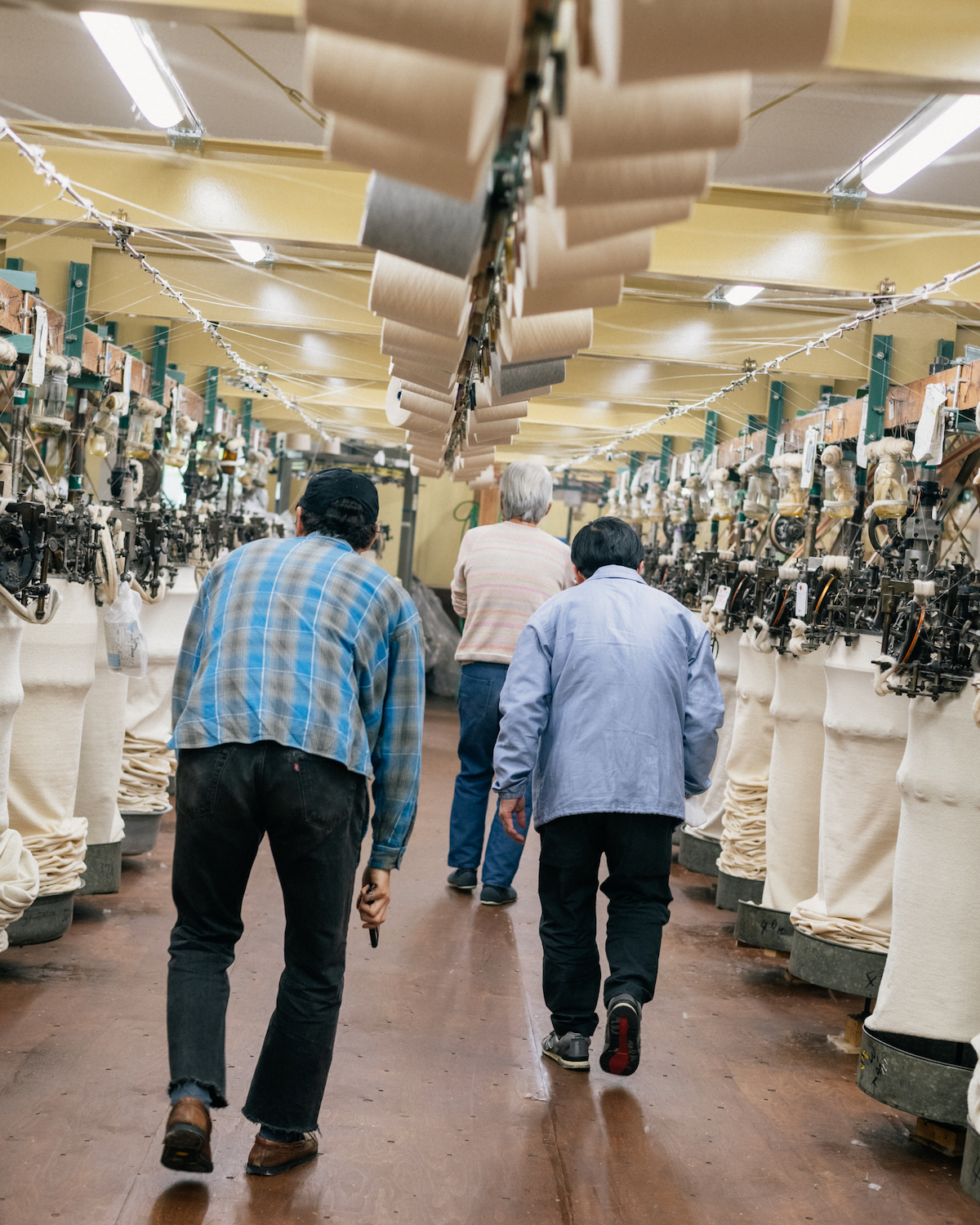
In the corner of the Aigat mill in Wakayama, there are a few knitting machines that look like none of the others - monsters, hybrids.

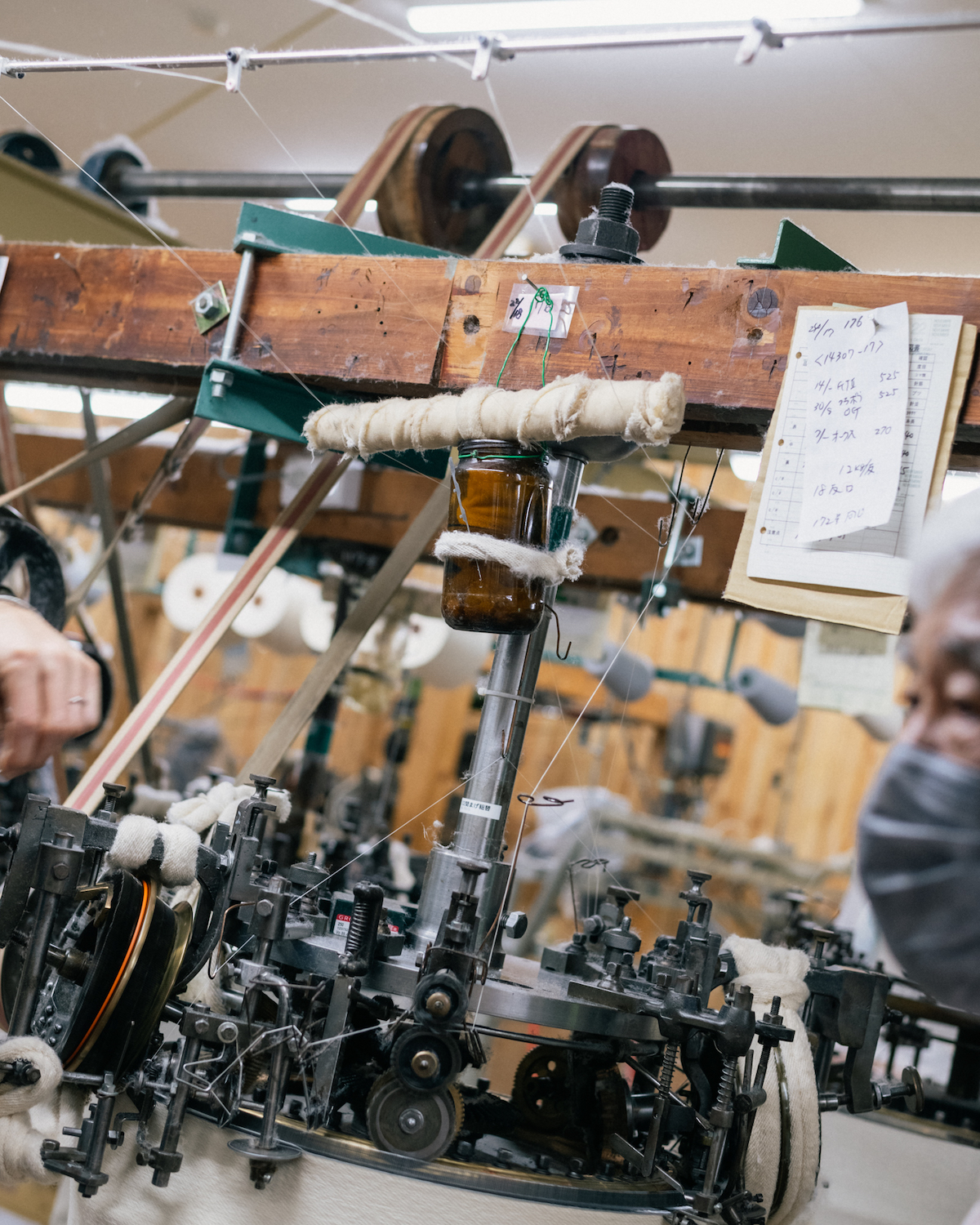
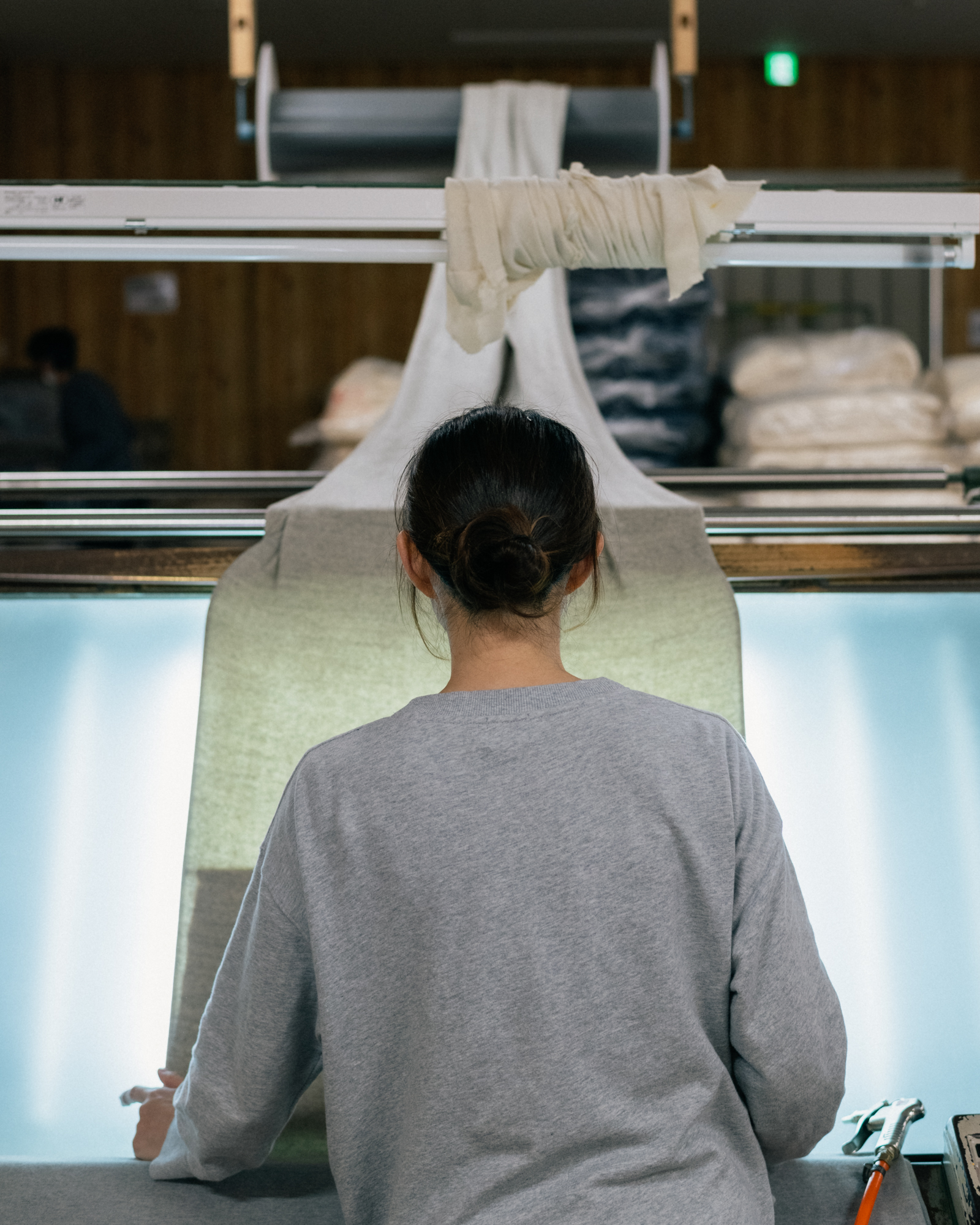
The rest of the mill is split in two, with the more modern ‘sinker’ machines (below) in one half, wooden-beamed loopwheels (above) in the other.

But in the corner, the owner is trying to fuse them together. “This first one is a loopwheel, but I’ve hooked it up to an electronic system to try and make it do jacquard knitting. It’s kind of, sort of working,” he says.

The second is a sinker, but it’s being run as slow as possible. “Slower than you’re meant to, just to see its limits,” he explains. The main reason loopwheel machines are so valued is that they knit slowly (one metre an hour) which makes the fabric air-filled and soft.

“It would be great if we could get a sinker to do almost the same, because the loopwheel machines are hardly being made any more - you have to salvage them, even just to get parts to keep these ones going.”

The problems are the same, it turns out, whether you’re making sweaters in Scotland, shoes in England or French terry in the hills of Japan. The demand for quality clothing is shrinking, and no one is making the machines that make the fabric that makes the clothes.

It was probably inevitable, given those dynamics. You travel halfway around the world, drive two hours into the forested hills, and find somewhere that feels rather like a British flannel mill.

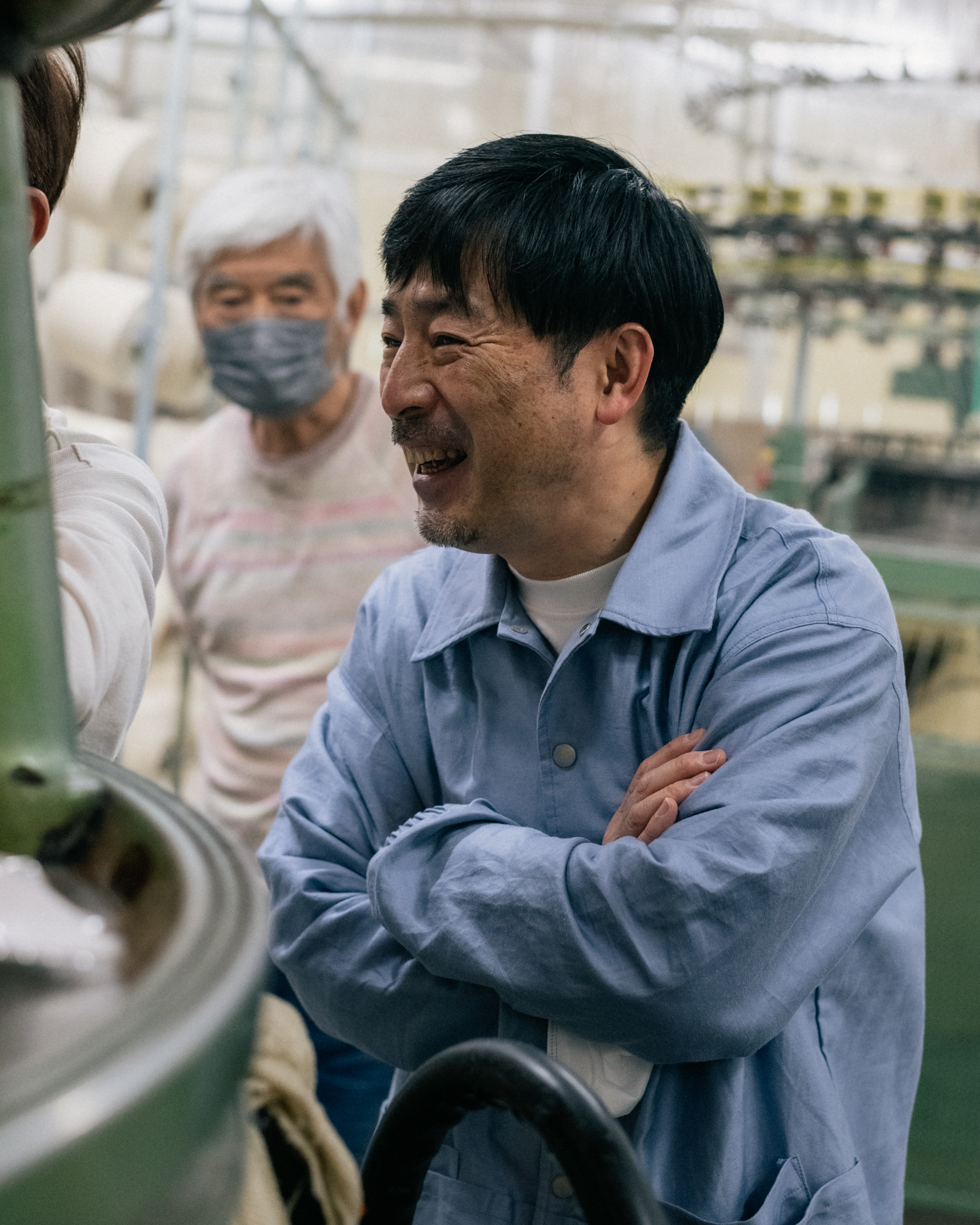
The reception is the same, with its samples and swatches. The roar of the machines is the same, the workers walking between them, checking one, tweaking another. Even the owner feels familiar: a 70-year-old enthusiast who’s constantly tinkering, and his son-in-law that runs a lot of the development (above, left and right).

Our visit to Aigat, kindly arranged by the team at The Real McCoy’s, made me feel many things, including this sense of familiarity.

But the strongest emotion was probably one of protection. It’s easy to feel that French terry, used for making sweatshirts and jogging bottoms, is a ubiquitous material that has nothing in common with a Scot hand-weaving tweed in a shed.

But at the top end, the real quality stuff is just as crafted and precarious. Very few places in the world still make loopwheel, the other major one being Merz b Schwanen in Germany, and the pandemic caused many of these small producers to close. Japan has the largest concentration of them in the world and even it's suffering.

It really makes me value my sweatshirts, sitting folded in a cupboard half a world away.

OK so enough of the evangelising - how is loopwheel fabric made?

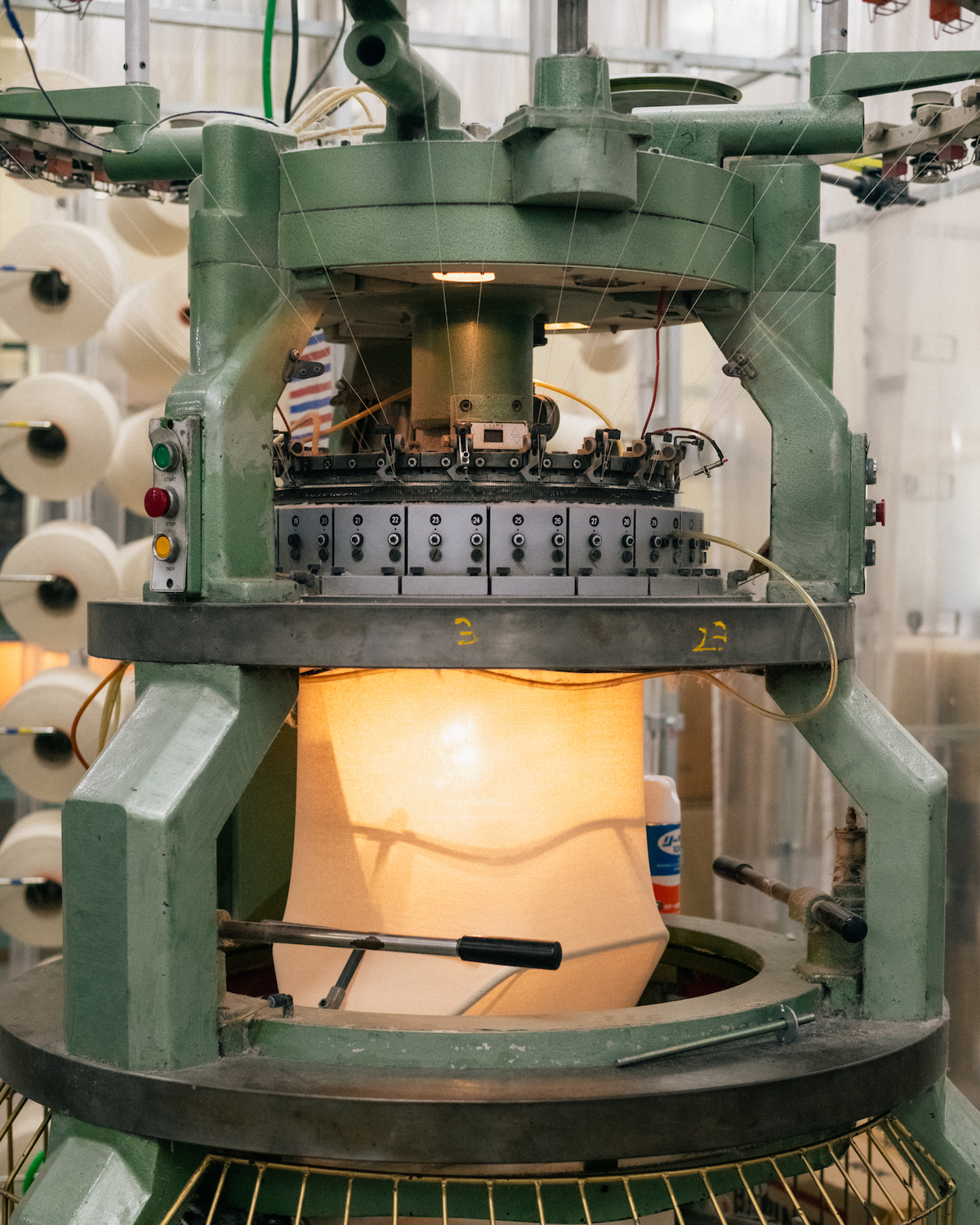
Well, it’s a circular knitting machine, unlike the flat-bed machines we’ve covered at places like Loro Piana. The machine is actually like a huge sock knitter - at least that was my connection, having seen them at sock brands like Bresciani and Mes Chaussettes Rouges.

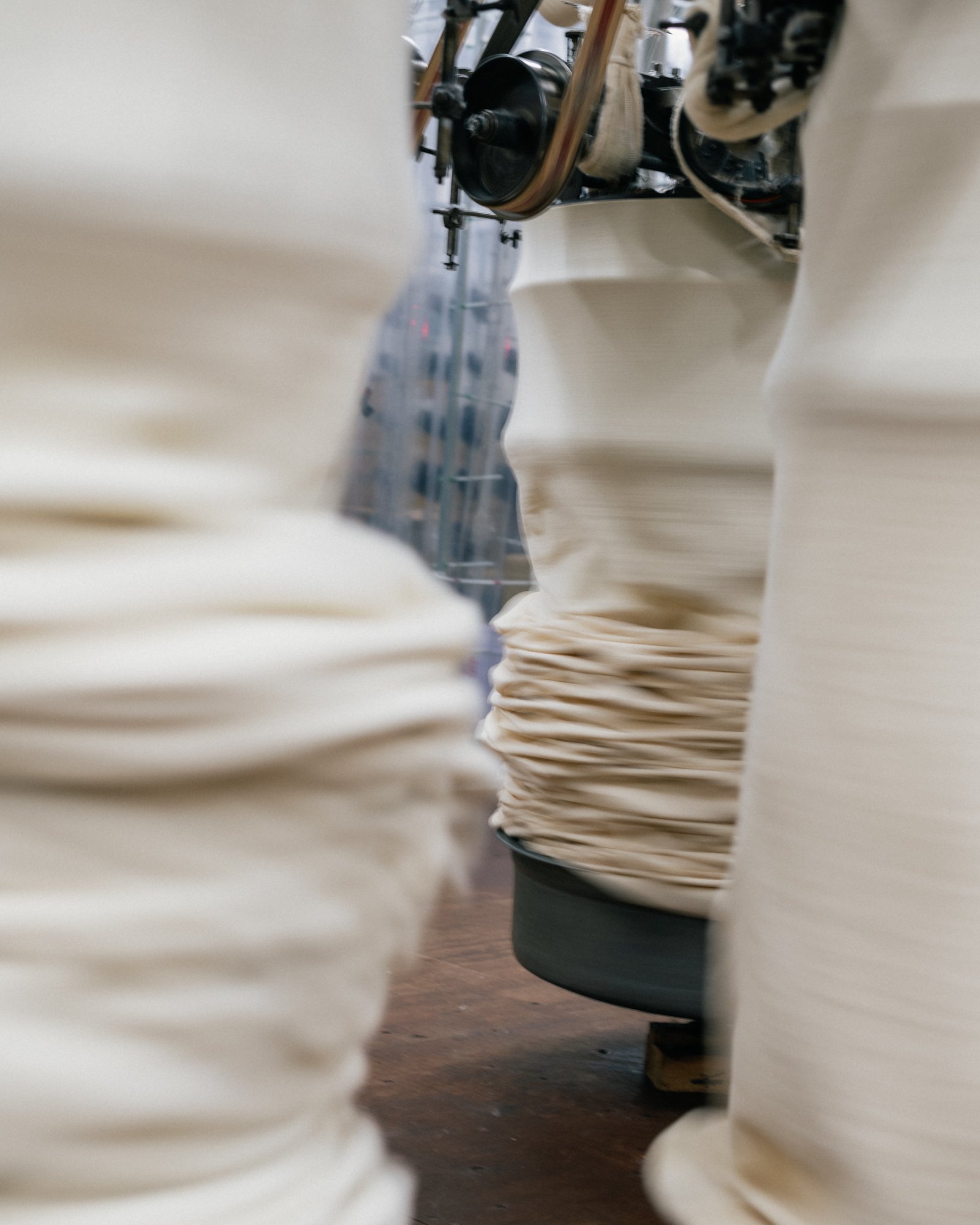
Yarn is fed from the top, in a halo around the the ranks of needles. The knitting takes place inside, so you can’t see much of what’s going on. But then out of the bottom comes a long satisfying cylinder of fabric, a bit like a massive snood.

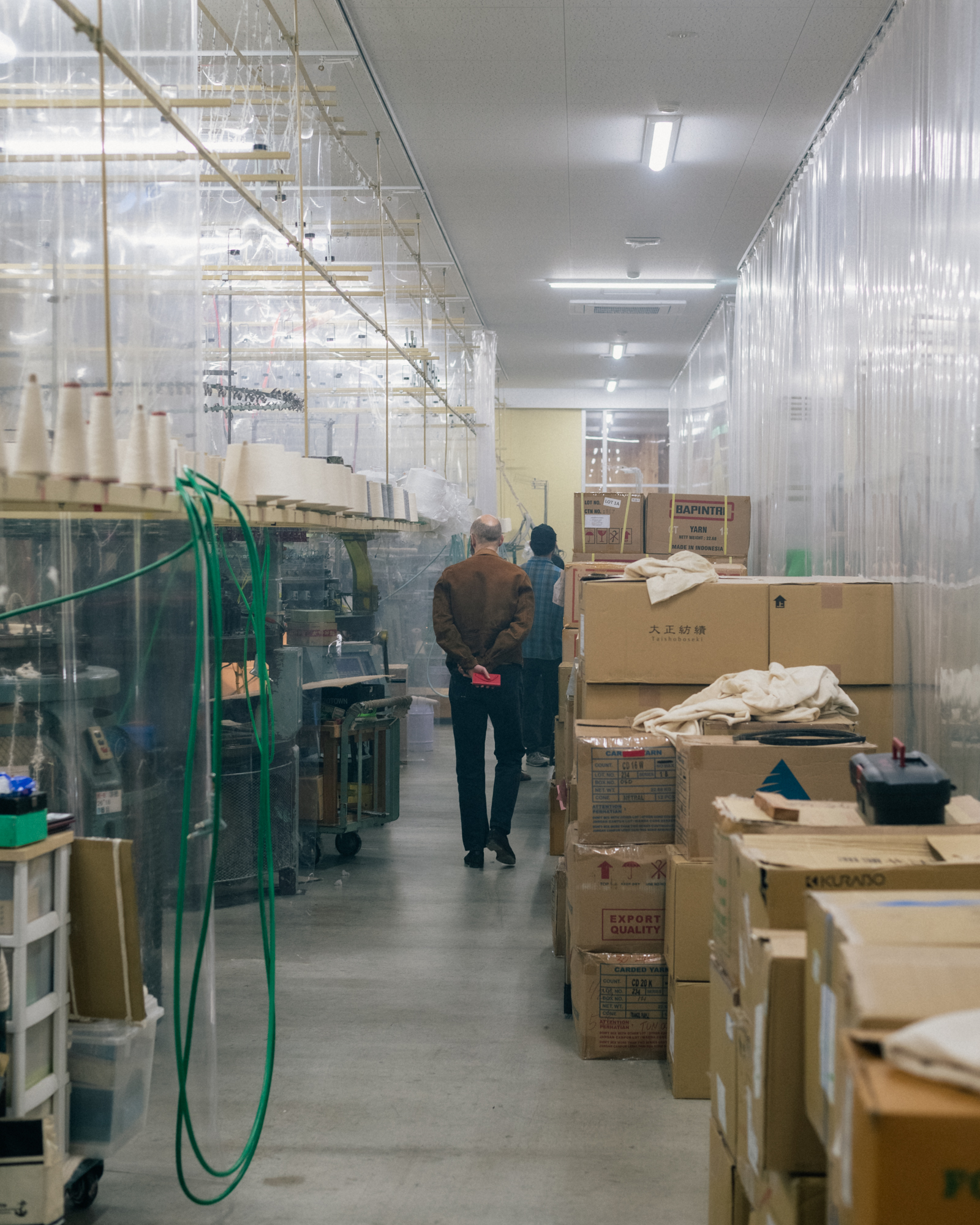
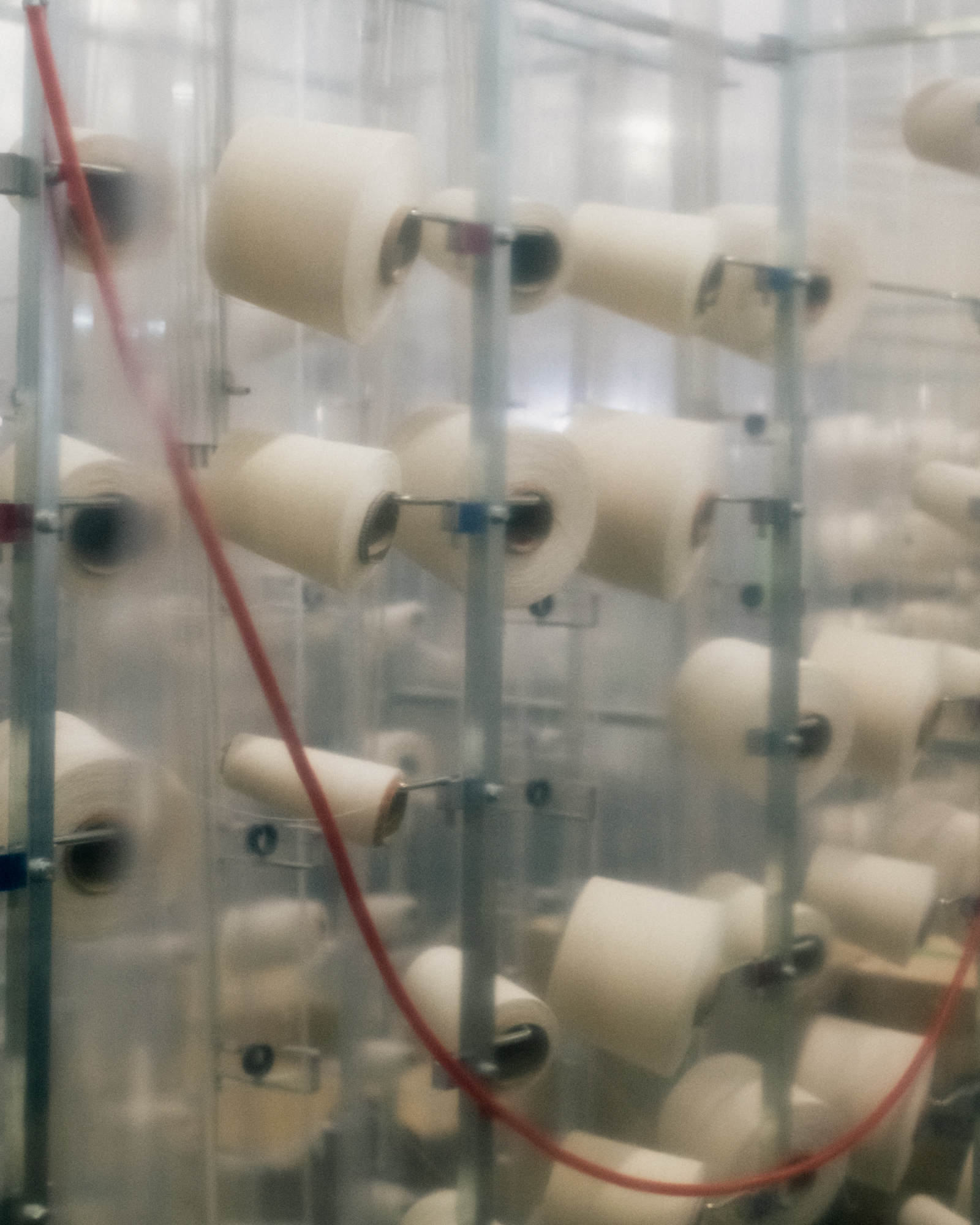
The sinker part of the factory is also encased in plastic sheeting, to prevent one colour corrupting another.

This gives it a slightly spooky feel, particularly when you catch something moving out of the corner of your eye, cloaked by multiple layers of sheeting. People become amorphous, ghost-like. It would actually be a good setting for a spy movie, with the goodie stalking the baddie through the layers of plastic.

The loopwheel side of the factory is prettier, primarily old steel and wood. These machines are around 100 years old – the sinker ones merely 70 or 80.

One axle runs the length of the room, powered by a little motor, which then everything runs off. So all the machines have to go the same speed all the time.

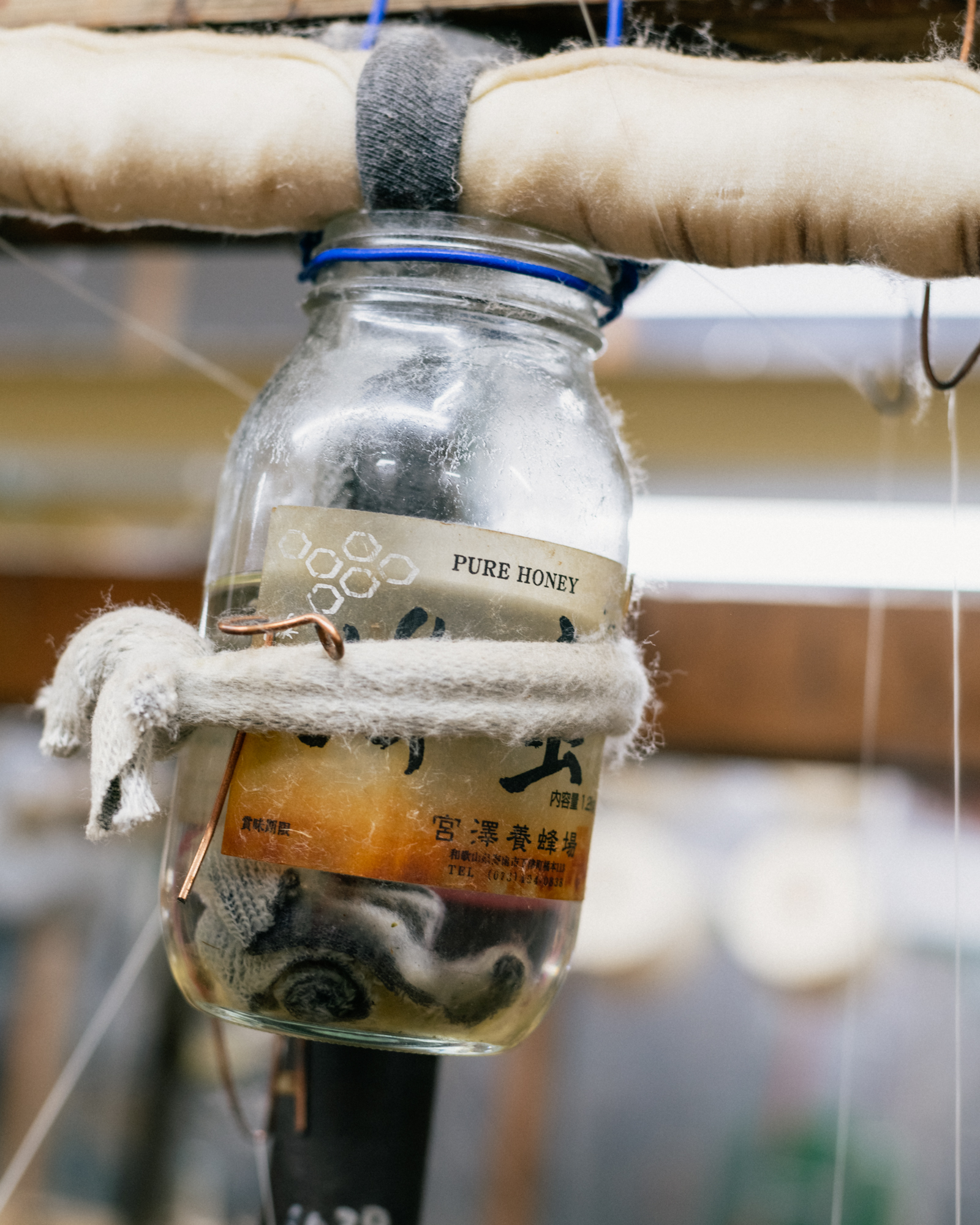
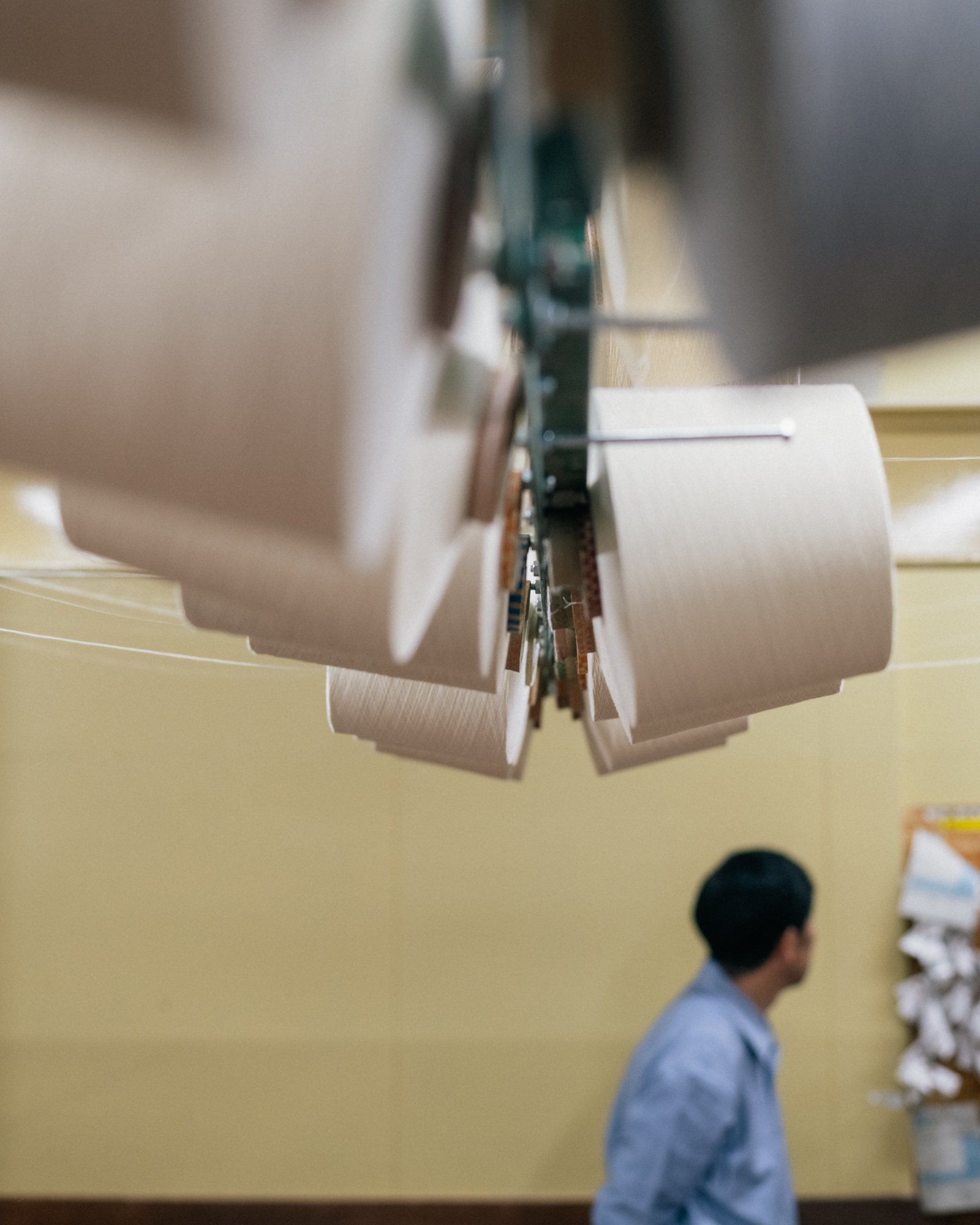
My favourite part, however, is the jars of homemade lubricator (below). These have lengths of fabric in them, which are then tied around the rod above. The yarn runs across this as it goes into the machine, becoming coated with the lubricator.

Oh and one other thing - the loopwheel machines have to be cleaned frequently, with a wooden pole that takes off excess fluff. The worker has to curl the fluff around the end, with exactly the same gesture as scooping candy floss out of a candy floss maker.

Aigat is a fairly small operation, but the only one in Japan that has both types of knitting machine in one place, which makes it fertile ground for experimentation and making those hybrids.

The prefecture itself, Wakayama, is where most knitting in Japan is concentrated, and is green and mountainous – something else in common with craft elsewhere in the world, as mountain water is often prized for washing, eg around Biella in Italy.

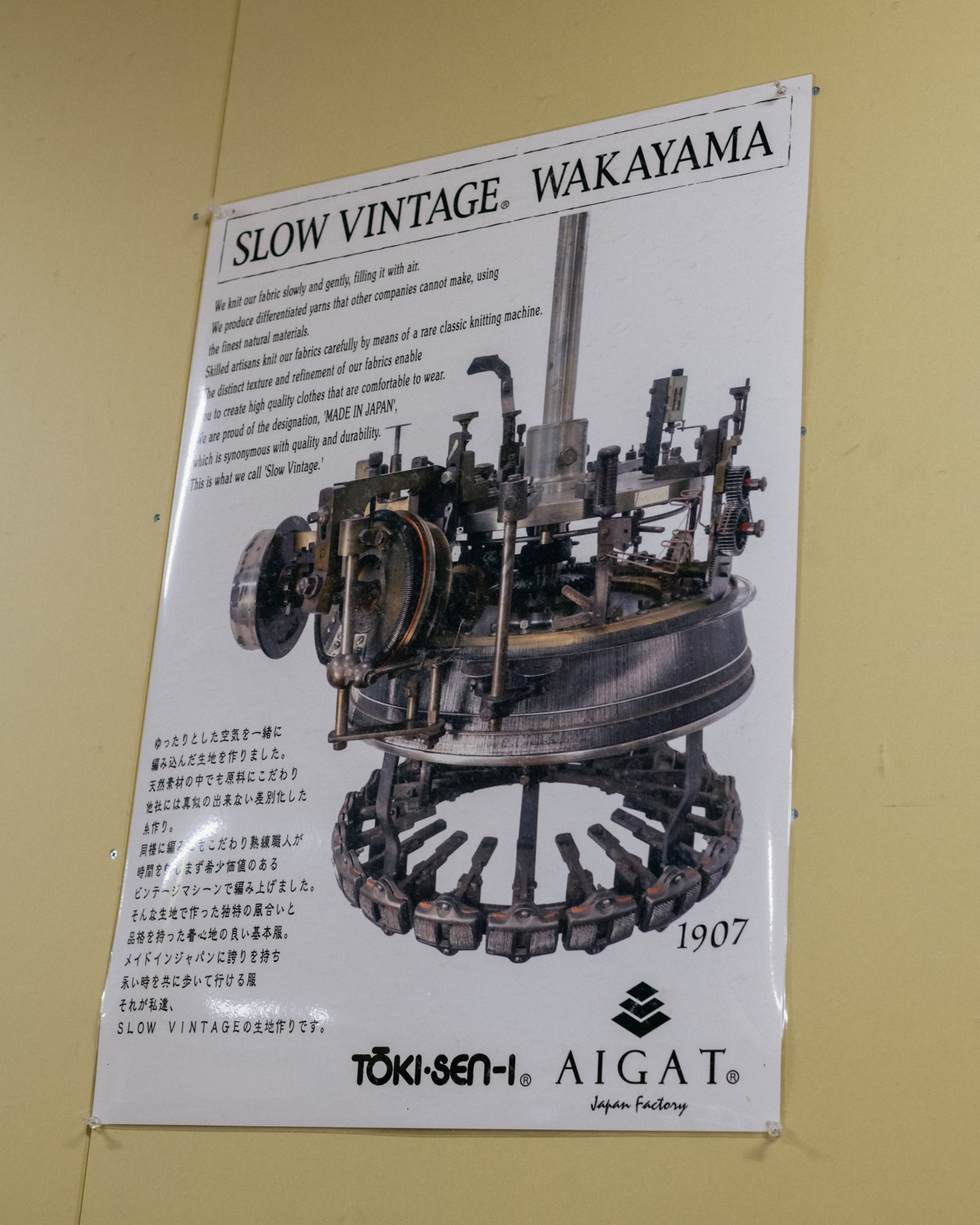
Visiting Aigat gave me a lot of respect for them, but also for the brands working with them. Volumes are small, the wait times long, it would be so much easier to use a larger, modern manufacturer. But as the poster on the wall says, that wouldn’t be ‘slow vintage’.

Rapid multiple borrowings: Riviera style today  

Rapid multiple borrowings: Riviera style today  

Friday, June 30th 2023
||- Begin Content -||

By Tony Sylvester.

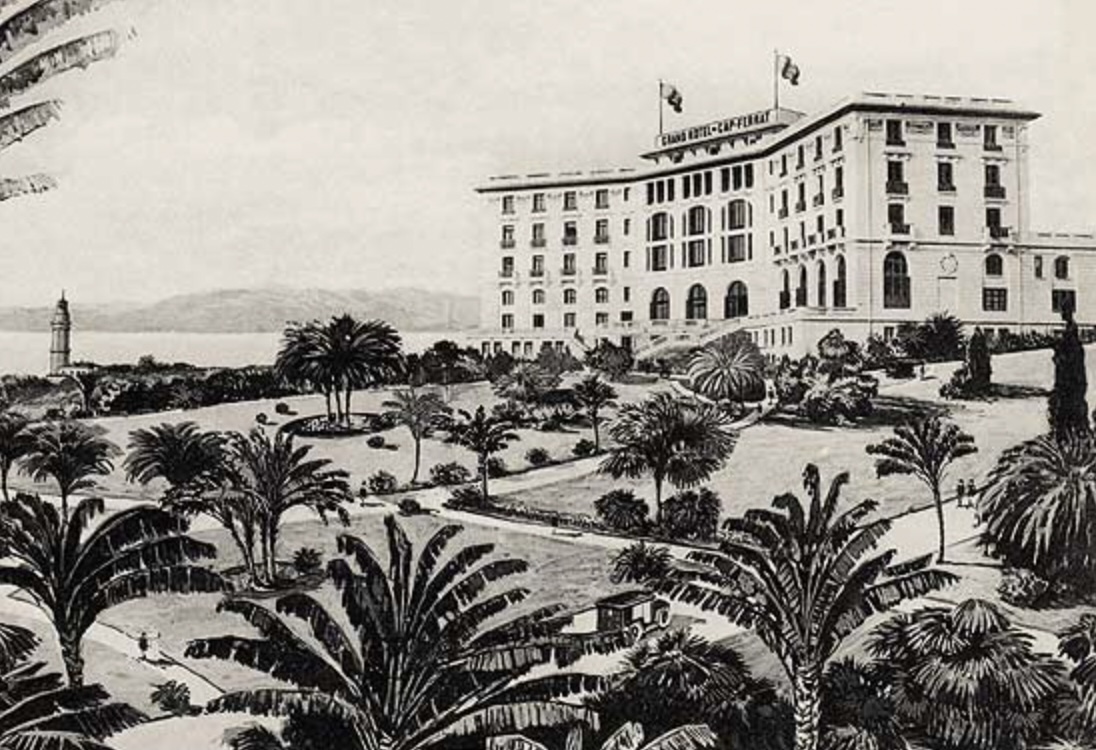
“On the pleasant shore of the French Riviera, about half way between Marseilles and the Italian border, stands a large, proud, rose-colored hotel. Deferential palms cool its flushed façade, and before it stretches a short dazzling beach.

“Lately it has become a summer resort of notable and fashionable people; a decade ago it was almost deserted after its English clientele went north in April.”

So begins F Scott Fitzgerald’s 1934 novel Tender Is The Night, his tale of American ex pats en residence amongst the palms, firs and golden beaches of the Cote D’Azur at the twilight of the Jazz Age - that fertile era of excitement and enchantment between the wars.

Almost a century later the term ‘Riviera’ still resonates: a shorthand for glamour and relaxed opulence that the novel helped foster, alongside Hemingway’s The Garden Of Eden, Sagan’s Bonjour Tristesse and others, and the nascent celebrity gossip industry that fed the public’s appetite with photos of the rich and famous at play.

What Fitzgerald says is correct. The hotel he fictionalised for the novel, The Hotel Du Cap in Cap d’Antibes, had always shut from May to September, following the vogue for the Riviera being a resort for wintering Brits.

They began popularising the benefits of winter sun there in the 1880s, following the arrival of the railway from Paris, extending the Victorian tradition of the healthy beach visit to further flung places.

Then in the mid-1920s, Cole Porter rented a chateau down the road from Hotel Du Cap for the summer, and the Americans started to arrive in force, intermingling with English aristos, Russian emigres, local artists and the cream of Paris society. This encouraged hotel owners to stay open for this faddish new endeavour.

Here we hand over to Farid Chenoune, the French menswear writer: “American socialites not only frequented Palm Beach, Newport, Nassau, et al but could also now be found on the French Mediterranean Coast where rich, sun seeking Europeans (notably English) vacationed during the interwar period. It was thus in the early 1930s that the Riviera became a fashionable spot for spring and especially summer holidays whereas in the past it had been a winter resort.

“In terms of the history of fashion, this shift represented the coming of age of summer as a fully fledged “season” in itself.” They were witnessing not only the birth of idea of the ‘summer season’ but also the invention of the clobber that went along with it.

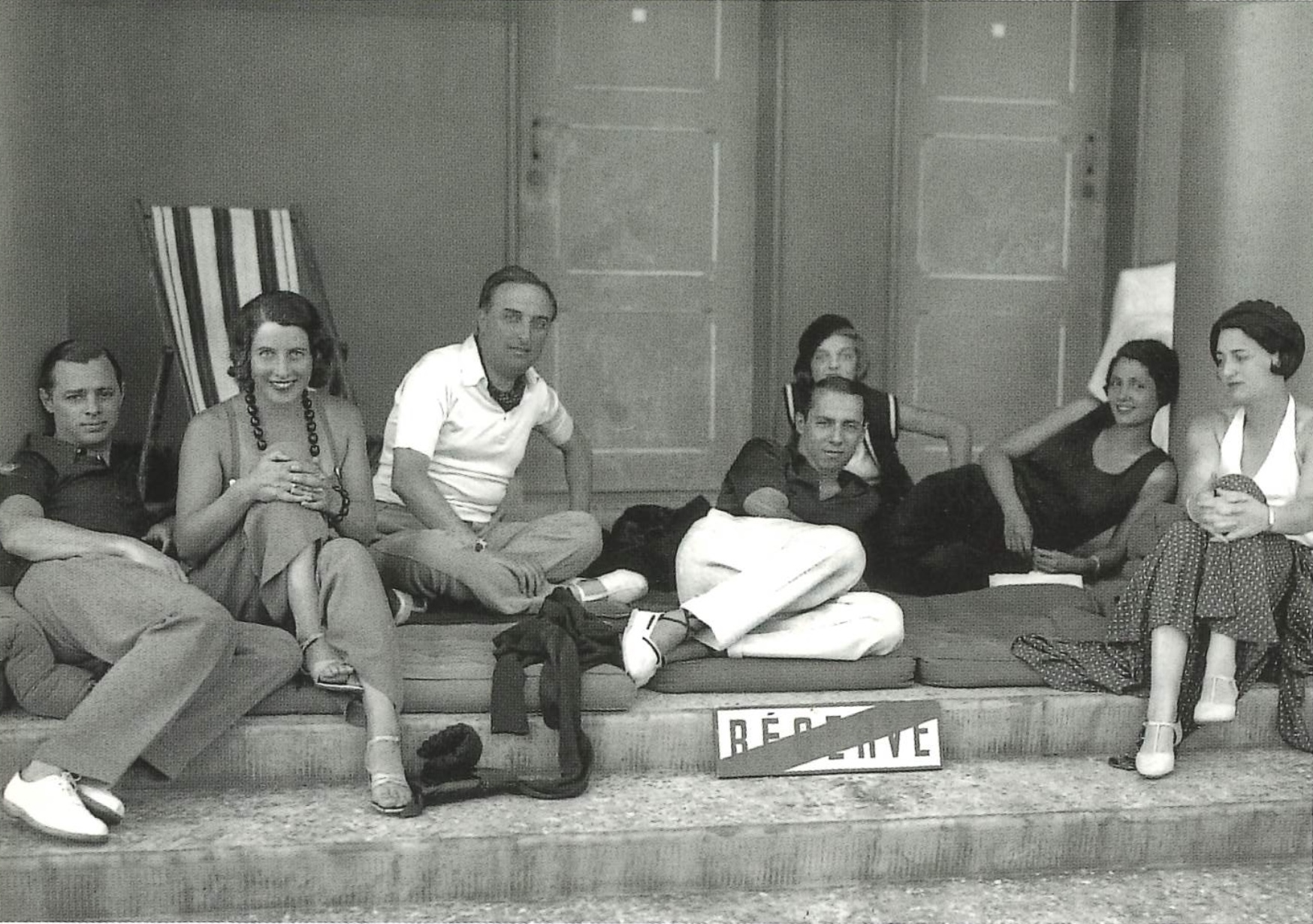
As well as the tabloid press, we’re lucky that we have contemporary menswear publications such as the industry-targeted Apparel Arts and more customer-friendly Esquire, to give us an insight into what these new vacationers were wearing.

What’s interesting to me now is that 10 decades later, many of the clothes look not only modern, but thoroughly practical and sound. Not the whole outfits, of course, but pieces from each image.

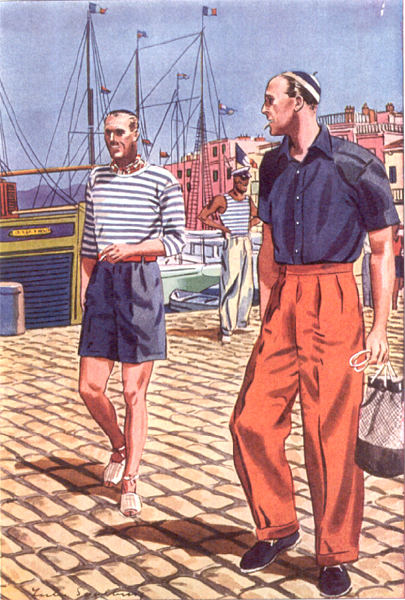
As Chenoune goes on to explain, “Summer fashion spread from one spot to another, like pollen carried by a swarm of cosmopolitan bees. This explains its cross-bred, international nature, the product of rapid multiple borrowings from fishermen’s gears, sailors’ uniforms, sports clothing and colonial dress (both military and civilian). In this respect, summer clothing was already more modern than any other…”

I am fortunate to own a couple of summer issues of Apparel Arts from the period (1932 and 1933) and the contemporary resonance is striking. Apart from one-piece wool bathing suits, there is little that would be out of place in today’s holiday wear rotation. I would have added men’s lace-up espadrilles to the list, but that’s my particular preference.

Some of the pieces Chenoune lists are:

  • Summer suiting(in seersucker, shantung, linen and ‘palm fibre’)
  • Gaberdineblazersbush shirts(safari jackets)
  • Polo shirtssailor smocks
  • And perhaps the only anachronism of the bunch, the ‘Spencer’ or mess jacket - essentially a dinner jacket cut short like a bolero, or a tailcoat without tails.

The key to referencing Riviera style today is probably maintaining a level of relaxed formality, while using cloth, colour and texture to demonstrate the difference from a workaday wardrobe - in a similar manner to the difference between a lounge suit and a dinner suit for example.

There are also clothes suited to the beach and sunbathing - shorts, trunks, flip-flops, but here I’m more concerned with dressing away from the water, for the day or evening.

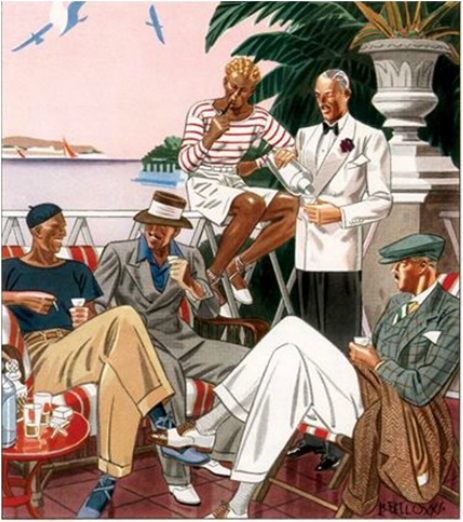
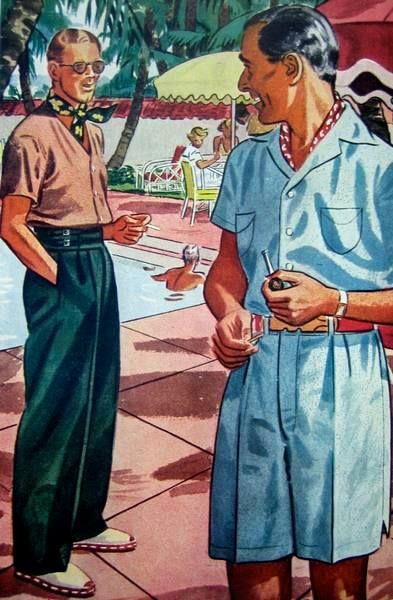
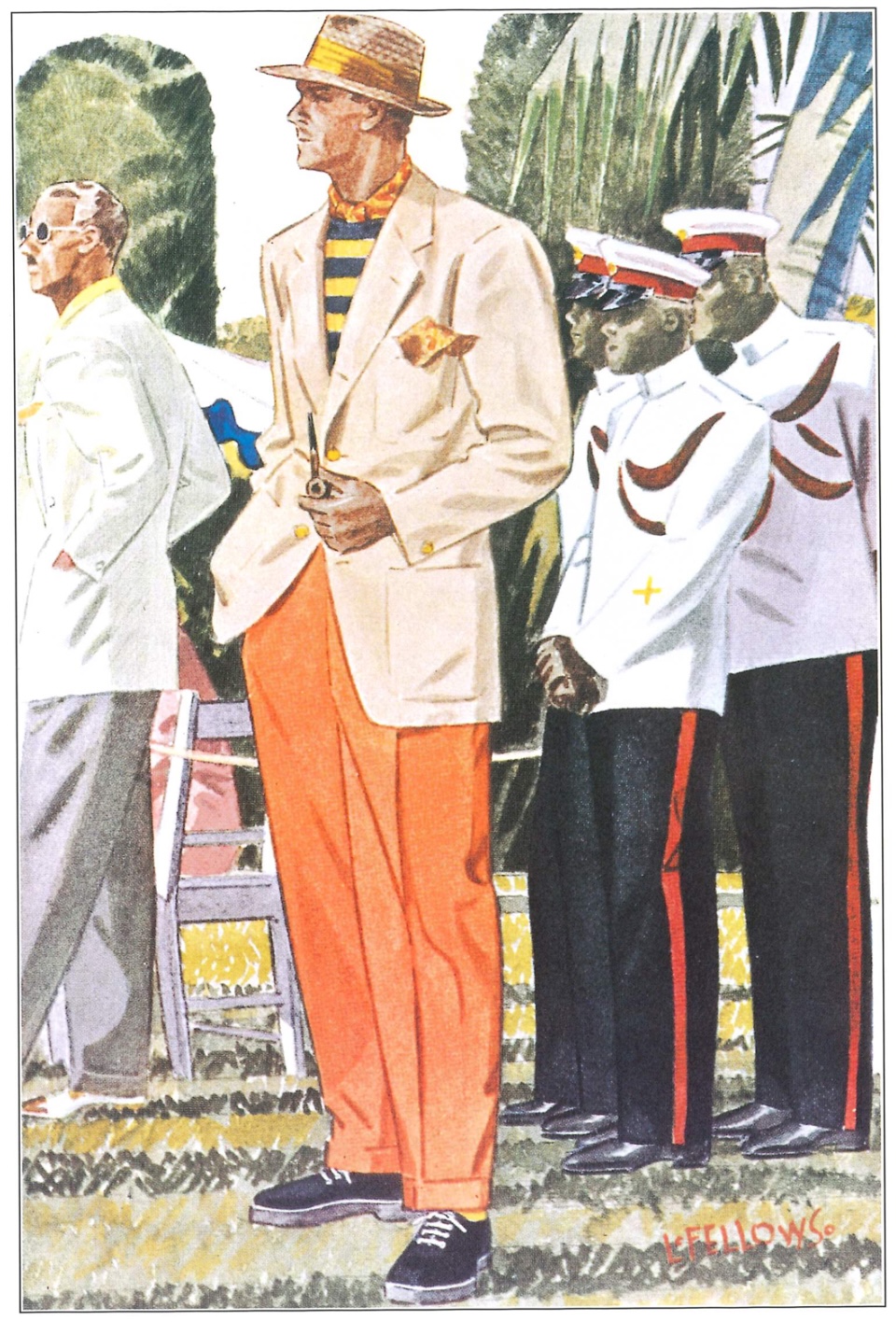
The contemporary photographs of the day, the wealth of advertisement images in those magazines, and the evocative illustrations from the likes of Laurence Fellows and Robert Goodman can all be used to help build looks.

The first and perhaps most obvious choice is the selection of an odd jacket and trousers rather than a suit. This is perhaps the most striking change from the English holidaymakers of the late Victorian age to post-WWI travellers.

The English still holidayed in two-piece suits of linen or light wool, paired with starched collars, ties and dress shoes - so the only differences between their lounge suits in town and their holiday clothes were the lighter weight and paler palette. The swapping for odd jackets of visibly tactile and slubby cloths - raw silk, dry weave ‘Panama’ wools and even Terry cloth - made for an instantly visible leap forward.

This goes hand in hand with the other main trend: splitting colour across an outfit, instead of keeping a uniform tone. Darker jackets were suddenly paired with light trousers and vice versa.

This is seen most obviously in the illustrations of Fellows and Goodman, rather than the black and white photos of the day (an issue we encountered before in the PS article on colour and culture).

Fellows pairs coral trousers with ecru jackets, tan shirts with forest green slacks, as well as showing the more accepted maritime palette of navy with cream. Very few of the gents drawn are in a singular hue.

Other guidelines are similar to the idea of holiday-specific tailoring materials. Shirts should be specific and seasonal, not simply dress shirts unbuttoned. A band collar or open lido-collar work well in this department.

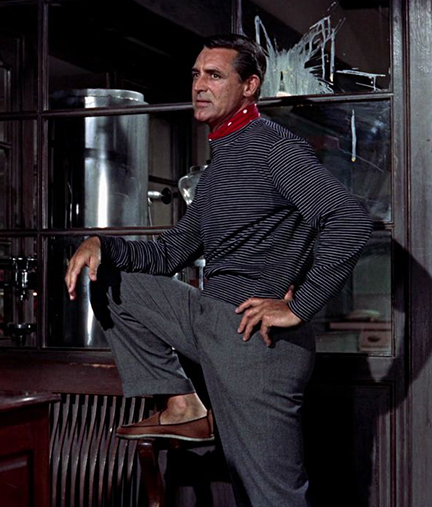
Similarly, while ties are restrictive and impractical the overall accord often misses that pop of colour and pattern. The most obvious answer is a silk or cotton scarf, which is best tucked behind the collar rather than sprawled out across the chest. Think Cary Grant in To Catch A Thief: his red-and-white neckerchief provides just enough visual lift behind the stripe of the round-neck matelot knit, without overpowering everything else.

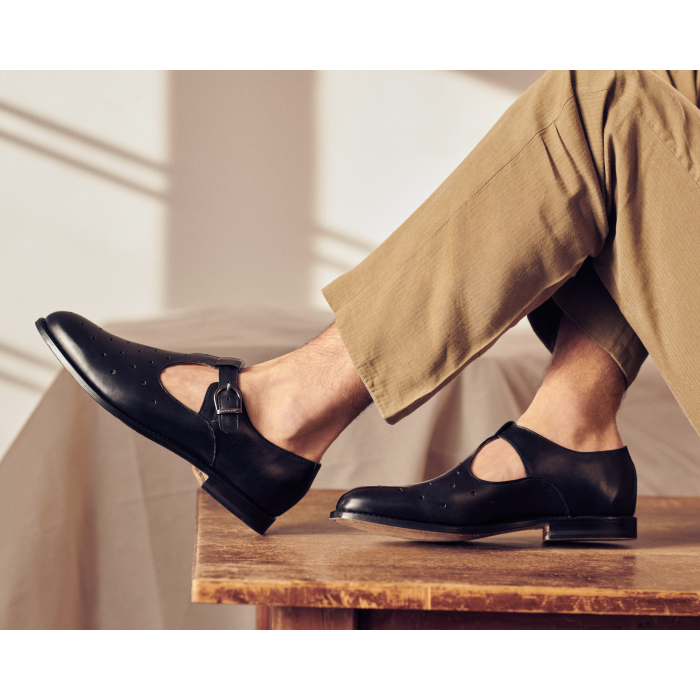
For footwear, it’s possible to keep the benchmade quality but dial down the formality. Unlined loafers are the obvious choice, but I would make the case for closed-toe sandals as well.

Sadly, not many of the big names make them for men these days - Edward Green used to have the ‘Rangoon’ model and John Lobb the ‘Olympe’, but like most good things, they seem to have vanished.

While Cheaney, Church’s and Ralph Lauren still do versions, I was happy to see Ludwig Reiter add the ‘Triestiner’ model to their catalogue this summer, a closed-toe sandal on a particularly nice, elegant last in brown or black perforated calf. This is absolutely the ticket, worn socked or sockless, and I prefer the black colour myself - not the usual choice for summer months, but it does give me the most options across my wardrobe.

More casual footwear can be added, if approached with caution. Espadrilles are a strong candidate (Manish’s piece was a nice in-depth look) and I’m rather fond of CVOs - cotton vulcanised oxfords, which appeared around the same pre-war time we’re referencing, morphing into the ubiquitous deck shoe over time.

Of course, despite having this historical road map, there is no substitute for hard fought experience; trial and error. I shudder when I recall one personal outfit that fell very much on the side of error.

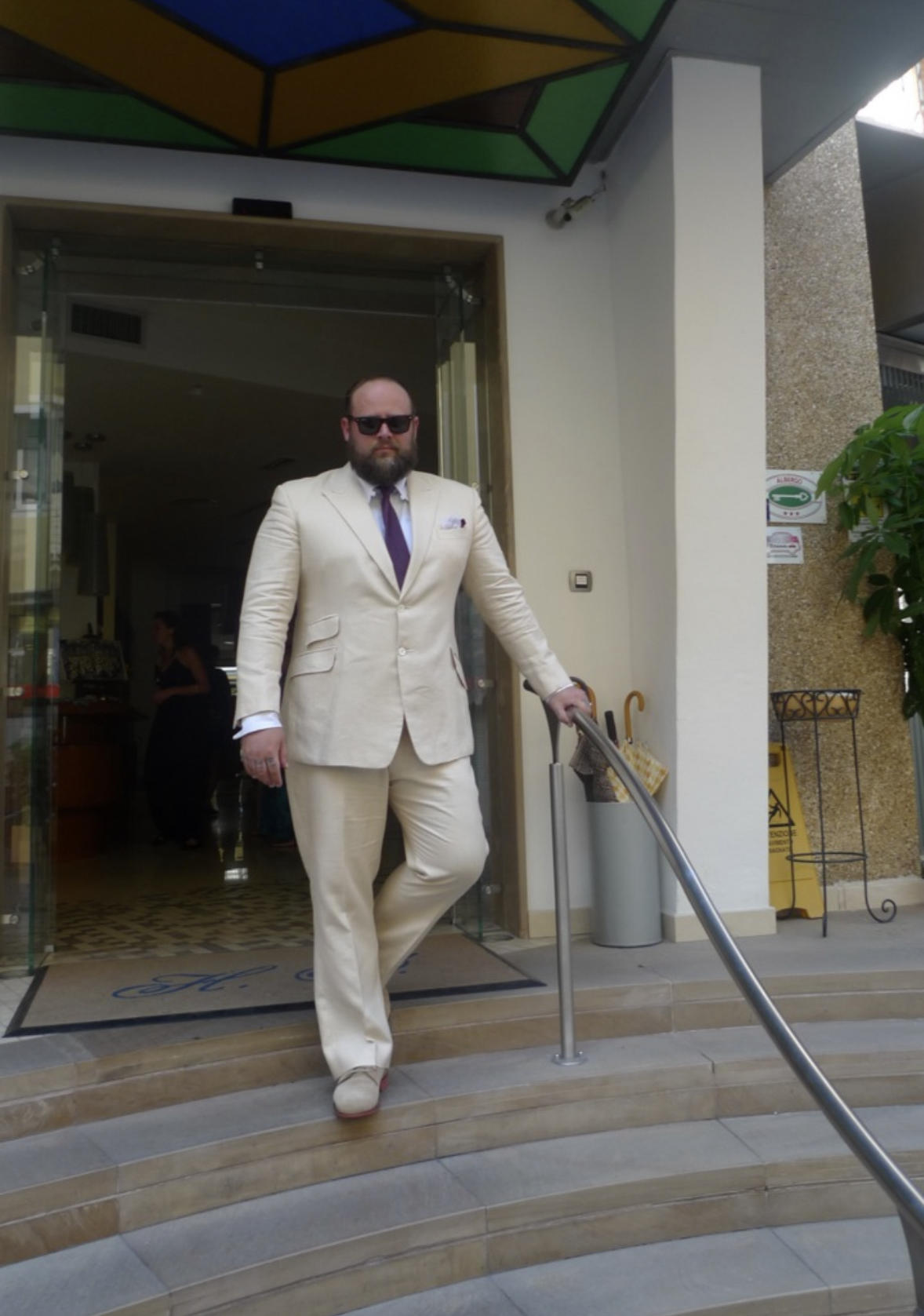
Invited to a summer wedding in Liguria years ago, I delved into my somewhat dilettantish sartorial knowledge of the time and came up with a cream-linen suit from Mark Powell, with peaked lapels and a slight kick flare to the trouser, worn with a white penny-collared dress shirt, purple knit tie and tan bucks.

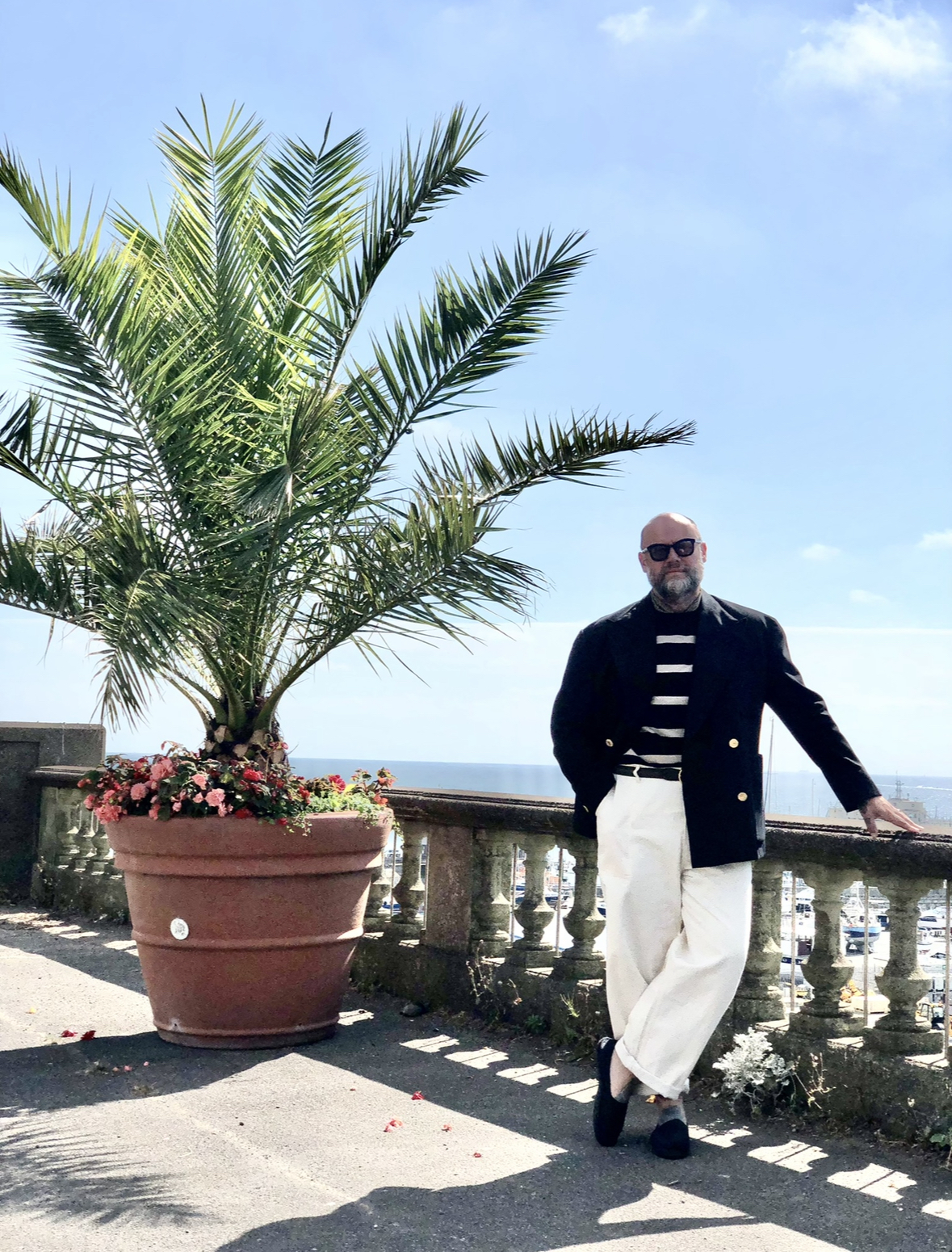
It was a disaster. I was trying to emulate the spirit of the jazz age but overdid it. Compare that to the photo from last summer below, with a black fresco blazer worn with white herringbone slacks and espadrilles, and I think the result is much more harmonious.

Free and easy, that’s the key.

If you only had five (casual) shoes

This is intended to be a partner to the ‘If you only had five shoes’ article in our Wardrobe Building guide, which was all smart footwear. Today’s piece is shoes that aren’t smart enough for a traditional office or – perhaps a better definition – for not wearing with tailoring. 

Casual shoes is a huge area, from boat shoes to cowboy boots, espadrilles to trainers, so I’m going to try and break it down by use rather than just give a list of five specific pairs. Only then will I go into my style, and then suggestions. Hopefully this will make it as useful for as many people as possible. 

So if I had to pick five casual shoes I’d divide them into:

  • Smart/casual, still for jeans or chinos but dressing them up, for a day in town etc
  • Very casual, a trainer/sneaker, could even kick a football with it in the park
  • Winter casual, for rain and colder weather, probably a boot
  • Summer casual, probably a loafer, or boat shoe, moccasin, espadrille
  • One more depending on lifestyle, eg a work boot, a sandal, a chelsea boot, a smarter trainer

Smart/casual

A shoe that, if you wore it with jeans and a nice sweater, but still look good going out for dinner, or a museum or similar trip to town. 

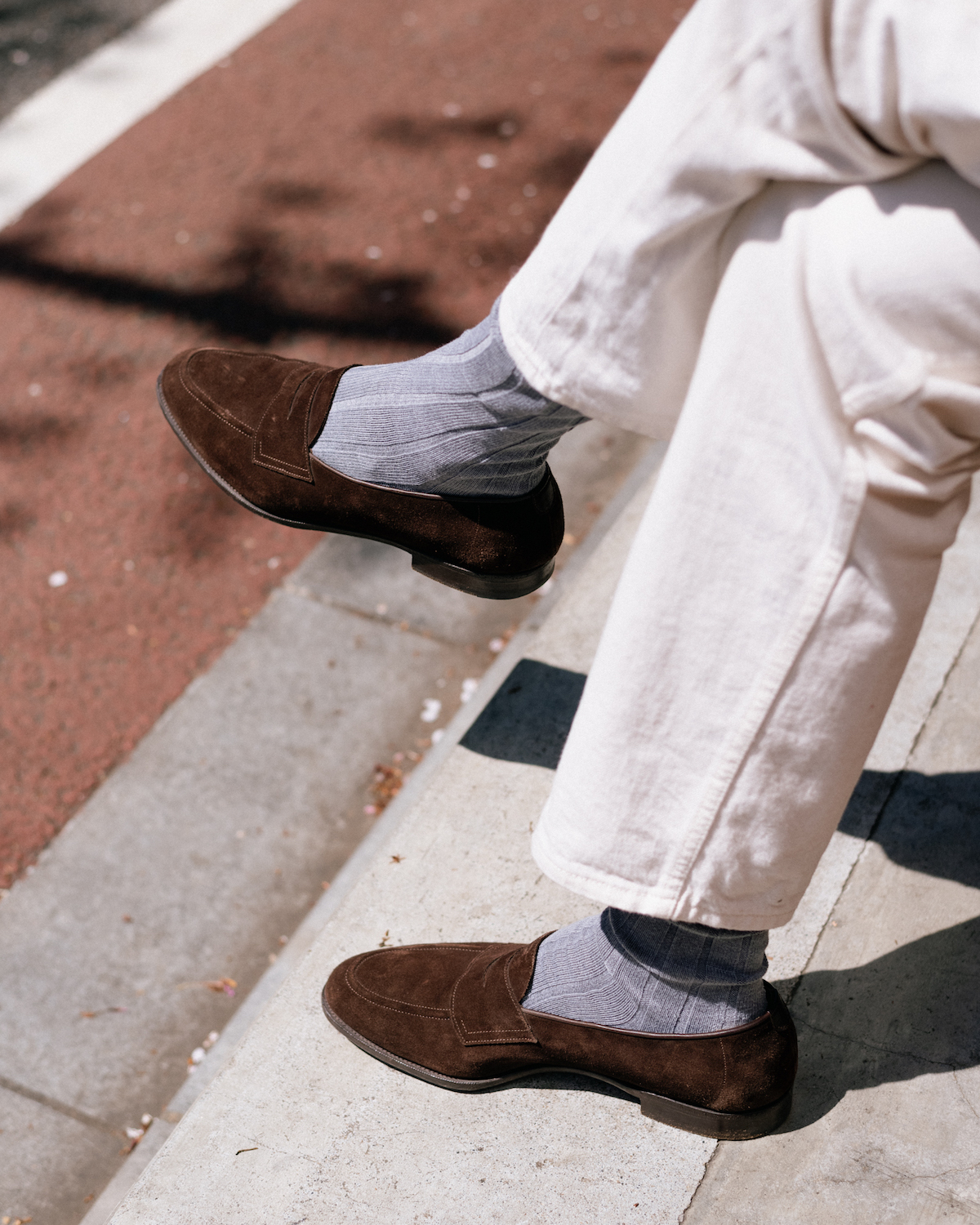
It could be a derby, a boot or a loafer, in calf or suede, dark brown or tan. But the most versatile is usually dark brown, suede and a loafer, as they go with the broadest range of other colours and styles.

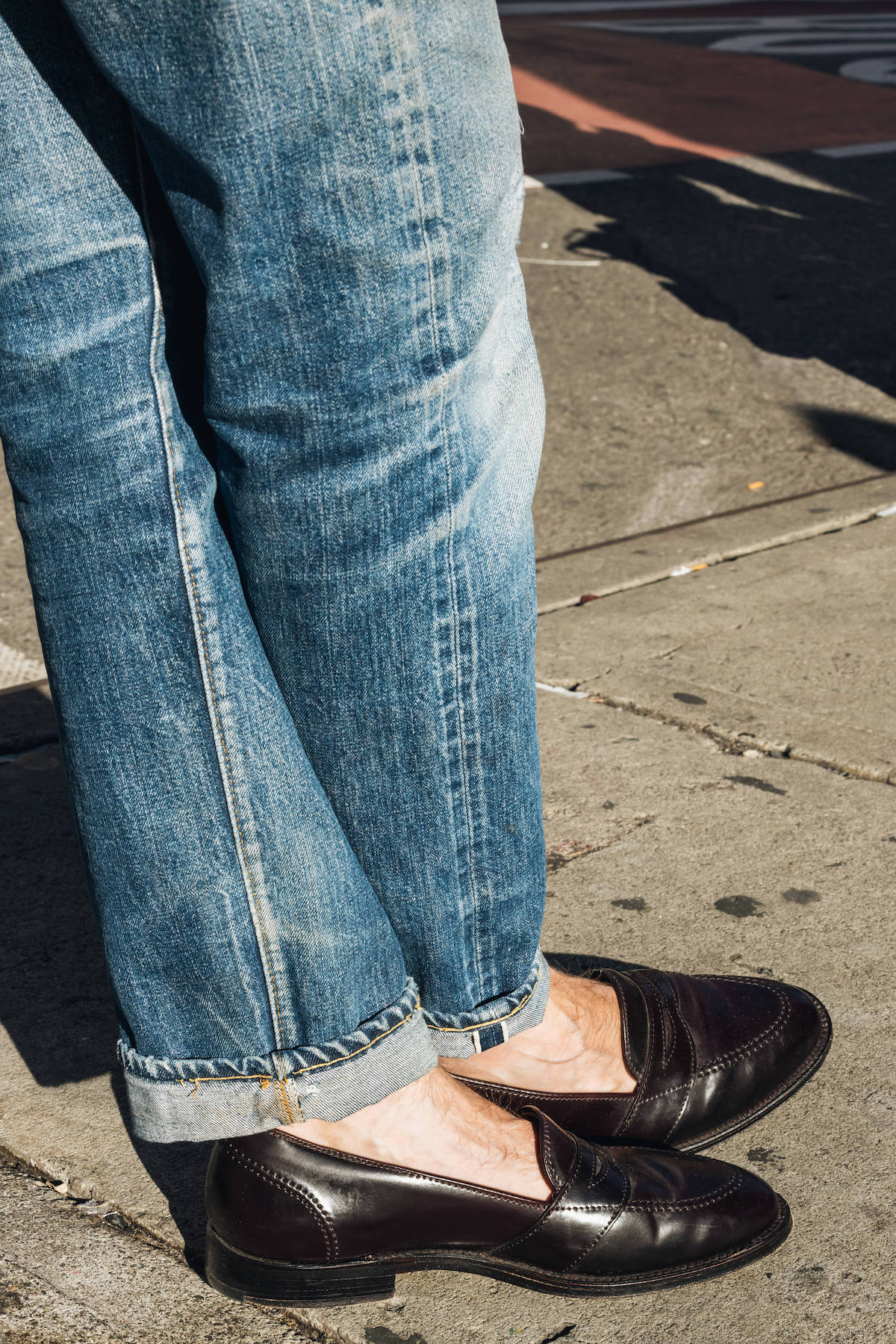
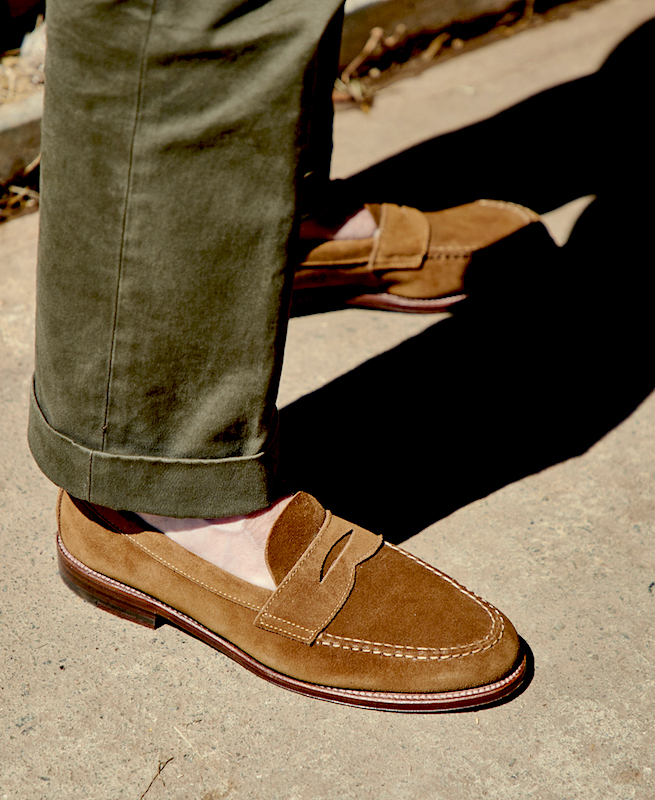
My personal favourite is the Belgravia or Piccadilly loafer (above) from Edward Green, which I would have unlined. But it’s very closely followed by the full-strap loafer from Alden in Color 8 cordovan (top).

Very casual

A shoe that’s still well made, that you like the style of, but which you can put on with old jeans to go down to the playground with the kids, walk through a forest and get a bit muddy.

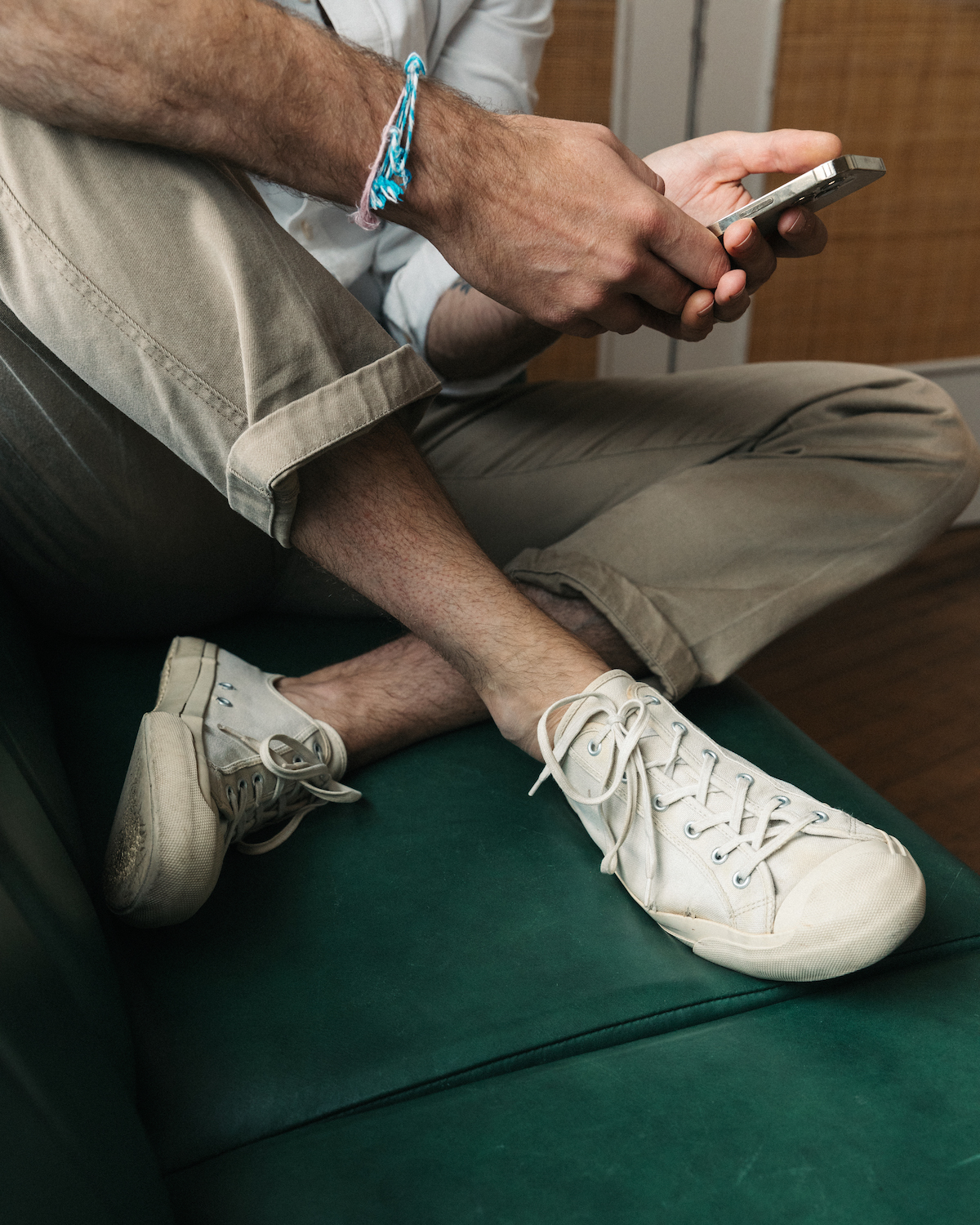
This is where most people today would wear a trainer, and I’d advise trying to get one that can dress up a bit too – often a little slimmer, perhaps not too overly designed. My most useful is a canvas shoe, a plimsoll, like my Doeks (above)

That’s because I like the vintage-looking feel of them but they still work with most casual things. An oxford-style one like my 45R pair is a little smarter, and a leather style like Common Projects more so. 

Winter casual

The biggest growth area for traditional shoe brands in the last few years has been boots and loafers, and that shouldn’t be surprising – as people dress more casually, they turn to these over oxfords and derbys. 

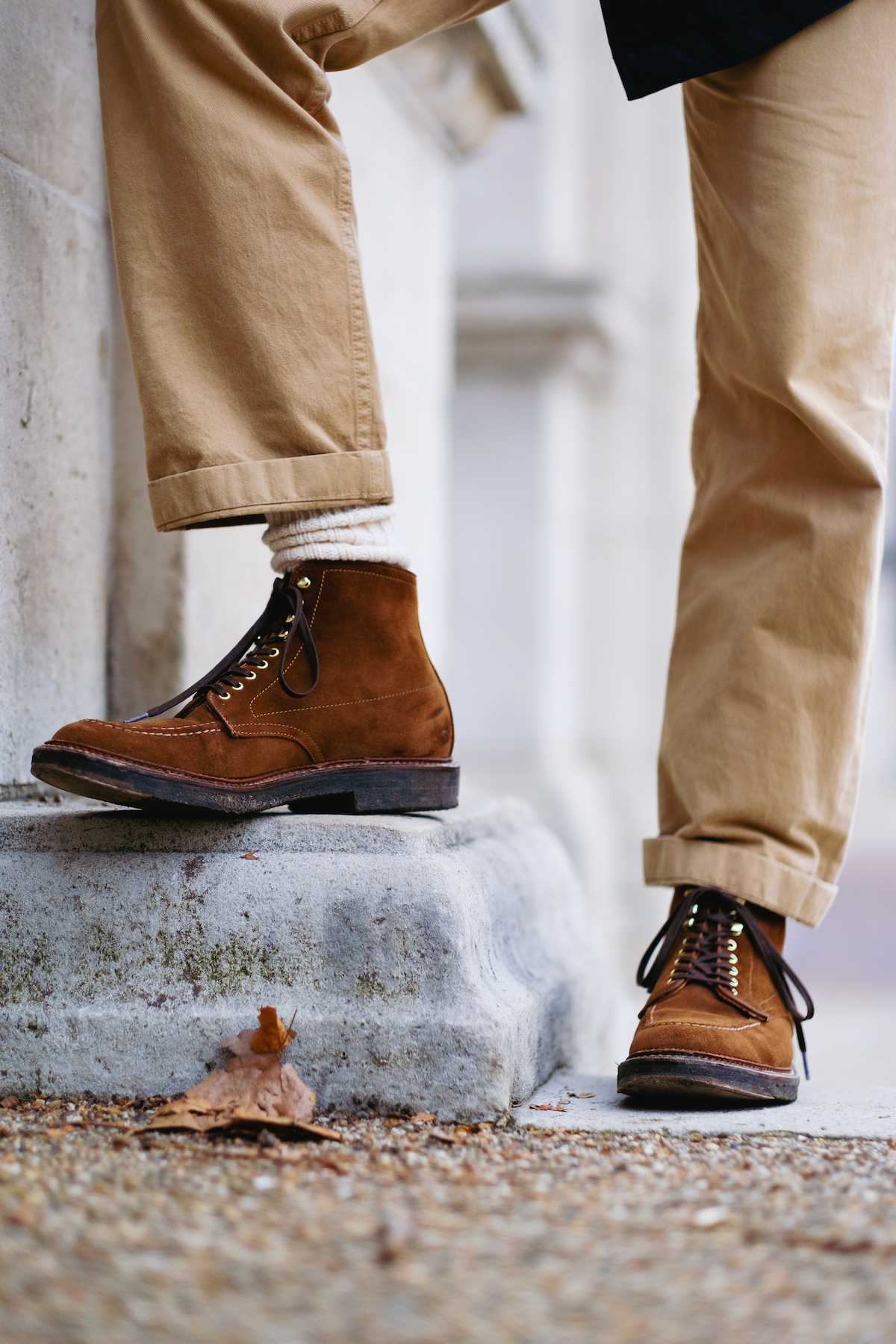
So you’re going to want a boot, for colder and wetter weather but also as a change of style. This is such an extremely short list of footwear that again you’re going to want a material and style that’s very versatile. Dark brown suede or cordovan perhaps, or if you wear denim a lot, a tan leather or snuff suede. 

My personal favourite is the Cranleigh in dark-brown suede from Edward Green, which is pretty casual for them. But I also really the Galway and my Alden boots – particularly the pair on a modified last I got last year at Moulded Shoe in New York. 

Summer casual

OK, so a shoe you can wear when it’s really hot, without reverting to flip-flops. We’ve done a piece here on summer shoes, which will give you a broader take on the categories and the options. 

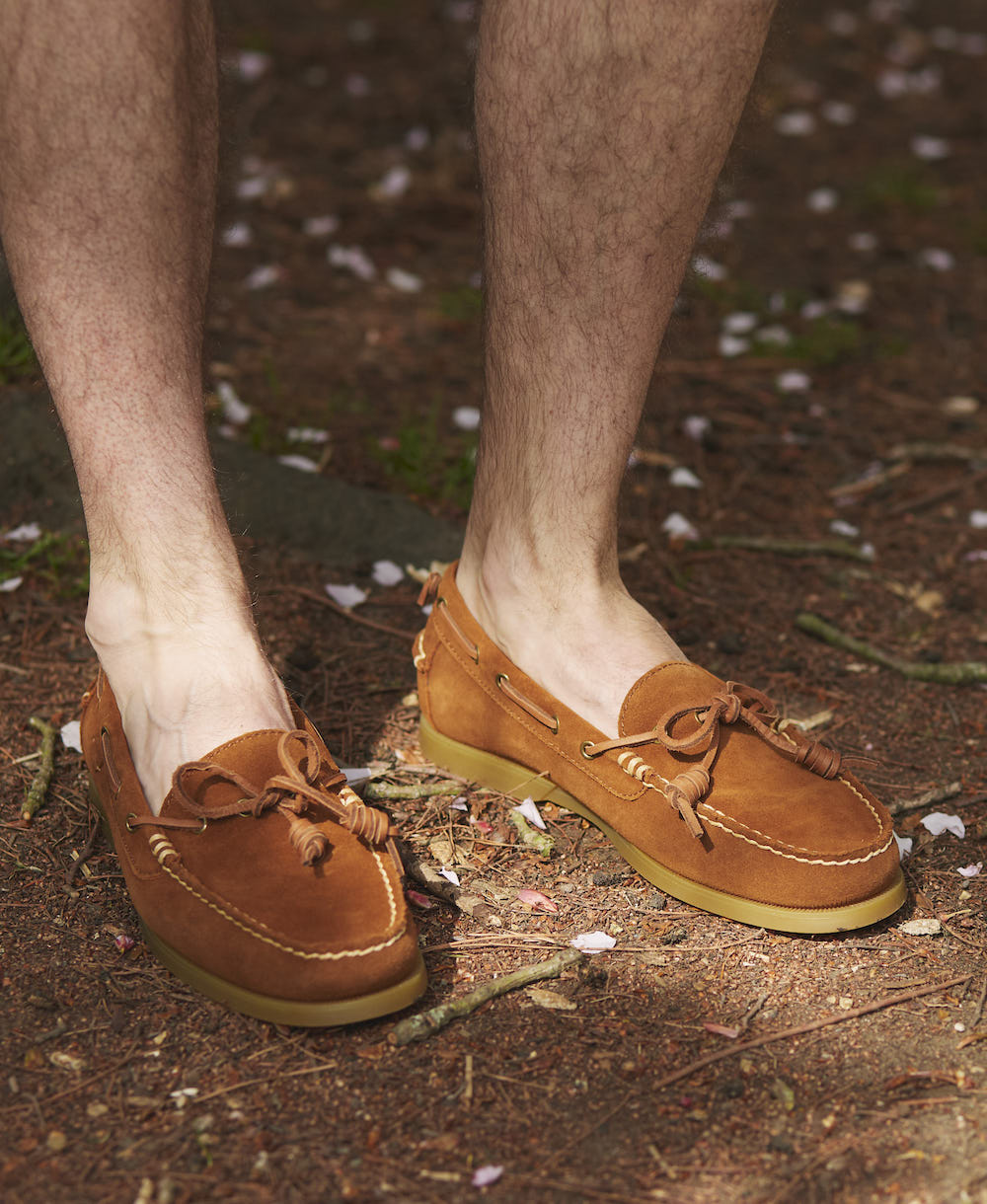
If you still want to walk around town in them, real hot-weather shoes like espadrilles or most sandals don’t really cut it. Soft, unstructured loafer-type shoes work best, and that is probably an actual loafer or a moccasin-style shoe – like a boat or deck shoe. 

Personally I wear both my Doeks and my suede loafers in the hottest of weather, just with no socks or hidden socks, so the ankles are bare (it makes such a difference to coolness). But given those are already included in this list, I’d pick a nice slim, low boat shoe. They can look a little old-mannish, but perhaps wear them with more casual or flashier things elsewhere (eg baseball cap rather than a panama). 

One more

So this is the spot to add in whatever best suits your lifestyle. You might want a work boot like a Viberg, because that’s your vibe for dressing more casually, an RM Williams Craftsman for something more outdoorsy, or a desert boot for soft and slouchy (above). 

Personally I live in loafers, so I’d want another – three of my five shoes, if I could only have five, would be loafers. I’d want the Edward Green brown suede, the Alden full strap in Color 8 (pictured top) and the Alden LHS in snuff suede (below). Those and a trainer and a boot would do for me. 

I think the important thing with shoes is to not think of them in isolation – which articles like this, and indeed most conversations, inevitably do. Those that dress well rarely have their outfits driven by their footwear, and usually have more shirts and trousers than shoes – so they want things that go with a real range. Think of shoes in the same way when picking your little capsule collection, or more realistically, when you’re deciding what to add to a slowly growing one. 

To put it in a list, my five would be:

  • Edward Green Piccadilly loafer, dark brown suede
  • Alden LHS loafer, snuff suede
  • Alden full-strap loafer, Color 8 cordovan
  • Doek derby-style canvas shoe, ecru
  • Edward Green Cranleigh boot, dark-brown suede

I also asked our writer Manish to give us his five, for some variation. They were:

  • An Alden loafer – The slightly wider profile helps Alden loafers to sit nicely in the smart/casual category. My choice would be a black tassel – I know that for some readers both the colour and the style will be too smart, but I think they work really nicely with chinos and washed-out denim. Failing that, I’d second Simon’s pick of the LHS loafer in snuff suede
  • Belgian slipper, brown suede – I like Crown Northampton’s Brockton model but I believe it’s been discontinued
  • Moonstar Gym Classic, off-white canvas – Twice as expensive as Converse but my pair have lasted four times longer
  • A holiday shoe – This seems to vary depending on where I’ve travelled to (espadrilles in Spain, huaraches in Mexico, friulane slippers in Italy), but whichever one makes the list I can be relied upon to wear it to death. A better souvenir than a fridge magnet!
  • Alden Parajumper boots, Color 8 cordovan – I love the depth and richness of Color 8 but a dark brown cordovan might be a little more versatile.

And finally, if I could add another five, they would be: 

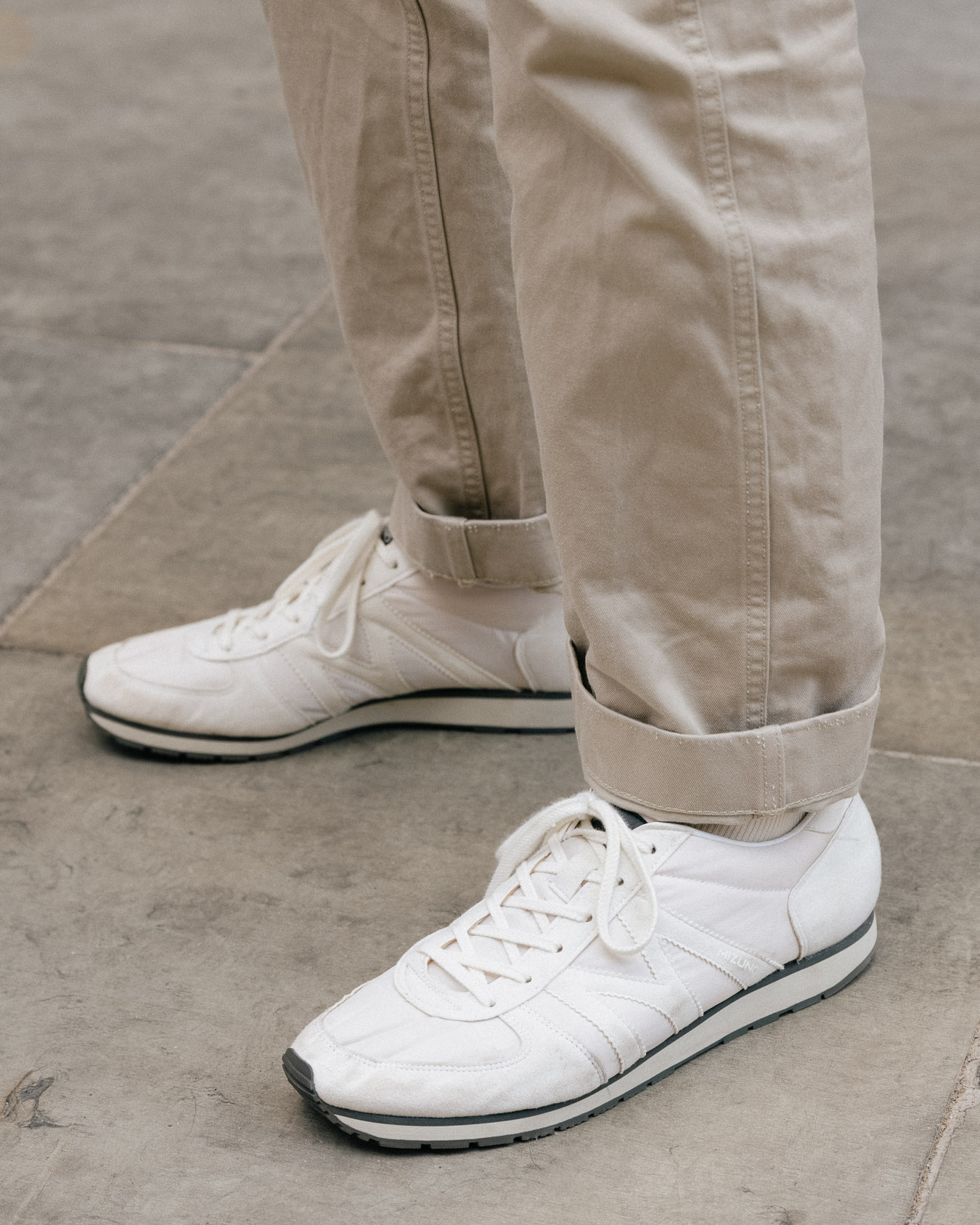
  • Margaret Howell/Mizuno trainer, white (below)
  • Edward Green Galway boot, dark-brown suede
  • Viberg Service boot, brown Chromexcel leather
  • Castellano/Beams deck shoe (not covered yet), tan leather
  • Espadrille, any brand, black canvas and thin rubber sole over rope

What would your five be? Let us know. 

 
I know some readers will ask about shoes without socks. Most of the time I wear hidden socks in summer with loafers, from Uniqlo or Mes Chaussettes Rouges. I will sometimes wear my Doeks or Alden LHS without socks, but most of the time this isn’t much cooler or more comfortable, and is worse for the longevity of the shoe. It’s just convenience. 

Sticking with Yohei: Commissioning black oxfords

Sticking with Yohei: Commissioning black oxfords

Monday, June 26th 2023
||- Begin Content -||

Readers will be aware that I have become a little sceptical about bespoke shoes in recent years. As I detailed in the article ‘Are bespoke shoes worth it?’ my experiences have been a little patchy, and looking back on 13 years of commissioning, it’s hard to make a good case for them except in certain circumstances. 

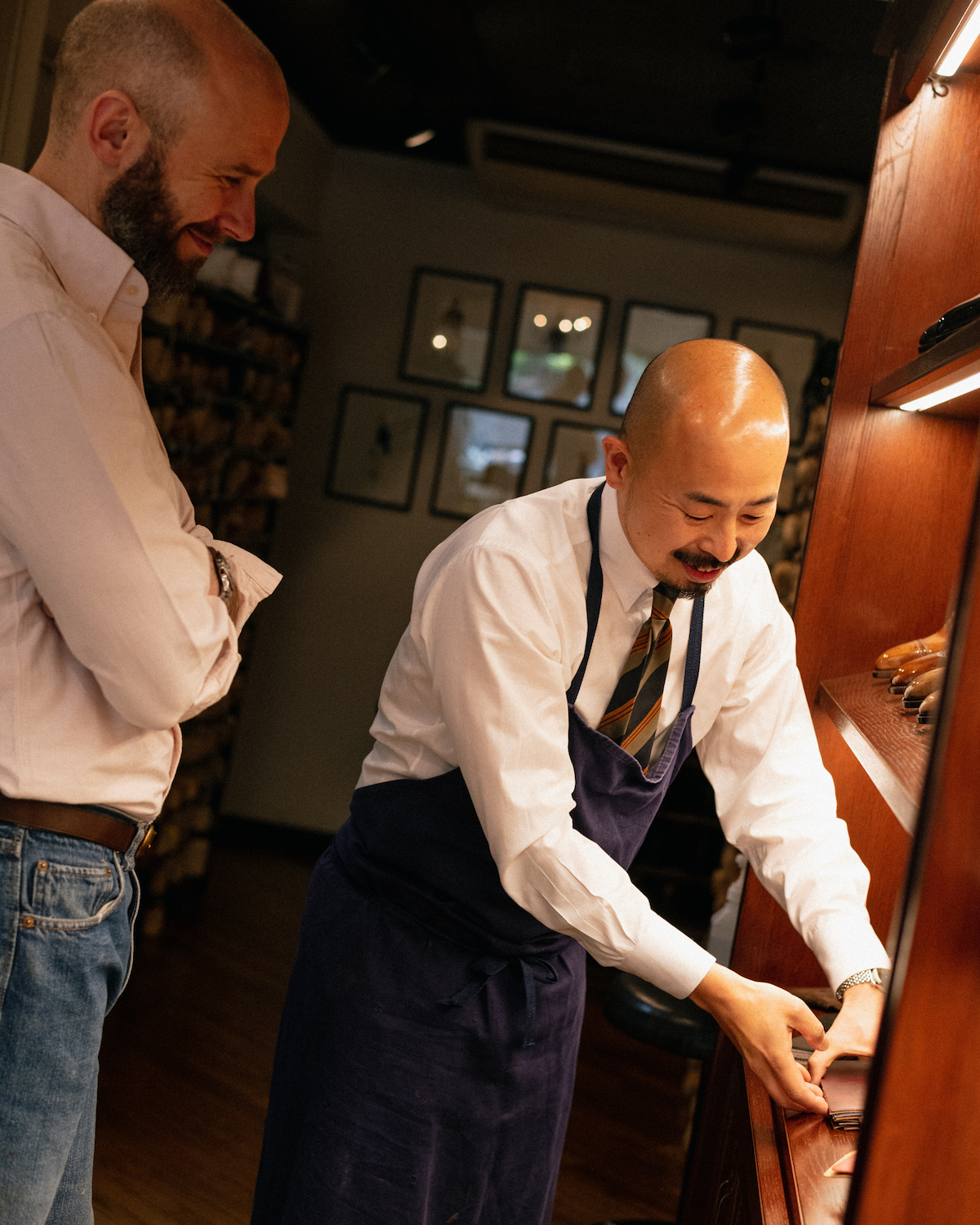
One experience that pushes against that, however, has been working with the Japanese shoemaker Yohei Fukuda. The shoes he made for me fit as well as any other bespoke I’d had, despite not even having a fitting (and therefore, not even really being bespoke). 

As I never tire of saying with bespoke clothing, it makes a world of difference if you can see and try the product first - it does that crucial but often underestimated thing of closing the gap between the customer’s and the maker’s expectations. With Yohei I was able to do that, fitting on his ready-made shoes both to inform the fit and to understand how the shoe would look and feel. 

So when I was in Japan a couple of months ago, I took my first pair of shoes to him to analyse, and commissioned a second. 

I’m also writing this now because he is making one of his rare trips to London at the end of this week - he’ll be at Hackett on Savile Row on June 30 and July 1, before also then travelling to Geneva on July 7 and 8.

Given how well my first pair of shoes fit, it was interesting to see what changes Yohei proposed making for the second. 

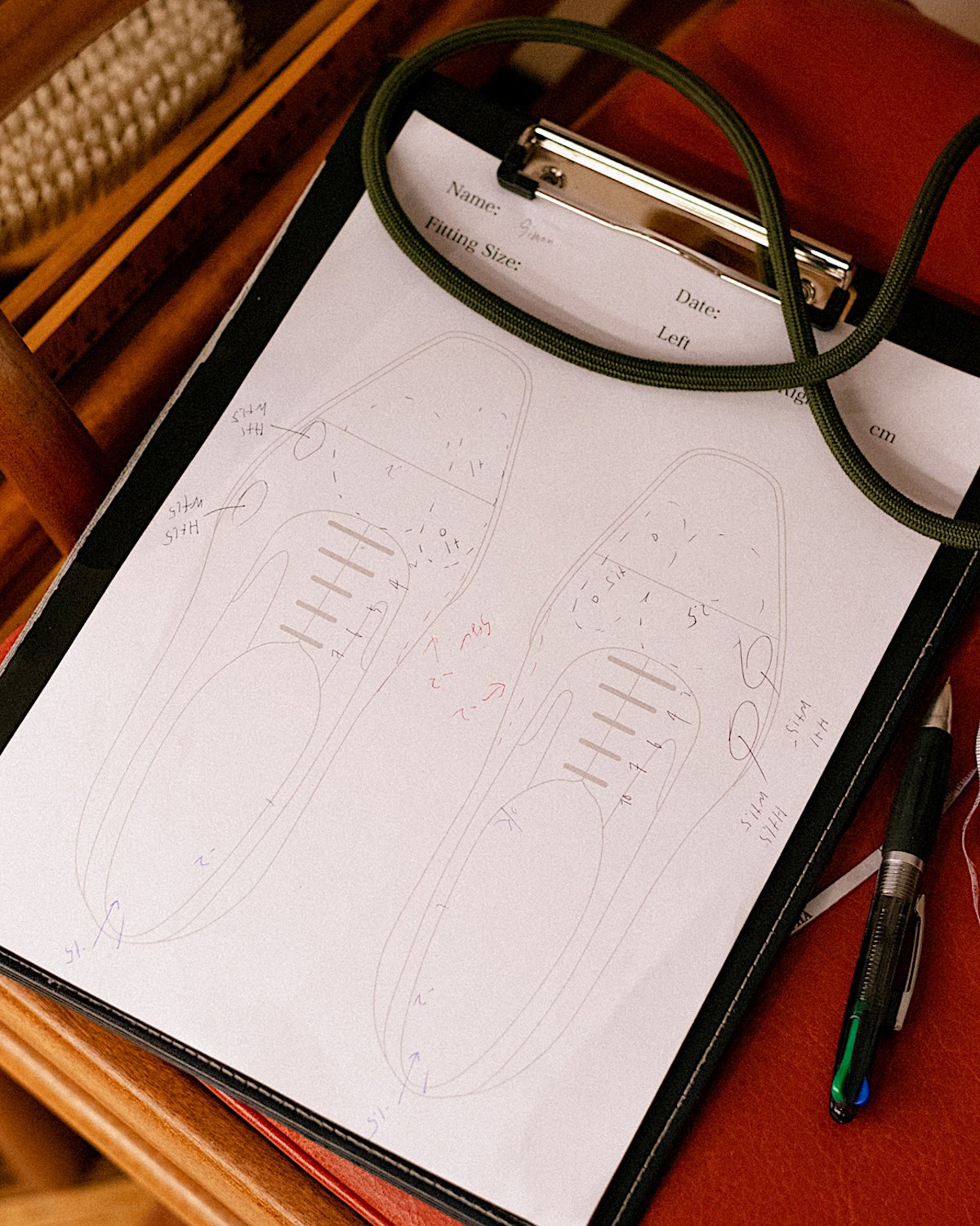
There were quite a few, even if they were only a matter of 1mm or 2mm here and there. For example, my big toe is quite tall at the joint, while the other toes are rather lower. This creates some hollowness on the shoe above those other toes. 

Yohei proposed reducing this space; I was hesitant because I knew ready-made shoes that are too low in this area bite rather on my big toe. Yohei considered and amended, but still removed 2mm from that area on my left foot and 2.5mm on my right, while adding 1mm and 1.5mm above the big toes respectively. You can see that marked in the image below.

Now space in this area where the foot flexes is always going to move around - you’re not going to create a sculpted shape for the joints, as the leather is too soft. But changing the contours of the area will make a difference. 

(As with my potential pain points, I know this from experience - which is one reason why bespoke shoes make most sense in the long term, ideally with one maker.)

The other marks on that fitting sheet indicate reductions in the last through the front of my arch (2mm less on each side), 2mm less in the top line around each ankle, and a slight narrowing at the heel. 

The numbers alongside the laces indicate how large the gap was between the facings of the shoe when they were laced up. The two sides shouldn’t be closed - because that’s your room for adjustment during the day, or over the years - but aesthetically you don’t want them too far apart. 

These changes made me reflect on what I thought was a ‘good fit’ given there were so many little things that could be improved. 

It really comes down to a shoe that you can wear all day, not suffer any pain, and look good doing it. Some guys wear really big shoes as it feels more comfortable, but they sacrifice the look. Having good support for your feet is important too, and stops them being tired, but for me that’s usually been a bonus. 

It made me realise that the bar I set for bespoke is actually pretty low - and perhaps some makers push the look or the fit details too far, trying to perfect the shoe but in the process undermine that simply good fit. 

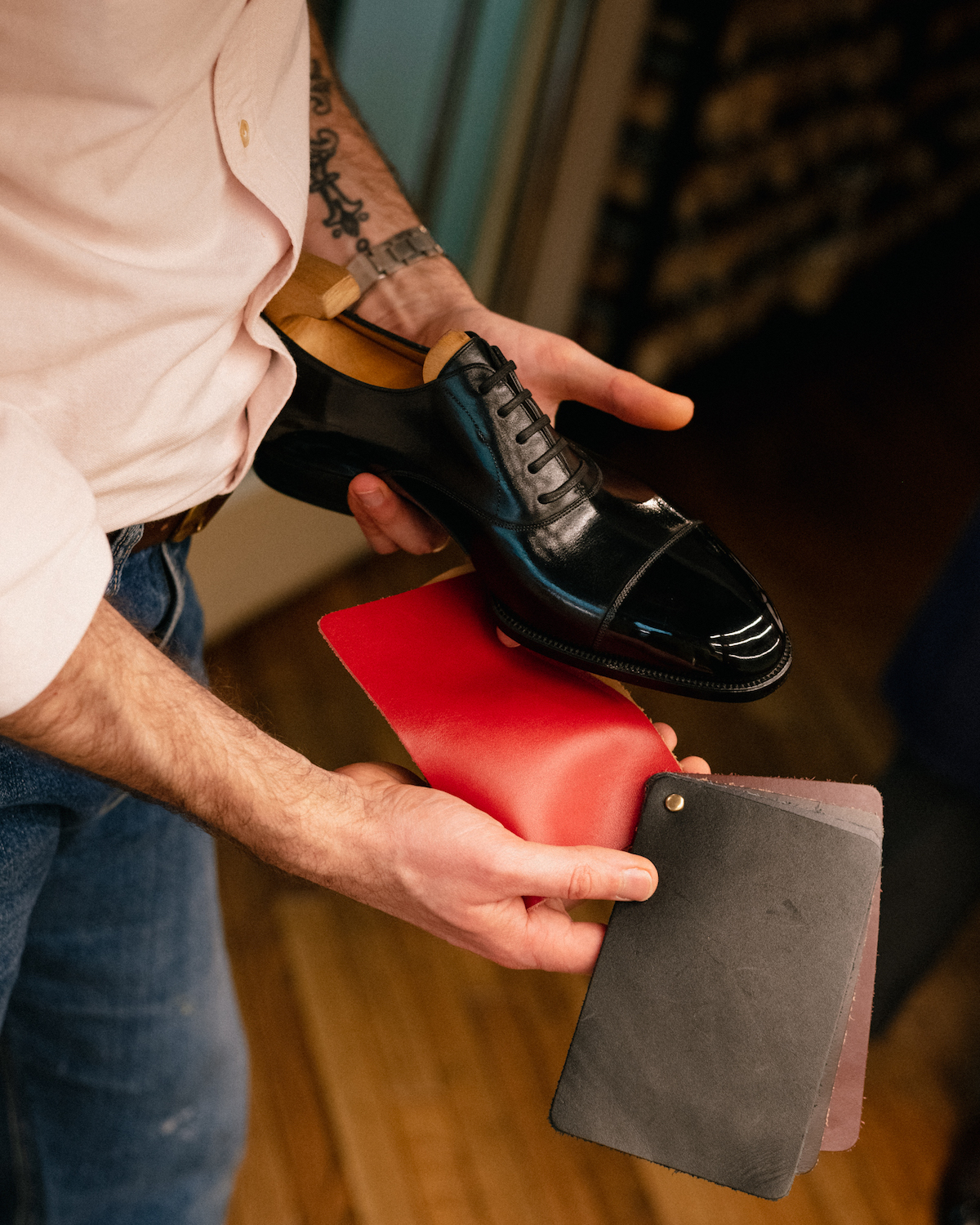
My second pair of Yohei Fukuda shoes will be black cap-toe oxfords. A different toe shape - softly rounded, shown above - but otherwise very similar to my first pair, just without any broguing and a bright red lining (I had that on my Cleverley ‘imitation’ brogues’ and really liked it).

That Cleverley pair is my other black bespoke pair, but they are quite a pointy style, and that combined with the broguing makes them less versatile. The shape is a little too much for anything but smart suits and jackets, and the broguing prevents them being worn with things like black tie. 

I’ve always said shoes should be simple and versatile, with the beauty coming from things like the delicate make and curved waist, rather than design details or colour. I’m finally learning my lesson and going for the most versatile black oxford possible.

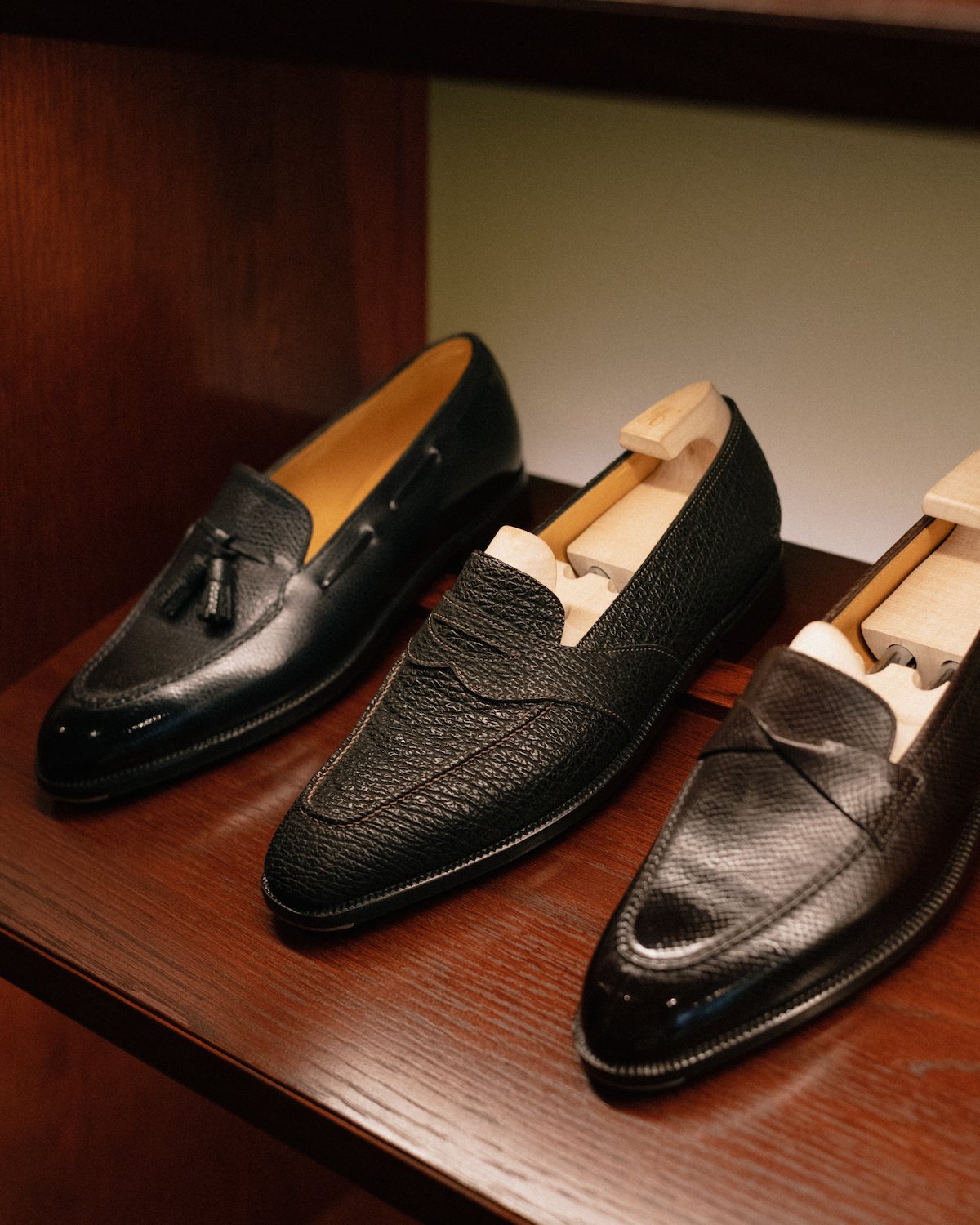
As I mentioned in this piece on the difficulties Japanese shoemakers have had in recent years, Yohei has expanded his range of ready-to-wear and made-to-order shoes, partly in response to the demands of Covid, when so many more people were ordering remotely. The loafers above are examples.

This further enhances the case for ordering from him, in my view, because there are more shoes you can see in person and even try on. All three types of shoes are also available at the trunk shows.

Aside from the upcoming trip to London and Geneva, Yohei also now travels to Paris, Singapore, Shanghai, Hong Kong and around Japan. Most are only once a year. Details are usually announced on the websiteThe current lead time for a pair of bespoke shoes is 18 months, with one fitting after 6-7 months. Made to order is 6-7 months, with no fitting. 

Current prices:

  • Ready to wear, from 260,000 yen
  • Made to order, from 300,000 yen
  • Bespoke on existing style, from 480,000 yen
  • Bespoke with different style, from 560,000 yen

RTW and MTO shoes are made in the same way as bespoke, expect for using a standard last and sewing the sole by machine rather than by hand.

Nicoletta Caraceni on fitting Silvio Berlusconi

Nicoletta Caraceni on fitting Silvio Berlusconi

Friday, June 23rd 2023
||- Begin Content -||

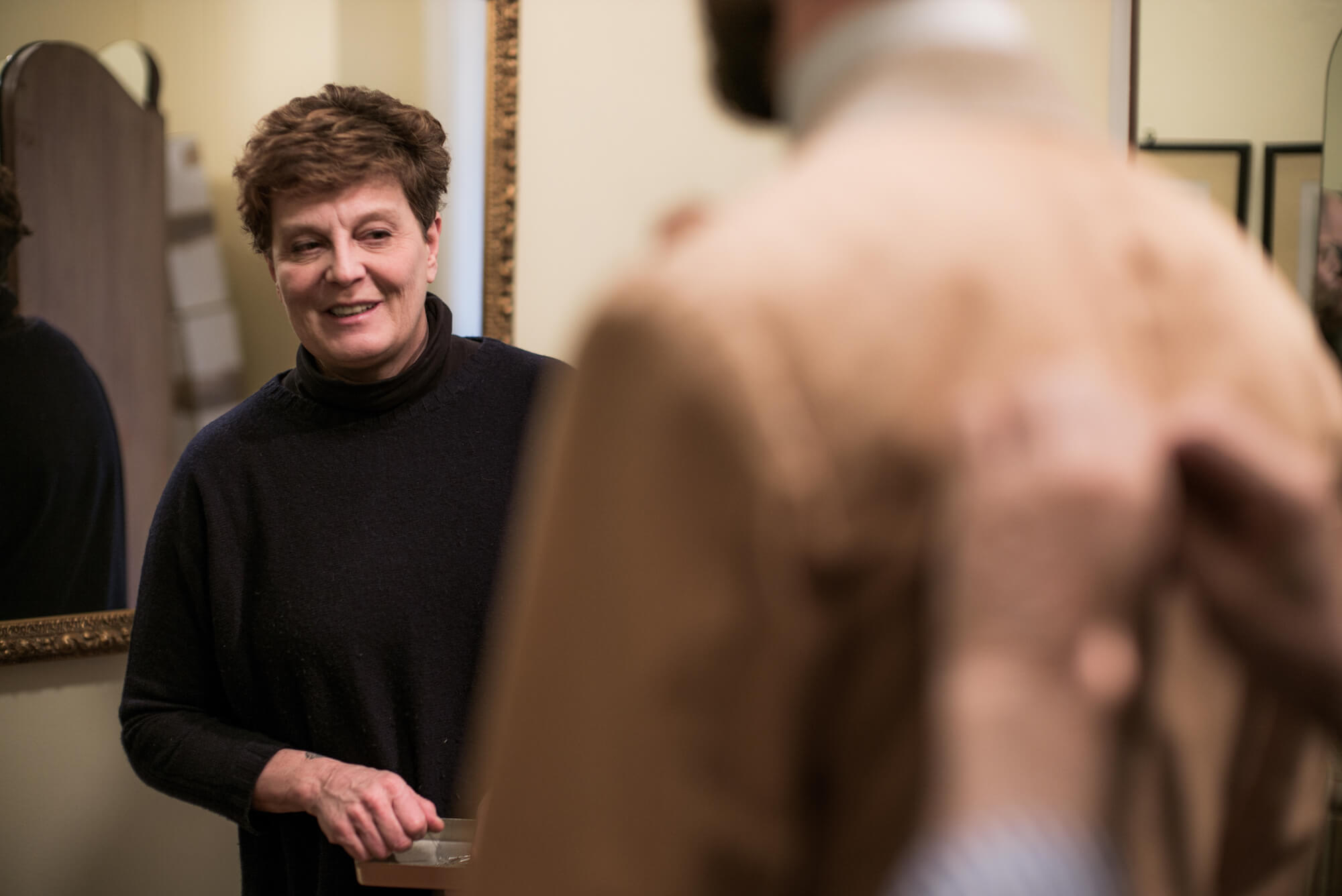
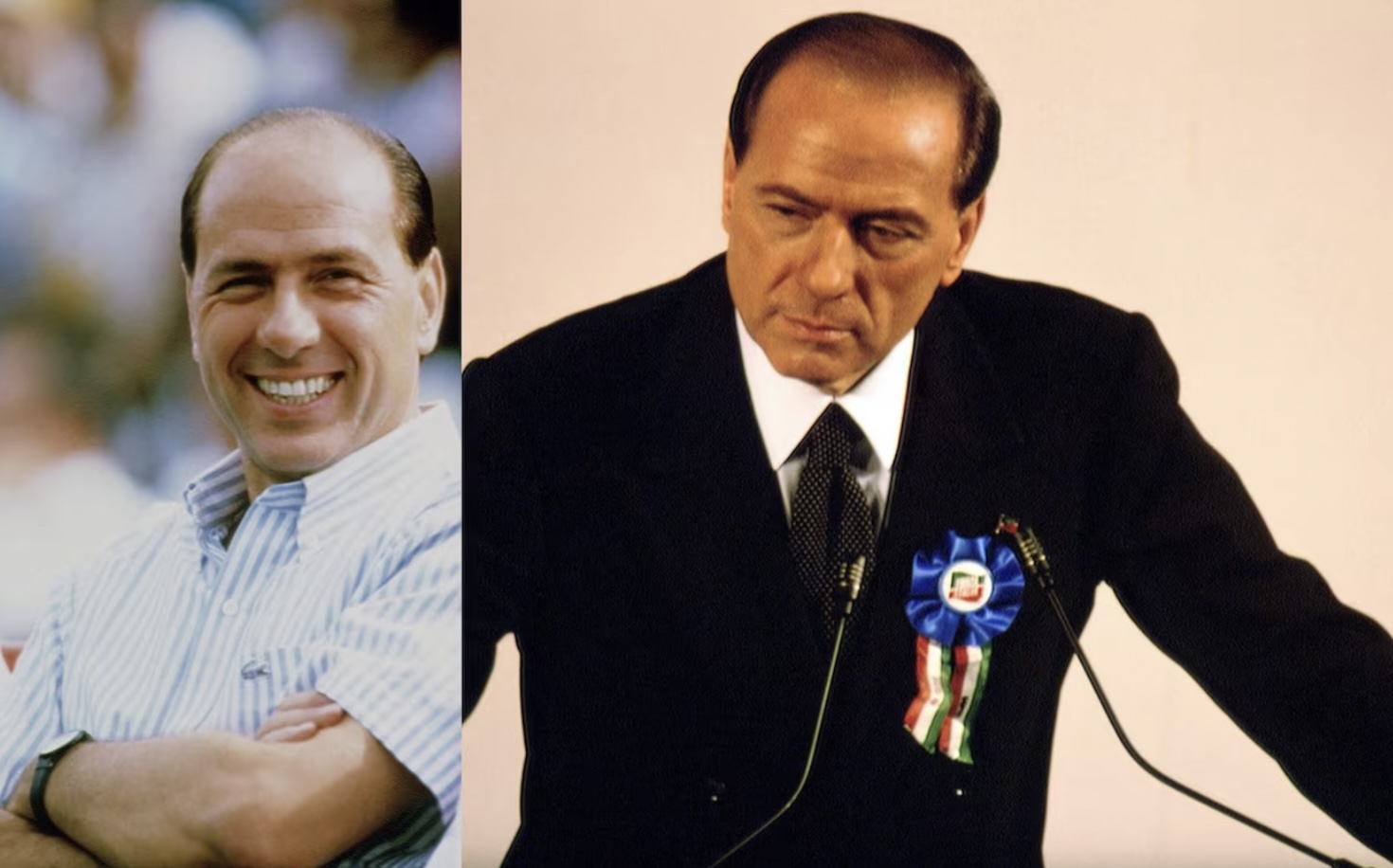
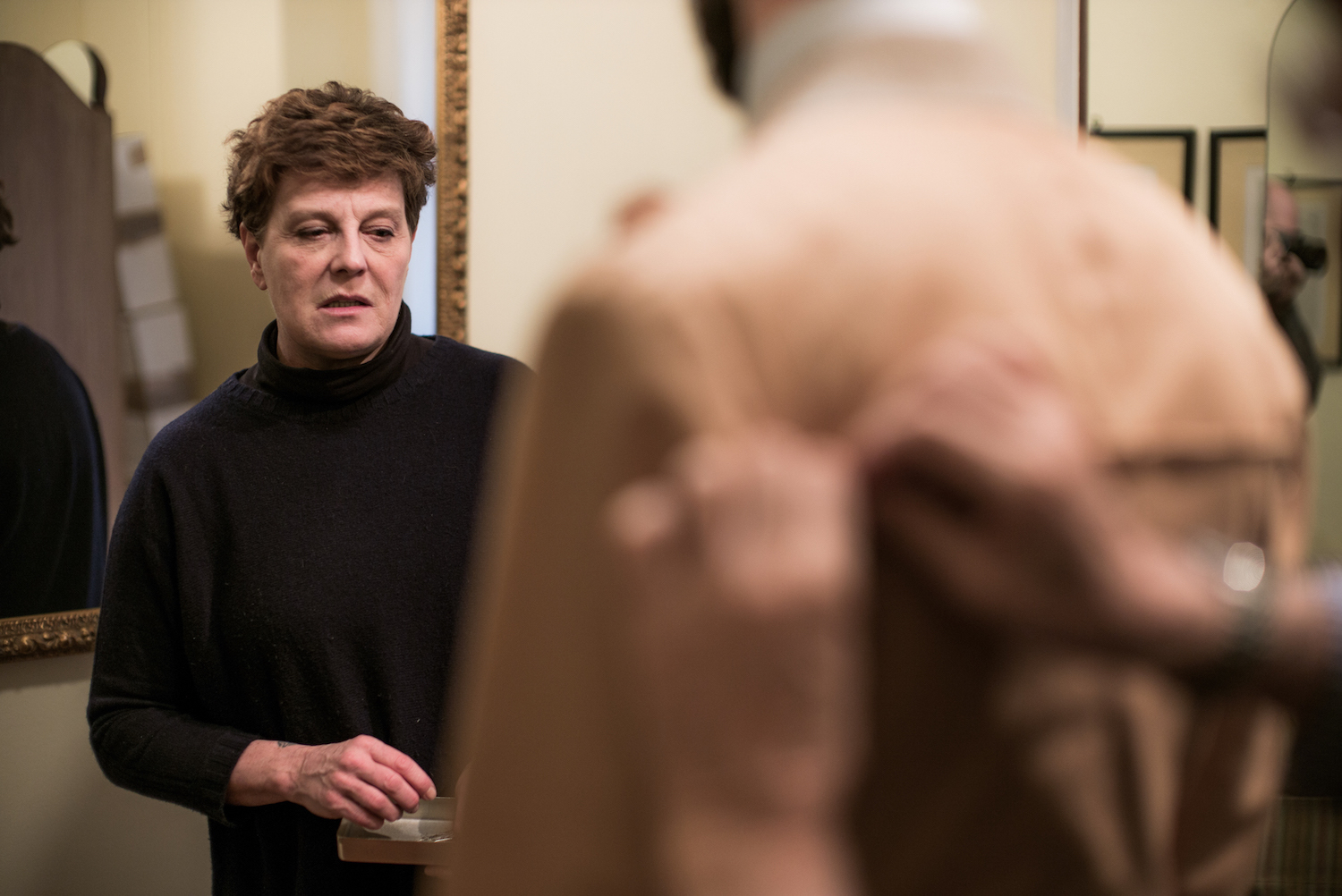
When we went to see Nicoletta Caraceni (above) in Milan recently, she had been approached several times by the Italian media to speak about the death of Silvio Berlusconi, who was a customer for much of his life. 

She didn’t want to talk on TV, but was happy to chat with us, and I thought it was an interesting window into the world of a politician and his tailor. 

“He was a kind man. I didn’t agree with his politics, and don’t even want to speak about his attitude to women, but he was always very considerate,” Nicoletta said.

“When we used to go and visit, my father and I, he would send a chauffeur and we'd take the fitting to him. It was usually during lunch and he was always so grateful for us coming, he never stopped saying so. 

“I’ve known a lot of people with less power and less money who are far ruder - who effectively say with their actions, ‘I have paid you so you have to do what I want, do it now’. He had a lot but he carried it very lightly with us.”

Nicoletta recalled one contact particularly vividly, because it was the day her father (Ferdinando Caraceni) died in 2004. 

“It was a terrible day in Italy. These two women had been abducted, it was all over the news, there were rumours the government was negotiating with them, arguments in parliament. He was under a lot of pressure.”

Nicoletta is referring to September 2004 when two Italian aid workers, Simona Torretta and Simona Pari, were kidnapped in Iraq. Berlusconi had supported the war in Iraq and was under pressure to pull Italian troops out. 

“I got this call from Marinella [Brambilla, his secretary] and she said the President wanted to speak to me. I said ‘ok sure’, and he came on. He said he wanted to personally say sorry about my father, because he was not just his tailor but his friend. We talked for a while about him; it meant something that he took the time.”

Using an Italian tailor was apparently a point of pride for Berlusconi. “He always used to say to my father how tailoring was the best of Italian craft, how that was central to Italy’s identity, and that we embodied that.

“I remember in that conversation he repeated the same sentiment. It’s nice coming from anyone, but particularly from the leader of your country.”

“Oh, and he always paid his bills! To the last euro.”

Later in his life Berlusconi wore Kiton as well, but always wore Marinella ties - the navy spot became something of a trade mark, and he wore it with formal daywear such as a morning coat. 

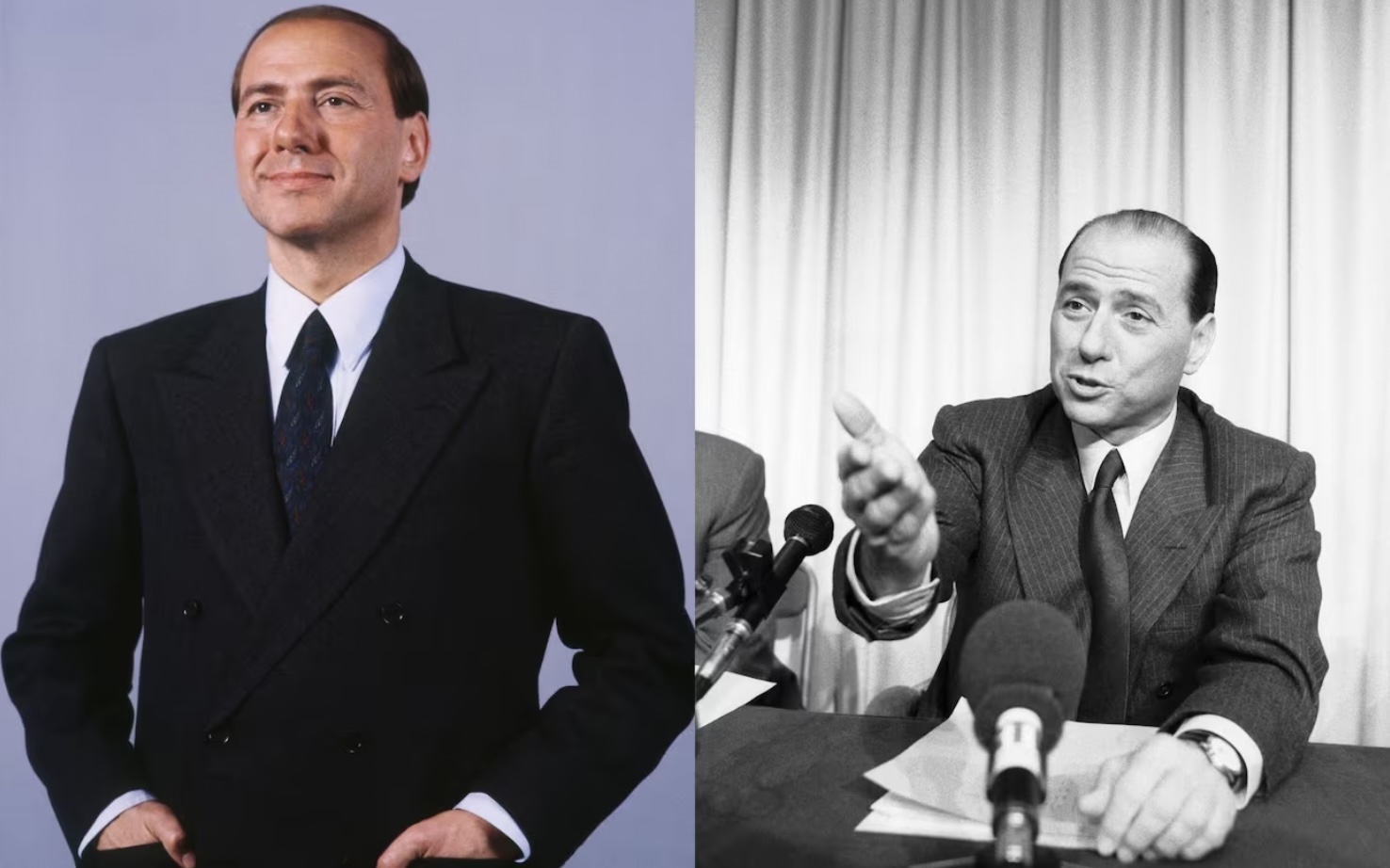
In his early years as a politician in the 1980s, he was also noted for adopting the serious dress of a businessman, always sober in his navy double-breasteds, white shirts and ties. Unlike some of the more dramatic dressing of the time. 

For anyone that isn’t familiar with Ferdinando Caraceni, the Milanese tailor cuts a jacket with a strong, padded shoulder and bellied lapels that are also wide on a double-breasted. The rest of the jacket has a very lightweight lining, however, and the finishing is very good - on a par with the best of Savile Row.

On Berlusconi, a shorter, larger man, the cut could be a little square sometimes. But on someone slimmer it's very flattering, even dramatic. That's me wearing my two double-breasted jackets below, and there is a piece looking looking in detail at the finishing here

I liked Nicoletta’s little anecdote and I hope you don’t mind me sharing. As ever, no comment is intended on Berlusconi’s politics, and I make no claim either on his style - it was ordinary and sometimes even plain bad (I particularly wish he’d cinch his tie knots).

But it’s nice to hear an inside view on someone in the news, particularly when so much commentary is from the outside. 

Ferdinando Caraceni was not a direct descendant of Domenico Caraceni, like the other Caraceni houses, but was more distantly related and most importantly was the head cutter for Domenico. More on that confusing little knot here. There is also a brand page with all Ferdinando Caraceni coverage here

The Permanent Style Anniversary dinner

The Permanent Style Anniversary dinner

||- Begin Content -||

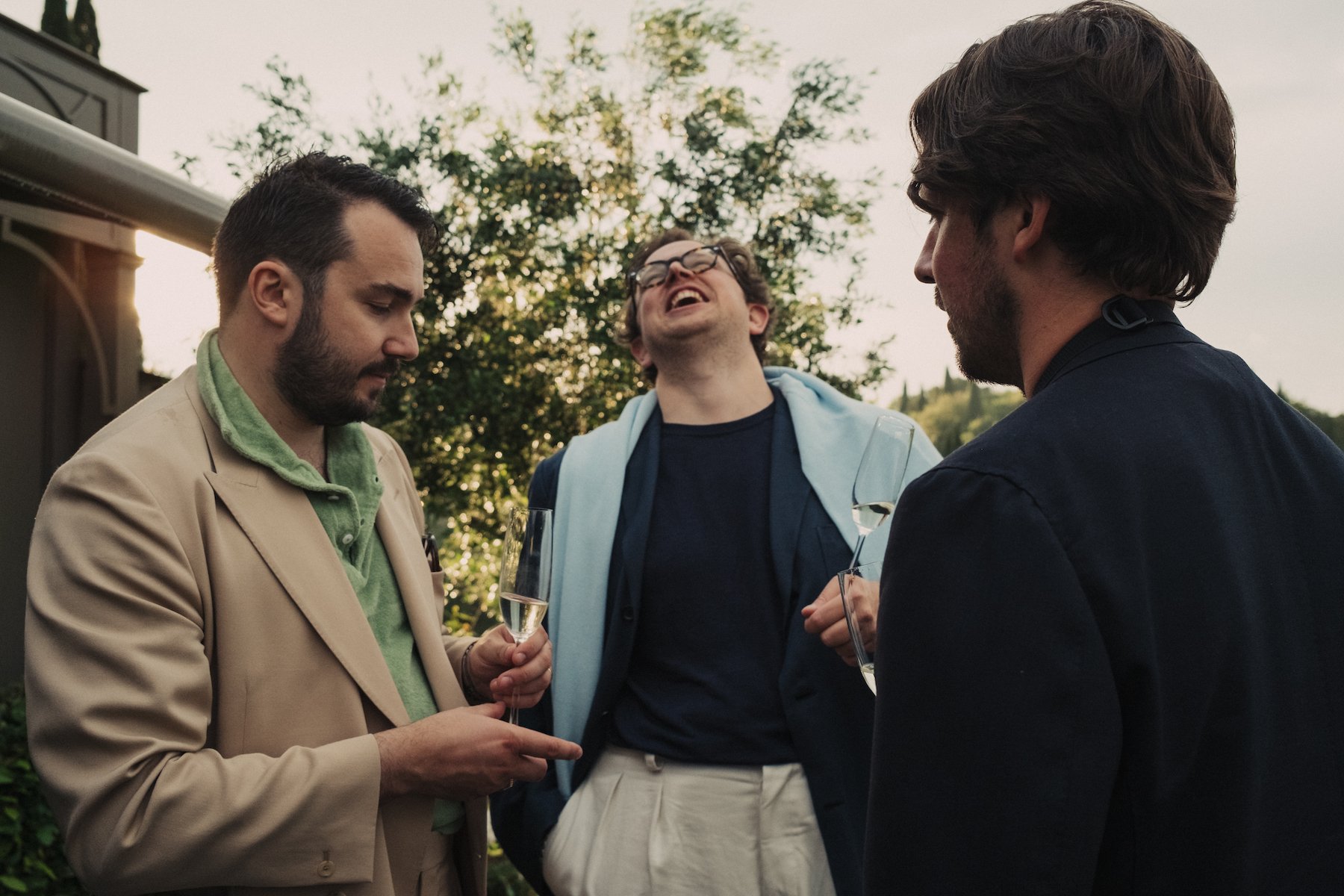
Last November marked 15 years since the founding of Permanent Style. To celebrate the occasion, we planned two things: a personal dinner with friends in Florence and a more public event in the pop-up shop on Savile Row.

The public event, to which all are welcome, is next Tuesday, June 27th. Details here. Please do come along and grab a drink, shake hands and (if you feel like it) have a portrait taken by Jamie.

Last week during Pitti we held the dinner, in the beautiful Castello del Nero hotel outside Florence.

We weren’t lucky with the weather. For the first time in the 11 years I’ve been going, it rained during the summer. Light rain on that Tuesday; storms and heavy downpours on the Wednesday.

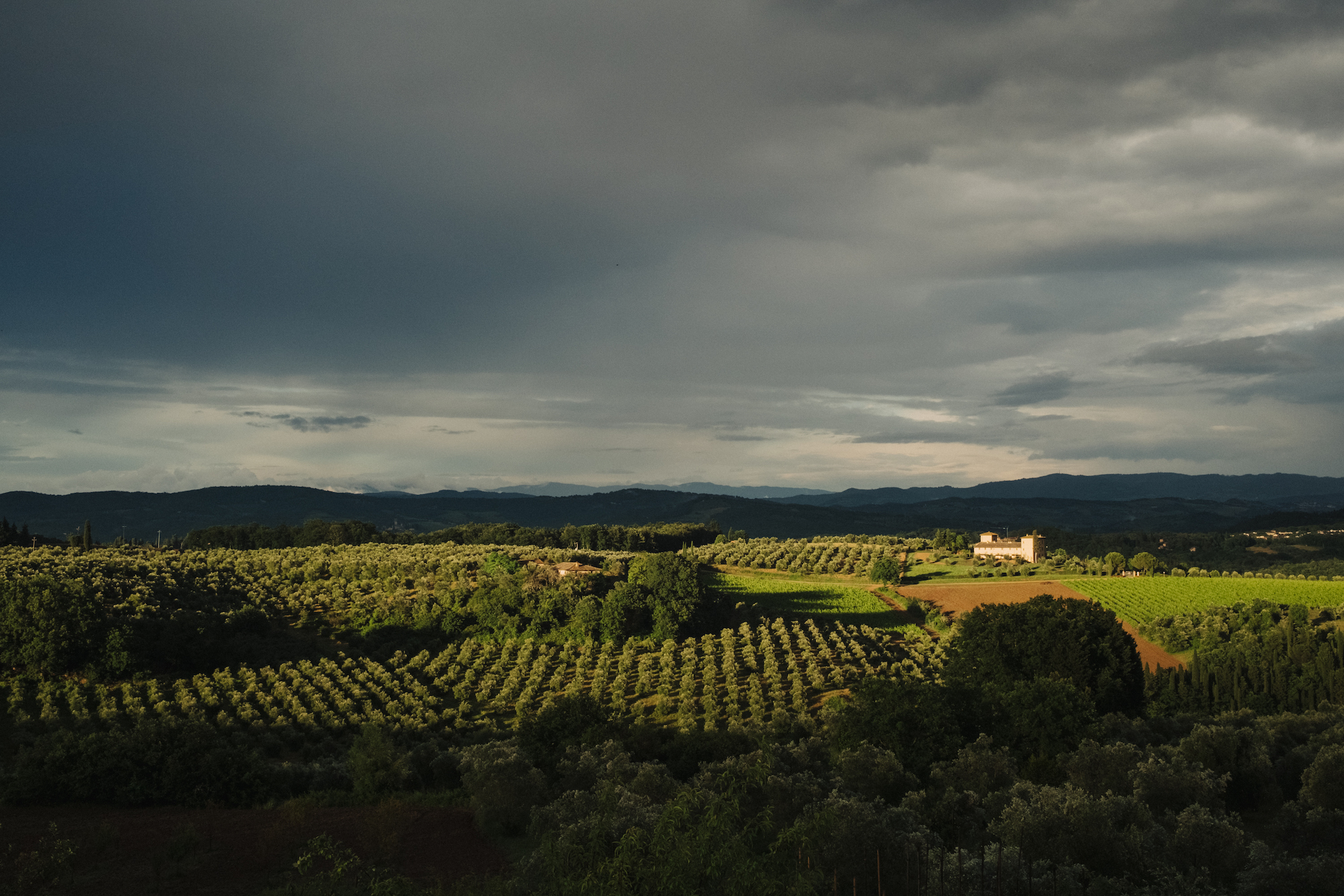
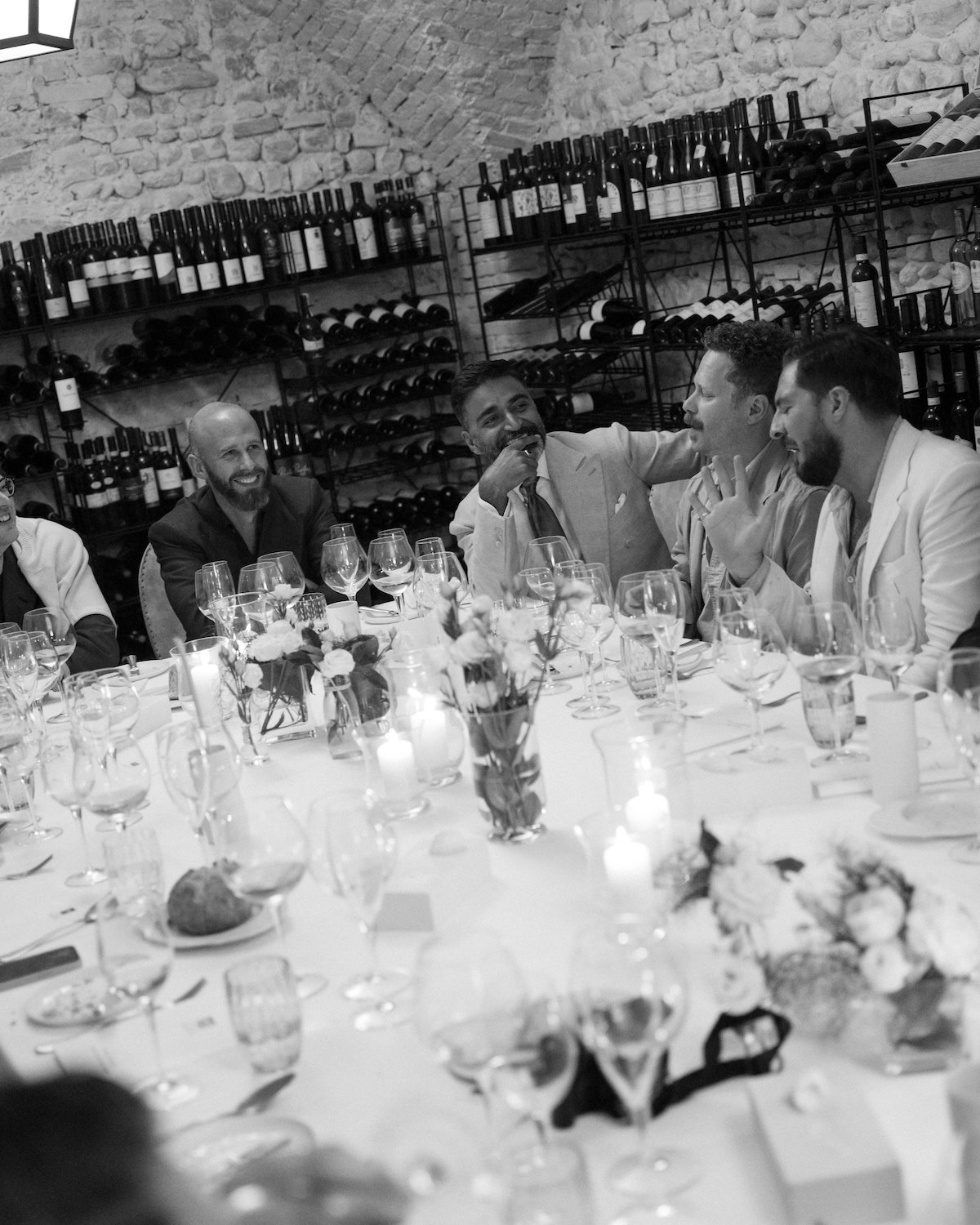
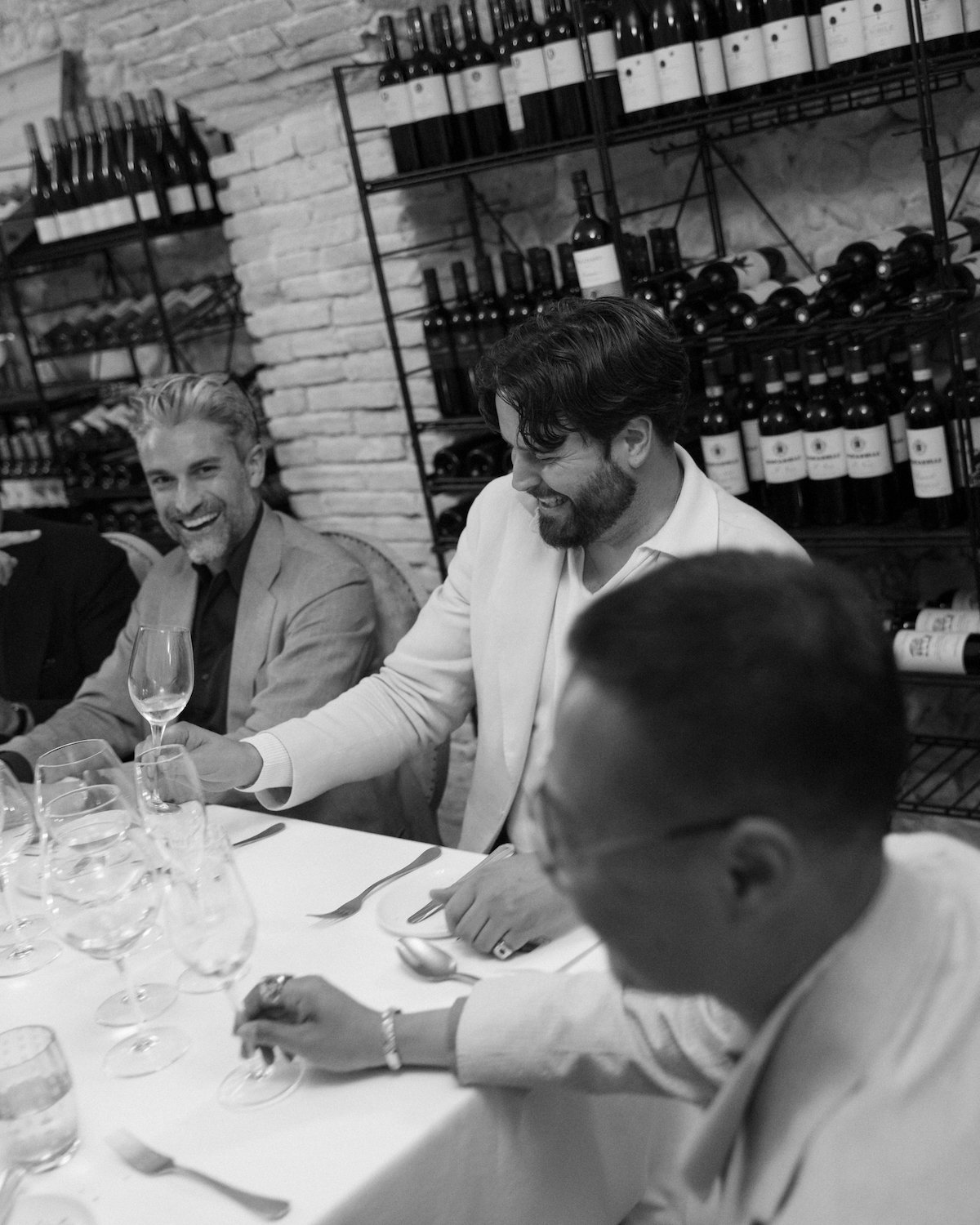
I think that might have put a bit of a dampener on the whole fair to be honest, but it didn’t affect us too much. It meant we couldn’t dine among the hotel’s olive groves, as originally planned, but we were in the wine cellar instead. It is the original cellar of a 12th century castle, so hard to complain.

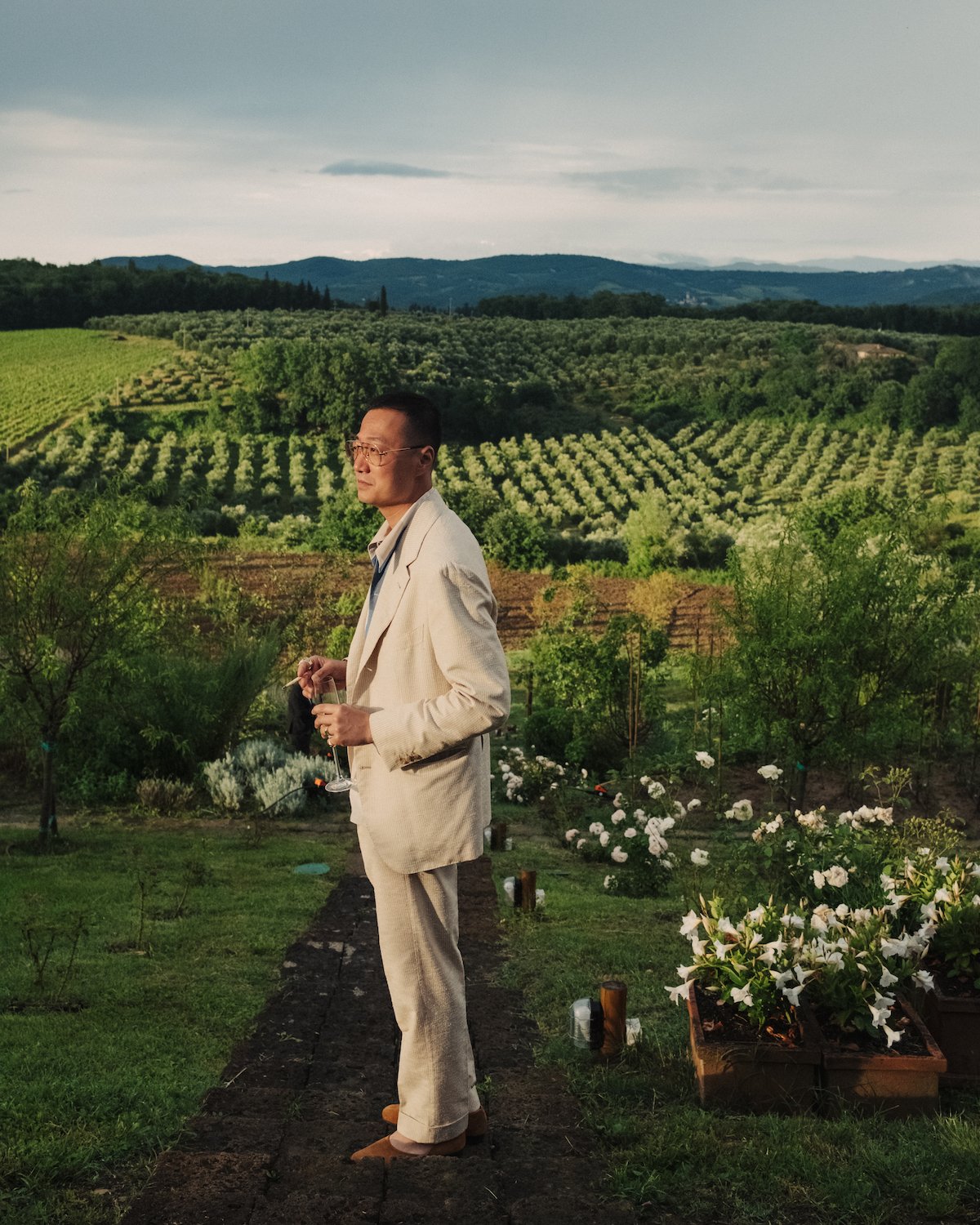
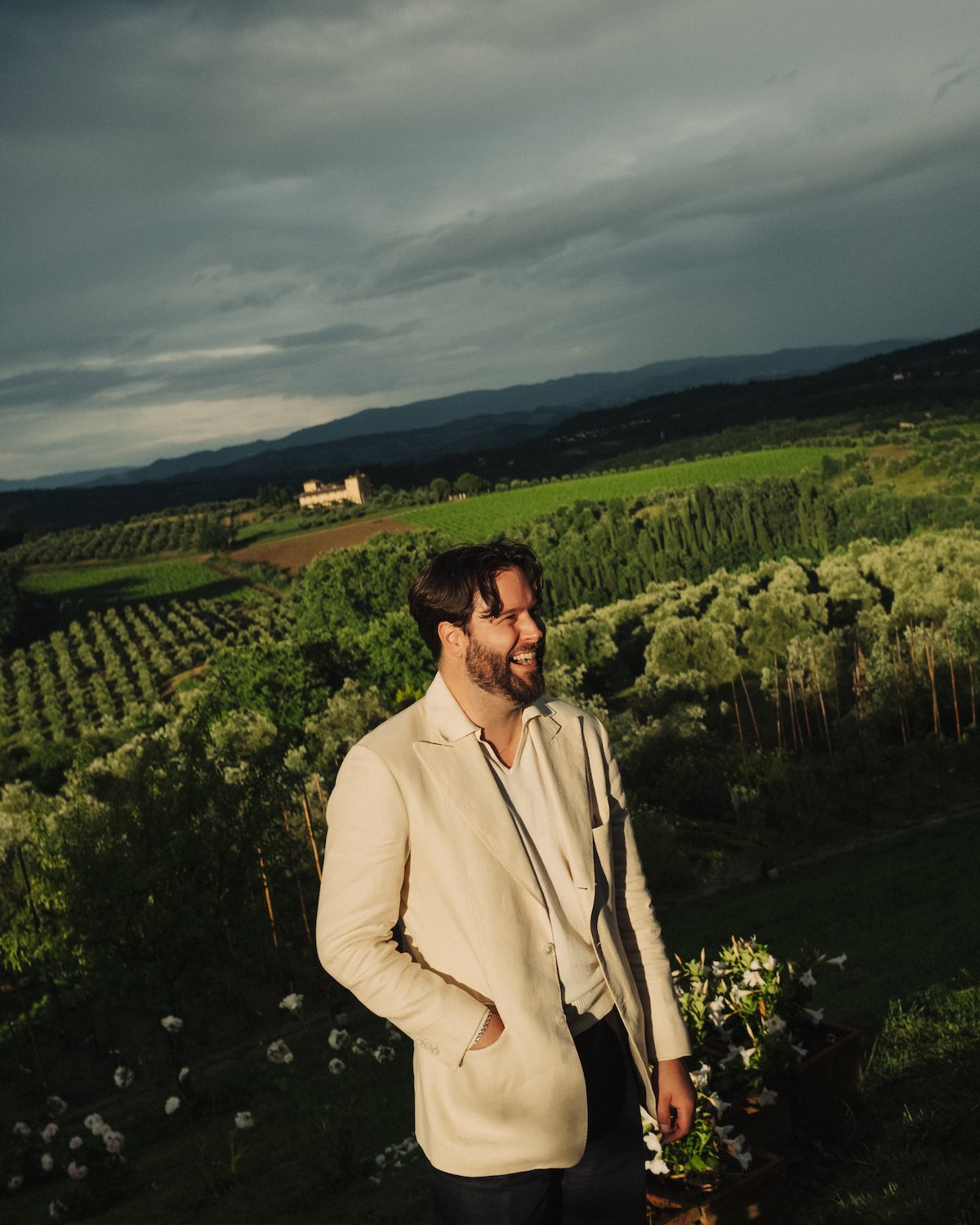
The rain also held off for a beautiful half hour before dinner, when we were all on the pavilion looking down over the valley. The hotel owns all of it, from the woods on the far left to the private villa on the right, with vineyards, a separate smaller hotel, and those olive groves in between.

Everyone suddenly went quiet as the sun lanced across the valley, picking out the walls of the buildings perfectly, as if they’ve been set there just for the purpose of being viewed from the castle. (Which I guess, historically, they might have been.)

Then everyone came to and rejoiced in the sun, walking down the hill towards the groves, in amongst the kitchen garden, and down to the chicken coop at the bottom of the hill.

It’s at moments like these that you feel so grateful for doing what you do - being able to celebrate in a beautiful place with some of your favourite people. I’ve been to events in great locations before, but never with so many friends.

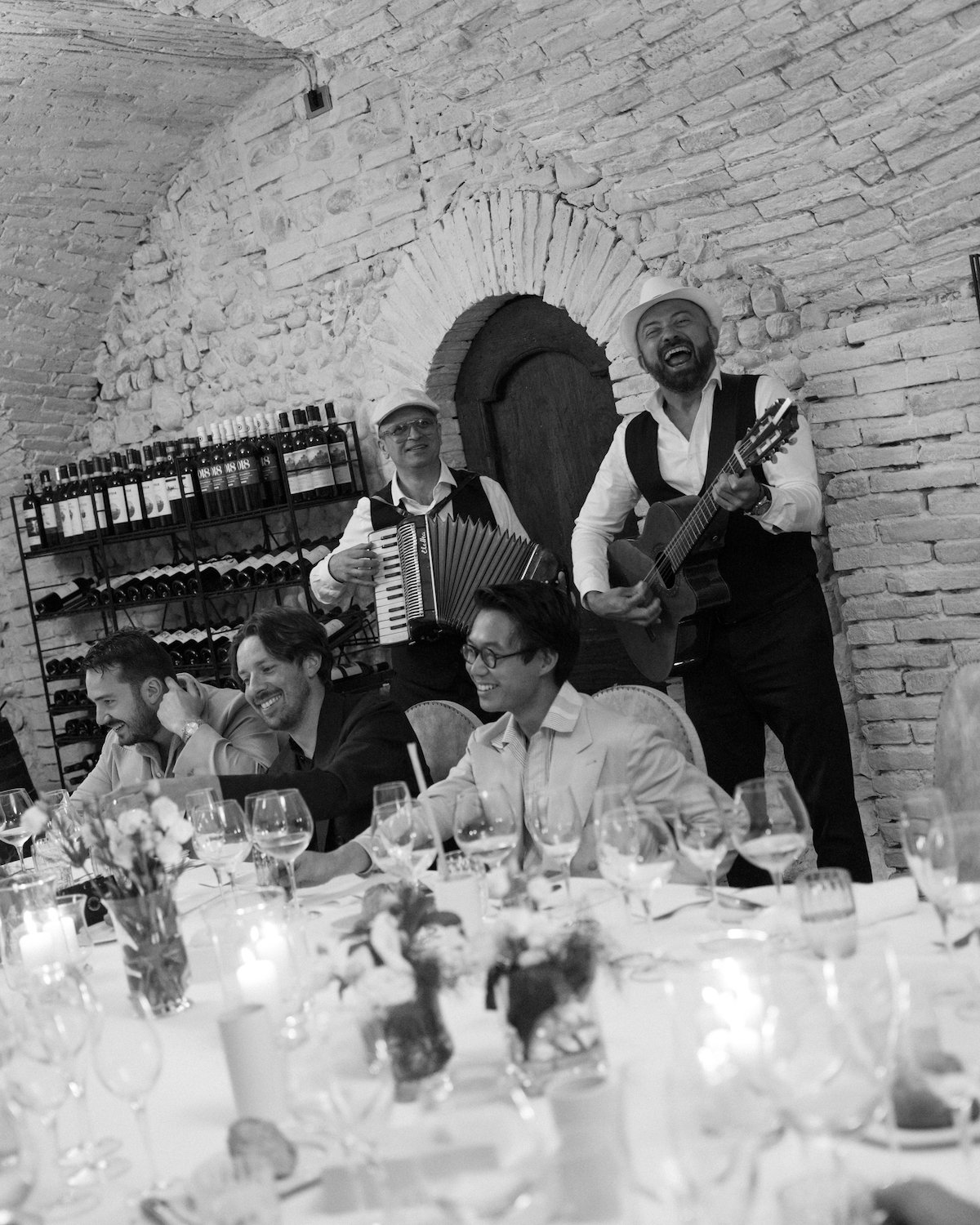
After another drink it was down to the cellar, which was small enough and low enough to create a great atmosphere. Even the serenading went down well, although by the end it was more shouting than singing from those at the table.

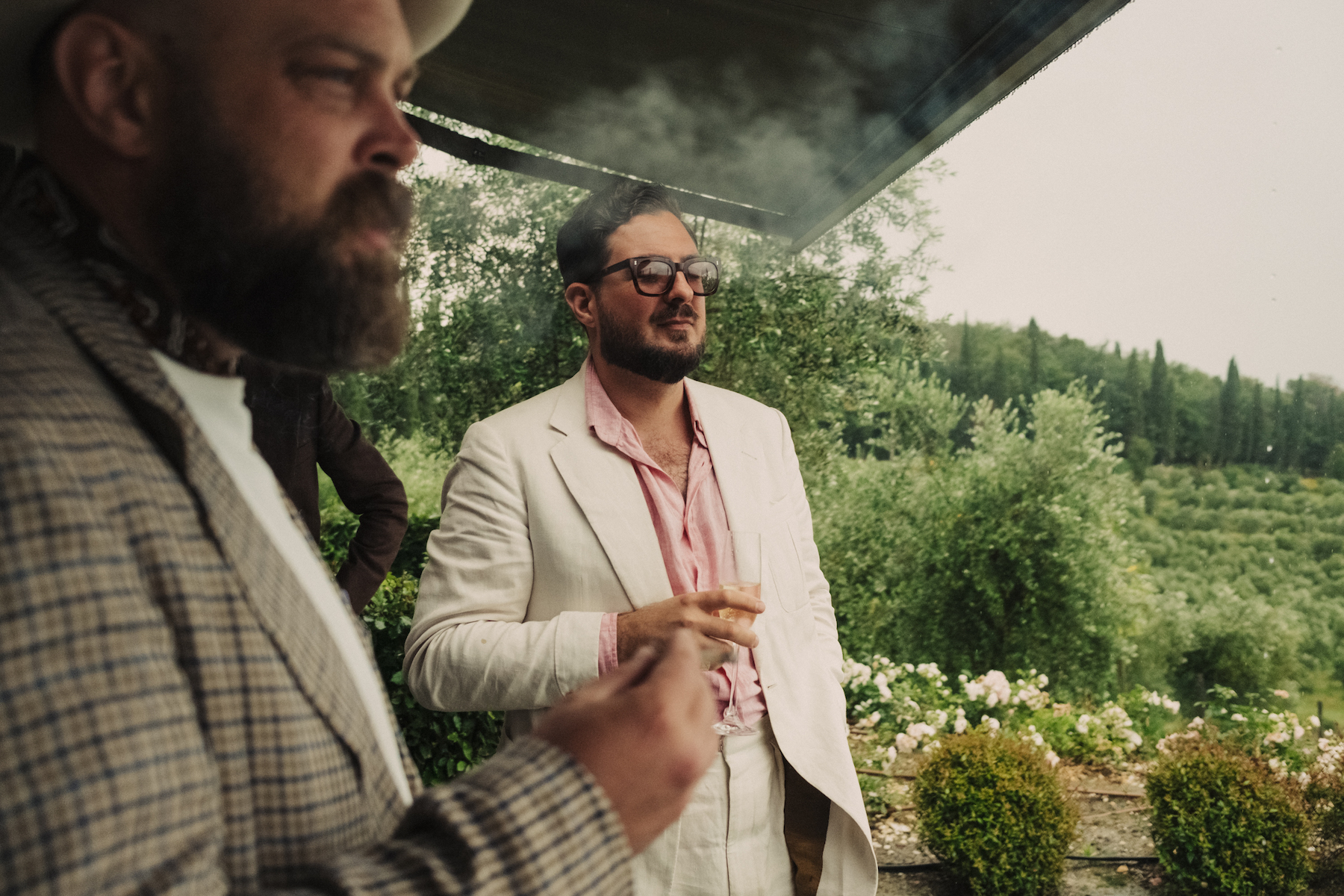
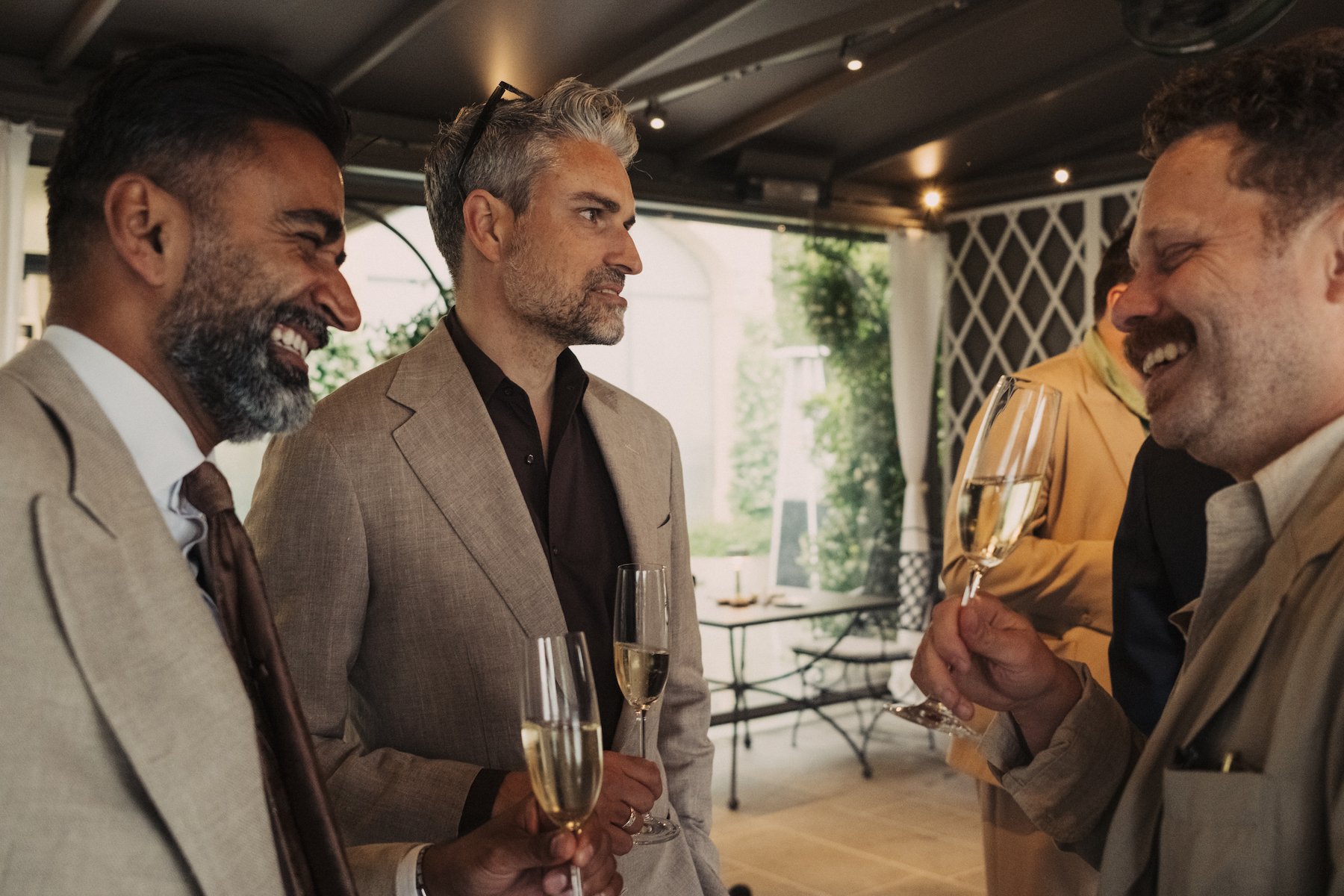
The dress code was ‘cocktail attire’, an area we’ve talked about before on PS, and it was interesting to see how these menswear people took to it.

There was far less black-tie-alternative, which made sense in the summer, outside. But everyone was in their own version of tailoring – the Rubato guys in knits under jackets, in typically restrained and elegant colours; Ethan in a predictably western-feeling jacket, trousers and tee; Paul Croughton and Manish holding up the smarter end of spectrum (Manish in particular taking credit for being the only person in a tie).

There was a preponderance of earth tones, if you stepped back. Some navy and cream, yes, but a lot of brown and beige in the tailoring – an effective way to make both jackets and suits feel more summery, less formal, and certainly less corporate. I also liked how Jake and Milad used orange/yellow in their shirts/knits.

In fact we should have done portraits of everyone: it would have been interesting to pick through it. Never mind, next time.

I have to say I was slightly disappointed with the style I saw around Pitti this summer. The clowns were still there (someone was wearing a straw-based suit, including top hat) and there was plenty that was standard (a cream linen suit with a panama, jeans with a western hat for workwear), but less that was both interesting and well-executed.

Seeing what other people are wearing is one of my favourite things about Pitti – probably my single favourite, because it really stimulates my own style. But I can’t help feeling a chunk of that used to come from the older buyers, some of whom aren’t around anymore.

Anyway, I refuse to end on a down note after such a lovely event. It was hilarious, intimate, and a perfect way to celebrate 15 years of PS. Thank you everyone that came, and particularly to Castello del Nero for their hospitality.

I’m looking forward to seeing everyone next Tuesday, and completing the celebrations.

Black corduroy suit from Zizolfi/Pommella: Learning how to wear it

Black corduroy suit from Zizolfi/Pommella: Learning how to wear it

Monday, June 19th 2023
||- Begin Content -||

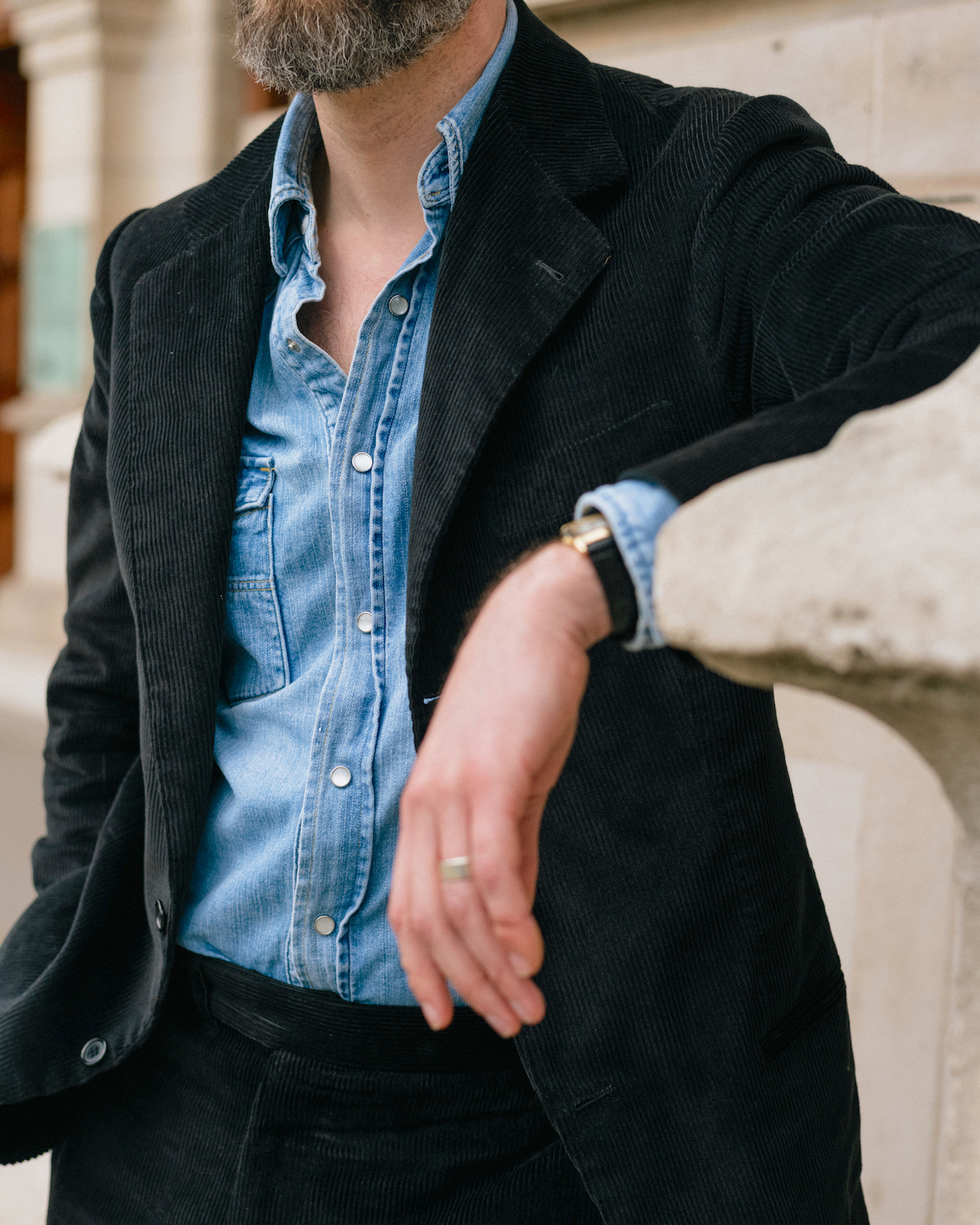
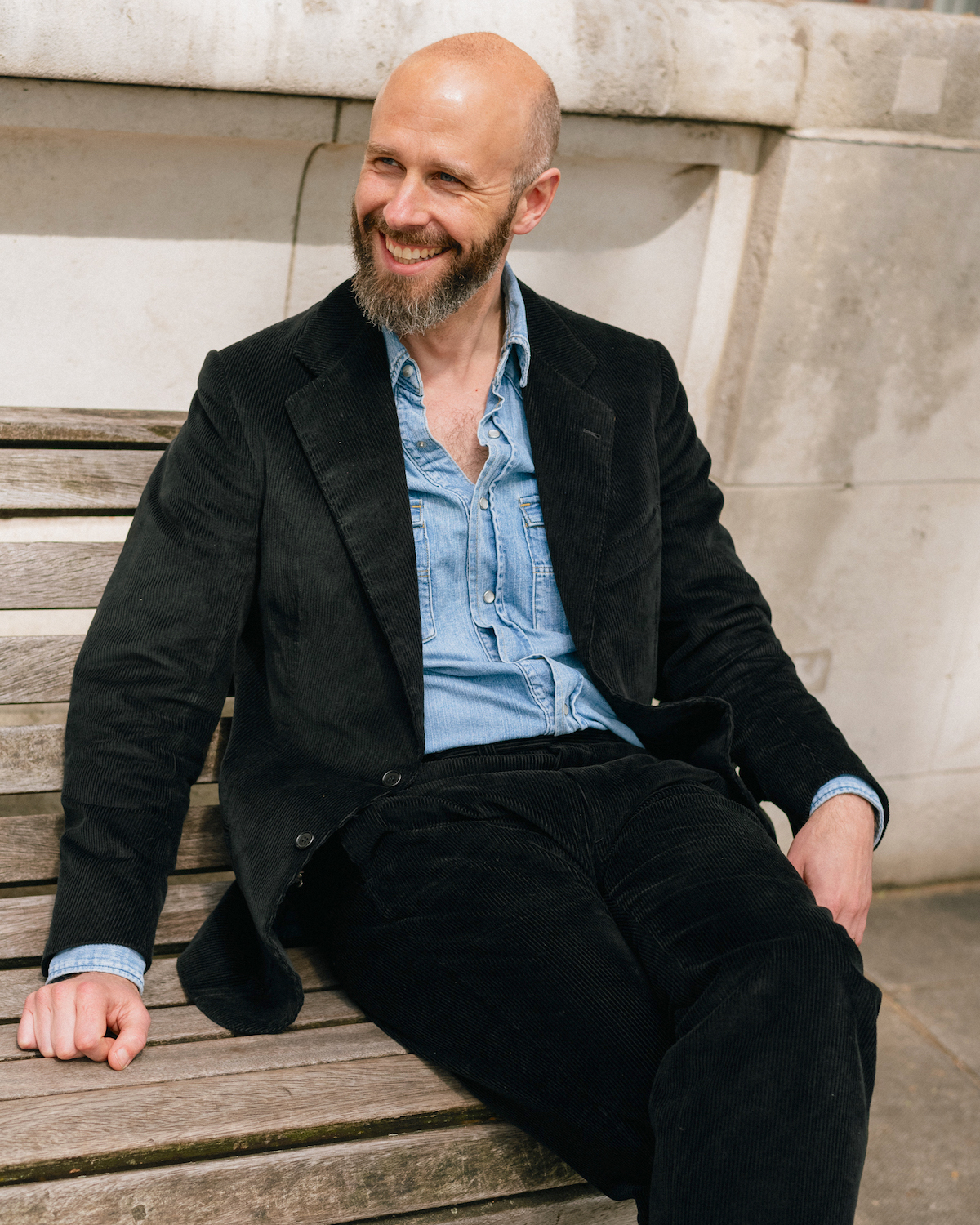
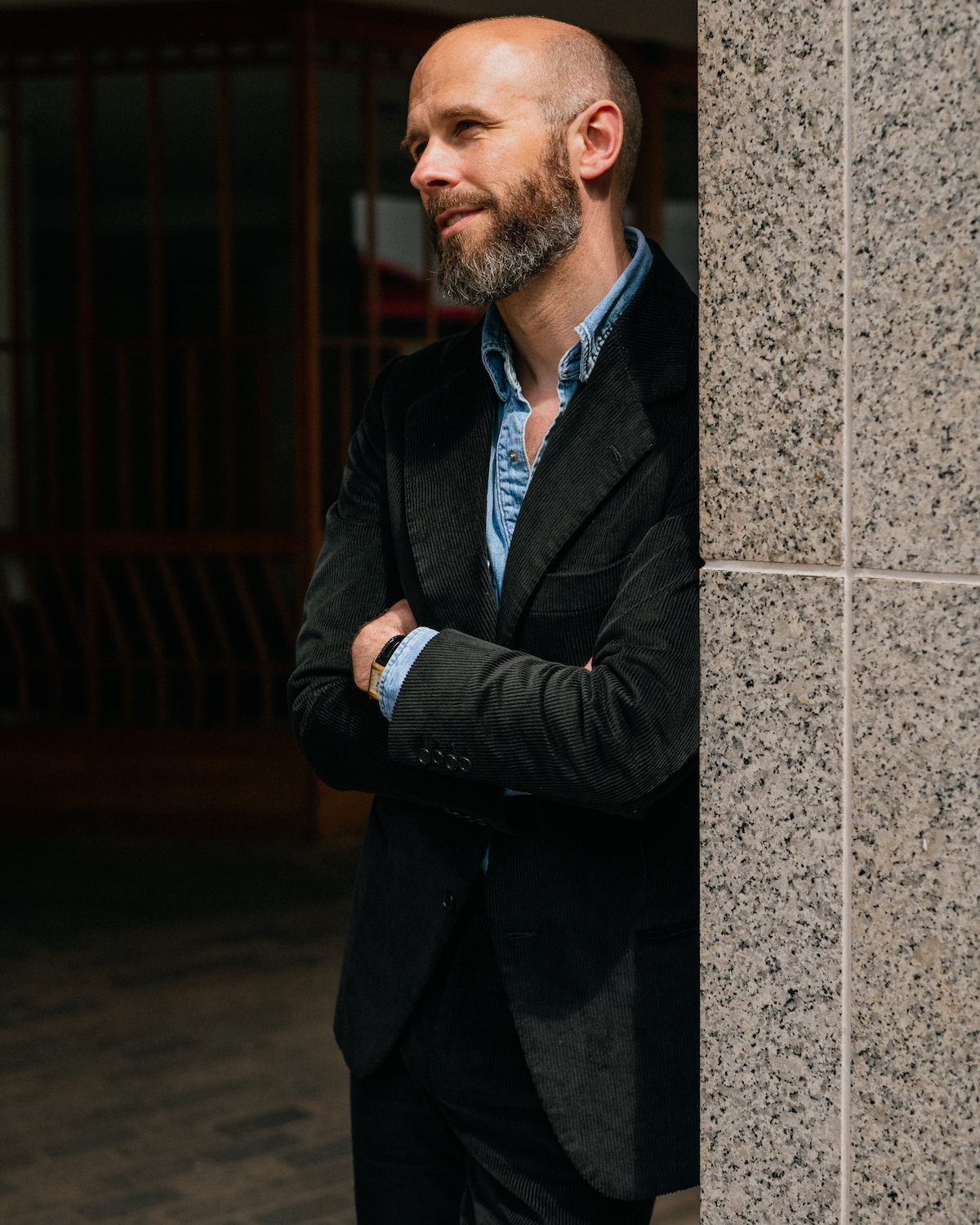
In my continued exploration of all things the colour of mourning, I commissioned this black-corduroy suit from Pommella (trousers) and Zizolfi (jacket) last year. 

The logic seemed sound: if black is going to work in tailoring, I’d consistently found it works better in more casual materials like tweed, cord or linen, rather than fine worsted wool. (Outside of black tie, of course.)

The black tweed jacket I had from Jean-Manuel Moreau confirmed that: although it’s far from a versatile, everyday piece, that tweed (below) has been really nice to wear as an alternative to my more common browns and greys. 

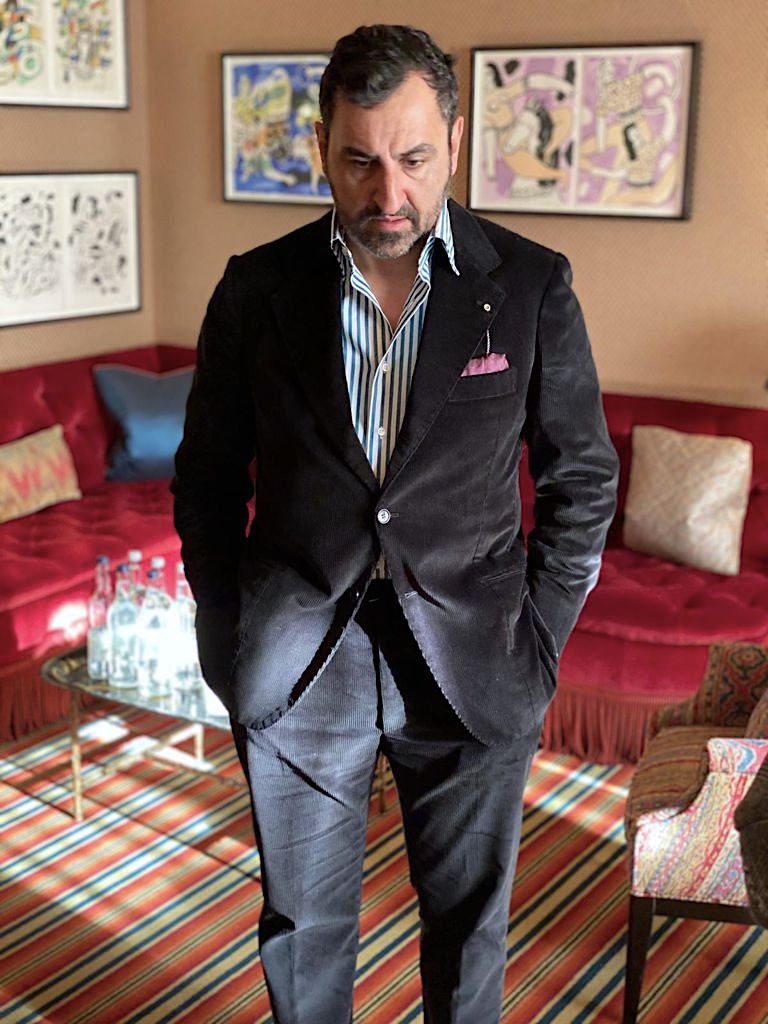
I also had the specific example of Gianluca himself - the proprietor of Pommella. He regularly wears a black-cord suit, with a boldly striped shirt and pop of handkerchief, as we featured and discussed in the ‘How to dress like’ article profiling him.   

So I wasn’t just going off a swatch - this was something I had seen made up, and liked - and it was in line with previous experiences. And yet I’ve found the suit quite difficult to wear. 

The first thing that was established, early on, was that Gianluca’s particular combination (above) doesn’t work well on me. Perhaps it shouldn’t be surprising, given his different colouring and generally bolder style. 

But even more muted colours of stripes proved tricky. The pale lilac stripe that I enjoy wearing with the black tweed jacket (above), for example, seemed bolder against a full black suit. Clearly the different trousers were doing something to soften the overall impact. 

Over a few weeks I then tried all the shirts that I had found worked pleasingly with the black tweed. They were:

  • Pink/lilac plains or stripes, as mentioned
  • Yellow plains or stripes
  • Denims and chambrays
  • Cream (not white - too stark)
  • Beige or khaki (eg this vintage one)
  • Dark olive
  • Grey or grey stripe
  • Black (for events/evening)

But with the cord suit, the colours had the same effect as the lilac, and cream wasn’t great - again cream with the black jacket was easier because there was another colour in the combination, in the trousers. 

Beige and olive weren’t bad, but the only combination I really liked was the suit with a denim or chambray shirt. 

Even with these shirts, specific versions were better than others. More muted and lighter ones worked well, more than something like a Bryceland’s sawtooth. We’re talking small differences, but that blue felt too strong. 

The light-denim western shirt shown here, a dark washed-out linen, my old favourite from Al Bazar or a PS Lighter Everyday Denim - all of these were good. 

The thicker western shirt provides more visual interest, which is helpful if you’re wearing a suit without a pattern and no other real accessories. 

The shirt is an old one from Niche, via No Man Walks Alone. It’s a good colour and wash, and I think it’s a particularly nice look on its own with just a pair of tailored trousers - a good high/low combination. The style is not hard to find, via Polo or Purple Label for example. 

I do prefer less-artificial fading in denim these days, however. I think it’s a result of spending more time with natural fades on vintage jeans, on new jeans like my Rubato, or on denim shirts like the Bryceland’s. They have more authenticity, but also more character and depth. 

Unfortunately you can’t get naturally faded mid-blue denim unless something has been worn and washed dozens of times, so most of the time these artificial washes are the only option. Or a vintage one, if you can find it. 

The suit itself is well executed. I haven’t done close-ups or fit-comparison shots, just because they’re the same as my previous Zizolfi and Pommella pieces - see full articles on them at those links. 

The only change here was that I asked for the Zizolfi jacket to be made with no padding whatever in the shoulder, and frankly it made no difference to the fit, just a little one to the lightness. 

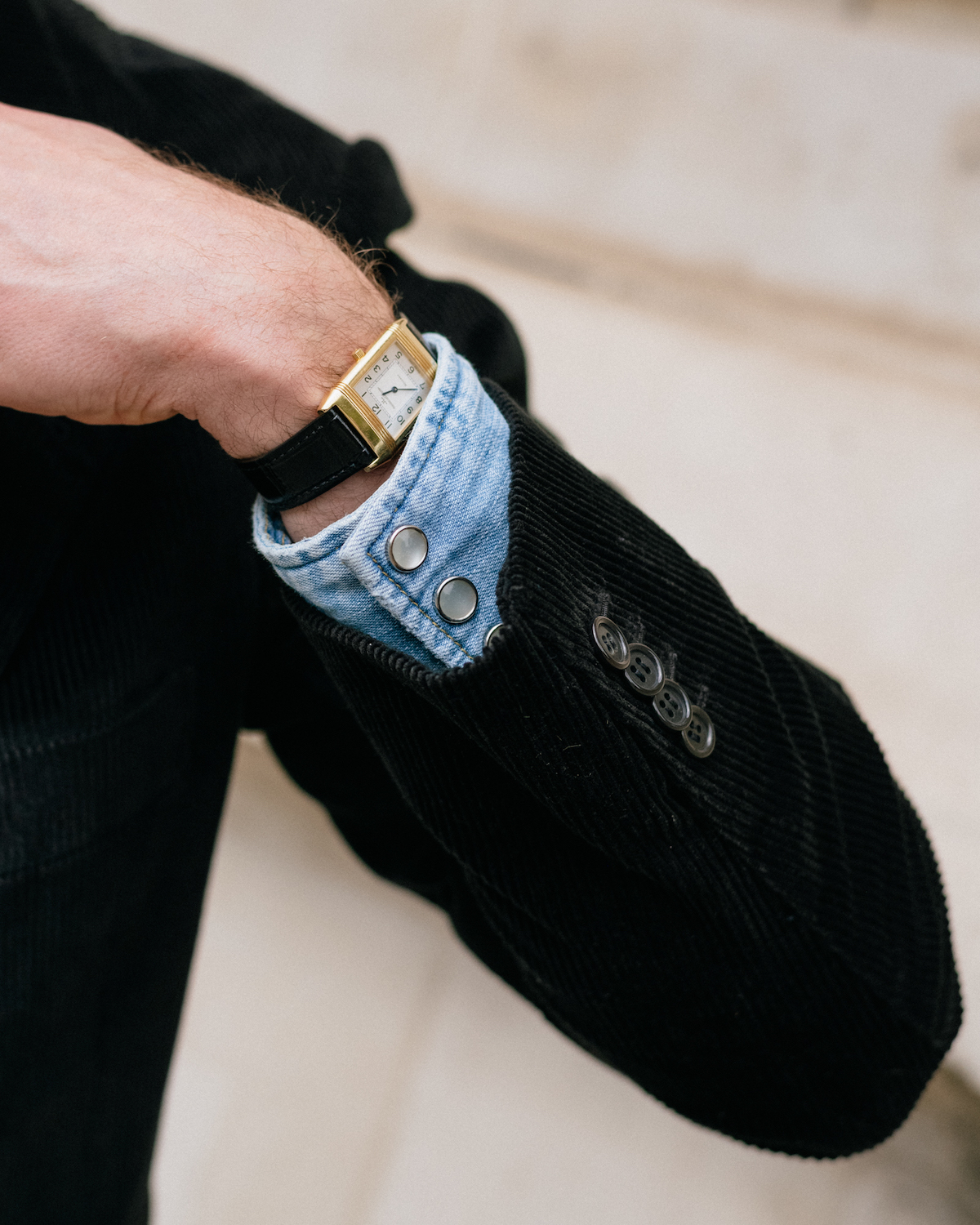
I also went with black-corozo buttons on the jacket, thinking it would be good for them to be as subtle as possible. But in reality, I think the shine of corozo looks a little plasticky, and you don’t get the nice lined texture of corozo in a colour this dark. It’s especially dangerous with black clothing to have anything shiny on it, as it can easily look cheap. 

So I’ll swap those in the future - either for a black unpolished horn, or a dark-brown one. I’ll put both on the cloth and see which I prefer. Both could add some nice depth and interest. 

I do think black corduroy is a nice tailoring option for someone that wants the informality of cord but wants to get as far away as possible from its sometimes old-fashioned associations. 

I love dark brown cord, dark olive, caramel and others - you can see many of my commissions on this article looking at the material in depth. But I understand why they can feel too rustic for some people, and black is definitely not that. 

If you’re after a black suit, this also, probably, is one of the easiest ways to do it. I’ve just found it a tricky one to combine. A step less versatile still than the black-tweed jacket. Not everyone’s after versatility, but if you are, I wouldn’t recommend this one. 

Other clothes worn:

  • Piccadilly loafers from Edward Green 
  • Reverso from Jaeger-LeCoultre with black alligator strap

Current prices:

  • Zizolfi jackets start at €3000 and suits ¢3600
  • Bespoke Pommella trousers start at €850

Both Pommella and Zizolfi plan to be back in the UK in September

Thank you for being interesting and useful: Comments on PS

Thank you for being interesting and useful: Comments on PS

Friday, June 16th 2023
||- Begin Content -||

It occurred to me recently that the point of, and policy on PS comments hasn't been talked about for a long time. It is usually hinted at, and only then when people skirt the edges of it.

So here’s a summary, which will also become a static page on the site to refer people to, but today can serve as a place for anyone to leave their views.

-

The objective of the comments section on Permanent Style is to be interesting and useful - much like the article it comments upon. 

It’s wonderful when readers add their experiences, or expand the scope by asking questions. Often they’ll know a little shop that stocks the same product, or have experience with sizing. The comments have always been one of the best things about PS - and something that others admire. As a fellow writer put it to me, “I love how the comments on your articles actually go somewhere”.

It’s like that because of the quality contributions, and because I take time to answer everyone’s queries, no matter how old the article. It feels like some pieces never get old - they just broaden, update and mature. 

But the section is also like that because it has been closely curated over the years. Contrary opinions are welcome, but any form of abuse isn’t tolerated and - more than that - we actively discourage comments from becoming personal. There is a natural tendency to do this when people disagree, but it immediately stops the discussion from being productive. It’s neither interesting nor useful. 

For similar reasons, I discourage discussions from getting off track. There’s no harm in pointing out that we should consider China’s human rights record when we buy products from there, but a menswear site is simply not a good platform for an informed political discussion. These are not the best people to discuss it and it’s not what anyone came here to read. 

I endeavour to be polite when making these points, and ask that readers do the same. An unmoderated comments section becomes uncivil, angry and dull surprisingly quickly. The internet has a tendency to reduce us all to a lowest common denominator: I think we should all make a conscious effort to push against it. 

None of this could happen without you, lovely readers, and I thank you all for your consistent, wonderful contributions. The tiny minority that insist on trying to spoil it find themselves marked as spam, and their comments never appear. Fortunately, at that point I don’t even have to mark them as such - they just drop automatically into a big black hole. 

Keep in mind that I see all comments, no matter what the post, and never mind responding - they’re interesting and useful to me too. And please try to leave comments on the site, rather than through emails or Instagram. It’s easier for me to answer (as I can link to articles) and, being public, it means tends of thousands of people benefit from the exchange, rather than just one.

Comments on this, as ever, welcome. 

Policy in summary:

  • PS comments are an integral part of the website, and have a specific policy
  • All must be moderated in order to appear on the site
  • To be approved, they must add to the article - be similarly interesting and/or useful
  • Not only is abuse not tolerated, but any personal comments will not be published
  • The same goes for topics unrelated to menswear
  • Be civil. Talk to everyone as you would if you met them in person
  • Which includes leaving a name. It’s just nice. Emails however are not required
  • Repeat offenders are marked as spam and never appear
  • No article is too old to be commented upon. We see all, and will respond
  • Leave all questions here, please, rather than on social media or on email
  • There is no right to be published. This is, in the end, a benevolent dictatorship

Remember, there is a central page where all comment threads are listed, here. That can be a nice way to track ongoing conversations. 

Apologies to George, Patrik and everyone else for re-using these old Symposium pics. You guys just look so engaged and so interested, the perfect contributor.

Reader profile: Adrian

Reader profile: Adrian

Wednesday, June 14th 2023
||- Begin Content -||

Adrian Hogan is a PS reader and an illustrator living in Tokyo. We met at Midori So, a charming Ivy-covered building that’s used as a shared workspace, set on top of a hill in a largely residential area but just a couple of blocks from the Nakameguro shopping district. 

We got a tour of the building, which was built in the 1960s and seems largely unchanged. Little offices and communal areas run into each other, a whitewashed concrete room is used as a studio, and a flat roof affords wide views of the city - plus a disused swimming pool below.

Adrian spoke about his work for the likes of Nike, Starbucks and Uniqlo, and striking the right balance of clothing as an artist. 

Outfit 1

  • Linen shirt: Bryceland’s
  • Vest: Phigvel
  • Belt: Vintage
  • Chinos: Bryceland’s
  • Loafers: JM Weston

What are you working on at the moment?

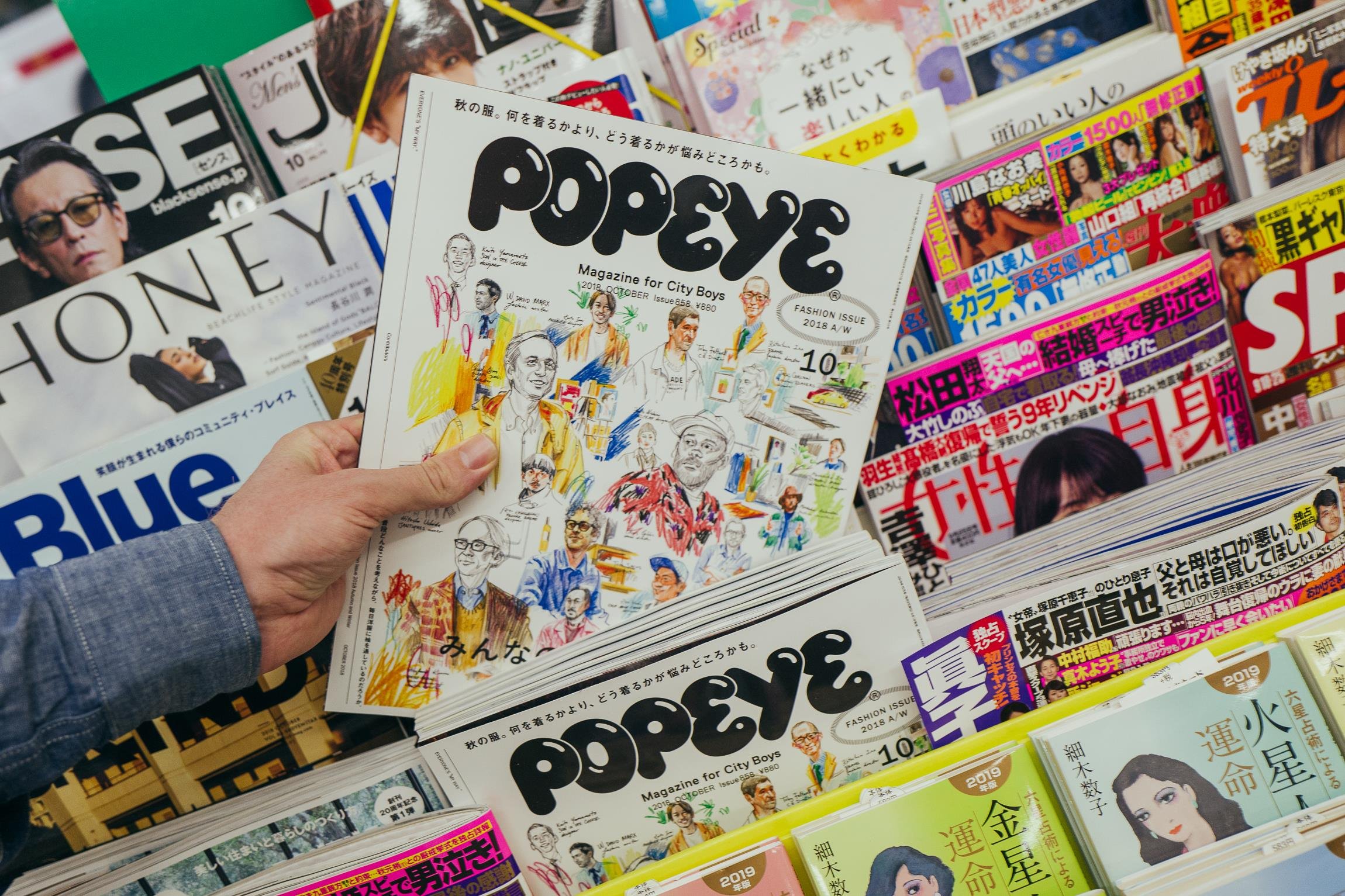
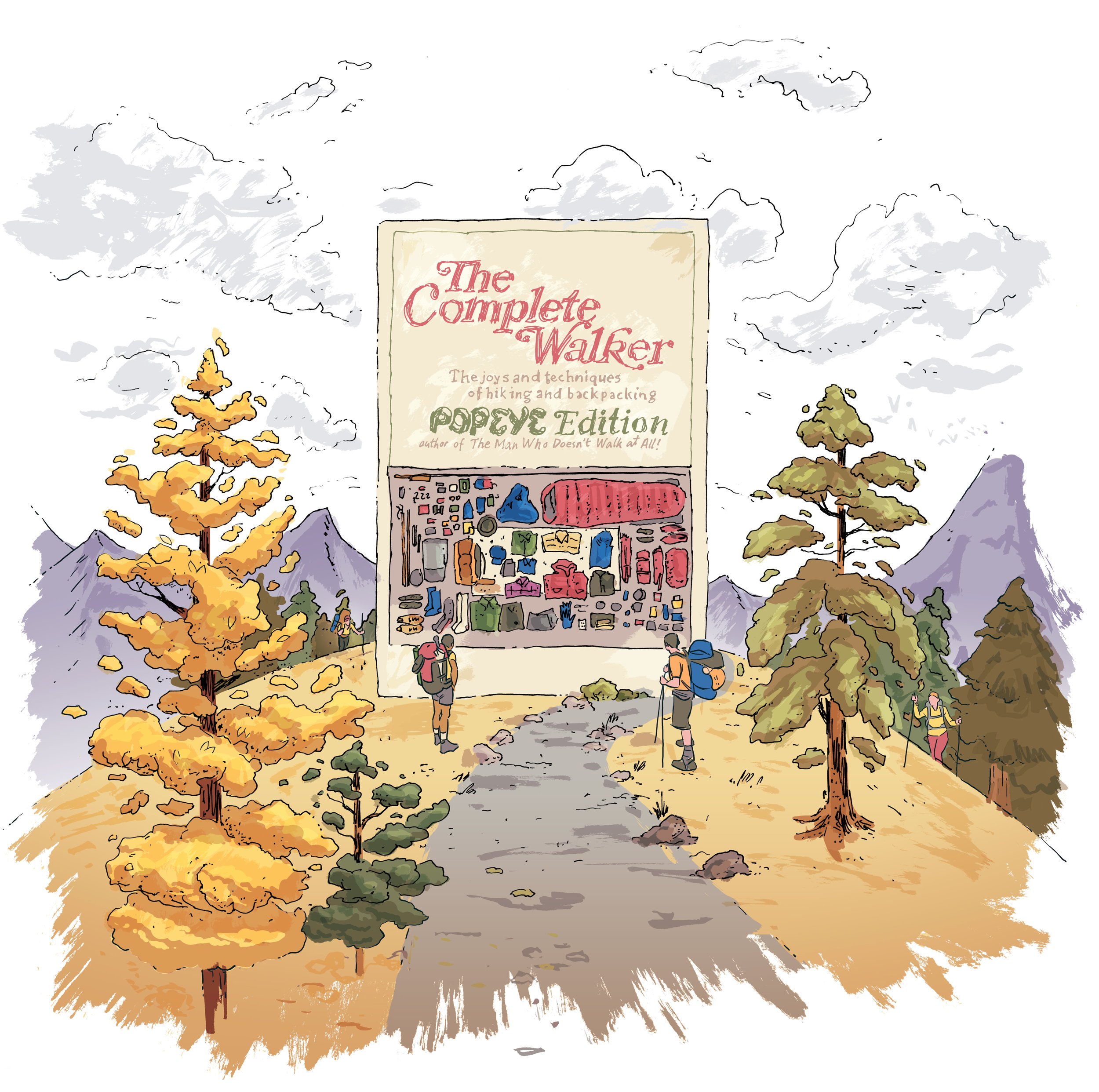
An illustrated city guide for Uniqlo’s in-house magazine, Lifewear. It’s something they bring out twice a year and I usually do it each time in a different style. A lot of the editorial team at Uniqlo used to work for Popeye magazine, which is the magazine I’ve worked for the longest, so they use the same freelancers. 

How do you get work as an illustrator - is it all word of mouth, or do you have to pitch?

One good job usually leads to another. The Japanese are quite relationship based, once they trust someone they tend to stick with you. Popeye has been pretty much doing the same style of magazine, the same 12 topics every year, since they started in the 1970s.

Clients also tend to throw everything at you once they trust you, which can be challenging. You’ll start with illustration, then it’s art direction, then a whole branding assignment for a store. It’s good, it pushes you. 

How did you first get started in Japan?

I moved here from Australia in my twenties. I’d studied graphic design but it was really the drawing aspect I liked the most - not the fiddling around with fonts. The start was very fortuitous though - I thought I told you this story? Maybe not. 

I was sketching people at a train station and there was this guy wearing a hat at an angle, looking very mysterious. So I drew him, and I thought I was doing it from quite far away, but when I got on the train he had clearly seen me because he approached and said excitedly, “Can I see the drawing, can I see it?”

Fortunately it was a good one, he took an interest and gave me his business card. He worked for Comptoir des Cotonniers - it’s actually a company of Uniqlo now, but was French then. That led to a job drawing portraits for Vogue’s Fashion Night Out over here. 

From there I started working for magazines - I think I’ve drawn for most in Tokyo at this point - and for the store Tomorrowland. Aside from Popeye my biggest clients now are Starbucks and Uniqlo; I did some work for the Tokyo Olympics as well which got me a lot of attention.

I remember doing interviews on the radio about the Olympics and my mother back in Australia recording them - she’d send each one back to me and I hated the sound of my voice! But I guess everyone does.

Have many clients are menswear?

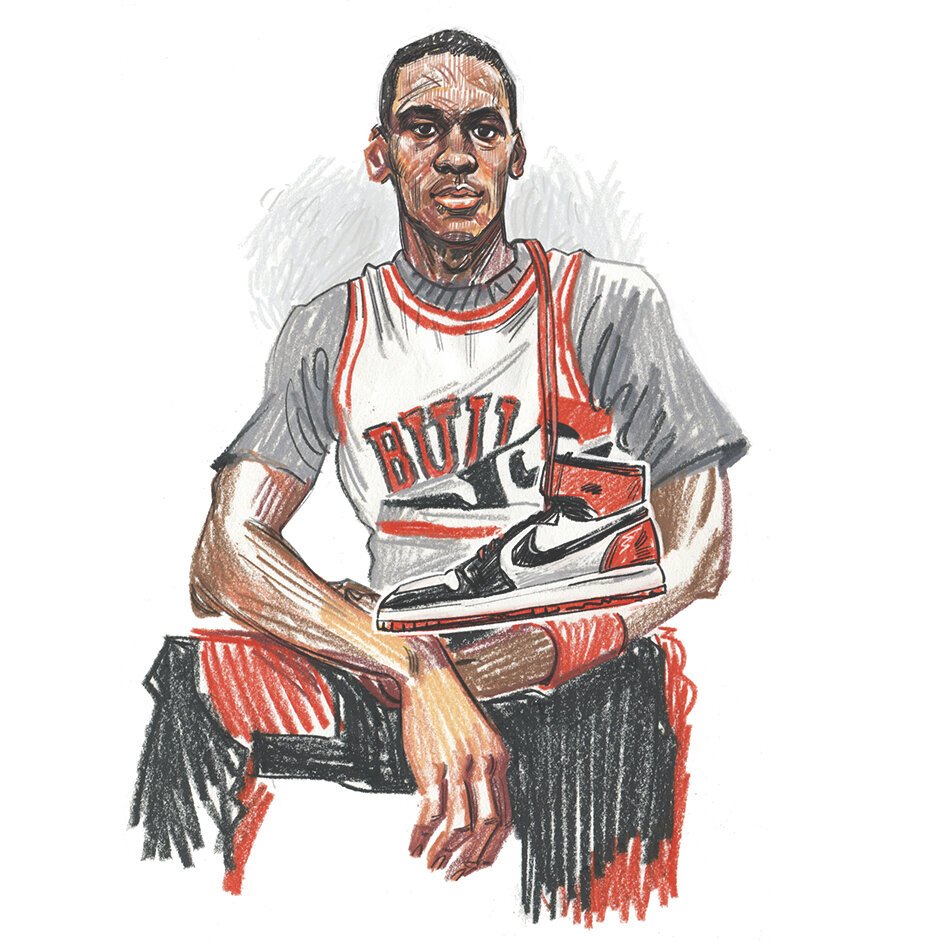
A few, though none at the start. I remember I had this one project for Nike where I had to draw Air Force Max sneakers, and I had to focus so closely on the lines, the proportions. Everyone knew the product but I didn’t. It was the same with drawing a herringbone jacket or other clothing for the first time - it’s such an education. 

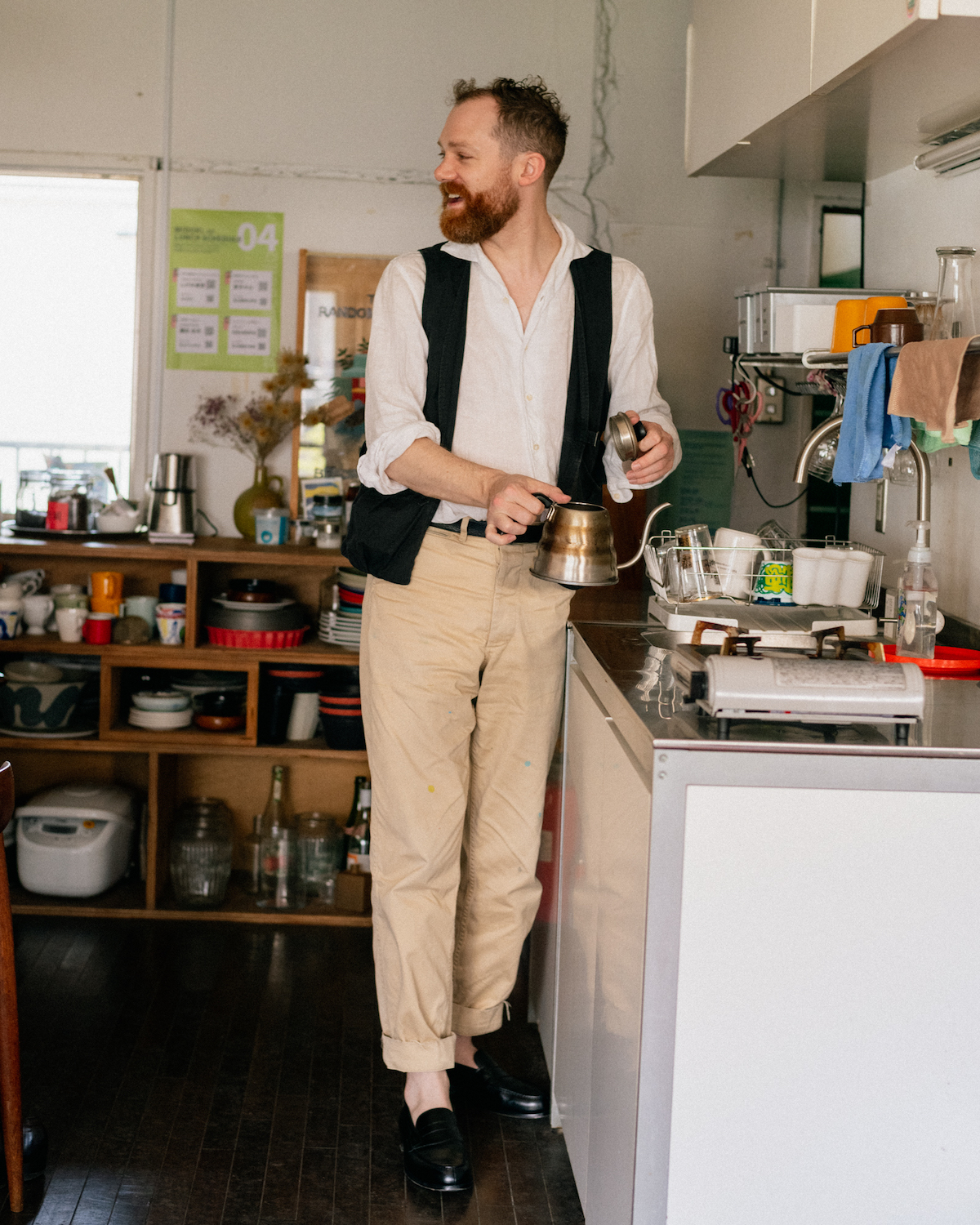
Is the outfit above typical for you? Thank you for the coffee by the way!

You’re welcome, it’s such a nice little kitchen. Yes this is the kind of thing I wear a lot in the summer, lightweight because it’s so hot in Tokyo. Unlike Melbourne where you can have four seasons in a day, Japan is quite consistent.

Outfit 2

  • Chore coat: Bryceland’s
  • Red sawtooth western shirt: Bryceland’s
  • Cord trousers: Ambrosi
  • Socks: Crockett & Jones
  • Loafers: Alden

Have you always been into clothes? 

Not really. I used to dress OK, probably because I had a good eye for colour, but I didn’t think about them much. It didn’t help I was a starving artist with zero budget, and being tall and thin meant not much fitted me in Japan. I actually had quite a lot of hand-me-downs from expats that had left. 

But when I turned 30 - six years ago - I started to think about it more. I wanted to be taken a bit more seriously at work, but I also didn’t want to dress like a salaryman, so I needed to find a balance. The Japanese also focus on clothing a lot, it’s part of the language. They’re quite object-oriented and there’s a presumed knowledge of a lot of the culture of clothing. So there was catching up to do.

How did you start?

Bit by bit, talking to friends who were designers or finding store staff that were good. I’d do that poor-boy thing of talking to the staff in the expensive store about everything, getting all their advice, and then finding the same thing cheaper. The outfit above is a lot from Bryceland’s and other makers, but a few years ago I was wearing the same kind of clothes just from Uniqlo. 

I also got into more traditional garments, like a Jin Bei, basically a Japanese cardigan. That was from a brand run by a friend called Hi Hi Hi. They do an ‘exhibition’ every season, like a lot of Japanese brands, which is basically an opportunity to do pre-order and even alter the fit. That was the first time I realised things could be custom made. 

I also like a brand called Semoh, though they’re a bit more fashion and the clothes don’t work as well if you start to get a bit pudgier around the waist! And Phigvel for workwear, where that vest in the first outfit is from. 

Sometimes I get clothes as part of work too - Tomorrowland paid me partly in credit in the early days, which allowed me to get my first suit. 


How did you first get to know Bryceland’s?

A magazine asked me to do a portrait of these various guys around Tokyo, and Ethan was one of them. I was kind of intrigued too - here’s this Australian, big guy and with a beard.

Ethan was really good at giving advice. It was so relaxed, you could just rock up there, have a coffee and a chat. He was particularly good on navigating that high/low aesthetic: it works really well for me as someone that wants to look like an artist but also professional, but it can be tricky to get right. 

You clearly enjoy the Bryceland’s range now - those chinos look amazing and the chore looks like it’s been used for work a lot. 

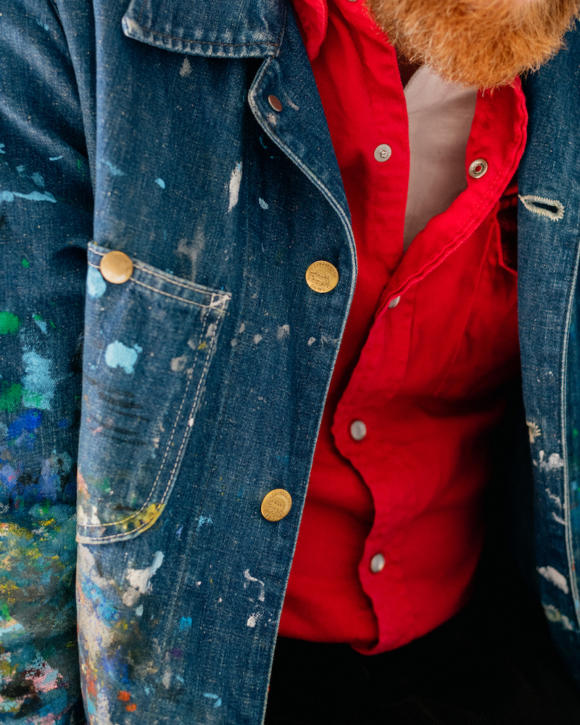
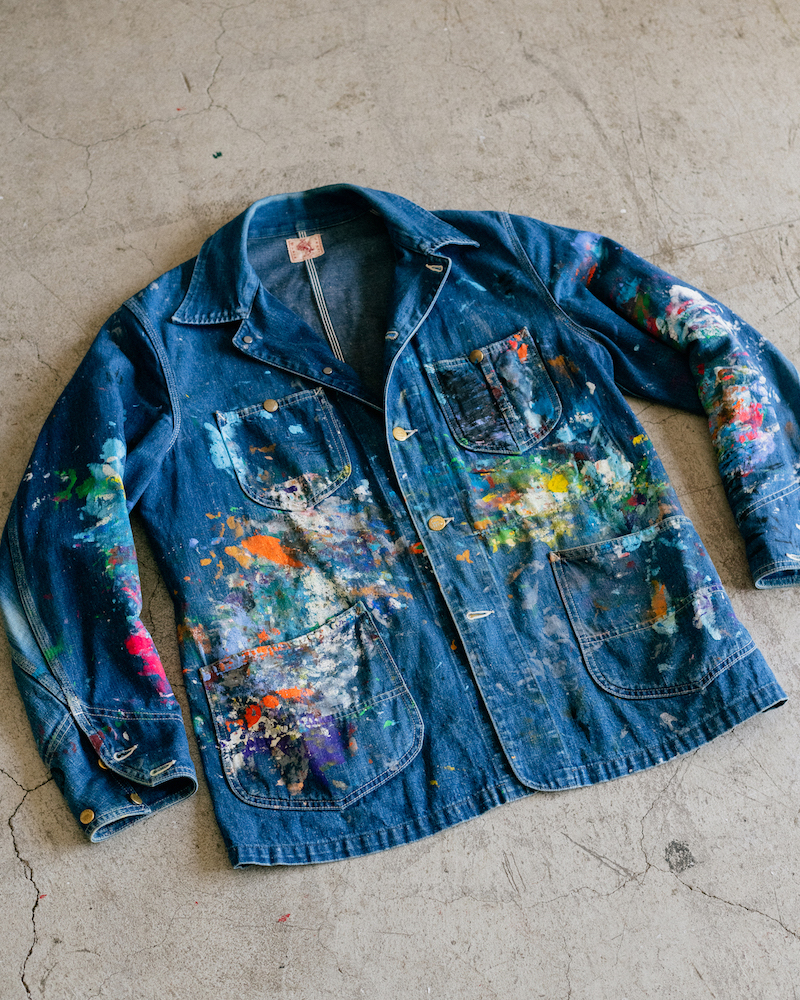
Yes, I’ve worn both so much. And it’s nice having a piece like that chore coat - I have a white one too. They get paint on when I’m doing mural work - I’m doing one for a hotel at the moment. But I’m also very aware of the impression they give, and that it’s the kind of look some clients want in an artist.

There’s always something a little performative in what we wear, perhaps particularly so in Japan. 

Bryceland’s was why I first started reading your blog too, in 2018 maybe. Ethan had a copy of the book you did with Kamoshita on the cover and he told me about it. 

Oh that’s nice, The Style Guide. 

Yes. Although actually, in the past few years a lot of friends in Japan that have no interest in menswear have suddenly been asking me about it - I think because of Derek Guy, now he’s blown up on Twitter. So I send all of them to your site. 

Outfit 3

  • Glasses: Vintage
  • Suit: Dalcuore
  • Shirt: Bryceland’s
  • Belt: Vintage
  • Loafers: JM Weston

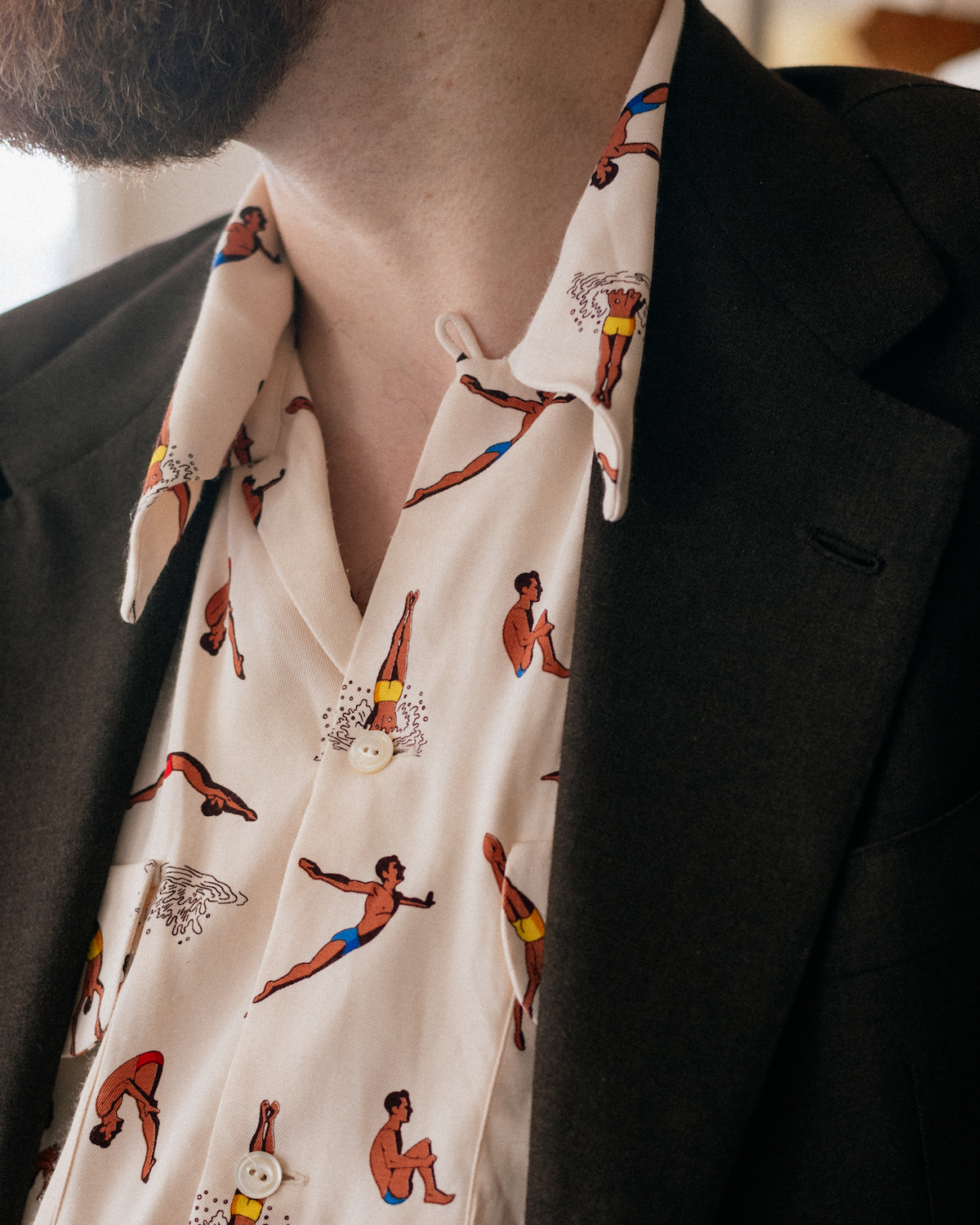
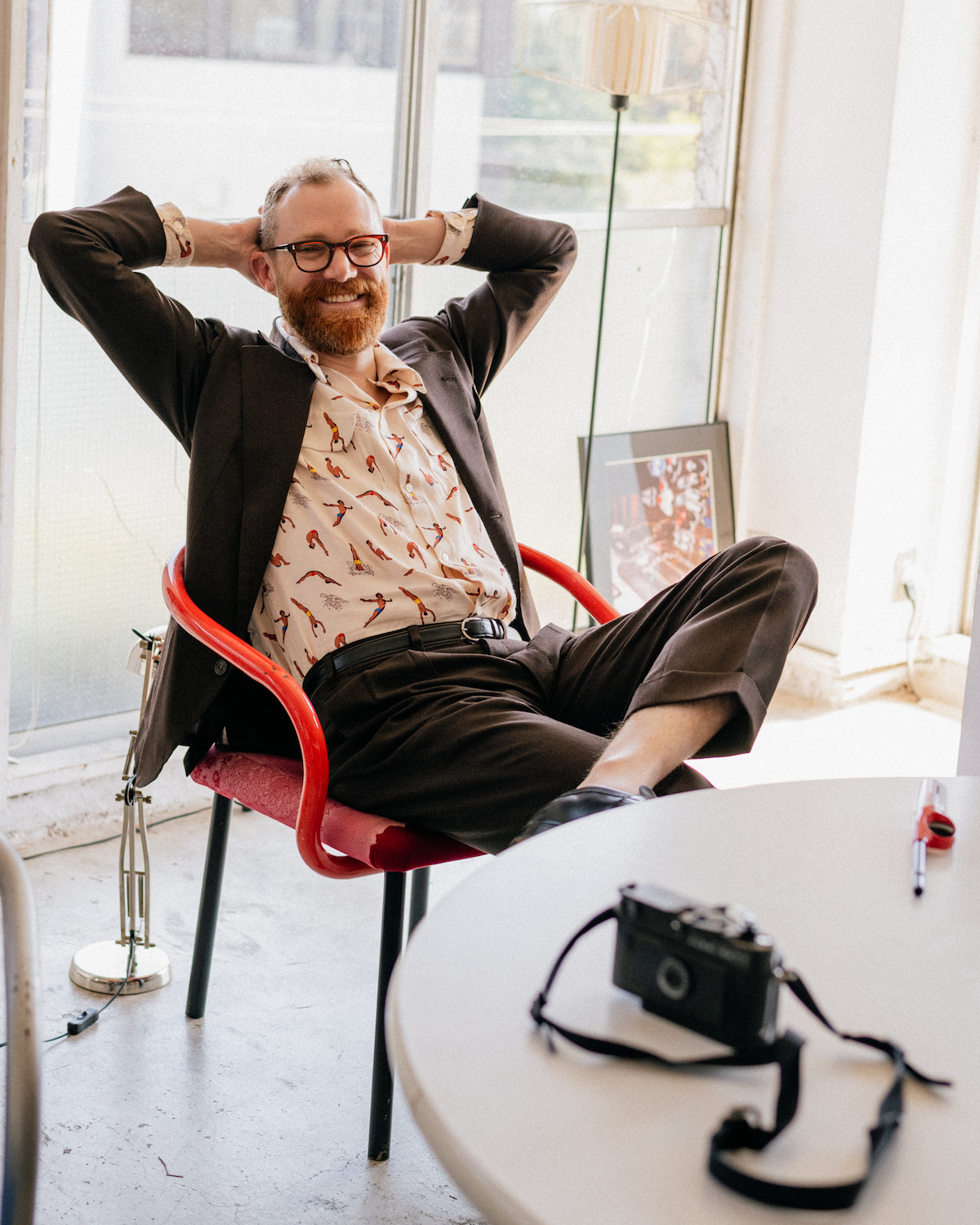
I know you designed the motif on this shirt - is it typical of your drawing style?

My drawing style actually varies quite a bit. Maybe it’s my background in graphic design - we were always taught there to adapt to what the client wants, to fit their branding. 

Even when I moved to Japan and was doing more drawing, I’d have different styles. One quite realist, one simplistic, one more cartoony. Drawing is like a language really, and different types of language are better at expressing different things. 

As a freelance artist is it helpful to have an identifiable style as well? To give yourself a form of branding?

Yes there’s always a balance there, and it’s easier to do it as you get more established. When I first came to Japan I did everything, even anime or manga, which I didn’t particularly like but it’s what you do when you’re trying to get started.

One thing that’s nice about Japan is that they appreciate things that are handmade, so they like illustration that is clearly done by hand, even if the colouring is done on computer, perhaps for speed. 

One other thing I had to get used to in Japan is how much colour and tone of illustrating depends on the season. People are very aware of the weather: it will be a topic of regular conversation that we’re going into June and July, so it’s rainy season, so everyone had better look after their health. 

That affects the tone of my work - it has to feel quite specific to the season. If I’m working on something now for Autumn/Winter, I have to think ahead and plan accordingly.  

Was there a change in palette coming from Australia as well?

Yes, Tokyo is much greyer, but the country as a whole is much greener. That was a revelation to me; if you’re drawing a city or a background you have to be very aware of these things. 

I was over in London during the Platinum Jubilee actually, and it was so foggy it felt like a Turner painting the whole time. I was thinking - he wasn’t original at all, he was just painting what it was actually like!

Thanks Adrian. That was fascinating but we’ll have to call it a day there. Hopefully see you again next time I’m in Japan. 

That would be great, and pleased you managed to get out to Cow Books as well. See you then. 

The Style Guide book is currently out of stock, but a second printing in coming later this year. 

The Bores jacket: My Fox version

The Bores jacket: My Fox version

Monday, June 12th 2023
||- Begin Content -||

The Bores jacket from Chato Lufsen has been covered on PS before - it was reviewed by contributor Tony Sylvester in November last year. 

But seeing that jacket in person made me reconsider the style, and then when Christophe of Chato Lufsen - who makes them - visited our pop-up shop, I had the chance to try it on in different sizes and materials. 

I commissioned one on the strength of that, and have been pleased with how it turned out. Not necessarily the execution of the made-to-measure service, though that was fine, but the pleasure I’ve taken in wearing it, and how it has fitted in my wardrobe. 

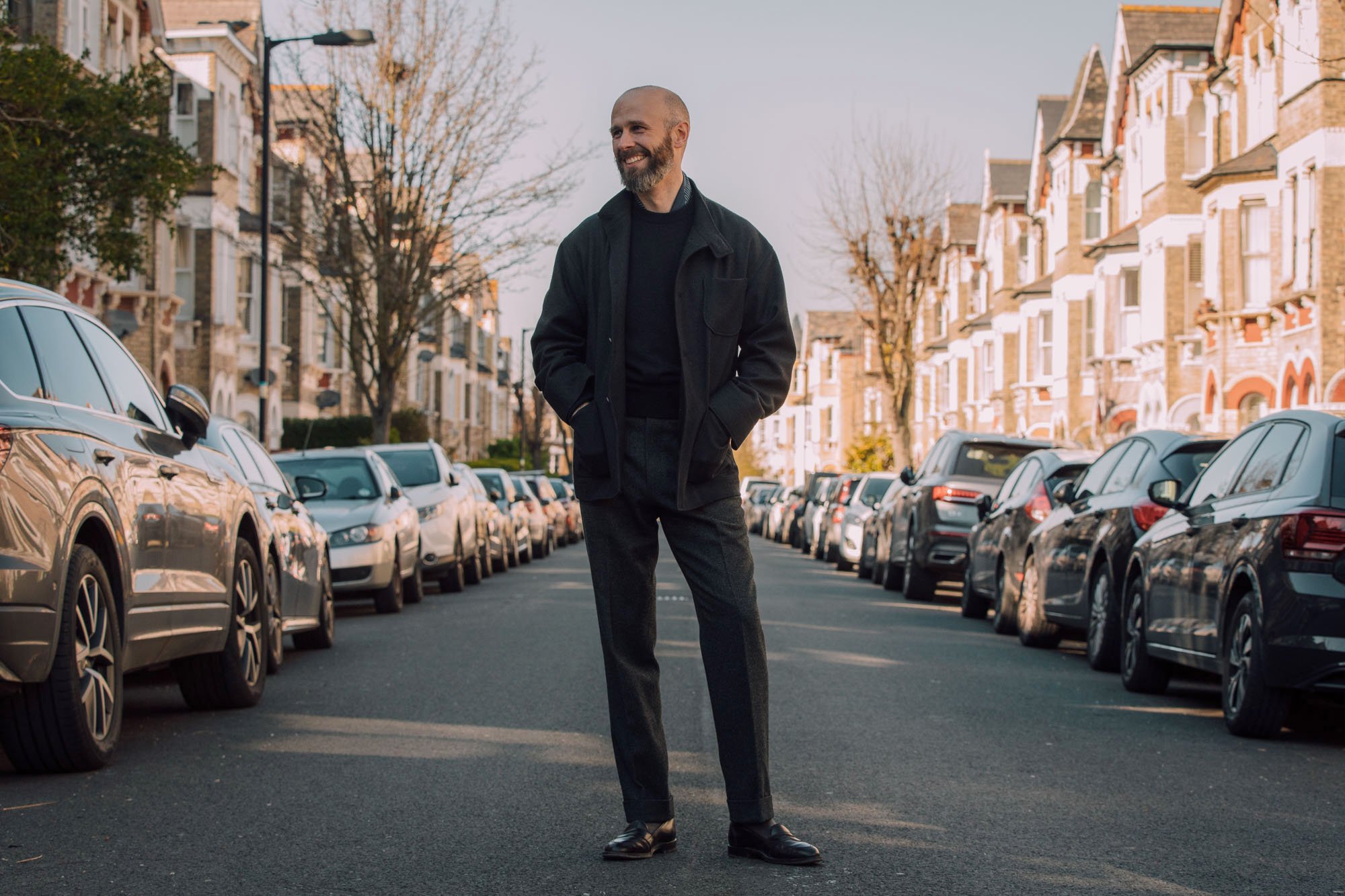
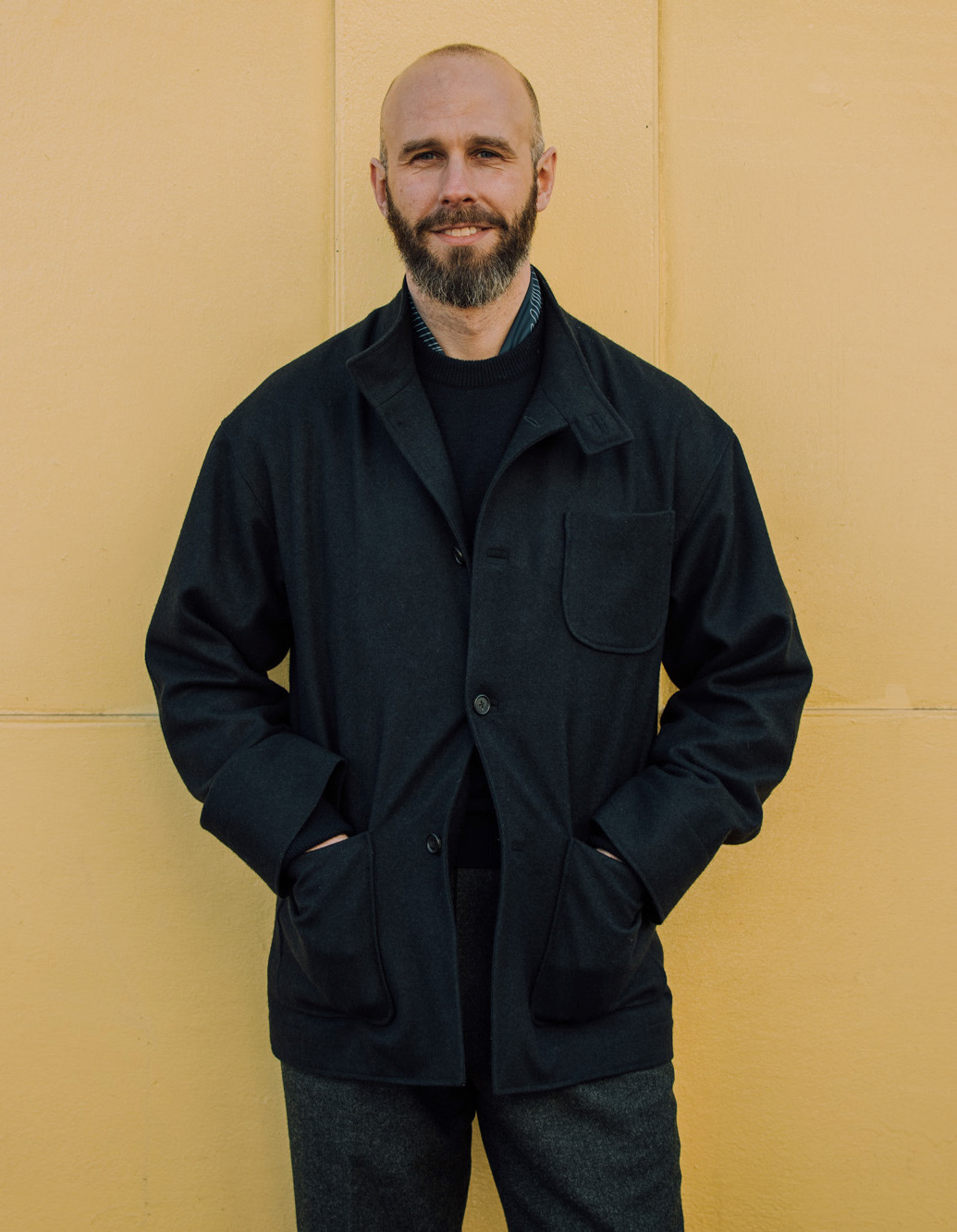
The pictures taken here are from a couple of months ago, when it was rather colder, but they illustrate well how I was wearing the jacket during that colder time. 

With a pair of flannels and a crewneck, the jacket looks a little dressed up but a completely different style to a navy blazer. There is no suggestion of that formality or classicism. 

Of course, a Forestiere jacket has its own traditions, but virtually no one outside of menswear is going to be aware of them. What they see is something very relaxed but still relatively smart with its own distinctive style. (At the most they might make a connection between the collar and a Nehru/Mao style.)

There is of course nothing wrong with the sharp lines and formality of a navy blazer. Quite the opposite: bespoke tailoring of that sort is the style I prefer, admire most and enjoy most. 

But most men want more than one style, and I know a lot of readers are interested in jackets like this. In fact, I think my love of elegant jackets is the reason why the Bores appeals to me. It means I can wear such pieces in a broader range of moods and occasions - where otherwise I’d be switching down to something much more casual like a chore or blouson. 

I had commented previously that the traditional Forestiere from Arnys didn’t really appeal. It always seemed a little sloppy to me, and eccentric in its brightly coloured lining, often deliberately revealed by folding back the cuffs. 

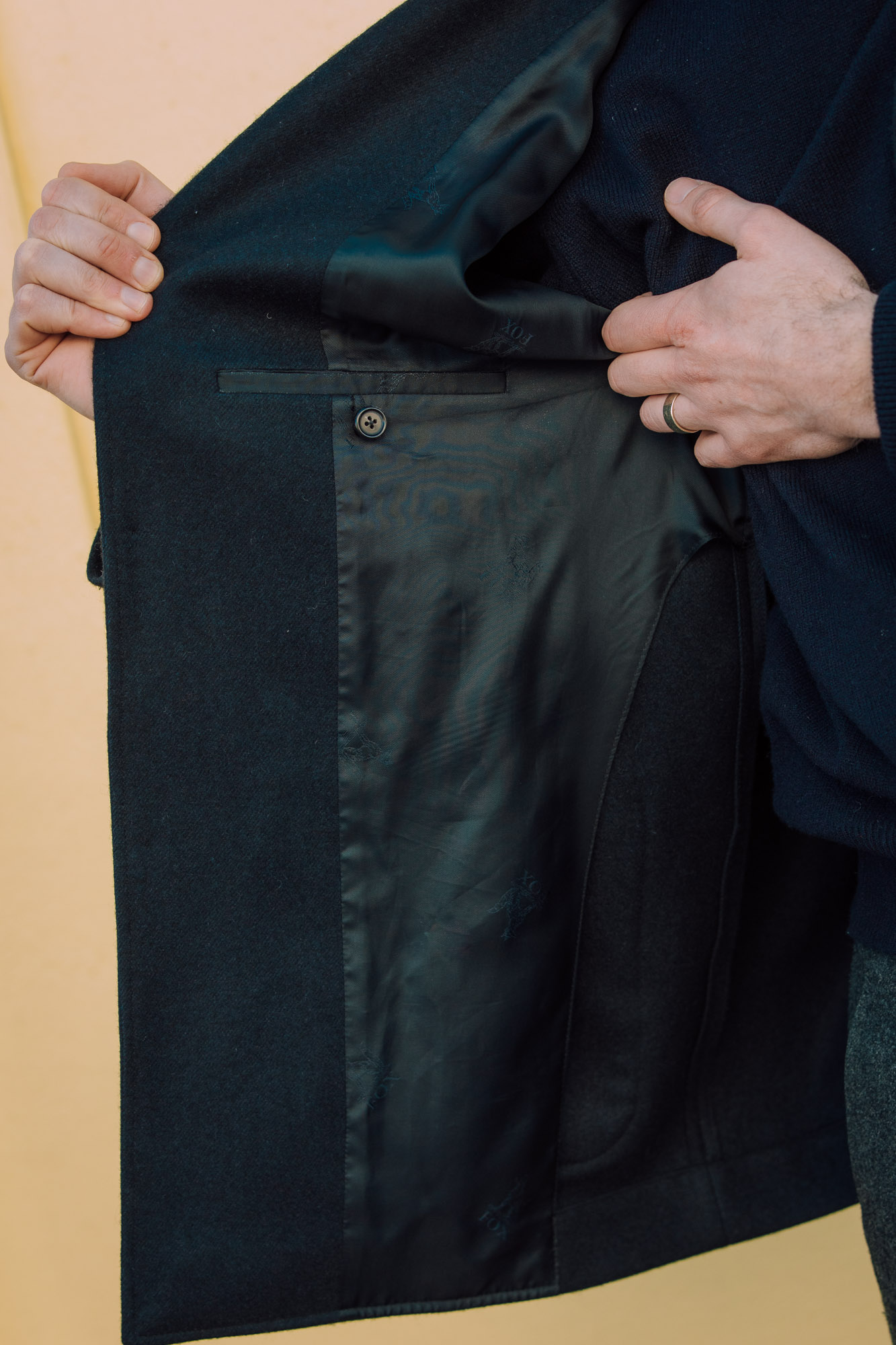
That feeling has been melted first by Christophe, when he created this slimmer, modern version that he calls the Bores, and then by myself in the style choices: using a classic-menswear dark navy from Fox Brothers, a tonal lining, and dark-brown horn buttons rather than the decorative, domed ones the jacket is more usually made with. 

A reader also commented years ago that the Forestiere only seemed to suit older, larger men, who appeared to be trying to conceal their girth with clothing that was that much bigger and bolder.

I don’t think that’s always true, but I do think the slimmer Bores offers the best of both worlds - slightly dropped shoulders that give an impression of width, but a body that is tapered to be relatively slim yet still very comfortable.  

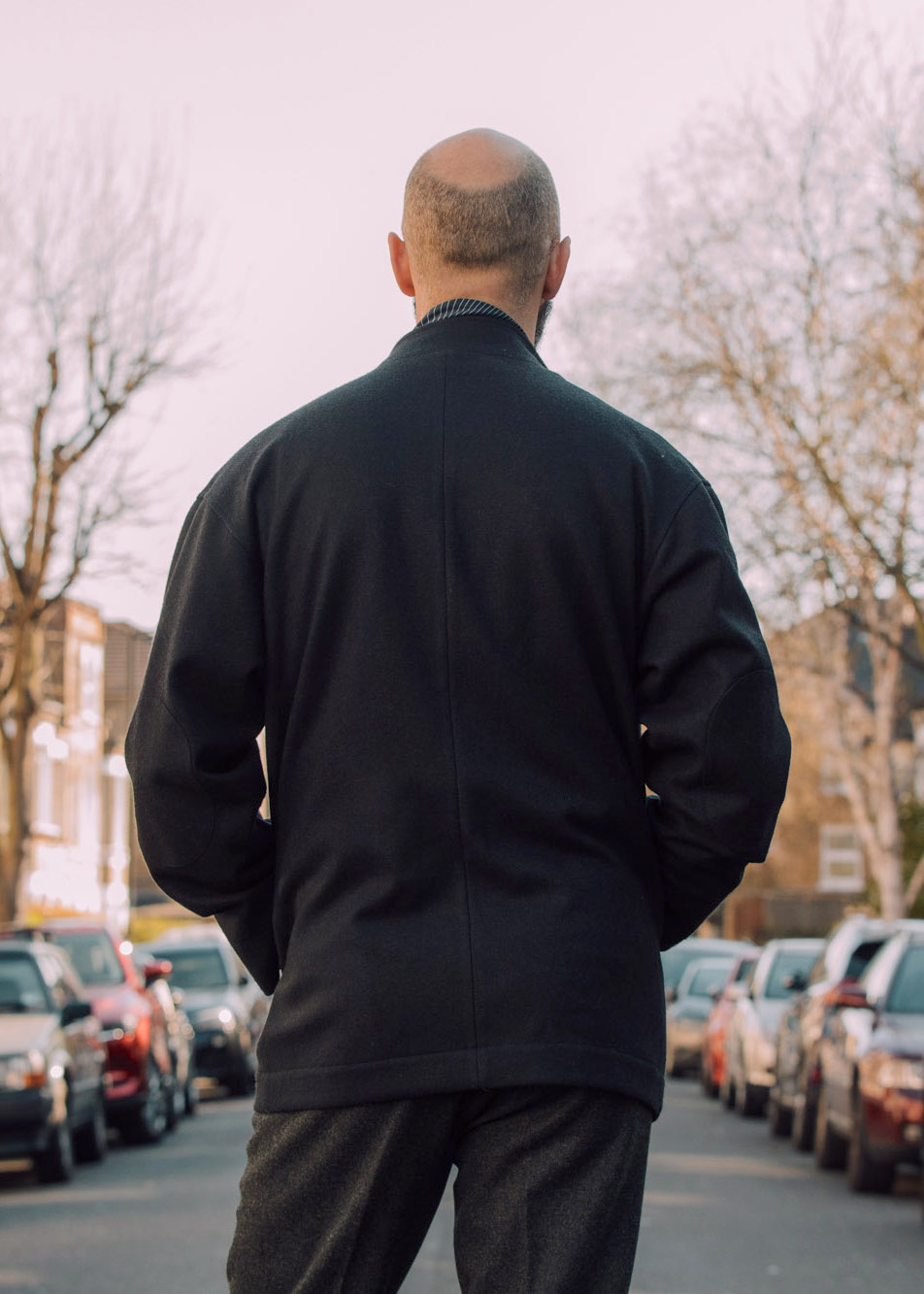
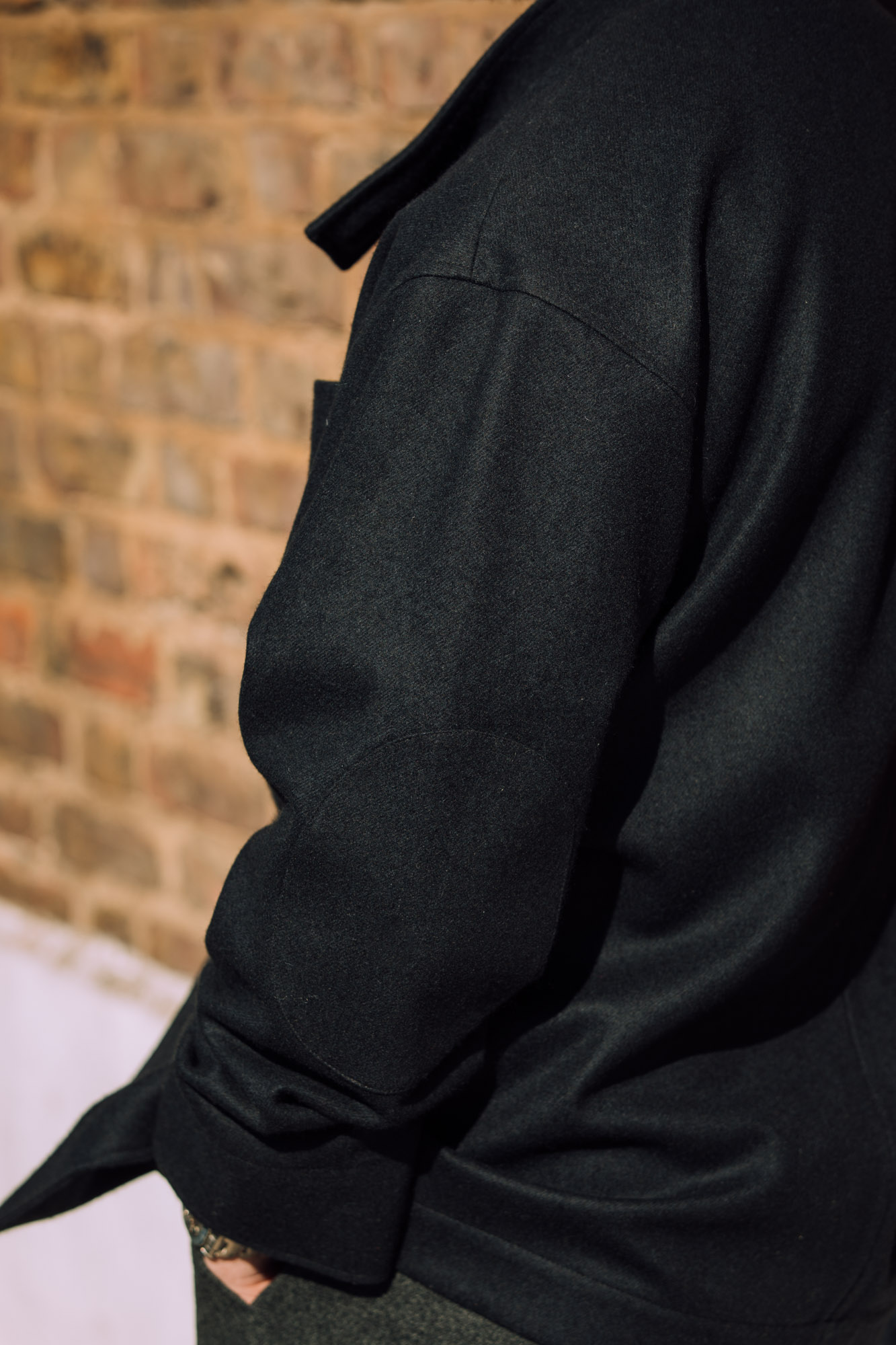
Interestingly, some of the Bores’s relaxed nature comes from the fact that the sleeves are cut shirt-style, almost horizontal to the body, rather than pointing downwards like a jacket (above). This creates folds around the chest and sleeve, making it look very different from just an unstructured jacket. 

I also think the three patch pockets suit this style, and like the tonal elbow patches.

The only aspect I'm still a little unsure of is the extended collar. It flops rather, and I don’t especially like the look of it buttoned. But the jacket wouldn't be the same without it - it would lose character, be much plainer and more ordinary, and it helps that it's clearly functional. 

Even in this slimmed-down style, I still took a size smaller in the Bores than I would normally in a suit jacket - 48. 

But the 50 I tried was a better length on me, so we used that as the reference for length (2cm longer). And as is often the case with me, the jacket kicked out a little at the bottom, becoming slightly A-line, so we removed 3cm from the bottom. 

This was all executed correctly by Christophe and his makers, and I think the choices were the right ones too. As with many things - and certainly anything that is a new style - I would recommend trying sizes in person and using those for the specifications, if you can. That currently means visiting Christophe and the Chato Lufsen shop in Paris, although he is planning some trunk shows. 

Christophe offers a recreation of the Forestiere, the ‘Borestiere’ (as well as dealing in vintage Forestieres, and other Arnys products). He often wears this as an overcoat over a Bores, with the result of two extended collars running in parallel. 

I think it’s revealing that my Bores - already a size down from my normal jacket size - is something I would wear almost like a coat, in a heavier cloth and taken off often when inside. It has that room to it. 

Which makes me wonder whether a summer one, more akin to Tony’s (below) in weight and more like a jacket, would be something I’d wear in warmer months. It's certainly something I'll consider given how successful this one has been.

Details about making and pricing are all in Tony’s original article, but in brief:

  • Ready-made Bores jackets cost €790
  • Made to measure, like mine, starts at €1090
  • Both are made in France
  • My cloth is a 530/560g Fox Brothers flannel, FS405L-A2069/234. (Rather hairier than most flannels and so better for a jacket.)

The rest of the clothes are:

  • Rubato lambswool crewneck, size Medium
  • Hermes silk 90x90 square
  • Bespoke Whitcomb & Shaftesbury trousers in Fox 19oz flannel
  • Alden full-strap loafers on Aberdeen last, size 9.5

Overshirts and oxfords back in stock, plus restocking schedules

Overshirts and oxfords back in stock, plus restocking schedules

Friday, June 9th 2023
||- Begin Content -||

The PS Oxfords in blue and white have just been restocked, as have the overshirts in navy (above). The shorts (below) also came in a week ago.

Given the number of questions there have been about restocks, and issues with delays, we also thought it was worth doing a more general round-up of products. That's listed below. 

We've organised this list in a very particular order, following some questions about the shop and how stock operates. In future we will try to separate products into year-round and seasonal items, so it’s clearer that some are always being restocked - it’s just a question of waiting for the delivery - and some only come back once a year, such as coats in winter or shorts in summer. 

The system isn’t quite as clean as that yet, but hopefully this rough division helps with communication and expectations. 

The latest with the seasonal summer products is:

PS Shorts - They’ve been restocked and sold about half so far. The navy is pictured above.

Linen Overshirts - There have been continued issues with the cloth supplier, which has had two effects: a major delay on release and having to drop one colour from this year. 

The Navy has been restocked and a new Black (below) will be coming in the next couple of weeks, but the Brown is having to be put off until next summer, as the cloth won’t be arriving until the autumn (despite being ordered almost a year earlier). There is some stock on the shop already, including the green. 

Finest Polos - We have had our delivery for this year and are working on next year’s, so please do leave us comments if you have any feedback or colour requests.

Bullskin Totes - We tend to have two deliveries a year of this. One is on its way so if you are interested please sign up to the waiting list.

Then there are the seasonal winter products:

Tweed - We have a restock of the PS Shetland Tweed coming and still have some limited stock of the PS Harris Tweed.

Shawl Collar Cardigan - Restock arriving in October. Stock will be in navy, grey and brown. Brown will be on display at the June 27th event in London. 

Cashmere Rugby - Restock of navy, grey and a new colour. 

PS Watch Cap - Restock of all colours

PS Arran scarf - Restock of all colours and a new colour

And the winter outerwear

Reversible Suede Bomber (above) - No current restock planned but mostly good stock and will be redone next year

Donegal Coat - Small restock of the light grey in Autumn, plus there is some stock of the navy

Bridge Coat and Wax Walker - Both will be restocked

Trench Coat - This item is not being restocked, although Private White has some stock left. This is largely because a new, single-breasted raincoat is being launched in September. 

New Coat - To Be Announced, a proper winter overcoat, coming later in the season

And now the year-round products: 

Oxford shirts and cloth - the blue stripe will be back very soon. We’ve had some issues with the cloth suppliers and extended delays, and have started to order twice the fabric to remedy these, so hopefully you will find these in stock more of the time.

Coloured Oxfords - The pink- and green-striped oxfords will be restocked at least once more before switching to any new colours. 

Dartmoor knits - Being restocked this Autumn

Tapered T-Shirts - The demand for these has continuously outstripped supply, but they are being constantly reordered. (And at the moment there is still some stock in popular sizes.) The next order will include a long-waited grey melange, and will hopefully be with us around the end of August, though we haven't had confirmation of that yet.

Selvedge Chambray - We have a new order in place for these and should be fully stocked in the coming months.

Finest Crewneck (below) - We are in the process of ordering more but the lead times are especially long, so they will not be back until September. We are trying to keep these in stock going forward, as we see them as an important part of the PS range.

Friday Polo - We have reviewed this product over the last year and are changing the style slightly to fit a broader range of styles. The new version should hopefully launch in late summer or early autumn.

The Undershirt - We are going to restock this but the minimums are incredibly high, so it may not be here until much later in the year.

Other than the Trench Coat, two other items are being discontinued: 

The Short-Sleeve Shirt - A popular but niche one, this won’t be restocked in either the plain or striped fabrics.

Everyday and Lighter Everyday Denim - These will be replaced with a new denim that we feel will fit better how the shirts have evolved, as more a ready-made offering than a cloth for bespoke. However, we have not been happy with the stability of the cloth on the current prototype, so this is a little delayed. 

Finally, we thought it was worth a note to say why we like the waiting list system on PS. 

A few readers have complained that by the time they get to an item, it has sold out in their size. We operate the waiting list so that the most engaged PS readers get first access to these products, and don’t have this frustration. The downside of this is that less regular visitors sometimes miss out.

We could carry a greater volume of stock, but being a small company, this would restrict the number of products we could offer - having twice the stock would mean we could carry roughly half the range. So on balance we think this is a good approach, and it works well for most readers. 

To give you some insight into the waiting list, we tend to send emails out on a Thursday (not always but normally) around 3-5pm GMT, so we can try to cover as many time zones as possible. As ever, any other questions about this process can be directed to Lucas on [email protected], or to both of us in the comments below. 

Thank you. 

Tokyo: A sartorial shopping guide – 2023 Update

Tokyo is one of the most varied, creative and stimulating retail experiences in the world.

Not only is the city huge, but each area has a distinct feel and atmosphere, reflected in its shopping.

There are small, niche brands everywhere, as well as workshops and artisans. Many of those are unique to Japan, but even the designer brands up their game – often with striking stores and developments.

There are too many to list in full, but these 50+ shops are our favourites. As with previous guides, we have focused on stores that are pretty much exclusive to Tokyo. 

I recommend looking up the various stores on a map and grouping them into areas: the size of Tokyo means it could take a while to get from one to another. Below, however, we’ve divided the shops into sections by type, by interest. Because I know not everyone will be interested in both bespoke tailoring and vintage workwear. 
CLASSIC MENSWEAR

1 Anatomica

There are two branches of Anatomica in Tokyo, one fairly central in Aoyama, and one further out in Nihonbashi. The latter is my favourite, but if you don’t have time to travel specifically to it, then do pop into the one in Aoyama instead. 

The clothing is rather different to the Paris store that readers might be more familiar with (and we covered here) but the combination of French and Japanese creative directors means the clothes are a fascinating mix of cultures and styles, with berets and traditional Japanese handkerchiefs alongside original workwear designs.

2 Bryceland’s Co

Bryceland’s is a niche menswear store opened in 2016 by Ethan Newton. It mixes soft Italian tailoring with workwear such as chore jackets and jeans, and vintage-style pieces such as rayon shirts. 

We’ve covered and reviewed several Bryceland’s pieces over the years, and they can be found on the brand’s page here. Tailor Anglofilo works out of the back of the shop.

3 Ortus and Fugee

Leather master Naoyuki Komatsu has a stellar reputation. He runs a small workshop called Ortus, which does 90% bespoke pieces such as day bags and wallets.

Everything is entirely hand sewn – in fact, Komatsu even goes as far as to make the brass hardware himself, crafting these additions small works of beauty in themselves. Trade mark designs include the ‘music bag’ – a briefcase made of one piece of leather with a brass bar securing the single handle. Dedicated post on Ortus here. Also very good, particularly with traditional styles of bag, is the older operation Fugee.

4 L&Harmony

L&Harmony is a shoe store specialising in vulcanised canvas shoes such as Doek, Pras and Moonstar. But not only do they have a bigger range of those brands than you’ll find anywhere else, they also have brands such as Asahi, Yomiya and others. Plus there are accessories, socks and bags. 

It’s a little out of the way, but if you’re uptown near Ginza or Ueno, it’s worth the detour. 

5 Ring Jacket

Ring Jacket was the first Japanese tailoring brand to achieve serious recognition around the world, largely thanks to the promotion of The Armoury in Hong Kong and New York. There are two stores in Tokyo, in Ginza and Aoyama, and it is also stocked in Isetan.

The style is Italian and soft-shouldered, although there is a range of models (a decent reason to visit one of the standalone stores rather than just Isetan) and they also offer accessories and leather goods, all with rather Italian styling. The tailoring is well made and good value, particularly in Japan compared to imported Italian brands.

6 Eyewear: Solakzade, Gig Lamps and others

Out on the commercial shopping strip of Omotesando Hills is vintage jewellery and glasses specialist Solakzade. The shop is not immediately obvious – it’s on the basement floor down a small flight of steps – and is a stone-and-gold cavern inside.

Run by two brothers, the range is eclectic, everything from the nineteenth century to the 1970s. But everyone there knows the stock inside out, and it’s worth talking to them about styles if you have even just a passing interest in old frames. Upstairs is men’s jewellery, but this can also be discussed and accessed downstairs. Dedicated post on Solakzade here

Also worth a look is Gig Lamps Eyewear, in Meguru City – a few metro stops away. And if you’re interested in eyewear more generally, Aoyama is the place for it – the main strip has a big concentration, including places like Eye-Van. 

7 Nakata Hangers

It won’t surprise most readers to learn that there is a Japanese brand taking hangers to a particularly high level. Here it is Nakata Hangers, a 70-year-old family business that supplies many of the country’s brands and department stores, but in recent years has also focused on selling particularly high-end pieces to end consumers.

The shop in Minato City is more set up for wholesale than retail, but if you want beautiful, unique hangers for your bespoke tailoring, it’s worth a visit to see the products in person. They are sold in the UK by Arterton.

8 Union Works and Sarto Ginza

These two are worth mentioning because they are examples of how well the Japanese do the things around menswear, such as repairs. Union Works has three stores in Tokyo offering shoe repair, but also does a plethora of other work, and has a small line of clothes and accessories. Sarto, on the other hand, has grown to the point of having several branches, altering and repairing everything from suits to leather jackets, holds trunk shows with the likes of B&Tailor, and even has its own in-house shoemaker.
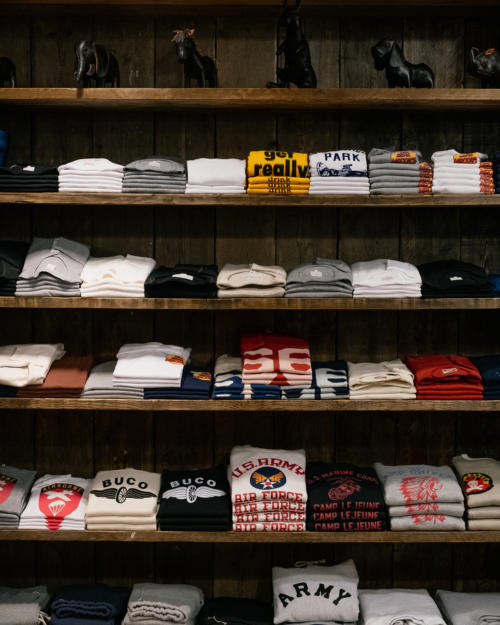
WORKWEAR

1 The Real McCoy’s

The Real McCoy’s is my personal favourite workwear brand, and not only is their quality unsurpassed, but the range is huge, from leathers to jeans to sportswear. Until recently they had a shop in London, but even then it wasn’t as big as this one in Tokyo. It’s downstairs, but don’t let the entrance fool you – it’s big. 

2 Freewheelers

Freewheelers is another workwear brand at the top of its game – more of a biker focus than McCoy’s, but great quality. The shop is also charming – you might think it’s called Desolation Row from the outside, or Uncle John’s Bait & Tackle, so look out for those names as well. 

3 M’Arijuan (D’Artisan)

Another good one is M’Arijuan, which is the home of Osaka-five member Studio D’Artisan and others in that group, such as Orgueil, which I’ve come to appreciate since they’ve been at Clutch Cafe in London. 

4 Hummingbirds’Hill

Right on the corner, this is a delightful little multibrand store with both repro and modern brands – Camber and Chamula, Engineered Garments and Needles. It also has a nice selection of vintage southwestern jewellery. 

4 Full Count, The Flat Head, Lewis Leathers in Harajuku

This area of town – Harajuku and Omotesando – has the headquarters of most of the other workwear brands that fans in the US, UK and elsewhere will know from their local stockists. They include Full Count and The Flat Head, plus the British institution Lewis Leathers. 

There’s also Time Worn Clothing: less well known and not always the friendliest, but with a big following for its At Last denim brand and Butcher sportswear. That’s over in Shibuya.

5 Phigvel

An area of town that was new to us on this trip was Nakameguro, and I’m really pleased we made the time to go down. It’s a lovely district, with shops ranged along a canal hung with trees. Our favourite discovery there was Phigvel, which although workwear-influenced, very much updates those styles and offers them in a clean, modern palette.

Another good shop in the area for workwear is Post O’Alls, and there are both men’s and women’s Nigel Cabourn branches. 

6 Okura – Blue Blue Japan

Over in the Daikanyama area, the little UES shop has unfortunately closed since we were last here (2019). But fortunately the rambling Okura is still open. 

The original flagship store for Blue Blue Japan, it’s styled like a Japanese warehouse (kura) and is great for anyone that loves indigo-dyed clothing. It’s stocked floor to ceiling with indigo-dyed jackets, T-shirts, sweatshirts and kimonos, both from Blue Blue Japan and cheaper variations made overseas. Look out for pieces in sashiko cloth.

Bailey Stockman

A few doors down from shoemaker Yohei Fukuda is a small doorway next to a glass display case. It proclaims ‘Bailey Stockman’ and leads to a tiny shop upstairs. There, a small operation has been importing American-made western clothing for almost 50 years. That includes hats, shirts and boots, and with some of them the makers are no longer around, so they’re effectively NOS vintage. 

There are also some Japanese-made pieces, including the company ‘Funny’ from Osaka, that makes stamped buckles and moccasins. There’s also a great burger bar downstairs owned by the same people. 
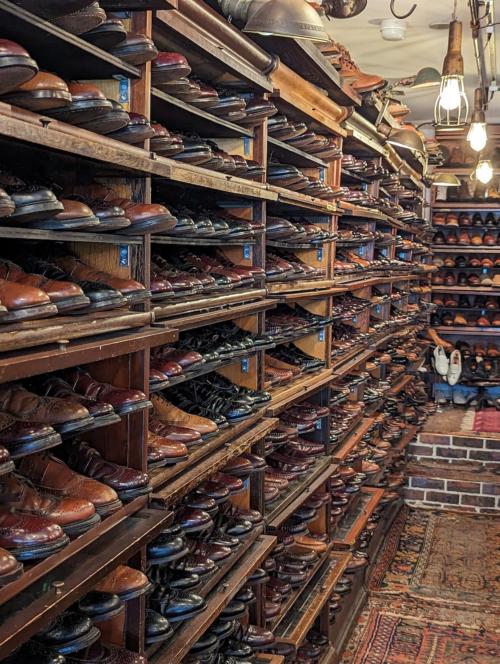
VINTAGE/KOENJI

Vintage shopping in Japan is covered in a separate shopping guide, here. That piece includes not just central Tokyo (Harajuku) but also Koenji, the vintage-specialist area outside the centre, and places in Osaka and Kobe. 

Among my favourites are Berbejin in Harajuku, Safari (all of them) in Koenji, and Acorn in Osaka. I’ll also use this section to mention a great non-vintage store in Koenji, which is Mogi…

1 Mogi

Mogi was founded by Terry Ellis, a London-raised designer who lives most of his year in Japan. Best known for heading the Fennica brand at Beams, Terry recently set up his own independent store in Koenji that mixes folk art with new and old menswear. It’s an inspiration, and worth a visit to Koenji on its own. 
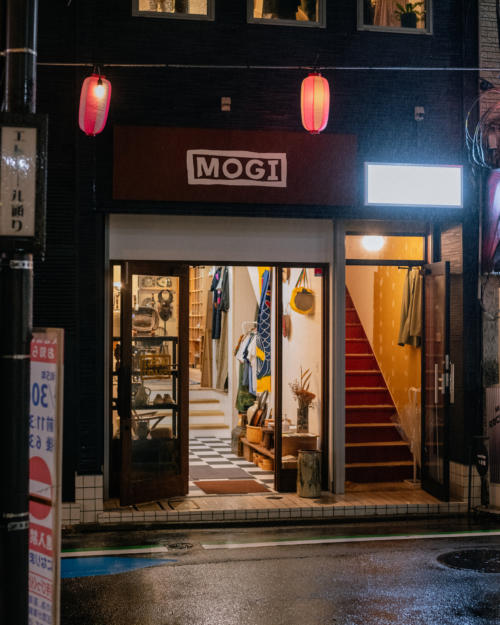
DEPARTMENT STORES

1 Isetan

Department stores in Japan do things very well, from the brand mix to the merchandising. But one thing that will set them apart for many readers is the presence of bespoke and made-to-measure clothing, from all around the world.

Isetan is worth seeing for the pure department-store experience, though also make sure to visit the made-to-measure area and look out for any trunk shows going on at the time. Oh, and there’s a whole building just for menswear.

2 Strasburgo

Strasburgo takes this a step further. With a more select range, and slightly more sartorial approach than the other department stores, it has several branches around the city.

Strasburgo has also tried to host more bespoke makers in house over the years, with the Sovereign House location unfortunately closing recently. It was where artisans such as shirtmaker Masanori Yamagami and tailor Noriyuki Higashi (Sartoria Raffaniello) were located. Trouser-maker Igarashi also started out here.

3 Beams F and International Gallery Beams

Having said this, on our most recent trip to Tokyo it was Beams that really stood out. I think it was because we were looking less at bespoke producers, more at retail in general, and it was a salient reminder of how much better Beams does it than anywhere else in the world. 

Go into Beams International Gallery and you suddenly discover a host of European makers that you can’t get in London – perhaps have never even heard of. Sandals from Giacometti, moccasins from Castellano, Paraboot special editions that are exclusive to Japan. It reminds you how poor English department stores are on all these things.

Beams F is more tailoring and smarter clothing, while Beams Plus is more casual (and readers might be familiar with from elsewhere). While we were there the windows were full of a collaboration with LL Bean. 

4 Tomorrowland

Compared to the stores above, Tomorrowland is more fashion-focused, but the men’s side tends to be fairly classic and have some interesting variants on menswear staples. It carries its own brand as well as range of others, including Acne Studios, Dries Van Noten and James Perse. 
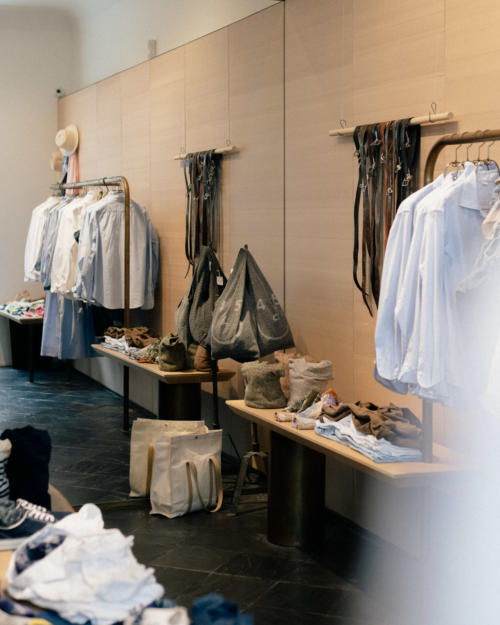
FASHION/CASUAL

So, we’re not talking high fashion here, or indeed low-end mass-market fashion. Rather, this is a space for craft-based brands like 45R or Visvim that don’t really fall into classic or workwear categories – perhaps because few places in the world do this kind of clothing like Japan.

1 45R

45R is an innovator in natural, crafted clothing that often involves organic indigo dye. The pieces are deceptively simple, uncompromisingly made, and intended to look vintage from the moment they’re offered. They’re expensive, on a par with designer labels, but all that money goes into the product and process. 

The clothes can be unusual, but there are always great jeans, tees and bandanas as well. I completely get why some people don’t take to the brand, but if you like craft, they deserve your time in understanding what they do. There are a few shops in Tokyo, but the one to go to if you can is the flagship Badou-R.

2 Kapital

Kapital is similar, but a lot weirder. There’s often a lot of craft involved in the clothing, but the results will often be more extreme in design and proportion. Personally it’s less for me, but the brand is unique and Tokyo has the greatest expression of it. The main shop is in Shibuya, but Kountry has the weirdest pieces and the women’s shop, oddly in a pristine shopping mall. 

3 Visvim

Like the two above, but more expensive and more fashion-driven. Visvim often takes inspiration from classic pieces of menswear, and there’s a good amount of craft involved, but there’s a reason the HQ in Nakameguro feels more like an art museum than a shop. I’d say it’s definitely worth a visit if you’re in the area, or like the brand, but I wasn’t personally tempted by anything. 

4 1LDK

An interesting example of a good multi-brand shop, which is something that’s fast disappearing in the rest of the world. Largely more casual, but with great brands like Auralee and Arpenteur, plus Comoli, Kaptain Sunshine and Studio Nicholson. There are two shops, both worth a look, in Nakameguro. 

5 Arts & Science

Arts & Science is a small chain of stores in Tokyo founded by stylist Sonya Park. It’s an interesting crossover between Japanese crafts and modern, minimal sensibilities, with accessories, menswear and womenswear. Although the clothing offering is pretty small, it is a good place to find unusual (if expensive) homewares and accessories, in simple styles and colours. Look out for loose linen jackets, wooden boxes and leather pouches. Either the Aoyama or Daikanyama branches.

6 Outdoors brands: Snow Peak, Nanga and everyone else

Walking round Omotesando, one can’t help but notice how many outdoors brands there are. Everyone has a big flagship, North Face and Patagonia, Japanese specialists like Snow Peak and Nanga. 

The non-Japanese brands often have products that are only available here too, or there are labels that are the result of licensing deals, like North Face Purple Label that is actually owned by Goldwin, the clothing conglomerate that also has its own store. 
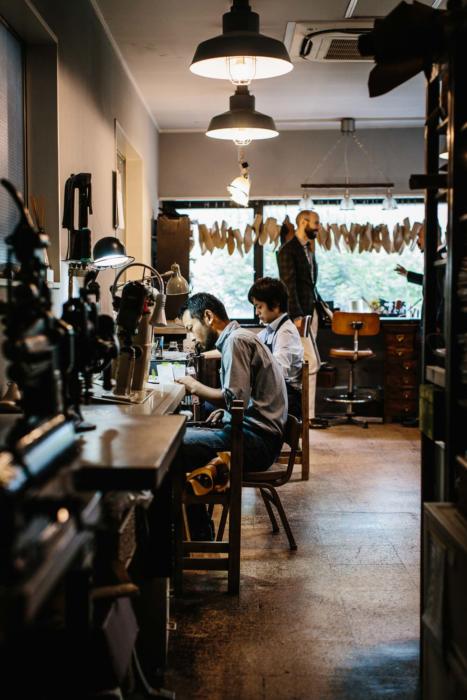
BESPOKE MAKERS

Some of the finest bespoke makers of menswear are in Japan, despite usually learning their trade in Europe. These are some of the best, though do be aware it’s necessary (or at least polite) to make an appointment. 

1 Shoemakers: Yohei Fukuda, Seiji McCarthy, Marquess 

Japan has a huge number of bespoke shoemakers, perhaps more than the whole of Europe combined. They are largely young, working in small workshops, and good value for money – though the small size can mean there are long waiting times. Most importantly, their quality is amazing, often excelling those European masters they learnt from.

There are too many to try and recommend any specifically, but it is certainly worth trying to see Yohei Fukuda, Seiji McCarthy and Shoji Kawaguchi, the latter operating under the brand Marquess. More on them at those links, and generally on Japanese shoemakers here.

2 Tailors: Sartoria Ciccio, Anglofilo and others

There aren’t quite as many new tailors as shoemakers in Japan, but the quality of the work is still very high. They’re largely influenced by the soft tailoring of the south of Italy, although some also trained in Florence or Milan. English influence is felt only in the older, more traditional tailors.

The best known is Noriyuki Ueki, who runs Sartoria Ciccio. He trained in Naples and cuts a soft-shouldered suit with a Japanese level of precision. Others include Anglofilo, Sartoria Domenica and Vick Tailor. You can read more about them here.

3 Trouser makers: Igarashi and Osaku

There are a couple of workshops specialising in bespoke trousers worth highlighting: Igarashi and Osaku. Of these two, Igarashi is in the centre of Tokyo and is therefore easier to visit. Osaku works from a small town outside of the city, and comes in for appointments.

There is a similar level of precision to their work as there is with the rest of Japanese craft, and a focus on details such as curved waistbands and neat pick stitching. More on them here.
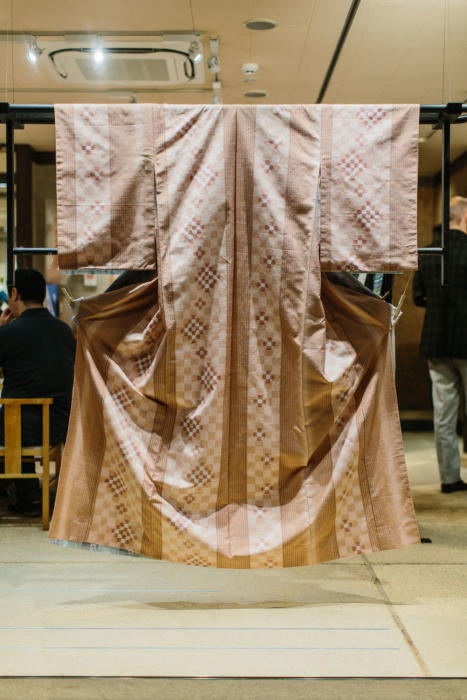
NON-MENSWEAR

1 Motoji kimonos

Those wishing to see traditional Japanese craft in Tokyo should consider visiting Motoji, the most famous of the kimono makers in the city. Although none of the work is done on-site (fabric is produced all round Japan, and tailoring done outside the city), the shop, its bolts of cloth and finished kimonos are a virtual museum of craft in themselves.

2 Chicago kimonos

The other way to experience kimonos is much cheaper – go to a second-hand shop like Chicago in Harajuku. There you will see a range of pre-owned pieces from the seventies to the present day, as well as all the types and parts of men’s and women’s kimono. 

The fact there are outer jackets, inner layers and even short ceremonial jackets, means there’s likely to be something for everyone. I bought a beautiful seventies olive silk kimono for £65. 

3 Cow Books and Tsutaya books

Tsutaya is a chain of bookstores, but the one in Daikanyama is really lovely – there are few better places to understand how much the Japanese love printed material, with a huge variety of coffee-table books and magazines. 

Cow Books, in Nakameguro, is an second-hand bookstore that specialises in the arts and counter-culture works, but also has a surprisingly large range of fashion titles, including old copies of magazines like Popeye. If you like magazines, Magnif Zinebocho on the other side of town is also worth visiting.

4 Ubukeya knives and Edoya brushes 

Two lovely shops that are close together, specialising in Japanese knives and brushes. As in a lot of more traditional stores, there is little English among the staff, but that isn’t really needed to understand the product, and if you’re after something particular then pointing and playacting usually do the job. 
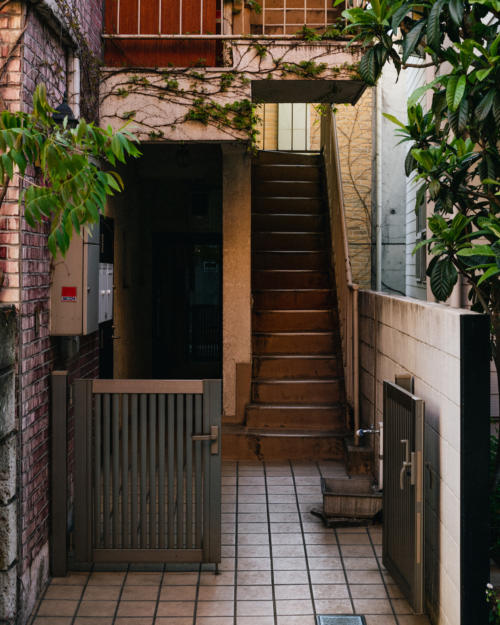
Parker Boot Company: Roper boots review

Parker Boot Company: Roper boots review

Monday, June 5th 2023
||- Begin Content -||

These are my finished western boots from Parker Boot Company in Houston, Texas. I’ve had them for a while now, but various other things (mostly Japan) have got in the way of coverage. 

As I wrote in my first article on Zephan Parker - ‘Would you, could you wear a cowboy boot?’ - this is a style called a roper, which doesn’t have the pitched heel or pointy, upturned toe that make a cowboy boot so distinctive. 

It means they’re much easier to wear, but they do still have a western style. Certainly when you see the embroidery on the side, or the shape tops, but even if you just see that pointed-almond toe shape (below). No other style of footwear we cover looks like that. 

The fit of the boots was very good with the fitting boot covered last time, and is very good now. 

It’s particularly hard to make a long slip-on boot like this, where there’s no elastic, laces, or other adjustable fastening to help with the fit. The boot needs just the right balance between holding the foot in place, and still being able to get it on. 

There’s very little margin for error, and when you’re pushing your foot in with all your might, or pulling it out with the aid of the tabs, you feel how small that margin is. Fortunately Zephan got it just right. Especially impressive given we’ve never actually met (see previous post for how the fitting worked). 

In terms of quality, this is a real step up from the trial boot, which is good because the slight roughness of that first one had me concerned - even though Zephan made it clear what they were. 

The stitching is good, the finishing clean, and the tattoo-inspired embroidery nicely executed. We’re not talking the level of finishing of a top bespoke shoemaker, or perhaps one of the best manufacturers, but it’s still well done.

The style of the finished boot is also different around the top - side seams rather than front seam, heart shaped top line, and contrast pullers - and this too is pleasing. I’m glad I didn’t go for the alligator tops I originally wanted, as that would have likely been a step too far. 

I also changed my mind on the colour of the leather, and I’m still a little unsure about that. I wanted something a little lighter than the brown of the fitting boots, but this snuff is a little stronger and warmer than I expected. 

It looks great here with lighter clothes like mid-blue jeans and a white T-shirt. I can wear a grey knit or sweatshirt over the top, and various casual outerwear styles work well - like a military drab M65 or jungle jacket, or a duck-canvas chore coat

But it’s not so great with other colours of jeans (other than white) and a darker brown would have been more versatile. As, probably, would a paler, sandy brown, like my Edward Green desert boots. That’s a colour you often see western boots in, and I think that more muted colour would have been easier. 

In fact given I’ve had these boots for six months, we can ask the actual question - how often have I worn them?

Not an awful lot is the answer, perhaps 12 or 14 times. And actually the boots would look better if I’d worn them more and they were more beaten up. (They’re new in these photographs, but haven’t changed that much since.) 

Now I have a lot (lot) more shoes than most people. Partly because clothing is my primary interest, but more significantly because it’s my job. 

But even if it wasn’t, I think these boots would remain a nice alternative for me - something to go for when you want a change, when the rest of the outfit seems a little predictable or boring. Like wearing a black beret rather than a watch cap.  
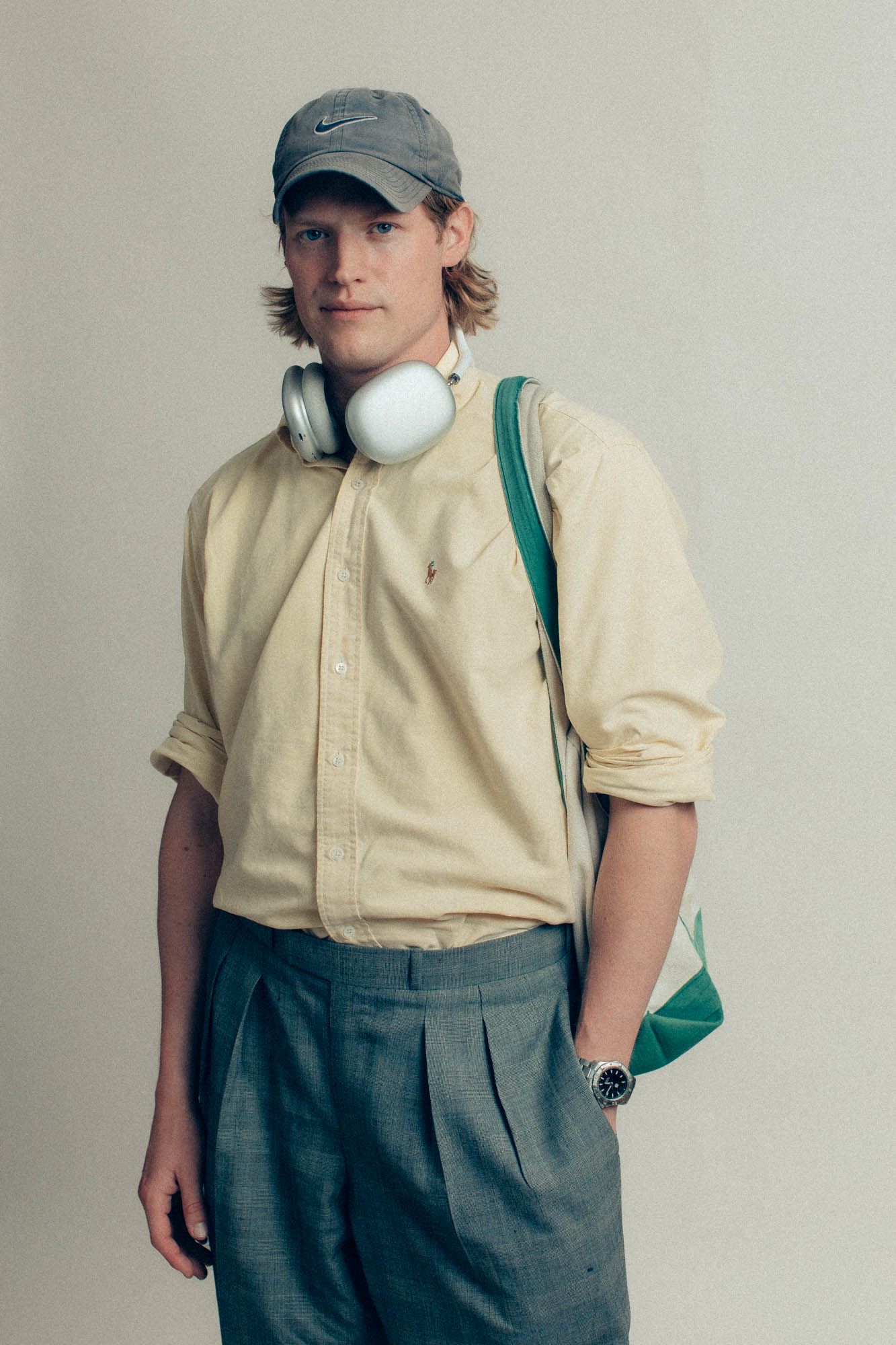
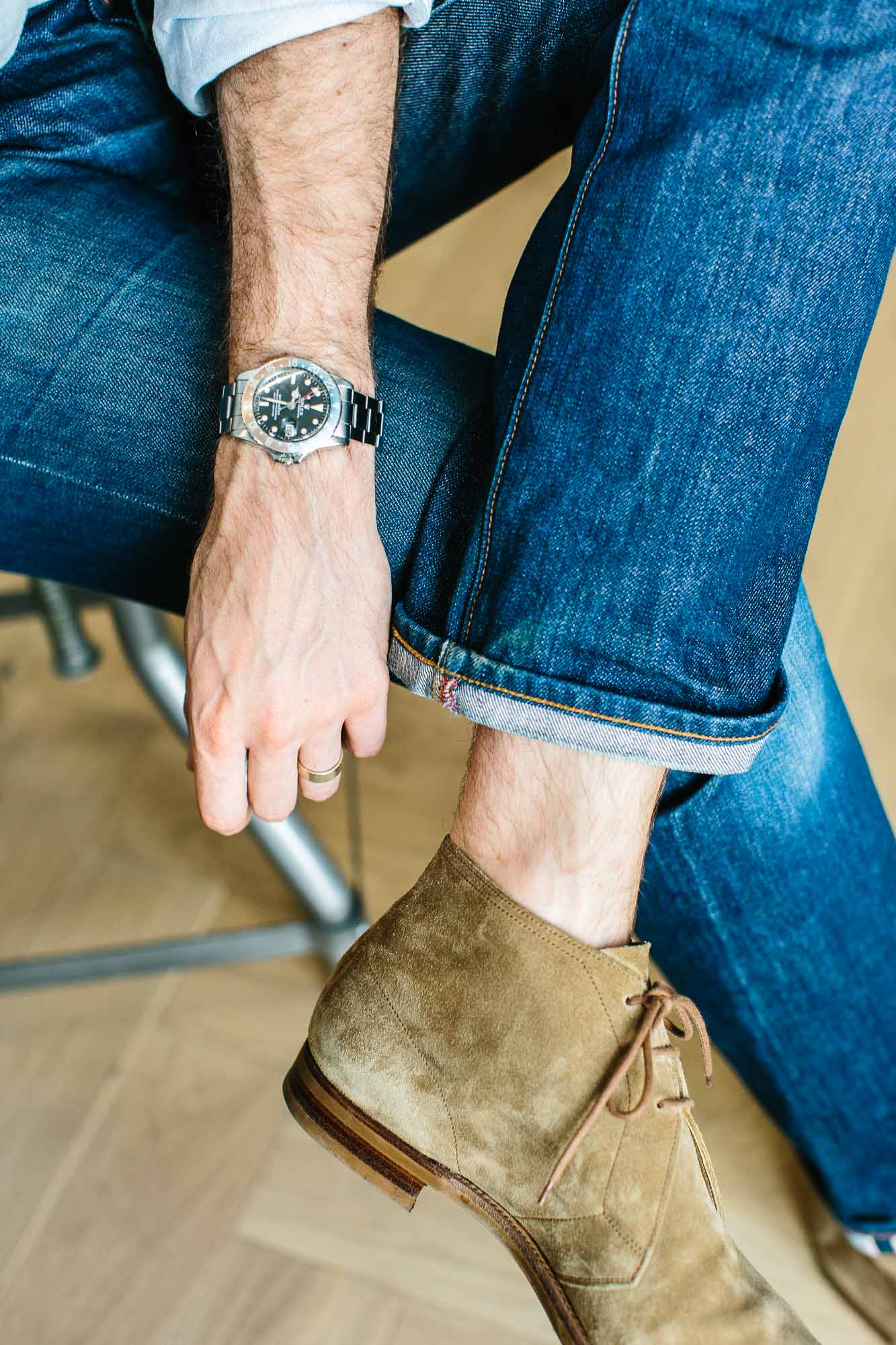
However, I do think they could be more fundamental to a wardrobe for someone else. I know Alex Natt wears his Red Wing Peco roper boots in that way, as the cold-weather option alongside non-western clothes like a short waxed jacket, and it looks great. People like Ben Chamberlain - manager of the London Bryceland’s store - does something similar. 

In fact, if anything my experience with western boots so far has emboldened me, made me think I could wear a regular cowboy boot as well. If it was in a dark leather, I could wear them as I wore the fitting boot here, in winter, quite easily I think. 

They would still be that nice alternative, but that was always going to be the case. It’s still a big step from my original fear that western boots would simply look ridiculous. 

As is often the case with an unusual piece of menswear, this article has become about whether to wear something, rather than the maker themselves. 

That was the point of the first piece really, so I want to emphasise here how impressive Zephan’s fitting was, and how much I’d recommend Parker Boot Co to anyone else looking for something along these lines. 

You’ll be in good hands, and when I do finally get to return to Texas, he’ll be my first stop. 

Zephan’s boots start at $2500 and are all made custom, to order. Like many custom bootmakers he is in high demand, with a current delivery time of 16 months. The other clothes shown here are:

Please come to the Permanent Style Anniversary ‘Open Day’

Please come to the Permanent Style Anniversary ‘Open Day’

Friday, June 2nd 2023
||- Begin Content -||

OK, so at the end of last year Permanent Style turned 15. We’ve been trying to think of ways to celebrate with as many people as possible, and this is the idea. 

On Tuesday, June 27th, we will have an ‘open day’ at the pop-up shop, number 20 Savile Row. All day long there will be drinks and food and music, and Jamie Ferguson will have a mini-studio where he will be shooting portraits. 

The idea is that anytime during the day, you come by and share a drink with us, to say well done, or thank you, or why the hell are you still here. We toast, we chat, and if you want you can have a great shot taken. 

In the morning there will be free coffee and pastries. At some point in the afternoon we will subtly switch to beer and the music will step up a notch. There will be a bench outside. The weather will obviously cooperate and be sunny. Everyone will be chilling out and having fun and gurning for the camera. 

That’s my hope. If no one shows up, it will just be me, Lucas and Jamie, taking turns to pose. Please don’t let it come to that. Swing by during work, during lunch, after work (we’ll be open until at least 7pm) and come help us celebrate. It would mean a lot to me. 

(We will also bring along two or three samples of products that will be launching this Autumn - mostly new colours of existing products, for a sneak peek.)

Details:

  • PS Open Day will take place at 20 Savile Row
  • On Tuesday, June 27th (2023)
  • From 10am, until 7pm (or so)
  • As well as coffee, pastries, beer and wine, water and non-alcoholic drinks will be available throughout
  • Completely up to you whether you want a portrait or not. I know some will like it
  • I promise to not try and corral everyone down to something similar for at least another five years

Thank you!

Look after things you love: Repairing my Reverso 

Look after things you love: Repairing my Reverso 

Wednesday, May 31st 2023
||- Begin Content -||

It can be a little galling getting a high-end watch serviced. Given the cost could be between £500 and £1000, it's easy to feel you're spending a lot of money just to get the same thing back again. 

Perhaps it's easier to swallow if you've spent 20k of your own money; but it's rather less so if the watch is a fraction of that, or indeed was a gift. 

It was nice to witness my Reverso being serviced and repaired at Jaeger-LeCoultre recently, therefore, by the very affable watchmaker in Bond Street. 

It gave me a new respect for the work involved, and put the fee in perspective. In fact the whole process seemed closer to making a new watch than having it just checked and tweaked.

As you might expect, throughout I was drawing parallels with menswear - the artisan in the back of the store, the tools and techniques - and I concluded that the best comparison is with a bespoke suit. Like a suit, care and maintenance doesn't make the thing look better (unlike shoes, say) but it is what the piece of fine craft deserves, and it also brings you closer to it - making you re-evaluate and value your possession.

There are a few things that go wrong with watches over the years, but some of the main ones are oils drying, screws failing and water damage. 

The first two are so common that they're part of the standard service procedure - cleaning and oiling, replacing all screws. The watchmaker gets a blister pack that contains all the likely required parts, and it's a surprising amount. The mainspring is also replaced by default.  

First though, the entire watch has to be taken apart, starting with the case and then working inwards. The pieces are placed in a segmented plastic tray, and it's important to remember which is the top and bottom: because of the natural smoothing of the gold, the two ends (horns) won't fit as smoothly against their opposing ends of the case. 

When the front of the case has been removed and the whole movement taken apart, the balance spring and balance wheel are then put back in

This is so the watchmaker can check how they’re running, and in my case finding that the spring was a little bent (one of the possible reasons it was running slow).

The incredible thing to me is that he then unbends it with a pair of tweezers. How this can be done precisely enough, on such a tiny spring, I don’t know. Most of the realignment is done at this stage, then there’s some fine tuning when the watch is put back together. 

This stage uses a finer pair of tweezers than the ones used to deconstruct the watch. The points are so fine that they would apparently snap if used to remove the jewels. Each time he uses them, the watchmaker also sticks them in something that looks like Blu-Tac. Apparently it’s Rodico, which doesn’t lubricate them (as I thought) but removes tiny bits of dust. 

It’s harder for Robert the watchmaker to work in this space - in the back of the Old Bond Street atelier - than in the main repair centre, which is in north London. 

That larger space has a ‘positive pressure’ system, where filtered air is blown in through the roof, creating pressure that pushes air out whenever someone opens a door - so it’s much harder for dust to come in. In Bond Street there is no such system, and there are more random people (such as us) coming in and out. 

When Robert took the hands off my Reverso (top image above), it was clear the watch had become magnetised because one hand immediately jumped up and stood vertically off the face. 

The problem with the parts being magnetised is that they become attracted to other parts of the movement. The balance spring, for example, may be attracted to one part but repelled by another, making its rotation less smooth. 

Another is a stray drop of oil, perhaps sticking two loops of the spring together. Some parts of the watch are put in a treatment liquid as part of the repair process, to give them greater surface tension and make sure oils stay stuck.  

Magnetisation can happen fairly easily, through prolonged contact with the speaker of a mobile phone for example. Fortunately it’s an easy thing to remove: the watchmaker just places it on a small black box (above), presses a button and it’s done. It's also something anyone can walk into the JLC boutique and ask to be checked.

According to Robert, little Reversos like mine are some of the hardest movements of this type to repair - there’s little room for error and they can be unpredictable. Colleagues of his that have worked on far more say sometimes a service can take a few hours, sometimes days. 

I have to say, it was really nice seeing the movement of mine taken out and being able to hold it. It’s such an exquisite thing - and all finished beautifully, even though it’s never seen. 

In a way, it’s a shame the watch doesn’t have an open back, so that could be appreciated. But of course that would take away from a fundamental aspect of the Reverso - that it can be flipped around so the back faces outwards. I’ve actually thought about ways to decorate that over the years, but have never taken the plunge. Maybe some other day.

After the deconstruction, testing the balance spring and a few other checks, the trays containing the parts are all placed into a desktop washing machine - which uses a nasty ammonia substance to cleanse (below).

That takes a few hours, including two rounds of drying, and then the watch is put back together with oil being added throughout, and each stage tested again. Further parts are replaced, and all the new screws are put in. I also had the crown replaced, the hands (they had become a little oxidised) and the crystal. As I said, it felt closer to building a new watch than just servicing. 

The standard service fee of £570 included all these things, and polishing, but the new crystal cost £230. 

I have to say I always found watch boutiques a little intimidating, or perhaps just off-putting. It’s probably that sparse, shiny look of luxury retail, plus the security guard.

But this experience, together with my one at Omega recently, have warmed me up. It’s a mixture of the service and the people: everyone at Jaeger was genuine and knowledgeable, unlike the vast majority of fashion boutiques, and advice seemed to be considered part of the benefit of ownership (try going into most big brands and asking about repairs). 

Plus it’s nice to know there’s someone like Robert in the back of the store, beavering away, cracking jokes and chasing a misbehaving screw across the worktop. 

Thank you Franck, Laurene, Stefania, Robert and everyone else at JLC for taking the time to explain everything to Alex and myself, watch naifs that we are. 

Most JLC customers are not permitted to see watch services in progress, and a lot of servicing is done in the separate, larger location. But hopefully this piece gives some insight into the work that goes into it. 

My Reverso is yellow gold, ref 250.140.862, from 1997. I bought it second hand 12 years ago. The clothes pictured are:

Solakzade glasses and jewellery (plus Goro’s)

Solakzade glasses and jewellery (plus Goro’s)

Monday, May 29th 2023
||- Begin Content -||

Every day we were in Tokyo and walked down Omotesando Hills, there would be a long queue on a rail near the metro station. 

We assumed the queue was for some hype-driven 'drop' of streetwear, and to be fair most of the time they were. But these patient Japanese were there for a shop founded by a now-dead silver craftsman, the first Japanese to be allowed to participate in an American Indian Sundance rite. 

Goro Takahashi died in 2013, but in his lifetime he became a legend for his Indian jewellery and leatherwork. He started in 1956 and set up the Omotesando shop in 1972, and the look he popularised still persists today - it’s the same feather-dominated jewellery you see in many workwear stores.

The reason there’s usually a queue outside his shop is that the jewellery (now made by a team run by the family) is only available there; he never wanted any stockists. Ironically this means buying a piece is similar to acquiring a hype brand: you need to queue, join a raffle, and can only buy one each. 

Goro’s mismatch of demand and supply has created that same dynamic, even though the object of desire is fine jewellery rather than a cheaply made T-shirt. 

Today’s article, however, is not about Goro’s (though if you want some and can’t get to Japan, the best sources are resell sites like Rinkan or Grailed.) 

Instead it’s about the vintage eyewear dealer and jeweller Solakzade, who occupy the two floors below. 

I mention Goro for context, as Solakzade are the only other tenants allowed in the terracotta-painted building that Goro acquired in the 1990s, when he was under pressure to move out of the increasingly commercialised district. It is a point of faith to Solakzade that they work under Goro’s blessing. 

I first met the founders Ryo and Tatsuya Okamoto four years ago, when Kenji Cheung of Bryceland’s briefly introduced me (he’s a big customer). And to be honest I found them pretty intimidating. 

They both tend to wear large, bold sunglasses, multiple types of jewellery, and clothing they design themselves - often religiously inspired. Their father was a buddhist monk, their mother a Christian, and those traditions come through in the shop as well as how they dress.

It turns out the brothers are absolutely lovely, however - just quiet, and intense. This time we had an hour talking through their passion for sunglasses and hand-made jewellery, and it was frankly inspiring. 

The shop is very personal, in several ways. Ryo and Tatsuya designed it themselves and even built parts of it, including the large carved doors on the first floor. Inside, they are keen to take a lot of time with each customer, learning what makes them tick and what piece would suit their personality. 

“Eyewear and jewellery used to be much more personal, designed specifically for the individual,” says Tatsuya, who does most of the talking and whose English is considered, careful.

The brothers both talk about things like getting the customer “to open their heart”, or that the resulting piece “becomes like an amulet, something protective”. This could sound woolly, even phoney, but when you meet them you're in no doubt: they are completely sincere and take what they do very seriously. 

It’s also hard to argue with the results. Someone like Kenji, who amounts to an obsessive collector of eyewear, reveres them, and even though they keep a low profile (perhaps even because of that) the likes of Kanye West and Kate Moss are regulars. Bob Dylan was due in the day we visited. 

“We do want to cater to everyone, every personality and taste,” says Tatsuya. Price is obviously a barrier, as frames start at £300 and run into the thousands, but they also believe only certain styles suit certain people - students, artists, professionals. 

“Some people wear these big frames that don’t suit their personality or their face,” he says. “It takes time to walk through the design history and see what works.”

In my small way I agree, having tried many styles over the years and made various mistakes. People tend to think they can wear a much wider range of glasses (even sunglasses) than they can. See articles on Bonnet analysing my frames or the value of good advice

The shadowy Solakzade space - full of gold mirrors and seventies chandeliers - is essentially a history of 200 years of eyewear, ranging from 1940s Ray-Bans to futuristic Philippe Chevalier styles, rare Cartier designs to rose-tinted 1990s Gaultier frames. 

Tatsuya’s favourite period is the 1960s: “It was the point at which the classic turned to the modern,” he says. “There was a lot of energy then, everyone trying new things.” Again the word ‘energy’ comes up a lot when discussing both glasses and jewellery, but you know what he means, indeed when you start talking in those terms you can feel it in the designs - how subtle or dramatic they are, how conservative or original. 

The jewellery is more expressive and personal still. Again this is something I’ve always thought about jewellery (which is probably why I remember him saying it...). 

Jewellery should be special, even unique. It used to be made for someone as a result of an interaction with a craftsperson, and in that way is more akin to a tattoo than a piece of clothing.

Like a tattoo you wear jewellery close, next to the skin, and men’s jewellery is often hidden. It doesn’t make sense to follow a fashion or have the same as everyone else. 

“There is so much symbolism in jewellery,” says Tatsuya. “Some people used to wear a centipede, for example, because it’s an animal that cannot move backwards - it’s about never being able to retreat or give up.”

The jewellery part of Solakzade is a little more recent, founded five years after the eyewear. It’s also a little less accessible, although the brothers have recently started making their own: “We wanted to practise the craft, not necessarily to sell but to understand them from the inside,” says Tatsuya. 

One result is the gold earrings below, which both the brothers were wearing. Each is hammered by hand into different but similar permutations, in 24 carat gold.  

Like Goro’s, Solakzade’s vintage eyewear is not something that can be easily accessed, as you need to visit the shop. The only easy way to buy into it is through the pieces they make for Bryceland’s - the Winston and Politician styles. (Winston below on me.)

Still, I know a lot of readers were asking about recommendations for places to visit in Tokyo and this would certainly be one of mine. Some shops should be destinations, just like Bryceland’s used to be before London, before e-commerce. 

At least there’s no queue or raffle system for Solakzade, yet. 

Solakzade: 4 Chome-29-4 Jingumae, Shibuya City, Tokyo. Opening hours are 2pm-7pm. 

www.solakzade.com

How to correct a flattened lapel

How to correct a flattened lapel

Friday, May 26th 2023
||- Begin Content -||

Sometimes the lapels of a jacket can get squashed in the wardrobe, making them fold at a point they’re not supposed to (the ‘break point’). 

It happens particularly with jackets that have more intentional roll, such as a ‘three-roll-two’, where the jacket has three buttons but breaks a little lower than that, between the third and second button. 

This is a style you find more often with southern Italian tailoring - and it’s more likely to go wrong with Italian tailoring too, because the canvas in the lapels and chest is that lighter than an English jacket. French tailoring is more vulnerable to it for the same reason. 

You can see the problem in the photo of my Ciardi gun-club check jacket below. Both lapels have been squashed to the point that they’re rolling almost the bottom button. The top button is completely hidden behind the lapel. 

Fortunately, fixing this is fairly easy, even if it takes a little bit of confidence and practice for it to feel like an everyday task.

In the video below, I asked Enzo Ciardi to quickly demonstrate. 

Now, bear in mind this is in his hotel room in London - so he’s having to use a hotel iron. Normally he would use a heavy tailoring iron and a suction table. Although it is nice to have it demonstrated like this, because it shows how easy it is to do it at home. 

The process breaks down as:

  1. Remove the existing fold that’s been squashed into the jacket:
    • Lay the jacket on the ironing board with the lapel folded outwards
    • Lay a piece of cotton (eg a tea towel or handkerchief) on top of the lapel
    • Press the length of it with the iron, set on moderate steam and heat, but feel free to use plenty of pressure
    • Repeat until the fold has disappeared. Often this is enough to return the original roll. But if it's not-
  2. Put the correct roll back in:
    • Fold the lapel over until it’s at the desired break point
    • Press the gorge with the iron (the seam where lapel and collar meet)
    • Do not press the break itself, as this will create a hard fold rather than a natural roll
  3. Hold the jacket up, or put it on, to examine the result.
    • If necessary, repeat
    • Do the same on the other lapel

As is often the case with this kind of maintenance - including polish and cream on shoes - start small and build up. You can always do more but it’s often hard to take away. 

Also, keep an eye on the top buttonhole. Often this and the top button are folded halfway back with a normal roll, and it’s when they get flattened that the lapel goes with them. Roll or bend the buttonhole slightly if it helps. 

Finally, this is not enough for extreme situations, such as a jacket being squashed at the bottom of a wardrobe. And a full press from a professional will always do a more precise job, or deal with those kinds of situations.

But I’ve done this process at home a few times with different jackets, and it has worked well. My only mistake was not to use enough force or press for long enough, but as I said it’s much better to be too cautious than too extreme. 

The result of Enzo’s pressing can be seen above, with the roll now considerably higher up the jacket. 

To avoid it happening again, make sure your jackets have enough space between them in the wardrobe. I know it’s always tempting to squash more in, but it’s a short-term gain if some of them then need repressing. 

Of course, if your tailor is local then they can also do this for you, and if you’re getting tailoring pressed once or twice a year, it would be part of the process. George at The Valet in London is my go-to presser if a tailor can’t do it. 

Any questions before you try it yourself, let me know!

More on how to look after your clothes in the Alterations and Care category of PS. Including:

Packing for travel: My Japan capsule wardrobe

Packing for travel: My Japan capsule wardrobe

||- Begin Content -||

I thought it would be interesting to do a post on what clothing I packed for my recent Japan trip. People always seem to like these capsule pieces, although this trip was particularly challenging for a couple of reasons. 

First, I needed a full range of clothing from smart to casual. I would be meeting tailors and vintage buyers, covering bespoke shoes and leather jackets. Dressing in a similar way wouldn’t be absolutely necessary, but I find it gives the right impression. 

Second, I would probably be buying quite a lot of clothing there, so I wanted to take the minimum with me. Everything had to work with everything else - to give the maximum number of outfits with the smallest volume of clothes. 

Below is what I packed, and above and below are some of the resulting outfits. 

The first thing I start with, when putting together a travel capsule, is jackets and trousers - ideally I want all of them to work together, but cover a range of situations. 

For jackets/knits I went with:

  • My J.Mueser wool/silk/linen herringbone jacket, because it’s the only summer jacket I have that works really well with both tailored trousers and jeans. 
  • A vintage Jungle Jacket, because it is more casual but also works with jeans and just about with smarter trousers. It’s also great for travel with all those pockets.
  • A navy crewneck from Colhay’s. This could function as outerwear if needed, just going to dinner on our own for example, and the navy would go with everything, but it could also be layered.

Then on the bottom:

  • Light-grey high-twist wool trousers, as they’re nice and summery, good for travel, and smart without being quite as business-y as mid-grey.
  • Vintage blue Levi’s as it would be the most casual option but still go with both the jackets.
  • White jeans as white is so versatile, and given it was going to be warm and usually sunny, they’d pretty much always be appropriate.

Next was the shirts and T-shirts. Again, everything ideally to go with everything, but by picking jackets and trousers that were really versatile, it meant most shirt colours would work. I went with:

  • Lightweight white-cotton button-down
  • Pink PS Oxford
  • Vintage light-blue chambray

The only combination that wouldn’t be great, at least on its own, would be the white shirt with white jeans. But a belt separating them would help, and it would be OK with the knit or jungle jacket over the top. 

Texturally, these were also picked so they worked with both jeans and the smarter high-twist wool trousers. I also packed a white and grey T-shirt - both to wear on their own under the jungle jacket, and as base layers under a shirt or knit.

Last major category: shoes. Now the issue I find with shoes is that when you’re travelling, a pair might start to give you pain one day for no apparent reason, or get soaked through in unexpected rain, or for some other reason not be wearable the next day. 

So in some ways they have to be most versatile of all, with one pair easy to swap in for another in the next day’s outfit, without any issues. 

This means these all pretty much had to be loafers, and in versatile materials like suede and cordovan. Still, the three I picked are sufficiently versatile that they still presented a range of options:

And finally, some bits around the edges:

  • Two hats, a PS watch cap in navy and my Cal cap, for sun and for warmth
  • Three scarves, because they weigh nothing and add a little interest/decoration as well as warmth. A PS Arran scarf in navy, an old blue cotton bandana, and a long, thin Hermes silk
  • My Connolly beige cardigan, as it could be layered under either jacket and actually looks good with both a shirt and T-shirt. I also ended up putting on a grey Colhay's crewneck when I left for the airport in London, because it was colder than I expected.
  • Two watches, one smart and one casual, my Tank and my GMT
  • Two pairs of sunglasses, a belt, a couple of badges

Luggage wise, I use a big Rimowa and take a canvas tote bag (Ichizawa-Hanpu, recently restocked at Trunk) as the latter is so light and packs away if not needed. 

I also needed to take my Yohei Fukuda oxford shoes so that Yohei could see the fit in person (he’d never seen them on me) ahead of maybe ordering a second pair. As you can probably imagine, it killed me that these were extra and basically worked with no outfits… Oh well. 

The packing was made immeasurably easier by the weather, which was warm and promised almost no rain. No need for hats or coats. 

And what did I get wrong? I think the only thing was not bringing my Doek canvas shoes, as a bit of a break from loafers. It’s just like going to Pitti in the winter: I never pack a big shawl knit, but I always want to put something like that on in the evening, after nothing but tailoring.

Any questions on any of the clothes or outfits, do shout. 

The state of independent menswear in the UK

The state of independent menswear in the UK

||- Begin Content -||

By Lucas Nicholson.

With the closure this year of the Oi Polloi shop in Manchester by its owners, JD Sports, it felt like it was an appropriate time to talk about the state of independent menswear stores in the UK. 

This is something of a passion of mine. I spent a large chunk of my time as wholesale manager at Drake’s visiting UK stores and trying to find potential partners - and there was just less and less out there.

It’s easy to understate their importance. Historically these multi-brand stores were the ones that developed subcultures, that eventually become movements, which become fashion. They and their visionary owners had an effect on the mainstream that few consumers realised.

You might be familiar with the concept of Gorpcore, where outdoors-focused clothing is worn in an urban setting. Arguably this is something Oi Polloi had been pushing for 10 or 15 years, and what was once an obscure subculture has only just emerged into the mainstream. 

Yes, the look came from the terraces, where the practicality was driven by a need to stand outside in football stadiums in the bleak rain and chilling wind. But Oi Polloi had an undoubted influence, and in other areas too.

They were one of the first stores in the UK to stock the French footwear manufacturer Paraboot, for example, at the beginning of what can only be described as their meteoric rise in popularity. Oi Polloi were constantly on the search for great brands around the globe, and were willing to take risks on them.

Having worked in menswear for the past 16 years, and taken an interest in a number of different styles, I often found Oi Polloi content (above, below) the most inspiring. I looked forward to their emails: they were refreshing and had an authentic voice. 

This is something big department stores and chains rarely do: there is no central taste, no guiding intelligence.

And to clarify, when we say independent menswear, we don’t mean a local outlet that sells Eton shirts and Canali chinos. There’s nothing wrong with these shops, but their chief selling point is convenience - they’re largely providing local access to bigger brands like Moncler, Paul Smith or Ralph Lauren Polo, and selling based on that brand appeal.

Independent stores sell off their own personality. Their range is based on the tastes and interests of their founders. And without the burden of bureaucracy that comes with being part of a chain they can take chances, breaking brands into a market based on nothing more than a feeling - a never-ending quest for something interesting and new.

Because they’re not relying on big brands they also often spend more time telling stories, and are more deeply invested in them; being small means everything is a risk. 

Take the enigmatic owner of Trunk, Mats Klingberg (above). Trunk is such an outward representation of Mats's style and his personality. When Trunk opened no one else was selling Incotex, Boglioli or Common Projects. Today they’re everywhere, but the store still has that same aesthetic. It’s a window onto the life he leads or wants to lead. The customer senses that: the focus on travel-friendly clothing, the minimalist expression and the trinkets picked up along the way.

Or Basile and JB at Beige (below) in Paris, who in my humble opinion are the modern voice of Parisian dress sense. When you visit the store (myself and Simon were there the other week) you are immediately taken by how the store is designed. Not just the product, but how it's all put together. They were the first store I knew that sold Rocky Mountain and Doek, and now those brands are everywhere. 

Actually it reminds me of a conversation I was having at Pitti with Simon, the Rubato guys, Jamie Ferguson and Alex Natt (apologies for the name dropping!).

We were talking about the importance of a symbiotic relationship between creation and curation, between brands and retailers, designers and critics. It became incredibly impassioned, because I think everyone takes this so seriously - it is the lifeblood of a healthy industry. We need stores to unearth interesting brands and take a risk on their stock, just as much as we need the people that create those things in the first place.

The only way these places will survive is if we support them as consumers. 

Let me give an example. I recently took a trip to Mexico with my parents to celebrate my Mum’s birthday. For the trip my Dad needed some swim shorts, and he’s a fan of Patagonia Baggies. (I think they could be the perfect swim short, but I digress). He came and asked me where he should buy them.

Baggies are ubiquitous and can be purchased from both ASOS and Mr Porter, but as I knew my Dad wouldn’t be bothered about saving a few pounds on a pair of shorts I suggested he check out Peggs and Sons in Brighton.

I met Ian Peggs (below) during my time at Drake’s and was always impressed by the store but also by the man himself, his no-nonsense approach; he didn’t fluff and make grandiose statements about buying and then not follow through. He knew his business and what he could do and couldn’t. (Peggs also had some of the more interesting colours of Baggies, ideal for a tropical vacation!) 

The shorts arrived the next day nicely wrapped. The service was excellent and timely. Now e-commerce can be a great leveller, enabling small stores to compete with the big boys, but it’s also easier for bigger players to offer discounts, or free shipping.

It's important to remember that behind that website is a small store that may need the extra pounds to pay for their store, which can be a gateway for guys to get into clothes in a particular city, provide a level of community that can’t be replicated online, and add a different voice to the world of menswear. 

In order to try and help PS readers support these good, independent menswear stores, I though I’d list a few of my favourites. 

The list below is by no means conclusive, so if you have any to add please do so in the comments. Some may also be more focused on styles that do not relate to you, for example by being more casual. But I think it’s important to include them - most of us will at some point need some shorts like Baggies or a Sunspel T-shirt, so why not buy through them?

Not all independent stores are worth celebrating, and some bigger stores are great too.

But the UK used to have a thriving independent scene and it increasingly doesn’t. Small stores have closed, bigger ones like Oi Polloi are going too, and the ones left are often turning to own-brand products or taking fewer risks, simply stocking what someone else has made popular. Ultimately monopolies are no friend of the consumer. 

Here are my personal favourites in the UK. Feel free to list others elsewhere in the world, but bear in mind my points about what makes an independent select store - the unique brands, the point of view. And support this crucial part of what makes menswear enjoyable and vibrant.  

Trunk - PS favourite, located in Chiltern St, London. Trunk delivers on modern classic menswear, with a mix of tailoring brands and more interesting casual wear options such as Arpenteur.

Peggs and Sons - Based in Brighton, Peggs sells premium menswear on the more casual end of the spectrum. Though it does have some more elusive brands for the UK, such as Visvim, Kapital and Arc'teryx Veilance.

Dicks - Located in Edinburgh and previous winner of a PS award, Dicks has been selling high-quality casual clothing for a while now. Think practical but well-made things such as Harley shetlands and Valstar

Kafka - Another Scottish menswear outpost, in Aberdeen and focusing on the workwear end of things, stocking Yuketen, Orslow, Snow Peak.

Local Merchants - Recently opened store in Leigh on Sea; when I spoke to them last they were trying to find brands that don't have a presence in the UK, which ended up with them becoming the first UK stockist of Informale and trouser brand Berwich. 

The Bureau Belfast - Iconic menswear store with some niche selections. Their Alden Collabs are a thing of legend. They also have a special Engineer Garments line. 

All Blues Co - Mano the proprietor has been digging up South Korean brands for the last few years and mixing it with classic French workwear - think Vetra jackets and JM Westons. 

Clutch - Known and loved as the London outpost for all things Japanese-y. Heavy on the workwear and cowboy angle but also some classic replicas and Scottish knits. 

A guide to vintage in Japan: Harajuku, Koenji, Osaka

A guide to vintage in Japan: Harajuku, Koenji, Osaka

Friday, May 19th 2023
||- Begin Content -||

There are more vintage shops in Japan than anywhere else. Particularly in Harajuku, the fashion area of Tokyo, and in Koenji, a district about 40 minutes from the centre. 

But elsewhere too - Osaka, traditionally a fashion centre in Japan, has high-end places like Acorn as well as scores of modern pre-owned shops. And even somewhere small like Kobe around the bay has better vintage than London. 

Vintage has become so popular that it’s increasingly specialised. In Ginza, the posh area of Tokyo, there are multiple shops selling pre-owned handbags, one of the most impressive being Allu, which has five floors of Hermes and Chanel. In Harajuku, the Berbejin group opened a new store just to cater to the nineties fashion of authentic band T-shirts and black Levi’s.

People buy vintage for lots of reasons and they don’t necessarily overlap. These include price, access, historical significance, uniqueness, quality and character. The good thing is that in Japan you feel each segment is catered for; it’s a knowledgeable market, so finding an absolute bargain isn’t easy, but what you want will be there somewhere. 

Below are the three areas we focused on during our visit - Harajuku, Koenji and Osaka - with the favourite shops in each, plus some observations along the way. 

HARAJUKU

In Harajuku the vintage is mixed in among big brands and teen fashions, which is slightly confusing, particularly given the neighbourhood’s hectic pedestrianised streets. 

Some like Berbejin are well known, others like Jumble less so, but it’s worth persisting - each often has a speciality, whether it’s military dead stock or grungier styles running from 1940s leathers to 1990s metal.

I should say that we owe a debt to Ethan Newton who showed us round some of his favourites. It turns out Ethan doesn’t just have a great eye, but is a great personal shopper too - some of the best things Alex [Natt, photographer] and I bought were his suggestions. 

Berbejin - One of the best known, and usually busy. A range of Americana, military and sporting clothing, but a good, fairly high-end selection. The military stuff is at the back, the rare denim downstairs.

Fake Alpha - Part of the same group, but with more of a focus on older Americana and denim. Plus some deadstock on the right-hand side. 

2nd Street by Jumble Store - 2nd Street is a chain of second-hand shops, most of which are more fashion-orientated and modern. But the downstairs of the Harajuku branch is really good, with nice pieces reasonably priced: I picked up a pale-pink rayon jacket for £90. As elsewhere, the most expensive and rarest pieces are the ones hanging from the ceiling. 

Pigsty - Also a chain, and the one we went to in Osaka wasn’t great. But this one, in Harajuku, was better. Like Jumble, it’s slightly cheaper than the likes of Berbejin but with some nice pieces. I got an old faded yellow Harrington for about £65 (though bear in mind the exchange rate is good right now.)

Banana Boat - Good for dead stock: vintage clothing that has never been worn. There is some other vintage too, but it’s mostly high-end. The fact everything is in plastic wrapping (like a comic-book store) is a dead giveaway. 

Laboratory - Good for band T-shirts, and quite a grungy selection overall - modern upstairs, older downstairs (as is often the way). A little cheaper than Berbejin and its kin, but the product isn’t as pristine either. 

Vostok - I found some really good things last time I was here, back in 2019, but there was less this time around. There were some good Levi’s, though as with most categories that have become uber-popular, they were very expensive - £700 and over. 

KOENJI

Koenji feels like a real Japanese neighbourhood - less prosperous, with the only tourists here for vintage (though even they don’t usually make the journey). More like a place for the purists.

Most of the shops are scattered around the area to the south of the train station, in the covered shopping area and the streets around. Though a surprising number, like Whistler, are also three or four streets away, almost as if they want to be hard to find. 

There’s so much vintage here - particularly somewhere like Whistler - that it’s worth reminding yourself in advance what you’re there for. Personally I find it helpful to have a small hit list of (for me, 40s US chinos, a rayon jacket, some interesting sunglasses) and use that to focus, but also be open to inspiration, browsing and flicking and generally staying open-minded. As I’ve written before, I often find that the most enjoyable aspect of vintage. 

Safari - Safari is the best known of the vintage shops in Koenji, but is actually six shops, each with different specialities:

  • Safari 1, the best and what most people would call vintage
  • Safari 2, more modern American, Ralph Lauren etc
  • Safari 3, European classic menswear and tailoring
  • Safari 4, contemporary, trainers and outdoor/hiking clothing
  • Safari 5, European and designer labels
  • And Safari Gallery, antiques, furniture and art

Whistler - A little bit of a walk away, Whistler specialises in American clothing and has an amazing range of footwear. As one shoemaker put it, he could learn the entire history of American footwear by browsing those shelves; Alex bought a great pair of unbranded demi-boot moccasins. Make sure you go upstairs too (separate entrance): that’s where I found my 40s chinos. 

Trunk - Mostly European, real vintage to modern, so hunting jackets mixed in with Hermes leather. A really nice curation. 

Suntrap - Quite high-end, with some new clothing alongside vintage Americana. Unusually, they have an online shop too

Big Time - A chain, with branches around Japan. As their online shop shows, it’s also quite contemporary in most places, but the Koenji branch is more vintage and typical of places on the main strip here: large, rambling but worth sorting through. 

Small Change - Similar to Big Time: men’s and women’s, a little patchy, but also cheaper and with a big range. 

Oh and if you go to Koenji then do pop into Terry Ellis’ shop, Mogi, which mixes new and old clothing with folk art. Feature on that coming separately.

OSAKA and KOBE

Shopping in Osaka opened my eyes to how big pre-owned clothing is in Japan. In some areas there were almost nothing but second-hand shops, and there was one entire alleyway with tiny specialist places.

The way younger people wore vintage, too, was inspiring - mixing strange militaria with noughties designer labels for example. It brought home how much second-hand clothing allows people to express themselves, because there are so many eras and styles. 

However, the vast majority of shops in Osaka sell what some call ‘new era’ vintage - broadly from the 1980s onwards. It’s mostly for style and uniqueness, rather than quality or significance, and while really interesting, it won’t be what most readers are after. What we list here are the exceptions. 

Acorn - Simply the most high-end, curated vintage shop I’ve ever been to. Not a large number of pieces on display - perhaps 200 - but the most sought-after versions of everything. Three M65s, in three different sizes, all perfectly faded; five pairs of big-E Levi’s in unusually wearable sizes and condition; ditto three French moleskin workwear jackets; ditto sun-faded hoodies; and so on.

Nats - The opposite, almost. Across the street from Acorn, a huge place with thousands of items in the back (above). This still isn’t thrift, but the range is so much larger (in style, in condition, in price) and rewarded going through rack after rack. 

JAM - One of the new-era places, but that does mean it’s cheap and there’s a big selection. If you’re interested in more modern pieces (made-in-America Carhartts for example) it’s worth a look. 

Magnets - Kobe and Osaka are essentially one city, as the industry is so spread along the coast, but the streets of Kobe have a different, more seaside feel. This little vintage shop is run by an ex-McCoys employee and is really nice; not worth travelling for, but certainly popping into if you’re in Kobe. 

Junk Shop - A charming shop in Kobe, with multiple levels. The mid-level has an interesting mix of eras of outdoors clothing, nicely presented and curated. It feels like a regular outdoors shop until you notice most things are vintage. The top floor has a wider range - none of it pre-1960s, but again a good selection. 

As to what I bought, apart from the two jackets and chinos mentioned, there were two pairs of jeans - one 90s and cheap, one 60s and expensive - a pair of Ray-Ban aviators and a forties suede jacket. The latter was from Safari and will need some repair work, but that meant it was half the price. And I know Cromford will be able to do it.

I’m sure all will appear on PS at some point, and we can talk then about the ins and outs of them. 

In the meantime if anyone has any questions about this list - I’ve had dozens of messages already from people wanting tips - please just let me know in the comments below. 

The good jeans - behind glass - at Safari 1
Upstairs at Whistler
Trunk in Koenji
Nats in Osaka
Alex being asked to pose in Omotesando

Assisi bespoke double-breasted tweed: Review

Assisi bespoke double-breasted tweed: Review

Wednesday, May 17th 2023
||- Begin Content -||

Readers who saw the first article on Assisi, the Korean tailor that made this tweed double-breasted jacket, were impressed with how the fit was looking, and they weren’t wrong. 

It’s a very well cut piece of bespoke, with a three-dimensional shape that really drapes around the body - suggesting the wearer’s shape without ever clinging to it. Another reader (I do love our discerning readers) made the observation that it embodied the sentiment of this Hardy Amies quote:

Good design and making of clothes must always ‘honour’ cloth; must disturb cloth as little as possible. Undisturbed cloth makes the wearer appear at ease and is pleasing to the eye of the viewer.” Amies’ words capture both what’s lovely about this cut and what - in my view - has been wrong with most tailoring for the past 20 years. 

Of course, Assisi had the assistance of a fairly thick material (Harris Tweed) and they favour a looser style, both of which make an undisturbed fit easier. Without taking anything away from them whatsoever, it would be harder in a close-fitted 9oz worsted.

The quality and finishing of the jacket is also good, with neat hand-sewn buttonholes and a top-stitched lining. 

You can see from the images of the buttonholes that they could be finer - it’s not the level of handwork you’d get from Savile Row or Milan, nor from Paris and small English houses above that, but it’s still better than some from Naples, for example. 

And there are nice touches, like the mirroring of the herringbone pattern around the in-breast pocket; even though that is also a separate piece from the rest of the facing. 

It feels pertinent to mention price here. Although Assisi are not and don’t see themselves as a lower level tailor, the houses in Paris or Milan we’re mentioning would be charging more than twice as much: over $6000 rather than $2950 for a suit. And the fit is certainly on a par with them. 

The Assisi construction is very light. There is only a single layer of canvas and only a little padding at the end of the shoulder. 

This is in common with Assisi’s Neapolitan influences as regards the shoulder, though the Milanese tailors they admire would also do something similar with the body construction. As we outlined in the previous article on Assisi, there are also some Milanese influences in aspects of the design.

With a tweed like this, I can imagine some people finding the jacket too soft. You feel less of the handmade structure, and the bespoke skill comes mostly in the cut and perhaps shaping with the iron.  

I like it in a casual jacket - which for me will actually be as much short coat as jacket, in terms of functionality - but I can imagine someone that is used to tailoring outside southern Italy, and who perhaps wants a fairly sharp suit, not liking it. 

Design wise, Assisi like a roomy fit, with plenty of that undisturbed cloth we mentioned earlier. 

I like the way this looks, it’s both elegant and relaxed, and quite flattering on someone slight like me. 

However, it could border on being too big. We took in the body during the second fitting, as it really was too big at that stage. And I can easily fit a sweater underneath without making any difference to the look or comfort. 

I wouldn’t change this jacket, as it’s a winter piece that, as I said, will often function as outerwear. But anything for summer, or something smarter, I would ask to have cut a little closer. 

The only thing I might have got wrong is the lapels, which I lowered and reduced at the first fitting. The sample jacket I tried from one of the tailors had rather large lapels, and that scared me a little. 

The lapels are now noticeably lower and smaller than other DBs I have (though a certain width reduction is inevitable as the peak moves downwards - there is less space for it). I still like them a lot, and I don’t think anyone outside menswear would notice, but if I were starting again I might have them a touch higher, a touch wider. 

We’re talking small increments here, and perhaps it’s impossible to get all of these things right when you’ve never seen a finished jacket made to your particular proportions. There’s no point coming in with a set idea of width, for example, when you don’t know how wide the shoulder will be in proportion.

Also, with tailoring it’s important to consider the piece in movement, in use, rather than standing still. Those are the proportions that matter, and the lapels look very natural then. 

The construction of the jacket is such that you can fasten it on the bottom row of buttons as well as the middle (image above) - a 6x1 rather than 6x2.

I don’t especially like this look, though, and despite what some people say, using both positions  always involves some compromise in the fit, as you have to make the fronts to sit in one place or the other. 

Another small point is the buttons, which are polished and higher than I normally like. But I have my own supply from Bernstein & Banleys and can easily replace them. That’s often easier than having the tailor buy them and import them halfway across the world. 

And these are all small quibbles. By far the most important things are that I love the style of this jacket jacket and it is fitted very well. 

I know from long experience that those are the two things that will decide whether it becomes a favourite in my wardrobe, as this already has after a few outings. 

I can answer questions about style separately, in comments or in a separate article, as that’s not really the focus of this post. But just in brief, the jacket is worn with black jeans, a pink oxford shirt, a black alligator belt and Alden colour-8 cordovan loafers. 

I like this combination because it is subtle but distinctive, contemporary but with a touch of something eighties, perhaps Richard Gere with his jeans and jackets, open shirts and black denim. In the clothes, you understand, certainly not the face. 

Assisi are based in Seoul, Korea. Trunk shows are conducted through The Decorum in Singapore and Bangkok and through The Finery Company in Sydney. They hope to come to the UK and US in 2024. 

Bespoke suits start at $2,950 and jackets $2,300. The cloth is Harris Tweed C001L, 480g, from the Stornaway collection by Kenneth Mackenzie

They also offer an MTO service, with prices $2,360 for a suit and $1,840 for a jacket. Made exactly the same as bespoke, but to a ready-made block, no fitting, just selection of style and cloth. Still commissioned at a trunk show or in Seoul.

Dunhill Tailors: The brothers that dressed the party of the century

Dunhill Tailors: The brothers that dressed the party of the century

Monday, May 15th 2023
||- Begin Content -||

*This article is part of a series that looks at the history of New York’s bespoke tailoring. You can see the first, introductory article here and a subsequent piece on Bill Fioravanti here*

By Manish Puri

It’s 1966 and you’re Truman Capote.

You’ve just published In Cold Blood – a novel, hailed by the New York Times as “a masterpiece”, that will go onto become the second best-selling true crime book in history.

You’re flush with cash and preparing to host “The Party of the Century” in the Grand Ballroom of the Plaza Hotel. You’ve received RSVPs from a fabulously eclectic group - film stars, musicians, artists, tycoons, and more young princesses than Disney. The Peter Duchin Orchestra are tuning up and 450 bottles of Taittinger champagne are on ice.

But there’s one burning question: what are you going to wear?

You peer into your closet and reach for your much-loved three-year-old dinner suit. The jacket has a one-button closure, jetted hip pockets and peak lapels that are finished with silk. The label on the inside breast pocket says ‘Dunhill Tailors / New York’.

Founded in 1923, Dunhill Tailors was run by the brothers Block who (appropriately enough) hailed from that City of Brotherly Love, Philadelphia. The elder, Norman (below), moved to New York to study at Columbia College, but found the lure of the Roaring Twenties to be too strong, and quickly became “a fixture on the society nightclub circuit, a young dandy in white tie and tails”.

Norman’s father (William, who’d emigrated from Germany and subsequently built a successful real estate business) wasn’t especially impressed and demanded that his 19-year-old son knuckle down. They agreed that a boutique selling well-made clothes to Norman’s society pals would make for a respectable (and potentially lucrative) living – quite the leap considering Norman would later boast “I can’t sew a stitch”.

What Norman did possess (and I’ve found this to be true of anyone that enjoys a party) was an appreciation of how to set the mood.

And so, to infuse the fledgling business with an air of time-worn sophistication, he casually purloined a name from a local tobacco emporium called Alfred Dunhill of London - a decision that tied him up in various legal actions from 1957 to 1985, when the brothers eventually retired and sold Dunhill tailors to Dunhill Holdings for $3.25m.

(In defence of Norman, Block Tailors only really works as a brand name if you’re selling ready-to-wear).

In 1928, younger brother Leon (above) joined the business, and the pair embarked on several trips to London, commissioning suits from the great bespoke houses of Savile Row along the way.

Once back in the US, these suits were picked apart to try and unweave the rainbow of English style and structure to help inform the Dunhill Tailors house look.

Of the siblings, Leon turned out to have the better eye for design and so he was mostly responsible for the look of their custom suiting. His talents even stretched to women’s clothing, which he sold under an eponymous label because “Leon Block of Dunhill Tailors [would require] a label so big there would hardly be room for a lining”.

Not surprisingly, this criss-crossing between New York and London begat a house style that Bruce Boyer defined to us as “mid-Atlantic, a bit of Ivy mixed with a bit of British, characterised by a middle-of-the-road philosophy of everything in moderation. “Quiet yet stylish […] well-fitted garments that spoke softly but carried a lot of weight”.

It was a style that ultimately secured a place in the Met’s collection (the suit gifted by Lauren Bacall in 1967), despite the waning affections of the city’s tastemakers over the years.

This New York Magazine article from 1988, written a few years after the sale to Dunhill Holdings, pulls no punches: “All in all, it’s more of a continental (rather than Ivy) board-chairman style. In a way, that’s its problem. The suit had its heyday in the late fifties. Now it’s in need of an update, especially with Dunhill eager to attract a new generation of customers”.

That heyday style is exemplified by a selection of garments offered at auction by Bonhams in 2006.

Amongst the lots that comprised The Private World of Truman Capote were two suits - a grey pinstripe flannel and a navy wool (above) - that were typical of Dunhill Tailors in the late 50s and early 60s: “conservatively narrow” lapels, natural shoulders, side-vents, jetted pockets, three-button closure and with a slim profile to help the wearer appear trim at the waist.

After careful examination of the pattern-matching on the shoulder and sleeve, I’m convinced that the auctioned grey pinstripe (commissioned in 1965) is the very same suit worn by Capote in this renowned Irving Penn portrait (photographed in 1965).

And Capote was just one of Dunhill Tailor’s illustrious and moneyed clientele (a bespoke suit in 1982 cost $1500). “The upper crust”, as Norman referred to them, “[men who] know exactly what they are buying and can evaluate the fabrics and workmanship and styling precisely for the most part”.

Over the years, the Block brothers counted these men amongst their regular customers:

  • Cary Grant: “He developed his distinctive walk because [] he found that his clothes looked better that way”
  • Paul Newman: “A wonderful person but [] I don't think he ever cared that much about clothes and now he likes to appear in blue jeans”
  • Several Rockefellers: “We can't sell David Rockefeller of the Chase Manhattan Bank a hand-sewn suit, he happens to have a figure that can be perfectly filled in a ready-made suit from off the rack, so he sensibly takes advantage of the fact.”
  • George Hamilton: Whose Dracula they outfitted for the 1979 film Love at First Bite – presumably using a supernatural shoulder.

And, as the business grew in prominence, Dunhill Tailors responded by moved their premises uptown over the years.

Starting in 230 Fifth Avenue (which is now home to a very popular rooftop bar), then to 39 West 32nd Street, onto 1 West 52nd Street, before finally settling at 65 East 57th Street in 1955 – where they remained for thirty years until they retired.

The store on 57th Street (“the grand boulevard of Manhattan’s Crosstown routes”) was an understated but occasionally forbidding space with “dimly lighted carriage lamps, dark panelled walls and deeply cushioned leather chairs”. The kind of place that the jacket below, a cashmere smoking piece made in 1981 for John Hay Whitney, would have seemed very at home.

When an out-of-towner remarked that the premises (pictured above in a 1972 illustration by Loretta Lustig) store looked like a private club from the outside, Norman, ever the attentive host, assured him that he was open to all and demonstrated this by inviting him in and permitting the visitor to purchase $4000 of merchandise.

It was this combination of Norman’s nose for business and “debonair manner” that seduced many a customer (“one fellow told me that he went in for a couple of ties and ended up with a camel hair polo coat”) and helped grow annual sales to over $2 million a year in the mid-1970s.

By this point Dunhill Tailors were offering custom/bespoke suiting and a range of ready-to-wear garments that extended to fur coats, although custom suiting still accounted for over $1 million a year in the early 1980s.

That ready-to-wear range included robes, fur coats (see two images below) and suits that Alan Flusser rhapsodised about in his 1981 book Making the Man: “For the price, there is probably no better made ready-made suit anywhere in the world”.

A perfect example is worn above by Bronx-resident Brandon Mitchell above, who picked up this navy worsted pinstripe in a Salvation Army in New York. Most likely from the 1970s, it is labelled as made by Dunhill Tailors' “Ready Tailored Department". Over an email exchange he kindly provided some more details:

“It's cut with more shape than a typical American suit of the era (it's darted) and is two-button as opposed to the usual three. It also has double vents, which I think must have been particularly unusual in the US at the time. All of these details, plus the slight roping on the shoulders, point to an American tailoring operation that made suits that pointed subtly in the direction of Savile Row, while still being a bit less rigid than what the Row is known for, and employing a somewhat natural shoulder. The trousers, which take a belt, were originally flat front with turn-ups; due to my height they are now flat front without turn-ups.”

There was one man who seemed immune to the charms of Dunhill Tailors. Norman Block recounts a visit from (then Vice-President) Lyndon B Johnson:

“He came into the store looking for a sports coat. Finding that the coat was a little tight, the fitter pulled out a jack-knife to cut a seam. Immediately, two Secret Service agents grabbed him as Johnson turned around and saw the knife. ‘Well, boys, it's about time I caught my plane,' Johnson declared, and the three of them left without another word.”

Manish is @The_Daily_Mirror on Instagram

The struggles with shoemaking in Japan

The struggles with shoemaking in Japan

Friday, May 12th 2023
||- Begin Content -||

Five or six years ago, it was easy to find young people that wanted to be shoemakers in Japan. The wave of enthusiasm for both craft and menswear elsewhere in the world had washed up here just as strongly. 

Today, with Covid having only just effectively ended (most foreigners were only allowed in late last year), it’s a lot harder. “I know a lot of shoemakers are struggling,” says Yohei Fukuda, as we talked to him one morning during our recent trip. 

“There are a lot of single craftsmen in Japan, with just one or two apprentices, and now they’re often on their own.” The result is that lead times are being stretched out: a shoemaker that used to be able to make 40 pairs a year with some help can now only make 20, and so delivery is taking twice as long. 

The biggest shoemaking school in Tokyo, part of the Guild of Crafts, had five teachers and 50 or 60 students at its height. It now has one and five. 

“It’s hard for small makers when customers can’t come for fittings as well,” says Yohei (below), referring to the lack of travel. “If they’re smaller they don’t necessarily have any other work to take up.”

“I think quite a few people reassessed things during Covid,” says shoemaker Seiji McCarthy, when we see him later. “They got worried about their security, their future, as did I.” 

Gone are the days when students could be expected to worn 10 hours a day, six days a week, on a small wage. Things suddenly got serious.  

Seiji (below) is doing well - he’s about to move to a new space, and Yohei’s operation is much bigger (making about 300 pairs a year) but it’s been tough for many. One large brand said that around half of the factories they use in Japan had closed during Covid - about 30 around the country. Another smaller operation said orders were backed up by anywhere from six months to a year. 

For shoemakers, it’s particularly hard in Japan because there isn’t the network of outworkers that there is in the UK: bespoke at this level hasn’t been around long enough, and more makers like to do things themselves. 

That attitude also means makers are unlikely to merge to form bigger, perhaps more robust organisations.

On the plus side, there has been a bounce in orders since Covid restrictions started to end. Yohei says he took fewer orders than normal during Covid, but took over 500 last year, which even with his consistent staff will push out lead times. 

Interestingly, an increasing amount are made-to-order, rather than bespoke. For Yohei’s shoes, that means shoes in a standard size and last, but made in the same way as bespoke except for the sole, which is sewn by machine rather than hand. 

When we last visited Yohei, the MTO range was quite small, reflecting his desire to keep it focused. Now a customer can pick from any of the 20 or so models on display in the workshop. 

“It’s still not very big, we don’t want to make it confusing,” he says. “But we have three monk straps, three boots, three loafers - that kind of size.”

Orders are tipping towards MTO too. During his recent trunk shows in Asia, more customers were ordering MTO from Yohei than bespoke. “I think in Asia people are not used to the time required,” he says. “In England most people still order bespoke because it’s a more mature market.” Seiji too is seeing a big uptick in remote MTO.

The final part of the equation is costs. Prices of materials that were going up anyway only accelerated during Covid. 

Leather - nearly always from the UK or Europe - has gone up by around 30%; labour costs have gone up because of the lack of younger workers; and the yen is weak. That’s not a problem if you’re travelling and charging in foreign currency, but it was when you were forced to stay in Japan. 

Still, neither Yohei nor Seiji, or the various other people we spoke to while in Japan, are pessimistic. It feels more like a particularly strong wave rolling back, rather than the sea emptying entirely: “The demand is still there, despite people wearing smarter shoes less, for example,” says Yohei. 

As someone who was there near the beginning of this wave, I feel there are positives too. Many of the makers I know weren’t even working then, and certainly a lot of readers have come to understand the craft of shoemaking in that time, just as much as tailoring - in London as in Tokyo. It will probably be a few years before we see how much of that has survived the upheaval of the pandemic.

There will be separate, dedicated coverage of both Yohei and Seiji later on. Information on them about pricing, trunk shows etc will all be filled in then.